Sampling Spanish Food: Five Must-Try Tapas

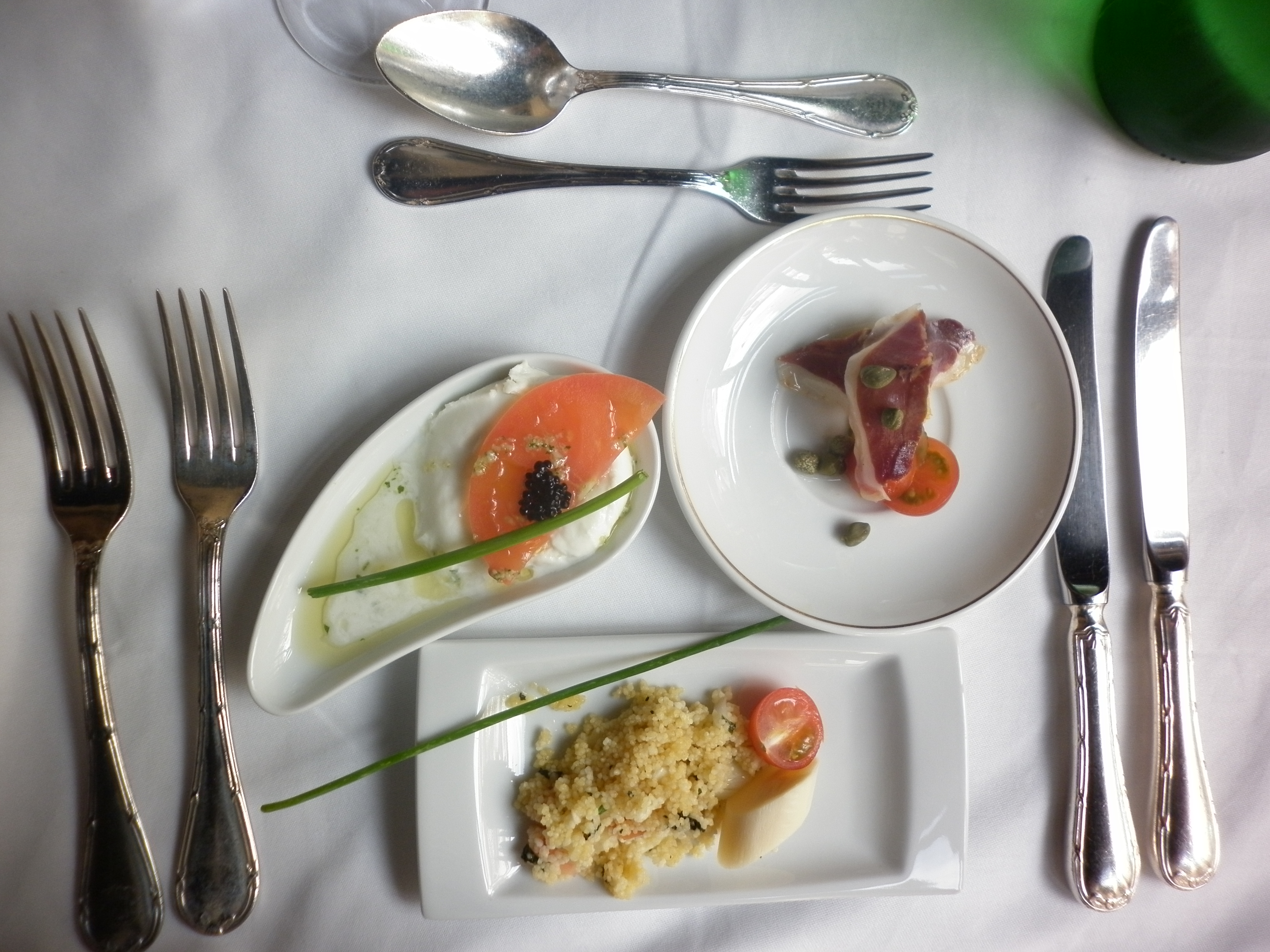
As Seville competes for the World Capital of Tapas, a nod which would give the city another UNESCO World Heritage mention, restaurants and tapas bars around the city are adapting to an eating culture that is evolving towards gastrobar-meets-down home atmosphere. Seville’s tapas culture is a major city attraction.

Many stories about its origins exist, but the practice is universal: bar patrons hop from one bar to another, sampling small plates of food. These can encompass hot dishes or cold, and can be meat, fish, vegetables or anything in between. While Spanish cuisine is considered important, Basque and Catalàn tend to be the heavy hitters in this category.

What sets Seville apart is the participation, making every day special enough to eat out. Tapas can take on so many different forms, making it impossible to get a real taste for Spanish food in a quick trip. Here are five-star dishes that will give you a starter tutorial in Spanish gastronomy:

Pulpo a la Feira
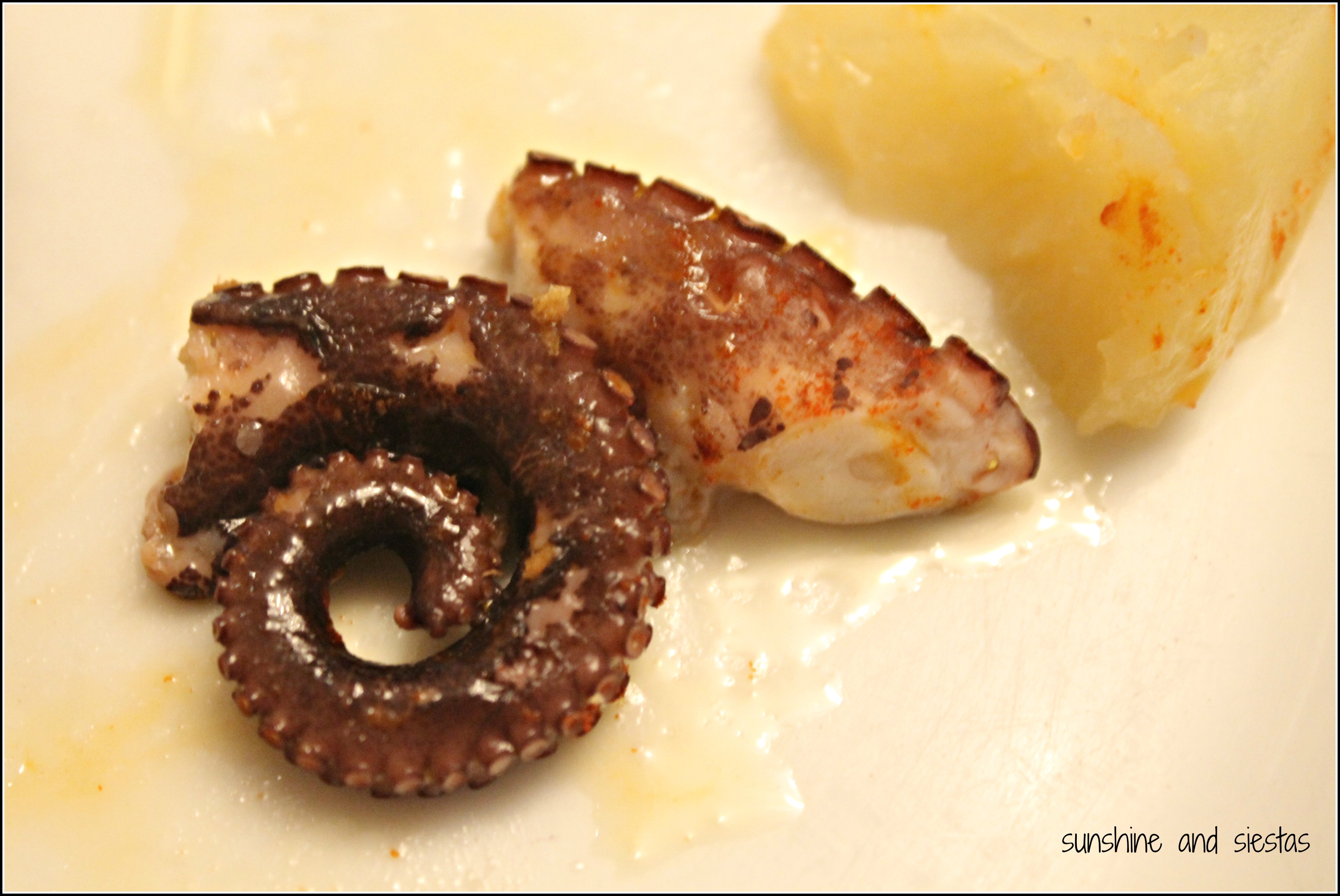
What it is: Boiled octopus served over boiled potatoes, with drizzled olive oil and sweet paprika.

Where it’s from: Typically eaten in the northern region of Galicia, popular varieties include al horno (baked) or a la plancha (grilled).

Where to get it in Seville: Casa Miró is perhaps one of the most famous Galician style restaurants in Seville, but try the pulpo at La Azotea (C/Jesús del Gran Poder, 31), served over mashed potatoes with a mozarabe sauce.

Goes perfectly with: pimientos del padrón, a sometimes-spicy-sometimes-not flash-seared green pepper.

Salmorejo

What it is: A thick, cold soup made with tomatoes, bread, olive oil, garlic and vinegar. Often served with chopped bits of ham and boiled egg.

Where it’s from: This dish is one of the most typical in Córdoba and is a thicker, sweeter version of gazpacho.

Where to get it in Seville: Salmorejo is a staple in most well-established bars in Seville, though not all of it is homemade. It’s pretty good at Bodegas la Pitarra, especially when dipped in even more bread!

Goes perfectly with: Fried eggplant, a ham and cheese mini-sandwich, Córdoba’s other famous dish, the flamenquín.

Paella
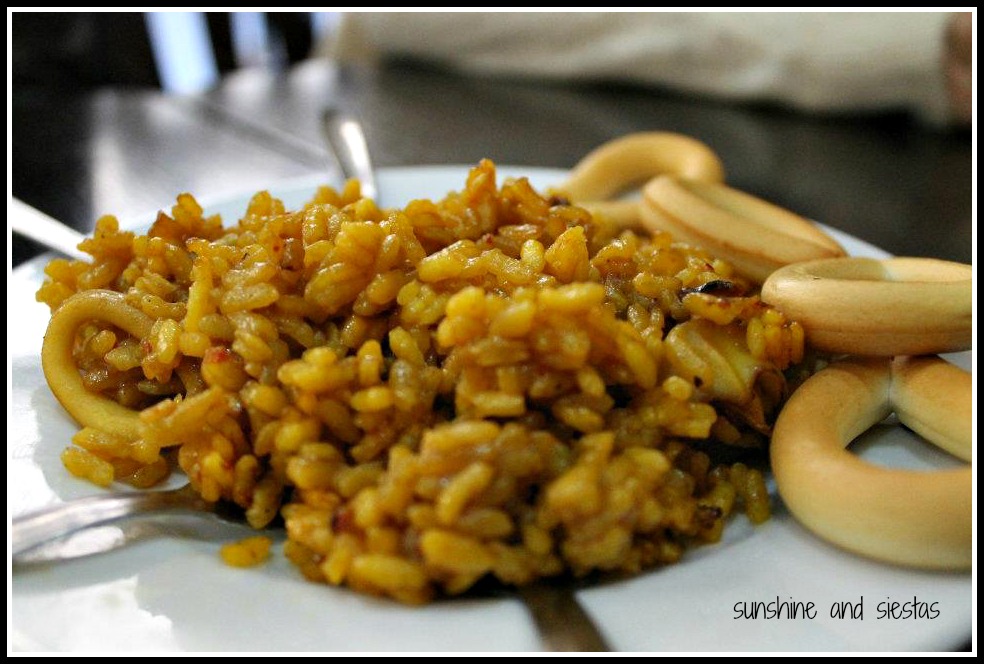
What it is: A rice dish that’s often made with seafood, meat and vegetables.

Where it’s from: Believed to have been created in the Albufera region of Valencia, paella is a common dish on the Mediterranean Coast and at barbeques (I mean it!). Rice is a common crop is Spain, and the availability of cheap flights to this region, like from Belfast to Alicante, make it an easy weekend trip.

Where to get it in Seville: On Sundays, La Cocina del Dr. x (Evangelista, 36, Triana) serves rice or paella. If you’re willing to go a bit further out, the duo from L’Albufera in Los Bermejales (Avda. de Europa, 19) cooks their rice to perfection and even serves it to you from the flat, cast-iron dish. Paella takes a while to make and is ordered by the person, so allot enough time or call ahead .

Goes great with: itself. Since paella is a dish that encompasses the major food groups, just keep digging in.

El Serranito
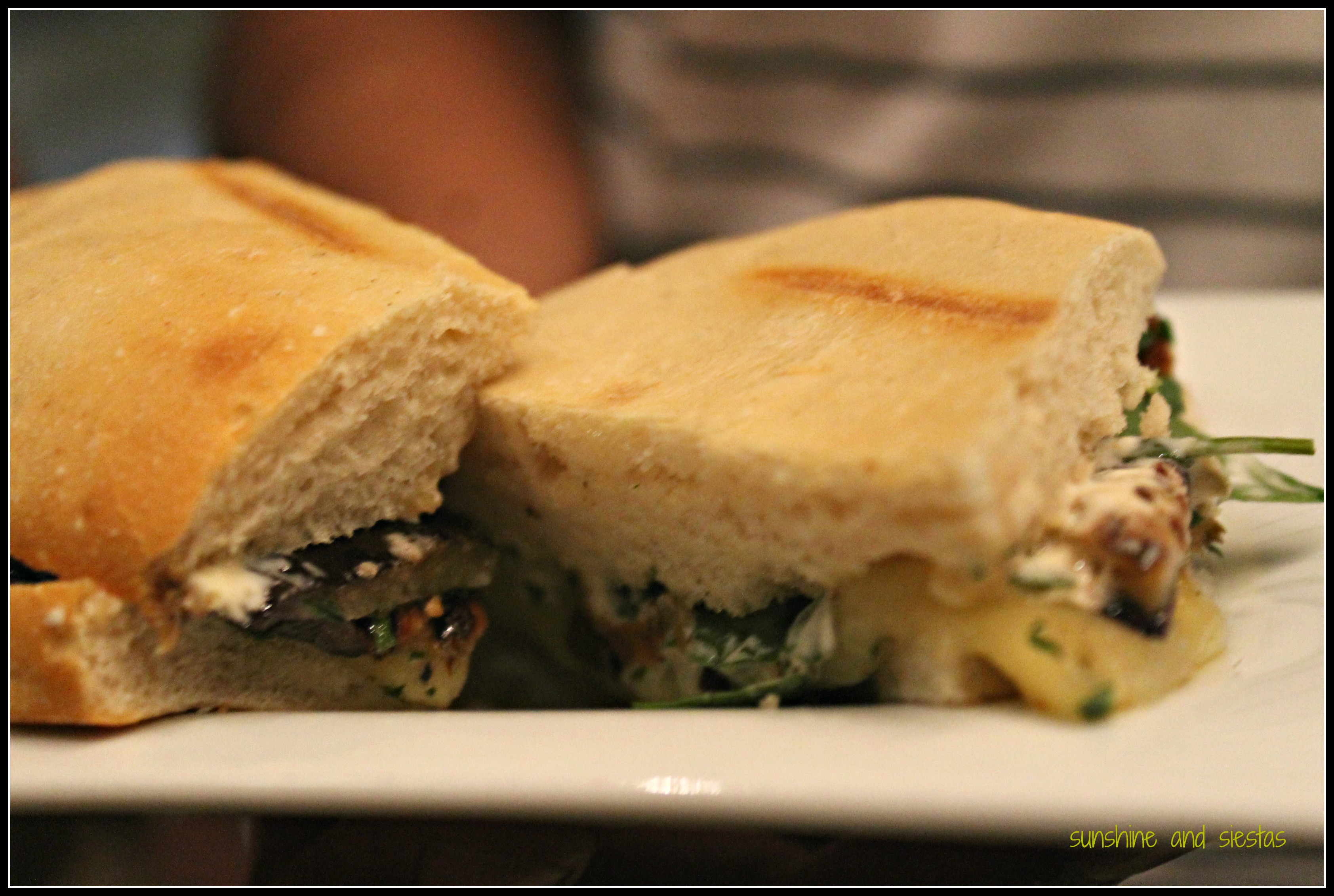
Pepito de Berenjena and fried cheese

What it is: a hearty sandwich stacked high with a pork sirloin or chicken breast, tomato, a slice of ham and a fried green pepper between two hunks of bread.

Where it’s from: This is the Andalusian of fast food. It’s especially common in Seville (I only wish my host mom in Valladolid packed these for me instead of mortadella sandwiches!).

Where to get it in Seville: I’ve found that the biggest and best Serranitos come from the roadside bars in small towns. Many bars in the city serve mini versions of the sandwich for a taste.

Goes perfectly with: A cold beer. It’s hearty, so you’ll need something to wash it down!

Tortilla de Patatas
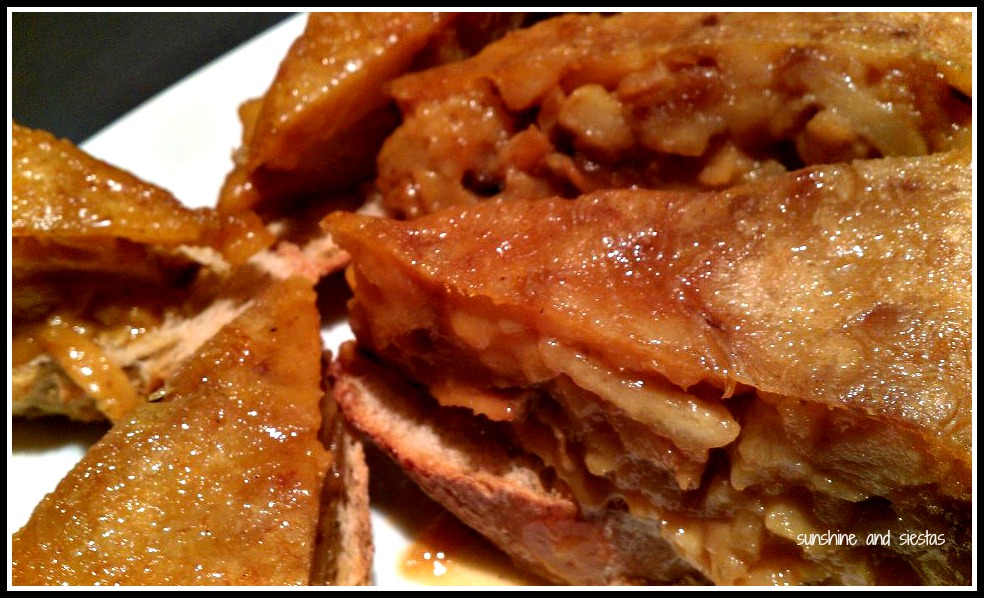
What it is: This list would not be complete without perhaps the most Spanish dish of them all – the venerable Potato Omelette. As simple as eggs, potatoes and onions, the dish can be tricky to master (especialy when you have to flip it and cook the other side!).

Where it’s from: This is perhaps the only Spanish dish common throughout the entire country.

Where to get it in Seville: Some like it cooked, some like the eggs runny, but I love the tortilla from Bodeguita A. Romero, served with mayonnaise (Calle Gamazo, 16).

Goes perfectly with: Just about anything. It’s actually eaten for breakfast in Madrid!

In homage to a city where the tapeo culture trumps even bullfighting and flamenco (read: it’s accessible and likeable to everyone), I’m starting a weekly Tapas Thursday section that will feature different small plates and where to find them in Seville. Hungry? Read on…

[this post was also selected as a part of the Best World Food posts on The Nomadic Family. More yummy scoop here.]

What’s your favorite Spanish dish? What tapas would you like to see promoted on Sunshine and Siestas? Feel free to upload pictures of dishes to Sunshine and Siestas’s Facebook page!

How to Get a Carné Jóven Andaluz

Ah, youth. The period of your life where everything is confusing, the future is uncertain and where you rely – perhaps more heavily than necessary – on others to stay afloat. Even as a 27-year-old living in another country, I still feel like I’m in this not-quite-an-adult limbo (like the Britney Spears song).

But don’t worry, guiri friends. The government has got your back on this one!

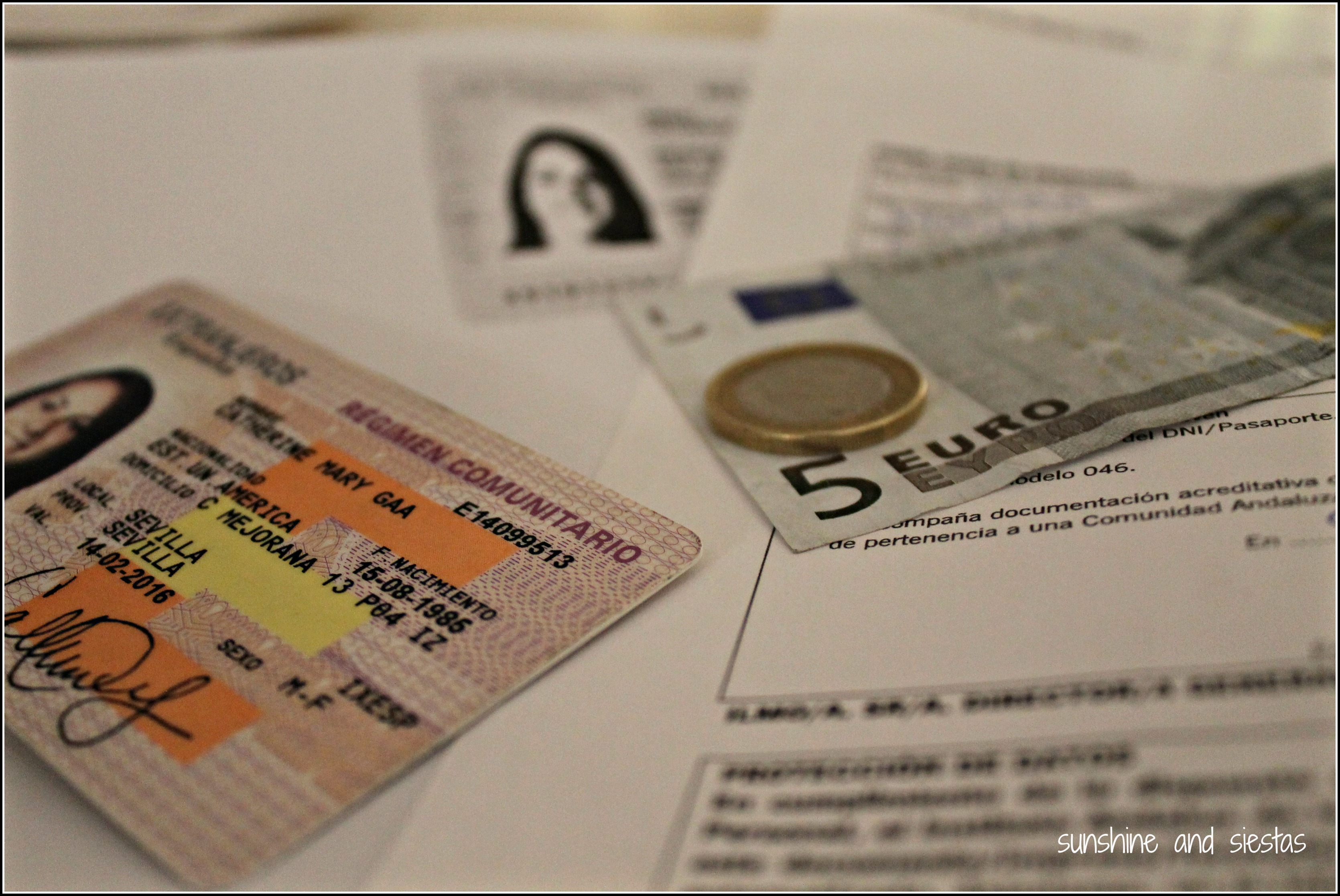
With the unemployment rate in Spain climbing as fast as our taxes, the Andalusian government became the first autonomy to amplify the carné jóven, a sort of discount card that can be redeemed at places all around Andalucía and Spain. Valid until the day you turn 31, shops, beauty parlors and even hotels will give you discounts by simply presenting the card and a photo ID. It’s similar to the ISIC card and can save you oodles on all types of services.

What you’ll need

  • Your NIE and one photocopy (in its absence, your passport and proof of residency in Andalucía)
  • Form Anexo 1 (available here)
  • Proof of being Andalusian or proof of residence in the Andalusian community (usually your NIE will suffice, if not, a housing contract or bill will do)
  • 6€

Where to go

The Institutos Andaluces de Jóvenes, as well as some local banks and any offices of información juvenil in your village, are authorized to process your paperwork and give you the rights to own a card. But, as with many things in Spain, you’ll have to turn in your paperwork and THEN go to a bank with form Modelo 46, wait in another line and pay a fee, called a tasa, of 6€. Cards can be processed in the same day if turned in before 10a.m., or sent to your residence.

Similarly, there’s an online portal.

Dirección Provincial del I.A.J.
C/General Tamayo, 23
04001-Almería
Tlf: 950 00 66 00
Fax: 950 00 66 20
E-mail:informacion.al.iaj@juntadeandalucia.es
Dirección Provincial del I.A.J.
Alameda Apodaca, 20
11003-Cádiz
Tlf: 956 00 75 00
Fax: 956 00 75 20
E-mail:informacion.ca.iaj@juntadeandalucia.es
Dirección Provincial del I.A.J.
C/ Adarve, 2
14002-Córdoba
Tlf: 957 35 22 40
Fax: 957 35 22 41
E-mail:informacion.co.iaj@juntadeandalucia.es
Dirección Provincial del I.A.J.
C/ Ancha de Santo Domingo, 1
18009-Granada
Tlf: 958 02 58 50
Fax: 958 02 58 70
E-mail:informacion.gr.iaj@juntadeandalucia.es
Dirección Provincial del I.A.J.
C/Rico, 26
21001-Huelva
Tlf: 959 01 19 50
Fax: 959 01 19 51
E-mail:informacion.hu.iaj@juntadeandalucia.es
Dirección Provincial del I.A.J.
C/Arquitecto Berges, 34 – A
23007-Jaén
Tlf: 953 00 19 50
Fax: 953 00 19 70
E-mail:informacion.ja.iaj@juntadeandalucia.es
Dirección Provincial del I.A.J.
C/ Carretería, 7
29008-Málaga
Tlf: 951 04 09 19
Fax: 951 04 09 20
E-mail:informacion.ma.iaj@juntadeandalucia.es
Dirección Provincial del I.A.J.
C/O´Donnell, 22
41001-Sevilla
Tlf: 955 03 63 50
Fax: 955 03 63 60
E-mail:informacion.se.iaj@juntadeandalucia.es

source

Where it’s valid

Good news – if you’re under 27, you get a 20 – 25% discount on train tickets for the AVE and media distancia trains. Bad news: I turned 27 two months ago and no longer receive these amazing deals. Still, the card is valid all around Andalucía and in many other regions of Spain at youth hostels and hotels (10 – 15% off full price), private doctors and opticians (up to 20%), along with gyms, cafés and courses. A full list can be found clicking clicking here.

The Carné Jóven is also valid in 40 European countries if you’re 26 or under, much like an ISIC card.

If you’ve used a carné, tell me where! My main purpose for getting the card was for Renfe discounts, but I now don’t know where to make my 6€ count!

For the Love of the Dove: El Rocío

I’ve never been one for Bucket Lists, but often set travel goals for myself. When I was 20, I decided to do a 25 before 25, making a list of my top-five destinations when I moved to Spain two years later. Twenty-twelve meant no resolutions, just a few ideas for travel goals during 2012: one new country, one off-beat travel activity and one nationally recognized festival, in Spain or not.

It’s the end of May and I’ve just completed my goals. I think I shall hashtag this as #travellover. Last weekend, my sevillana half orange, La Dolan, and I went to visit Spain’s lushiest Virgin Mother, La Virgen del Rocío.

The festival of El Rocío is one-part religious pilgirimage, one-part full-blown fair and two parts party: those devoted to the Virgen, known as the Lady Of the Marshes or the White Dove (Nuestra Señora de Las Marismas, for the hermitage’s proximity to the protected swampland of Doñana National Park, or the Blanca Paloma), make a pilgrimage from their towns to the immaculate white church outside the village of Almonte. This can be done on foot, on horseback, or by riding in oxen-driven carrozas, a type of temporary covered wagon. Arriving on or before the Saturday of Pentecost, often sleeping and eating outdoors, the rocieros then gather in El Rocío for a series of masses, parades and the famed salta a la reja.

We arrived just before noon on Pentecost Sunday. I wore my celestial blue traje de gitana, coral flower on my head, while Cait opted for a breezy skirt. It was over 90º out, but the rocieros were in their typical costumes: the women in trajes de gitana or faldas rocieras, a skirt with ruffles suited for walking, and high leather boots. The male counterpart is a traje corto, with tight cropped pants made for horseback riding. I made a face at Cait, suddenly very hot with the sleeves of my dress and restricted in movement.

The whole village of El Rocío is like a town straight out of a Wild West film set – hitching posts set in front of modest houses, horses clopping gallantly around the sandy streets. It was difficult to walk with my espadrilles while dodging carriages, and sand soon filled my shoes.

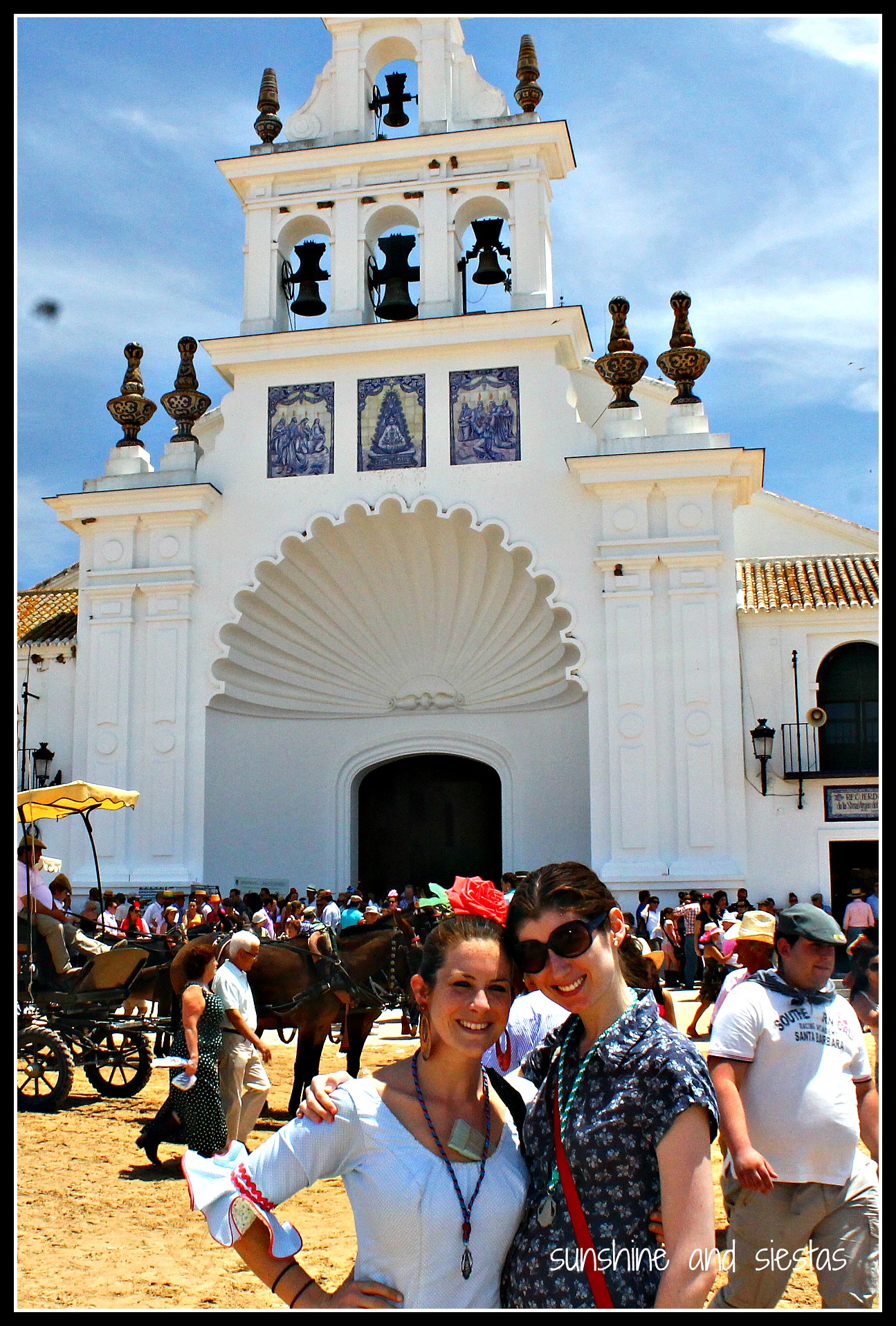
As we neared the stark white church, a beacon against the bright blue Andalusian sky, we decided to visit the village’s most famous resident before going any further. As we neared, the tamboril drums and simple flutes that characterize the sevillanas rocieras grew to a furor, and the crowd standing under the scalloped entrance of the hermitage suddenly parted. The Pentecost mass had just ended, and a parade of the simpecaos, the banners carried by the different religious groups, had begun.

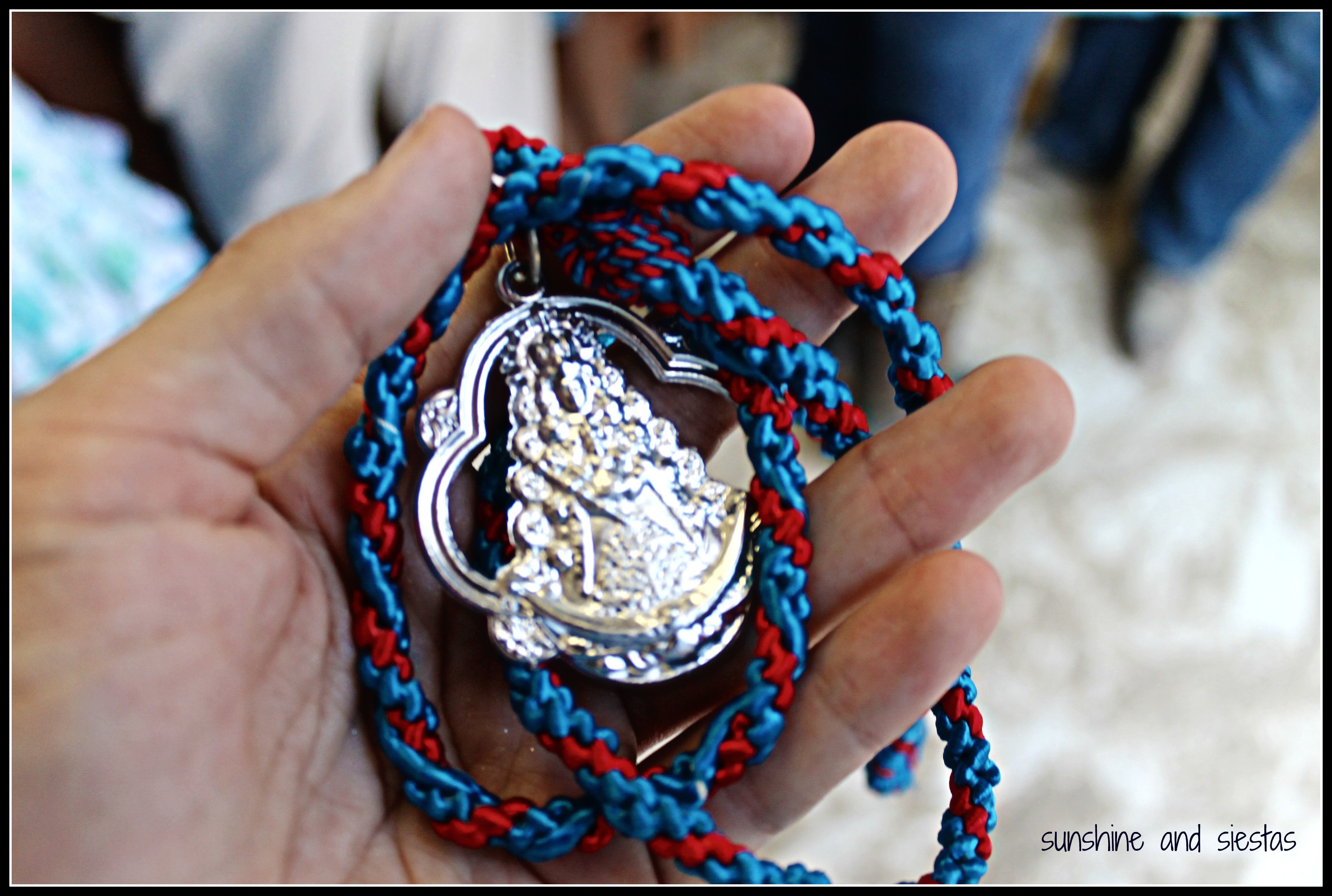
The knots of people ebbed and moved as the 110 hermandades, yes the same kind from Holy Week, from around Spain presented their faithful before the church and moved around the village’s dusty streets. From simple to elegant, each carry a symbol of the Virgen del Rocío. The pilgrimage dates back to the 17th Century, with the hermandad from Almonte, el Matriz, being the oldest. Following the banner come women in two straight lines on either side of the simpecao, carrying long silver staffs topped with images of their brotherhood’s virgen. Their necks were emblazoned with the same silhouette in the form of heavy pendants on the end of multi-colored rope cords.

The festival at the Aldea is characterized by religious devotion, of course, but there’s much more to it. As Cait and I reflected over our first action-packed hour, we listened to other bar-goers recount their tales. Once the hermandades arrive to El Rocío through the various routes from the East, West and South, they settle into houses that look like a giant corral or hotel around a central patio, with room for the carrozas and horses behind. Gines, Olivares, Villamanrique and Triana have enormous patios, and we peeked in to see the merriment between beers. People sing, dance and pray for up to one week during the pilgrimage and the celebration.

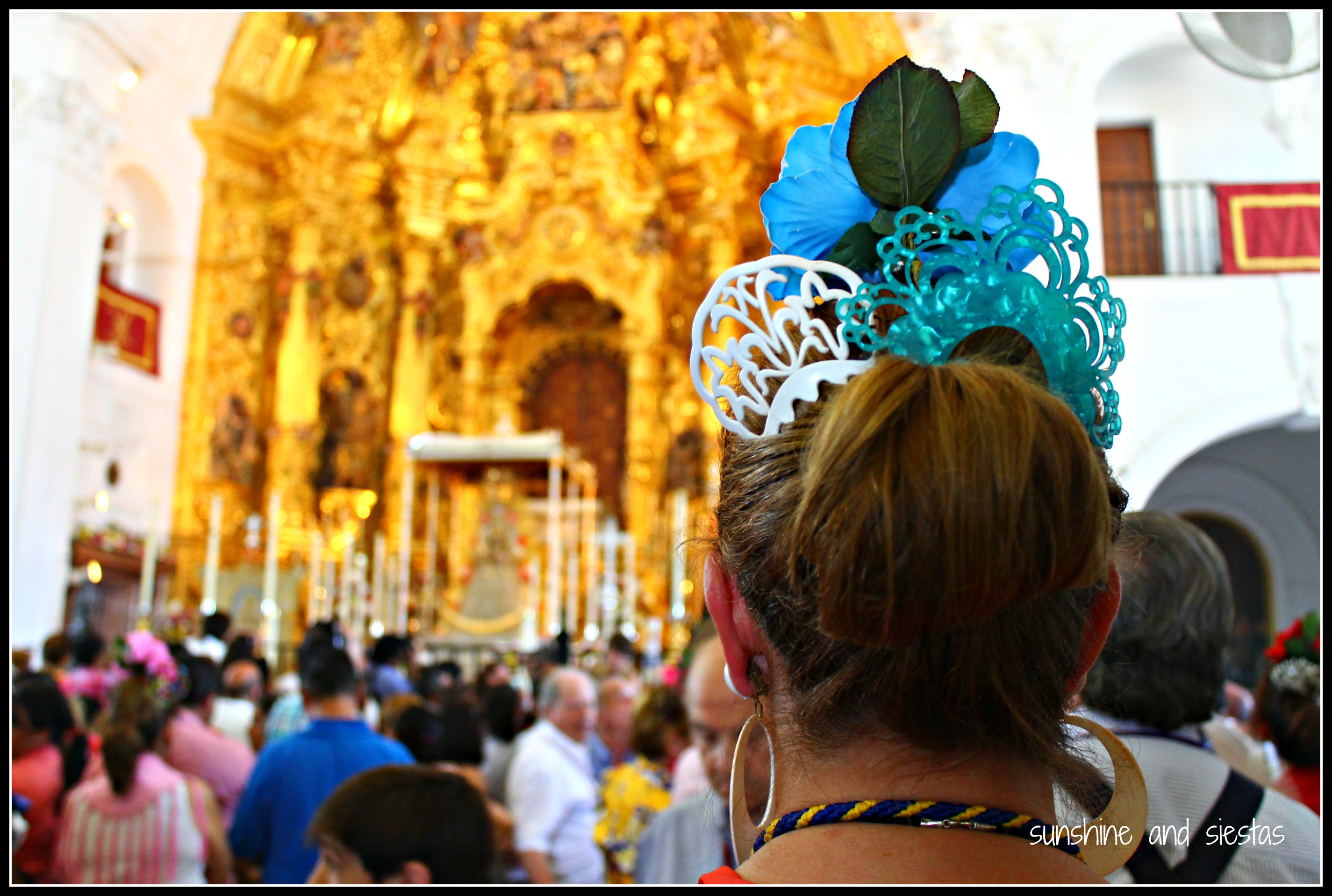
Feeling refreshed, we decided on visiting the Virgin herself. The temple is simple, white-washed, save the golden retablao and a few frescoes in the corners of the nave. Cola de batas, the boundy ruffles of the traje rociero, showed under confessional booths, and the romeros prayed to the Virgen Mother, who was kept safely behind a cast iron gate, called a reja. After praying the rosary that night at midnight, she would “jump over” the reja and be paraded around the village on the shoulders of revelers, called the salta a la reja. This is the culmination of the week’s events, and it signals the abandonment of the recinto and the camino back home.

Outside, we bought candles in the gift shop to take to the adjacent prayer chapel. There’s a life-sized statue of the Rocío that people press their candles to before lighting them and finding a place to prop them up. The whole chapel was cool, smoky and silent – a far cry from the music emanating from the casas outside.

We spent the rest of the afternoon walking through the streets, popping into bars for a beer (and relief from the hot midday sun), visiting my students from Olivares and trying to keep the sand out of our shoes. We got on the bus six hours after we’d arrived, absolutely exhausted and still bigger feriantas than rocieras.

Have you been to El Rocío or done the peregrinación? What was your experience like, especially on the road towards the Aldea? For more pictures, be sure to check out my Facebook page and become a fan for up-to-date photos and posts about Spain and Seville.

Ya Huele a Primavera

On a popular talk show on Andalucía’s Canal Sur called La Semana Más Larga, the host Manu Sánchez recently griped about the recortes going on throughout Spain.

But Rajoy just wants us to move right into Summer! he spews, citing the recent “frío esteparian” and the subsequent 70º weather. He’s got a point – springtime in Seville is sweet, filled with tipsy afternoons drinking in sunshine and Cruzcampo, fresh breezes and the intoxicating scent of azahar. But Springtime is also the most short lived season, a brief twinkle in the year, and Rajoy’s insistence in cutting the fat off of all that is good and beautiful about life in Seville is just plain loco.

Manu claims that Spring is for the sevillanos to leave “everything in condition” so that the guiris, who olny come in the summer, can have what’s left over (watch the whole show here a la carte and enjoy Manu’s INCREDIBLE andalú). For this guiri who makes like a sevillano and verenea in a different part of Spain, I enjoy the terracitas and fresh aceite like an respectable andaluz.

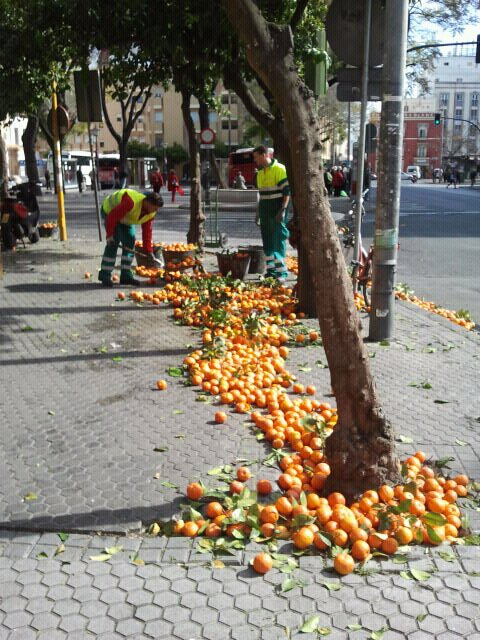
Apart from the towering palmeras that line boulevards, Seville is populated with orange trees. During the winter months, the naranjos bask in the sunshine, their dimply skin growing its namesake color until the days start getting longer in late February. The oranges of this sour variety are rarely, if ever, consumed in Seville, and the rumor states that only the oranges grown in the Cartuja Monastery are sweet enough to eat.

By the time March lazily rolls around, the orange trees are shaken, the fruit gathered into thigh-high burlap bags and sent off to the British Isles for bitter marmalade. According to the Novio, the city of Seville began to crate and ship them as a gift to the Queen of England. Though I cannot find evidence to support or kill this long-told legend, the people of England start their days off with the fruit spread over their toast, and I with the scent of the orange blossom flower.

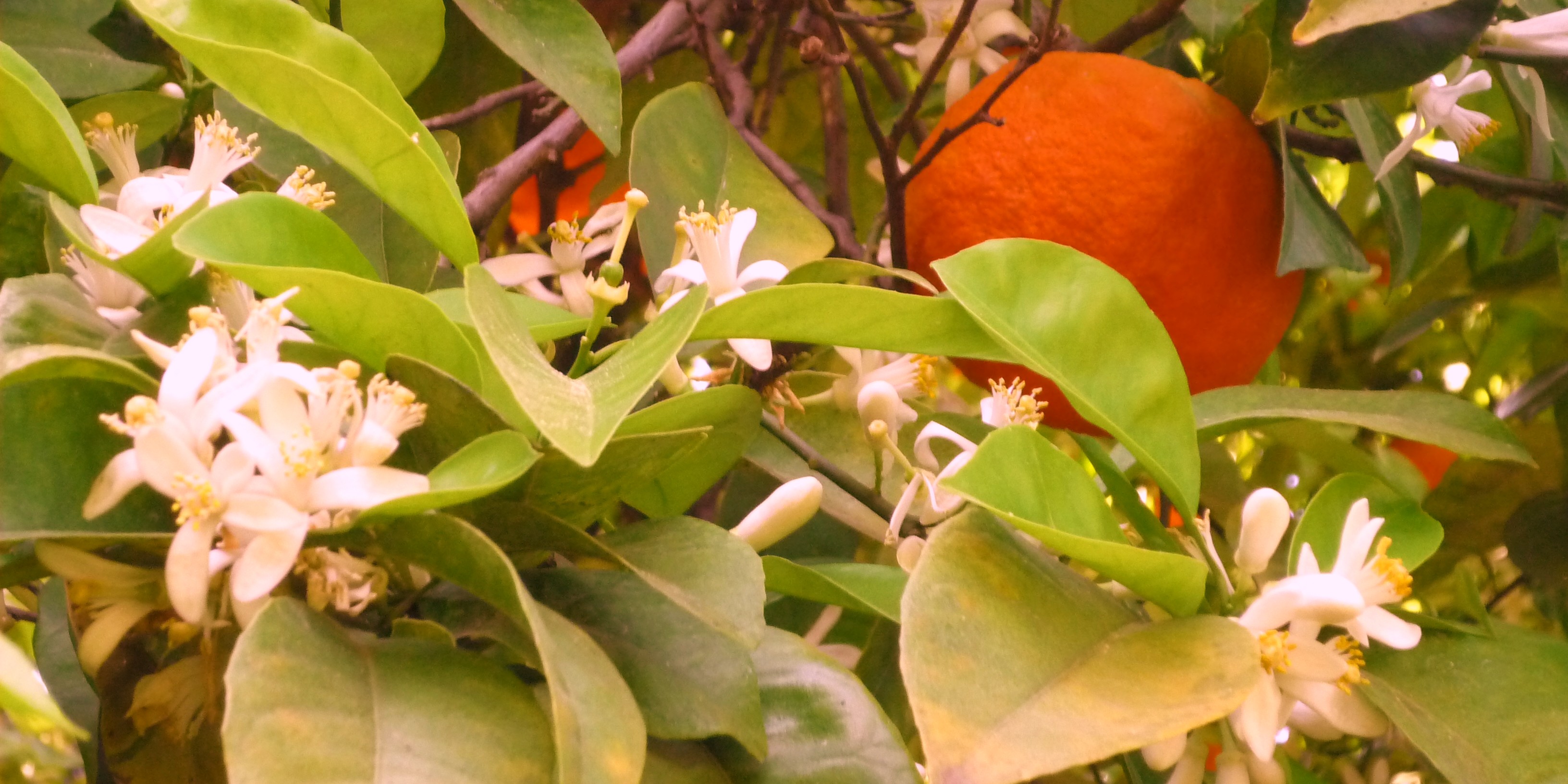
The small yellow bud, called azahar, appears for just a week or ten days’s time, smelling a little bit like fresh laundry, lightly scented perfume or a sunny day after a spring shower. I can’t put my finger on it, but crane my nose in the week leading up to Saint Patrick’s Day to catch a whiff. After seeing the buds began to peek out of the branches, I finally smelt it on Avenida de la Buhaira, riding my bike on a sunny afternoon with my sleeves rolled up.

Finally Springtime, the small glimmer of sevillano time that I am so very fond of.

If Manu’s predictions were anywhere near right, we’d lose the azahar, botellines in a sun-filled plaza on a Sunday afternoon, the sand between my toes somewhere lost in the pinares of Huelva. The passionate processions of Holy Week, gone. The lively sevillanas at the Real, finito. Bullfighting’s biggest names, fuera de la cartelera. Kelly told me my first year here: “Loving Seville in the Fall and Winter is one thing, but you’ll completely swoon come primavera.”

Losing our most treasured season, the one we live for atope in the waning sunlight of twlight, the one we wait for through the nights huddled close to the space heater, would mean a little piece of livelihood taken from the penitent nazarenos, a little less arte in our steps during Feria. Spring is the season I live for more than any other.

Sevillanos: Where do you like to spend your tardecitas? What do you do with the perfect weather and sunny afternoons? Any good tips for finding sunshine and relax? Share them in the comments, por favor!

Seville Bucketlist: One Year Update

On this weekend, one year ago, my friend Canilaydee and I were enjoying a rare Friday off of work. It was Día del Profesorado, which is pretty much a mental health day for teachers in Andalucía that also coincides with Andalusia Day. We came on the same plane over from Spain, so our days in Seville are in the same ballpark. Thus, over caramel macchiatos at Starbucks (the shame!), we decided to make a bucketlist.

One year later, I’m still trying to cross several things off the list. There’s a few I’ve had the chance to do, and other that will have to wait until all of this business of jobs, grad school and freelancing gets a bit more settled. In the past year I’ve:

  • Eat breakfast at the sumptuous Hotel Alfonso XIII (closed for renovations till March 2012)

My friend Lauren of Spanish Sabores and Recetas Americanas got married to her boyfriend Alejandro last June, so we wanted to do something special for her. The first weekend of May we had Monday off, so Kelly, Claudia and I booked her a table at brunch at Seville’s breathtaking Hotel Alfonso XIII. Acting as a bit of a shower, a bit of Sunday morning mayhem, we guzzled champagne and bite-sized breakfast tapas. Sadly, the weather didn’t cooperate and we couldn’t use the pool, but it was a great deal for endless food and drinks in one of Seville’s most beautiful buildings.

If you go: The hotel is closed until next month for renovations, and rooms are quite costly. As an alternative, you could have a coffee in the outdoor patio, a drink in the martini garden (where Cameron Diaz was spotted while filming Knight and Day) , or indulge in the Sunday brunch in the San Fernando restaurant. Prices weren’t available for the new temporada, but it cost us each about 39€, and they allowed us to bring our own cake.

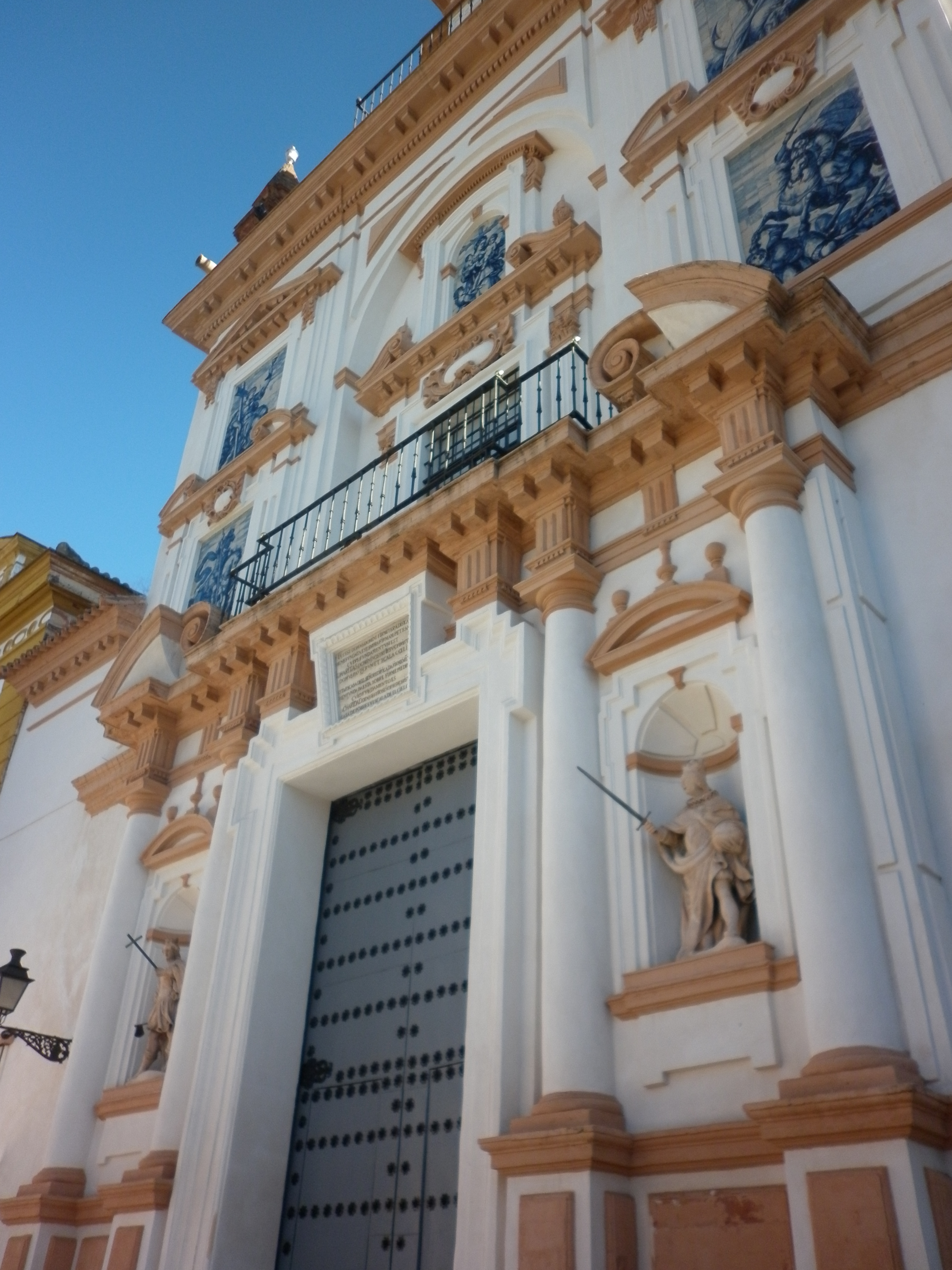
  • Explore Hospital de la Caridad, noted for its collection of sevillano painters like Murillo and Velázquez

On a lazy Saturday morning just before Christmas, I entered the dark halls of the Hospital de la Caridad, a temple just off the banks of the Guadalquivir. The security guard sleepily took my five euro bill and held his arm up towards the heavy wooden door. Inside sat an arcaded patio, empty except for a docent that dozed in the morning sun that creep just behind the adjacent Giralda.

While the convent isn’t much to see, the chapel houses works by the Santa Caridad’s founder, religious painter Miguel Mañanra. The space is covered in scene from Christ’s life and the floor engraved with the names of the original members of la hermandad. While a little too opulent for my taste, the chapel and museum contain works of art that rival the collection in the nearby Fine Arts Museum.

If you go: Try and go on a Sunday for free access; otherwise, the entrance to a simple museum and inner grounds will run you 5€. I personally didn’t think it was worth it. The museum is located just behind the Teatro de la Maestranza just off the river, and can be reached by buses C3, C4, C5, 40 and 41, or just a short walk from the main sights of Avenida de la Constitución. Hours are Monday – Friday 9:30 – 13:30 and 15:30 – 19:30, and Sundays and festivals from 9:00 – 12:30.  

  • Visit museums like Archivo de las Indias, Palacio Lebrija and Artes y Costumbres

One great thing about being a teacher is the ability to be “invited” along to places. When I go on excursions with my students, we get to visit Roman ruins, horse shows and museums for free, so my visit a few weeks ago to the Museo Encuentado in the Museo de Artes y Costumbres Populares was  a real treat.

Two men dressed on period garb stood on the steps leading up to the neo-mudejar building that flanks one side of the Plaza de América, inside María Luisa Park. Using a hollowed-out gourd, they called the kids to attention before breaking us off into groups. Domingo explained the cultural heritage evident in Seville’s long history through the objects in the museum, and I was fascinated at how the museum could come to life for my young learners.

The museum has two floors dedicated to cultural heritage in Seville – artifacts, furniture, azulejos – and provides many dioramas of talleres that are especially pertinent to the area – the gold molding for semana santa floats, wine making, matanzas (if you want to know, click here), etc. I’ve yet to visit the other two, but all in good time…

If you go: The museum is located in the María Luisa Park that is walkable from the historic center, or you could alternately take buses 1, 6, 30, 31, 34, 37 or 38. The entrance cost is low – free for EU members and 1,50€ for all others, and the museum is open Tuesday from 2pm – 8:30pm, Wednesdays to saturday from 9am – 8:30pm and Sundays from 9am – 2:30pm.

  • See the Virgen de la Macarena in her Basilica

In Seville, one could ask if you were sevillista or bético, referencing the two Hispalense soccer teams. In a way, you could also ask if you were more for the Virgen de la Esperanza de Triana or the Virgen de la Esperanza de la Macarena.

When I have friends come to visit and we take a walk around my old barrio of Triana, I always pop into the small chapel on Calle Pureza where my preference, la Trianera, lives, to explain the cultural significance of Holy Week. Still, after four years and four Semana Santas passed, I still hadn’t been to the Basilica de la Macarena.

That was, until December 18th. And quite by accident. And on the worst day of the year to see her. The story is just way too funny and too much of a guiri moment, so click here if you want to read it.

If you go: Macarena’s oppulent home is located in the northern end of the historic center, just off of C/ Bequer. Alternately, you could takes buses C1, C2, C3, C4, C5, 2, 13 or 14 to the entrance of the church, which is free to enter. Standard hours apply, and expect to meet a lot of faithful on feast days and during Semana Santa.

  • Explore the Cementerio San Fernando, resting place of bullfighters and famous sevillanos

Just today, I crossed off another item (in addition to seeing the inside of the parliament palace). Kike lent me his car to cross town to the cemetery, where I was met with a hearse and a long funeral procession. Upon entering the brick and iron gates of San Fernando,  a guard who merely pointed to a sign prohibiting cameras. I tucked Camarón back into my bag and surrendered him to the guard, pleading that he keep it in the office.

I’ve always liked cemeteries for their solace and tranquility. Seville’s massive complex is located in the northern end of the city, and the Alamillo bridge is visible over the mausoleums and walls of graves. The plot is breathtaking – walls of white hold the mortal remains of Seville’s most celebrated bullfighters – like Juan Belmonte and Paquirri – and hijos predilctos, as well as flamenco singers and businessmen, like Osborne.

I was enraptured by the bright blue sky and ability to think clearly for once. The small details left on the graves, from fascists arrows to a plastic statue of a Disney princess to plastic flags and flowers, made life’s pleasures become a reality for me. Even in death, I could imagine what a neighbor treasures in life. In the hour I spent walking through decrepid old family mausoleums and placards that had been shattered and left abandoned, I saw shrines both great and humble. Loved ones of the departed cleaned and swept the gravesites, just like in the opening scene of the Manchego women in Volver. Much more than witnessing a cultural element in flamenco or bullfighting, I was witness to the utmost respect that Andalusians use when caring for the deceased. Well worth the loss of sleep for a bit of perspective.

If you go: San Fernando cemetery is open to the public every day from 8 – 5:30am. Keep in mind that it is a sacred place for Spaniards, so loud noises and photos are strictly prohibited. You can reach the cemetery by public TUSSAM bus #10 from Ponce de León in the center. The stop is located directly across from the entrance.

Other ideas for my Seville or Spain bucketlist? This year I’m traveling to Zaragosa and Murcia, two places I’ve never visited – so only Logroño will be left to conocer! What tops your travel bucketlist for this year? Leave me ideas in the comments after viewing my original blogpost here.

Y nace en Santa Cruz.

Saturday, 9:53 am. Bike is parked next to Alfonso XIII, heavy with a layer of dust. No one is out, save the old men, hands clasped behind their backs in a slow, statuary salute.

Early Saturday mornings mean the city is entirely for me: no camera-toting tourists to dodge, no street performers belting out their tired anthems. The sting of smoke from the chestnut vendors blinds me from the soft, golden color of the sun, long before it drowsily roars with its midday strength.

La Esquina de Arfe becomes my fueling stop, just a brisk walk away from the nondescript churros stand. The woman twisting the long coils hands a doughy stick to a young boy, snatching it away at the last moment. Niño! she scolds, ¡Que te vas a quemar! I take my coffee templado and my toast a bit burnt with tomatoes.

Saturday mornings mean solitude – in the streets, in the Hospital de la Caridad, in my own head. I wander the streets of El Arenal watching vendors receive their fresh goods, feeling the sunlight on my face. After ducking into Plaza del Cabildo for a quick look at the antique shops, I burst out onto Avenida de la Constitución. In the City That Never Socializes Indoors,  the streets have filled with strollers and shoppers.

María Praderes Dolores once sang that Sevilla has a special color. I imagine that it’s the color of the sun that sets in Triana and is born in Santa Cruz, illuminating the Giralda spire on early Saturday mornings.

Related Posts Plugin for WordPress, Blogger...