Spain Snapshots: Plaza María Pita, A Coruña

Right now, I’m boarding a flight to my second Spanish home, A Coruña. The northwest corner in Spain is a breath of fresh air in Seville’s stifling, 40º heat, and I’ve got all the things I love about Spain in one place – great food, a breathtaking city and the warm nature characteristic of the people there. It’s like putting on my favorite pair of Mango jeans after a few months of skirts and dresses – I could see myself living here.
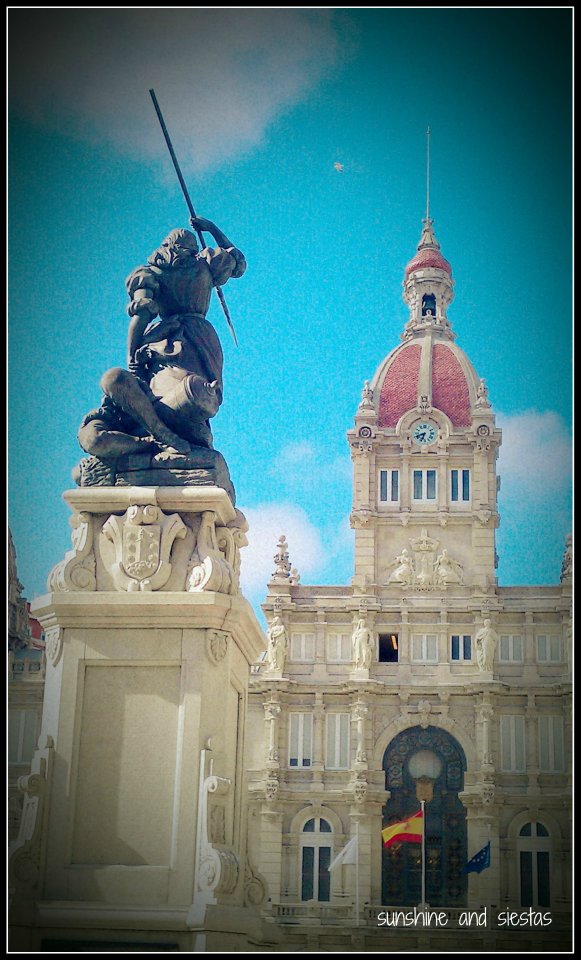
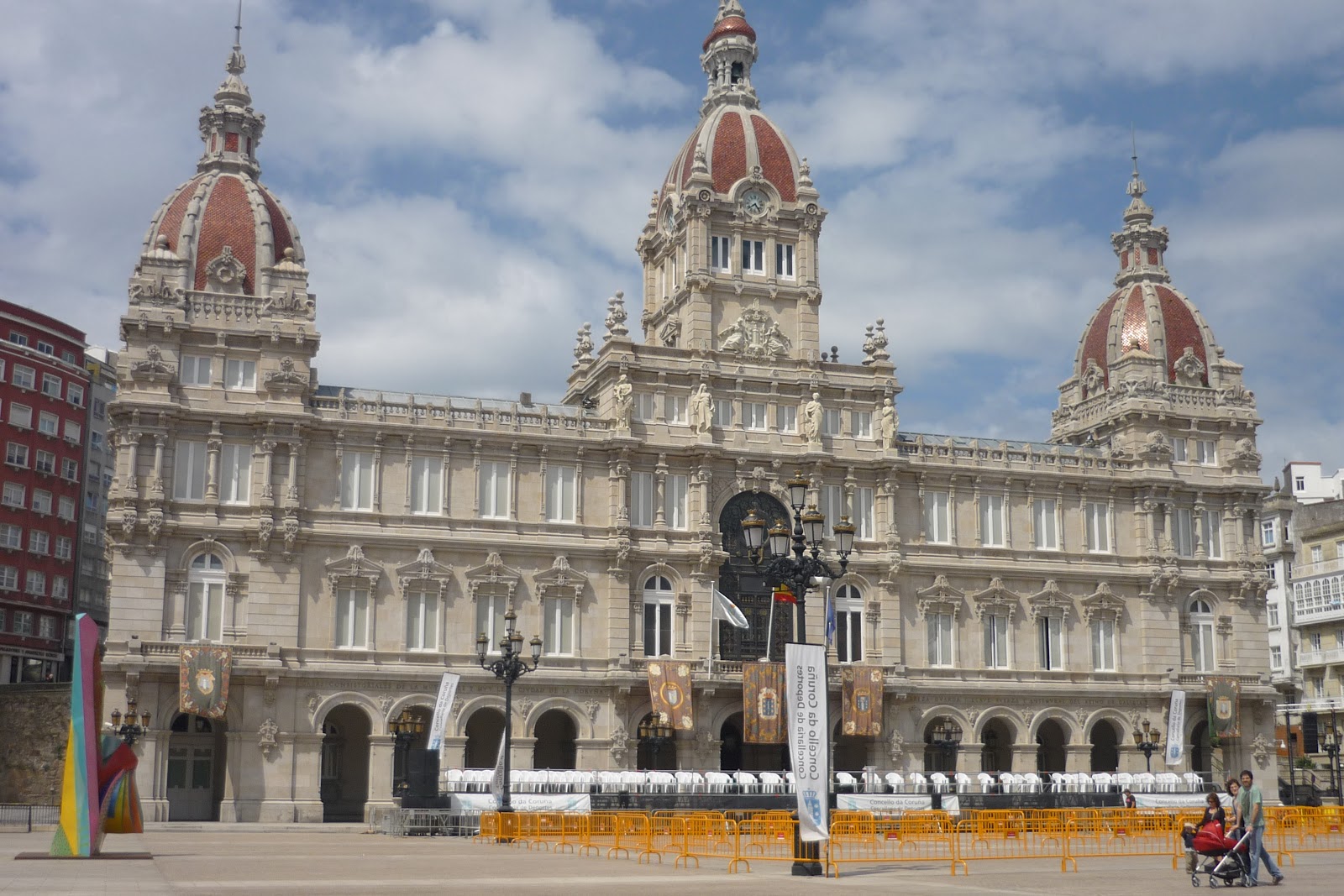
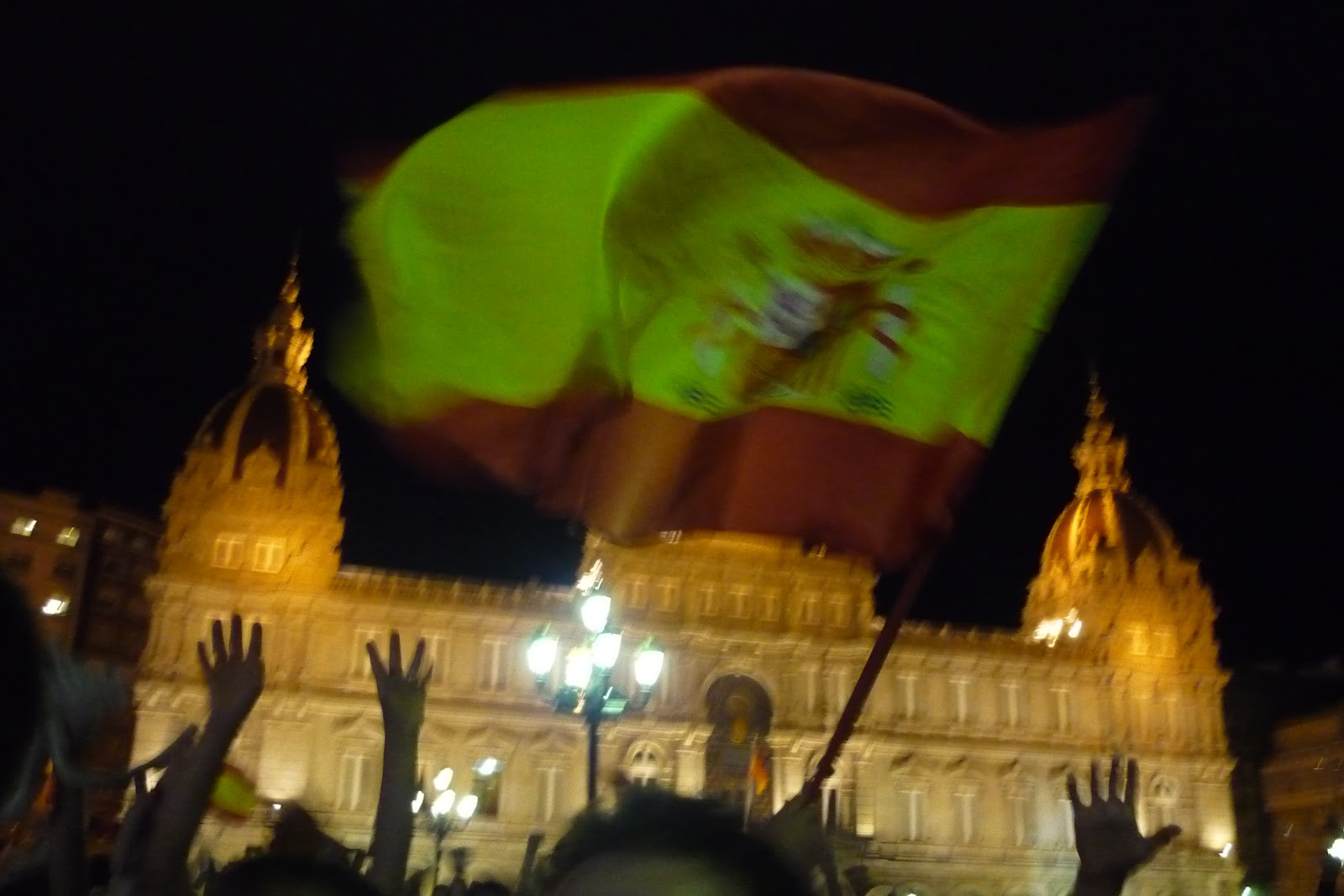
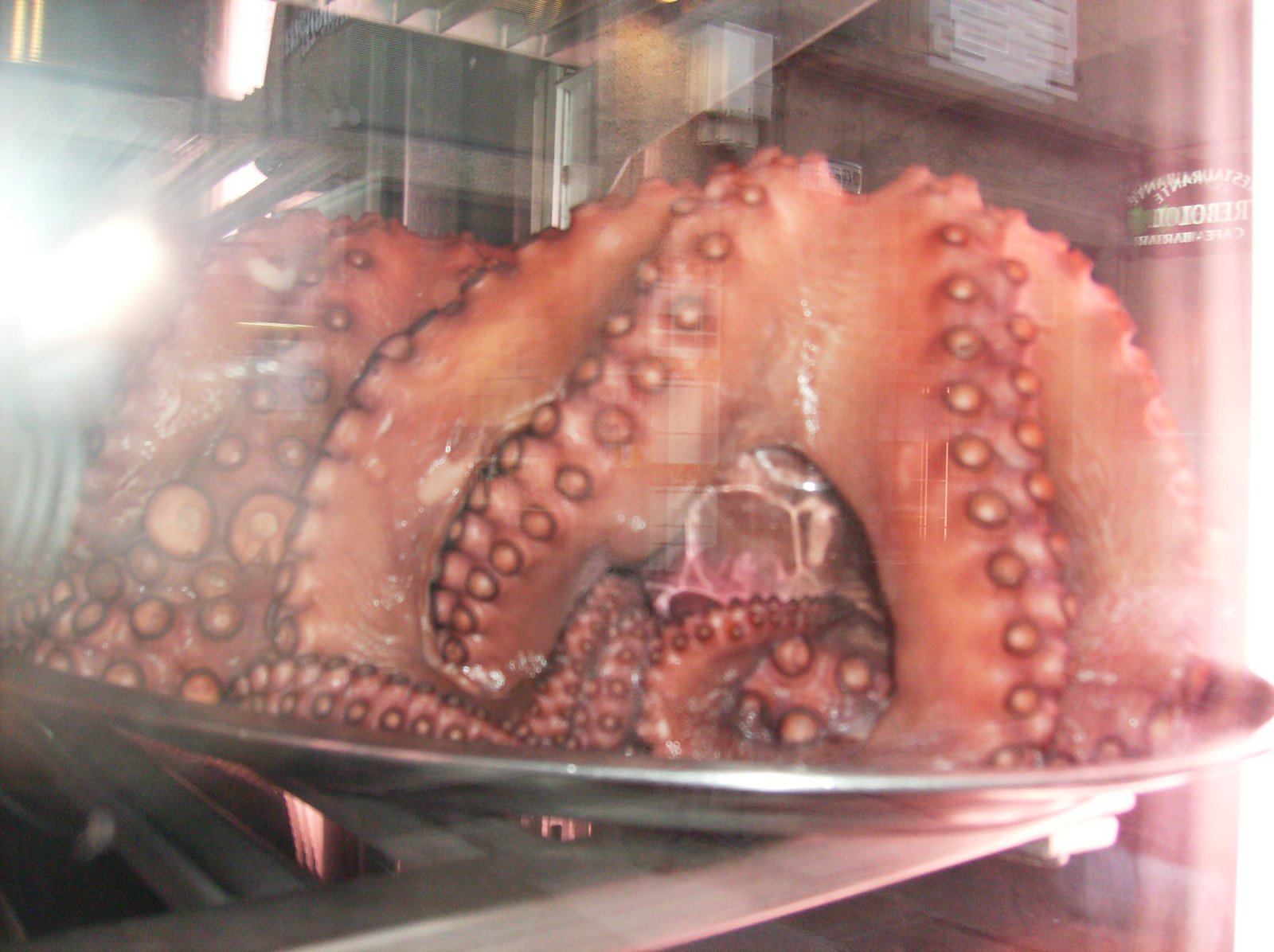
Plaza María Pita, crowned by the charming town hall, is the throbbing heart of the mushroom-shaped peninsula. Buried within the vast, colonnaded square is the first place I ever tried pulpo a la gallega, and crunched up between a light post and hundreds of others, I watched Spain win the World Cup in 2010. Just recently, the Novio and I walked arm-in-arm as I showed him my favorite rincones of the Crystal City.

My heart is completely andalú, but I leave a small piece of it at the Riazor beach or in the coves next to the Torre de Hércules every time I’m in Galicia.

Have you been to Galicia? What are your favorite parts?

If you’re new here, check out my first few entries in a series on photogenic Seville and other parts of Spain, which will be posted every Monday. If you’d like to participate with your photos from Spain and Seville, please send me an email at sunshineandsiestas @ gmail.com with your name, short description of the photo, and any bio or links directing you back to your own blog, Facebook page or twitter. There’s plenty more pictures of the recital on Sunshine and Siesta’s new Facebook page!

The Serendipity of Traveling in Galicia

I have oodles of serendipitous moments while traveling through Spain and the world beyond – from sharing a tanjine with a Berber man to rubbing shoulders with Falete (seriously, he literally brushed passed me on the street in a flare of flamboyant nonchalance). Camera in hand, belly full of food and with my dad or Novio, and I’m totally in travel nirvana.

Still, I gotta throw out this disclaimer: I have just as many flubs and mess ups and utterly frustrating moments when I travel. But I wouldn’t keep traveling if those moments didn’t thrill me and push me to see more.

Just last weekend, I hopped on a plane after work to Galicia, the region where I work during the summer. The food, the people and their sing-song language, the endless stretched of rocky beaches – Spain’s northwest corner won me over on my first visit in 2008, and I now spend my summers working in A Coruña. Kike had spent just an ounce of time here, so I was eager to pay the plane fare and join him during his weekend there.

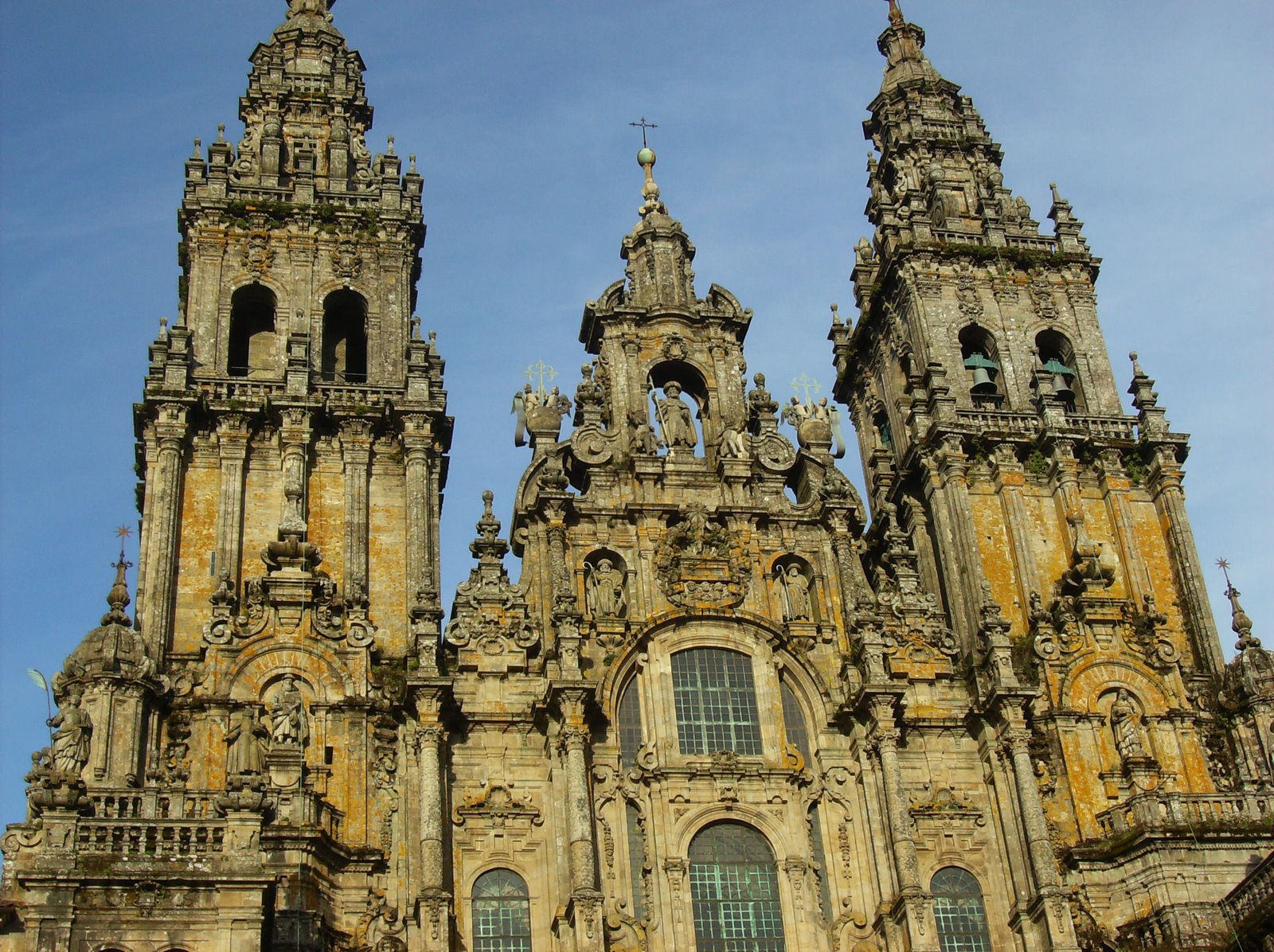
On Saturday morning, we jumped in his car and drove towards Santiago, windows down. We’d been blessed with a clear sky and warm temperatures and stripped off our jackets as soon as we got parked. I’d been to Santiago four times already, including for the fest of Spain’s patron saint, but coming into the Plaza do Obradoiro was serendipitous: the sun glinted off the stalls selling scallop shells and rosaries, and Camarón was glued to my face as I looked for new ways to capture St. James’s final resting place. From out of nowhere, I heard my name.

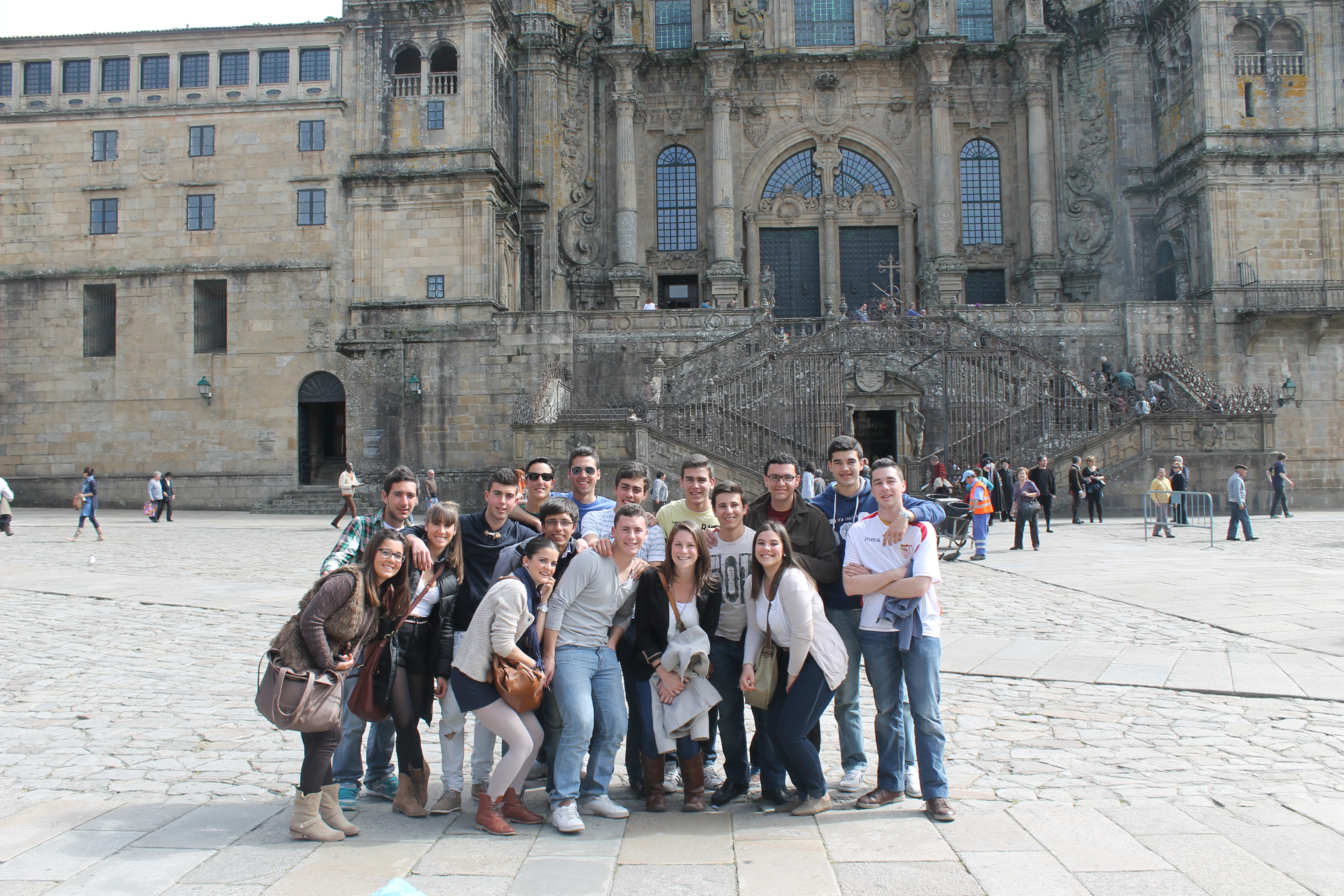
Standing just behind me were about a dozen of my old students from Olivares. Like a weirdo, I started sweating, my head spinning. I haven’t found a day to go back and visit a town 40 minutes away by bus, but I suddenly found myself in an entirely different corner of Spain embracing students I taught English to for three years. I promised to visit over Feria and gave everyone a quick kiss more before tailing off behind Kike to the entrance of the Cathedral.

Mass was being conducted in the high arcs of galego. Kike and I had just barely entered when the priest called for the attendants to give the sign of peace. I watched, midday light streaming in through the stained glass, as pilgrams embraced after a long Camino, backpacks still affixed on their shoulders. We circled the church’s chapels before Kike prayed to Saint James that Spain survive the economic crisis.

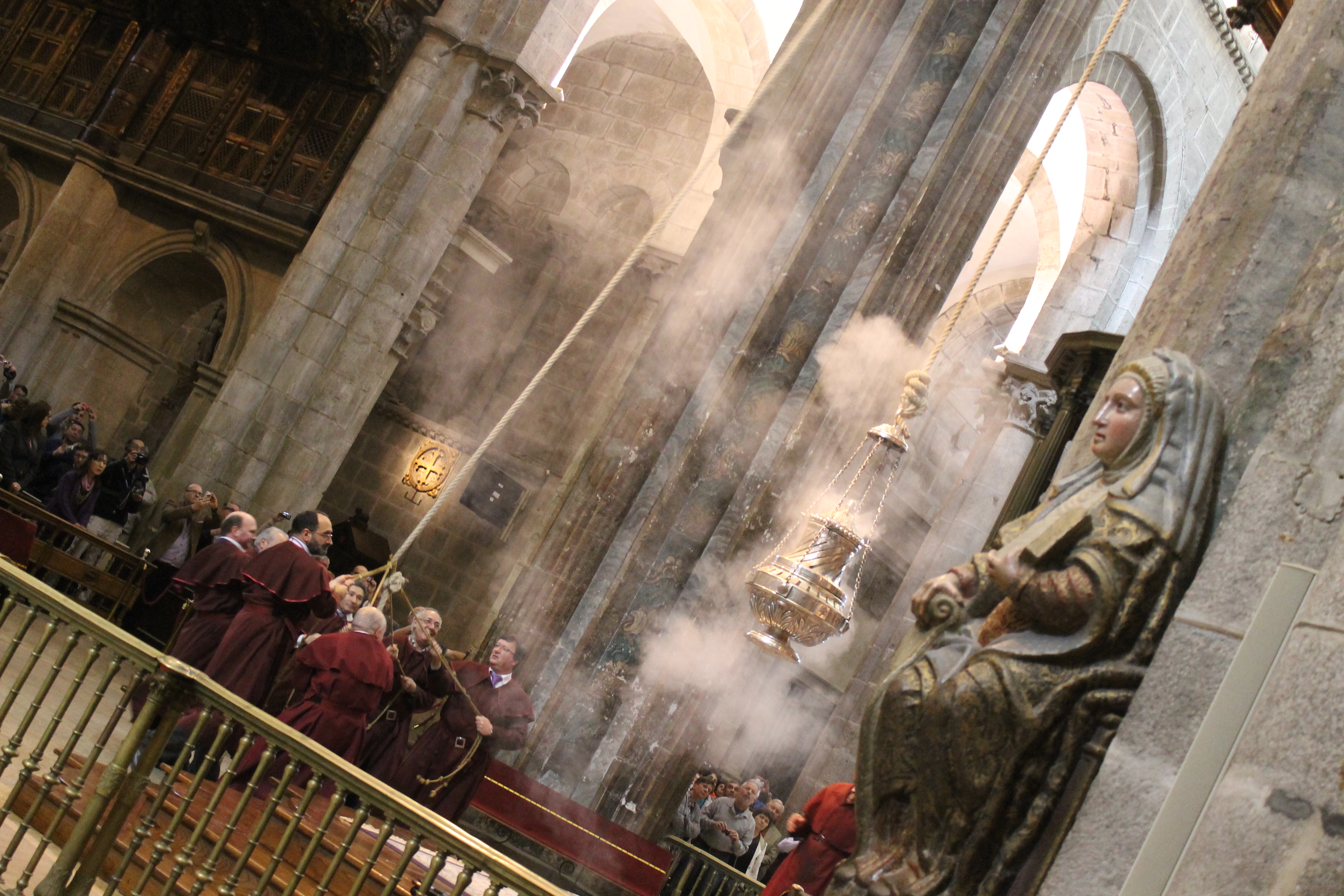
My ears perked up at the words botafumeiro. KIKEEEEEE I whispered shrilly, they’re going to do it, ¡qué suerte! I couldn’t believe our luck in seeing an enormous incense holder during a Pilgrim’s Mass. The team of scarlet-clad priests gingerly lifted the lid off of the 53kg tin and silver holder. Vaya tajá, Kike noted as I watched the men begin to pull down on the long, braided rope that attaches the botafumeiro to the high ceilings. Like ringing a bell, they heaved together in a perfect synchronization, and the botafumeiro swung like a pendulum – a small ripple that strengthened to a feverish height. My spirit soared along with it.

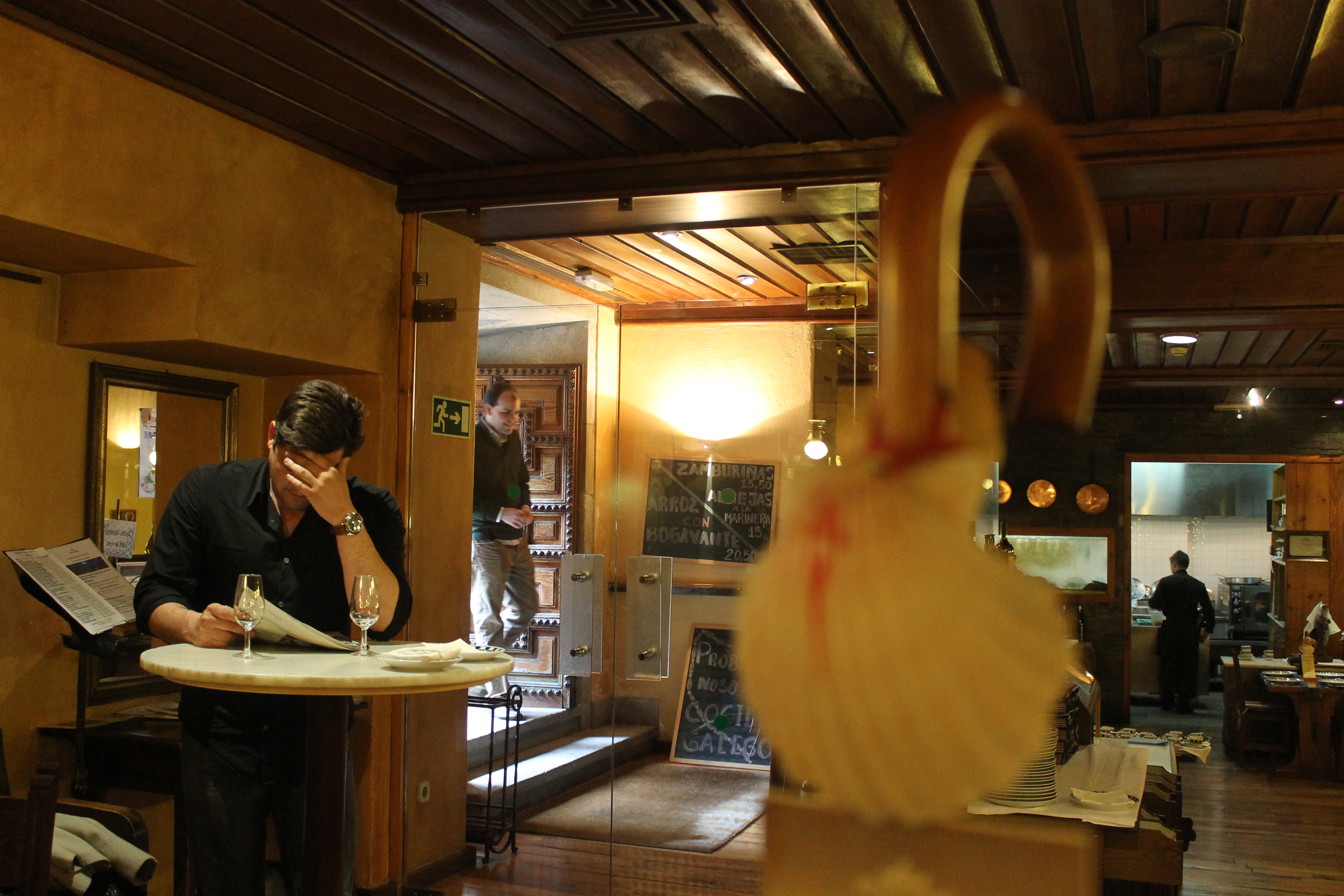
Kike and I spent the early afternoon walking the back streets between stone buildings, stopping at attractive plazas for a beer and pintxo of tortilla or empanada. I dragged him to O Gato Negro, an unassuming bar I’d eaten at years back. We ordered a bottle of chilled Ribeiro, drinking it out of saucers. Pulpo was our main fare, squishy and seasoned with paprika. Kike stepped outside for a cigarette and struck up conversations with a gallego leaning across the stone entryway of the bar. He returned seconds later, still putting out his cigarette, to order another round of wine and what he called “a crab’s cousin.”  Wrapped in philo dough, the slimy cousin more than got its due. “The man outside said this is the best bar in Santiago, and the cheapest, too.” He wasn’t kidding – a bottle of wine and two raciones ran us a tab of 17€.

I suggested a dessert of queso de tetilla – so named for its shape – and quince with a sweet wine at the Parador, an old hopital sitting at the foot of the Cathedral that has since been converted into a luxury hotel run by the government. Here’s to Los Puppies, Kike said as we shared tiny sherry glasses of vino de pasas. I was happy – belly full, wine making my head ring every so lightly, walking arm in arm with my love. My spirit felt as high as the spires of the temple that marks the end of a pilgrimage with as much force as the waves that batter Coruña’s rocky beaches.

The following day, the gran mariscada was planned. Since camp, I’ve craved the seafood one can eat in Galicia and often use the paycheck (or just really big denominations of euros) to get a nice mariscada, or plate full of different types of shellfish. The day was one of those perfect ones, especially in rainy Galicia – bright even with sunglasses, a hint of a breeze – and Kike had found the perfect place.

…we just never got there. On the back roads out of El Ferrol, his car box shifter thingy gears just kinda, well, gave up. He quickly got out of the car and quickly smoked a cigarette before calling his insurance company. I put my head to his chest and rubbed his back, knowing that the granola bar in my back would be consumed sooner or later.

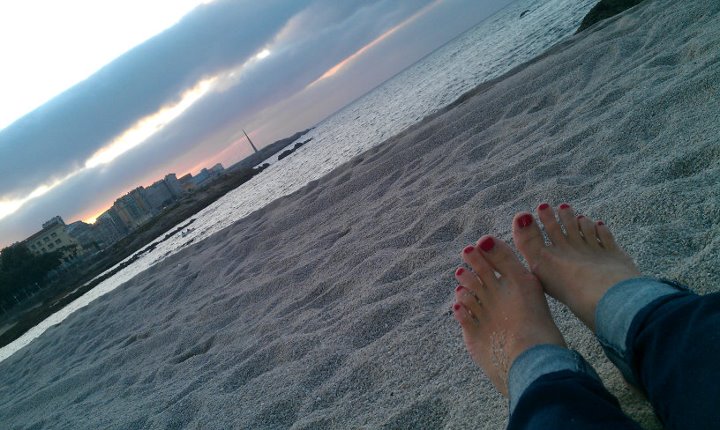
When he got off the phone, a taxi pulled up and offered to take us as far as Coruña, where I had to fly out of a few hours later. Kike griped about how much the car would cost to repair and that he may not make it down to Seville before my trip, so I suggested we grab a few bees from a grocery store and sit on the Orzán. Looking across the shallow bay to the Torre de Hércules, back leaned up against my duffel bag, we told jokes and sipped Estrella Galicia as the sunlight waned. It felt strangely good to be sharing a place in Spain that I never associated with him, and we could laugh up the negative events of the day.

Galicia has everything that I feel Andalucía lacks – the people who tug at your heartstrings with their generosity, placid beaches, a religious fervor that isn’t just about Semana Santa. I feel at my best in Spain in general, and Galicia takes it to the next level. It’s lovely on the senses and gives me a lifting feeling of serendipity.

Have you ever traveled to Galicia? What are some of your most serendipitous travel moments?

Maria Pita: Hace Un Año

This is Plaza Maria Pita, the central square of La Coruña, the city I’m residing in this month.

When showing my teachers around the town today, we stopped in the plaza to marvel at the grandiose town hall, the colonnades and patrons the bars finishing their pulpo a la feira. A beautiful, open space that channels right out to the port on this seaside city.

But I remember it like this:

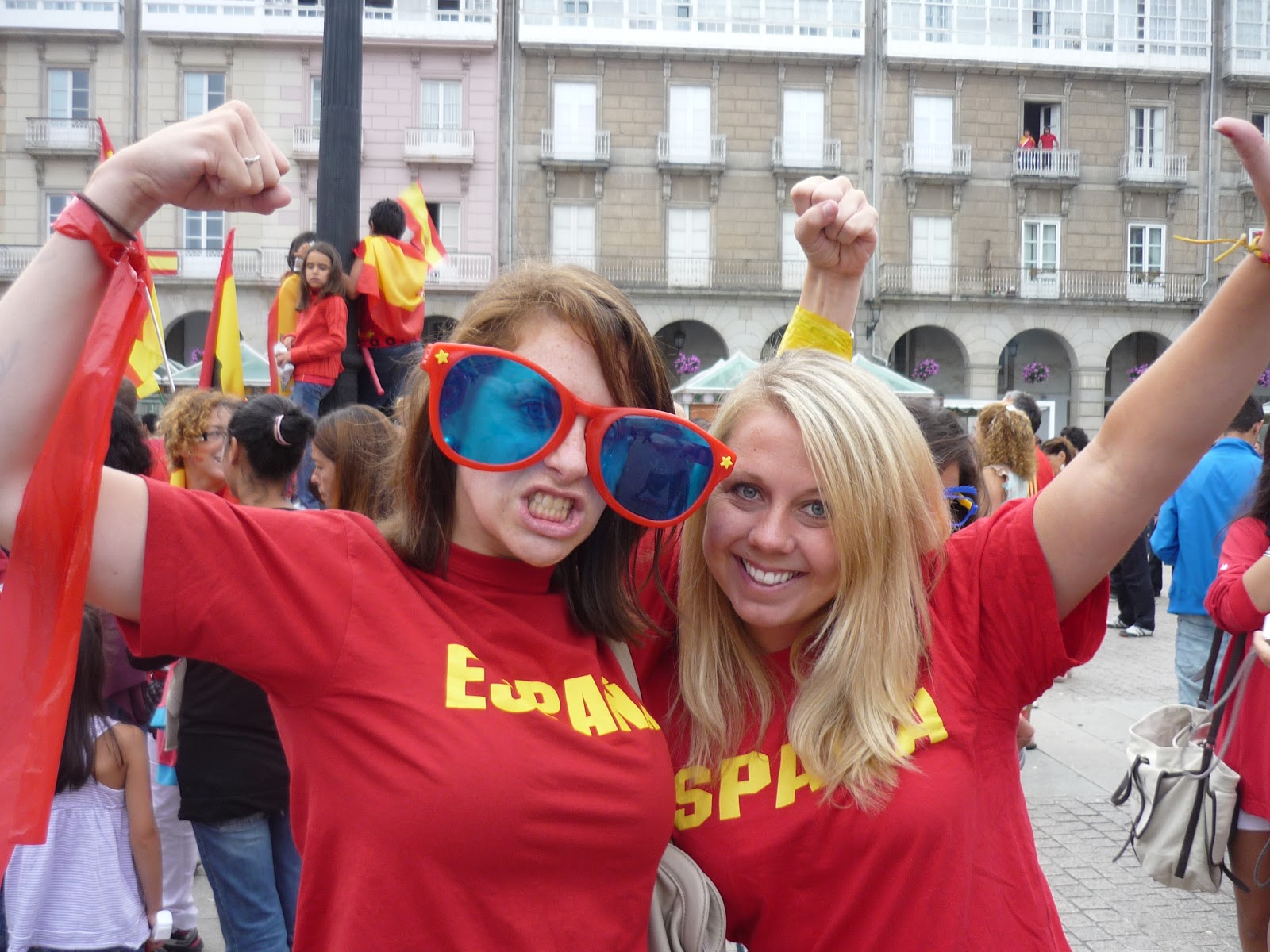
One year ago, I was with a crop of other teachers decked out in red and yellow, Spanish flags adorning our faces. I’ve always said that one thing I will do in my lifetime is see the Olympic Games in person (I shelled out 15 euros to see the Olympic Museum in Lausanne afterall!), but watching your resident country win the World Cup is an experience that can’t really be jotted down in a journal, pecked out on a blog. I got that feeling again today when visiting the square.

It’s amazing how sport brings people together. I spent hours in front of TVs in bar, watching matches and crossing my fingers that Pulpo Paul was right all along. My low expectations for America meant I was rooting for the other home team, along with the countries represented by the rest of the familia: Germany and Mexico.  We all came together for something greater than ourselves, something that was a bright spot in a few dark years for Spain.

It’s been a whole year since Iker hoisted the trophy above his head. In that time, I’ve become an official resident of a country that now feels like home, so I feel that my bliss in Spain’s W was merited. I still think back on that night, one in which I jumped in the iceberg-cold Cantábrico just because I was so happy.

I like to think of Maria Pita just like that.

Galicia

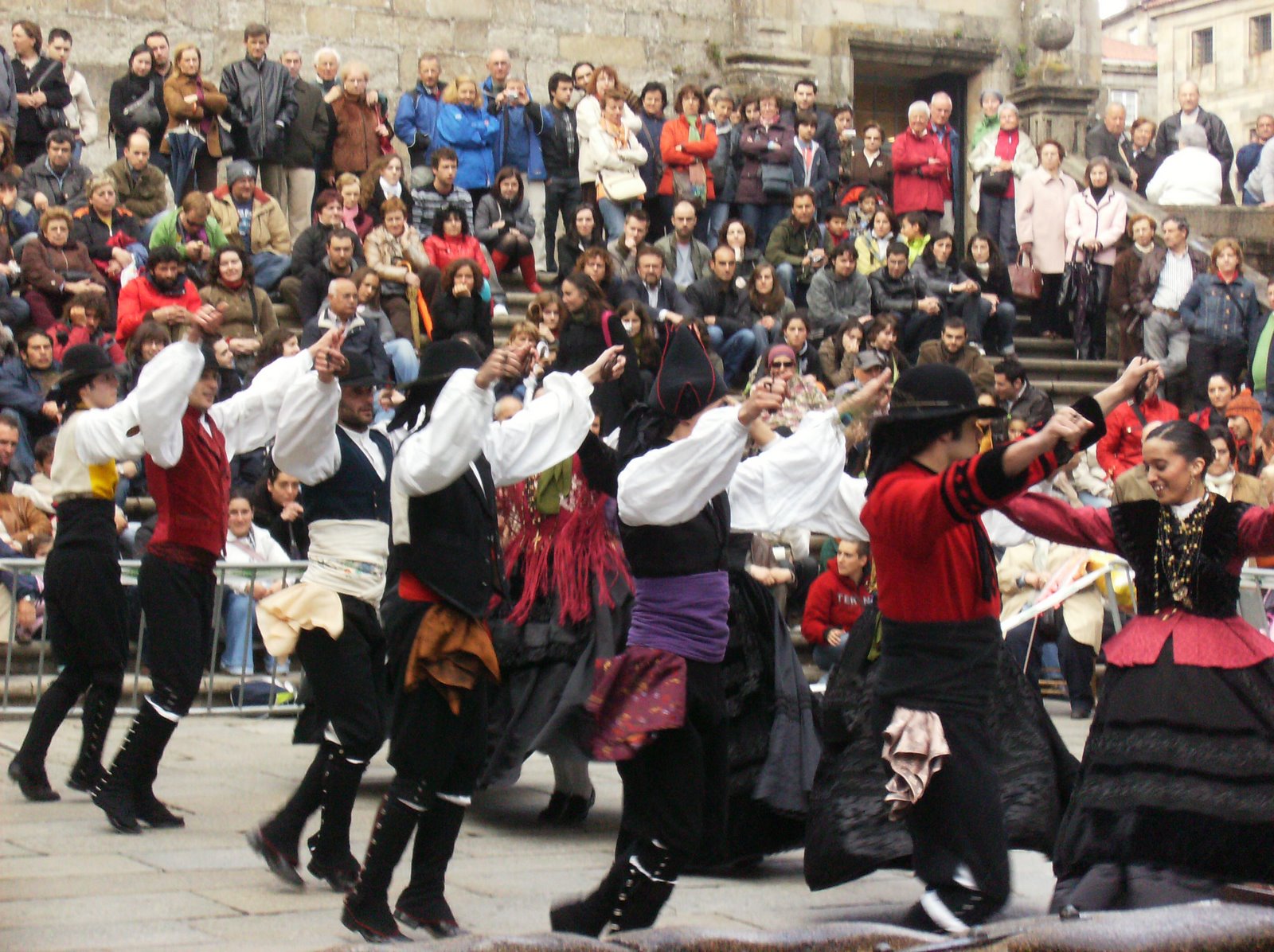
Celtic dancers in the cathedral square

The spires of St. James the Apostle Church

PULPO!! The most Gallego dish

I have the belief that I should go to every country once before I go to another place again. The same goes for Spain. I’ve been all over this amazing and varied place, but I finally got the chance to travel to Celtic Spain – the place where green valleys meet the ragged sea and bagpipes are more common than flamenco guitars. I’m always puzzled how an hour-long plane ride to somewhere else in Spain can transport me so far away from Sevilla and everything quintessentially Spanish.

Kate, Christene and I hopped on a plane during the long weekend here in Andalucía (and most of Spain) to Galicia, the northwest corner of Spain, just above Portugal. To people like the two of them, who have lived all of their Spanish lives in Sevilla, it was like going to another country. The airport is up high in the hills overlooking the Atlantic, so we could see for miles. Normally the country is wet and damp (If you’ve seen Mar Adentro/the Sea Within, you’ll be familiar with the weather in this part), but we lucked out and got just a three-minute drizzle on our way into town. As we wound our way down the hills, it became apparent why A Coruna, the largest city in the region, is called “The Crystal City” – the rows of tightly packed windows reflect the afternoon sunshine, nearly blinding you. The city is located on a peninsula towards the northernmost point. Kate met a guy named Javi on couch surfing, and he took us to a place for lunch. The bar, called La Bombilla (lightbulb for you gringos) is a local favorite, with cheap and tasty tapas. I fell in love with chorizo, a spicy blood sausage, alllll over again. And the beer here is a bit tastier than the Sevillian favorite, Cruzcampo, too. After walking a bit through the city, we took a train to nearby Santiago de Compostela. The train ride though the Rias Altas was incredible – fertile green grass-covered hills and valleys, and small homes peeked out from them. We saw livestock of all kinds before taking a short nap (I went to bed at 5 am the night before, taking full advantage of the puente weekend!).

Arriving to Santiago was fulfilling a dream. I’ve wanted to come to the city ever since I’d heard about the Camino de Santiago, a pilgrimage across northern Spain. People from all over the world walk or bike to the place where St. James’ remains reportedly lie, stopping to sleep in monasteries or small villages. From Roncesvalles, the furthermost western point in the Spain-leg of the journey, takes just over a month. Evidence of pilgrims was everywhere – from seashells (a symbol of the pilgrim) to walking sticks to people dressed like they were going to scale Patagonia. Everyone we met, with the exception of some like 18 year olds at a disco, were just completing the trek. Our first stop was the giant cathedral of St. James, said to have been built over the spot where a farmer once saw a cluster of stars in a field (the Campo de Estrellas = campostela in Gallego, the dialect in the area).

The town surrounding it is considered one of the UNESCO world heritage cities, as Spain has one of the highest numbers of sites in the world. It’s stunning. All the buildings are stone, arcaded and built along narrow streets. Every now and then, a plaza pops up and it was full of people mingling or having a drink or tapeando. The weather is normally cold and rainy, but we lucked out and had warm (22-23 degrees celsius) and sunny days. Upon walking to the cathedral, we ran into a small parade of people dressed in costumes that looked like victorian skirts paired with farmers clothes. Many carried drums and bagpipes. Spain’s first invaders were the Celts, and much of northwest Spain retains its celtic heritage. We watched some dancing, where the men danced around women as if to court them on the steps of the monstrous and intricate cathedral, the focal point of the camino and of the city. Inside are a stunning nave constructed out of gold, a huge incense burner used during special pilgrim masses and a life-sized bust of St. James. Some woman told us we had to hug it and it would bring us good fortune, so we pulled a Blarney Stone-esque move and each wrapped our arms around the saint for good luck’s sake.
The sun was beginning to set, so we walked around the city as the sun lit up all of the buildings, including the spires of the cathedral. It was breathtaking. Our tummies were hungry, so we looked for a bar along a street full of them, advertising food, mostly seafood. Strange looking sea animals, mostly overturned octupi, were staring back at us. Three different people suggested a bar called O’Gato Negro, so we waited nearly 30 minutes for a table there. The bar looked like a cave with a few green tables and stools against the walls. Most people just ate at the bar, dropping napkins and toothpicks on the floor as they did so. We ordered typical chorizo al vino (a blood sausage in a thick, red sauce), pan rústico, Galician cheese and clams. For drinks, we got a half litre of white wine from the area, which we drank out of saucers! We paid as much for the ambience of being surrounded by pilgrims and quick talking Galicians as we did for the food, but that’s the way it goes.

I really didnt have the coño para fiesta, but we went out anyway. After all, it was a fiesta day, perfect for partying! We walked along the road where we ate lunch, stopping in the only bar that had people in it. We ordered another bottle of wine for 2E and sat playing drinking games with the group of 18 year olds next to us. They all looked like my students!! They took us to a discoteca, where I nearly died of exhaustion. I made myself go home early, back to our crappy hostel with bugs on the wall and the creepy, strange British caretaker.

The next morning, we slept in a bit and bid farewell to Creepman, then walked through the other historic parts of the city. There isn’t much to see aside from the cathedral, but we ate a lot of free samples of Tarta de Santiago and enjoyed the unusual sun. From there, we took the train back to A Coruna. We got ahold of Javi, who invited us to his football game. We walked practically through the whole city to find the soccer pitches, which were right next to A Coruna’s most famous sight, La Torre de Hercules, he oldest working Roman Lighthouse. I don’t really know if the boys won or not, but we didn’t care. Afterwards, he invited us out with his friends. The nightlife in A Corñna is SO different from Seville – the clubs and bars are much more laid back, and good thing, too. I didn’t bother bringing a pair of heels. At first, the guys Javi was with were kind of strange, but after a few beers, they got normal?? I confided in this tío, Gabi, who ended up being a HUGE creep when he was drunk. All of the sudden, Javi sketched out on all of us and got super weird. Whatever, we had fun regardless. At least I know Christine did!!

The next day, after getting up late AGAIN, we went to see some of the museums. A Coruna is the capital of the province of Galicia, so there are museums of science, men and a huge aquarium. The city is known as the Crystal City due to the tightly packed windows that light up with the sun. It’s out on a peninsula and gets sun from all sides. Mainly, we just walked around getting to know the city.

Related Posts Plugin for WordPress, Blogger...