Tapa Thursdays: Mantecados de Estepa and the Despensa de Palacio

¡Pero si los mantecados no engordan! Put a few more in your purse already!” Javi stole a glance at the four estepeñas attending to the Sunday morning crowd as he loaded a few barquillos and polvorones in my purse, swearing they didn’t fatten anyone up. A sly smile crept across my face as I accepted them. Claro, no way these would make me fat.
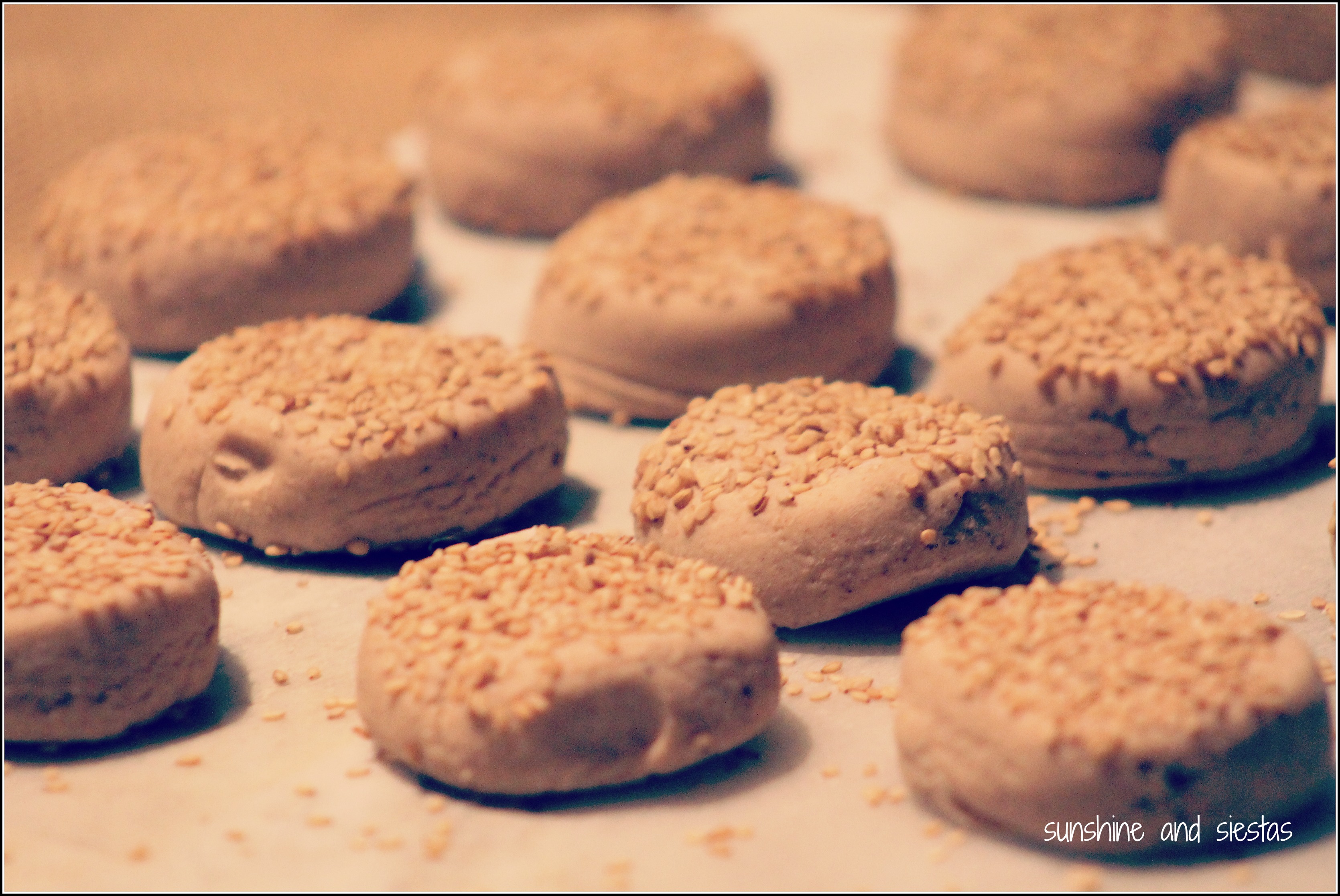
Mantecados, the Christmastime favorite of Spaniards, was on our agenda one bright weekend morning. Ask any español to name the Ciudad del Mantecado – a crumbly cookie made of pig lard, flour, sugar and cinnamon – and, ten-to-one, they can. At just an hour’s drive from Seville, Estepa, the Mantecado City, was a tasty stop in one of the many pueblos blancos in the area.

After visiting the factory and museum at La Estepeña, the city’s most famous brand, Javi directed onto the streets of the city named after the cookie’s principle ingredients and into La Despensa de Palacio. The sprawling factory and adjacent museum are a charming homage to the city’s artisan claim to fame. The albero-colored façade had just a modest blue-and-white azulejo announcing it as a factory.
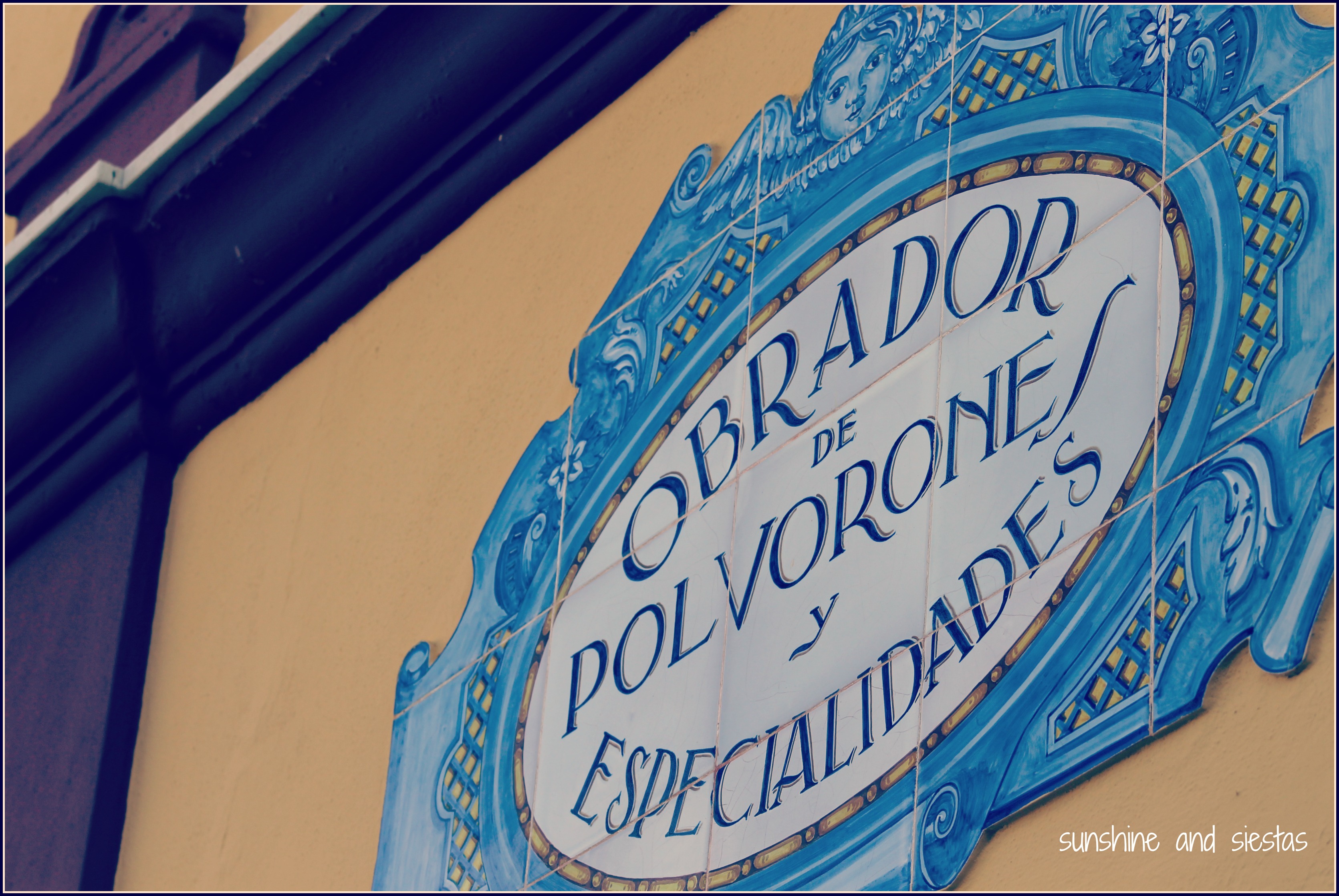
What sets La Despensa apart from the rest, aside from its celebrity clientele, is that traditional baking methods and packing are still used, and the assembly line and industrial machines used at other brands are suhnned. Ninety-five percent of the work force is women who work overtime during Christmas to knead the lard, let the flour dry, add in the sugar and cinnamon, cut the dough into rounds and later package them in wax paper with ruffled edges. What’s more, the mantecados are cooked in a traditional oven.

The quality is matched by the higher price for La Despensa’s products, which also encompasses jellies, cookies and other lard staples like polvorones and alfajores.

The store was, like any Sunday, a zoo. Old ladies elbowed their way up to the front of the line, grabbing the hardbound book of available items and pointing out what they wanted, how many kilos, and bickering with their friends about whether last year’s packaging design was better than this year’s. Their grandchildren eyed the bowl of samples on the counter as they stood on their toes to try to reach the prize. I smiled to myself while watching these Spaniards start acting as if it were an auction, eager to get their hands on the freshest surtidos.

Just then, one of the employees came through with a batch of cooled treats, topped with sesame seeds.

I couldn’t help myself from one and let the cake break apart in my fingers as I sniffed out the cinnamon that gets kneaded into the dough. Just two bites of a mantecado leave you needing a drink, so we hopped in the car and drove to Anís Bravío for a few sips of distilled anisette, the Spanish abuelo’s drink of choice.

At the end of the day, Caitlin and I were back to La Despensa with the tail end of the Sunday crowd, narrowly missing a tourism bus that had made a stop in Mantecadolandia for their fill. Taking a small plastic card with a number imprinted on it, we waited for our turn to be served.

¿Quién va?

Author’s Note: My visit to Estepa and tour of various mantecados factories was kindly offered by Violeta, Javi and their team at Heart of Andalusia. All opinions are, of course, my own.

Tapa Thursdays: Carillada (Braised Pig Cheek)

When I say I’ve eaten every part of the pig, I seriously am not joking. While my family is more about beef and chicken than pork, having a partner whose family business revolves around the acorn-munching cerdito means that we’ve often got a small gama (offering) of swine in our fridge.

While I don’t eat all of it for knowing better, Kike did trick me into eating carrillada, and I’m all the better for it:

Pig cheek is lean, tasty and quickly becoming my favorite party of the pig. In fact, it reminds me of coming home to pot roast after school during the harsh Chicago winters I grew up with.

While various versions exist (including a tasty Christmas thought-provoking version with dried cloves that Kike makes), my favorite is traditional carrillada with potatoes and carrots, perfect for a chilly winter day.

Lasaña de Carrillada with mashed potatoes at Barajas 20

What it is: The lean cut of pig cheek, often called the carrillera in a butcher shop or meat section of the supermarket. It’s often cooked on low temps for hours to make sure it’s tender.

Where it’s from: Carrillada is typical all over Spain, though the pork-producing regions of Western Andalusia, Extremadura and Gijuelo are rumored to have the freshest cuts.

Where to get it in Seville: This dish is about as common on menus in Seville as salmorejo is, so new ideas for incorporating the meat have become popular. At Pura Tasca (Calle Numancia, 5 in Triana) and Barajas 20, you can find ravioli filled with the meat, oft served with mashed potatoes as above. If you’re looking for the traditional version, I recommend Barra 20 in Bellavista or Zahora in Los Bermejales.

If you’re willing to make the drive, there’s an unassuming roadside restaurant on the A-92 highway near Antequera with carrillada so tender and braised with sweet Pedro Ximénez wine. This is, without a doubt, the best carrillada I’ve ever tried.

Goes perfectly with: A robust glass of red wine. If you’d like to make carrillada in your own kitchen, try this recipe by Lauren of Spanish Sabores, and enjoy the smells as you wait for it to slow-roast!

If you like tapas, tell me which ones you’d like to see featured on Sunshine and Siestas? Here are my picks for the Five Must-Try tapas in Spain. Alternately, there are more pictures on Sunshine and Siestas’s Facebook page.


Tapa Thursdays: The Gambas Blancas of Huelva

When people ask me where my favorite spot in Seville is, I can give an answer quicker than I can name the president of the Spanish parliament: La Grande. You could say that I fell in love with Spain, with the Novio and with langoustines here, all things that have made my life over the past five years what they have been.

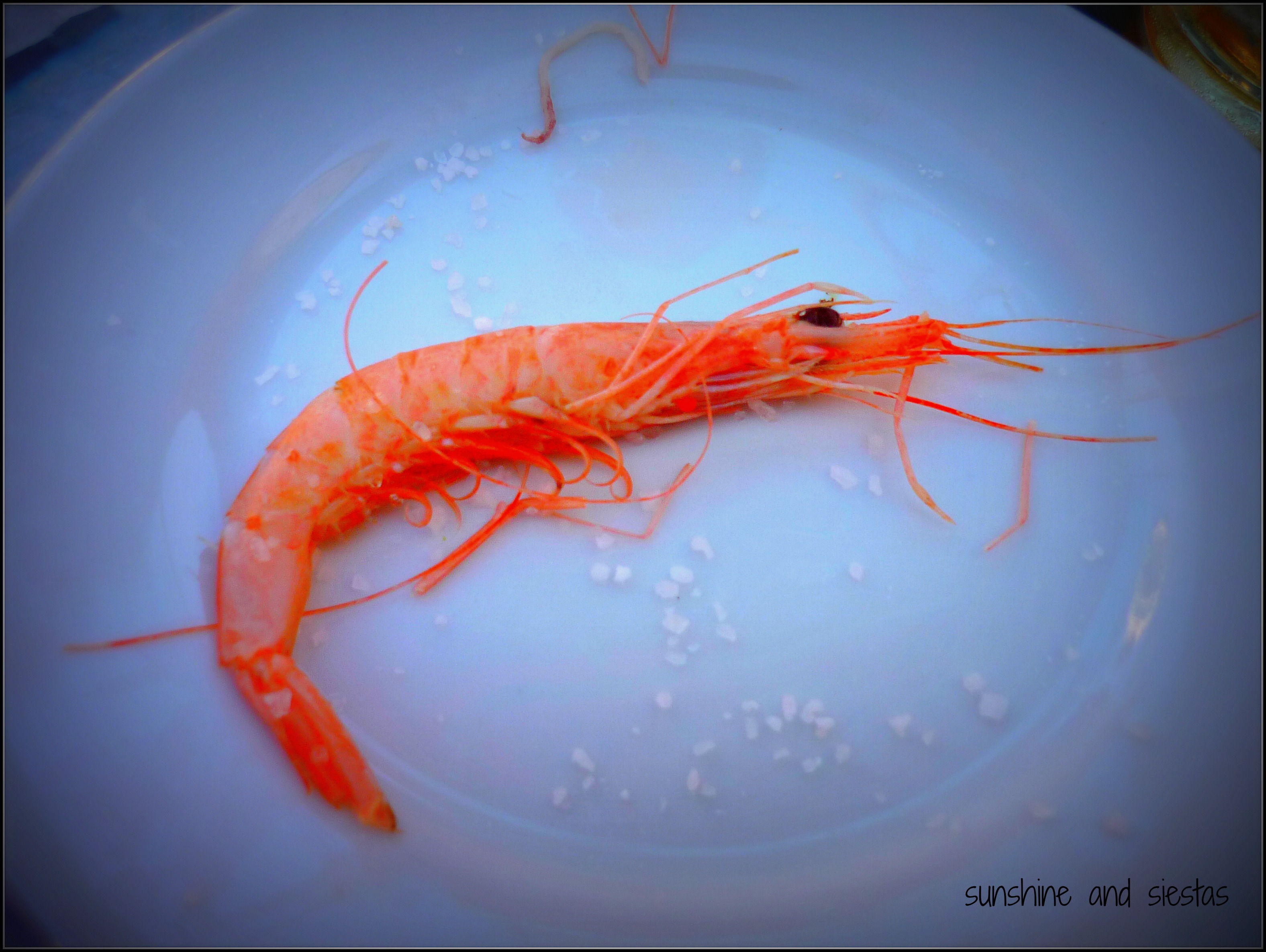
For the price of 1,10€ at La Grande, you can get a beer and three boiled shrimp, as long as your middle finger, littered with coarse sea salt and picos. These gambas blancas were part of my Christmas meal and have made their way into my diet at least once a week.

…and this for a Midwestern girl who used to hate seafood!

What it is: The parapenaeus longirostris is a common prawn. At its most simple, they are boiled and sprinkled with sea salt, though it’s common to see shrimp in dishes such as paellas and pastas, and like potatoes to Anglos, can be served in many styles: boiled, fried, in garlic, in tempura, etc.

Where it’s from: These crustaceans are captured off of the Atlantic Coast of Huelva and Morocco, making their arrival to Seville quite quick.

Where to eat it: While I love gambas just the way they are from La Grande (Lopez de Gomara, 18), you can get them just about anywhere. Try a marisquería for many varieties, or a local frieduría for gambas rebozadas, which are battered and fried in olive oil. I also had a friend try tortilla de camarones, which is a smaller shrimp fried in batter. She would have liked it, had she not seen their faces.

HOW to eat it: I once told my friend Alfonso to come meet me at La Grande and bring his mujer gamba. Oops. Female shrimp is to Spaniards what Buttherface is to Americans. To really master peeling a shrimp, you have to have practice, and maybe a beer or two first.

First, rip the head off by placing your index finger and thumb at the base of the skull. My friends say that the brains are the best part, but I can’t get myself to suck it! Then, pull the tail off. Discard both shells. Carefully remove the outer casing of the body by pulling off its legs and peeling off the upper case. The shrimp should look more or less like your curled pinky finger.

If you like tapas, why not tell me which ones you’d like to see featured on Sunshine and Siestas? Alternately, there are more pictures on Sunshine and Siestas’s Facebook page.


Tapa Thursdays: Huesos de Santos

As a self-confessed Halloweenie, I love things spooky, from cemeteries to haunted houses. Lucky for me, Spain celebrates a national holiday, Día de Todos los Santos, or All Saint’s Day, so I can celebrate my Anglo holiday with a day off.

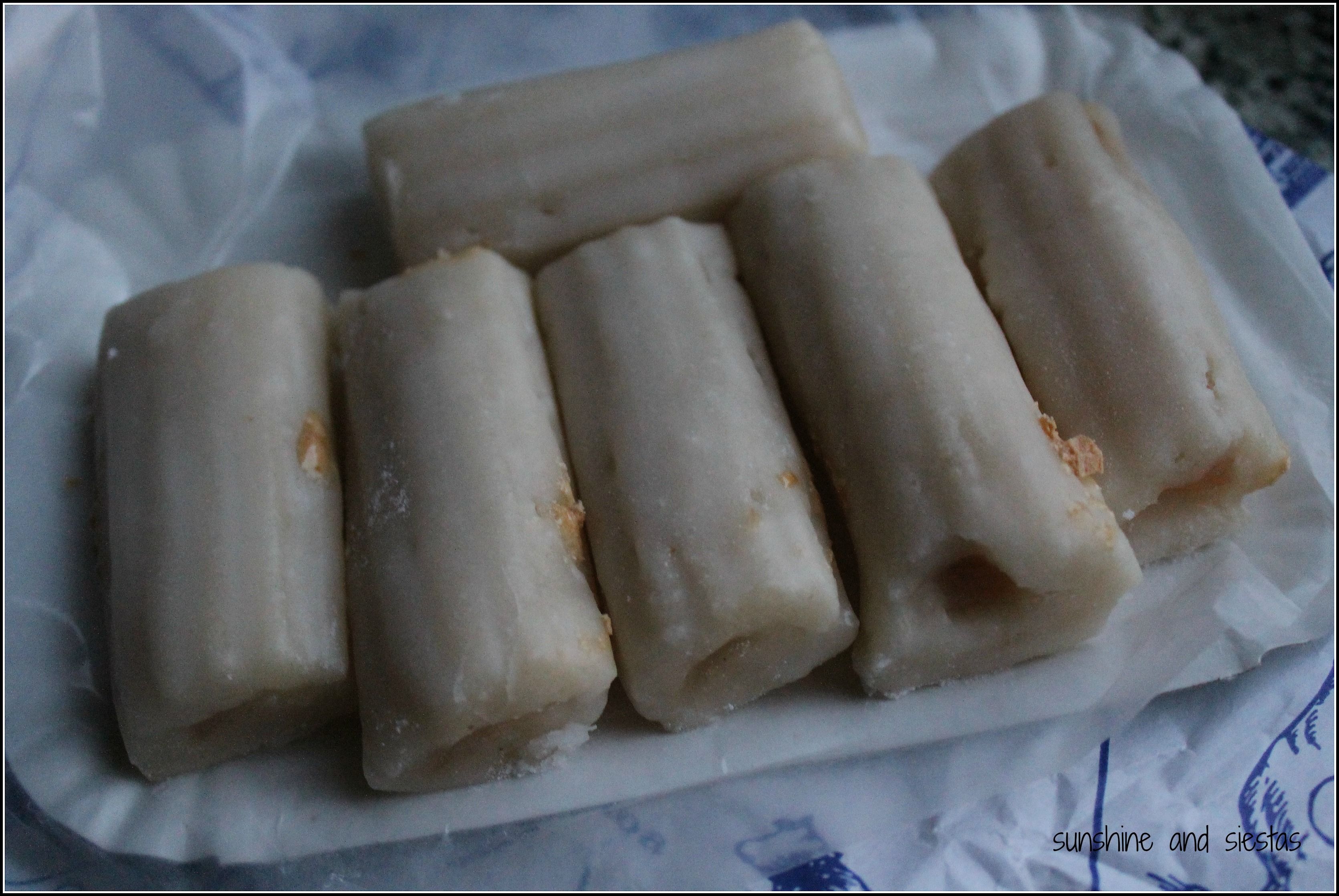
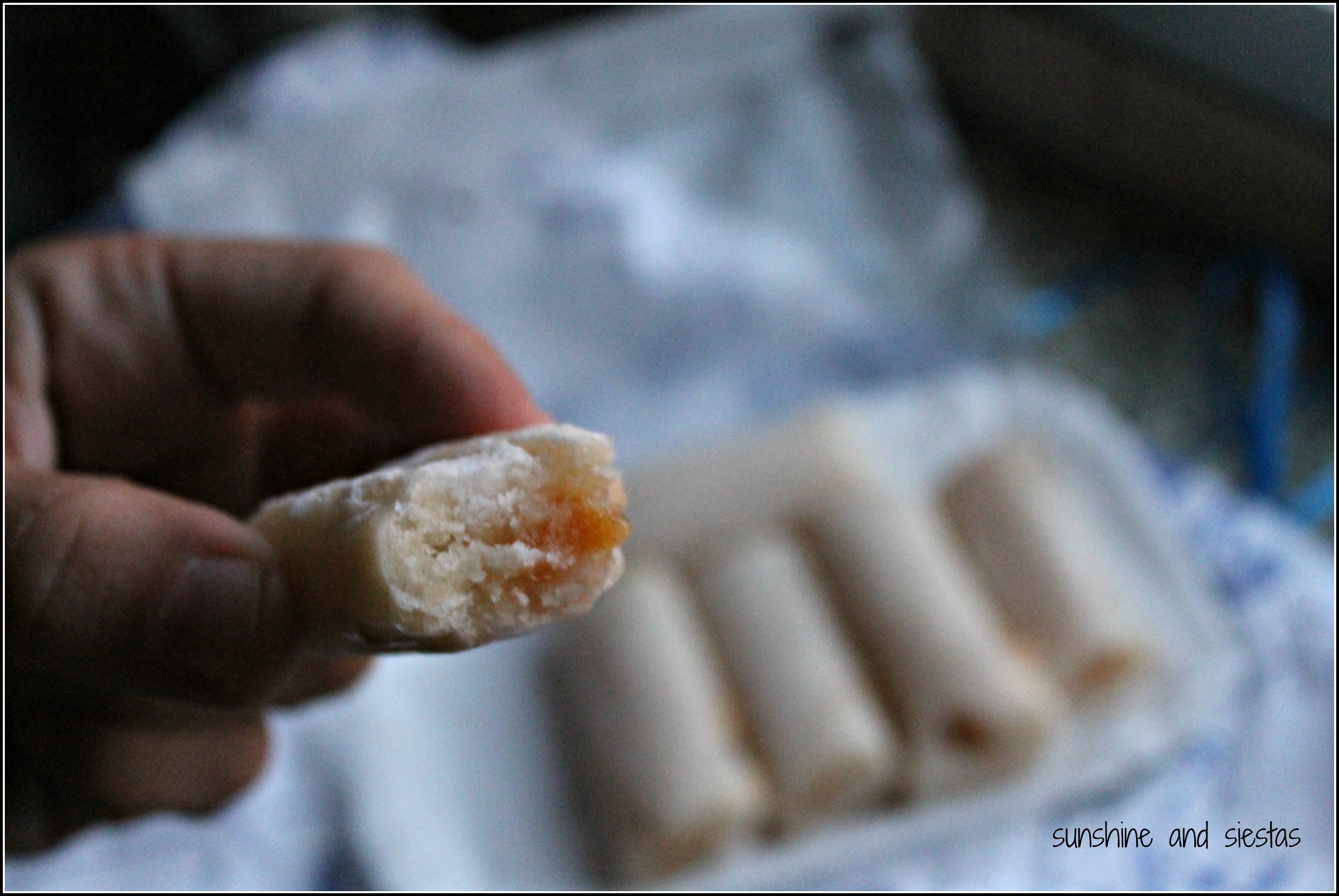
Todos Los Santos is celebrated in the Catholic world on November 1st, where family members of the deceased visit their final resting places. Many cities around Spain have their own traditional fiesta. In a country that loves its reliquía, there could be no other dessert on All Saint’s Day served but huesos de santos. These marzipan pastries are rolled to look like bones and stuffed with egg yolk cream, called  yema, or fig, yogurt or chocolate. It’s kind of like a Spanish type of cannoli, made in a similar way.

What it is: An almond pastry typically eaten during the All Saint’s Day feasts.

Where it’s from: The origins of this sweet are still unknown, but it’s believed they were first made in Madird. Still, their popularity is widespread, making it the de facto treat for the holiday.

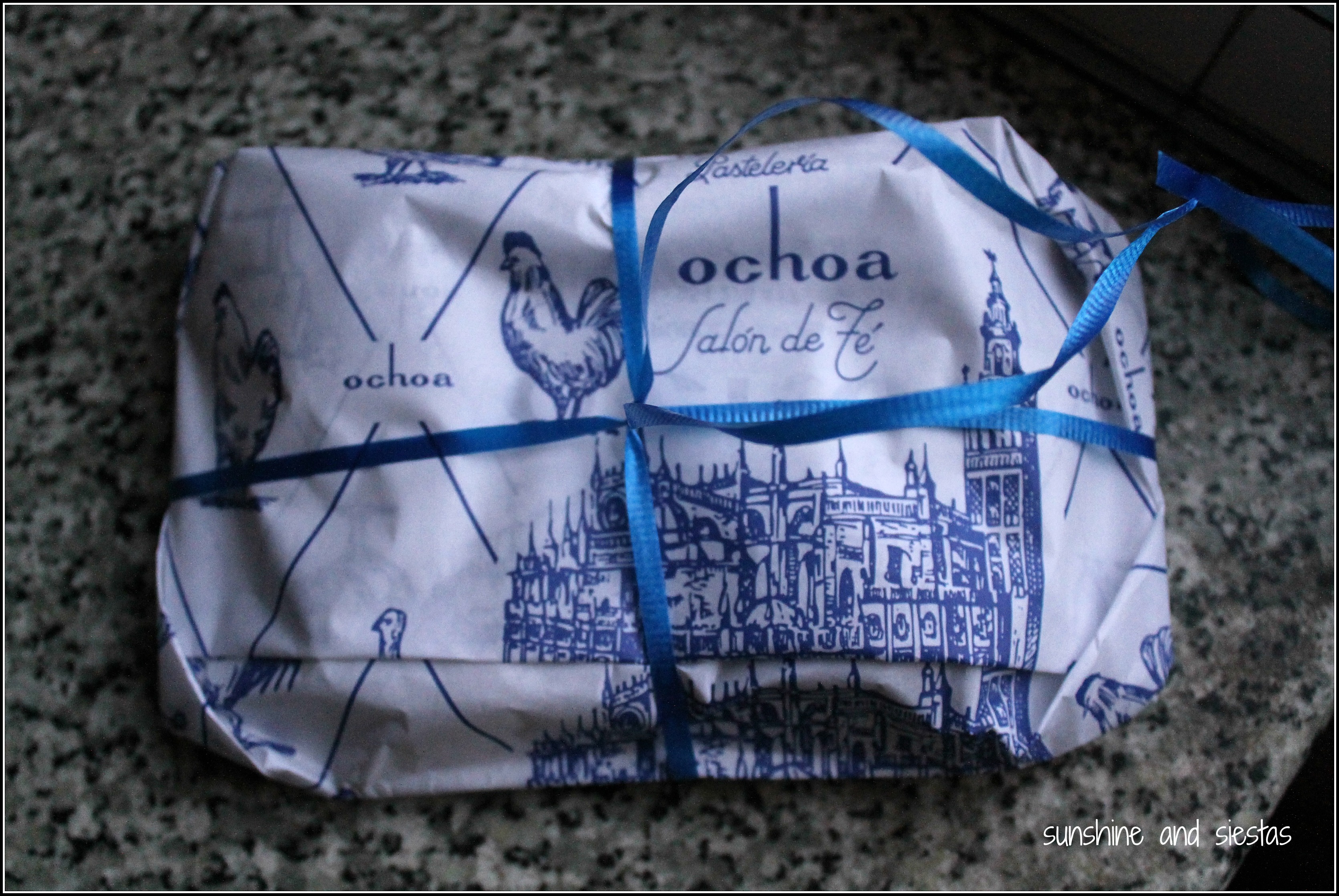
Where to get it in Seville: Practically any pastry shop will have huesos de santos between the week leading up to Todos Los Santos and up to a fortnight afterwards. I bought a half-dozen at Cafetería Ochoa (locations on Sierpes, Repúblic Argentina and Eduardo Dato) for 36€/kilo.

Goes perfectly with: a hot coffee with milk. Sevillanos have their afternoon coffee often accompanied by something sweet.

If you like tapas, why not tell me which ones you’d like to see featured on Sunshine and Siestas? Alternately, there are more pictures on Sunshine and Siestas’s Facebook page.

Tapa Thursdays: The Effervescent Jamón Ibérico


Fatal error: Call to undefined function is_post_publicly_viewable() in /home/i3oiz1dfb5x1/public_html/wp-includes/media.php on line 1647