Everybody Was Pueblo-Timing

Everyone in Spain is, sorry to tell you, not fútbol– or flamenco-obsessed. Not everyone in Spain loves jamón. Not everyone in Spain speaks Castillian. But, yes, everyone in Spain has a pueblo (and not-so-secretly loves it).

I learned this during my second year at IES Heliche. While discussing holidays (summer vacation for you gringos), I asked if anyone was going to a second home of theirs. Virtually all Andalusian families spend their summer months away from the sweltering cities at the hundreds of kilometers of coastline down here, so I expected to hear names of beaches within an hour’s drive (for the record, the lack of beaches is one of my extreme dislikes about Sevilla, along with the ever-shrinking airport and lack of live music – the good ones, I mean).

Nearly everyone in Olivares listed their summertime destination as Olivares. Like the ones below:
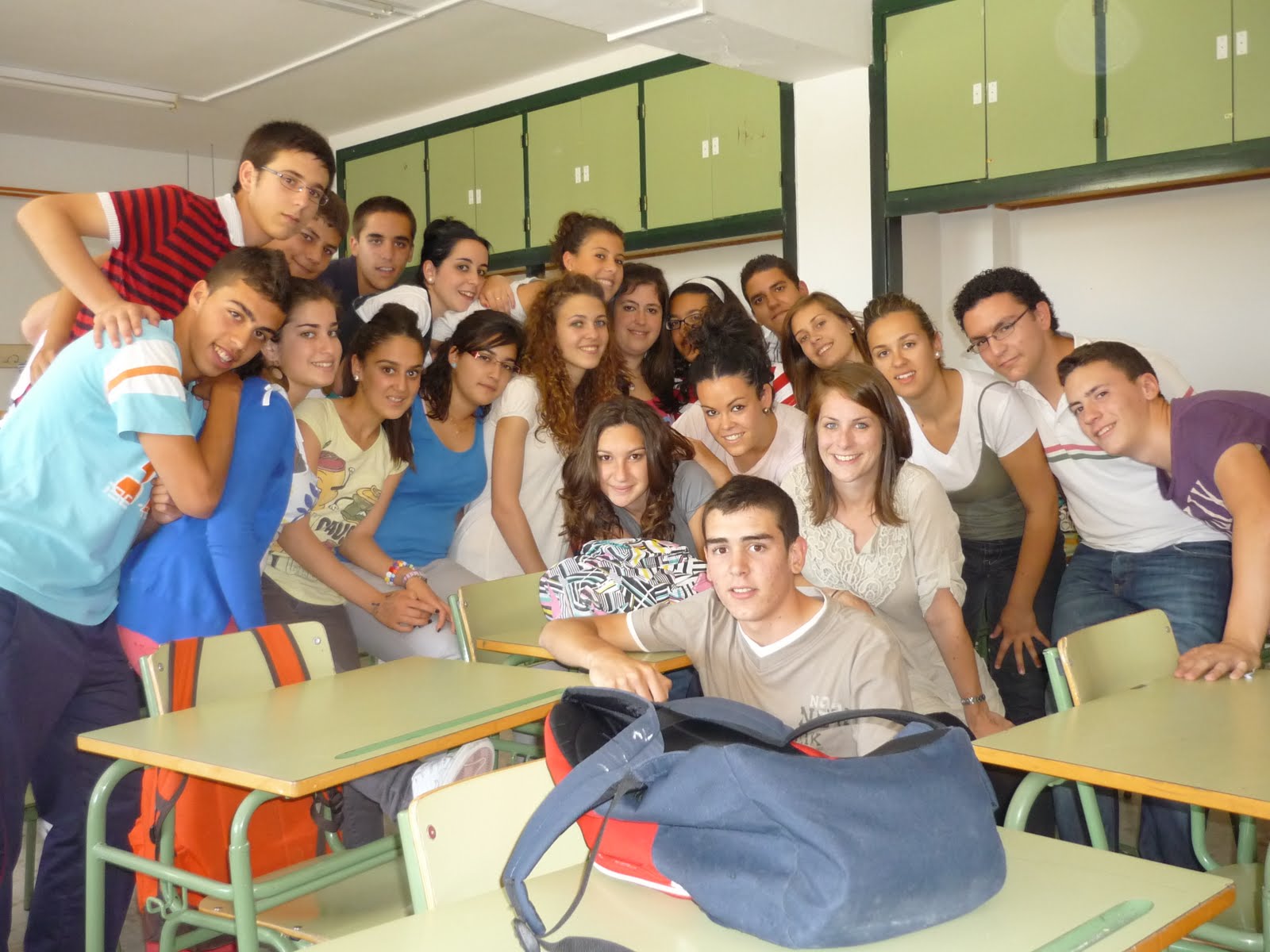
Ok, I assumed, there’s a financial crisis, and it’s likely that people are sticking around their hometowns, trying to stay in the shade. Qué no, the olivareños were simply moving house across town to their parcela – or little shack houses – with pools. Why leave your pueblo when all of your friends are around?

En fin, the pueblo is to Spaniards as our dogs are to Americans.

For ages, Ismael and I considered Olivares to be our pueblo, but I don’t feel the same way about Olivares as I do Kike’s town, San Nicolás del Puerto. With 700 inhabitants, this town is totally pueblarino and found high in the Sierra Norte de Sevilla.

While nothing can compare to a city as vibrant, folkloric and beautiful as Sevilla, I do love my pueblo time.

Cheers (with cough syrup)
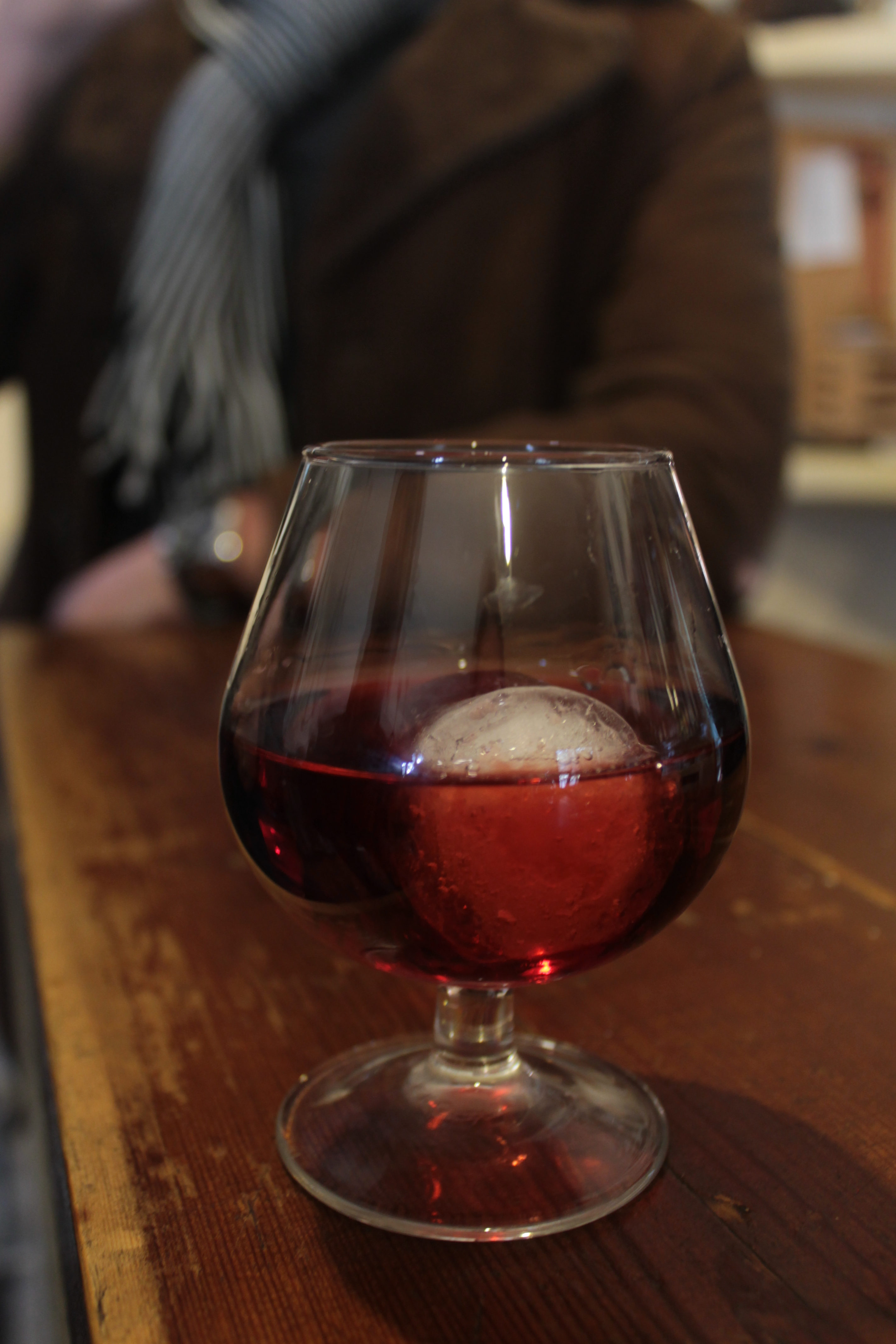
The Sierra is home to several specialties, including the Miura brand anís flavored with guindas – a small, red cherry. I personally think it tastes like cough syrup and haven’t had so much as a sip for years. Still, bottles of the rojo líquido are consumed most often in the Sierra as an after-meal drink.

The Sierra’s crowning gem is Cazalla de la Sierra, a breathtaking pueblo blanco full of old men and wine cellars. Monica and I ended up here after hiking the Vía Verde last Spring, and this is where the famous anís is produced, bottled and packaged.  I tend to refer to anís as a grandpa drink (see here and see also: Monica’s love for old men and their attraction for her), but the serranos guzzle it down, served in a stout, bell-shapped glass with just one ice cube. Ask for un miura con un hielito and you’re set.

Sierra-Style Soirees

One of my favorite times to visit the pueblo is during their ferias, fiestas and romerías, all in the name of tourism, saints and, well, fun. San Nicolás is the birthplace of San Diego, and just about every male in the town is named after him (and the Novio wants his third child to be a flesh and bone sacrifice to him, too. Honest.) My pueblo is famous for its Halloween in July, Carnaval celebrations, Romería – a kind of pilgrimage to a hermitage –  and the same día de San Diego.
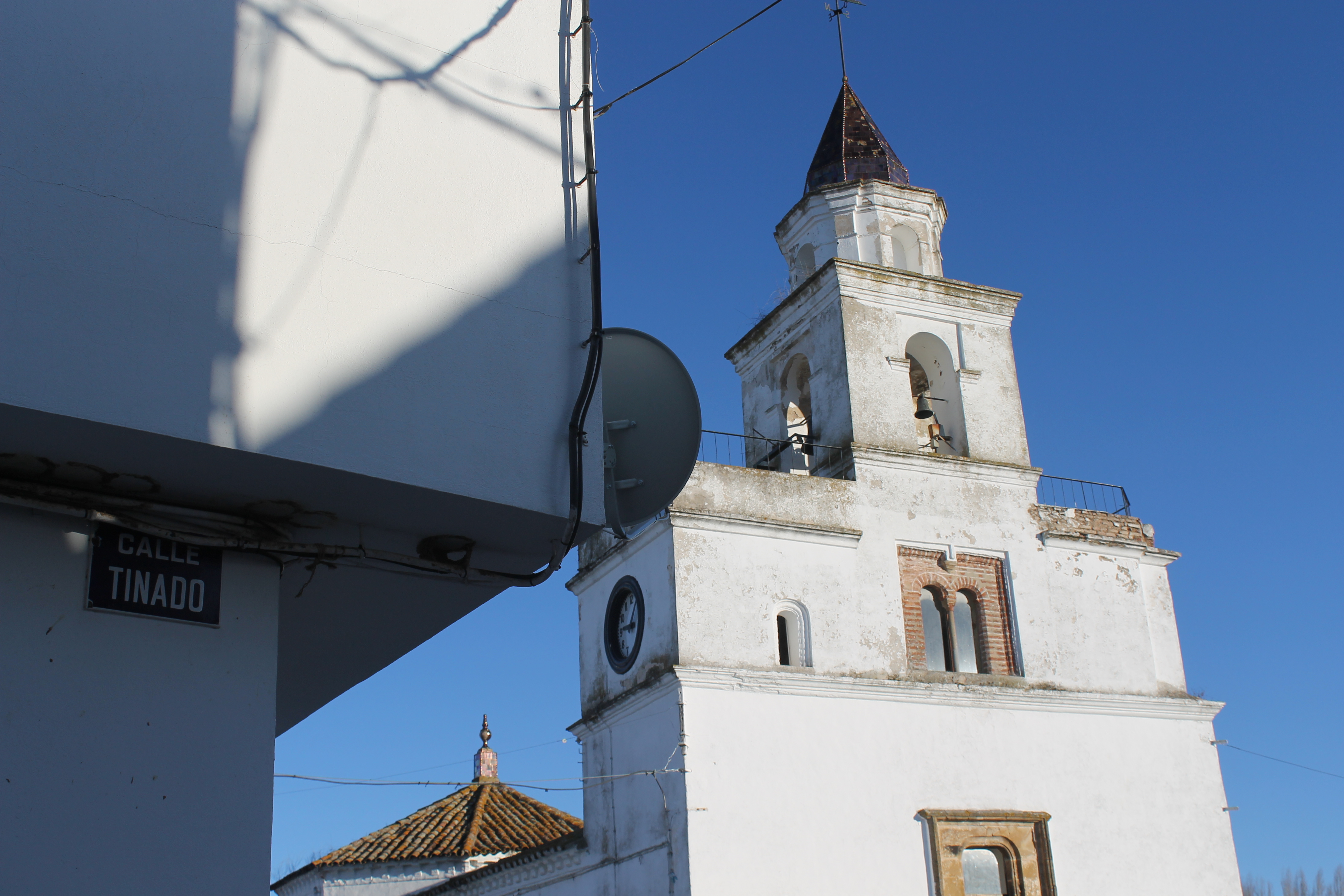
Here’s an excerpt from a blog I wrote after my first San Diego:

 After my usual siesta in Kike’s childhood bed, I took the main road in to its intersection with the main road out. There, sandwiched between the houses on Calle Diego, next to my favorite bar, was a charranga in full-swing and scores of small Diegos running around. The nearby owner of the camping, Diego (duh), welcomed me with a beer and I sang him the customary saint day song (Many children in Spain also receive gifts on the day the feast of the saint which bears their name is celebrated. San Enrique, for example, is July 13th. To my knowledge, there is no Saint Cat!), taught to me recently by my babies at school. The town was fuller than ever – Inma came from Córdoba to see her mother and ask that her son be baptised in the same church as she and other generations in her family had, and an old friend of Kike’s, María José, brought her small children and husband for the first time. The bailes, typically held on Saturday, were cut short due to the early morning parade to follow the next day.

 Small town festivals are often more raucous, more inviting and even more fun than the Fallas, San Isidro and Feria that Spain has become famous for.

Jamón, Jamón
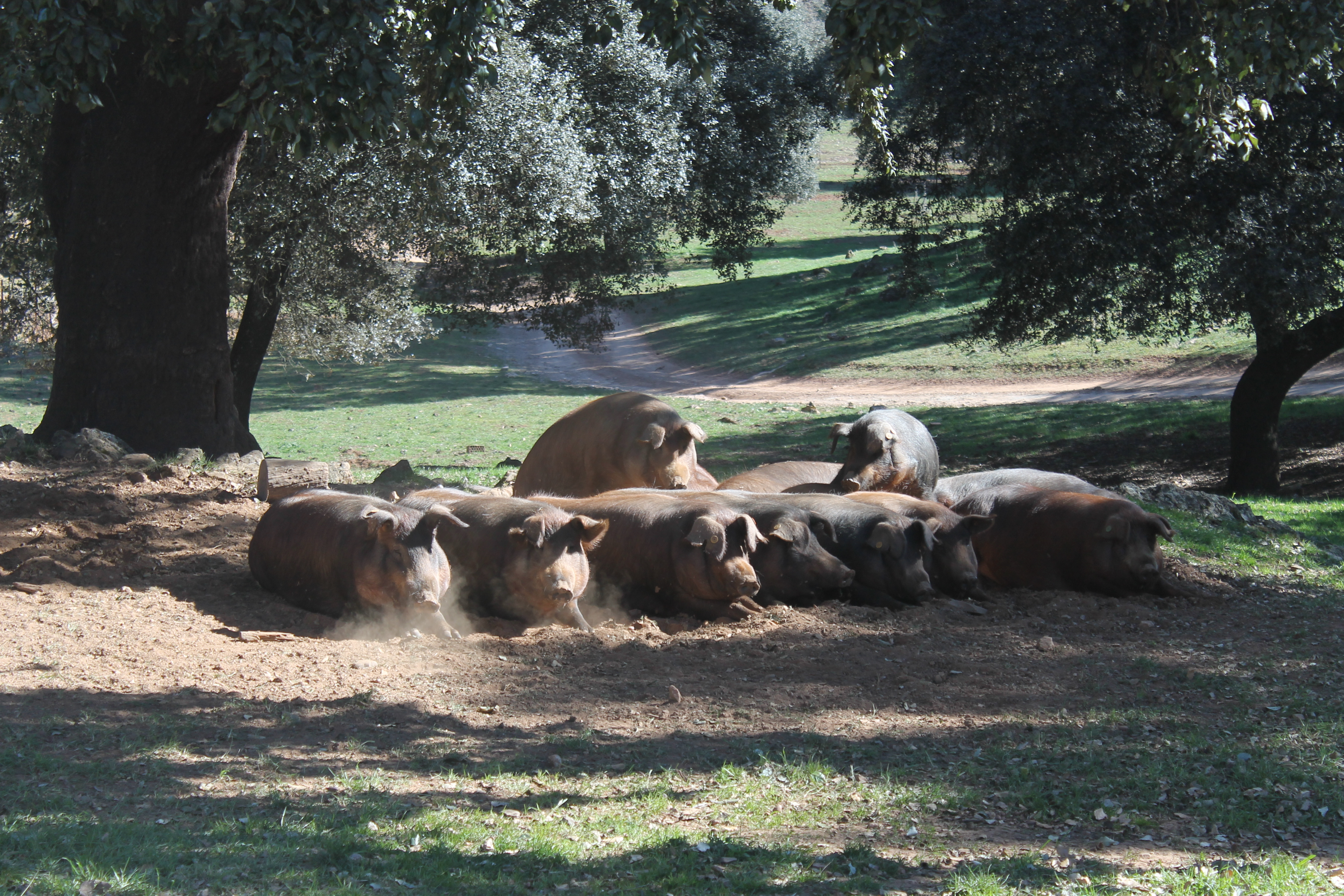
Ask anyone what’s to be found in the Sierra, and the answer is undoubtedly JAMON. Spain’s great meat reigns king, and the famous Iberian ham is raised right in the mountains that run along the border of Andalucía and Extremadura. Kike’s father makes a living off of raising and selling pigs to the local matadero, so we have a leg of ham – hoof and all – in our house nearly every day of the year. While I can’t say I loved jamón when I came to Spain, the taste has certainly grown on me.

There are two types of pigs raised in the Peninsula – serrano and ibérico. The difference lies in both the color and the feed, which give the paletillas and patas their distinctive taste. Regardless, both varieties are trimmed, dipped in salt and hung to dry for up to two years before being sliced in thin rations for consumption. Ibérico’s pata negra is considered a delicacy for many palates, and its taste comes from – lo juro – the acrons the pigs munch on. Exportation has increased with relaxed laws in the US for serrano hams, but the minute I can have a real slice of guarrito in Chicago, I’ll feel like my parents can finally taste a part of the pueblo closest to my corazón.

Gastronomic Gems

Speaking of jamón, the food in the Sierra couldn’t be better: from guisos made by grandma to fresh chorizo and goat cheese, I always eat well in the pueblos. In San Nicolás, where tourism is slow – save the bikers and horseback riders among the Vía Verde – there’s no plethora of restaurants to choose from. In a normal weekend visit, we can hit all of them, and often venture into neighboring villages Alanís de la Sierra and Constantina for a meal, too.
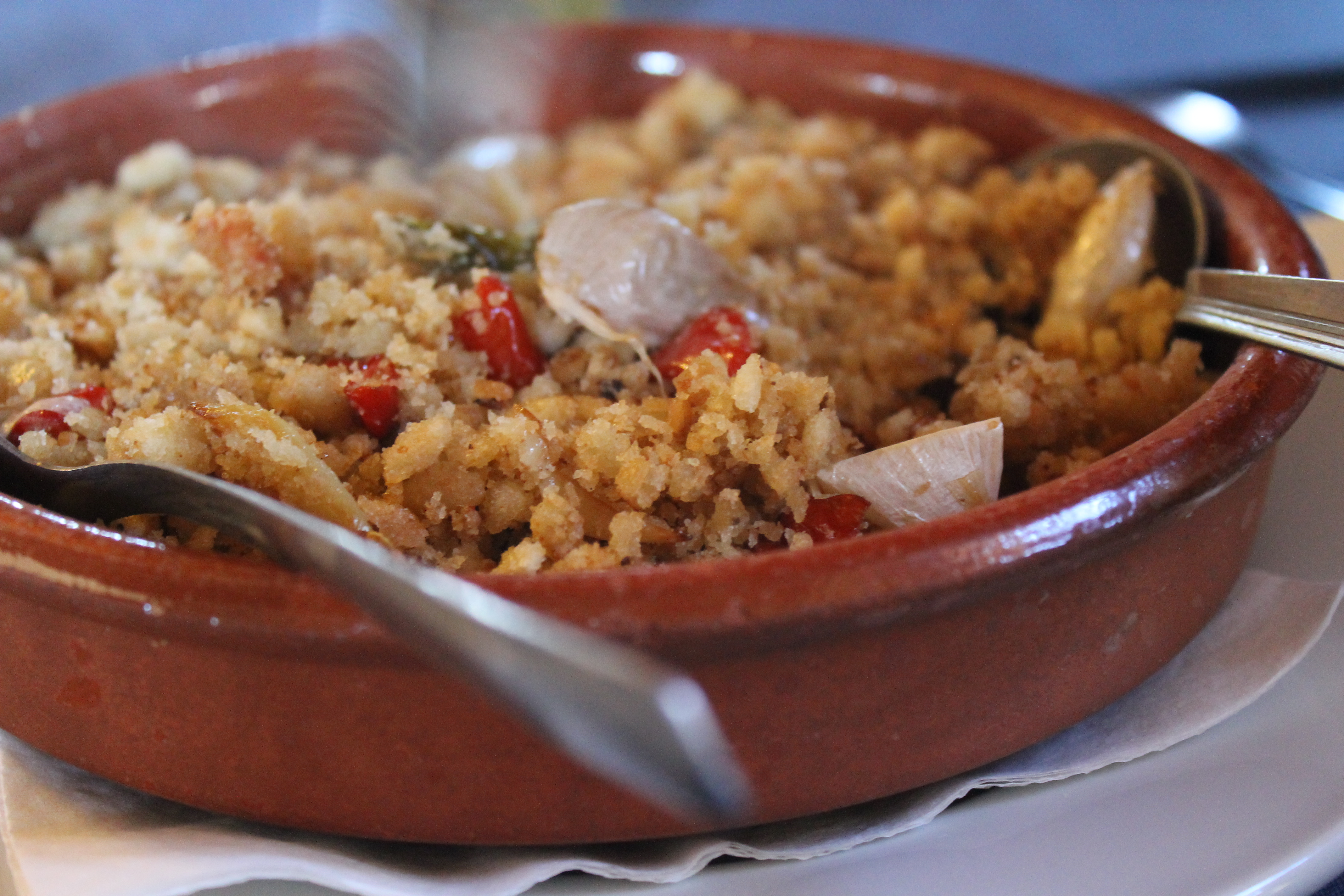
By far the best eatery in the vicinity is Batán de las Monjas, a rustic-style restaurant owned by Diego. Part homestyle restaurant, part new-age dining (Diego’s son studied at a culinary school in NYC and now is one of the lead chefs at Seville’s famous La Bulla), the place oozes pueblo charm is the resting place for the livery that feasts off of bellota in hills surrounding the village. Typical prices for entrées are will run about 7€, so it’s easy to fill up for cheap. The migas in winter and creamy gazpacho in summer have won my heart, and Diego and his family always make me feel at home – even when not with the Novio!

A Cambio de Aires

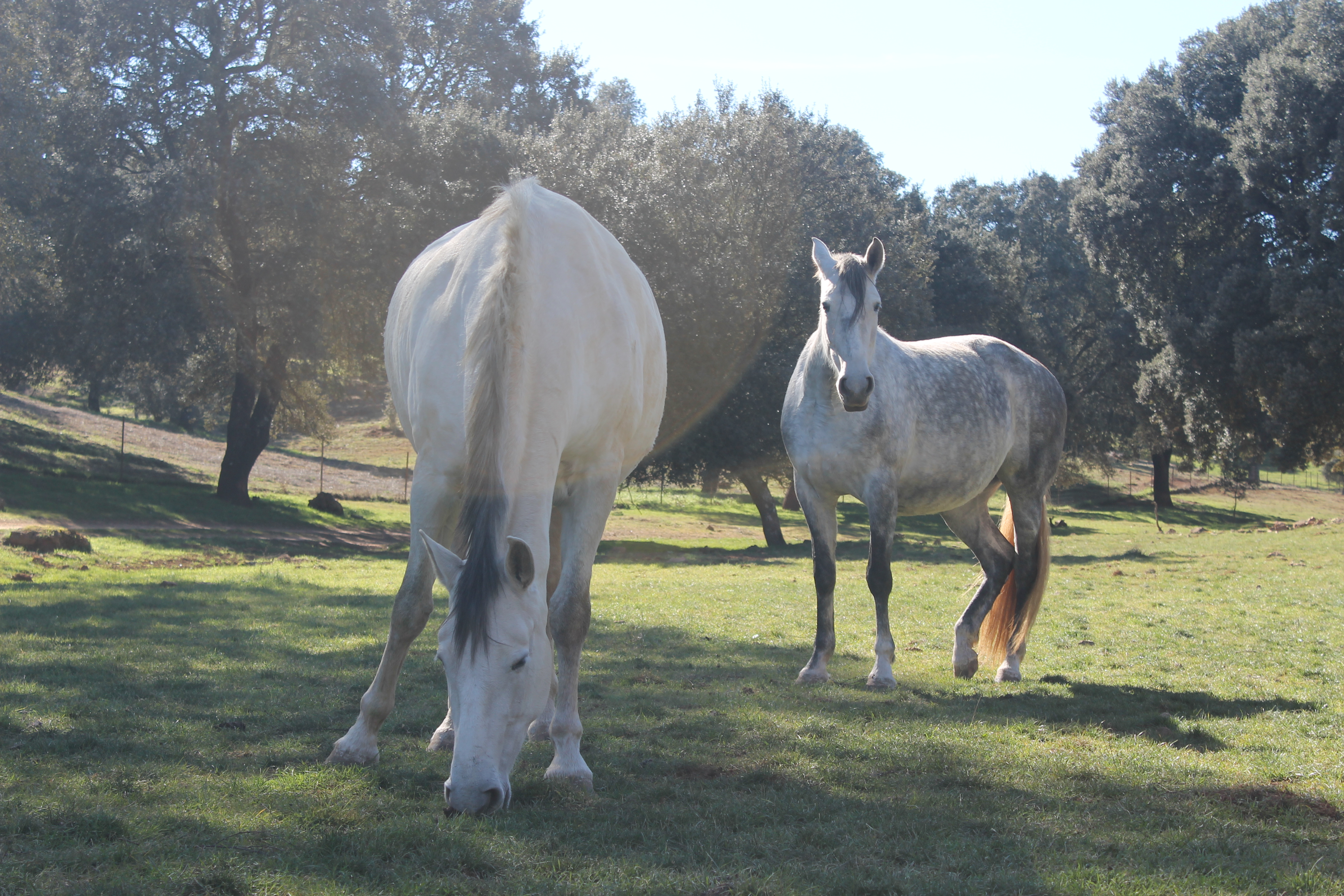
San Nicolás has a truly privileged location, not only for its livestock, but also for its outdoor offerings. A Via Verde trail slices around the southern end of the village, making it accessible for bikers, hikers and riders. It’s normal to see bikes leaned up against Enrique’s bar on a sunny Sunday morning, giving the town an added tourism boost for the smattering of bars and eateries. There’s hills to climb, waterfalls to admire, a Roman bridge to jump from, wildlife galore and some of the warmest and down-home people you’ll ever meet. I’ve always felt like one more Marucha when I’m in San Nicolás, and for good reason – I’m accepted as one.
Have you got your own pueblo? What’s your favorite, FAVORITE thing about it? Been to the Sierra Norte de Sevilla? Tell me what to do next time!

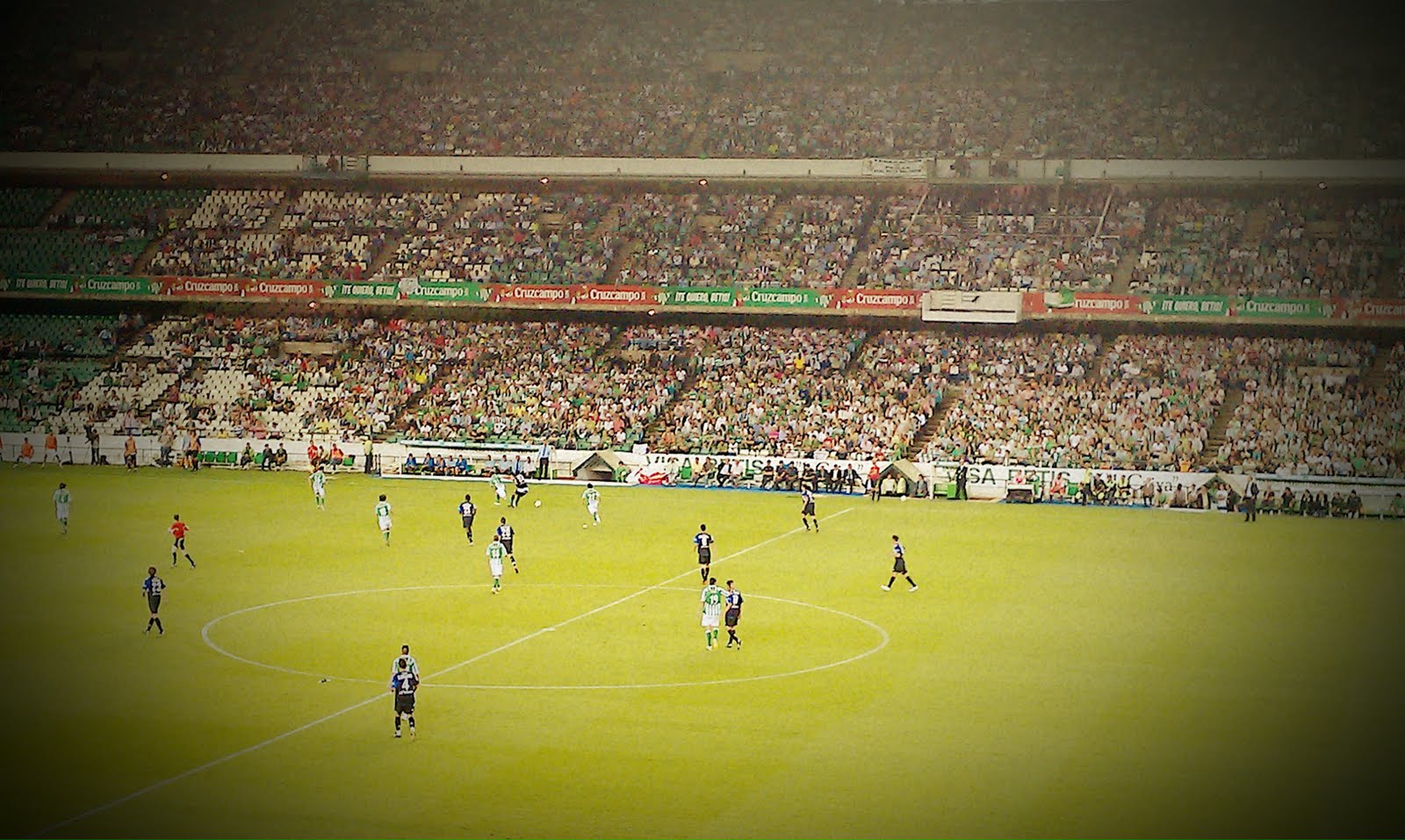
Volveremos a Primera, Real Betis Balompié

They say there are three great fútbol afficions in Europe: Barça, Real Madrid and Betis. The azulgrana is mighty, Madrid a heavy hitter and, um, Betis isn’t even in the premiere league.

Until tonight.

After a rough week, my friend Kim called to invite me to a game. Based on a points system (I swear these people must be economists), Spaniards make predictions on who will ascend to or, worse, be kicked out of the top tier of the Spanish League. Number of goals scored is more important than whether the game is won or tied, and the other Sevillian team’s nine points ahead of it’s next opponent as of the kick-off time made it clear that, with a win tonight and Celta’s loss to a strong Salamanca tomorrow, the return to primera was locked in.

In order to boost attendance at games, season ticket holders, called socios, can score extra tickets for only 15€. I grabbed the only green shirt I had (the other option was my lime-green shawl from Feria) and headed south to Estadio Benito Villamarín, home to the verdiblancos.

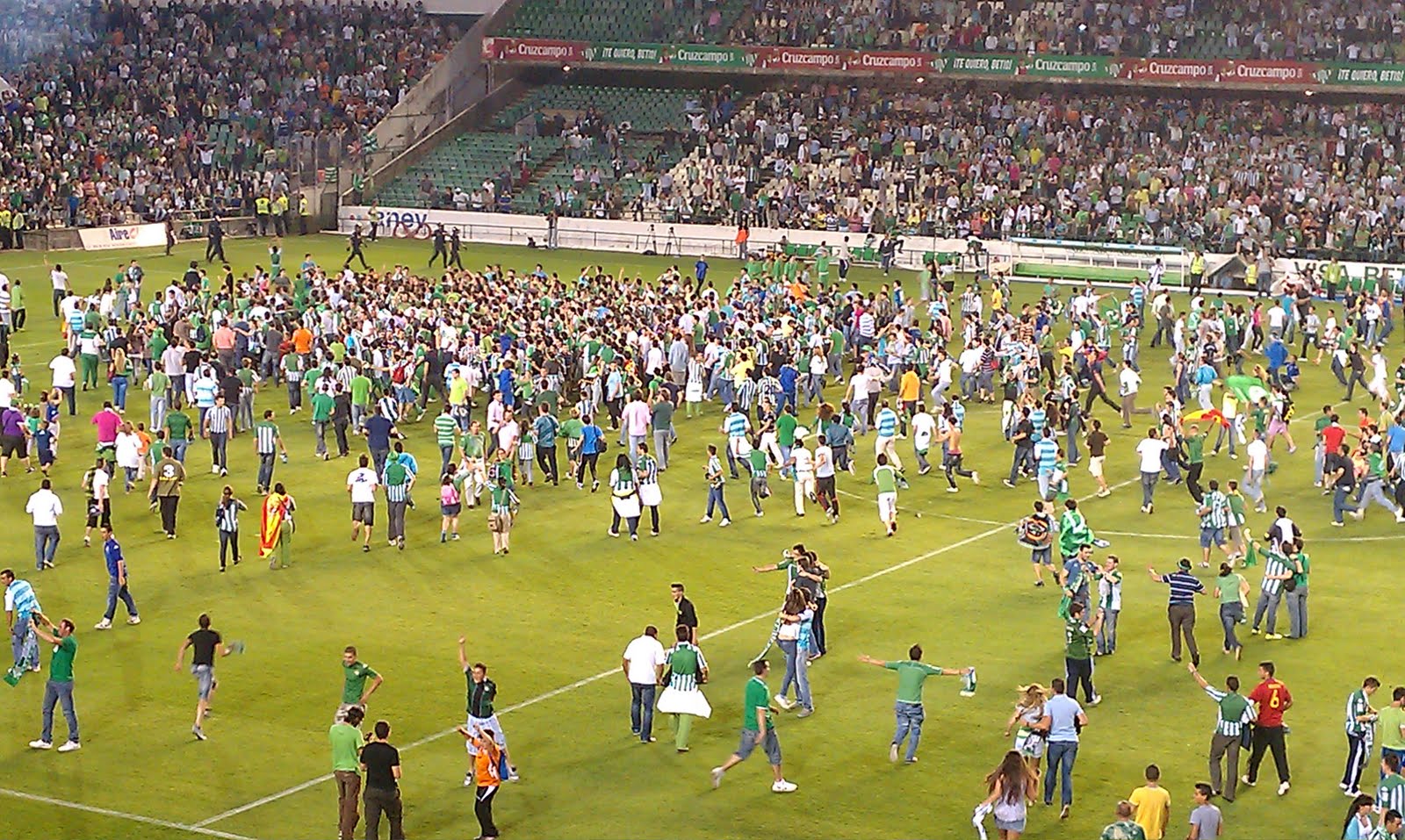
Roaring with cariño, the béticos waved their green and blue scarves while shouting insults at their crosstown rivals, FC Sevilla, and the night’s opponents, Tenerife. Once in our seats at the top end of the home section, we joined the fans dancing to theme songs, chants and dances. The line up announced, the béticos perched in their seats, Betis’s Casto delivered a clear shot into the net, and the béticos were on their feet.

I miss American football, namely watching Monday Night Football with my dad or drinking my first beer at 6am on Melrose Avenue in Iowa City. But something about my afición for my second city and its fútbol is starting to make me feel more at home.

The fútbol that night was a little bit soso, but Betis pulled out a win, and our return to the top division is secured. Fans rushed the field, diving onto the astroturf, waving scarves and flags, and taking pictures. I was rushed back to Kinnick stadium on game days, making me nostalgic and a little
bit homesick. But, I had to live in the moment. Volveremos a primera, Real Betis Balompíe!!

Sevilla Bucketlist

Kelly and I were enjoying a rare day off from our teacher lives today, as our schools celebrated Teacher Day. Five hours less of slobbering, crying and poopy pants? Sounded fantastic, so we indulged in something neither of us, as wannabe sevillanas, would dare do: Go to Starbucks.

It got me thinking: When did I make the switch from being a tourist here? When did I stop wanting to run around and see everything Sevilla offers a tourist and  just, well, live like a Spaniard? After all, I don’t drink coffee between 12am-6pm, think a cold is an acceptable reason to turn down social plans and now have residency to prove that I’m getting there.

“I need a Sevilla bucket list,” I told her over my caramel macchiato. “You know, to keep Sevilla interesting.”

“What we both need is to relax these four days,” she replied. And despite doing the DELE, the guidebook, planning a summer camp, running a different one and working 43 hours a week, I’m making one, some of which were inspired by the website I devoured before moving here.

While waiting for Kike to get up from his nap and catching up on my TV shows, I started making a bucket-list of all the things I’d like to do in Sevilla, beginning with the one Kelly and I first did together:

  • Have a drink on the patio of Hotel Doña María at the foot of the Giralda. (4,50€ for coffee and a view is worth it)
  • Eat breakfast at the sumptuous Hotel Alfonso XIII (closed for renovations from March 2011)
  • Have churros from a lady on C/Arfe I once saw pictured in a book (Amazing! Just get chocolate or cola cao down the street)
  • Spend a session at the Arabic Baths (prune!)
  • Rent a paddle boat in Plaza de España (harder than it looks!)
  • Marvel at the Hospital de los Venerables Sacerdotes, where priests went to die peacefully (go Sunday afternoons from 3-8, when it’s free entrance)
  • Climb the Parasol in Plaza de la encarnación
  • Visit the newly renovated Covento de Santa Clara
  • Explore Hospital de la Caridad, noted for its collection of sevillano painters like Murillo and Velázquez
  • Visit museums like Archivo de las Indias, Palacio Lebrija and Artes y Costumbres
  • See the Virgen de la macarena in her Basilica
  • Have a beer and tapa at Sevilla’s oldest tapas joint, El Rincolncillo
  • Pet puppies in the alfalfa Sunday pet market
  • Hike in Cazalla de la Sierra, a mere 10 miles from my boyfriend’s town
  • Visit the Huevo de Colón, an offbeat monument (thanks, Manuel!)
  • Explore the Cementerio San Jerónimo, resting place of bullfihgters and famous sevillanos

Please leave any suggestions, or come with me!!

It happened one night at Anselma…

Two years ago, my dear friend Lindsay called me with a journalistic question: How do you write for a guidebook and not make it sound like a 23-year-old party girl wrote it?

You give the job to me, I replied.

Two years later, when the Rough Guides series asked her to update another addition, she did. I’m in the process of revising the flamenco, nightlife, shopping and practical information sections of their Andalucía version, a task I welcomed and looked forward to doing.

Until I went to Anselma.

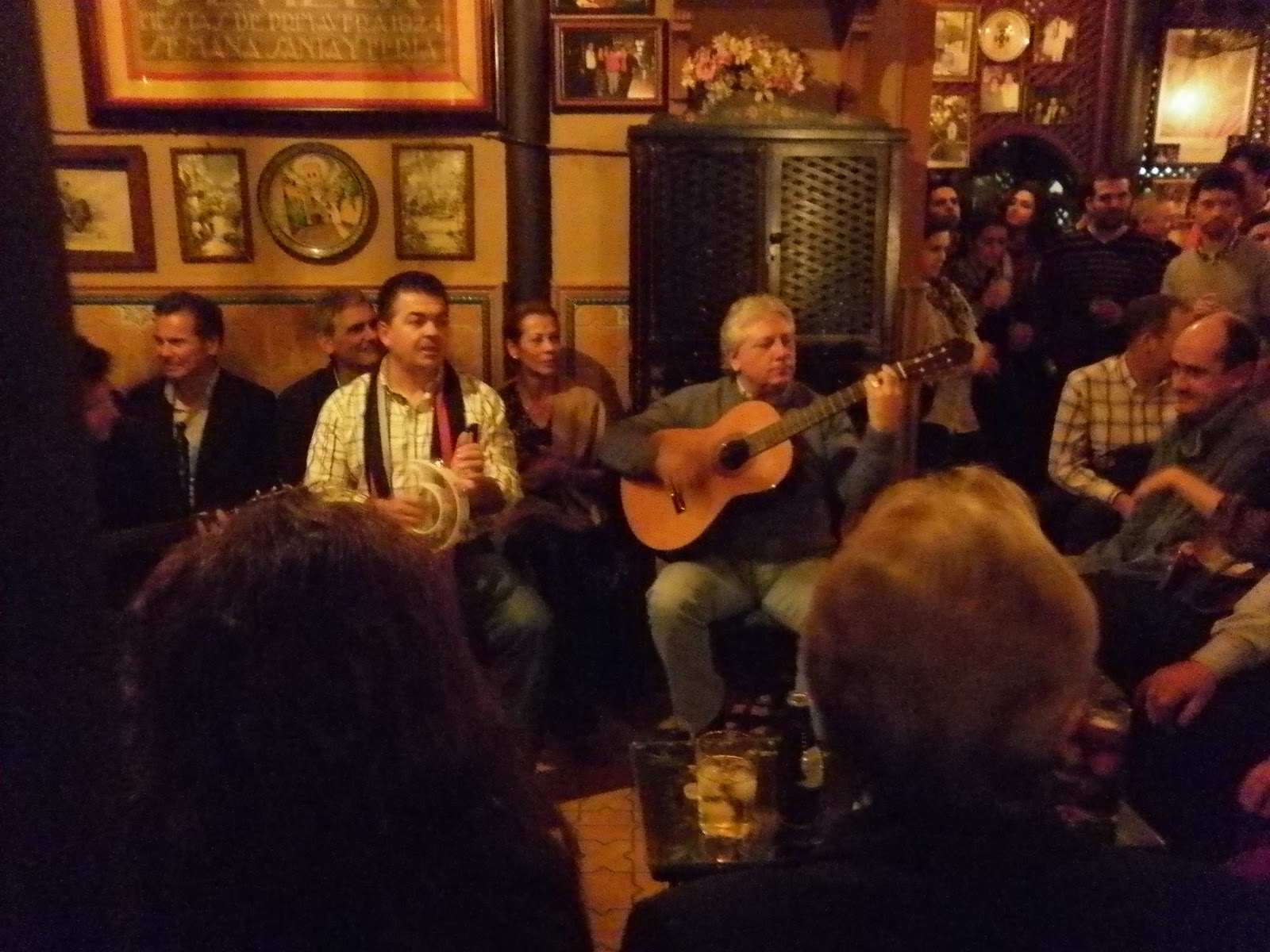
I gathered my two other married/pareja de hecho friends (ok , I’ll be fair, Lauren is engaged and Mickey is thinking about doing pareja de hecho) and grabbed a tapa from Dr. X in Triana. At half past 11, we took our spots in line in front of one of Triana’s most famous flamenco joints, Casa Anselma. I’d always marvel at all of the people lined up around the block while having my punto-pinchi-chipi-champi at Las Golodrinas. The owner, a singer who never really hit the big time but is friends with Pantoja, Paquirri and the lot of them, overcharges for beer but the show is earthy, long and fun.  figuring the place must be good, we snagged three seats at a table in the second row.

The place filled up so quickly that even the waitress couldn’t move through the crowd. I gave her a 20€ bill for our three glasses of wine before the show began. An old trianero, hair ablaze, strummed his guitar while he and two others played a copla. Two other stood up and requested a sevillanas. So did a drunk American, claiming she could dance. As it turned out, she was just being obnoxious and tried to clap her way out of it. Everyone in the place but us three roared with laughter.

Anselma, feeling upstaged by the guiri, took her place front and center and began to sing a well-known copla, Piensa in Me. She wasn’t outrageously good, but the crowd drank in her attempts to squeeze more money out of the free show. When she sang the namesake, she raised her hand to her mouth as if drinking a mug a beer and pointed with her other to the bar.

While singing another shortly after, a loud crash echoed through the virgin-covered walls. We all turned around, and the waitress had tripped and spilled a gin and tonic on a patron. He had one of those “Me cago all over your favorite Virgin” looks on his face, and the queen of the tablao took it personally. “Hey, she’s mine!” she shouted at sour puss, “If you have a problem I, as the queen of this house, ask you to leave!” The man stepped further into the bar and his friend came to his rescue, “You don’t know how to behave properly in your own business. This is no way to treat clients, and you’re just after the money!” Other clients started jeering and shouted, “FUERA!” until the pair left. I turned around and asked Lauren, how do we get out of here? I expected to have the bar empty out.

No one left. Typical, Spain.

Afraid to get up and leave, for fear she might follow us to the street, we stayed on as she told jokes. No one was safe – catalanes, homosexuals and foreigners were all ripped on. I started to grow more and more uncomfortable, yet couldn’t help but be entertained. Next, it was reported that someone’s wallet had been stolen and the owner did nothing to help. We knew then it was time to go and literally crawled over people to get to the door.

I went and met Kike at a bar on Calle Betis. I offered to buy him a drink, but upon opening my wallet, realized I hadn´’t been returned my 11€ from the drinks. Anselma is out of the guide.

Spain Life in Photos: Reales Alcazares, Seville

Cities like Paris and Dubai and Florence are all about indulgences. Smaller cities like Sevilla are all about sharing them. I had another language assistant in to visit Sevilla for the first time this weekend, and my mission was to convince her to move to Sevilla instead of Granada.

IMG_6478
Sure, the Alhambra and free tapas in Granada are pure overindulgence, but little else is. Sevilla, on the other hand, has so many small pleasures that make this city a great one to live in as an expat. Cheap food, a variety of nightlife and three UNESCO world-heritage sites in less than one block.
The Reales Alcazares, the royal palaces constructed at the city gates by Muslim conquerors, is a simple pleasure of the capital of Andalucía. Free to enter for students, residents or anyone born in Sevilla, the handiwork and bright colors stand out against Andalucía’s deep blue skies, and the palaces and extensive gardens are host to outdoors movies and concerts during the sweltering summer months.
Using Katie’s SLR Canon Rebel, I shot this picture to remind her that the best things in life are free.
Related Posts Plugin for WordPress, Blogger...