Tapa Thursdays: The Gambas Blancas of Huelva

When people ask me where my favorite spot in Seville is, I can give an answer quicker than I can name the president of the Spanish parliament: La Grande. You could say that I fell in love with Spain, with the Novio and with langoustines here, all things that have made my life over the past five years what they have been.

For the price of 1,10€ at La Grande, you can get a beer and three boiled shrimp, as long as your middle finger, littered with coarse sea salt and picos. These gambas blancas were part of my Christmas meal and have made their way into my diet at least once a week.

…and this for a Midwestern girl who used to hate seafood!
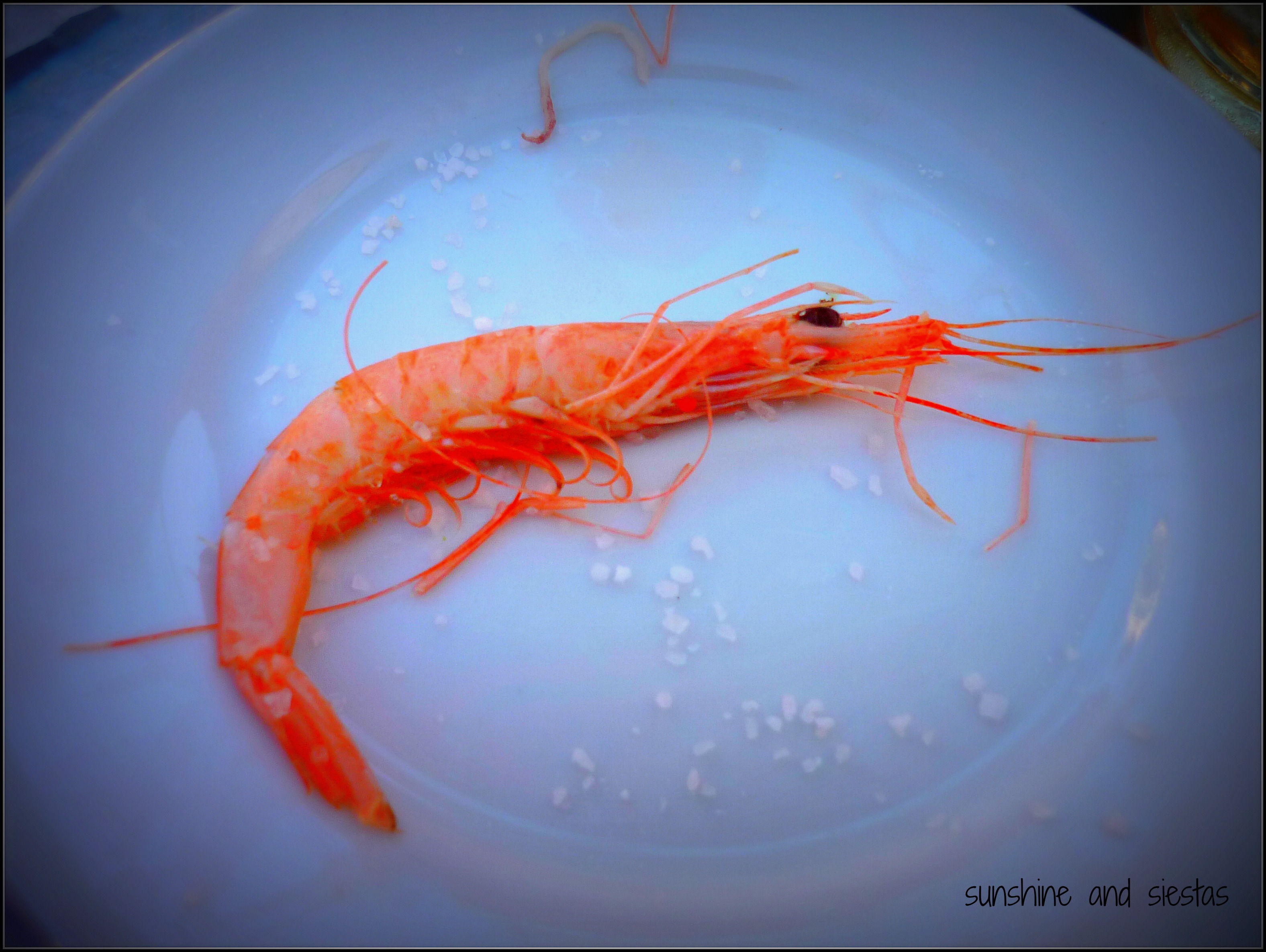
What it is: The parapenaeus longirostris is a common prawn. At its most simple, they are boiled and sprinkled with sea salt, though it’s common to see shrimp in dishes such as paellas and pastas, and like potatoes to Anglos, can be served in many styles: boiled, fried, in garlic, in tempura, etc.

Where it’s from: These crustaceans are captured off of the Atlantic Coast of Huelva and Morocco, making their arrival to Seville quite quick.

Where to eat it: While I love gambas just the way they are from La Grande (Lopez de Gomara, 18), you can get them just about anywhere. Try a marisquería for many varieties, or a local frieduría for gambas rebozadas, which are battered and fried in olive oil. I also had a friend try tortilla de camarones, which is a smaller shrimp fried in batter. She would have liked it, had she not seen their faces.

HOW to eat it: I once told my friend Alfonso to come meet me at La Grande and bring his mujer gamba. Oops. Female shrimp is to Spaniards what Buttherface is to Americans. To really master peeling a shrimp, you have to have practice, and maybe a beer or two first.

First, rip the head off by placing your index finger and thumb at the base of the skull. My friends say that the brains are the best part, but I can’t get myself to suck it! Then, pull the tail off. Discard both shells. Carefully remove the outer casing of the body by pulling off its legs and peeling off the upper case. The shrimp should look more or less like your curled pinky finger.

If you like tapas, why not tell me which ones you’d like to see featured on Sunshine and Siestas? Alternately, there are more pictures on Sunshine and Siestas’s Facebook page.


Dancing in the Fountain: Enjoy Living Abroad Book Giveaway

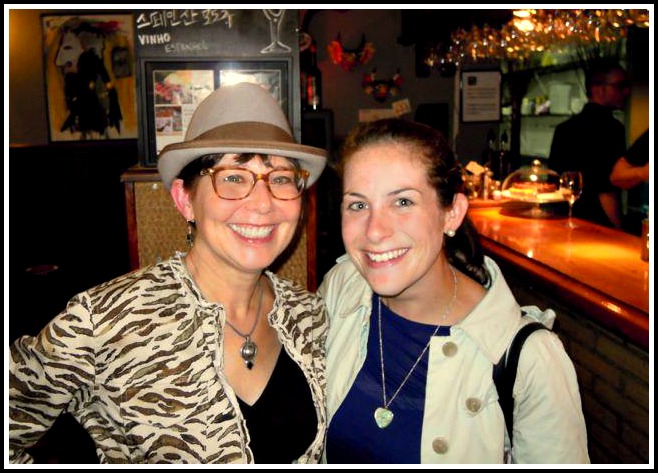
I’m five minutes early, and there’s just one table left. It’s in the sun and cramped between two groups of German travelers. Karen strides in with just a moment to spare, wearing her signature animal prints. While there’s a gap in age between us, Karen is the type of friend you can have who personifies “Age is just a number.”

I’m eager to catch up with Karen over coffee and talk about her new book, Dancing in the Fountain: How to Enjoy Living Abroad. I devoured the book on a trip this summer though the Eastern seaboard, often subjected to gut-busting laughter and the wise head nods. The book was, in short, delightful.

As someone who loves travel books, Karen’s story of how she and her husband, Rich, moved to Seville is what Maria Foley calls a “love letter to the Andalusian capital.” Indeed, Karen captures the essence of Seville – its people, its food, its quirks that drive every single one of us crazy, all while deepening our love for this enchanting place. The perfect book for dreaming about getting away, of starting over in a new country and making it all work. 

As we are getting ready to part ways, I reach into my bag to find my wallet is empty. In an oh-so-Spanish move, Karen shoes my hand away and offers up a five euro note. “This will more than take care of it,” she says with a slight smile.

After getting back home later that day, I write my friend to apologize again about the coffee. Her reply is quick and telling: It’s happened to all of us.

Photo by the man in the hat himself, Rich McCann, at Karen’s book party

Just like your friend from toda la vida might say on any other sunny day in Seville.

The Contest

Karen has graciously agreed to donating a paperback copy of Dancing in the Fountain: How to Enjoy Living Abroad to one of my readers, and I’m willing to ship it anywhere.

In order to win, I’d like you to tell us, in 25 words or less, why you’d like to live abroad, or why you chose to if you’re already here. You can earn more chances to win by following Karen and I on twitter or liking our Facebook pages, but we’re both interested in hearing what you have to say about packing up and moving to unknown lands.
a Rafflecopter giveaway

Contest begins today and will run two weeks. I’ll send the winner, who will be generated randomly, the signed book to any corner of this great big Earth. But wait! I’m also going to give away a $15 Amazon gift card to the reader with the best answer, judged by and agreed on by both Karen and me.

For more information about Karen and her book, visit her webpage or follow her on twitter at @enjoylvngabroad. If you’ve read this book and enjoyed it, let her know! You can also find the book in both Paperback and Kindle version here: Dancing In The Fountain: How to Enjoy Living Abroad.

Seville Snapshots: The Quiet Hours

My life has undergone a huge overhaul in the last four months. When I think about the first half of 2012, it almost makes me shudder: I wasn’t happy with my job, was barely sleeping, had a badly battered outlook on my life in Spain.

Whatever isn’t broken shouldn’t be fixed, but when something is so, so badly broken (namely, my confidence in myself and my love affair with Seville), the major overhaul is necessary.

So, I quit my job. In this economy? Being a tenured teacher? You must be crazy, Cat! they all said, but in the end, I was the one with enough guts to do it. I walked out on my last day and didn’t feel any effect, just crazy relief. Camp followed, then a five-week trip home to give me some perspective while I enjoyed central air and a new pup at home.

Since coming back to Iberia two months ago, I’ve started a new job, a master’s in PR, redesigned my blog (which is a longer process than I thought), bought a MacBook Air and have started enjoying, actually savoring, Seville again.


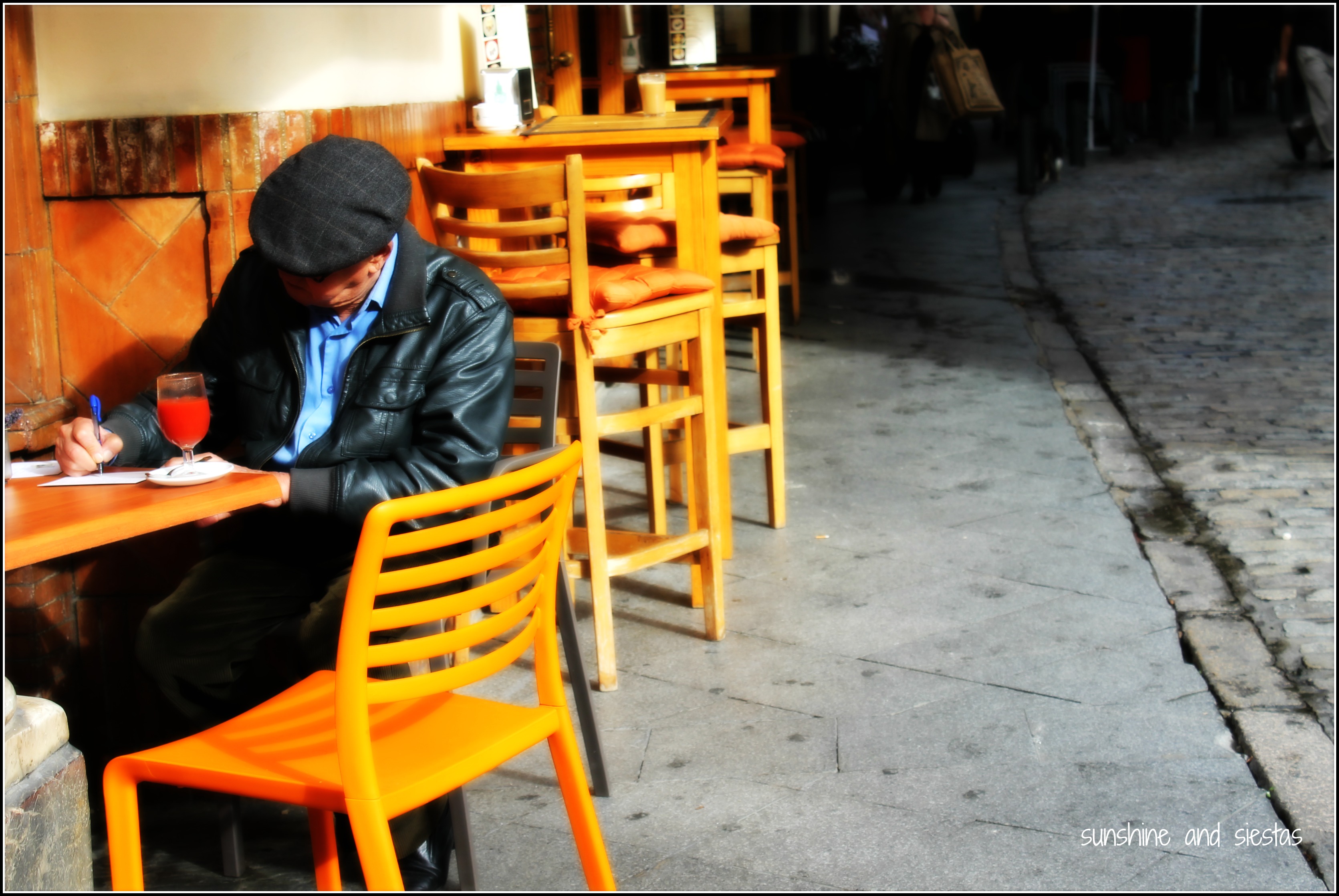
One benefit of working in the afternoon is being able to enjoy the quiet hours in Seville, when the sun paints the city center golden, before Constitución fills with people. I’ve often staked out breakfast spots by less conventional terms, like the way the sunlight spills over the outdoor tables or by quirky decor. But, sitting right in front of the Giralda with a menu boasting poorly translated English, German and French (I’m assuming) was this character.

One of the most lovely feelings of living in Seville is the sense of being transported back to another era. As I listened to the horse carriages behind me and the whirr of a coffee machine, I watched him scribble notes in a small, leather-bound book while sipping a bloody mary.

Let’s face it: I love a man who isn’t afraid to have a drink before noon.

Sampling Spanish Food: Five Must-Try Tapas

As Seville competes for the World Capital of Tapas, a nod which would give the city another UNESCO World Heritage mention, restaurants and tapas bars around the city are adapting to an eating culture that is evolving towards gastrobar-meets-down home atmosphere. Seville’s tapas culture is a major city attraction.

Many stories about its origins exist, but the practice is universal: bar patrons hop from one bar to another, sampling small plates of food. These can encompass hot dishes or cold, and can be meat, fish, vegetables or anything in between. While Spanish cuisine is considered important, Basque and Catalàn tend to be the heavy hitters in this category.

What sets Seville apart is the participation, making every day special enough to eat out. Tapas can take on so many different forms, making it impossible to get a real taste for Spanish food in a quick trip. Here are five-star dishes that will give you a starter tutorial in Spanish gastronomy:

Pulpo a la Feira

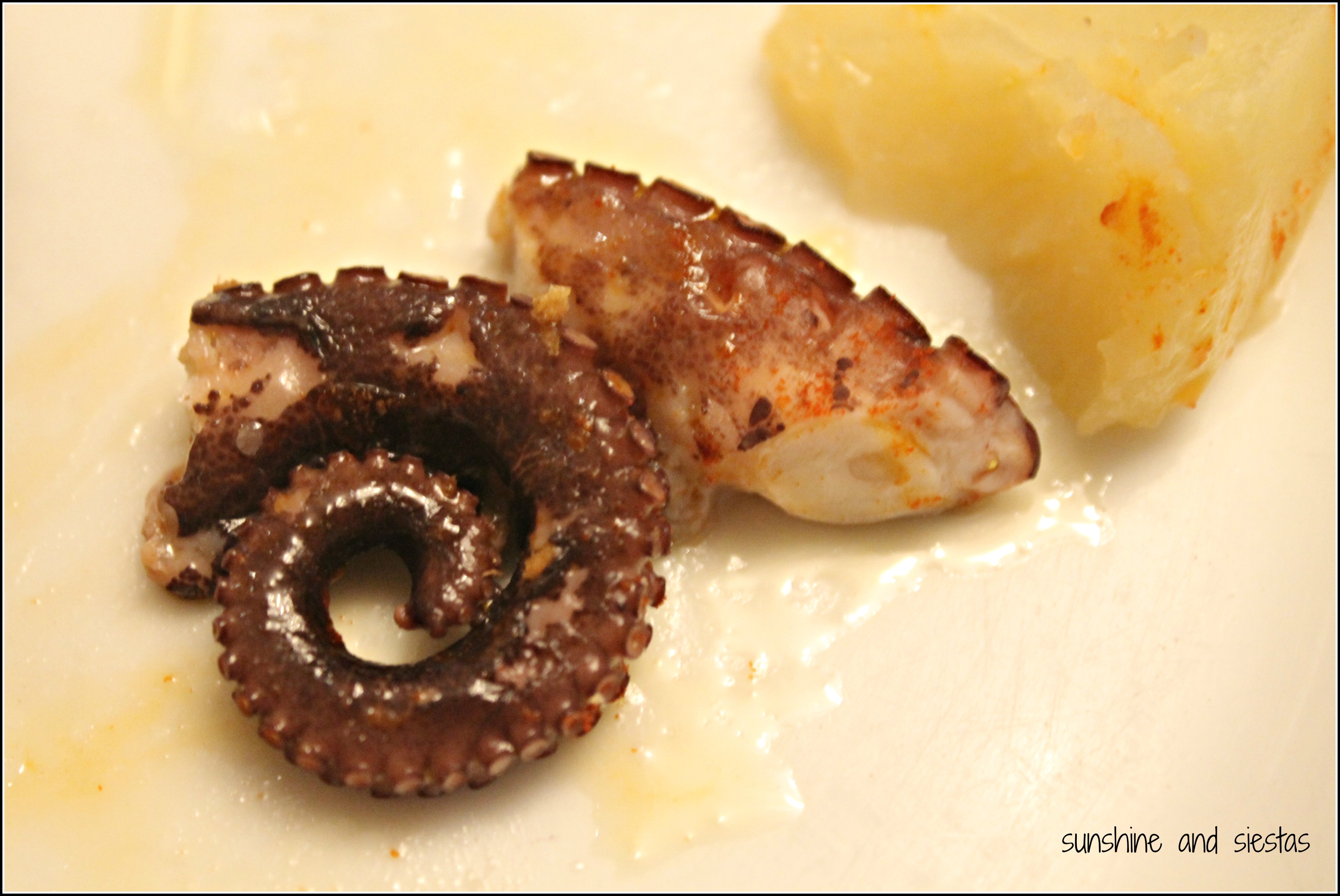
What it is: Boiled octopus served over boiled potatoes, with drizzled olive oil and sweet paprika.

Where it’s from: Typically eaten in the northern region of Galicia, popular varieties include al horno (baked) or a la plancha (grilled).

Where to get it in Seville: Casa Miró is perhaps one of the most famous Galician style restaurants in Seville, but try the pulpo at La Azotea (C/Jesús del Gran Poder, 31), served over mashed potatoes with a mozarabe sauce.

Goes perfectly with: pimientos del padrón, a sometimes-spicy-sometimes-not flash-seared green pepper.

Salmorejo

What it is: A thick, cold soup made with tomatoes, bread, olive oil, garlic and vinegar. Often served with chopped bits of ham and boiled egg.

Where it’s from: This dish is one of the most typical in Córdoba and is a thicker, sweeter version of gazpacho.

Where to get it in Seville: Salmorejo is a staple in most well-established bars in Seville, though not all of it is homemade. It’s pretty good at Bodegas la Pitarra, especially when dipped in even more bread!

Goes perfectly with: Fried eggplant, a ham and cheese mini-sandwich, Córdoba’s other famous dish, the flamenquín.

Paella

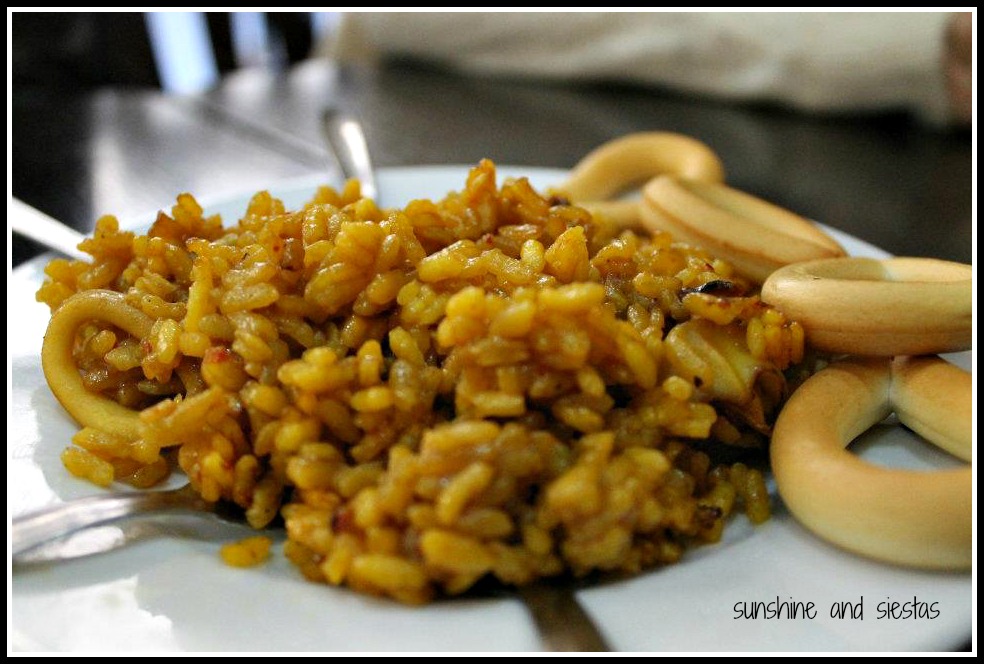
What it is: A rice dish that’s often made with seafood, meat and vegetables.

Where it’s from: Believed to have been created in the Albufera region of Valencia, paella is a common dish on the Mediterranean Coast and at barbeques (I mean it!). Rice is a common crop is Spain, and the availability of cheap flights to this region, like from Belfast to Alicante, make it an easy weekend trip.

Where to get it in Seville: On Sundays, La Cocina del Dr. x (Evangelista, 36, Triana) serves rice or paella. If you’re willing to go a bit further out, the duo from L’Albufera in Los Bermejales (Avda. de Europa, 19) cooks their rice to perfection and even serves it to you from the flat, cast-iron dish. Paella takes a while to make and is ordered by the person, so allot enough time or call ahead .

Goes great with: itself. Since paella is a dish that encompasses the major food groups, just keep digging in.

El Serranito

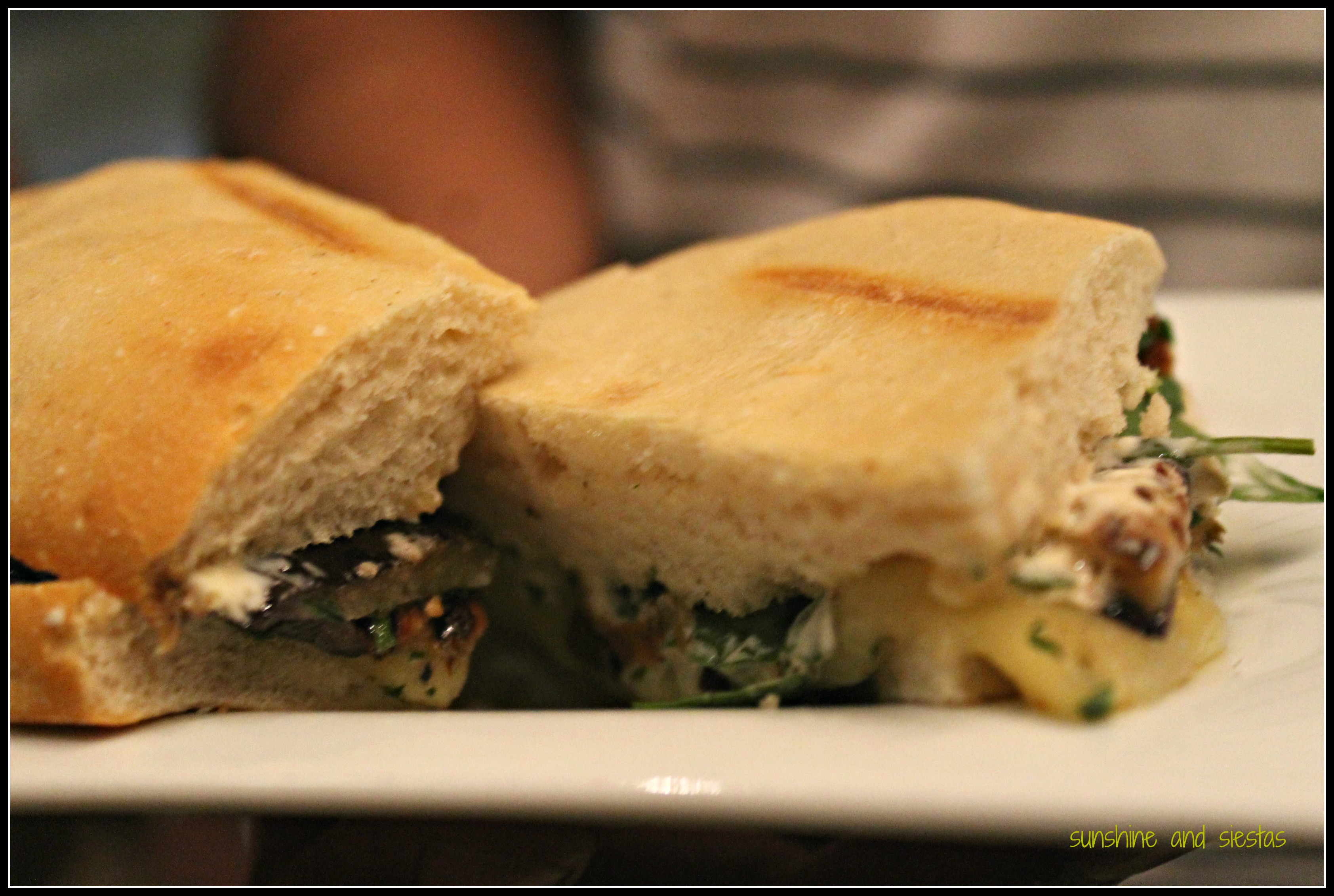
Pepito de Berenjena and fried cheese

What it is: a hearty sandwich stacked high with a pork sirloin or chicken breast, tomato, a slice of ham and a fried green pepper between two hunks of bread.

Where it’s from: This is the Andalusian of fast food. It’s especially common in Seville (I only wish my host mom in Valladolid packed these for me instead of mortadella sandwiches!).

Where to get it in Seville: I’ve found that the biggest and best Serranitos come from the roadside bars in small towns. Many bars in the city serve mini versions of the sandwich for a taste.

Goes perfectly with: A cold beer. It’s hearty, so you’ll need something to wash it down!

Tortilla de Patatas

What it is: This list would not be complete without perhaps the most Spanish dish of them all – the venerable Potato Omelette. As simple as eggs, potatoes and onions, the dish can be tricky to master (especialy when you have to flip it and cook the other side!).

Where it’s from: This is perhaps the only Spanish dish common throughout the entire country.

Where to get it in Seville: Some like it cooked, some like the eggs runny, but I love the tortilla from Bodeguita A. Romero, served with mayonnaise (Calle Gamazo, 16).

Goes perfectly with: Just about anything. It’s actually eaten for breakfast in Madrid!

In homage to a city where the tapeo culture trumps even bullfighting and flamenco (read: it’s accessible and likeable to everyone), I’m starting a weekly Tapas Thursday section that will feature different small plates and where to find them in Seville. Hungry? Read on…

[this post was also selected as a part of the Best World Food posts on The Nomadic Family. More yummy scoop here.]

What’s your favorite Spanish dish? What tapas would you like to see promoted on Sunshine and Siestas? Feel free to upload pictures of dishes to Sunshine and Siestas’s Facebook page!

Seville Snapshots: Arcos de la Frontera, Cádiz

Having just arrived in the southwestern Spanish village of Arcos de la Frontera with a government grant to teach English, the first two thoughts that I crossed my mind were the following: This Andalusian town is stunningly beautiful, and These Andalusian women are stunningly beautiful. As a photography enthusiast (and perhaps at the risk of discrediting myself), I have to admit that taking impressive-looking pictures in any of Cádiz’s pueblos blancos is, ahem, just about a sure shot.
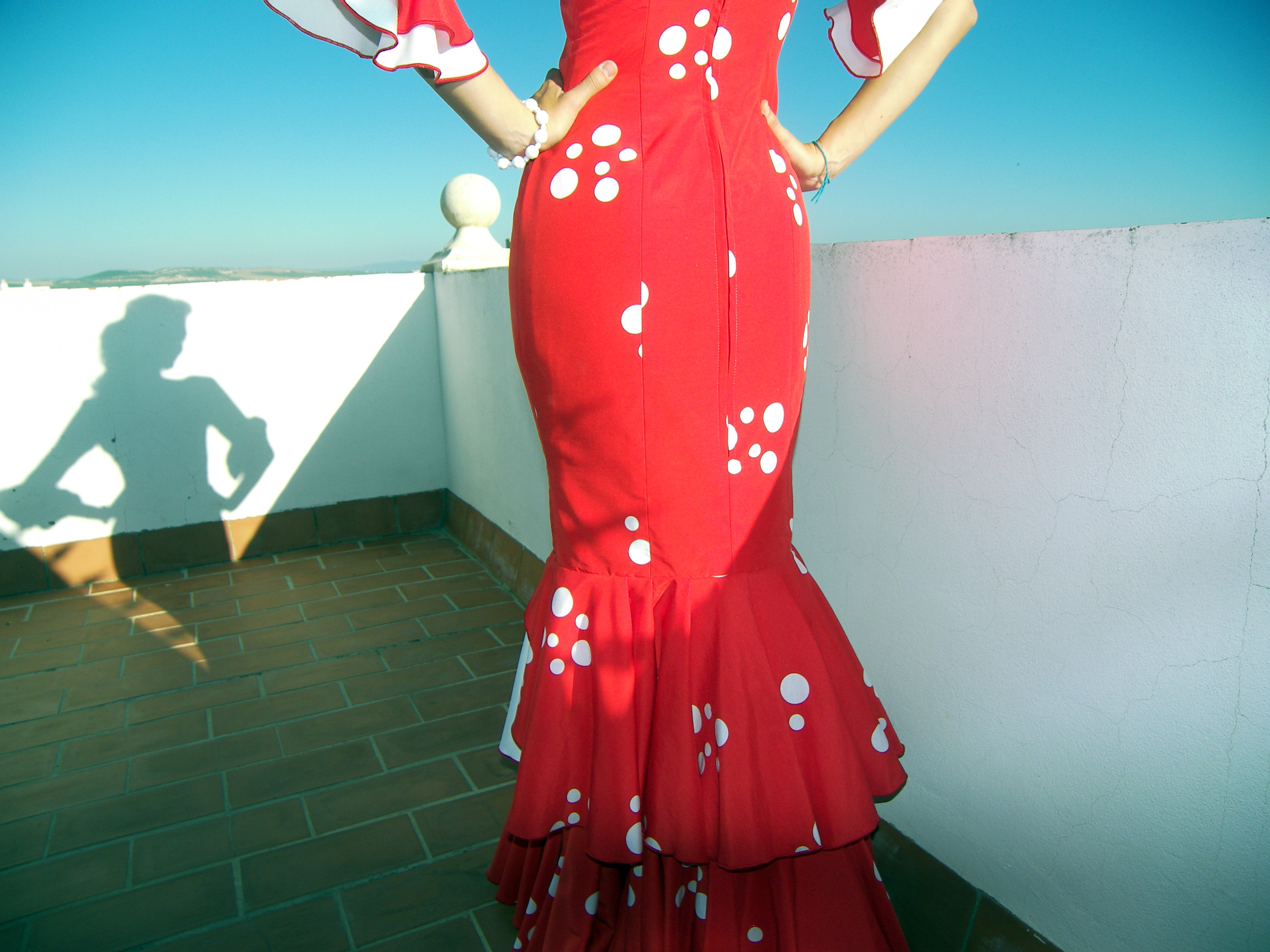
When I started dating Esmeralda, a preschool teacher at that school and who is now my wife, it was springtime in southern Spain, which is of course feria season. While Sevilla’s April Fair is by far the most famous, nearly every village, no matter how small, boasts its own week of colorful festivals, and within a couple weeks of each other, both Jerez de la Frontera and El Puerto de Santa María each throw formidable (and fully open to the public, as opposed to in Sevilla) spring fairs.
Needless to say, the first time I saw Esme in her flamenco dress at one of these fairs, I was floored. I told her that I would love to do a photo shoot of her in full feria garb on my apartment building´s azotea (rooftop area of most Andalusian residency buildings, mostly used for hanging clothes to dry), which had a privileged view of the village, with the San Pedro and Santa María churches, and the Moorish castle, crowning the almost proto-cubist stacks which form the medieval white Old Town of Arcos.
These photographs are just two of a series which carries a great deal of emotional, and aesthetic, significance for me. I no longer live in Arcos de la Frontera — we moved to the Sevilla area a little over three years ago — and my understanding of this region and this country has grown far more complex over the last few years. But they say that first impressions can last a lifetime, and I’m determined to hold on to this vision of Spain’s simple luminous beauty as long as I can, especially during one the darkest period’s in this country’s history.
You can reach Lincoln by checking out his text and photo blogs:
I also want to give a shout out to this Antena3 initiative to defend Spain’s image in the fallout from the infamous NYT article: http://www.antena3.com/noticias/sociedad/buscamos-fotografias-espana-que-publico-the-new-york-times-participa_2012100300098.html
If you’d like to contribute your photos from Spain and Seville, please send me an email at sunshineandsiestas @ gmail.com with your name, short description of the photo, and any bio or links directing you back to your own blog, Facebook page or twitter. There’s plenty more pictures of the gorgeous Seville on Sunshine and Siesta’s new Facebook page!

Five Places You’ll Wait in Line in Spain

I asked my First Certificate students to tell me their strengths and weaknesses during our last class. We were talking about how personality factors into the type of job you choose and your success in your profession.

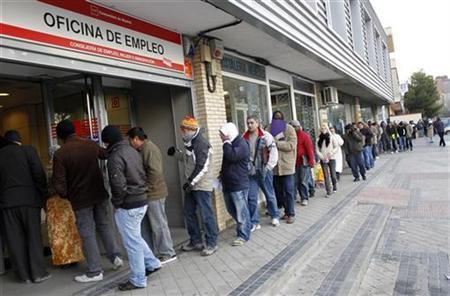
My weakness? I am crazy impatient (an obvious reason to not teach babies). The problem with living in Spain, then, is the amount of waiting one has to do in order to be a productive human in society here. Even the simplest of tasks can take an enormously long time, and with the ongoing stream of budget cuts, there are less personnel in the office and more people free in the am to stand in line.

source

 Extranjería

By far the biggest place you’ll waste your time in Spain is at the Foreigner’s Office. Getting a NIE is a three-step process, asking information requires parking it on an uncomfortable plastic bench for hours and arriving after 7am ensures that you’re likely to not receive a number. The hours (perhaps days) I’ve spent in the office – particularly when trying to determine my status in 2010 after losing the Ministry of Education grant – are immeasurable.

There are ways to make the whole experience a little bit better, but listening to people tell you their sob stories while you’re surrounded by one of Seville’s most enchanting plazas is just torturous. My advice is to arrive later in the morning, after all of the civil servants have had a chance to eat breakfast, bring extra photocopies of everything and to be polite, even when the funcionario sends you away for the third time in one morning. Being polite can go a long way to a civil servant who’s really just wishing you’d get out of her hair so she can chat with the guy at the desk next to hers.

Bank

Banker’s hours in Spain tend to be 8:15 – 14:15. This means, of course, if you’re a normal human being, that you can’t make it in to pay bills, make a deposit or complain that your card has been swallowed up again. What’s more, Saturdays and Sundays mean the place is chapá.

To avoid the line waiting, and banks for the most part, I’d sign up for either La Caixa, which offers great rates for students under 26 and a full-service ATM that allows you to do everything from deposit your check to top up your bonobus at any hour of the day. Likewise, ING Direct offers extended hours AND they’re open on Saturdays (you’ll just need a paycheck stub to open a cuenta nómina).

Post Office

Another place you’ll wait in line, thanks to budget cuts, is the post office. In Spain, your address assigns you to a certain correos office. Mine happens to be a 15-minute bike ride from my house, while there is one not 250 meters from my front door.

While I was home visiting Chicago, I won a book contest put on by Books4Spain. The book was sent to my house, but no one was home to receive it. A notice was left in my mailbox to pick it up at the correos office, so I found a bit of time to go immediately the first morning I was back in Seville, arriving just as the doors opened. I was the fifteenth person in line, but still waited 45 minutes for them to tell me my book was returned two months earlier. Word to the wise: if a letter or package is not picked up within 15 days, it goes back to the sender, though if it’s not a certified letter, you can send someone else in your name, so long as they carry a piece of paper giving them the power to do so, signed by you with your NIE number.

Frustrated, I got a tostada with ham and a big cup of coffee. Even at the crack of dawn, the place was still packed!

Government Buildings

Recently, I had to get a page of stickers with my IRS tax code on it. I walked into the Hacienda building at opening time on a Monday morning and was delighted to find only half a dozen seats full. I got a number and watched the screen. Only one person was in line in front of me, so I turned on my Kindle and began reading.

…and waited for nearly 45 minutes. When my number was finally called, the three women behind the desk were sitting, chattering away. I cleared my throat. Nothing. Being the cara dura I am, I finally asked for their assistance and a woman slowly rose and wordlessly took my passport. No more words were exchanged while I stood for an additional five minutes waiting for her to print my stickers. If only I could have used TurboTax Online, things would have been so much easier.

Let’s face it, I was cutting into her breakfast time. She had reason to be mad.

Be it Hacienda or even the Distrito office, allot way more time than you think necessary. And bring a book.

Supermarket on Saturday

Everyone is here, since they’re all closed on Sundays. Even I have thrown my hands up in an, “Ok, Spain! You win today!” gesture as I drop my potato chips and litronas of beer at the counter and walk out. I can wait if it’s important enough, but why wait for beer if I can walk across the street for a fresquita anyway?

Rules for Waiting in Line

People in Spain tend to ask the person in front of them to save their place in line. When I say their place in line, I also mean their place in line with their whole family, who will take turns standing their place.

Banks are utterly confusing if there’s a lot of chairs available. Whenever a new patron comes in, he or she will as for el último? and memorize that person’s face. It’s up to you to remember who you’re after and to be aware that people are ruthless when it comes to money matters.

There are VERY special rules for the abuelitas. They’ll come at you, all nice and calling you hija and corazón and mi arma, just one loaf of bread and some eggs in their frail little arms. Then, once you’ve given into the cuteness of little María de los Sietes Dolores, she’ll call over her granddaughter and the cart full of everything Dolores will need for the three weeks of winter she hibernates and cooks for her two dozen children and grandchildren. DO NOT, under any circumstances, give into an abuelita!

Have any more to add, Spain dwellers? Where do the rest of you expats wait in line in your respective countries?

Related Posts Plugin for WordPress, Blogger...