How College and my Study Abroad Program Prepared me for a Life in Spain

Emails form part of my daily routine, and many who write are travelers looking for a great place to eat or see flamenco, asking about what to miss and what can’t be missed, and seeking information on where to stay in Seville or how to get around.

As my blog readership grew and moved into an expat blog, I began to get more and more inquiries about moving to Spain, which prompted me to co-found COMO Consulting Spain

On my first trip to Europe in 2001, at age 15

Claire’s recent email stood out. At 17, she’s already dreaming of moving abroad once she finishes school. When I was 17, I’d already traveled to Europe twice and was hooked on the idea that I’d study abroad. The more I think about it, the more a life overseas made sense, thanks to the decisions I made in college and what seems to be a four-year beeline straight towards my final destination.

With her permission, I’m including a snippet of our conversation, as well as a longer explanation of how I got to Seville in the first place:

Claire D. writes:

I just started reading your blog a few days ago and I’m already hooked. I’m seventeen and ever since I visited last summer, I’ve been in love with the idea of living in Europe. Unfortunately I don’t know anybody else who has the same dream as me so I’ve been searching for information and advice from people who have experienced living abroad, which is how I found your blog. I feel like I have so many questions for you but I’ll start with your study abroad program.

I’ll be starting university here in Canada in September and I’m thinking about majoring in Global Studies. I know you mentioned that you studied abroad during your college education as well. I was wondering what you majored in and if it was related in any way to your studies of Spanish language in Spain.
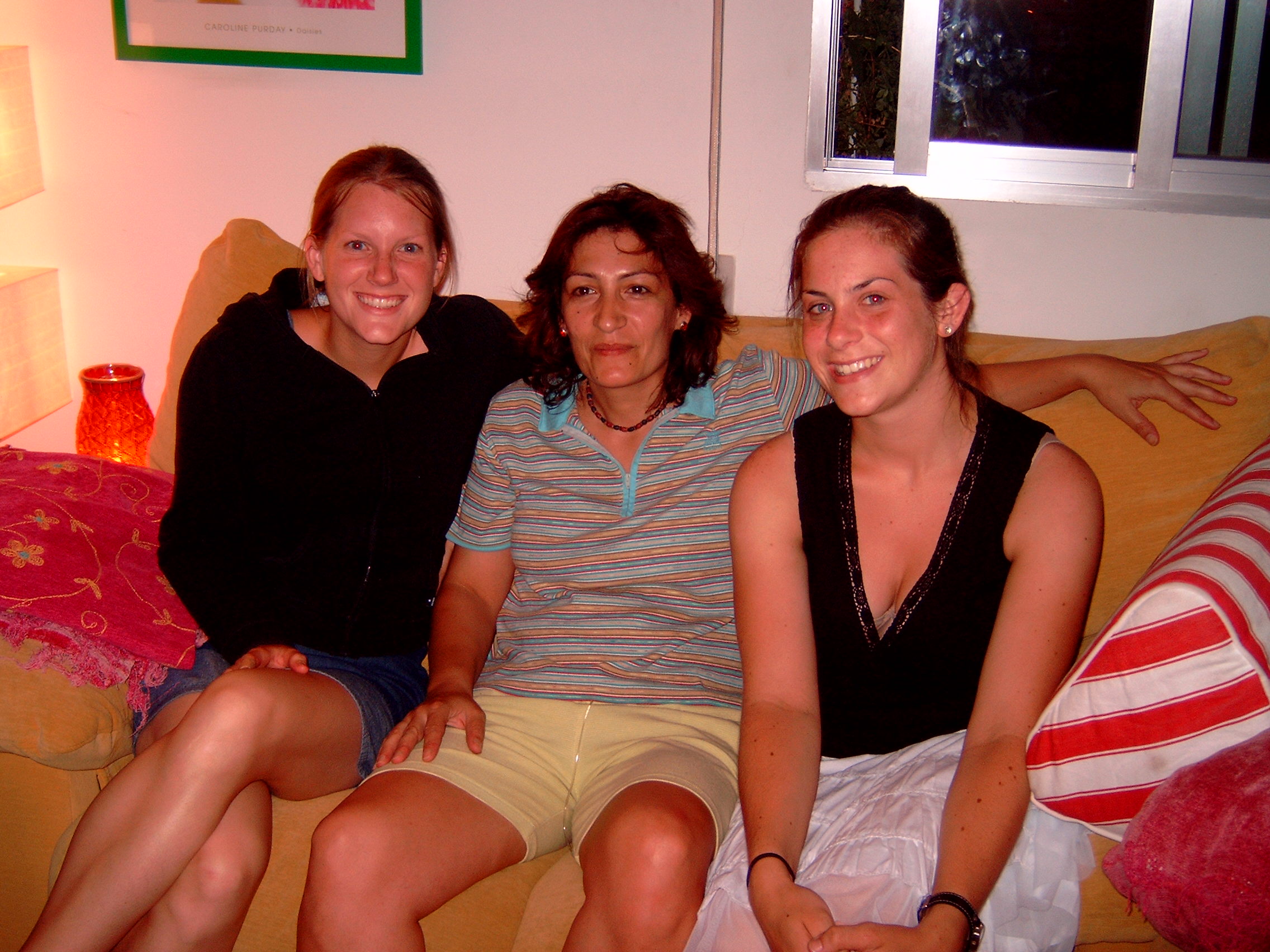
I knew what I wanted to study from the time I was 12. My elementary school had a TV lab, and each sixth grade class got to produce a morning news program. My first assignment was interviewing other students about fire safety on the playground. As a kid with countless interests, being in a cubicle would NEVER be for me.
 
College
At the University of Iowa, I went into journalism, but we were forced to pick another major or concentration. Most of my peers chose Poli Sci or English. The reason I chose International Studies as my second major was because it was a DIY program, so all I had to do was argue my way into classes, prove that they had something to do with international studies, and I could earn credits towards my degree.
 
 
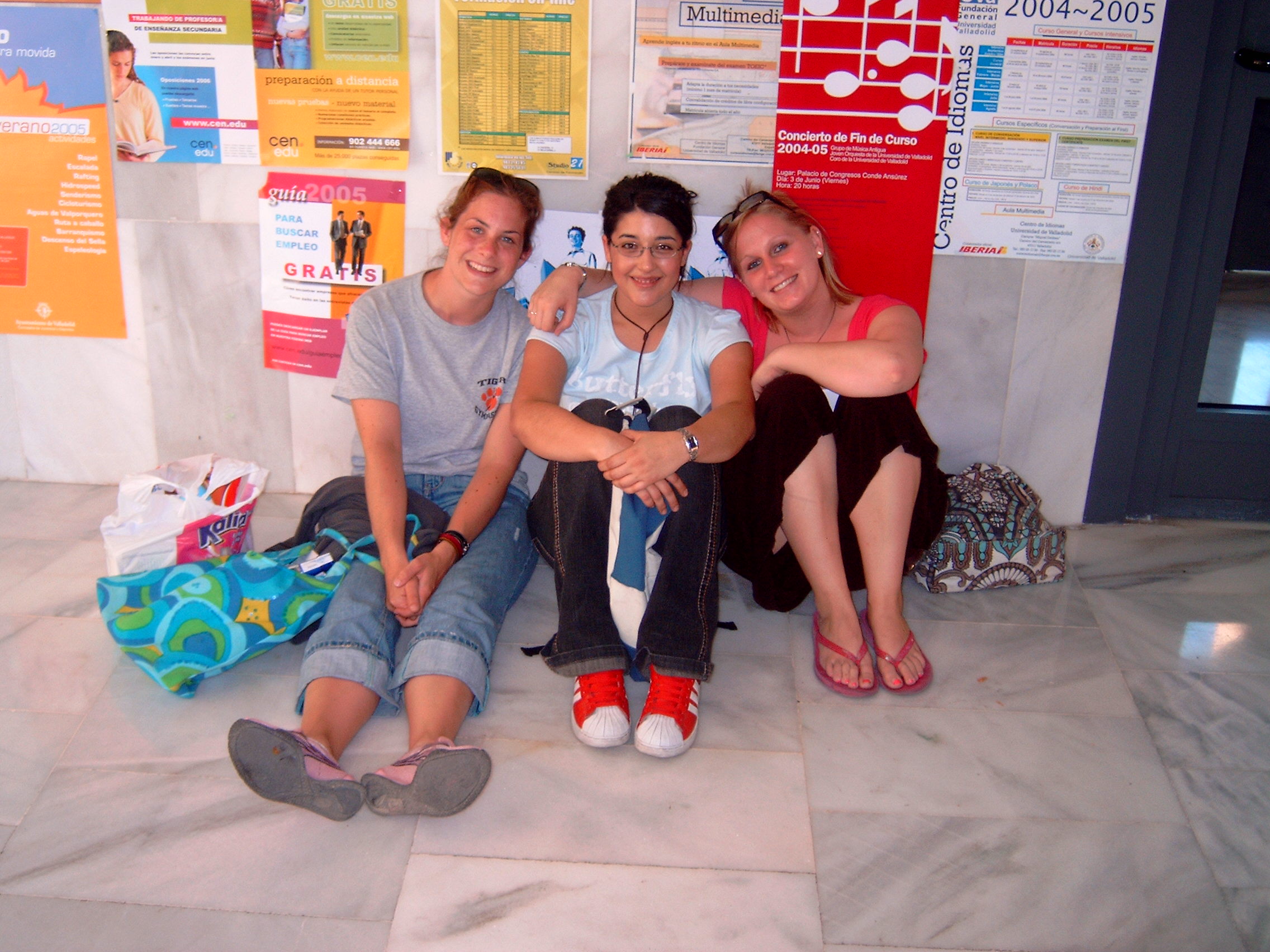
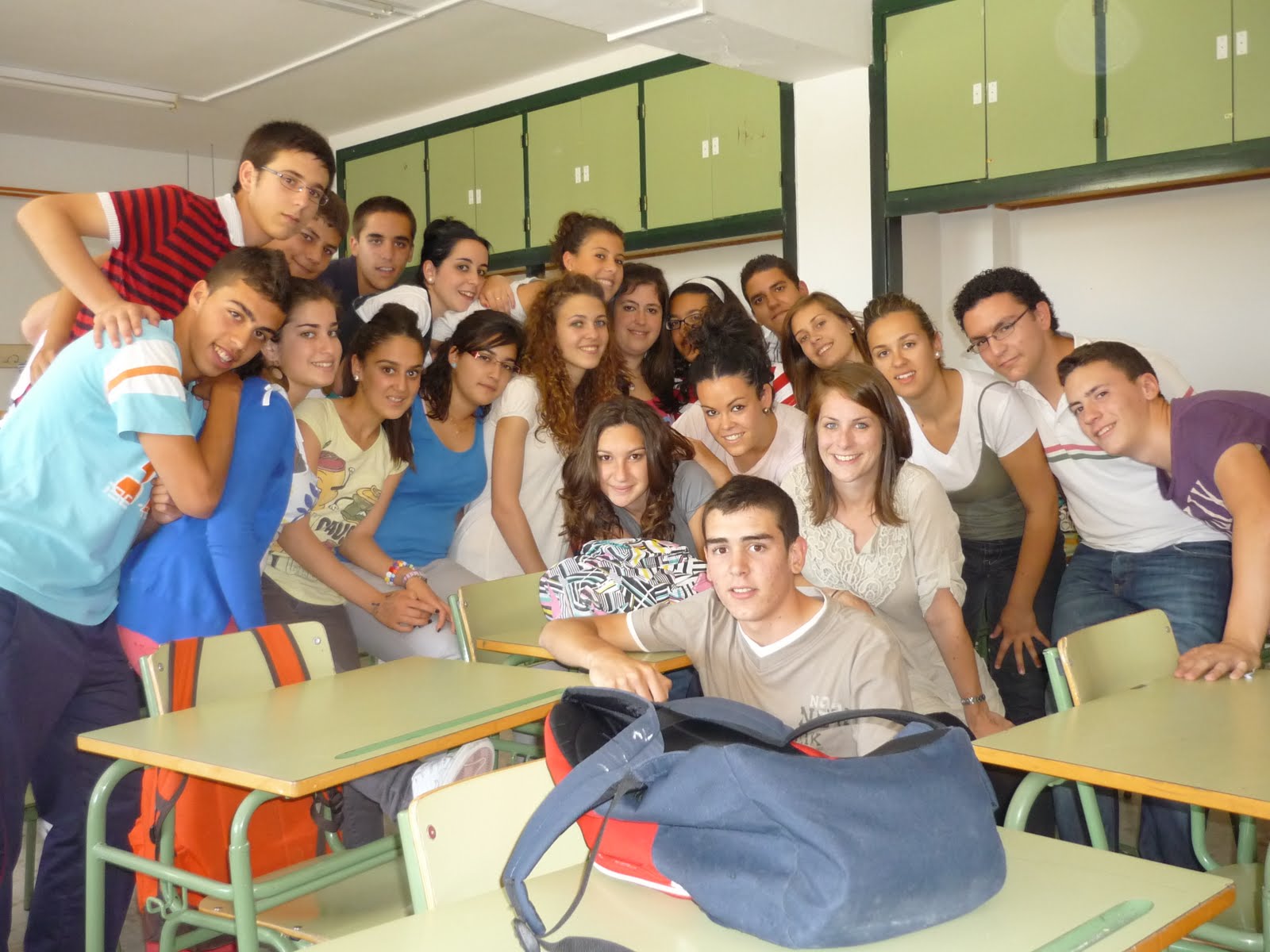
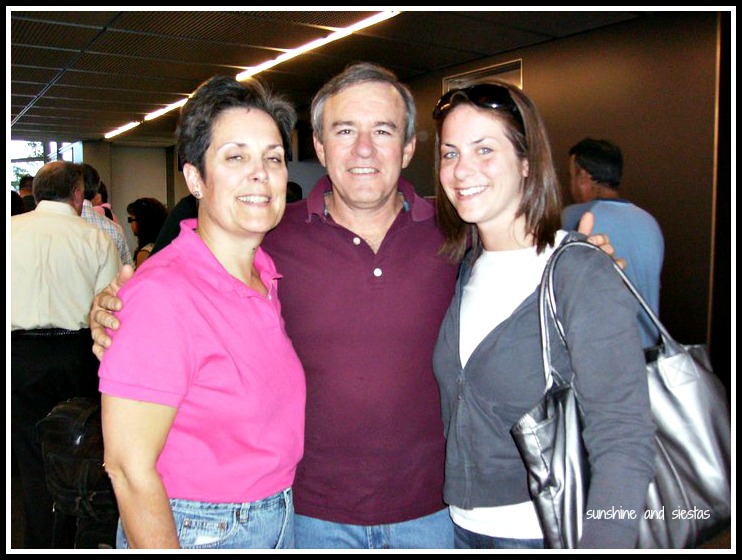
Christi and I lived with the same host family in Spain!
 
I enrolled in courses like Paris and the Art of Urban Life, Beginner French, Comparative Global Media and Intercultural Narrative Journalism. I have always loved travel, languages and media, so a concentration in international communication was a great fit for me, and I can honestly say that I enjoyed my coursework. I also chose to minor in Spanish because it was my favorite subject in high school.
 
Little did I know that choosing to minor because, hey! I’m an overachiever, would actually set a course for the rest of my life. My mom studied in Rome during college, and all but demanded I do the same (she did not, however, ask this of my little sister). Between dozens of cities and scores of program choices, I balked and did the simplest one: a six-week summer program in Valladolid, Spain, operated and accredited by the state of Iowa. A large contributing factor was the $1000 that went towards my tuition, too.
 
Study Abroad
I know virtually nothing about Valladolid, a former capital about two hours northwest of Madrid, and my first impression was not great: a hazy day and a kid peeing on the side of the road. As our program director, Carolina, called off names and assigned my classmates to host families, I grew really nervous.
 
 
With Aurora, my host sister, in Valladolid
 
Aurora lived in the Rondilla neighborhood of Valladolid in an ático. She was in her mid 30s – a far cry from the majority of señoras who were widows and creeping up on the tercera edad. Her mother of the same name came each day to make our beds, cook for us and wash our clothes. From the very start, young Aurora welcomed us into her home and her circle of friends, inviting me and my roommate out for drinks or movies, and making sure we were exposed to as much castellano as possible.
 
If you’re going to study abroad, do so with a host family. You’ll have someone to give you an introduction to Spanish life, cuisine and culture. My experience would have been much different if I’d lived with other Americans, and I still visit my host family as often as I can.
 
 
I took classes in Spanish Literature and Culture in Valladolid
 
When looking for a study abroad program, I’d suggest that you take into account more than just cost and location. Schools and programs are now offering internships, specialty courses and the ability to take class at universities with native university students. If your language skills are strong, give yourself that challenge. I also chose to study somewhere that was not a study abroad mecca – there were less than 40 Americans in Valladolid that  summer, so I learned far more in six weeks than I expected to! Consider going somewhere besides Granada or Barcelona, like Santander, Alicante or Murcia.
 
As soon as I was off the plane at O’Hate (wrote that accidentally, and it stays), I announced that I would be moving abroad as soon as I finished school in 2007.
 
Back to College
Once back in Iowa City, I dove back into coursework. I worked for the Daily Iowan, continued taking Spanish courses, had a successful summer internship at WBBM Chicago that could have turned into a job…but I dreamed of Spain.
 
My coursework became more and more focused on international communication and moving abroad, and my trips to the study abroad office were frequent.  At this point in time, there were very few gap year programs, and I had two choices: teach abroad or work on a holiday visa.
 
 
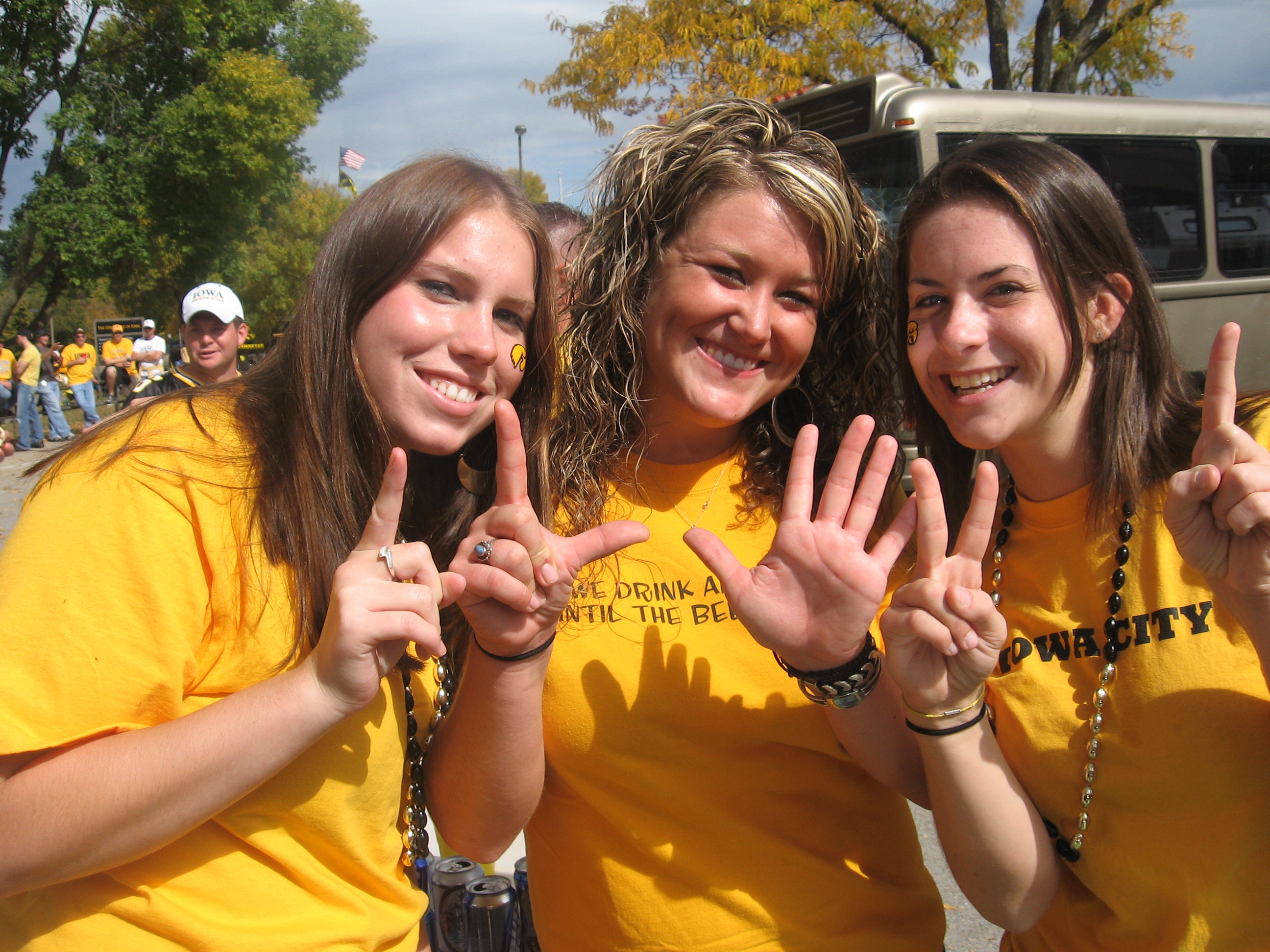
I also focused on my college football obsession and grilling brats on Saturday mornings.
 
My decision to teach in Spain was two-fold: I was nervous about the prospect of living abroad, and I knew I wasn’t done with Spain once I finished my study abroad program. I’m glad I had a primer before moving here after college – I may have been confused by Andalusian Spanish, but at least I was aware that things close midday! 
 
I received the email that I’d been accepted to teach English in Andalusia just a few days before graduating in May 2007. Then came the tailspin to get a visa, book flights, look for a place to live in Seville, figure out what the hell I was thinking when I applied to TEACH since I had an aversion to kids, and wondering if Spain was really worth all of the hassle.
 
Life In Spain
 
But I went anyway, touching down in the land of sunshine and siestas (and this blog’s namesake) on September 13th, 2007.
 
 
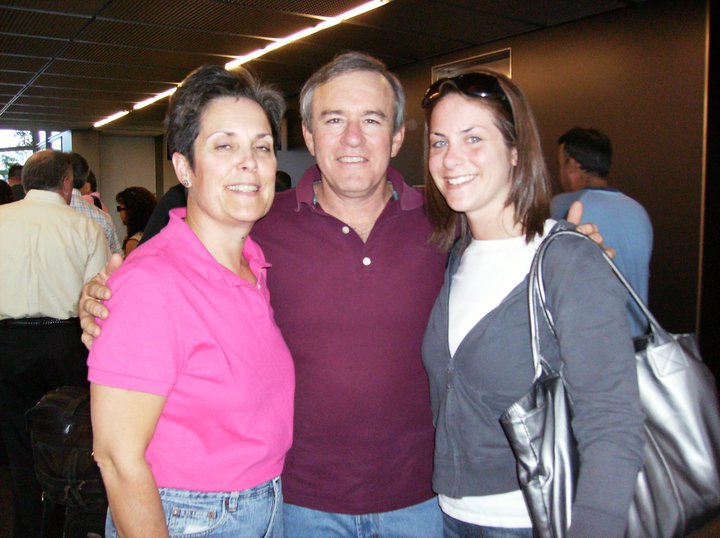
My parents have supported me since coming to Spain, even though we’re thousands of miles away from one another.
 
If I may say it, there’s a huge difference between living abroad alone when you’re still in your late teens as opposed to living there after you’ve graduated. Living abroad has its own set of what ifs, of doubts, of struggles, and when you’re younger (that is, if you’re a basket case like I was!), everything seems a little bit tougher. When I arrived in Seville, I lived with a 19-year-old girl from Germany who really struggled to be away from home, and ended up leaving soon after settling in. I highly suggest you consider studying abroad anywhere to get a taste of what to expect, whether in an English-speaking country or even in Spain. 
 
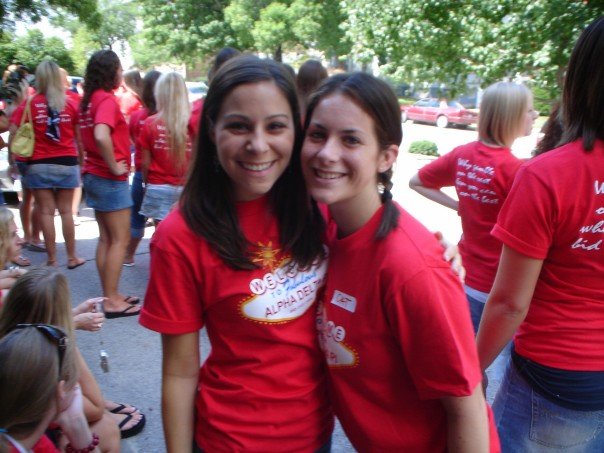
To be honest, adjustment was really hard at first. Now that I’ve lived here for nearly seven years, I feel at home and well-adjusted. There are so many factors that go into getting used to life elsewhere: language, customs, food, timetables, religion. I came ready for culture shock and loneliness, and I was SO lonely in Spain for about six weeks, but never turned down any invitation to do something or go out, whether from a coworker or from another expat. I have my sorority background to thank for that, and yet another reason why college really did its job in setting me up for adulthood.
 
 
Back to the studies. Here in Spain, I teach and direct an English academy in addition to freelance writing and translating, but think that my studies ultimately led me to this life abroad. Even though I’m not working with both feet in the journalism bucket, I honed my communication skills in a lot of other ways. Global studies is fascinating, and if you’re interested in higher education, should lend well to tons of cool masters programs in development, international communication or business, or even immigration law (that’s the next master’s I’d love to tackle!).
 
My Advice
Be open to all of the options and opportunities. Follow your heart. Take challenging coursework. Apply for internships abroad. Volunteer. Ask questions. Make friends with your professors and study abroad staff. Research. Take a leap of faith, and remember that you will make mistakes, have doubts and want to give it all up for the comfortable, for what you know, for a relationship or for something better (and perhaps it is).
 
You’ll probably have critics. My grandma has given me Catholic guilt all of my life, and is convinced I’m living abroad to torture her. I can say that my parents are now OK with my decision to stay in Spain and continue the life I’ve made for myself here, and they have supported me throughout – through break ups, bad jobs, strep throat, uncertainty and all of the lame stuff that being an adult (abroad or not) can bring.
 
 
Blending in…kind of…at the Feria de El Puerto in 2010
 
I do still dream of moving cities or even countries. The Novio is in the Spanish Air Force and occasionally has opportunities to go elsewhere. Even though I’m settled and happy in Seville, I’d love to go back to square one and start all over again – and write about it!
 
Do you have any questions about life abroad, teaching overseas, studying Spanish or living in Seville? Email me at hola@comoconsultingspain.com!

On Nostalgia and Expat Life

It always creeps up on me – whether it’s seeing the plastic grocery bags and hearing the clinking of bottles from within on Thursday night as I ride home from the academy, or passing the trendy bars from which people overflow, gintoncitos in hand, onto the sidewalk in El Arenal.

Sigh. Nostalgia always gets to me.

My life as an expat and guiri in Spain has seen its up and its downs. For several years, Spain was a momentary pause between college and real life, a hiccup of time to travel, learn Spanish and enjoy my early 20s.

Then Spain became my long-term plan, and things changed.

Just last week, the Novio and I were talking about looking for a house to eventually start a family. In talking numbers, mortgages and neighborhoods, I had to tell my head to stop spinning. What happened to renting and dealing with ugly, heavy furniture and noisy roommates and hustling to pay the Internet bill?

Did I grow up that fast? Surely I didn’t do it overnight, but when did I start to feel so….adult?

Danny and Javi visited at the end of February, and Javi caught me off guard when he asked, “Do you miss your life as an auxiliar de conversación?” over a plate of croquetas. Without even thinking about it, I said no. Turns out, Danny does.

I got to thinking about it while they had a siesta later that afternoon. Did I miss working 12 hours a week as a job where I didn’t do much but speak in English to a bunch of teens and take advantage of a few free coffees a week?

Well, yes and no. 

Did I miss having a job that was fun and carried little responsibility?

Yes and no.

Did I miss having my afternoons free for siestas, flamenco class and coffee with the Novio? Hell yes.

Did I miss fretting over whether or not my private classes would cancel on me and leave me without money enough for groceries and bus rides? Hell no.

The first three years in Seville were some of my best. I made friends from around the world, spent my many long weekends lugging a backpack on overnight bus rides and budget flights, stayed out until the sun came up or my feet couldn’t take it anymore. It was my second shot at studying abroad and at squeezing another year out of “learning” as if Spain were my super senior year.

Dios, was it fun. I remember so fondly those afternoon beers that turned into breakfast the next morning, the nights in with giggles, the Guiri Whoa moments. And the hard, hard goodbyes.

But the first three years in Seville were also marred with problems and annoyances: I had to live with roommates, learn to light a bombona, factor shoes into my budget and live off of dry pasta and tomate frito. The Novio and I broke up. I struggled with knowing if Spain was a good idea or a waste of my time. I was doing a job that was easy, yes, but not as fulfilling as I had hoped. 

All of those soaring highs were met with desolate lows. I had to decide to love it or leave it.

Making the decision to spend the rest of my life in Spain meant my days went from siesta and fiesta to frantically looking for a job and spending wisely. Then came nóminas, afiliación a la seguridad social, pareja de hecho, car insurance, sick pay and all of those other “adult” words.

I was living my dream of becoming fluent in foreign bureaucrazy and those of becoming a champion siesta taker seemed to fade away. I had made the transition from language assistant to a full-fledged member of the work force practically unscathed (but very, very poor).

As I adjusted to a full-time schedule and work commitments, I began to miss the old me, the girl who never turned down plans for fear of missing out, who would leave on the next bus out-of-town on a whim. Friday night became catch-up-on-sleep night, and Sundays were devoted to lesson planning. I began to lose sight of the things that were important to me and took out my angst on everyone from my students to my suegra.

Something wasn’t right, and I needed to make a change.

I found myself longing for the Spanish life I had before the private school, even with the stress over money and friends and language and life direction. I wanted to enjoy going out and enjoying Seville without just going through the motions.

So I chose. I chose a pay cut and an arguably less prestigious job and the uncertainty of the job market in the throes of a financial crisis. I chose to be happy and to open myself up to other opportunities, lest it be too late. Even with a master’s and a job and a blog and a boyfriend, I managed to regain a sense of myself and purpose. I realized that I end up setting my own limits for work, relationships and happiness.

Life continues as normal for me, six years after moving to Seville. When I pine to not be tired at midnight and to live close to the action of the city center, I remember everything that came along with it: language frustrations, scrounging for money, sharing a flat, drinking cheap and terrible liquor and eating cheap and terrible food.

I finally have a work-life balance that I craved during the first five years I lived here. Like Goldilocks, it seems I finally have found what is just right.


I may miss the carefree days where I could siesta for three hours and never have to worry about what to do on the weekends but how to fit it all in and under budget, I freaking miss my friends.

but at 28, it’s not me anymore.Whenever the pangs of nostalgia hit, they’re quickly quelled when I reflect back on how much I’ve accomplished, how much of the world I’ve seen for choosing plane tickets over drink tickets, and remember that I’m where I intended to end up.

Do you get nostalgic for your study abroad days or college days? How do you cope?

Seven Indispensable Pieces of Advice for Moving Abroad

If your New Year’s resolution for 2017 is to become an expat, you’ll join thousands of countrymen leaving the country (or, if you’re American, fleeing the Cheeto). While expat life is uncertain, fulfilling, thrilling and, at times, mundane, it’s often a day-to-day challenge.

Information and preparation really are your best tools.

Making sure you’ve got everything in order before boarding the plane will help make your transition to expat life a bit smoother, even past the euphoric period of your first few months. Take advantage of the free resources you have around you, from your local library to websites devoted to expats.

HiFX, a great resource for all those hoping to move abroad, has asked me to contribute to their Expat Tip Page to help make the transition into life overseas for future expats as easy as possible. After agreeing to contribute to the expat page in a couple of weeks, I realized that I actually have lots of tips for people looking to move abroad.

Don’t start packing until you’ve considered the following:

Got a Passport?

No? Get one.

Yes? Is it still valid?

You passport will serve dozens of purposes when you first move away, so it should be up-to-date, valid for at least six months from departure and in good condition. In Spain, I had to use my passport to sign up for my residency card, prove I could rent an apartment, open a bank account and travel outside of the EU. It’s one of my most important belongings, and I’ll soon get one for Micro.

Note that many airlines also require you to have at least 90 days – or even as many as 180 – left to even board the plane. Dig your doc out of your sock drawer and check it out.

Visas

If you’re planning on a long-term move, you’ll more than likely need a visa. Some tourist visas are good for three months or even up to a year, but if you’re planning to work, buy property or study, a tourist visa won’t cut it. Contact your nearest consulate for the requirements necessary, and work to get them together as hastily as possible. Some visas can be sent away for, while still other require multiple trips to the consulate to present and pick up your visa in person.

It’s all good practice, really – in Spain’s case, the waiting will become part of everyday life!

Live the Language

Language can be an Anglo expat’s biggest nightmare as English is not the commonly spoken language. Thankfully, the web is home to countless resources: podcasts, practice exams and videos and songs. I always suggest to my students that they read or watch something that they’re interested in in English, and doing the same helped me learn Spanish. Check out Notes from Spain and Note in Spanish – it’s a great resource for not just words, but also images and culture in España.

Many big cities also have free language courses or refugee centers, and chances are there’s a native speaker you could invite for a coffee. I checked out books and films from my local library to pick up a few extra words and phrases, which sparked an interest in reading travel memoirs. If you’re creative and willing, the possibilities will come.

Once you’re in your new country, consider signing up for a language course, as well – they’re more than worth their while!

Money Matters

Dealing with money is more than just learning to translate your dollars into foreign currency – let your bank and credit card companies know you’ll be away long before you go, research foreign accounts, and if you’re making money abroad, considering opening a separate account in your home country for card payments, student loans or miscellaneous costs that may come up while away. Again, knowledge is power.

In addition, I always make sure to have a small amount of local currency on me when traveling back to the US or Spain, as well as traveling outside the Euro Zone. This way, you can get public transportation to your destination or buy a coffee on a long layover without the hassle of changing money. Traveler’s check are still accepted in large cities; not all businesses in Spain will let you charge a purchase.

And I can’t forget about FACTA: if you’re an American, you aren’t free from taxation without representaton. All Americans must declare worldwide income, even if you didn’t earn any of it in the USA. Look it up in your passport! The IRS operates in various countries around the world; Panama’s IRS Tax office has jurisdiction over Spain.
Making Contact

Your home country will likely have an embassy and one or more consulates in your new country. Be sure to register with them, particularly if you’ll be settling in a place prone to political unrest or natural disasters – it the event that evacuation is needed, you will be notified and offered help.

Americans can sign up for the Smart Traveler Enrollment Program (STEP), which allows constant contact with US embassies abroad. Ambassadors and their staff are also on hand for visa processing, passport renewal, and issuing records.

On that note, be sure to email other expats in your preferred destination to establish a pre-departure network for both information and the almighty rant session when you can’t figure out to unlock your phone/don’t get anywhere with bureaucracy/aren’t sure if you can get your favorite products from home. Expat circles can help you through tough times and get you on track when you first arrive.

Staying in Contact

On my first trip to Spain, Skype hadn’t been invented and many Spaniards didn’t have computers at home – I’d have to use phone cards or local Internet cafes to call home! Nowadays, technology has brought the world together through smartphones and broadband, and there are countless mobile apps for keeping in touch.

Consider unlocking your mobile phone for use abroad, study up on plans in your destination country and set up a listserv or email to let your loved ones back home know what you’re up to. Expats will often list missing friends and family as one of their biggest complaints, so making a conscious effort to stay in touch will help ease homesickness tremendously.

Attitude is Everything

As someone who constantly sees the glass as half full (and has already ordered another one), I think my attitude and grit has allowed me to deal with the frustration, disappointment and headaches that can come from living across the pond. Realize that not every day will be new, or exciting, or even fun. Know that it’s normal. Be open to new opportunities and learning from others. Enjoy it.

All tips listed here are my own because, well, I’ve been through them!

Are you considering becoming and expat, or have you lived or worked abroad? I’d love to hear your tips, as I sometimes deal with expat angst – even after nine years!

Eight Reasons Why You Should Teach English in Spain NOW

The most common question I get when meeting new people in Spain is, ‘Why did you originally come here/go to Spain/decide on Seville/move abroad to work as a teacher?’

I could answer this question in volumes, but it’s just easier to say, to travel, to learn Spanish, and to try out teaching English as a foreign language.

In March 2007, I found out about the Auxiliar Program, known in the United States as the North American Language and Culture Assistant Program. I gathered the recommendation letters, drafted a letter of intent in my best 101-class Spanish and sent off a packet to Madrid. Spending a year in Spain for 631€ a month sounded like a good plan.

This is where I shake my head and think, If only I knew that this was the start of everything.

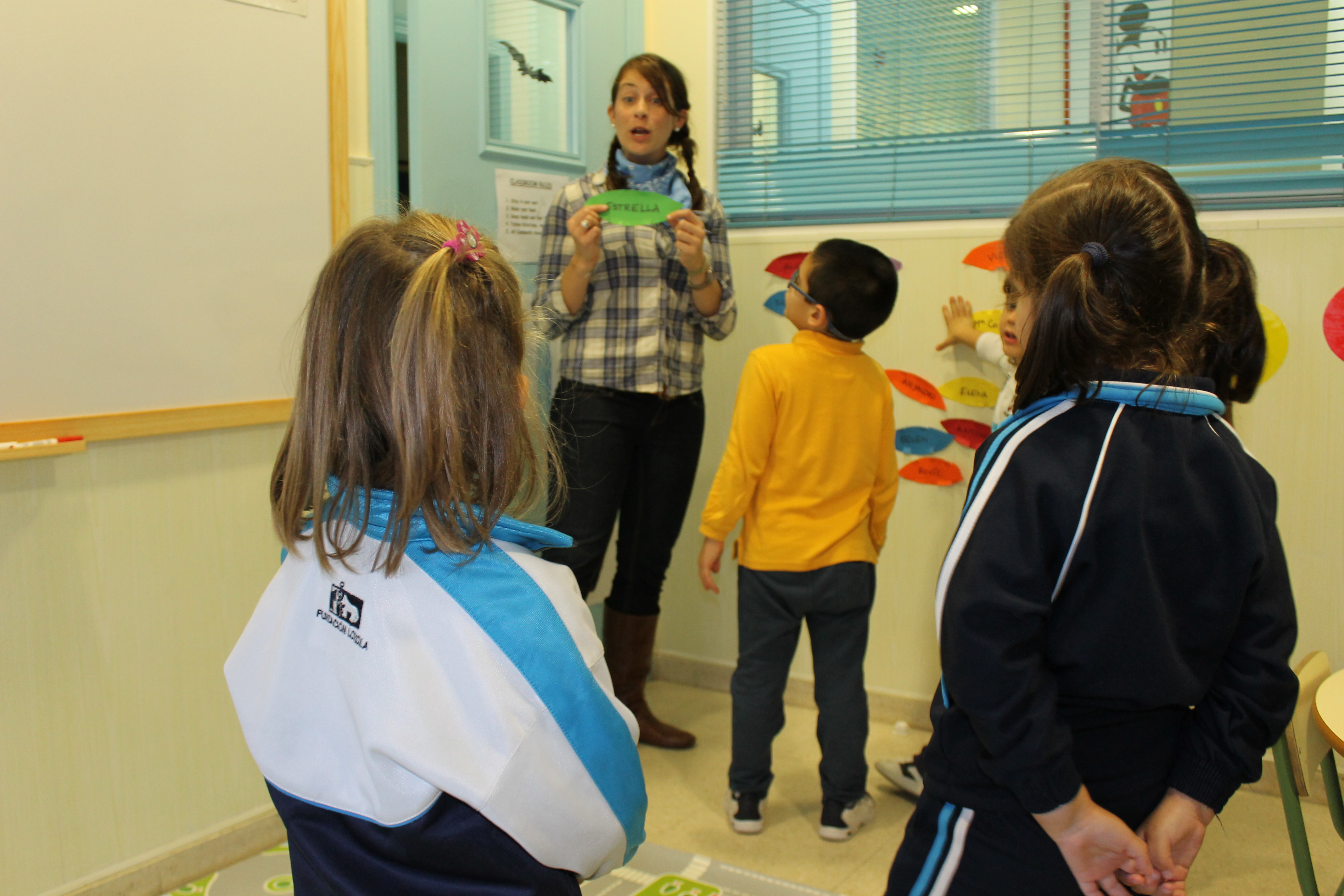
I spent three years working as an auxiliar de conversación in a high school in Olivares (Seville). It has been, to date, my favorite job, one which I looked forward to going to every day. I got to talk all I wanted, plan activities as diverse as a gap fill about Evil Knievel to a Halloween party, and my coworkers bought me breakfast every day.

My last day at IES Heliche was gut wrenching, but, I came away with skills I didn’t think I’d ever acquire, and the job plus my formal training with an academically challenging and internationally recognized online TESOL diploma has led to others in the same sector in Seville. There are many nay-sayers who are quick to blame the program for its lack of organization or slow payment process, but I firmly believe that  you get out what you put in.

And now they give you materials about how to teach. I was thrown to the lions (lions that looked a lot like 13-year-old kids).

I receive emails everyday about teaching abroad. Given how difficult it’s getting to stay under the radar without a visa, I always recommend the auxiliar program or a similar gig which grants you a student visa and health insurance, along with a stipend. There are 3,000 jobs up for grabs around Spain which will pay you between 700€ and 1000€ a month in exchange for working 12-16 hours, and now countless companies are offering similar positions.

Let’s practice a bit of first conditional, in which we talk about circumstance which can be true in the present or future.

If you go to Spain to teach,

You’ll learn Spanish.

Immersion learning is one of the best ways to acquire a language. From dealing with the bureaucratic mess that can be the Spanish government to living with international students or workers, there is no doubt that your spoken Spanish will improve. Try turning off the subtitles on the TV, reading the local paper and chatting up the abuelos in the bar down the street. When I first met the Novio, he told me my castellano was gorgeous, but my mistakes made it difficult to understand me.

Nowadays, he’s threatening to not take me to anymore Betis games because my potty mouth is too much for the other fans around me. Spain is a great place to put your textbook Spanish from high school to use (and you’ll finally get to exercise the “Oh, they only use that in Spain” vosotros form!).

Spain is also home to several dialects and even another language, so if you geek out about linguistics, Spain will be an audible treat for you.

You’ll have ample time to travel.

Ever heard that Spanish people love to party? It’s true, to an effect, but there are multiple holidays that will make a long weekend (you’ll likely work just four days a week) even longer. There are a dozen national holidays that fall within the school year. Plus, you’ll get local and regional holidays off, plus two full paid weeks during the Christmas holidays and another during Holy Week. If you’re in Málaga or Bilbao, you also get another week off somewhere because the local festivals are during August.

You’ll travel for cheap.

The running joke when I was an auxiliar was, “Where is Cat going this weekend?” Since coming to live in Spain as an English teacher, I’ve been to every autonomous community and 20 countries. Budget airlines abound in Europe, and Spain has several hubs along the coasts and in Madrid. Sign up for offers from every airline that flies out of your nearest city, and you’ll be surprised how cheap it can be to get around Europe.

Apart from that, Spain’s network of public and private transportation is top-notch. All major cities are connected via rail, and private bus companies are a comfortable way to travel both long and short distances.

Classes are often held in the evenings, which also gives you time in the morning for online teaching gigs or hours to devote to personal or professional deveelopment.

You’ll have people looking out for you.

When my mother first met my boss from the auxiliar program, Nieves, she gave her a hug. It had been three years since I’d worked in Olivares, but Nieves and I have remained close. My mom thanked her over and over for looking after me when I first arrived to Seville without a single contact and flailing Spanish skills.

Now that the language assistant program isn’t new, its participants know you’re likely in your 20s and far away from home. I was taken care of like one of their own, even offered winter coats, free rides to work and the opportunity to take part in several cultural experiences (I spent the first weekend in Seville betting on horses at the Pineda racetrack and then stayed out until 8am). That said, everyone has a different experience with regards to coworkers, but attitude can go a long way to forging healthy relationships with them.

You’ll gain international experience.

Getting a job in America seems scary competitive, so having international experience on your resume will be a great talking point in an interview. Apart from learning Spanish and trying out something new, be sure to tell a potential employer that you’ve picked up valuable problem-solving skills and explored diverse interests. Network on LinkedIn before returning home, keep a blog of your experiences and be sure to make your year or two teaching in Spain stick out.

You may just get sucked into it, too.

You’ll learn about Spanish culture, and not from a textbook.

They say experience is the best teacher, so forget all of the business you learned in high school from your textbook. Without a doubt, living in Spain and working as a teacher has given me first-hand knowledge of Spanish schools and Spanish life.

As a tutor, I became friends with several of the families who employed my services. This meant offers to attend first communions, family luncheons and even ride in horse carriages during the Feria. Inviting me into their homes meant I got an idea of how Andalusian families lived, from crowding around their braseros when it got cold to checking out what Spanish kids ate for merienda. While I only moonlight tutor now for one family, I’ve remained in contact with several of the households who once paid my groceries and travel habit.

You’ll have the visa and health insurance figured out.

Coming to work in Spain legally if you’re a North American is difficult. The various teaching programs offered to native speakers have the advantage that you’re awarded a student visa for the duration of the program which is available for renewal, as well as private health insurance during that time. I’ve had all sorts of work-ups and check ups done, just for the sake of milking it for what it’s worth. The student visa will also entitle you to student discounts and the ability to travel around Europe longer than a Schengen visa can provide.

To be clear, the auxiliar program through the Spanish government employs you for either 12 or 16 hours a week, which also gives you time outside of work commitments to try other things. I’ve taken flamenco and French class, worked for a student travel company and still found time to do tutoring and partake in the siesta culture.

You’ll get to live in Spain for an academic year, and you’ll get a stipend to do it.

You get paid to talk in your native tongue a dozen hours a week. If that’s not reason enough, I don’t know what is.

Not too keen on an assistant teaching position, or you’ve already gotten around the visa issue? In Seville alone, 26 new English language academies opened for the 2012-13 school year, and it’s a growing sector. Once you’ve got a TEFL degree, finding a place to work is far easier. There are also many alternatives to the auxiliar program that still get you the necessities to live here, and I’ve broken them all down for you.

If you are an auxiliar, tell me about the good and the bad of your position. Would you recommend it to a friend?

My Biggest Travel Fiasco (or, the time I spent New Year’s Eve alone in Romania)

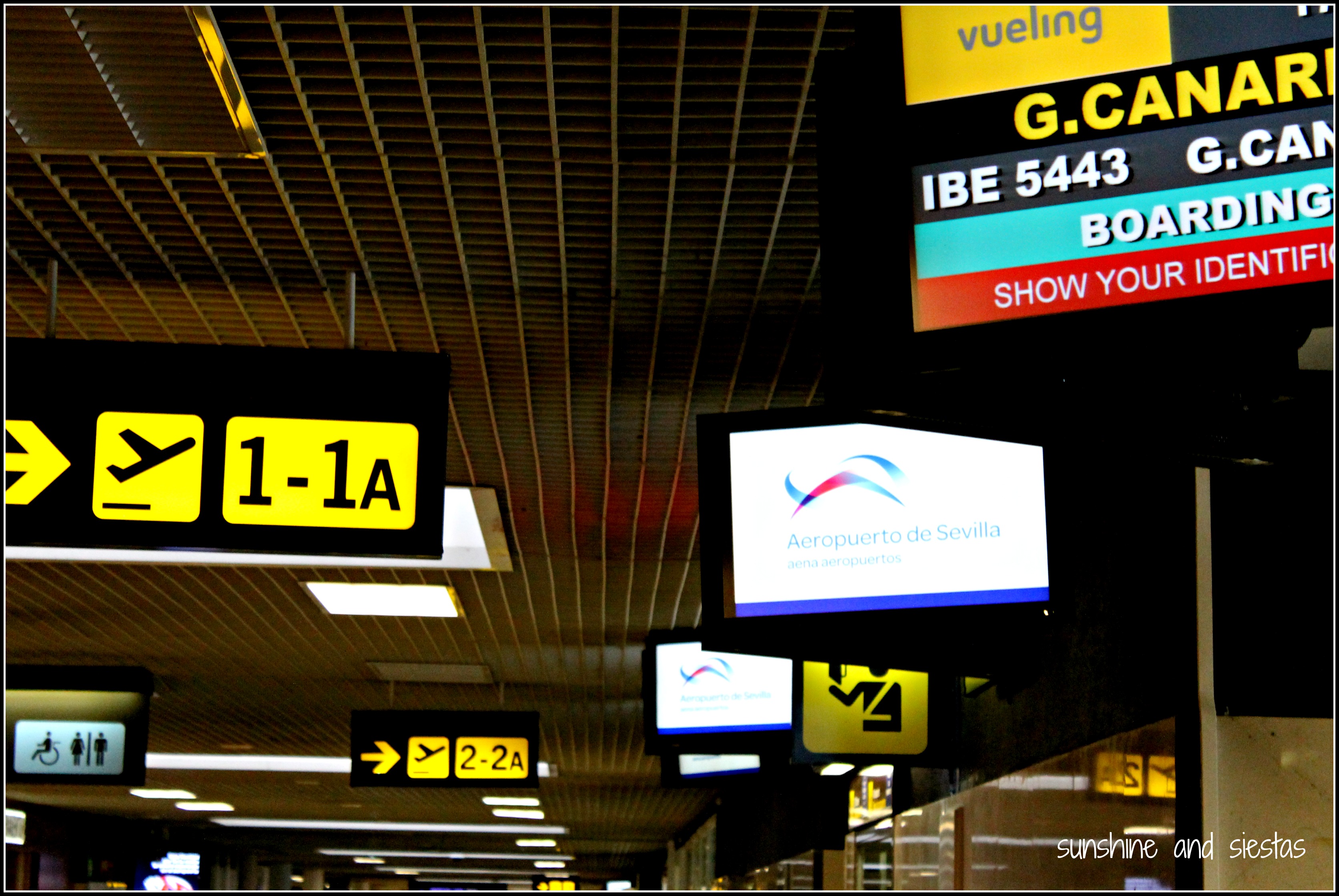
Budapest, Hungary

The clock reads 7:32 a.m. The man in the front seat is antsy, nervously playing with the manual lock system on the minivan. 

“Where are these people? Don’t they know we could be late for our flights?”

I assure Fidgety Floridian that the Budapest airport is quite small and easy to get through, but his wife isn’t convinced. She rolls her eyes and says, “We have the worst luck with planes. We nearly didn’t make it on the cruise.”

My flight to Tirgu Mures, Romania doesn’t leave for four hours, so I’m cool. I settle into the jump seat at the back of the van, wedged between luggage.

Three hours later, I’ve sailed through security and pursue the food options. I decide to wait until I land in Tirgu Mures, as I will need something to do for three hours before leaving for Madrid. My foot taps impatiently against the floor as we begin to embark. Wedged into an airport bus, I choose to stand next to someone who hasn’t showered.

For thirty minutes.

After which we are unloaded back  into the terminal and delayed another thirty minutes. I settle into my third book of my holiday break and return to tapping my foot again while doing the mental math: I have a one hour flight, a one hour delay and a one hour forward time change. I have just enough time to grab my bag, check in again and head to my gate once we touch down in Tirgu Mures. 

My foot taps faster.

In the air, I relax a little, as I’ve been assured that it will be taxi, takeoff, ascent, quick passage of the metal cart for snacks, descent, landing, taxi. Plus, I’ve snagged a seat on the aisle in the third row (thank you, Amazing Race, for teaching me how to get on and off planes quickly). Flipping through the inflight magazine for the third time, the captain announces something in Hungarian. Then, in English: Due to zero visibility in Tirgu Mures, we’ve been rerouted to Cluj, to which we have begun our descent. There will be buses on hand to take you to Tirgu, unless you’d prefer to stay in Cluj. We apologize for any inconvenience.

My heart skips a beat and I call the flight attendant, slightly panicked. How long until the buses arrive? Is it a far drive to Tirgu Mures? Will I have to go through customs here? I continue to fire, but she comes back with two responses: first, I don’t know anything about Romania and second, we are a point to point airline, sorry.

No shit. 

Cluj-Napoca Airport, Romania

Once on the ground, I call the Novio, fighting tears. Our New Year’s plans were to spend the night with his extended family which had come from London, Peru, Murcia and Madrid. He assures me they’ll come and pick me up from Madrid when I get in, whenever that may be. I hastily get through customs, and my checked bag comes barreling down the belt first.

My first stop is the tourist information counter. Unfortunately, the woman speaks limited English. There is no bus to Tirgu Mures out front, and I check my watch: with the time change, my flight closes in 90 minutes. I return to the desk and slow down: How long in taxi to Tirgu Mures? 

“One hour thirty, maybe two.” Remembering my Romania road trip, I think of the poor state of most highways in Romania and bite my lip.

Other travelers are taking pity on me, asking if there’s anything they can do to help me or if I’d like a lift to the center of Cluj. I rack my brain – I’ve been here before. It’s a large university city where we made a quick stop, and the food was cheap. A large, domed church with a fountain in front gets shaken from my head as I try to think straight.

The Cluj airport flies to many more destinations, including Barcelona and Madrid, I tell myself. If I fly out of anywhere, it will be here.

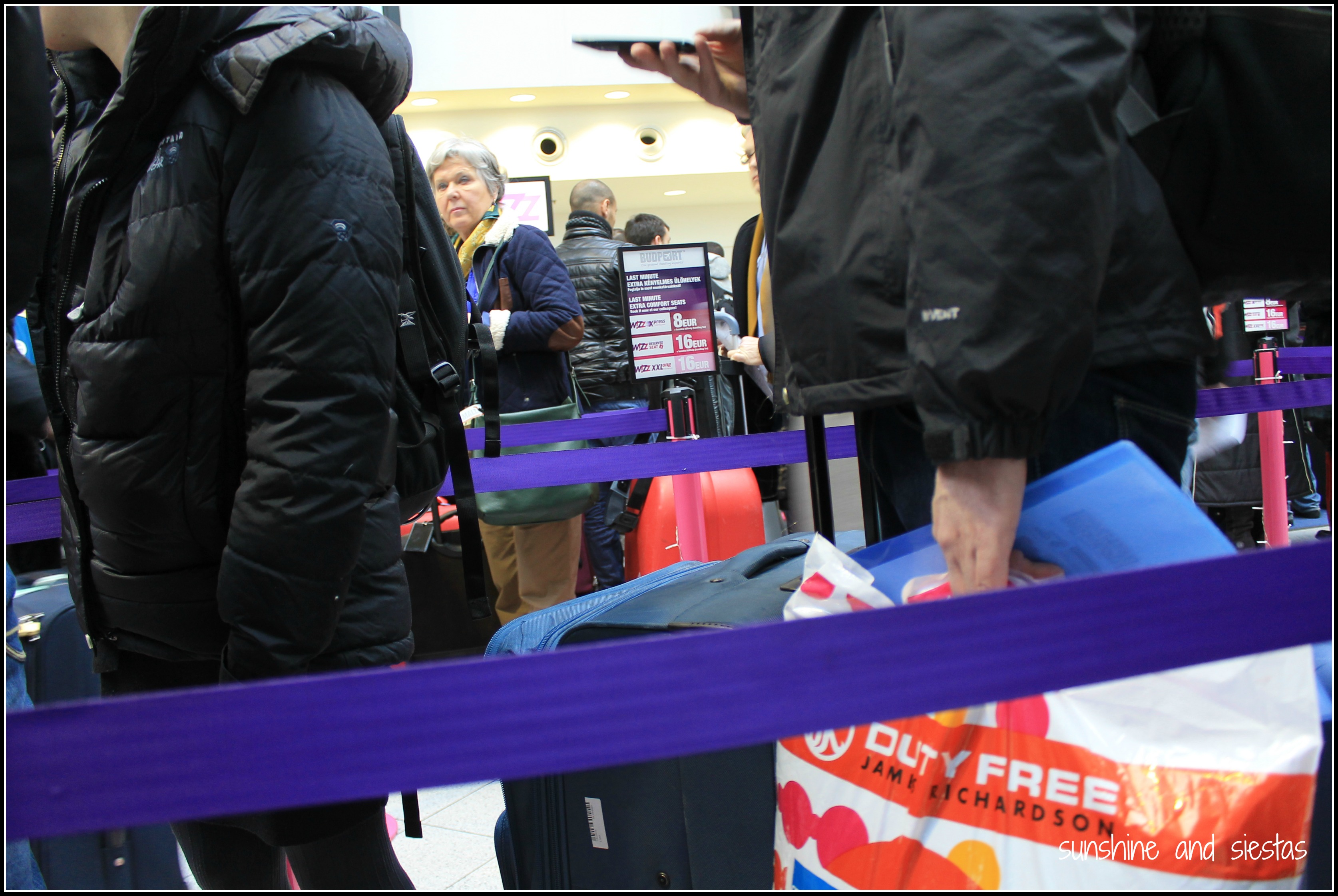
I have to say, I have never been a nervous flier. I always arrive to the airport early, pack my bag without liquids and know how planes work and why they just don’t fall out of the sky. Yes, I even pray to the Virgin of Loreto, patron saint of pilots (and I can’t believe I just admitted that). But now I’m antsy, channeling Kevin McCallister’s mother as I half-run to the Wizz Air ticketing office in the departures terminal.

The woman is quite nice and speaks English, and looks up flights to anywhere in Spain – Valencia, Alicante, Palma. Nothing more will fly out today to Spain, just to Budapest at 8pm, more than six hours in the future. She assures me there are flights from Budapest to Madrid the following day for a mere 145€, and the woman in the other information booth looks up overnight buses and prices for me.

Just then, a young Lufthansa worker touches me on the shoulder. Nothing is flying out of Targu this afternoon – there’s no ground visibility and they’ve already sent word that we’ll be getting flights bound for other destinations here, he tells me.

Feeling a stroke of good luck, I buy myself a cold sandwich and a warm Orsus beer and pace the empty departures hall.

For the next five hours, I jockey between the Wizz Air office, the check-in counters for news and the information desk. Passengers from other flights to Lutton and Beauvais pass through, looking at me as if I am in the movie Terminal. Time ticks by slowly, but I don’t pick up a magazine until several hours into the ordeal. Food doesn’t appeal to me, and even the nice Romanian girl who offers me tea gets a no, thank you.

The Lufthansa worker is nowhere to be found, so I ask another for help. Thankfully, he speaks English perfectly and makes a call. 

“We’ll know in thirty minutes, but I think you’re in luck. Just stay within sight.” Doing as I’m told, I finally start to try to occupy myself, returning to my e-book. Still distracted, another hour flies by and the Novio calls back. He tells me, pity in his voice, that no one could help him in Barajas, then, angrily, “And the call costs 1,15 a minute, joder!”

Just then, nice Lufthansa man steps out from around the heck-in desk with a long face. “Yeah, so, your flight will leave in 15 minutes. From Targu Mures. I’m sorry, the weather has cleared up.”

Well, crap.

Nice Lufthansa man turns into an angel when he gets on the phone with Wizz Air and scores me a new ticket, free of charge, for the misinformation he alleges I’ve received. An email in my inbox confirms this. I could hug him, but instead I give him the bottle of wine I was carrying home for the Novio’s family. One good deed deserves another, and he gladly accepts it, saying that he was made to work an extra eight hours with the influx of re-routed flights.

I grab my things and find a taxi after seven hours in the terminal. There is general confusion, as the taxi driver asks me which bus station I want to go to. I dart back into the terminal to find it completely deserted. I leave it to blind faith and nod when he asks the name of the company and just takes off, racing towards the city.

Cluj-Napoca City Center

We pull up to what appears to be an abandoned junk yard with a few plastic huts. “Bus!” the driver calls out and dumps my bag on the cold, wet ground. Never mind the vintage stein I’m bringing back…or the other bottle of wine.

Everything is dark. I can’t read anything. My watch read 8:22, or one hour, forty-eight minutes until the bus apparently passes. Music is playing at the hotel around the corner, so I go in and plead my way into sitting in the still-cold lobby, tired enough to want to cry, or just curl up and say to hell with an overnight bus.

Welp, turns out there was no overnight bus, or any bus or train on New Year’s Day, so I turn on my Internet data (happy Christmas bonus, Vodafona) and look up hotels, figuring it would be money well spent. There’s a Hilton.

There’s a Hilton.

The closest I can get to home is a Hilton, and they would definitely have wi-fi and breakfast. I realize, rubbing my eyes, I’ve barely eaten or even drank since 6:30 in the morning, adding to my drowsiness and overall pity party.

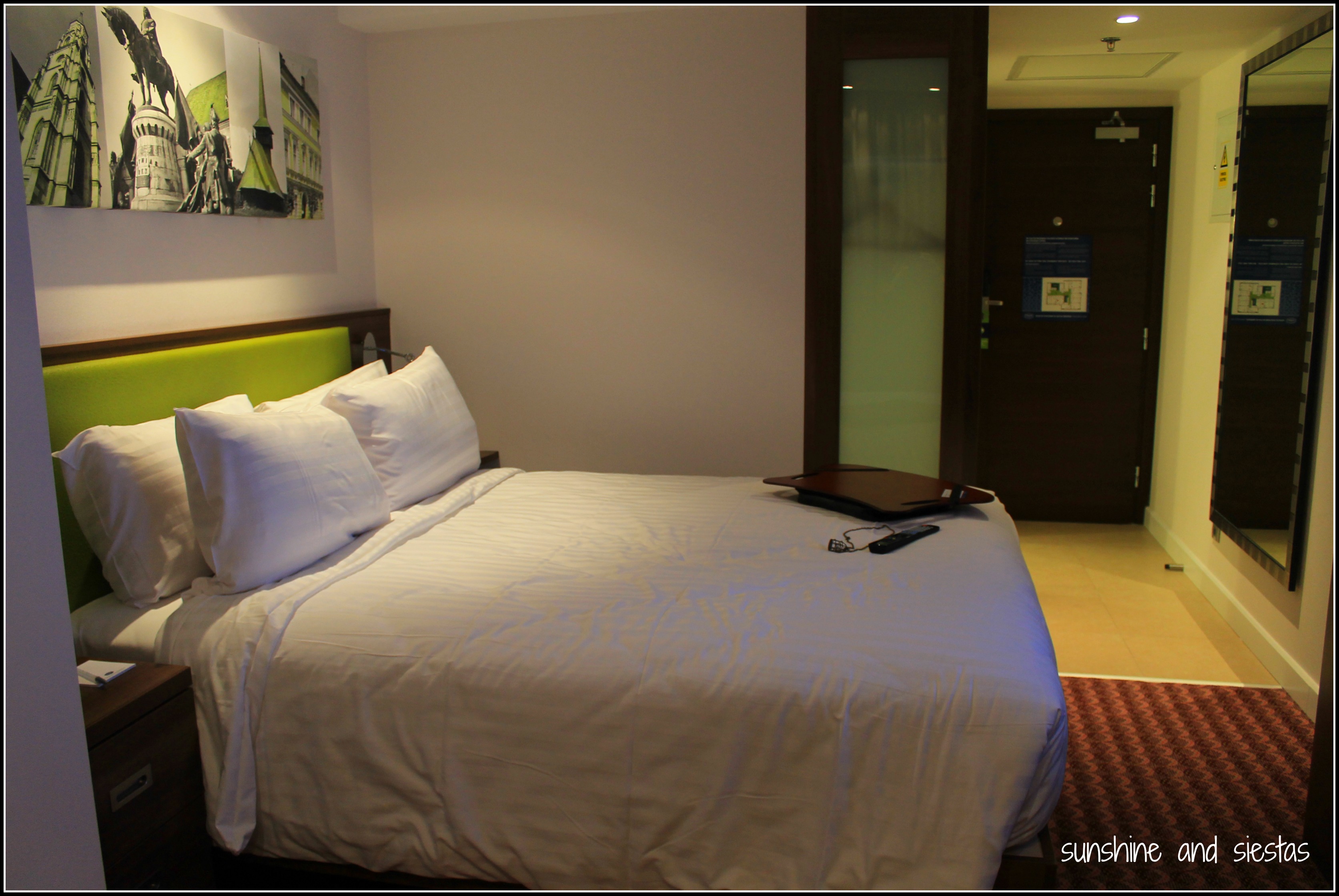
The Hilton glows green on the empty street, just a few yards from the city center. I practically collapse as the receptionist charges my credit card and writes down my information to the tune of 58€. Giving him the cliff notes of my sob story, he promises to call me a taxi.

Upstairs in my room, I’ve just taken off my bag when the phone buzzes. “Um, yes, my friend can take you to Budapest Airport tomorrow. It is five, maybe six hours. It will cost 250€. Yes?” Without even thinking, I say yes. Besides, I already did the mental math. If I waited another day, I’d have to spend another 58€ for the hotel room, over 300€ for the flight from Cluj on the 2nd, and then another train ticket from Madrid. 

I kick off my shoes and run the shower. I stare at the water and steam for about a minute before I decide I’m too tired to even stand under the jet of water. The clock says 11:23 p.m., a full 15 hours since I left the dock in Budapest. I should have arrived to Spain three hours ago.

My night is sleepless, punctuated by fireworks, whatsapps from well-wishing friends and a very nervous mother. My in-laws send pictures of themselves eating my 12 lucky grapes, and all I can think is, vaya suerte. 

Rural Romania

The driver nods his head at me as I slip in the back seat of his car. He punches something nervously into his GPS and I wish him a happy new year, surprisingly sunny, given the circumstances and the money I am about to fork over to him. It doesn’t seem that he speaks English, which both relieves and disappoints me.

One thing I can say since my road trip through Transylvania and Mures: the roads have definitely gotten better. We speed out of Cluj along the E-61 towards Hungary, and I am flooded with memories of my trip. The intricately carved wooden crosses on the side of the road, the haystacks behind homes and the women in black fly by as we take the twisting roads west.

There’s definitely a common theme amongst Romanians – they’re all so damn nice, and it’s amazing what a terrible night of sleep did to me – I feel 100 times better and pray to the travel gods that I will be back in Spain on the first day of 2014.

Romanian-Hungarian border

The driver is nervous. He backs his car up, pulls it back in, changes positions, smokes his smokeless cigarette pipe thing. I’m sipping down water in small amounts, not sure if he speaks enough English to know I need a pit stop. After seven long minutes (for him, not me), the guard approaches the car and hands me back me passport and Spanish residency card.

On the first day of 2014, I’ve already got two freshly stamped entries in my passport. Every cloud…

Budapest, Hungary

Once we’re into Hungary, the roads become straight and the hills disappear. While I can understand some words in Romania because of its Romantic language roots, Hungary has me completely stumped. All I can make out is the ever-dwindling number of kilometers between our car and the airport.

The driver drops me off right in front of the terminal. I’ve given him a tip of close to 30€ (after all, he charged me in Romanian leu and that conversion is not easy on a sleep-deprived brain) for his trouble on New Year’s Day, and he shakes my hand firmly after helping me put my heavy bag on my back. I thank him on the only word in Romanian I know, multumesc. Thank you very much.

My phone picks up the wi-fi immediately in the airport, and I re-book a train ticket for 9:30 p.m. I have three hours before my flight, which will give me time to finally have a beer, get checked in and get through security…and maybe eat fast food and not feel ashamed about it. Spanish permeates my consciousness and I relax.

Once on the plane, the sky is a dreamy pink with streaks of red until night falls.

Madrid, Spain

As soon as the plane touches down, the first thing that comes to mind is Manolo Escobar’s famous Spain anthem, Que Viva España. My phone is turned on before we reach the gate, and I send whatsapps to everyone I know. I feel like I’ve returned to a place where everything makes sense and where language is no longer an issue. I get Spain. 

Time seems to pass by in three seconds as I grab my bag, transfer to terminal 4, hop on the cercanías line and make it to my train – the last of the day – with 20 minutes to spare. Being a holiday, my car was only half full, so I could curl up across both seats and sleep for two hours. Stepping onto the platform and seeing ‘SEVILLA – SANTA JUSTA’ as I take a deep breath reminds me that I am, at long last, home.

Sevilla, Spain

I arrive home five minutes to midnight on January 1st. The travel gods heard my plea, it seems. I’ve traveled, by my estimate, over 3900 miles in 40 hours. The Novio hasn’t changed the sheets in two weeks, but I hardly notice as I sleep, finally, in my own bed for 10 hours.

I’ve since recounted the short version of the ordeal to my friends. While some are shocked and glad it didn’t happen to them, I can say this: I am relieved that I am a seasoned traveler and that I’ve watched my parents navigate standby and weather delays like champs. My nerves and even my tear ducts were put to the test, but I got home, unscathed (just poorer). Had I been new to international travel or unaware of European flight compensations, I may have made rookie mistakes.

One thing I have realized? I am not cut out for round-the-world travel. While it seems challenging and fun, I’m too accustomed to my comforts and hate wearing dirty clothes (there, I admitted it). I can handle when things don’t go as planned, but I don’t like it because I am not spontaneous. I like feeling grounded. I like the feeling of familiarity. I like having wi-fi and no roaming data (my bill came yesterday…ouch).

That’s not to say that I won’t travel for extended periods of time – I most certainly will travel as far as my body and my salary will take me, and have big dreams when it comes to doing it. But I think I’ve finally mató el gusano. The idea of round-trip travel is no longer a little tickle that flares up once in a while.

The idea of becoming an expat in another city or another country? THAT is the new gusanillo.

Have you had any travel disasters recently? I’d love to hear them, and if they’re Spain-related, feel free to send me the story for publishing!

Rebajas 101: How to Survive Spain’s Shopping Madness

To any Christmas-hating consumerist like myself, the most wonderful time of the year is what follows right after the holidays – SALES. I got a teaser when in Central Europe for 10 days, as the stores were already slashing prices and shoppers were laden with sale bags (yet somehow, we had days of closed shops, much to my mother’s disappointment).

Spaniards wait until after the Reyes Magos come to town, and the government officially mandates that the winter sales period begin on January 7th and last until the end of February, called rebajas.

While I don’t anticipate rebajas like I would the last day of school, I definitely start making a list and checking it twice before heading out, and I normally make a plan. Rebajas is my marathon, a time to stock up on essentials and buy myself something capricious simply because it’s on sale (I may drive the Novio out of his closet in the near future). I’ve snagged my flamenco dress for cheap, blazers for half price, an Adolfo Domingo bag for less than 50€. I dig until I find what I’m looking for, carry cash on me for faster transactions and even prefer to shop alone (gasp!).

But it is not for the faint of heart – shopping in Spain during the rebajas is a test of faith, halfway

between a sidewalk sale and a full-blown Black Friday at Best Buy. Here are five tips I’ve compiled to get you through a day of shopping till you drop (or need another café con leche).

Wear the right clothing.

Since the dressing room lines are long, I tend to wear clothes that are easy to get on and off: a pair of comfy pull-on boots, jeggings, a light sweater with no buttons or zips and always a cami underneath. That way, I don’t have to waste so much time pulling things on and off, and having wardrobe staples means I get a better idea of how a billowy shirt fits me when I wear it with my standard jeans (usually, in case you’re wondering, the proportion rule doesn’t work too well on me).

If you’re busy buttoning up a shirt in the dressing room when there’s a line as long as the San Bernardo cofradía of people waiting to do the same, I will likely judge you.

Eat a good breakfast.

If breakfast is the most important meal of the day, it’s even more so when you’re power shopping. Hours on your feet, overheated locales and having to deal with other shoppers means you’ll need your morning tostada and coffee more than ever. I often eat a full breakfast before I go and throw a mandarin orange or two into my bag. Trust me, when the hunger pangs kick in and you’re only two people away from the check out, it helps.

In fact, shop during your lunch hour.

I know the urge to chow down on the delicious smelling adobo at Cerrillo Blanco is about as hard to resist as a half-price dress at Zara, but chances are the stores are a bit more cleared out if you go between 2 and 4pm. I use this rule at weekends, too.

Have someone else do the shopping for you.

When I worked at the Colegio From Hell we were once given an institute day on the 7th while the kids got to stay home and play. While I did curriculum planning, all of my coworkers shopped online or sent friends out to buy for them. It sounded like the Tickle Me Elmo frenzy all over again – I NEED THE WHITE SHEETS FROM ZARA HOME BEFORE THEY RUN OUT! PLEASE PLEASE WAIT IN LINE FOR ME!

Idiots.

DO NOT, under any circumstance, GO ON A WEEKEND

Going to Calle Sierpes on a weekend with the intention of actually shopping during rebajas season is like trying to fanagle your way into the fanciest caseta at the Feria. Not gonna happen, so there’s no use trying. The other option, of course, is to just not go. Remember that there’s a formula: the longer you wait, the cheaper the prices. Yes, you read that right. This, of course, means you run the risk of the sizes S-M-L being nonexistent, so it makes a great time to buy accessories and or even shoes.

 Besides, one less body in line is great.

Do you shop at rebajas? Have any tips on surviving the shopping crush, or anything you want to buy? I realize this is extremely tongue-in-cheek, especially as someone who has an extreme impulse buy habit.

Related Posts Plugin for WordPress, Blogger...