As a European wannabe, I’ve learned to relish in the art of a long lunch. And, believe me, no one does it like the Spanish.
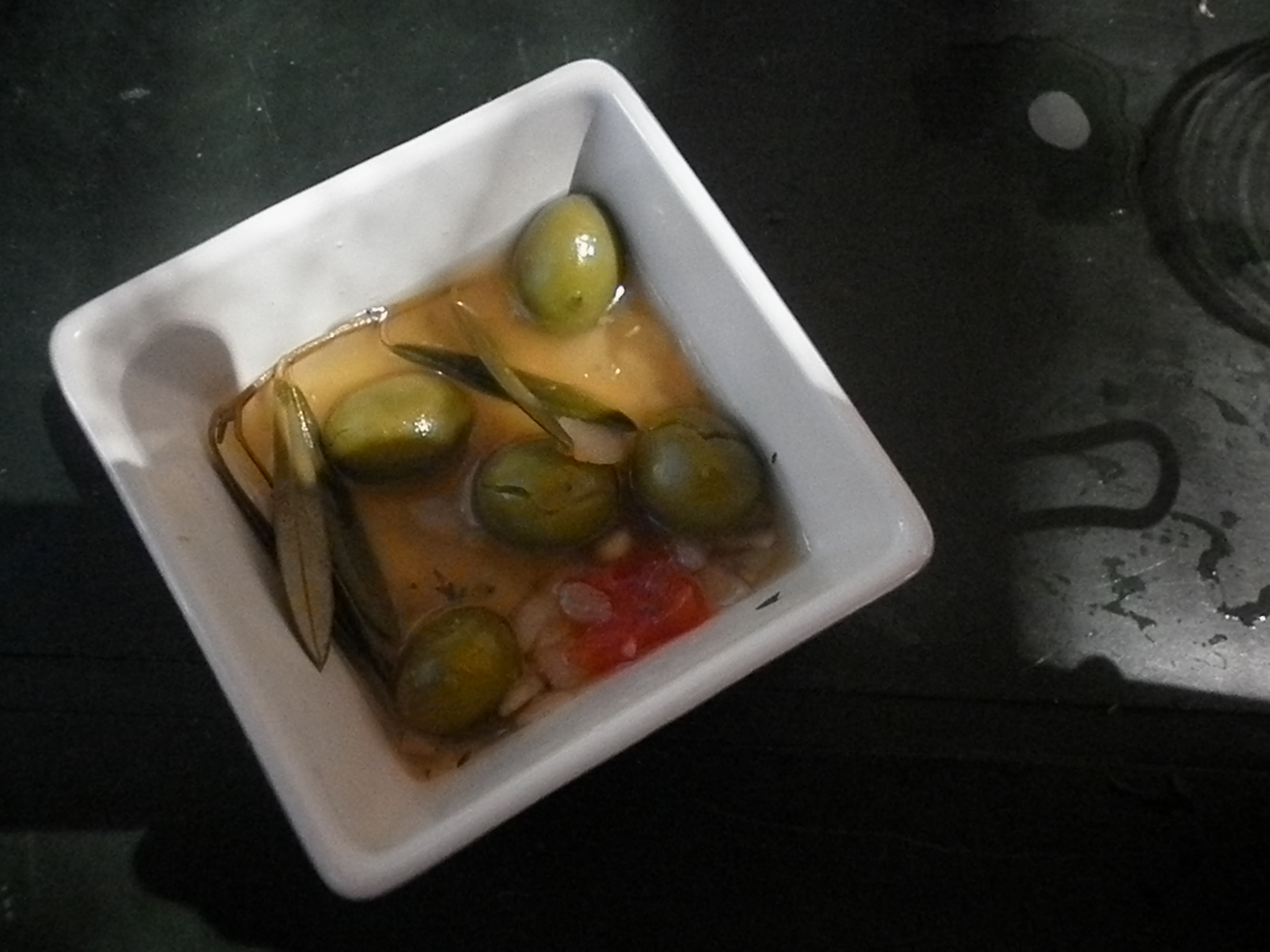
I mean, come on, there are stages! A few olives and a beer to whet the appetite, followed by a first course. This could be a salad, salmorejo, chicken breast – anything light. The segundo, or second plate, is the hefty one: meat flanks, a guiso stew, anything to make your pants nearly pop. As the main meal of the day is eaten between 1 and 4 p.m., the meals tend to be protein rich and anything but for dieters. A meal is never complete without the cafelito, then, but next comes the big question. “Señores, ¿y qué de postre?” What would you like for dessert?
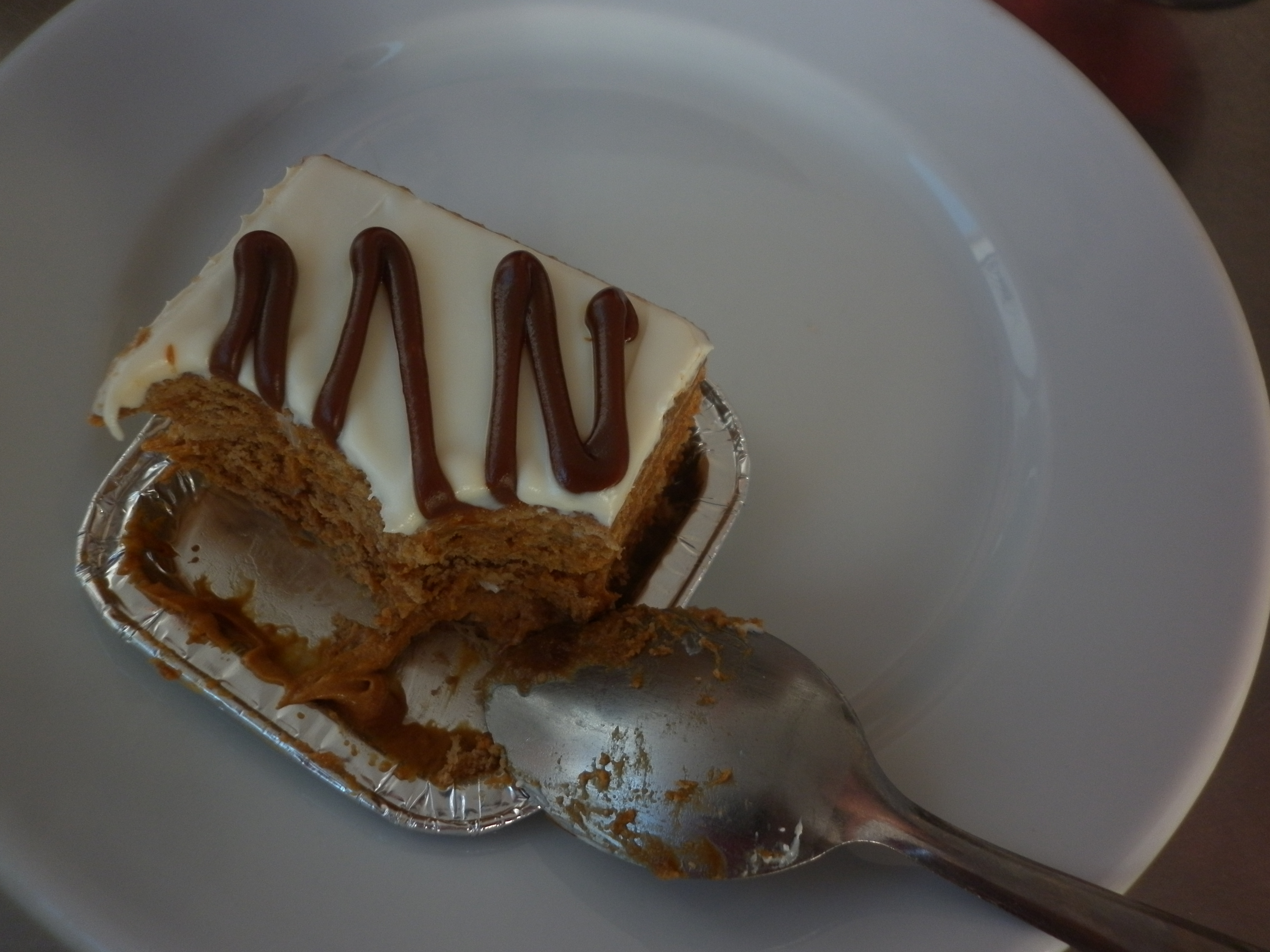
I will be the first to scream for ice cream, or cake or cupcakes or pudding or candy, for that matter. My disappointment, then, at a Spaniard’s insistence that I eat yoghurt or fruit for dessert was only normal. Thankfully, they kind of make up for it at merienda, that in-between-why-the-hell-do-we-have-dinner-at-midnight snack. Along with a coffee, Spaniards indulge in something that even the most reluctant sweet tooth can enjoy (I, clearly, am not one of them. My mother wakes up and eats licorice, leave me alone!).
While I fully admit to not love Spanish sweets, I get to the point where anything will do to stop the nagging voices in my head from not eating them. So I enjoy and feel lucky that I can walk everything away!
What do them Spaniards eat for dessert, anyway? We certainly know that their tacos are nothing like the Mexican ones, nor is their tortilla. But how do their desserts measure up?
Arroz con Leche
Let’s play a game of Imagination. Imagine you’ve just gotten off of a plane from the US and have ended up in the land of sunshine and siestas. Imagine taking a bus an additional two hours, only to be met by a smallish Spanish woman in a black dress and an almost grimace on her face. Said lady walks you to her house, where the phrase “everything but the kitchen sink” takes on a new meaning: before you sits a rice dish with whatever that smallish, grimacing lady could find in her fridge. Oh, you imagine to yourself, but this is Spain, and surely there’s dessert!
There is. Oh, but there is. It’s just MORE rice served cold with milk and cinnamon. Can you imagine it? Strangely enough, I love my host mom’s arroz con leche, a simple dish she serves often in the scorching summer months on the central plateau. We’d spend hours sipping brandy and caramel vodka after the ACL on the terrace overlooking the Pisuerga River. I have yet to taste the same home cooking Aurora treated us with (and still does!)
Flan
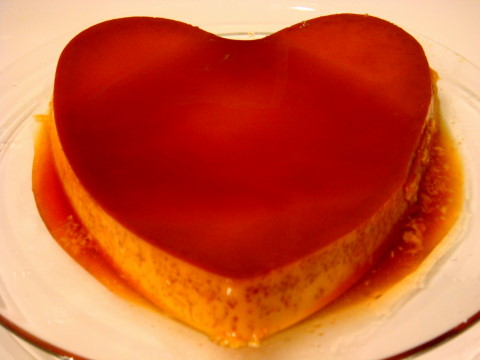
Ask my boyfriend what my favorite foods are, and he will jokingly tell you mayonnaise and eggs. Guess what? This oh-so-typical-espaneesh treat is made of eggs, caramel and the grossest texture ever. I, for one, don’t like it. Thankfully, the Latin Americans make it with everything from almonds to condensed milk, so those of us grossed out by anything made by a chicken can get our fix. And by those of us, I mean not me – I’m the food-loving texture freak whose 7th grade Home Ec teacher had to spoon-feed her almost everything we made in that kitchen.
Churros
If you remember from my ABCs of Travel, my first international trip led to mega disappointment when my four-year-old self cried at some spicy Mexican something. Ugh, I thankfully got over that and fell in love with battered churros, a doughy coil of battered goodness. While I prefer Mexican churros with their sugar on top, Kike’s Sunday routine often involves me running to the churrería down the street for a dozen of them for the two of us (and after consumption, we quickly fall back asleep, also per Sunday routine).
Eaten mostly for breakfast or merienda, churros are popular with all crowds. There are people who dedicate their lives to pouring the batter into a large funnel into a vat of hot oil, coiling them around, flipping them when one size is fried, and clipping them into foot-long manjares to cool and serve with kitchen scissors. They’re most often gobbled up by dipping the still-hot fritters into molten chocolate or sweet café con leche.
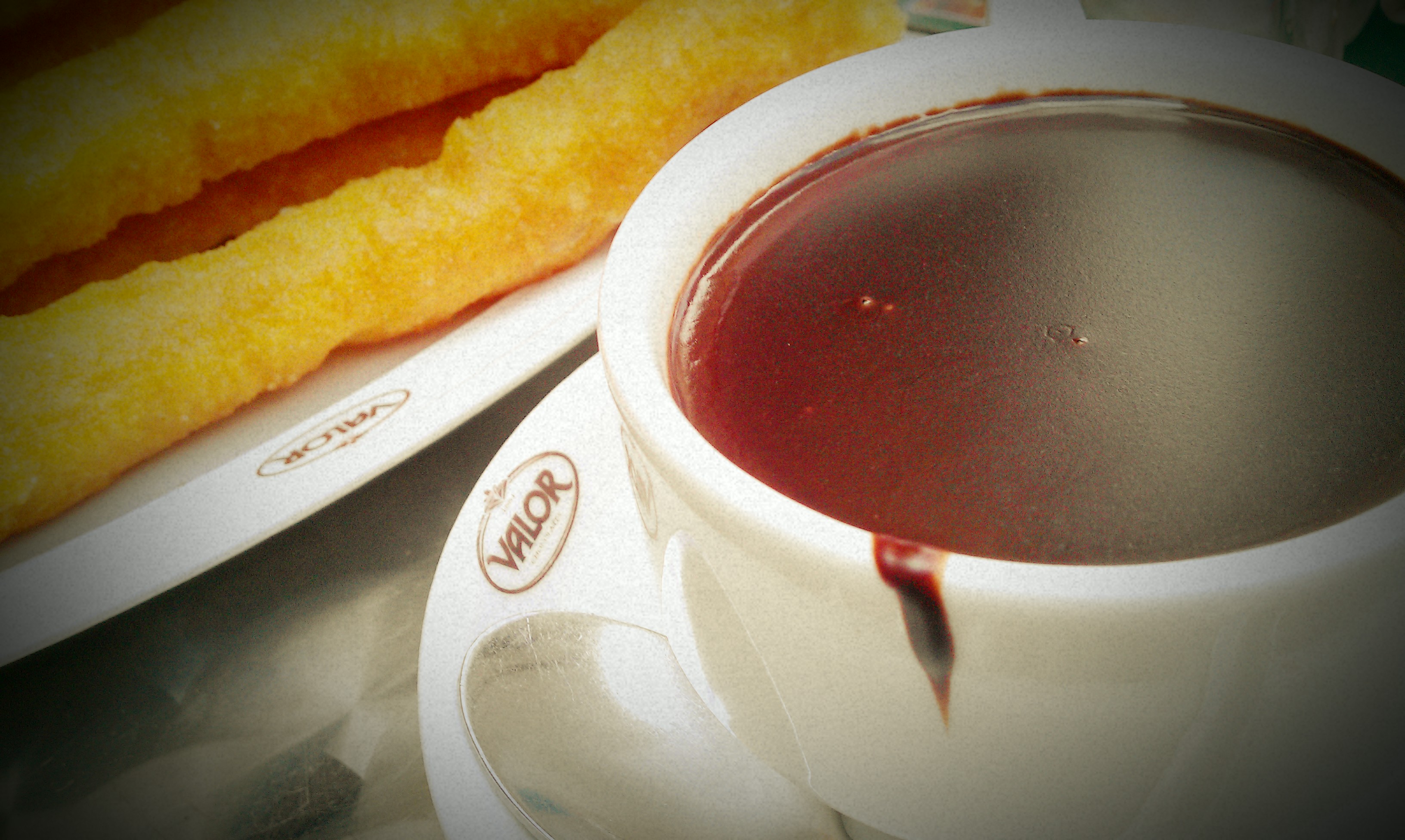
My tops picks in Central Sevilla go to Valor, a Catalonia chocolate company, and a nondescript stand staffed by a frail-looking old lady who specializes in nothing but churros. Valor is located on Calle Reyes Católicos, just steps from the river, and has a full menu of chocolates, ice cream and cakes. The second local is right under the Arco del Postigo, but you’ll have to go next door for coffee or chocolate.
Chuces and Processed Grossness
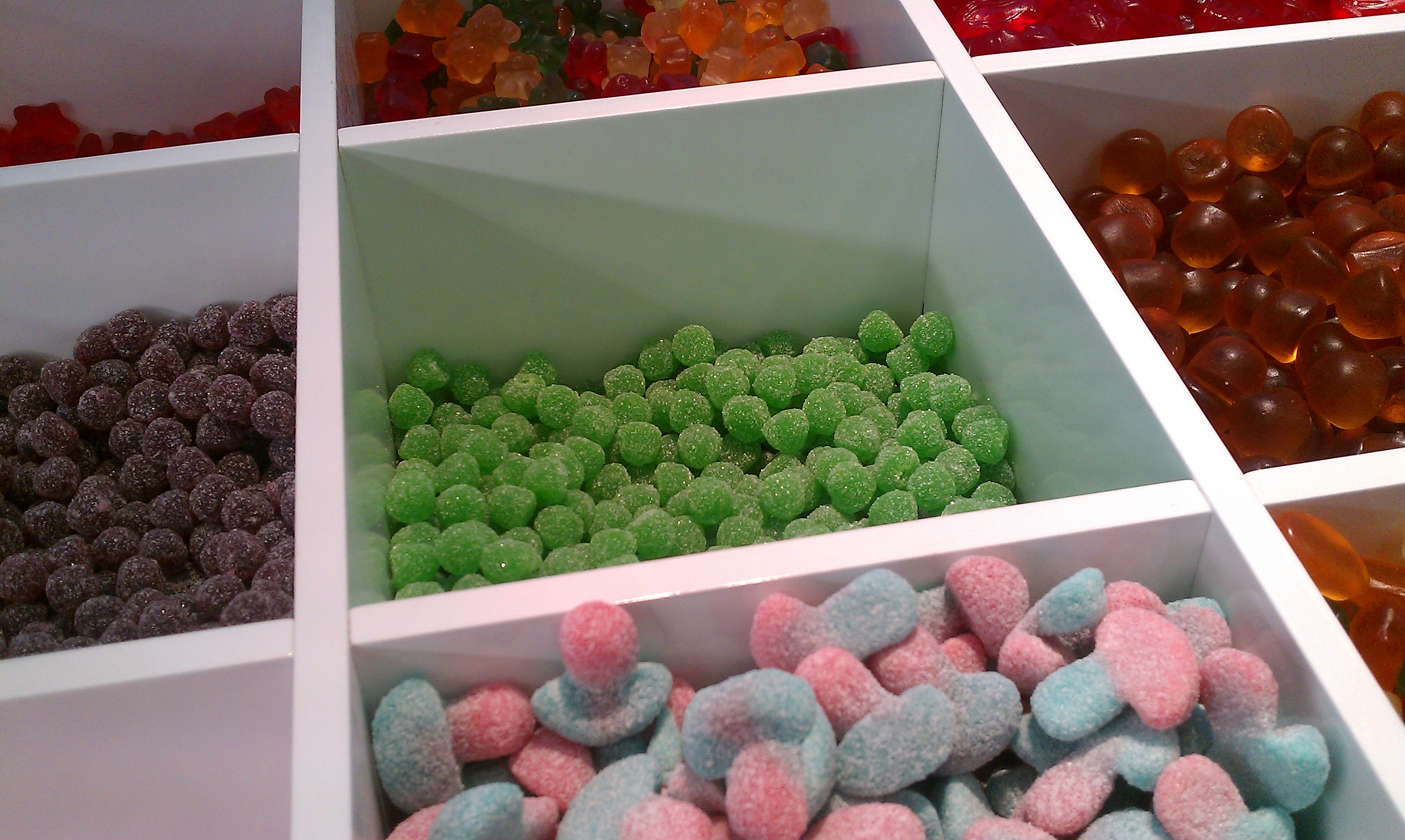
If Spanish kids ruled the world, chucerías, or gummy candy, would be served in the school lunchroom. I often find it’s the easiest way to tempt good behavior out of even the worst behaved, and I reward myself with making it through the work week with a few nickel-priced sweets. Kat of the now-defunct (you’re KILLING me!) Kata Goes Basque did a good job categorizing the seemingly endless parade of Spanish candies, so I won’t have to tell any of you twice that Spanish gummies could be better than what they ate on Mount Olympus. Ladrillos, besos de fresa, Coca Colas, you name it! I love it allllllll.

As for the other Spanish cookies and cakes that come wrapped with love from Aguilar del Campóo (I SWEAR that is the name, and I SWEAR that I have been there!)….they all suck. Palmeras are crumby, gooey puff pastry dried and covered in something brown (I think it’s chocolate, but refer to the name above) and make me cringe. Principe cookies are good to a point, but like Pringles, once you pop you can’t stop. The things my students bring for breakfast continue to gross me out.
So if you want chuche goodness, Spanish chains like Belros and Sweet Facory are good go-tos, but my absolute favorite is Wonkandy. Simply grab a bag, fill it with as many gummies or chocolates as you care to, and pay by the tenth-kilo. I adore the shapes they have (skull and crossbones and ponies?!) and they have upteen choices of my most favorite capricho – sour gummies. You can find Wonkandy in the center just behind Plaza del Salvador on Calle Cuna.
Ice Cream
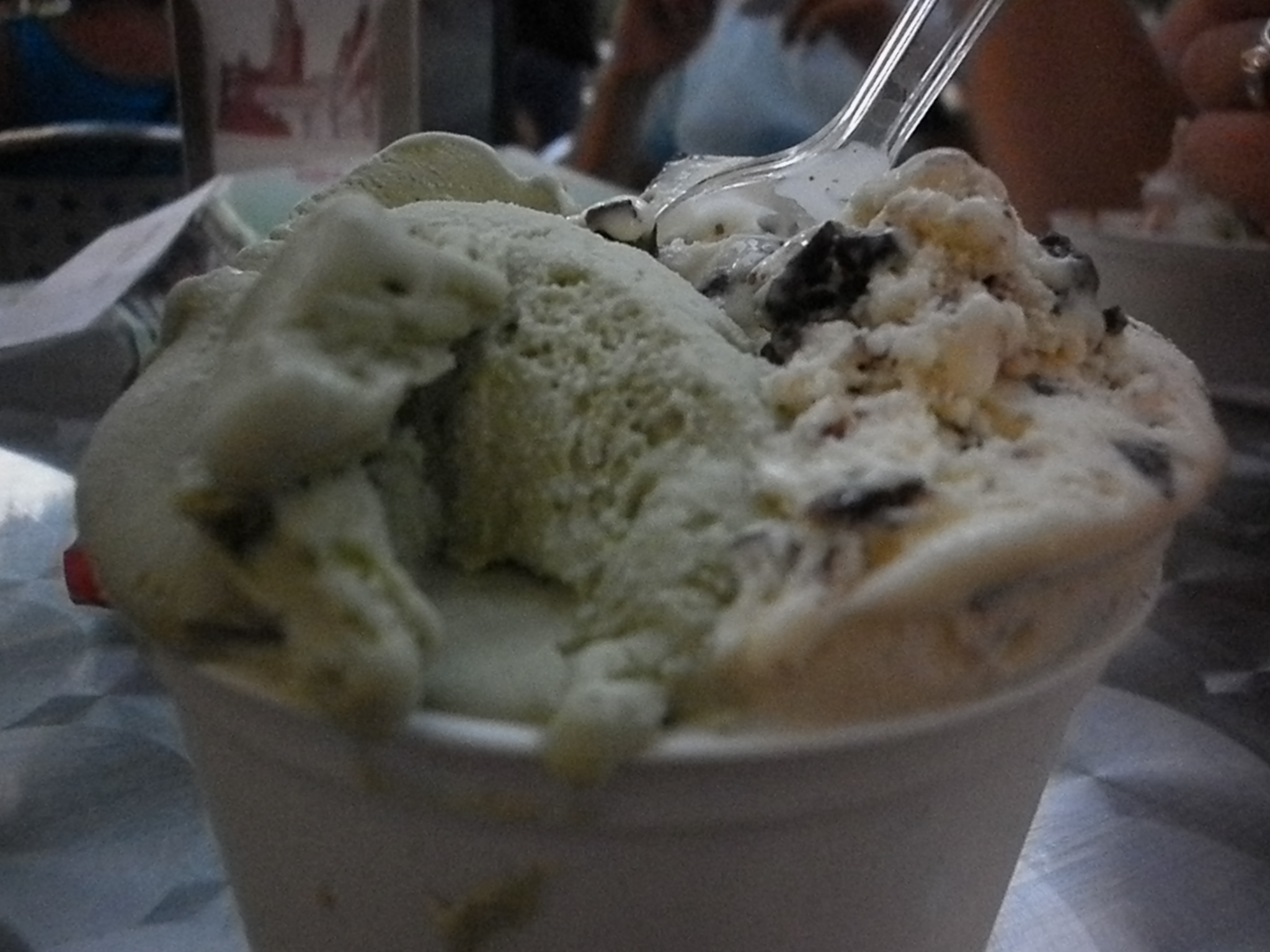
More often than not, the major ice cream consumers of this world class dessert is Seville are guiris like you and me. That’s right, those ice cream shops set up right outside the cathedral steps aren’t for naught – tourists can’t help but treat themselves to heladitos when the temps here reach 35º. The central neighborhood of Sevilla is replete with tastes, though I’m more of a sorbet and tropical flavors. Since ice cream needs no more explanations, here’s a breakdown of the best places for the cold stuff.
All Spaniards rave about Rayas (C/ Reyes Católicos and Plaza San Pedro), and it’s the closest you can get to a yuppie ice cream parlor in yuppy enough Seville. All of the typical flavor culprits – pistachio, dulce de leche, stratichella – are found here, though they lack the sorbets I always crave on a hot day. The place is pricey and always packed on the weekends, but that pistachio is pretty darn yummy. When I feel like a gelato, I hop to El Florentino on Calle Zaragoza. The owner has won several awards for his homemade gelato, and he’s constantly coming up with new flavors like Rebujito for April and a rumored Duquesa de Alba batch to commemorate that other royal wedding. What’s more, the genius is always greeting customers and handing out samples. The downside? Too little parking for your toosh. Finally, the Yogurtlandia (Plaza Alfalfa and C/Jimios) chain is a more healthy approach to ice cream, taking frozen yoghurt and blending it with toppings of your choice, like chocolate syrup, fresh fruit, cookies or sprinkles. It’s cheaper in Alfalfa, but always perfect after a long meal.
Now, I thought about making the novio a nice dinner (dessert included!) for our anniversary next month, but given the choice, he’d take a ham sandwich over a dessert item any day.
Fine, more for me!
What’s the dessert like in your region? Have you had Spanish delicacies? If so, what’s your favorite? I loveeeee me some Tarta de Santiago!