Seville Snapshots: Tourist Season

Now that it’s August, tourist season is in full spring in all of Spain. Most professions enjoy 30 days’ vacation, most often given during the eight month of the year. Unemployment temporarily dips as resorts brace for the huge wave of tourists looking to relax, eat and spend their soon-to-be-naught bonuses, most often on the beach.
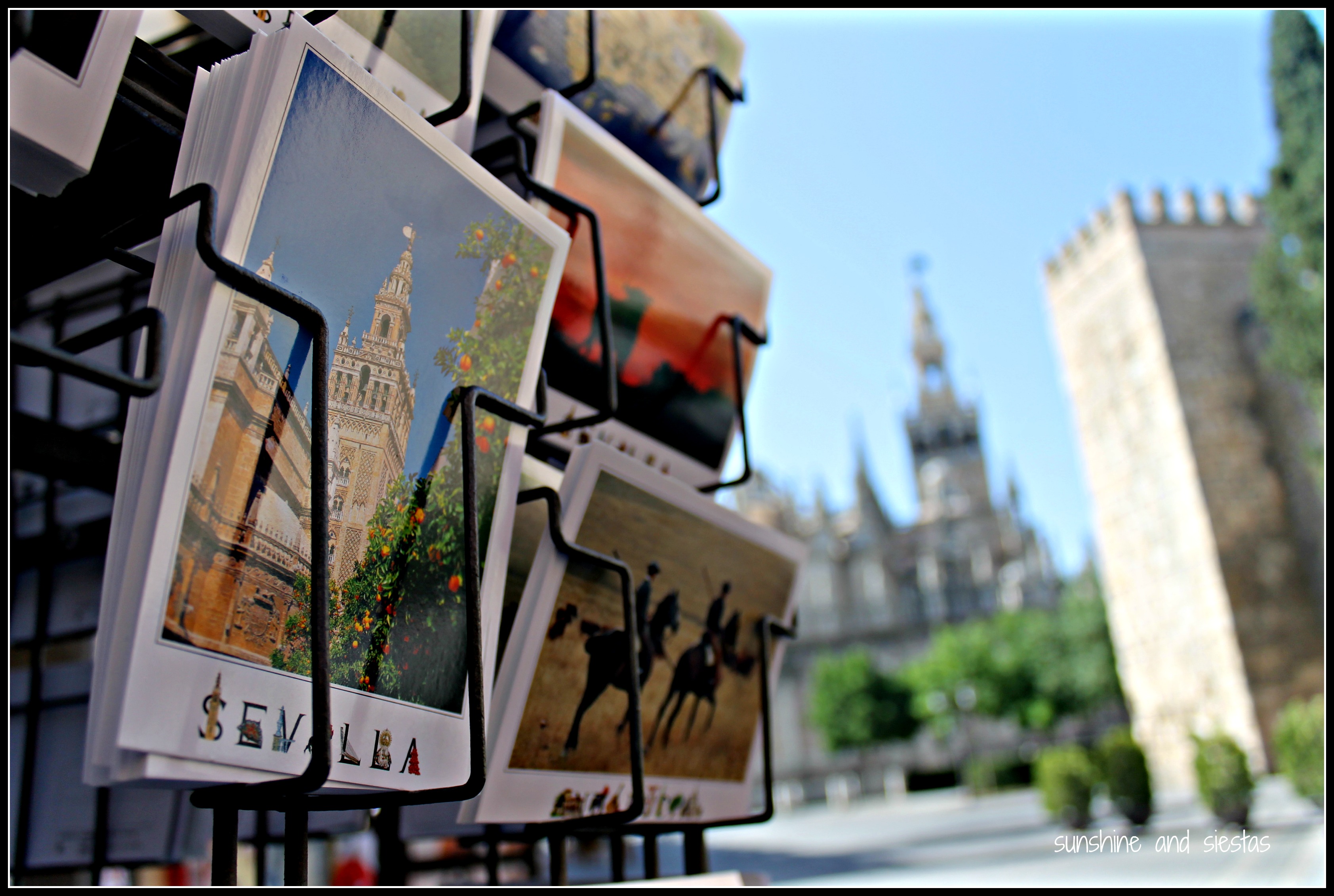
For a place like Seville that relies on tourism, the season begins well before the heavy wooden floats are pulled out from dusty churches for Holy Week processions. Lending to Seville’s climate, springtime and its festivals and orange blossoms make it a popular destination.

I took this picture while walking to meet friends of mine who were visiting from London, Dave and Melissa. The weather was already well past comfortable, so we stuck to lots of (alcoholic) fluids, avoiding the harsh summer hours and ducking between buildings in El Centro as much as we could. We were surrounded by scores of other camera-carrying tourists, and I let myself be considered part of that group as I looked for new angles in Plaza del Triunfo.

Love taking shots? Been to Seville or Spain? I’m looking for travelers with a good eye to capture beautiful Spain and contribute to my weekly Snapshots section. Send your photos to sunshineandsiestas @ gmail.com with your name and a short description of the photo and look to be featured here!

Seville Snapshots: Flamenco Recital

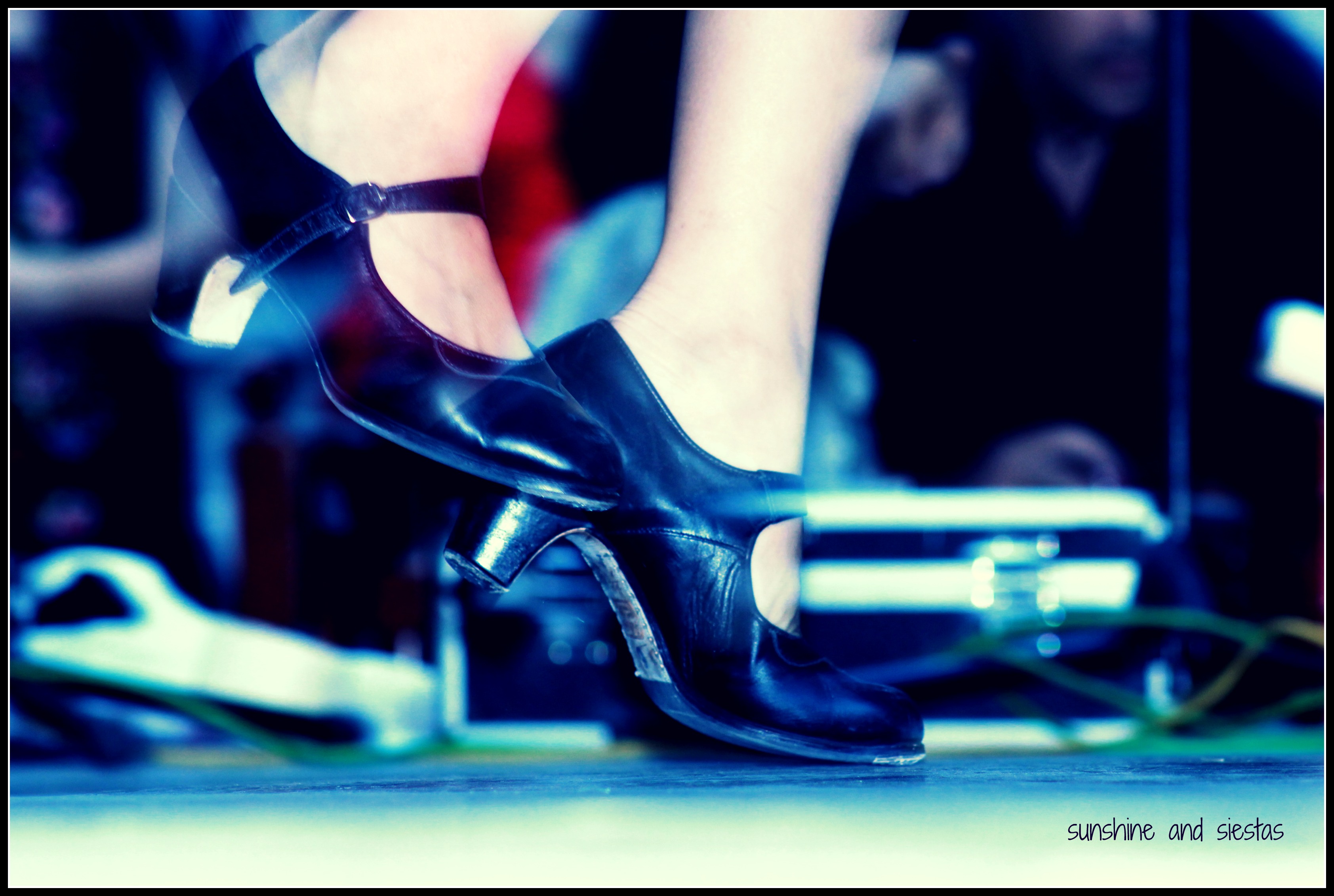
It’s 9:32 when Carmen strolls in, still tightening the straps on her flamenco shoes.

Bueno, chicas, empecemos. An air of confidence has blown in with her, though you’d hardly know on such a hot night. The cante cracks on the old stereo, and we roll our heads and stretch our fingers. I’d argue that they’re the two most important conveyors of emotion in the baile, so we spend extra time making sure they move gracefully but with tension. One of flamenco’s contrasts.

I roll my ankles, tapping out a tiki-tat, ending with a golpe, the stomp that produces a great, flat sound. It’s Tuesday night flamenco class, and I’m ready for the arte, the duende and the emotion that accompanies flamenco.

A year later, I’ve bowed out of the class, but Cait is still tapping away three or four nights a week with Carmen. The outdoor stage is set up with an array of microphones, lights and gadgets, but flamenco needs no introduction or fancy equipment. Carmen’s master class takes the stage and I raise Camarón to my face. Lights, camera, arte.

If you’re new here, check out my first few entries in a series on photogenic Seville, which will be posted every Monday. If you’d like to participate with your photos from Spain and Seville, please send me an email at sunshineandsiestas @ gmail.com with your name, short description of the photo, and any bio or links directing you back to your own blog, Facebook page or twitter. There’s plenty more pictures of the recital on Sunshine and Siesta’s new Facebook page!

Death in the Afternoon

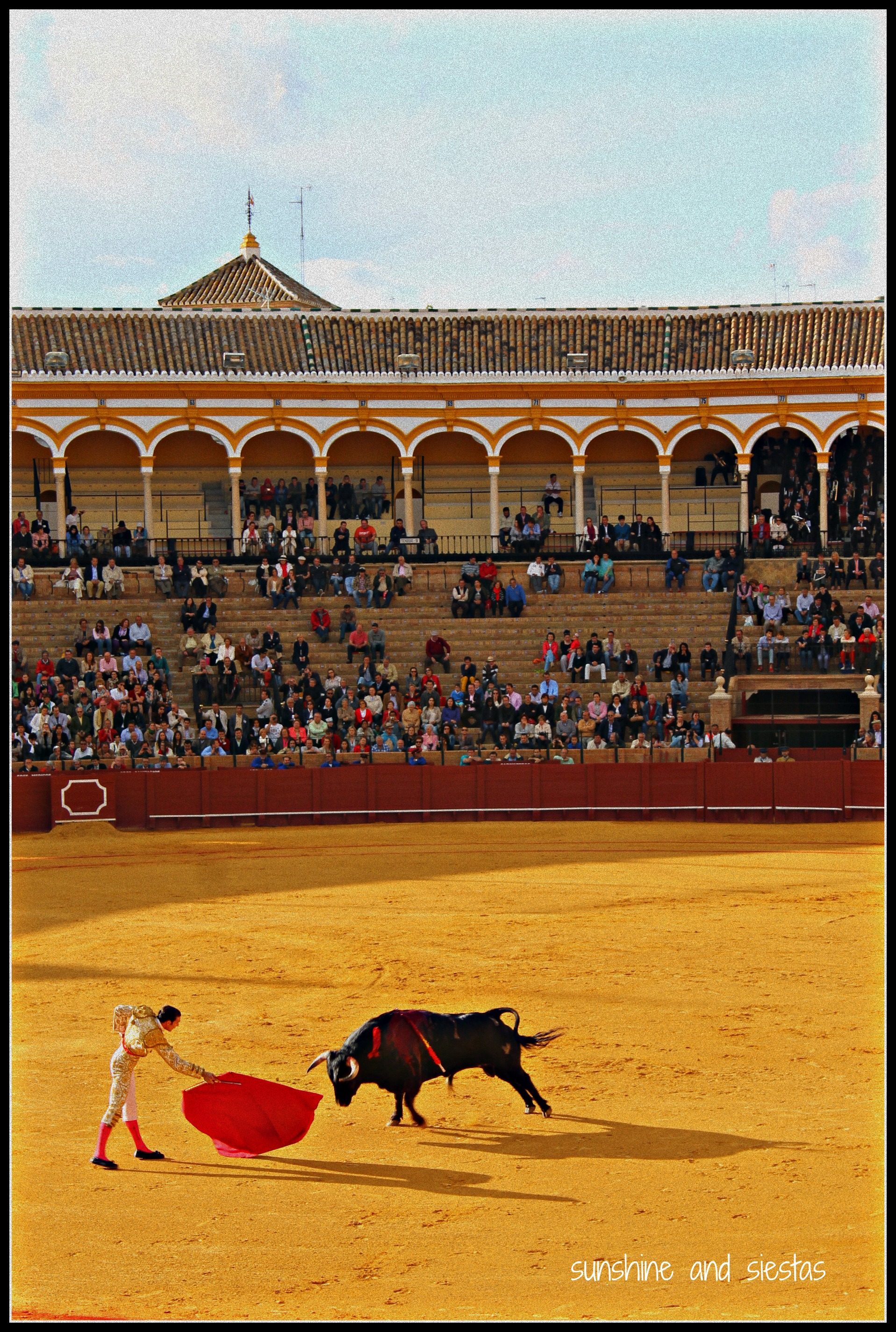
Like it or not, bullfighting is intrinsic in sevillano culture. Hemingway’s favorite pastime is both hemmed and hawed and considered a great art form, but this piece of southern folklore is alive and well in Seville’s Maestranza bullring, which hosts some of the most revered festejos and brings in the biggest names in bullfighting.

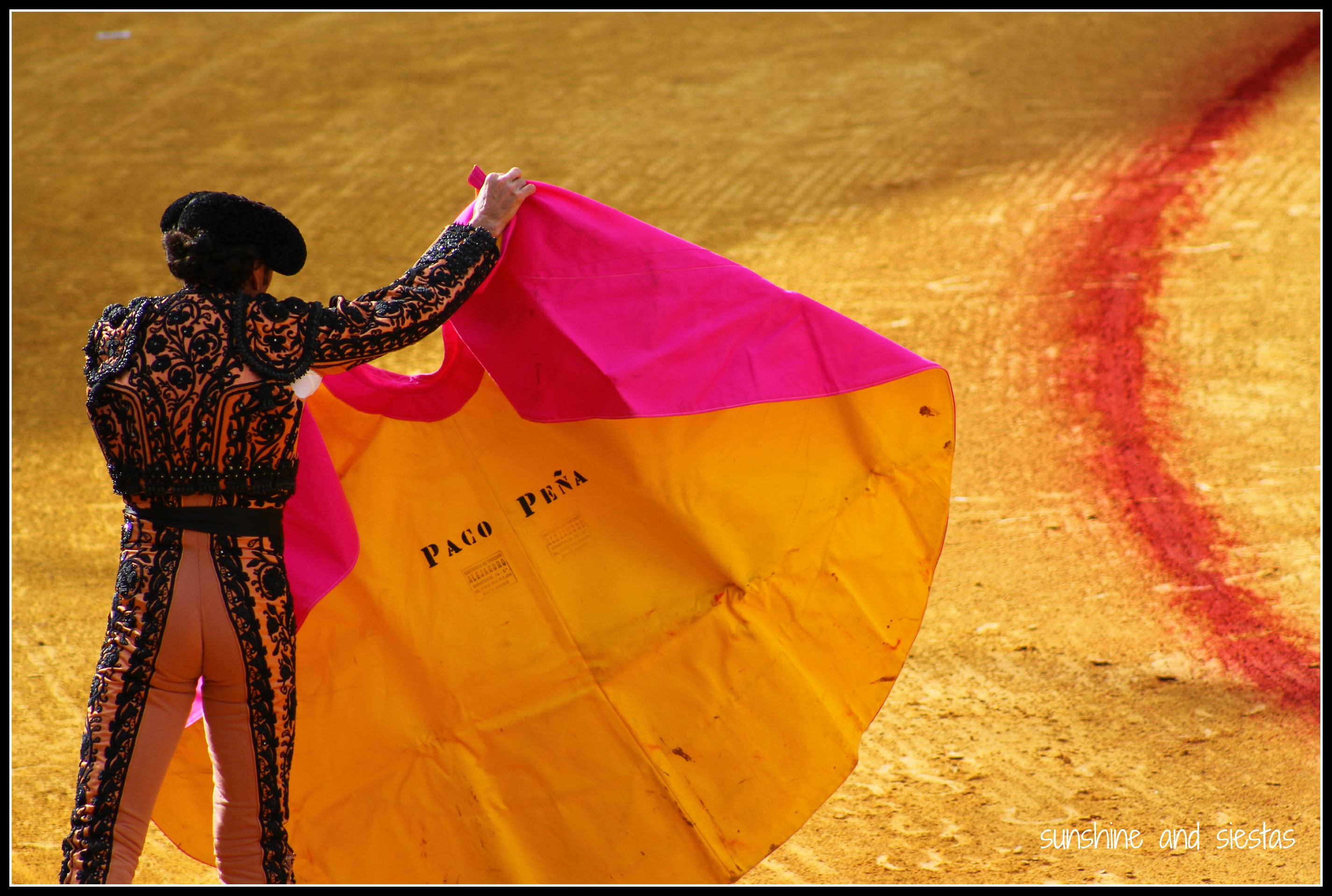
Aside from the gory part of bullfighting, I personally love the image of a bullfighter. Slight body, slicked, jet-black hair, traje de luces glimmering in the afternoon sun. What’s more, the plaza de toros in Seville is de leyenda – the mustard yellow and white colonnades offset the bluest of skies and the yellow albero dirt that lines the elliptical plaza. The pomp and circumstance of the whole thing is as breathtaking as a Virgin passing silently over the Guadalquivir River during Holy Week, alit with candles. And, really, I just wanted to bring Camarón along to get closer.

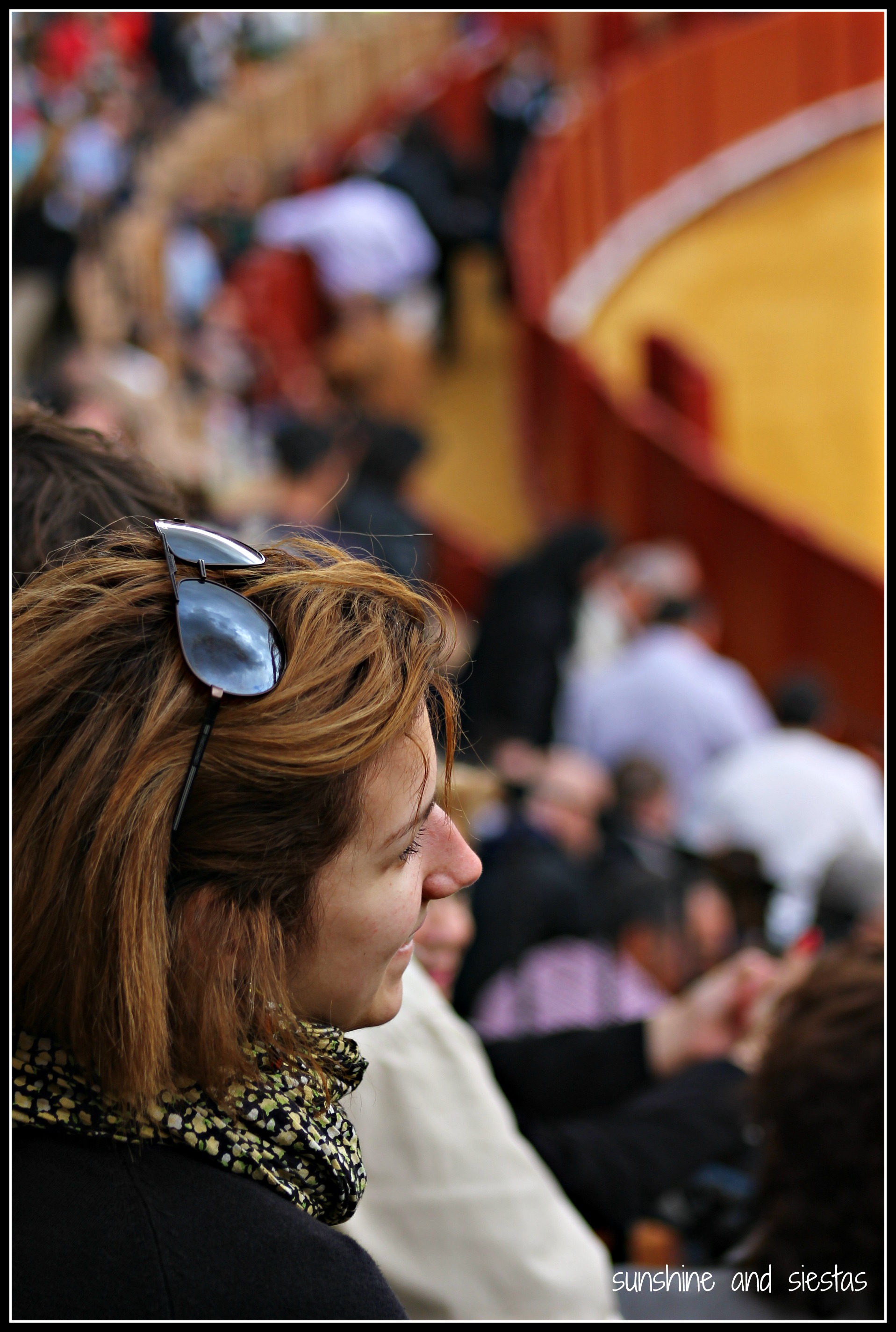
We enter the gates of the Maestranza by way of a narrow, uphill alley, the same the bullfighters take past snapping camera flashes. The toreros are celebrities in their own right – rich, often handsome and ready to face death by way of a 500-kilo animals with two piercing horns and plenty of mala ostia. Our seats are in the sol – sunny – section, but the cloud cover in the late afternoon means we’re pleasantly comfortable and have paid 20€ less for the event. People surround us on all sides – old men in caps with their grandchildren next to them munching on sunflower seeds, wealthy sevillanos with sideburns and fancy seat covers, guiris like us with cameras poised.

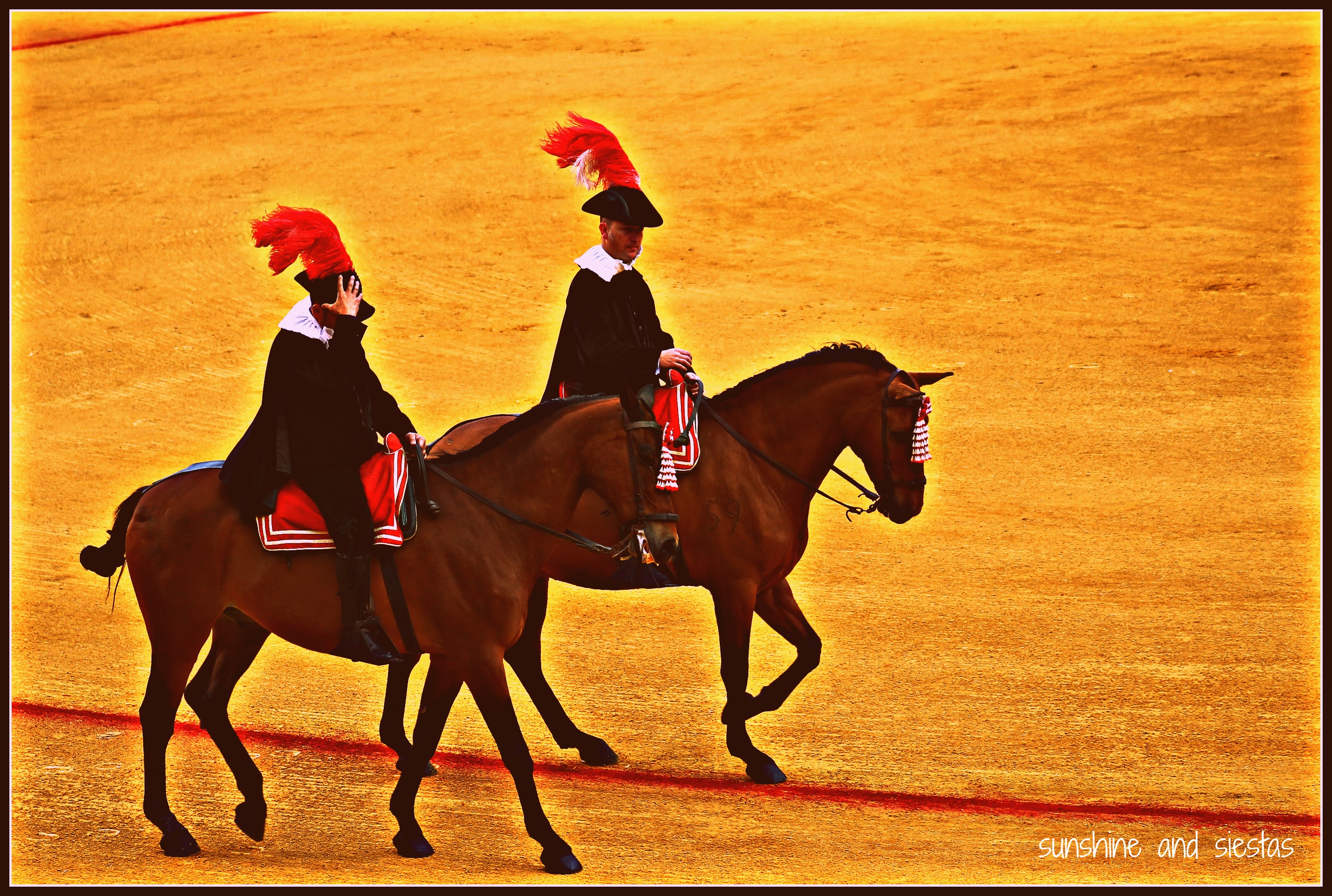
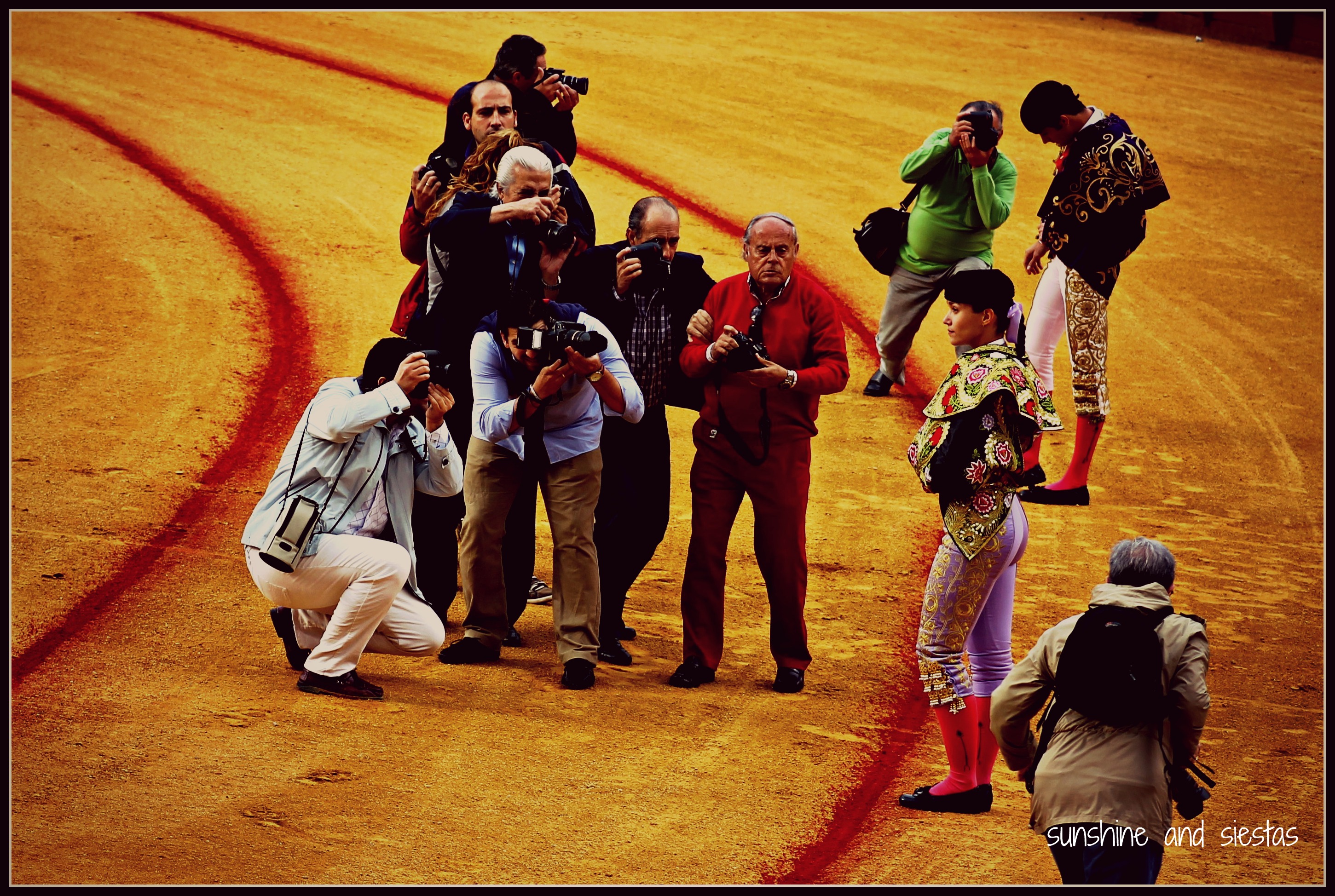
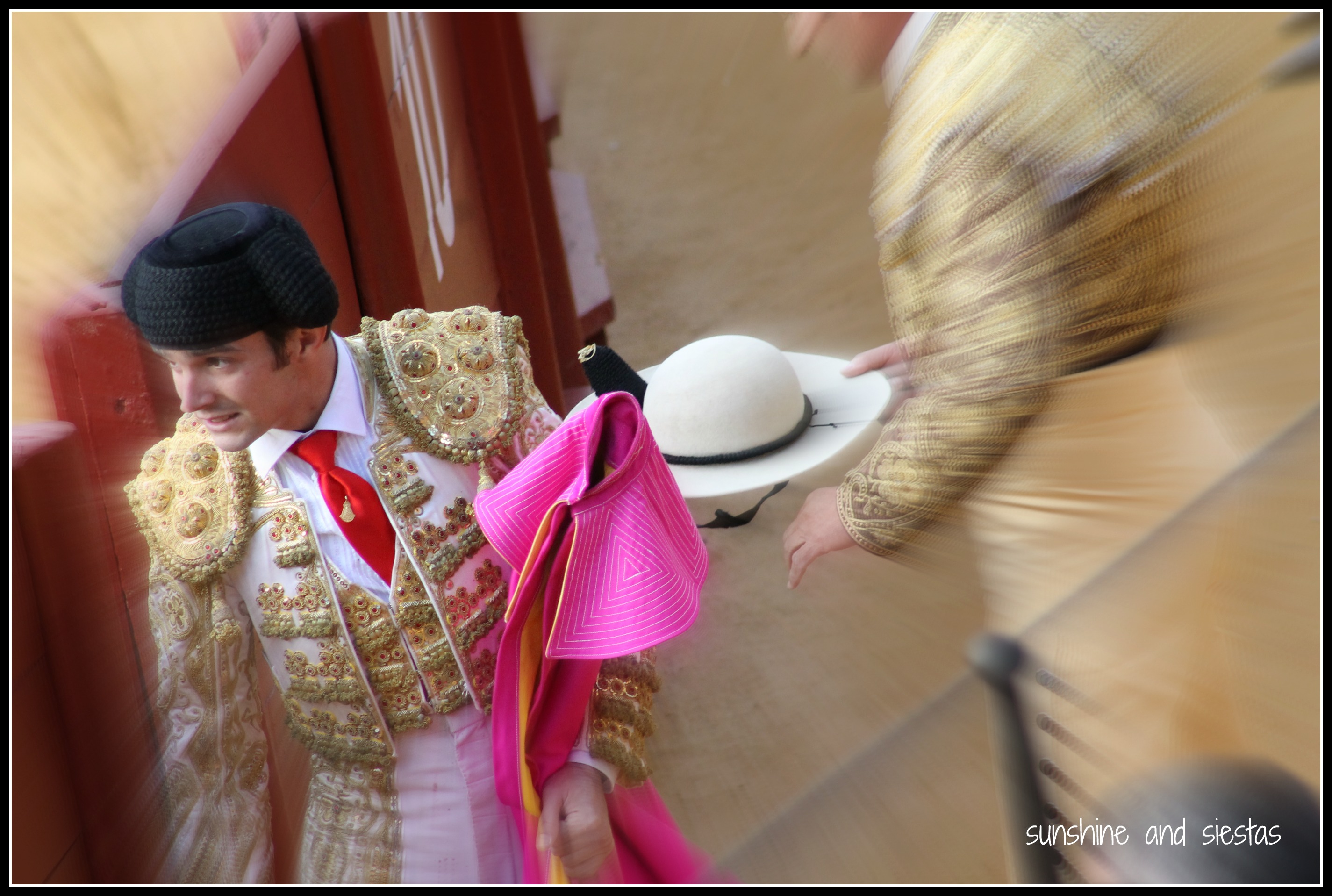
The clip clop of horses sounds in the inner bowels of the arena below me. Pages with long plumes enter the ring as the band plays from high in the sombra section. They present their hats and the bullfighters enter gallantly, a cluster of photographers crouching as the toreros gaze at the crowd before them.

We’ve come to a novillada, where young bullfighters gain experience on smaller bulls and often in bullrings of a lesser division. But here, in the Maestranza of Seville, the bulls are agile, strong and weigh in at almost 500 kilos. We’ll see each – Conchi Ríos, Emilio Huertas and Álvaro Sanlúcar – fight two bulls. One of the opponents will die, and the other survive.

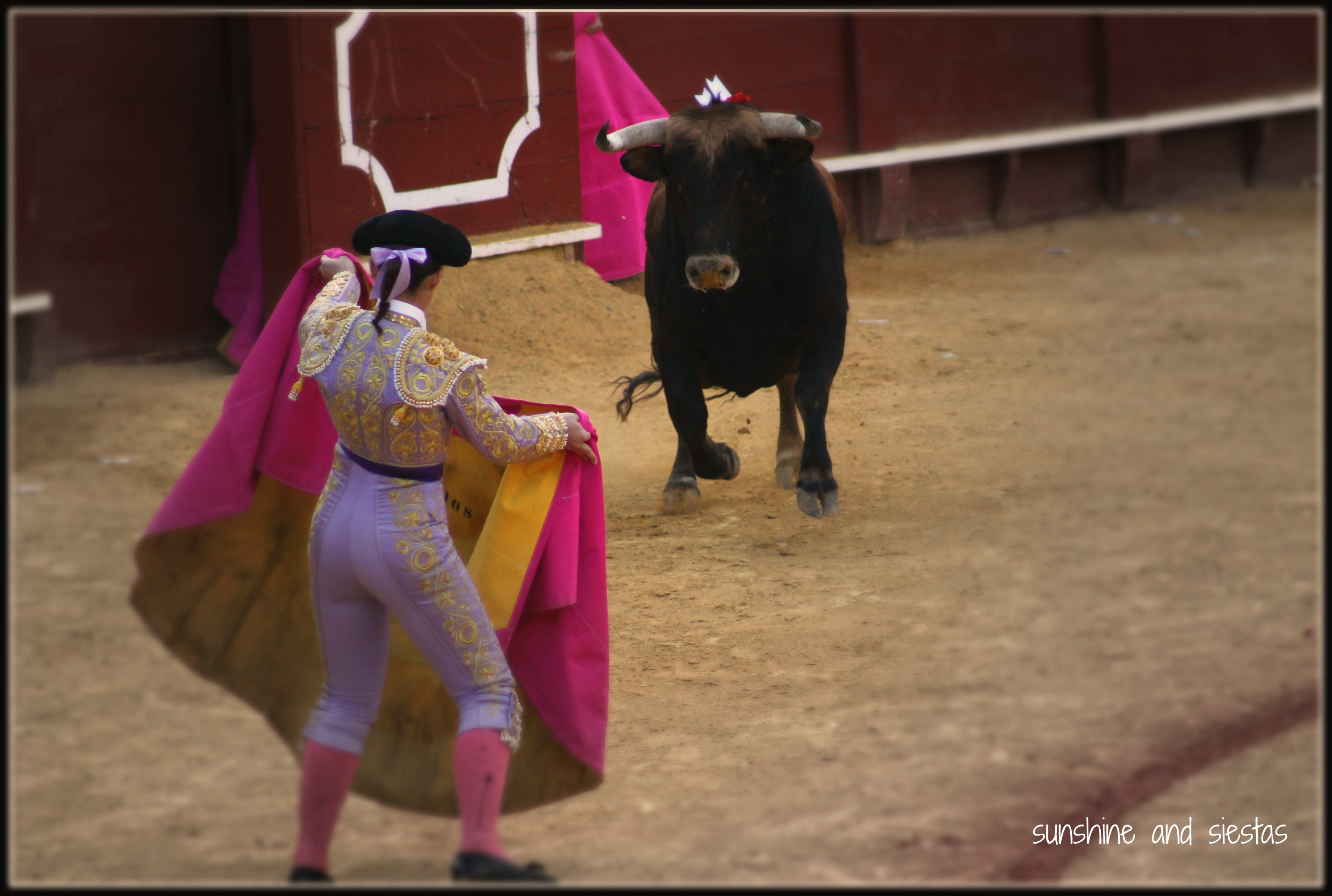
At 7pm sharp, the Puerta Gayola opens and the sounding of two cornets pierce the silent arena. Out comes Medialuna, and his statistics are announced on a placard over the door. Despite his size, he seems a bit flojillo as Conchi measures him up. Bullfighting is traditionally a male sport, but Conchi is treated equally, her cuadrilla or band of picadores, banderilleros and mozo de espada as grand as any. Using a heavy pink and yellow cape, called a capote, they measure the bull’s strength though a series of passes known as a verónica during the first third of the act. Conchi has a matador’s body and only the lavender colored ribbon in her hair gives away her gender.

The clip-clopping commences and the picaderos enter the ring through a gate adjacent to our seats. Fully armored, the horses are blindfolded and I cringe as the whole weight of the animal nearly knocks over the horse. A long rod with a hook on the end is driven between Medialuna’s shoulder blades. Conchi’s banderilleros, the three men designated to put the small flags into the bull’s mighty back take wing. The second act of the tragedy comes at a price – the bull is weakened due to the loss of blood, and it seems certain that he will meet his end. The small banderillas are fashioned after the Spanish, Andalusian and Murcian flags, paying homage to Conchi and her cuadrilla (from the region of Murcia) and the plaza.

Once the banderillas have been fixed, making the bull look as if it had won ribbons at a state fair, Conchi takes off her montera hat, saluting to the crowd. Now comes the final faena of the fight, where she manuevers the muleta, a small red cape, around the bull, using short grunts and movement to make the animal barge towards her. Though the animal passes far away from her, I’m intrigued by her foray into the sport.

Her first attempt to drive the sword between the shoulder blades, thus severing the main artery and killing the bull as cleanly as possible, is unsuccessful. Before the day is out, we’ll see five more bulls from the novilleros all hoping to present themselves as full matadors in the coming years. Álvaro Sanlúcar has a baby face and seems unsure of himself at times, while Emilio Huertas is so convincing in his second faena of the day, the band finally starts playing a paso doble as he puffs out his chest and taunts the creature.

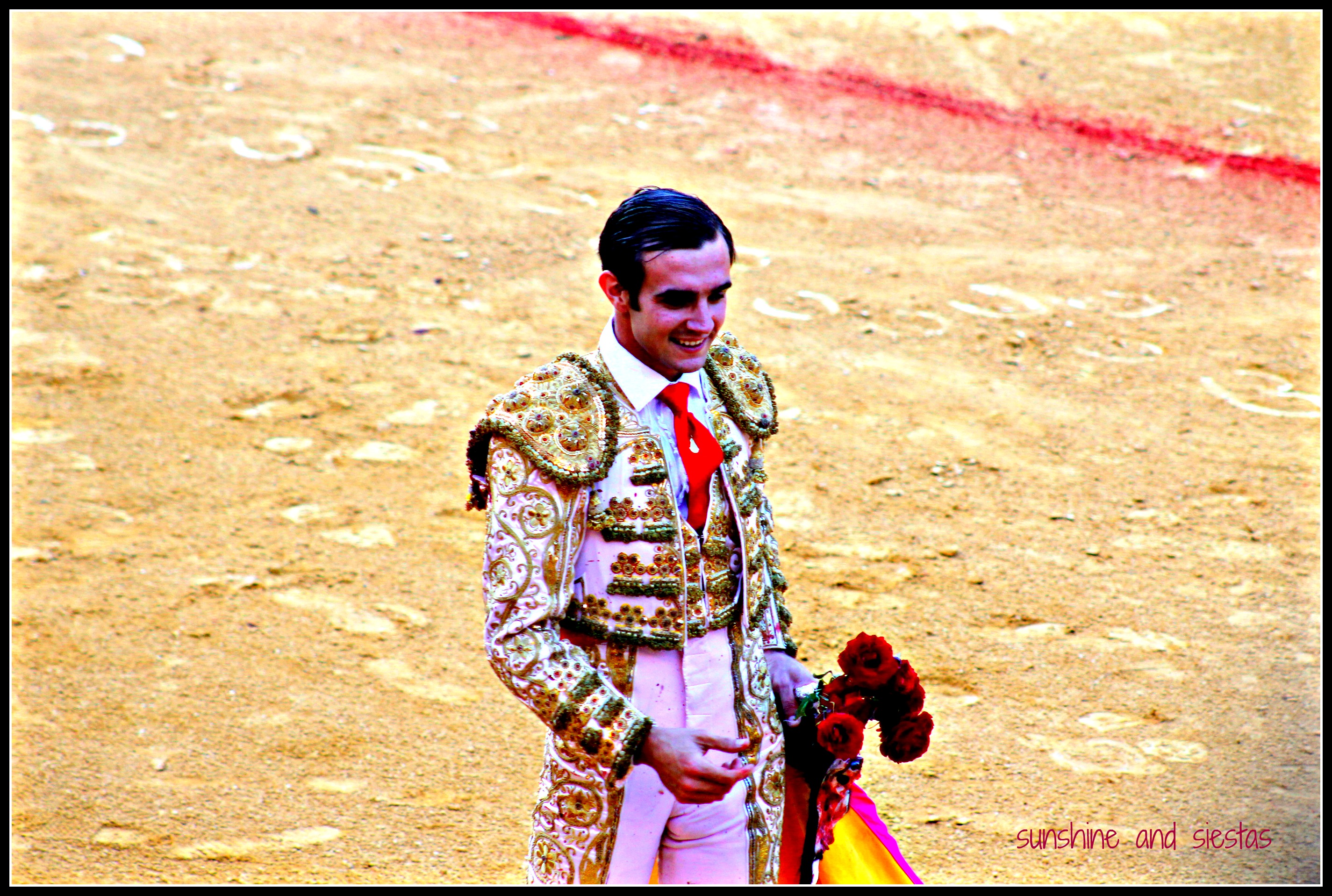
“Oh, he’s going places,” says Cait, our resident toro aficionado. His faena is flawless (well, to me) and his efforts earn a standing ovation from the crowd. I take a kleenex out of my purse and wave it in the air, a petition to the judges to award him a special prize – an ear for his bravery and artistry. The ear is cut, and Emilio humbly takes it. Patting backs and hugging commences as he holds it triumphantly in the air and walks slowly around the ring. Fans throw flowers, hats and even painted fans at the young torero.

Placing his montera back on his head, he catapults himself out of the ring and leaves the last bull of the evening to Álvaro. He’s a fierce one who charges as soon as he catches movement. By this point, I’m already thinking about dinner (and I love bull tail, for the record). The trio walk slowly back out of the gate designated for them when it’s all over, symbolizing their triumph over death.

Not to add fuel to the fire, but have you been to a bullfight? What are your impressions of it? If you’re not into the gory stuff, please vote for me on Kaplan’s How to Teach English blog competion. My entry appeared on this blog last week, and your vote here with my name and blog URL could mean a free iPod for you, too!

Snail Tale, Part 2

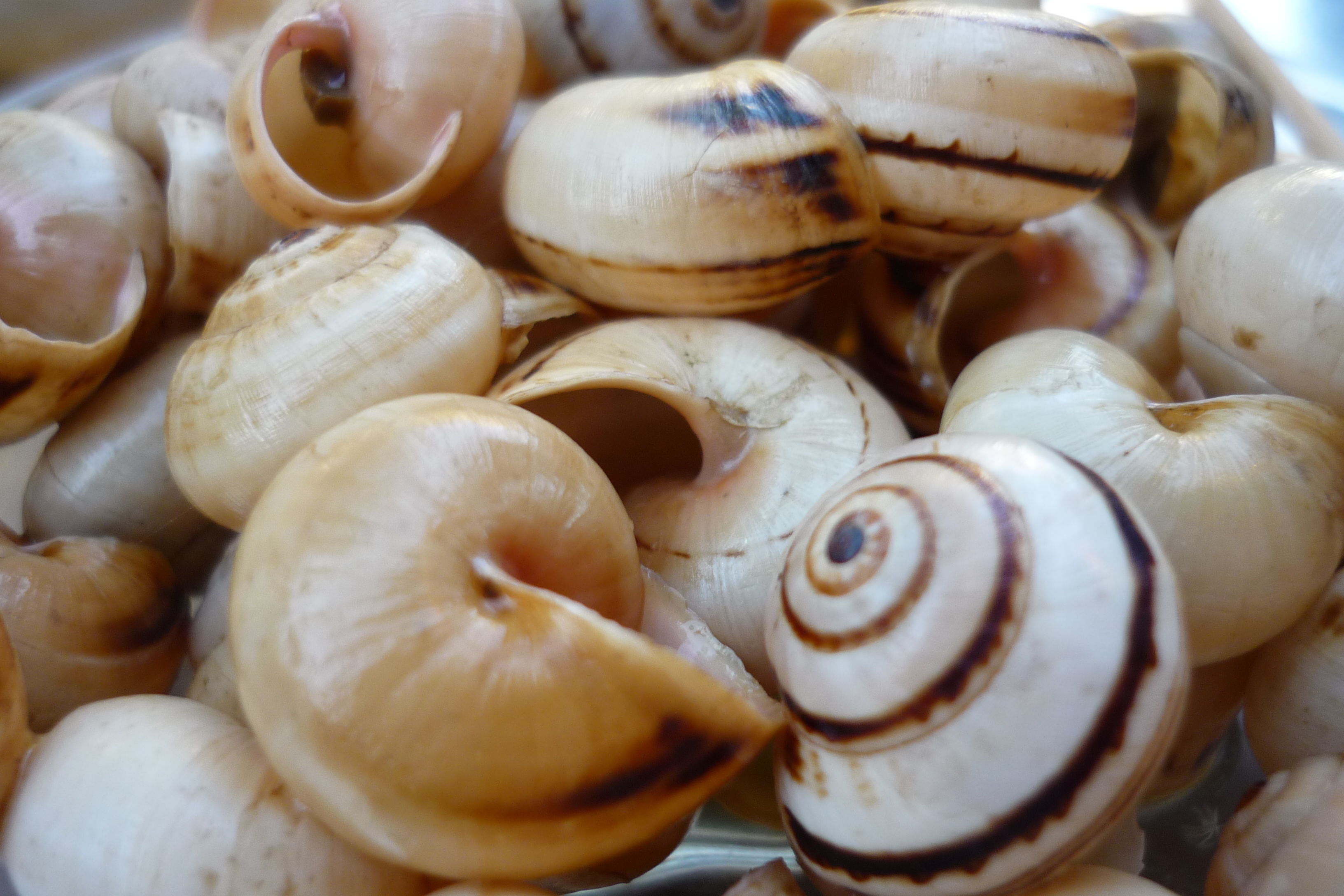
Spring in Sevilla is like a four-act play: incense and nazarenos followed by sherry and sevillanas. Next comes the heat and absence of people in the streets and, finally, signs proclaiming HAY CARACOLES. Snails here.

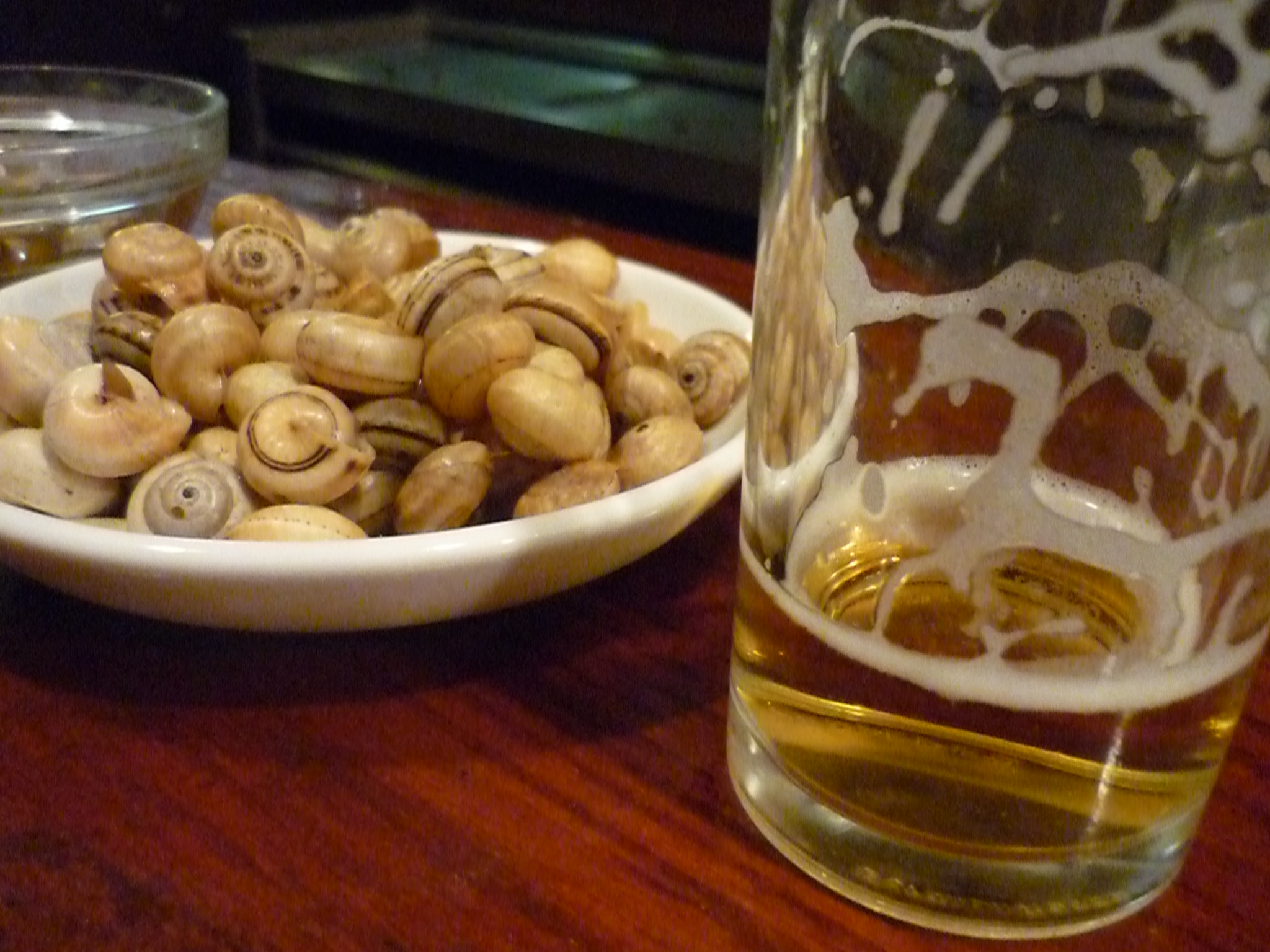
While the squishy little animal is enough to make any American squirm, caracoles are anticipated the same way that we wait for sweetcorn on the 4th. As soon as the temperature cools off about 8 p.m., people flock to the streets to slurp up caracoles.

And when I say slurp, I mean slurp. The snails are cooked in a spicy brown sauce and served in either a tapa or a plate. Though toothpicks are given, most people prefer to just suck out the little brown thing and the juice. If they don´t come out, well, you make a little hole with your tooth in the shell and he slides right out!
Below are my favorite places for snails, taking into account price, ambience and slurpiness.
CASA DIEGO
This tiny little locale on C/Esperanza de Triana is only open during snail season. The critters are cooked in a huge vat while the proprietor pours beer and throws montaditos on the grill. Diego is legendary, from the piping hot, spicy sauce the snails are cooked in to the plates balancing on the empty kegs of Cruzcampo outside. Calle Esperanza de Triana (Triana)
LA TIZA
La Tiza is typical cevercería: old men in pressed white shirts serving you your cervecita, tabbing it up on the wall or on the bar in front of you with chalk. Pictures of Toro Lidia adorn the walls and kids run around your feet. La Tiza has more elbow room for those pesky ones that won´t slide out, and they´re cheap, too – 2,50€ for a tapa is all you need to say for me to be there! Paseo de Europa, (Los Bermejales)
EL CANO
Named for the first sailor to complete a round-the.world trip by boat, El Cano is an old locale located in the old fisherman´s barrio between Heliópolis and Los Bermejales. The tile-lined bar is surrounded by a tall brick wall, perfect for resting your plate on during a warm night. These buggers are a bit more expensive, but slide right out and come extra spicy. This neighborhood has a lot of ambience, too – the fisherman’s chapel is right next door, and if you don’t like snails, the bar has everything from coagulated blood with onions to tripe. (Barriada El Cano)

LOS PAJARITOS / CASA RUPERTO

While this bar’s claim to fame is the roast and peppered birds (hence the name), the Novio swears that the creepies are exquisitos at Casa Ruperto. The bar is nestled into a small, dusty patio between two residential buildings, so it feels like a small block party of friends.  Calle Santa Cecelia (Triana)

EL KIKI

My old student Julián and I used to roam Sevilla while having conversation class, alternating neighborhoods by the month and stopping for beers often. As the caracol season snuck up on us, between the azahar and volantes, he touted Seville’s king of snails at Bar El Kiki. Tall wooden tables crowded the sidewalk under a wide awning, and the snails from Morocco are rumored to be the best in the city. I, sadly, have yet to try. off of José Laguillo (Santa Justa)

As I’m slurping up snails and celebrating Luna’s second birthday (for real! Where does the time go!?), head over to Interway, where I’ve been featured, along with Sarah of Love and Paella and fellow Seville blogger Fiona of Scribbler in Seville, for great expat blogs in Spain!

92 Reasons to visit Seville

In working on an article for The Spain Scoop, I paid a visit to the Seville Tourism Board’s website. On the main page, to coincide with the World’s Fair in Seville’s 20th anniversary, the board proposes 92 reasons to visit Seville.

Among my favorites are things I enjoy about living here, like 88 (eat a montaíto de pringá), 74 (buy a flamenco dress),  55 (eat el jamón bueno bueno) and 58 (sleep a siesta). Then I remember the insane amount that I still have before me to do, like visit Doñana National Park, spot the Duquesa de Alba, see the Derbi between Mi Betí and Sevilla FC, walk el Rocío to Almonte.

I do think they gave up towards the end, as the last reason is, because you feel like it. So, so sevillano of you, VisitaSevilla. But who really needs to list 92 things to do in and around this glorious city whose history stretches back over 2000 years, whose sunsets are breathtaking and whose cuisine is tó lo bueno. Seville is more about feeling it and living it than seeing it.

Take a look, and tell me what’s on your Seville itinerary, or the reasons you’ve been here before. The Tourism Office hooked me up with this year’s Fiestas de la Primavera poster, and it can be yours if you’re chosen!

An Inside Peek: The Ayuntamiento of Seville

For all of the places I’ve visited in Seville, several are behind closed doors, off-limits to me and the common folk: Palacio San Telmo, cloistered monasteries rumored to be breathtaking, that silly old pijo club in Plaza San Francisco where you need a member’s card to get a gintoncito.

Thankfully, many of these clandestine places open their doors during special feast days and holidays, and Seville is no exception. The Morón Air Force Base holds an annual public day before Christmas, and Andalusia Day means places like the Parliament and Town Hall are open during the Jornadas de Puertas Abiertas, and last year I got a peek of the city’s newest museum, the Antiquarum. No work in city offices = come one, come all.

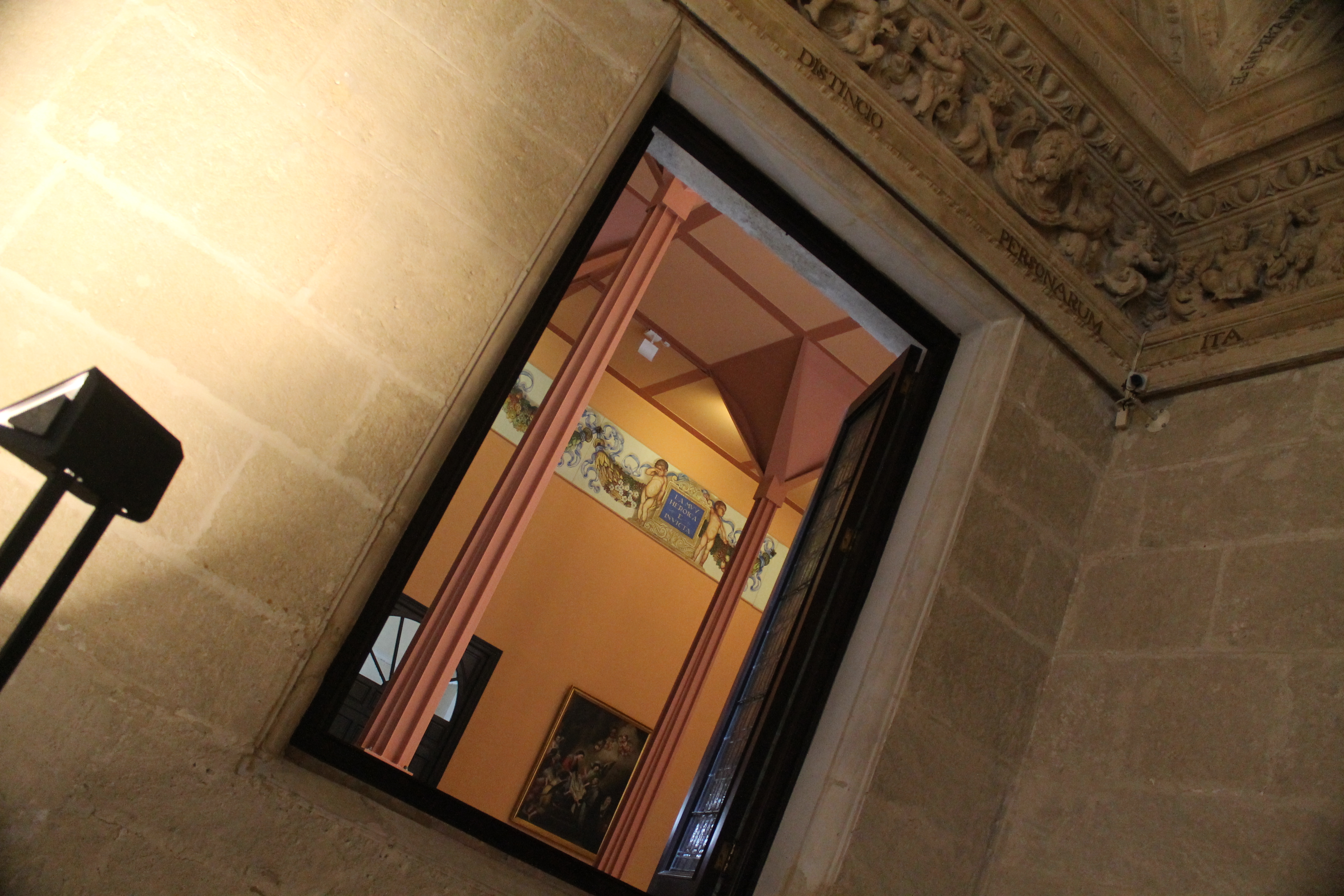
Laying between Plaza Nueva and Plaza San Francisco, Seville’s town hall building, called the Ayuntamiento, is a 16th Century stone brick that houses the local government. Everything to budget cuts to weddings take place here, and the plaza that lies out front is home to the city Christmas tree, protests and large-scale outdoor markets, as well as where the “ball drops” on New Years Eve.

While the stately building’s neoclassical design is as beautiful on the outside Eastern façade as it is on the inside, I was more transfixed by the details, both ornate and emblematic of Seville.

Related Posts Plugin for WordPress, Blogger...