My 2013 Travel Round-up

Leonor predicted it – she said she thought 2013 would be my year. Apart from earning a master’s in Public Relations 2.0 from the Universidad Autónoma de Barcelona, I did big things in travel: crossing off a major goal from my life to-do list, traveling to my 30th country and celebrating world-famous festivals.

Oh, and I got a promotion, too!

2014, you better live up to this year in travel, one in which I visited five new UNESCO World Heritage sites, 30 cities, and eight countries, and took nine round-trip flights and a boat. I also walked 325 kilometers across Spain for charity.

July

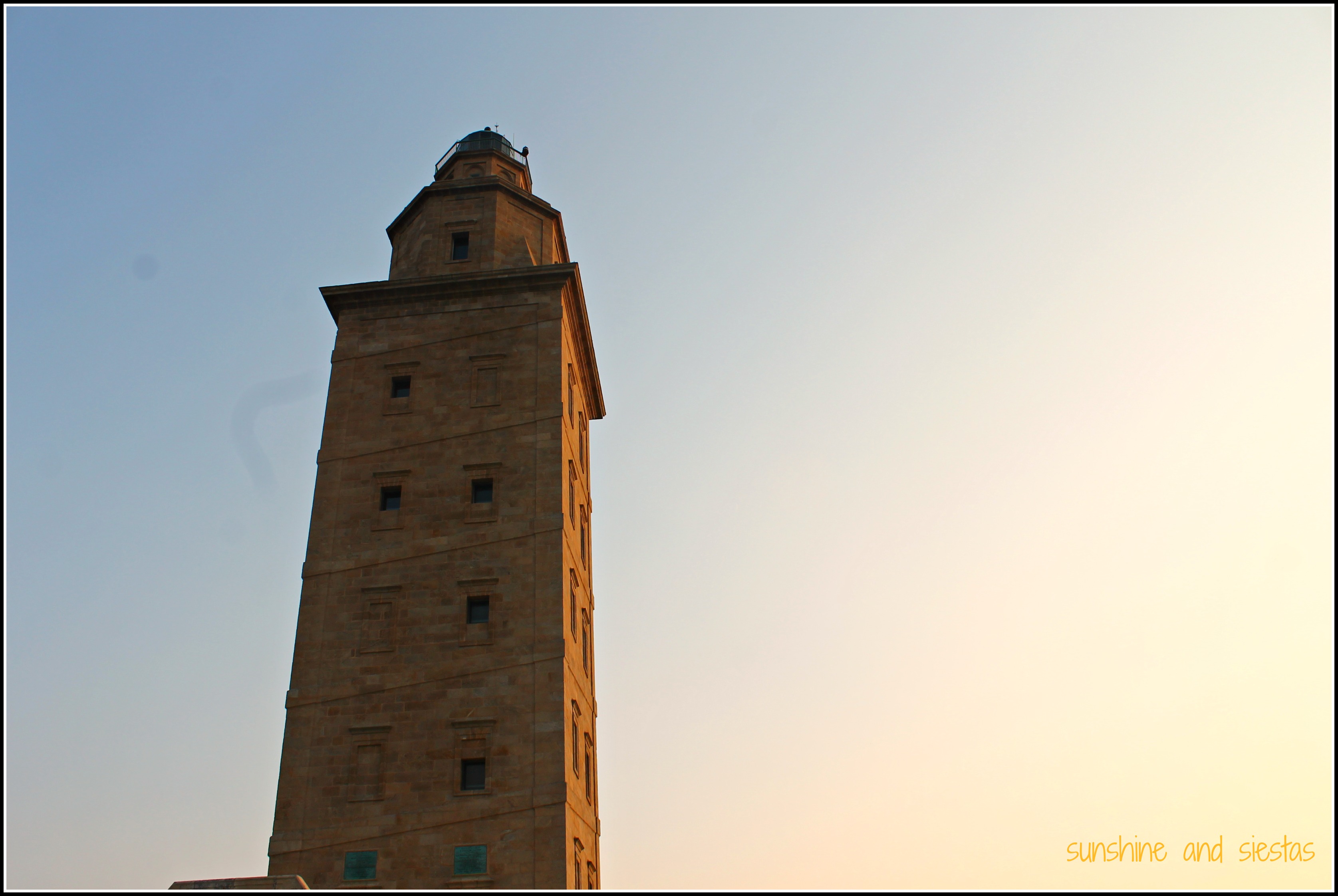
For the fifth straight summer, La Coruña welcomed me with sea breezes, seafood and a smattering of festivals. I love returning to a city over and over again that I truly enjoy, and Coru is one of those places. The rain held off for all but the first and last day of camp, meaning a bit of beach time and more freckles.
It wasn’t all fun and pulpo, though, as I was working on the oral defense of my master’s thesis project, one that dealt with promoting Marca España in the US. I wish I could say that this blog was enough, but, alas, I had to catch a Vueling flight to Barcelona in the middle of camp. In 20 hours, I had flown across the country, met my group members for the first time face-to-face, had the Powerpoint stop working when I got to the numbers part of our presentation (for real, these things only happen to me), and then flew back with a 9,0 in the presentation and the need for a small celebration.

Once camp had wrapped up, I sent my rebajas-laden bag to Seville and traded it for a hiking bag and boots. I stopped in Oviedo to visit my friend Claudia and take in the pre-Romanesque churches of the city before spending the night in Avilés.

You know what follows.

August

When August hit, Hayley and I were about ten days from reaching Santiago de Compostela by foot. Traipsing through Northern Spain with our own two feet was at trying as it was rewarding, and I learned a lot about myself in the process.
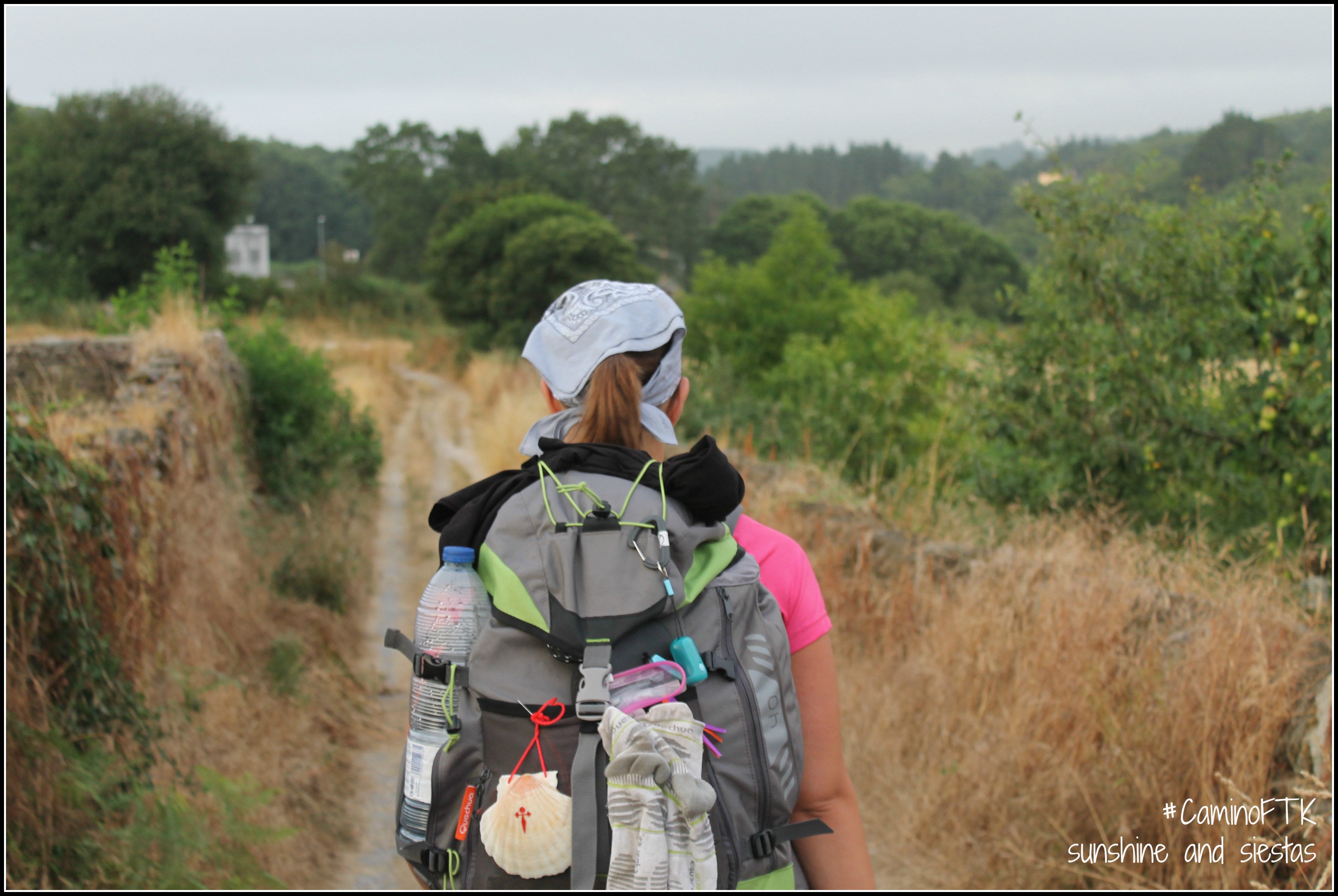
Luarca, Ribadeo, Vilalba, Playa de las Catedrales and Cudrillero got our touristic euros, but I think we gained a lot more than we thought we would.

We reached the Cathedral of Santiago de Compostela before Pilgrim’s Mass on August 12th. Going home, I experienced an enormous slump where I found decision making difficult, the heat unbearable and a body that just needed to move, move, move.
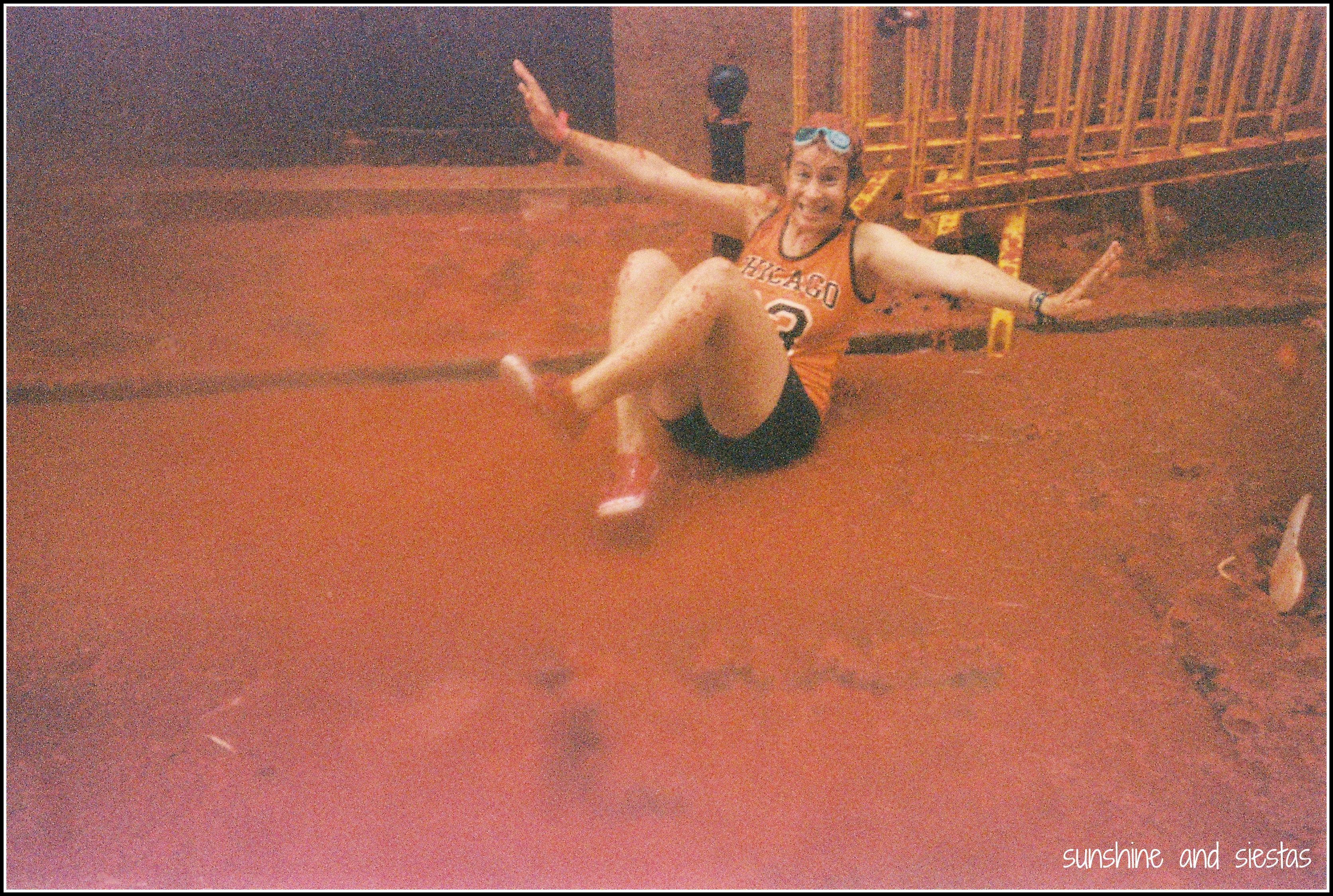
That didn’t last for long, because I had purchased tickets to go to the Tomatina. For an American, this is one of Spain’s claims to fame, and though I had a great time slinging rotten tomatoes, I’m not keen on going again.

September

I began the new school year with a new job title – Director of Studies – and new responsibilities. After a successful start (just a few hiccups!), I traveled to Frankfurt to visit my cousin, Christyn, who works in Kaiserslautern. We took an overnight bus to and from Munich to attend Oktoberfest.

As a beer lover, I think this was as close as I’ll ever get to Nirvana.

October

I traveled locally this month, going to a fancy dinner party in Jerez at a bodega, and then rekindling my love with the province of Huelva by attending their ham festival.
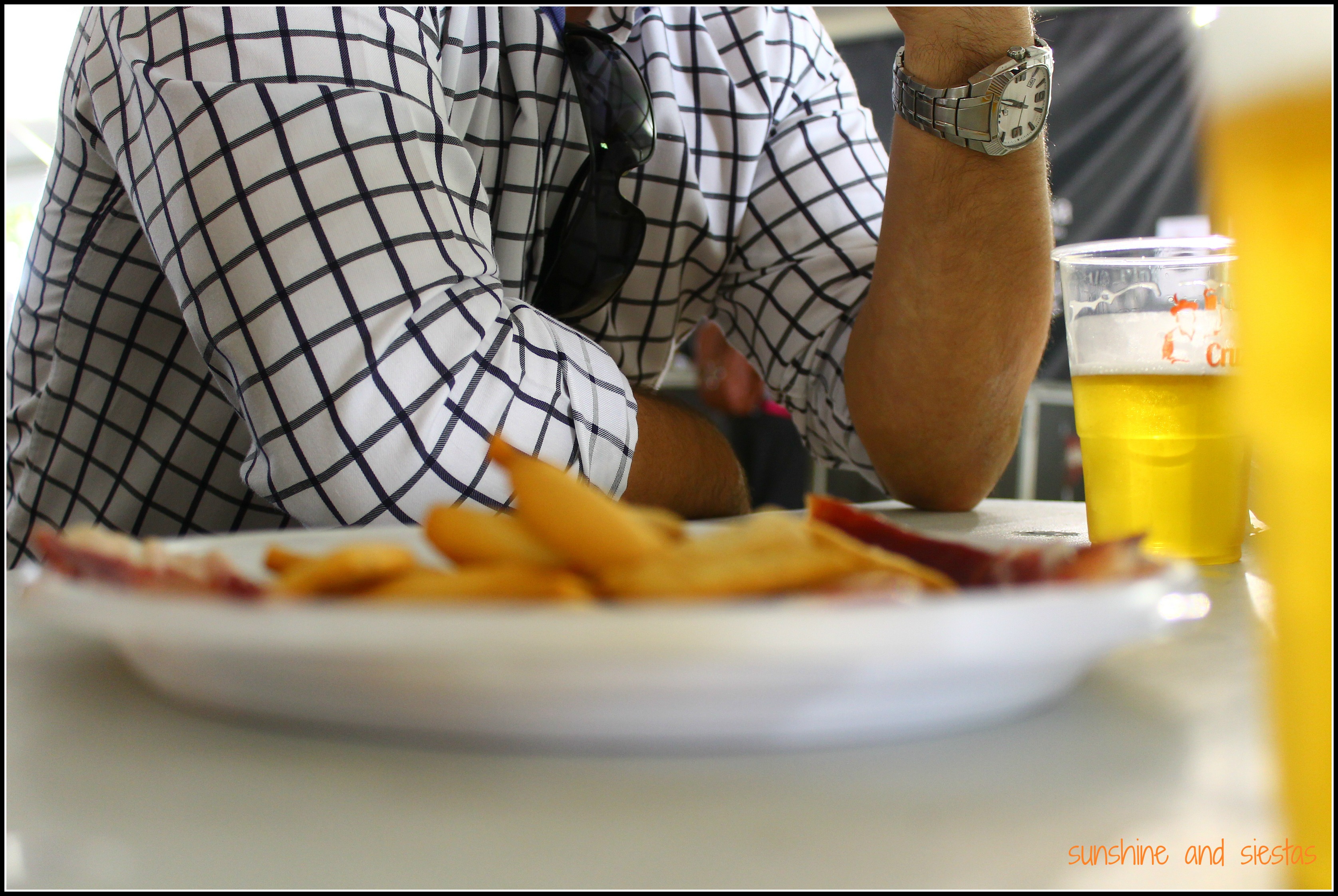
We ate and drank all weekend. Perfect.

November

November found me in Malaga twice – the first time was for a conference of Anglo Writers and Bloggers About Spain held in Pedragalejo. We got a warm sunny weekend, and spent the days under a tent at OnSpain, an innovative language school just steps from the beach. Hayley and I launched our up-and-coming business idea, as well as met other bloggers, like Molly of Piccavey.
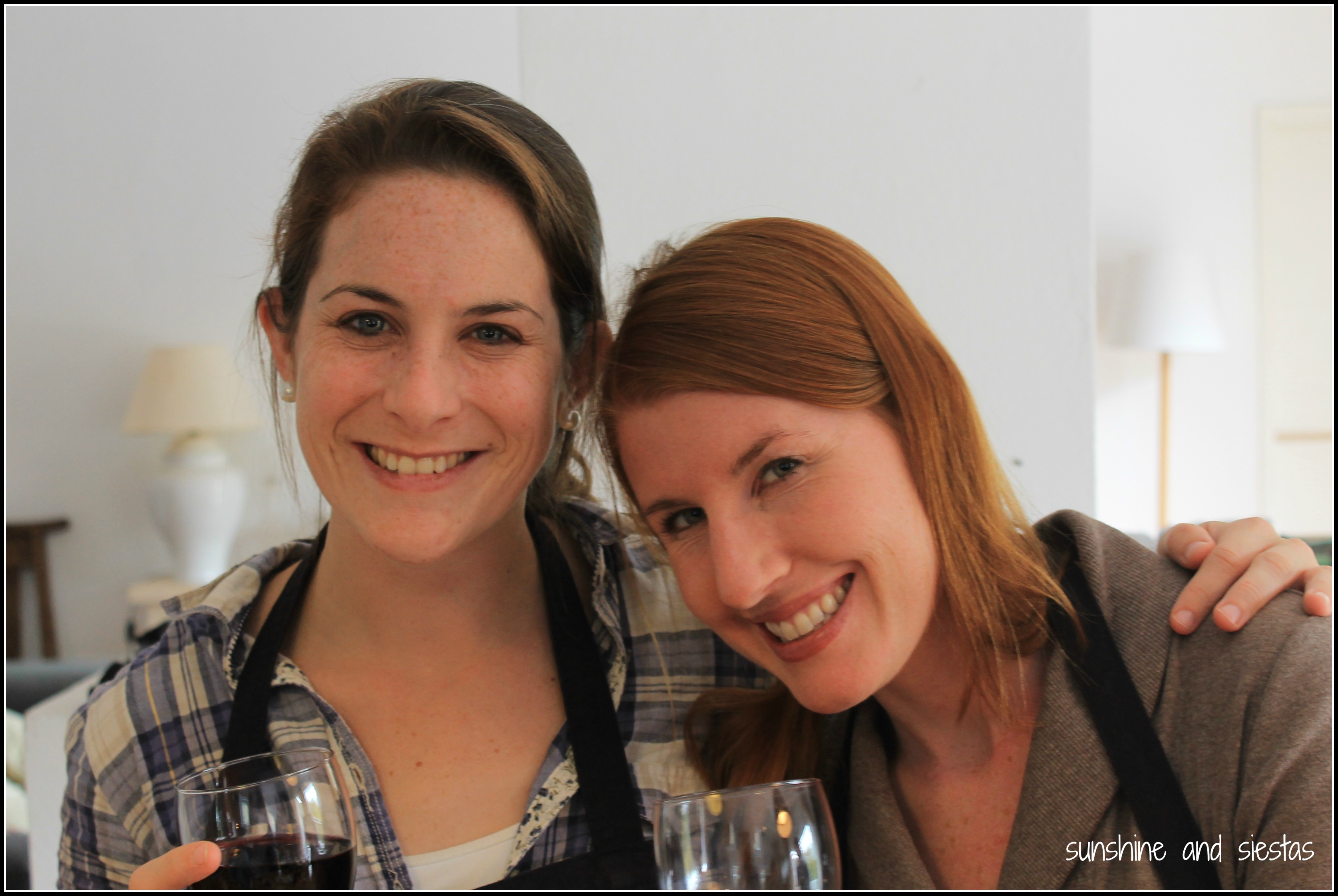
Later that month, Mickey and I were invited to take part in A Cooking Day in the Malgueño countryside. While we got horribly lost, we did spend a morning picking fruit, and the afternoon cooking up local specialties  and eating, enjoying the Spanish sobremesa until it grew dark.

December

The Novio and I finally escaped to his village, San Nicolás del Puerto, for the first time since June. In a town with not much to do, we find time to relax (although I did get a turn as a farm hand!) and attend a festival for one of the patron saints, Santa Bárbara.
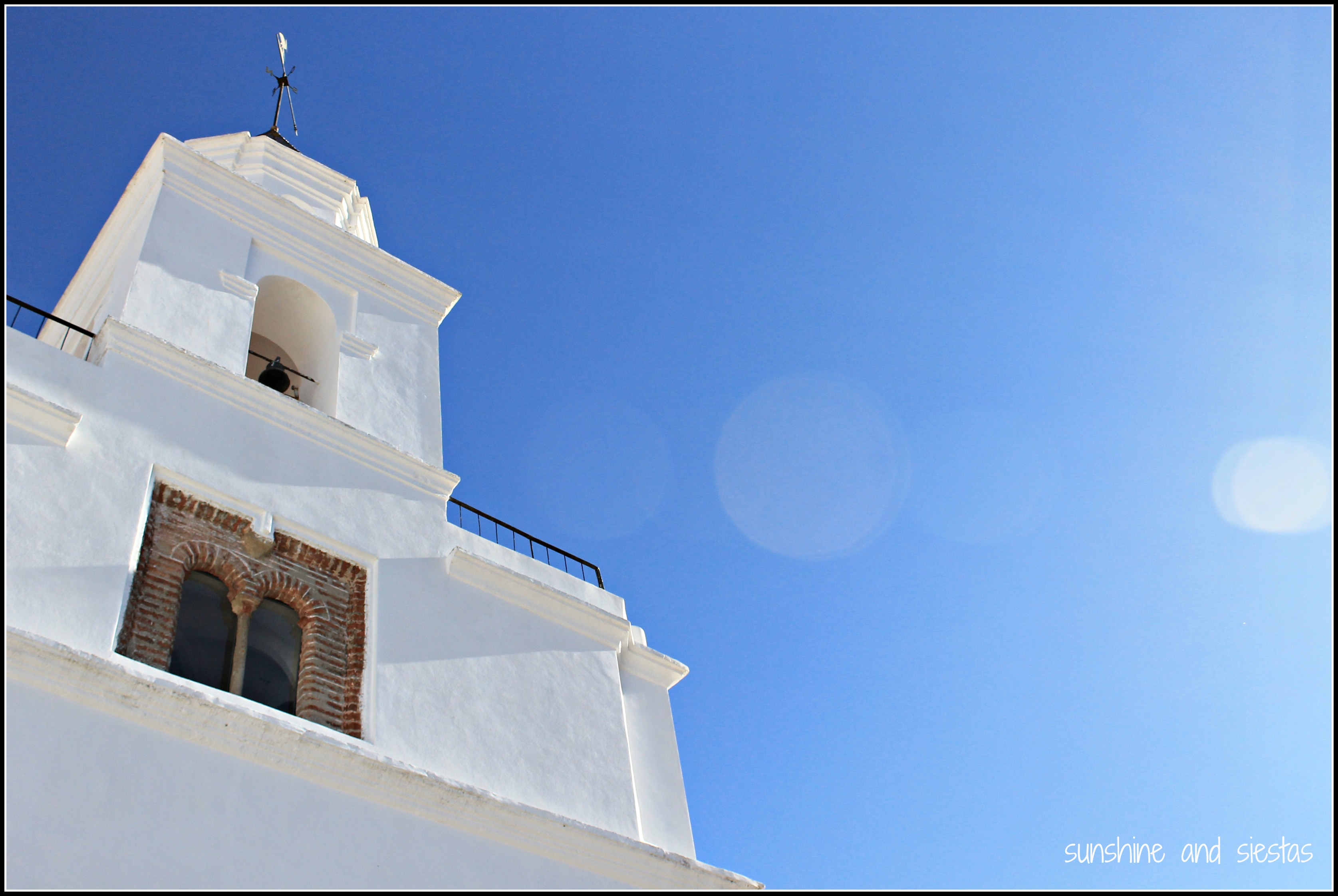
December also brings me back to Munich, but this time I actually get to see some of the city!

Currently, I’m somewhere on the Danube River with my parents on a Viking Cruise. Along the way, we’re stopping in Passau, Germany, Salzburg, Vienna, Bratislava (oh goody, a new country!) and Budapest. I’ve already traveled to the majority of these places, but have not written about them on Sunshine and Siestas, surprisingly!

Then I’ll spend the 31st in the Madrid mountains with the Novio’s family, no doubt thinking about how good 2013 was to me, both personally and professionally.

On Docket for 2014

These itchy feet only have two things on the agenda for 2014 so far: a weekend in Tenerife visiting my friends Julie and Forrest, and a trip home to Chicago. I’ve also got to get to Trujillo from an invitation from Trujillo Villas, and am hoping to make Toulouse, Jaén, Ceuta and Dublin happen.

What did your year in travel look like? What’s up for 2014?

A Por Ellos: What to Know Before Attending a Spanish Soccer Game

My first true sports love was the Green Bay Packers. Growing up along the border of Wisconsin-Illinois, my classmates were divided between Cheesehead lovers and the Monsters of Midway, making the Bears-Packers games something of legend. Nevermind the fact that I was born the year Ditka took Da Bears to Da Superbowl – Brett Favre and Vince Lombardi were my childhood heroes, along with Nadia Comaneci.

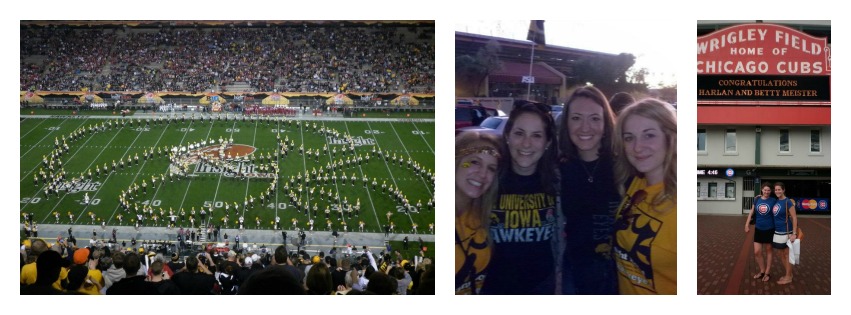
I soon took up a profound love for my university team, the Iowa Hawkeyes, as well as the Chicago Cubs, both perennial underdogs in their leagues. Then I up and moved to Spain, where no pigskins or baseballs are readily sold. I’d have to choose between tennis, synchronized swimming or fútbol to satisfy my sports cravings.

Thankfully, fútbol is sacred in Spain, and I was soon watching games every week with friends around the city. I learned the names of all the players on the Spanish national team and followed them earnestly (I even jumped into the Cantábrico when they won the World Cup in 2010, one of my fondest memories of my time in Spain). But I never answered the question so many students posed: ¿Sevilla ó Betis?

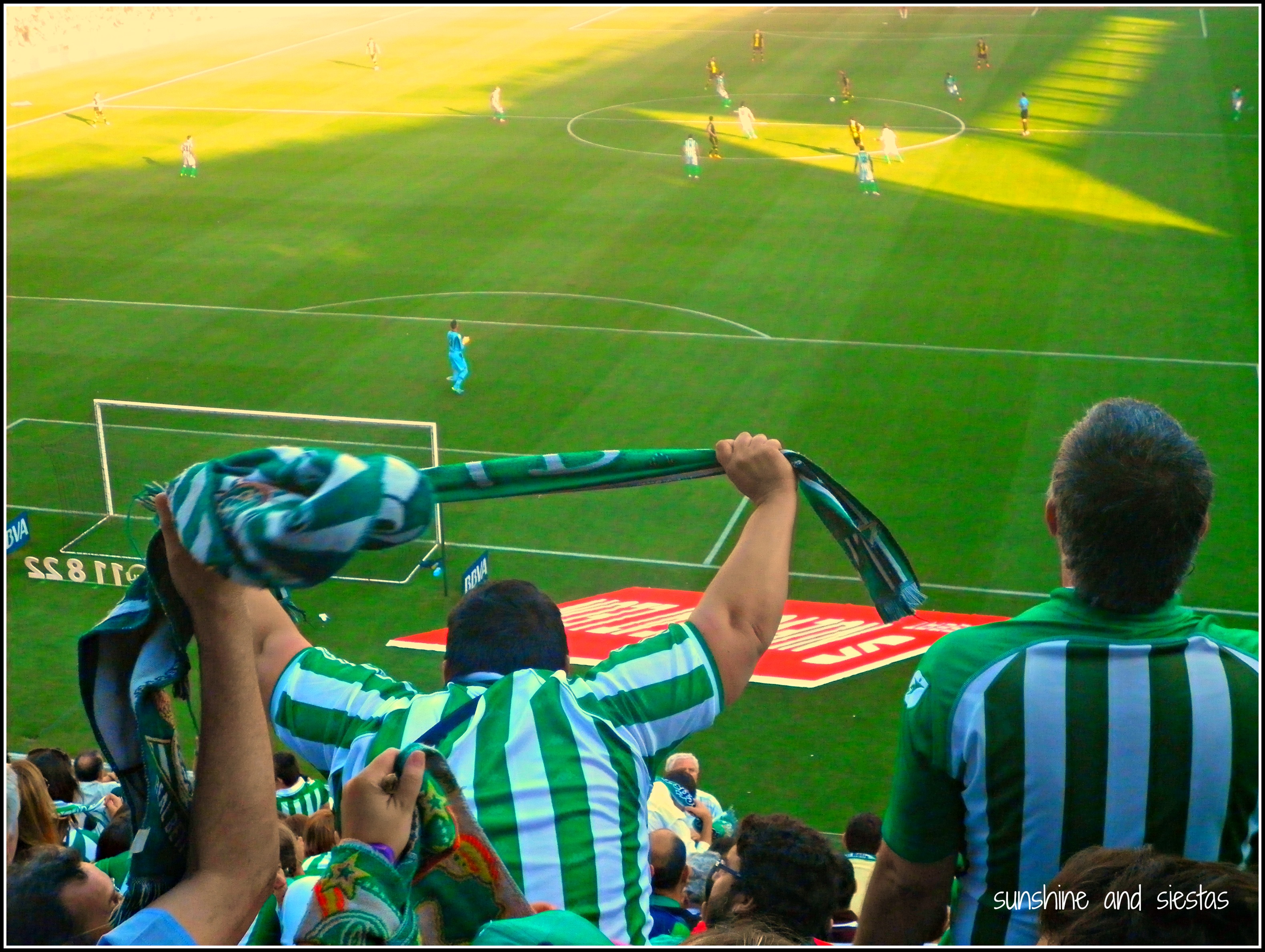
Thanks to some earnest friends and invitations to Estadio Benito Villamarin, I have become bética, which is Seville’s lesser-known team and home to one of Spain’s biggest fan bases (true story: there’s a Peña Bética club in NYC). Friends like JM, the Novio, Manuel, Pedro and even my former boss sold me on the idea of the underdog, the verdiblancos whose reputation took a beating in 2009 when they descended from the top Division Primera of La Liga into Segunda, where they spent two seasons. I attended the match late in the 2011 season los de la Palmera secured enough points to ascend back to Primera, and my heart swelled. That was all it took – living on the borde of a victory or a terrible defeat, the colorful ways the fans would insult the refs, the other team, even their own players and coach. If Barcelona Futbol Club is “Mes que un Club,” Betis is more than a feeling.

Note to self: it’s a fútbol team, no need to wax poetic. Besides, this post is about the matches and not my team.

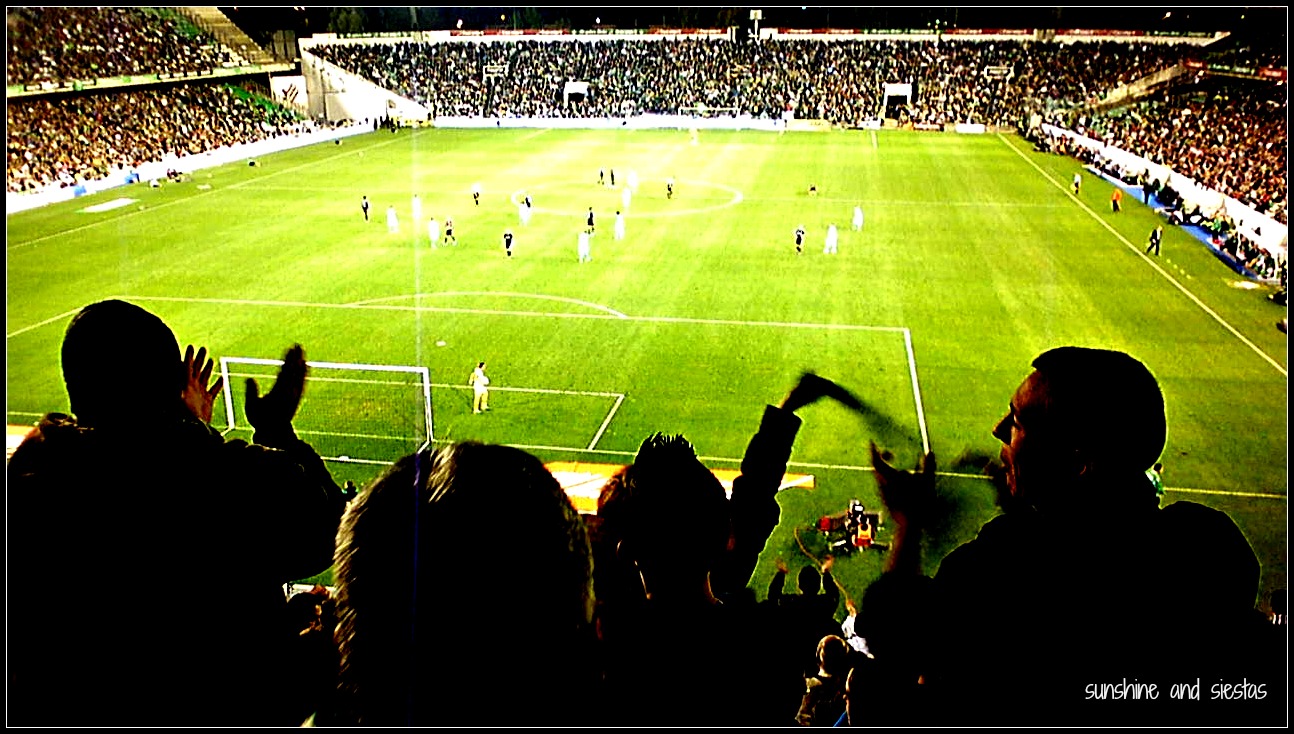
Towards the end of the 2012-13 season, I went to the Derbi Sevillano, a pre-Feria tradition where Seville’s two teams square off. Season records are broken in attendance, and police forces swell to accommodate the botellones before kickoff. Tickets are a hot commodity, but the Novio’s business trip meant Emilio and I would be squished together in Gol Norte, cheering on our afición.

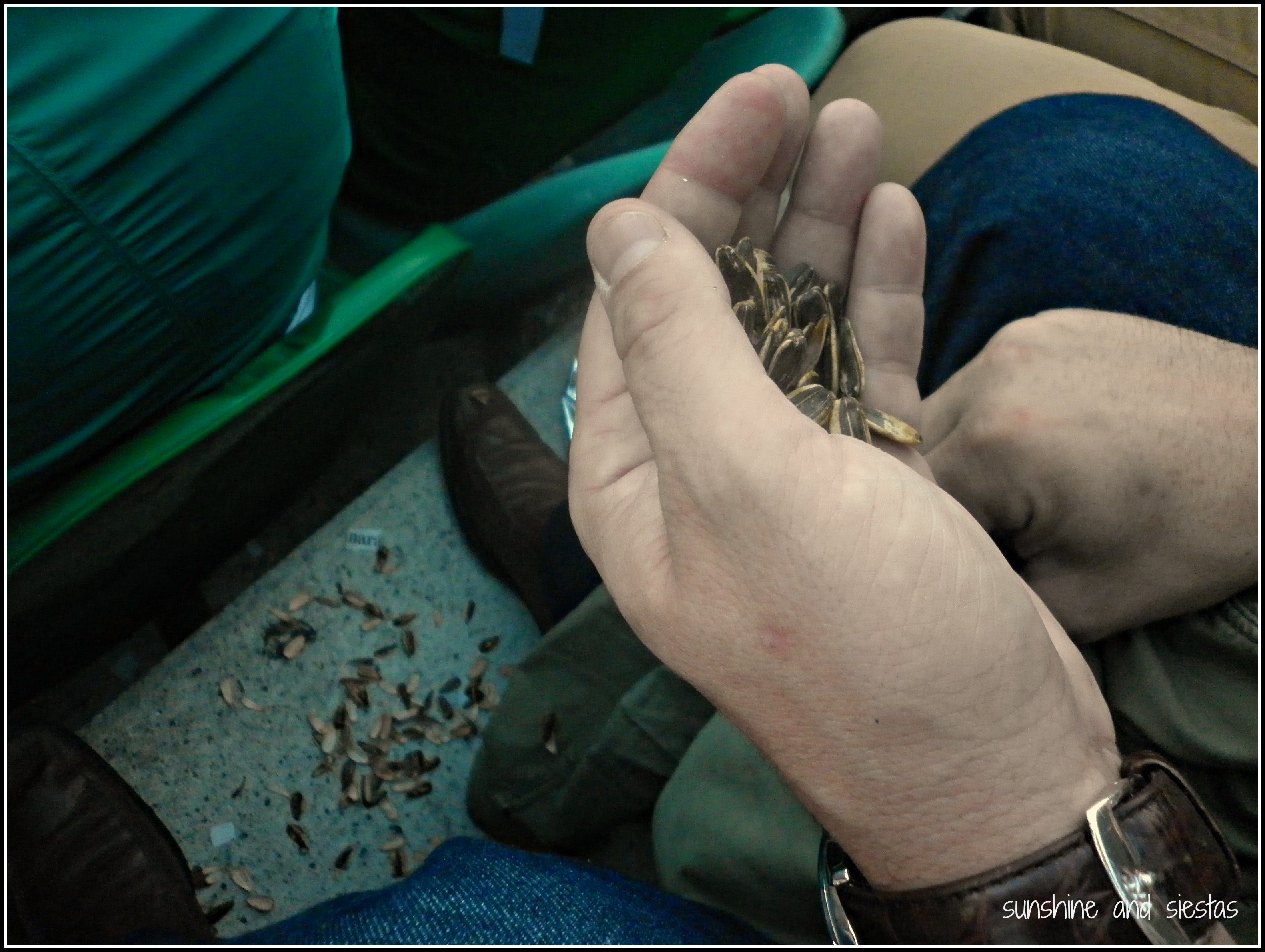
Attending a match with socios is a lot like attending a reunion – everyone knows one another, passing around packs of sunflower seeds and glasses of wine. Everything is debated and criticized, from calls to inability to stop goals. People go hoarse slinging insults at the other team (or even their own), hugging and giving slaps on the back when the team scores or has a good rebote. The two halves pass by quickly when you’re up, or excruciatingly slow when you’re down.

For my birthday last week, the Novio bought Emilio’s season passes off him, so we’re in for another season of debilitating defeats! The season started last week and will last until June, then it’s World Cup time again! Move over, Cubbies, attending a Spanish fútbol match is a whoooole new ballgame:

Understand the Organigrama of the Liga BBVA

The BBVA Spanish soccer league is composed of 20 teams in the top tier, called La Liga in Spanish and is one of the most-watched leagues in the World (duh, Spain has won the 2008 and 2012 Euro Cups and the 2010 World Cup). Each team plays a schedule of two rounds against the other teams, once home and once away, for 38 weeks, each called a jornada. Depending on match outcome, the teams earn up to three points, and they accumulate points throughout the season.

The team with the highest amount of points is crowned Campeón de Liga, and often clinches the playoff title, too, and the three lowest scoring teams are automatically moved down to Segunda División. Teams at the top of the second tier are welcomed back into the Primera División, and there is a playoff to determine the last spot. You’ll often see people at games who are also following other matched with their mobile phones or radios, jotting down points scored during the week and configuring where their team stands at the end of the jornada.

Not that you’re interested, but there’s also Segunda B and a Tercera División (an American friend of mine played for Albacete, who is in Primera B, thus making himself way cooler than anyone else I know).

But what about Fernando Torres and Jesús Navas, who play for the Selección Española national team? Many Spanish soccer stars opt to go to the Premiere League in the UK for their salaries and prestige. The same goes for Lionel Messi, who plays in La Liga for Barcelona, but also for the Argentinian National Team.

The bocata is sacred

After you’ve suffered through 45 minutes of tiki-taka, or the juggling between players that is characteristic of fútbol in Spain, the field suddenly empties and fans grab their bocata and can of pop. This, of course, after they’ve had an aperativo of pipas, or sunflower seeds.

Make sure you bring yourself a sandwich for halftime, and make sure it’s big enough to share. It may be a good idea to bring wet wipes for when you’re done, too (or maybe that’s just me).

Know your curse words

On my second day in Seville, my grandmother and I attended a Sevilla Fútbol Club match against Recreativo de Huelva. My grandmother is a demure woman, but fun-loving and open to new adventures. We climb up to the far reaches of the Sánchez Pizjuan stadium, and I settled in between a concrete wall and a man whose stomach stuck out as if to catch all of the pipas falling out of his mouth. Not knowing enough Spanish, my abuelita sat in the empty seat in front of me. I’m pretty sure she got pipas in her hair, too.

Whenever Sevilla lost posession of the ball, the man next to me would shout, JOOOOOOOOOder. joDER. JODER.

Naturally, my grandma thought it was a victory cry, even though the club was up 3-0. She began chanting it, too, and I couldn’t find the heart to tell her that it was a strong explicative because she looked so happy feeling integrated into a very Spanish part of life. Now that I’ve been to several more fútbol matches, I sling insults at players (often from my own team) and the refs with a well-crafted swear word or two. Try it, you’ll love it.

It’s expected to use strong adjectives

It has to be said: Andaluces are exceptionally good at exaggerating, and football is no exception. A well-deserved goal becomes a golazo, a blocked goal, a paradón. When discussing plays with your neighbor, be sure to add -azo, -ón, -ote to the end of nouns, and súper- and híper- to both nouns and adjectives.

And don’t be alarmed when you see grown men cry, either.

People throw things. Often.

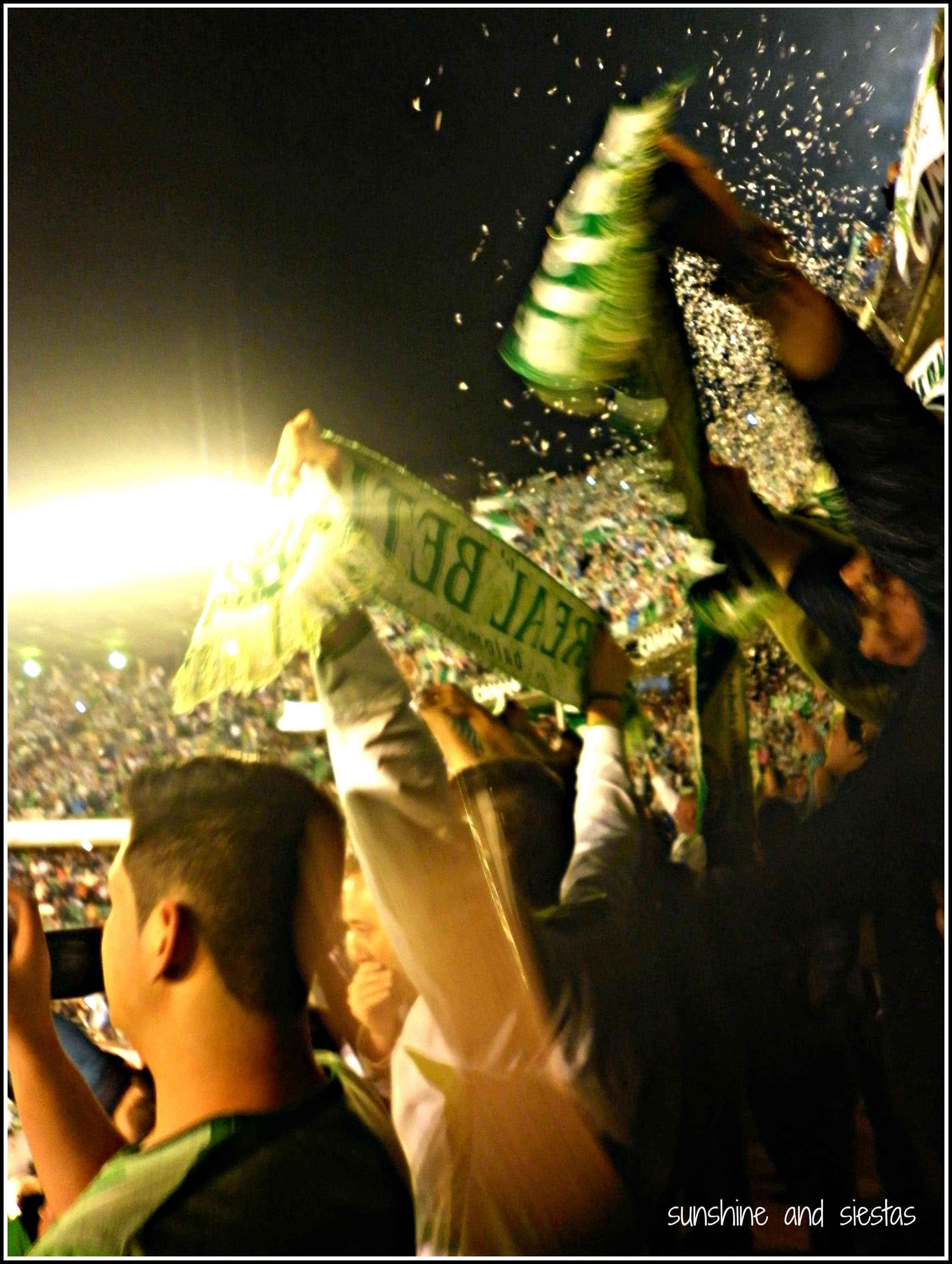
As the Himno del Betis rings throughout Estadio Benito Villamarín, los béticos tend to release millions of paper stars, toilet paper rolls and even paper airplanes fashioned out of the lineup towards the field. Since the Novio and I sit in the first amphitheater, we get everything from the second and third, plus splashes of wine from the guy who sits directly behind us. Rare is the day where I shake my head and only a few sunflower seed shells don’t fall out.

But don’t worry, it’s all in good fun, and it sure beats the time where some Florida Gator fans poured a beer on my head at the Outback Bowl.

Who’s your afición? Have you ever been to a Spanish soccer match?


Seville Snapshots: First Day on the #CaminoFTK

When I wrote this draft on Wednesday afternoon, I was excited to be within five days of hiking the Camino de Santiago, something I’ve been planning do do for the majority of my adult life. As I scheduled the post, got a knock on my door, telling me that a train had derailed just outside of nearby Santiago de Compostela. My thoughts went immediately to the teachers who I’d put on a Madrid-bound train and their well-being, as we had very little information and messages were not immediately returned.

Panic crept into my stomach. That, or nerves, or just that vomit feeling when you know that something is awry.

I opened up my computer and dialed the number for ADIF, Spain’s train operators, and we were told that there were no delays on the overnight train to Chamartiín, which passes through the stretch of tracks between Coruña and Santiago. I breathed a sigh of relief, and then turned on the TV.

The images were horrifying, enough to prick my eyes with tears. 

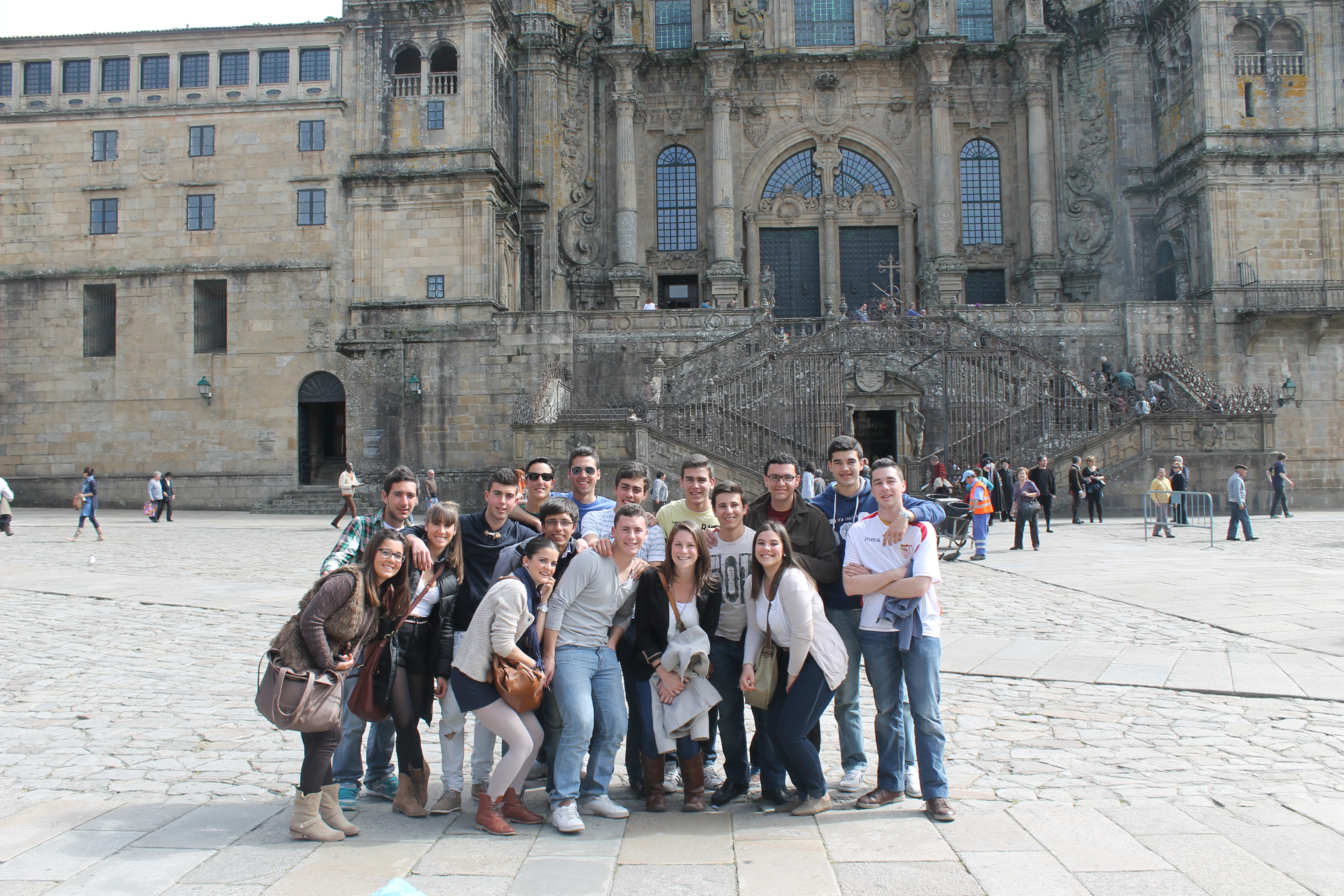
Teacher and students in front of the Catedral de Santiago. Adore these kids.

I’ve attended the Apostol festivities in Santiago de Compostela, celebrating Spain’s patron saint and praying that I’d one day arrive to the ancient Praza do Obradoiro after walking across the country to arrive. Just five days before embarking, the city was marred with a tragedy beyond words, and one that has claimed 80 lives to date.

The calls began rolling in, as my friends and family connected ‘Santiago’ with this pilgrimmage that I’m walking today. While I assured everyone that I was safe in my dorm room at camp, earnestly watching the TV, I thought about the new dimension that this trek might have. By the time we arrive to Santiago on August 11th, the debris will no doubt be cleared, but the emotional scars will still be deep. I’m not a religious person, but perhaps the reflection I’ll do on the hike will make me a more spiritul person. Or maybe I’ll meet someone affected by the tragedy. After all, they say miracles occur on the Way. What I am positive will happen is that the generosity and the humility of the Galician people will manifest itself in a myriad of ways, and that the Camino will change me.

—–

It’s finally here: my master’s is finished, camp has been closed down, and between the stress and the long nights and the teenage STINK, it’s all lead up to the day when Hayley and I get to start the Camino de Santiago. It’s finally here and I could jump out of my skin with excitement.

Depending on where in the world you are, I’ve likely woken up in my four-star hotel (the last real pillow for two weeks), pulled on layer of wicking-laden clothes, and  started the walk in total darkness. Maybe we’ll encounter a rain storm or maybe we won’t. Maybe we’ll strip off our boots and wade in the chilly Cantabrian Sea and get some relief for sore feet and already-forming blisters. Maybe we’ll have met other cancer survivors or their loved ones.

But this is our Camino and we’re finally making the journey.

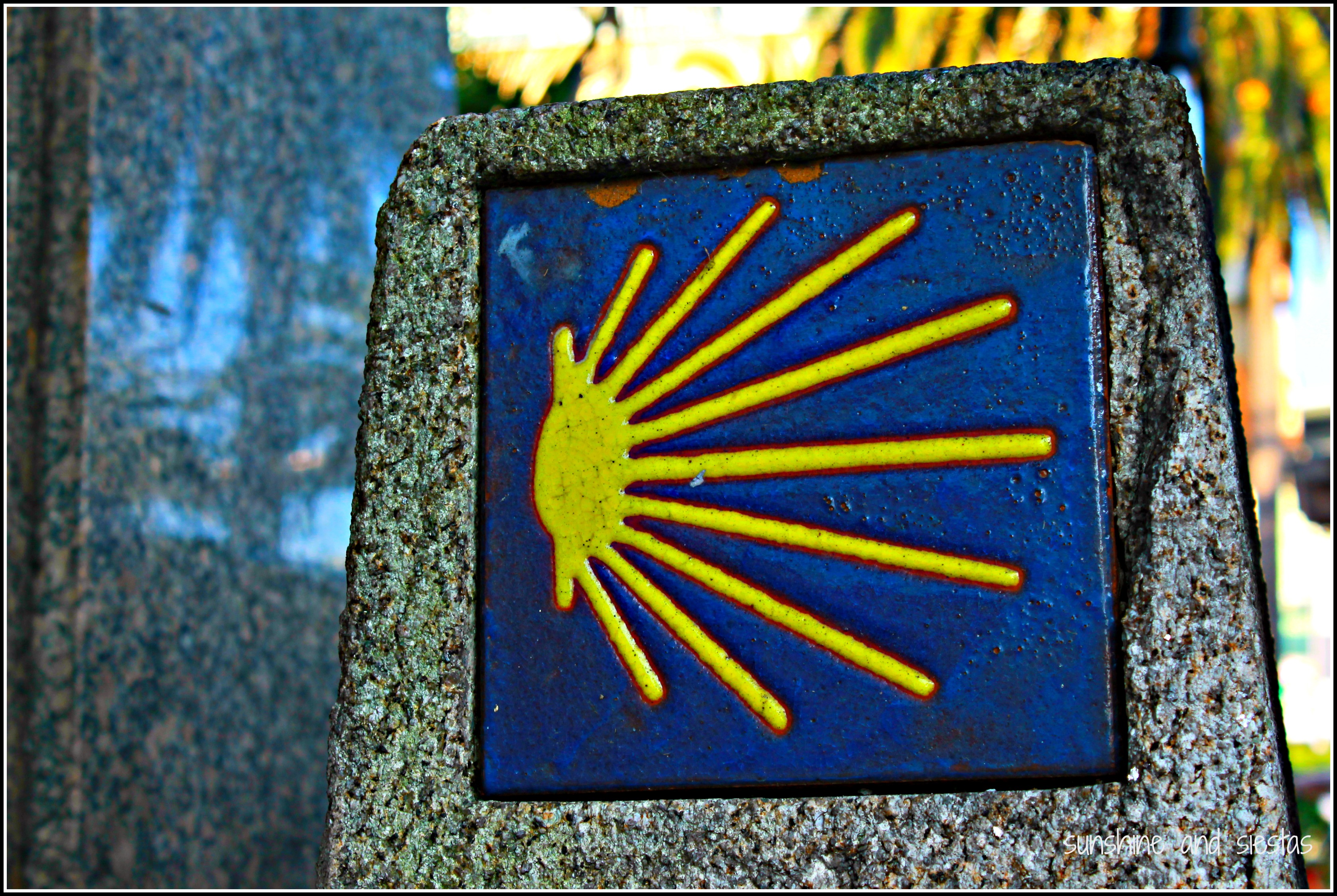
Being in Coruña, less than 100km from Santiago, for four weeks was a reminder and an internal countdown to the 200miles in front of us. The world is literally at our feet, and as my boots and custom Podoactiva insoles hit the pavement while I broke them in around the Crystal City, the yellow-and-blue route markers on the Camino Inglés accompanied me proving that while all roads lead to Rome, a few lead to Santiago, as well. It’s just following the end of that long middle ridge to the end of the road.

As other pilgrims pass in Coruña, I mutter a ‘Buen Camino’ under my breath, not quite sure if I fit the role yet. Surely a 13-pound pack, sore knees and a farmer’s tan will do the trick by the time we reach Soto de Luiña sometime today. Our first stage is a killer 40 kilometers, but it will be a good introduction into what this is all about: Walking. Break for food (and coffee for me). Walking more. Break to ponder and check out the coast. A few more kilometers. Break to tend to feet. Break for lunch. Big glass of red wine. Laughter. Remembering. Looking ahead. And more walking until we arrived to the Plaza de Obradoiro on August 11th.

Follow along with the hashtag #CaminoFTK on Twitter and instagram (@hayleycomments, @caserexpat and @sunshineandsiestas), and definitely click to read all of my Santiago-related posts. I’ve loved reading all of your well wishes, and sincerely thank those of you who have felt motivated to donate to a cause that’s very important to me, the University of Iowa Dance Marathon.

My Travel Round Up from the First Six Months of 2013

My parents, upon my high school graduation (10 years ago…thank you, Atlantic Ocean, for existing and putting distance between me and my fellow Tigers just this once!) gave me a heartfelt speech about how I was always the child who never learned how to walk. I went from spitting up on myself to running, just like I went from college to globetrotter four years later.

There was no better way to start my year than ringing in 2013 with my familia and cousin Christyn in Puerta del Sol. The first six months of the year have been busy (but the good kind), fruitful and happy. I’ve been able to sneak in some travel, my 30th country and finish a master’s in the process.

January

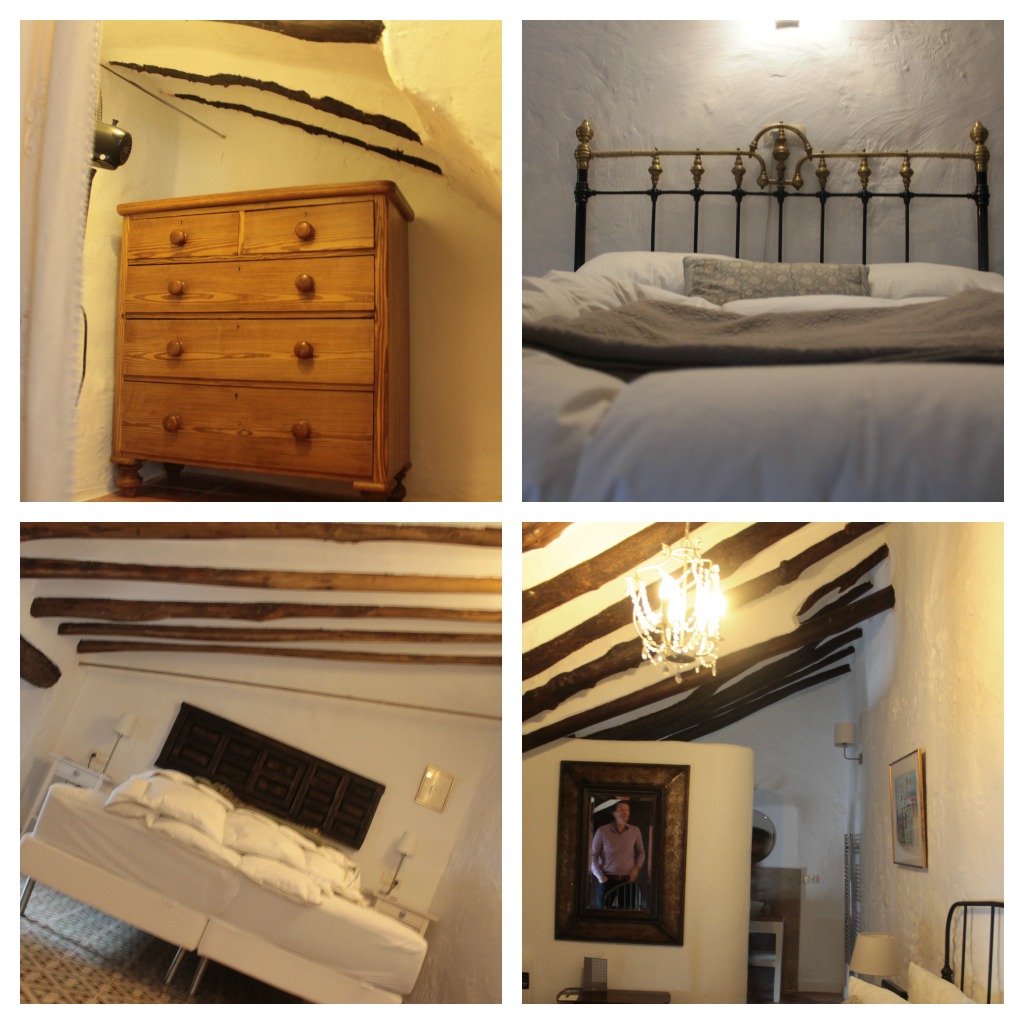
After a trip to Barcelona with my parents and taking various day trips around Catalonia, I returned to work absolutely pooped and with zero ganas to move forward. The chilly weather and the extra responsibility of becoming a training Director of Studies was a lot of work, but the great people at Almohalla 51, Myles and David, allowed Hayley and I to come stay with them at their newly-opened boutique hotel in Archidona.

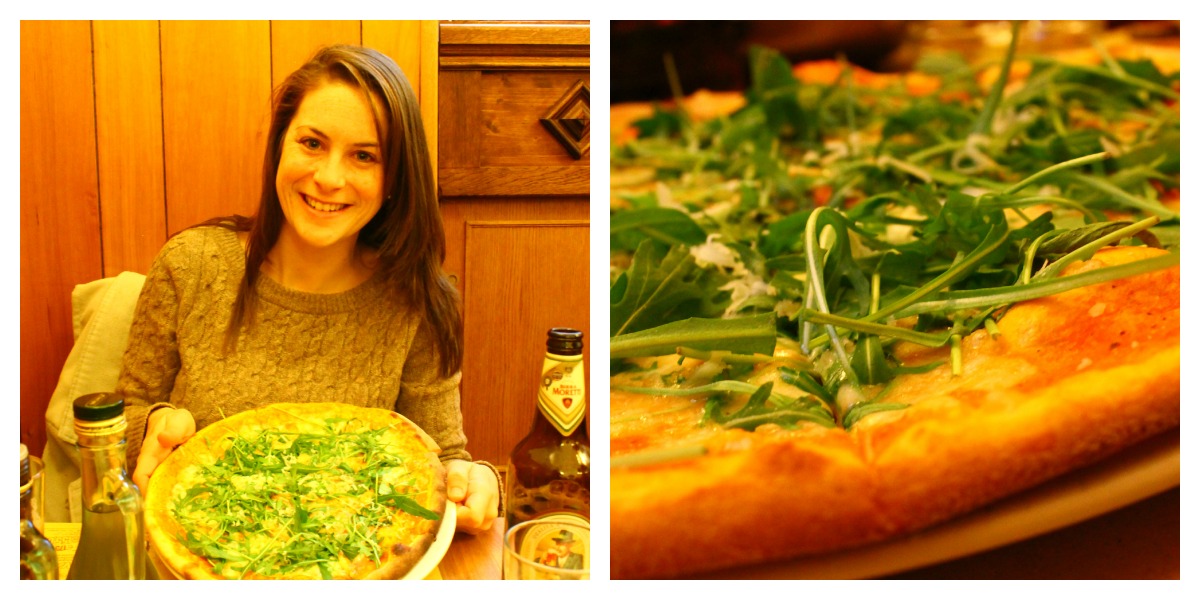
I also looked forward to having the Novio home from his duty abroad. As a late anniversary present, I took him to eat our way through Florence and Bologna. In between bites, we checked out the sites along the Arno, drank copious amounts of espresso and Moretti beer and befriended a Venetian named Peppino. Buona manggia, sí señor!

February

February was quiet, though Angela and Ryan of Jets Like Taxis joined me on a colorful trip to Cordoba. I chalk it up to being a short month.

March

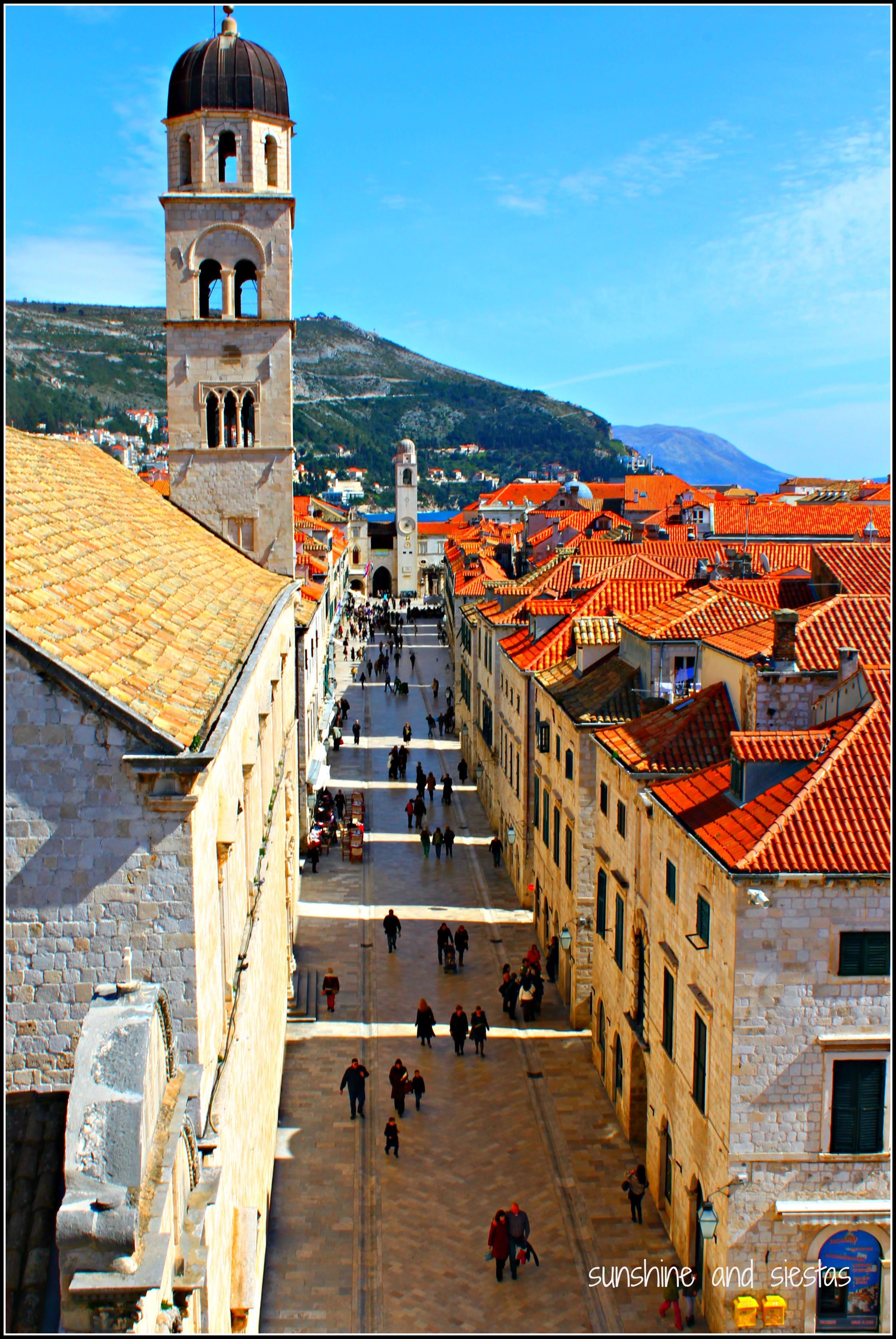
As the trimester wound down, I began to get geared up for my Semana Santa trip to Dubrovnik and Montenegro. Hayley, my Spanish media naranja, and I walked the impressive city walls in Dubrovnik while refueling on cevapi, a spiced sausage sandwich and drinking in the views and local beers at Buza Bar (despite its obnoxious advertising).

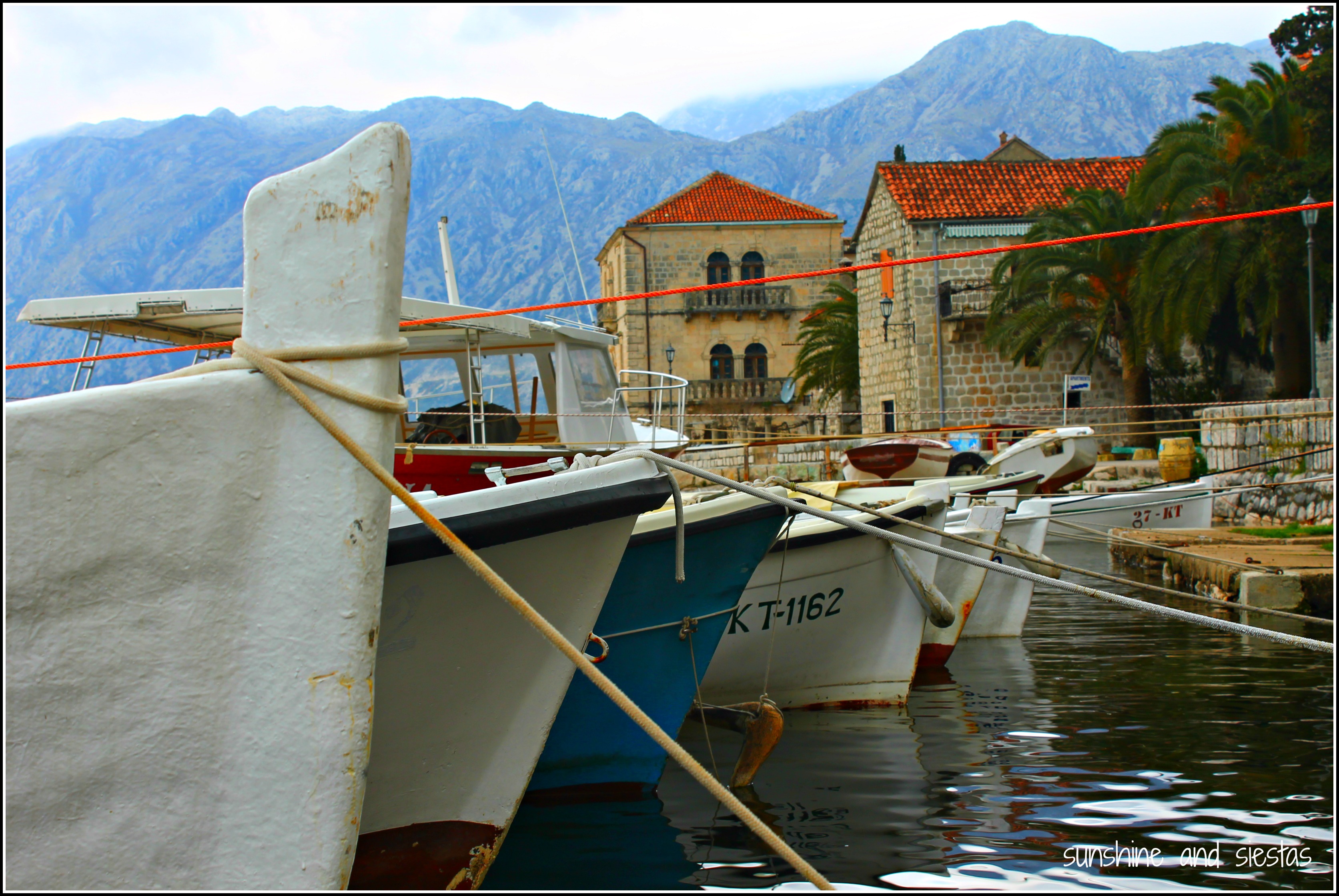
After a few days in the Pearl of the Adriatic, we took a bus across the border to Montenegro, which was my 30th country. While  the weather wasn’t stellar, we were charmed by Europe’s youngest country. The friendly people, the free wi-fi and the views of our roadtrip around the Bay of Kotor made for a rejuvenating week.

April

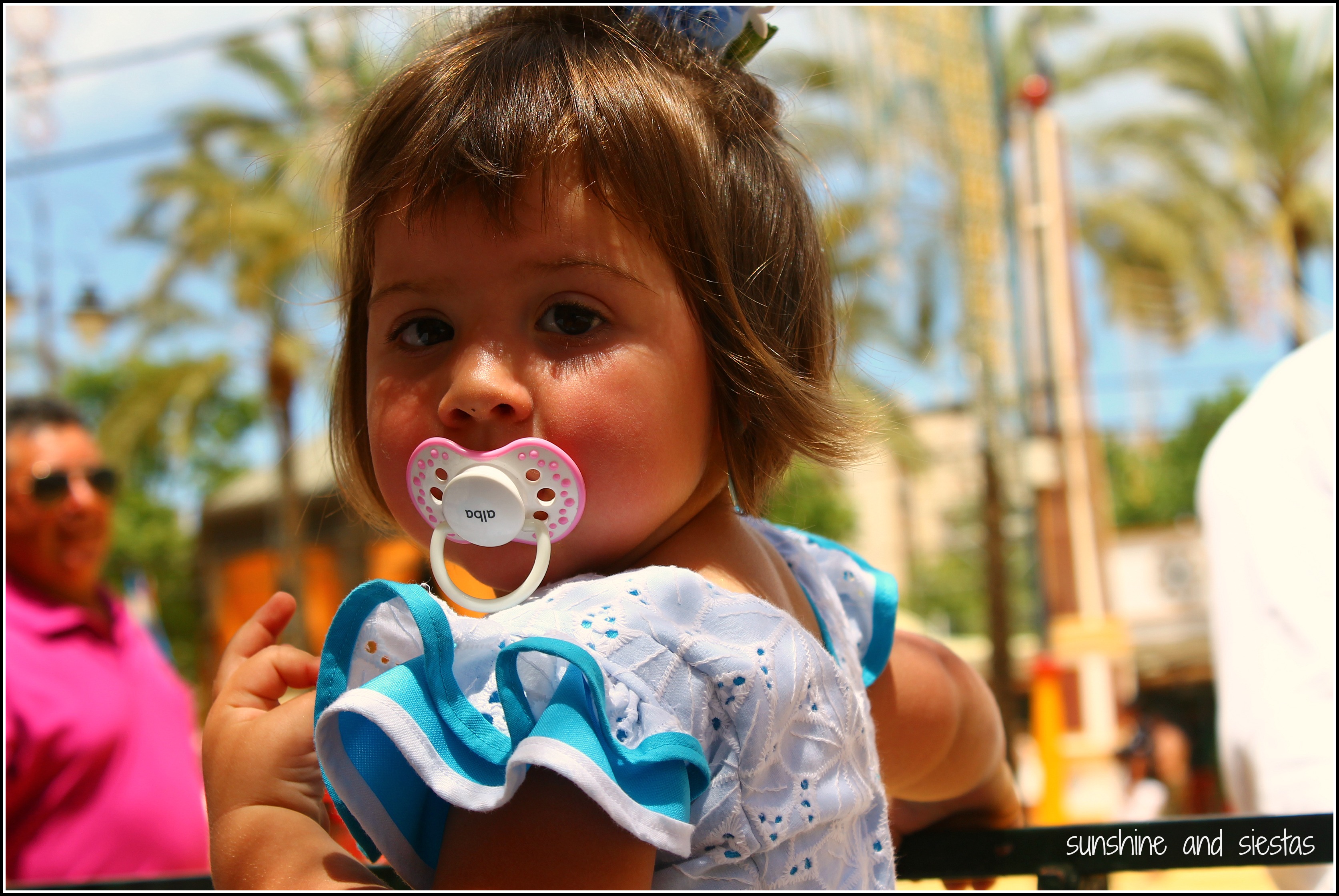
April showers seemed to have brought Feria heat – we sweated right through our flamenco dresses, and I think my right bicep is now twice as large as its twin from all of that fan flicking. I even broke some of my own rules when it came to stalking around the Real!

Just the week before, I had gone up to Madrid (if only I had a euro for every maldito trip I’ve made to la Capital…) to visit my sister-in-law, Nathàlia, and pick up my new car, Pequeño Monty. Nath is Brasilian but did her degree in Alcalá de Henares, city of Miguel de Cervantes fame, so she showed me around her town known for its university and free tapas.

May

Luckily for this guiri, the usual May weather was nowhere to be found, so we got some respite from the heat. Meg and I drank rebujito at the Feria de Jerez, a lite version of Sevile’s famous fête where you don’t get trampled by horses, and we bounced between a Mexican-themed caseta and a biker bar. Toto, We’re not in Sevilla anymore. The following day, I continued the fiesta in the Novio’s village at their Romeria de San Diego, a booze-soaked picnic in the middle of the dehesa.

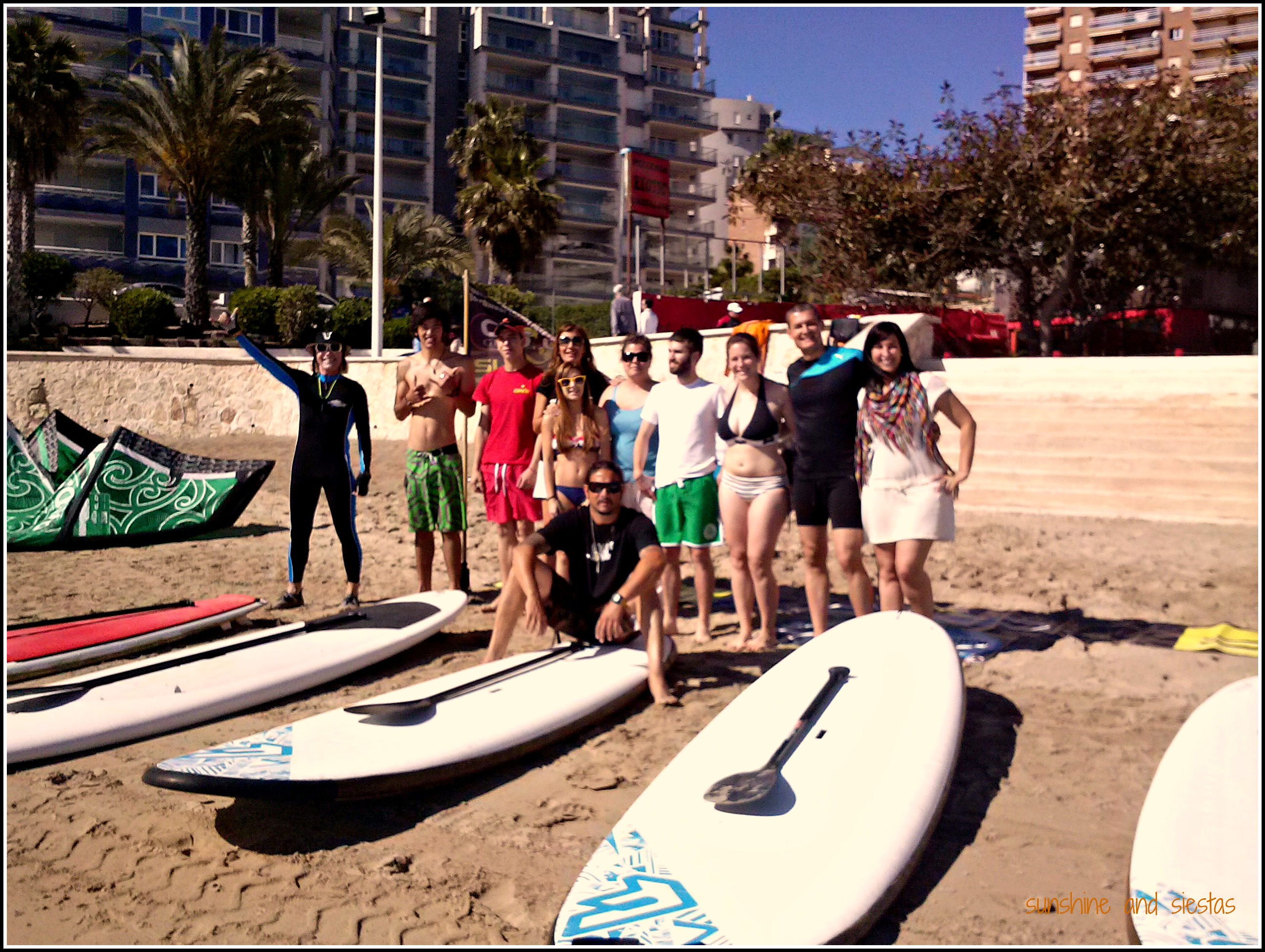
A week later, I attended my first blog trip to Calpe, a small fishing village that has capitalized on the tourism boom from nearby Benidorm. Despite the hotels popping up along the beach, Calpe is laid-back yet bursting with energy. We were treated to tons of water-related activities, including paddle surfing and betting on our lunch at the Lonja de Pescado.

June

During the first weekend of June, I had to make a trip to Madrid for mandatory camp meetings and Camino dealings. I met with Pablo, Fernando and Alex of Caser Expat Insurance, who are helping me make my Camino For the Kids a reality. I even got my feet checked out by the team at Podoactiva, the same people who outfit professional athletes with their shoes.

The Novio and I snuck in a day at the beach, and my mom came to stay for a week in the last sweltering week of June. I was extremely busy with my master’s and preparing for summer camp. Apart from showing her my favorite restaurants and rincones of Seville, we also made it to Jerez to see the horse show, to Doñana for a horse ride through Mazagón, and San Nicolás del Puerto, where she got to meet the Novio’s mother and ride their prized mare, Orgiva.

I am happy to say that I have very few travel plans at the moment for the second half of the year, save slinging tomatoes at the Tomatina with Kelly in August and Oktoberfest with my cousins in late September – I need a break after a year of turning my blog into a business, completing a master’s in a second language and starting a new job. Sunshine? Yes. Siesta? POR FAVOR. 

Don’t forget that I’ll be back at camp in July, and then walking close to 320km to raise money and awareness for pediatric cancer patients back home on the Camino de Santiago. Please follow #CaminoFTK on twitter or instagram for more information. Sunshine and Siestas is also accepting guest posts during this time, so please send your stories and photos from Spain!

What were your travel highlights of the first six months of the year?

Preparing for the Camino: Why I’m Walking

Muuuuyyyyyy bien chicos! Raquel’s morning greeting was accompanied with a slurp and the decapitation of the top quarter of Spain. “El Camino de Santiago is today’s topic.”

I dutifully took out my notebook, etching the bull’s hide of Spain and marking the end of the pilgrimmage across the top of Spain with a star. As Raquel recounted her experience walking a month across age-old trails between drags on a cigarette, I’d been imagining a return to Spain one day to walk the Way to Santiago de Compostela.

During my 2012 trip, I ran into some of my old students from IES Heliche. All roads may lead to Rome, but quite a few lead to Santiago, too!

Galicia, the region in which Santiago is located, is like my second home in Spain. On half a dozen occasions, I’ve laid my eyes on its sprawling cathedral, watched backpackers with no common language embrace in the sacred Plaza do Obradoiro, smelt the mix of incense and sweat left by peregrinos as I’ve hugged the bejeweled bust of St. James, the patron saint of Spain. I’ve even spent the Xacobeo, the Holy Years in which St. James’s Day falls on a Sunday, partying until dawn in the sacred city. The Camino has been part of my Spain bucket list since that sweltering day in June when Raquel first talked about it.

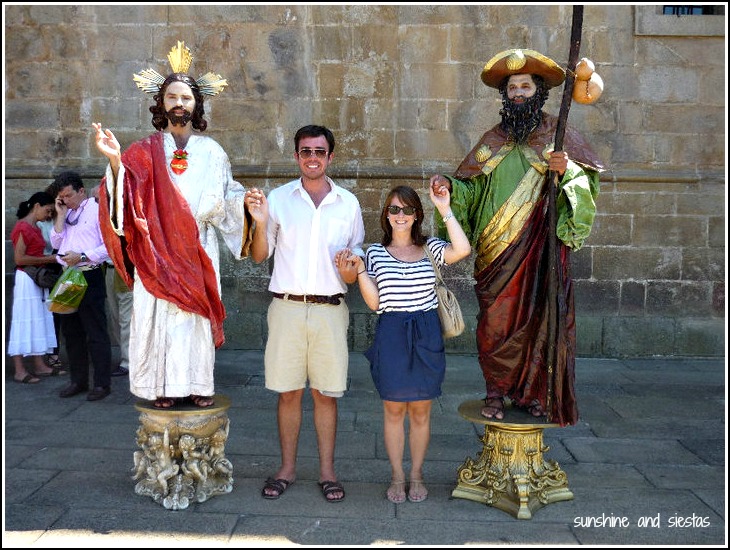
Jesus, my friend James and the Patrón himself in front of the Catedral de Santiago in 2010, a Holy Year

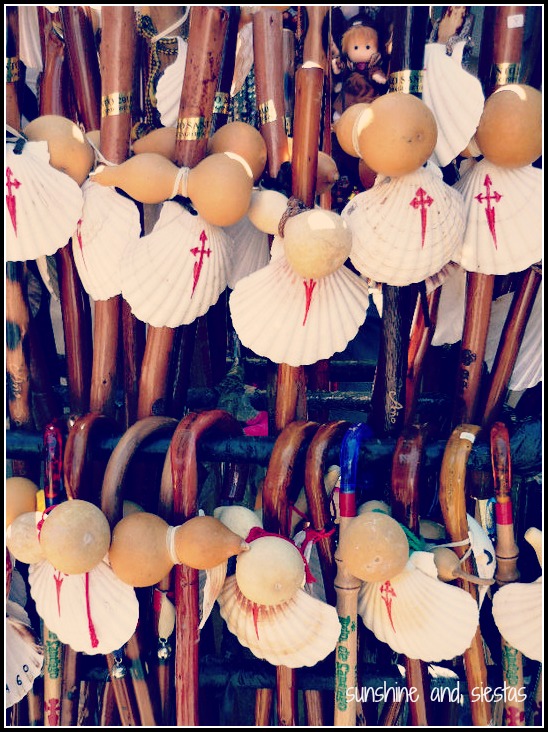
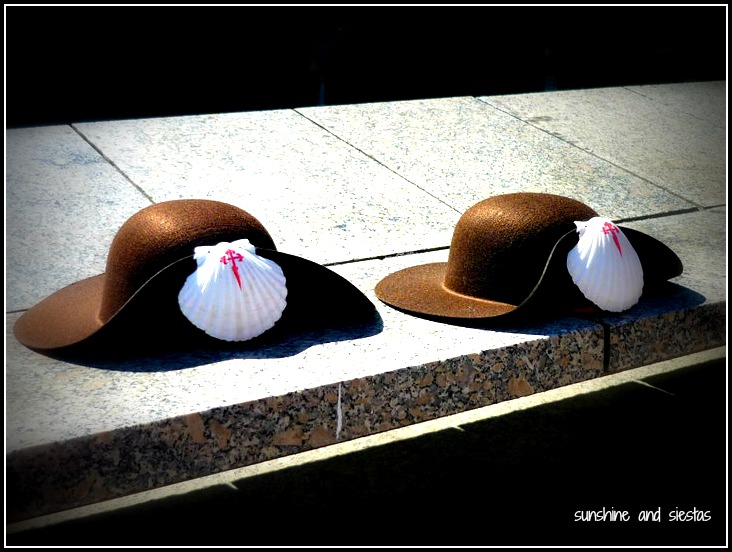
While many legends exist about its origins, perhaps the most common story is the one in which St. James, one of Jesus’s disciples, had his remains placed in a boat from Jerusalem. The saint was covered in conch shells and barnacles when his boat washed up on the northwest coast of Spain, and the remains were subsequently buried. Centuries later, a shepherd claims to have seen a cluster of stars in a field at night over the reputed tomb of the saint, and King Alfonso II ordered a massive cathedral to be built in that very place. For the last milenia, hundreds of thousands of pilgrims have descended on the city – now a major tourist draw and intellectual center – believing that completing at least the last 100 kilometers on foot brings pleneray indulgence. This route is called la Ruta Xacobea in local galego, or the Camino de Santiago in Castellano. To me, its one name, El Camino, holds a world of meaning.

The Camino is the subject of numerous books and films, and ever since its first inference, I’ve read many of them. Paulo Coehlo’s  The Pilgrammage, Field of Stars by Kevin Codd, A Journey of Days by Guy Thatcher all stick out in my mind, and a flight home from Spain in 2011 had me watching Emilio Estevez’s poignant film, The Way.

After years of wishing, planning and reading loads of books on the Camino, I’ve finally made plans to go. My hiking boots and trail bag are purchased, our route has been carefully outlined in red from Gijón to Santiago de Compostela. Towards the end of July, Hayley and I will set out from Asturias, rumbo Santiago. The Northern Route, called the Ruta del Norte, is less-traveled, more physically straining and supposedly breathtaking, as the majority of our first week will be along the coast before taking the Primitivo route until we reach the end of our trek.

People walk for many reasons – for spiritual reasons, for a journey of self-discovery, for the sport and adventure of it all. But I’m not walking just for me and a goal eight years in the making. I’ve decided to walk two weeks on the Camino de Santiago For the Kids – to raise money for the University of Iowa Hospitals and Clinics, an organization that has been important to me for nearly ten years.

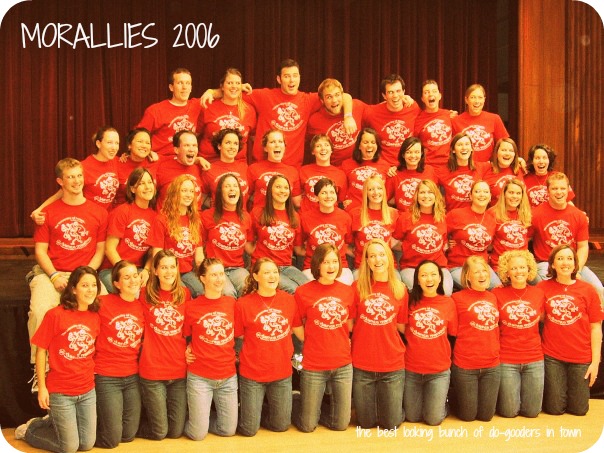
As a college student, I would only pull an all-nighter once a year, during the annual Dance Marathon. During a full day, I could not sleep, sit or drink alcohol, an this was after raising a minimum of $425 to even get in the door. For an entire day, we’d put our bodies through hell to feel some sort of what kids and their families felt.

Coupled with bi-weekly visits to the hospital’s Child Life center and numerous leadership positions, I was hooked on helping and creating tomorrow by dancing today. When I became a Morale Captain in 2005, I was assigned a family to sponsor. The Lees were coping with Kelsey’s recent diagnosis of leukemia, a side effect of the chemo she’d received earlier in the year. We began to exchange emails and phone calls, excited to meet one another at the Big Event in February, 2006. Kelsey was only 14 years old and already fighting cancer for the second time.

After repping the Lees for two years, she was passed onto another sorority sister, but stayed in the family – literally –  a sister from two pledge classes above me’s father married into Kelsey’s. Even when I moved across the charca, we kept in touch through Facebook, postcards and Skype. Invitations for her high school and technical graduation got sent to my parents’s house, along with a yearly Luau-themed fundraiser her family held in their town. Kelsey felt like a cousin to me, so I was crushed when I learned she’d relapsed once again.

“You’re so much braver than anyone I know,” she wrote me in an email just before Christmas 2011 as I was preparing to visit my family in Arizona. “I really have to come visit you in Spain to see why it is you’re still there.” I promised to call her once she was out of surgery for some build-up in fluids around her lungs, an effect of her treatment.

The following day, she passed away. Her mother sent me a text message that I read, hysterical, in the Philadelphia International Airport as I boarded a Madrid-bound plane. Attempts to organize a mini-Dance Marathon at my old school never materialized, but I donated part of my severance package to Dance Marathon in Kelsey’s name and joined the Iowa Bone Marrow Donors Network. As Hayley and I made preliminary plans for this summer, I contact the UIDM’s sponsorship and business directors, setting up a donation page and walking in memory of Kelsey and all of the other families coping.

2013 has really been my year, between a promotion, getting my European driver’s license and (fingers crossed) obtaining my master’s degree. Things may be coming up roses for me, but I realize that this year has been tough on many of my loved ones. That said, I want to raise awareness of the numerous Dance Marathons that are emotionally and financially supporting families afflicted with childhood cancer, as well as trying to raise $500 – 100% of which will go to the University of Iowa Dance Marathon. My pilgrim conch shell will be accompanied by the leis Kelsey and I wore during the Big Events we spent together, my name-tags from when I was on the leadership team, and lime green letters FTK – For the Kids.

Please consider a tax-deductible donation to the University of Iowa Dance Marathon to keep Creating Tomorrow by Dancing Today, and follow me at #CaminoFTK on twitter and instagram.

And many thanks to my sponsors, without whom this Camino would not be possible.

Interested in helping me complete the Camino For the Kids? Please contact me for sponsorship opportunities or check out my Camino Pinterest board for inspiration!


Seville Snapshots: Reflecting on Art at the Guggenheim, Bilbao

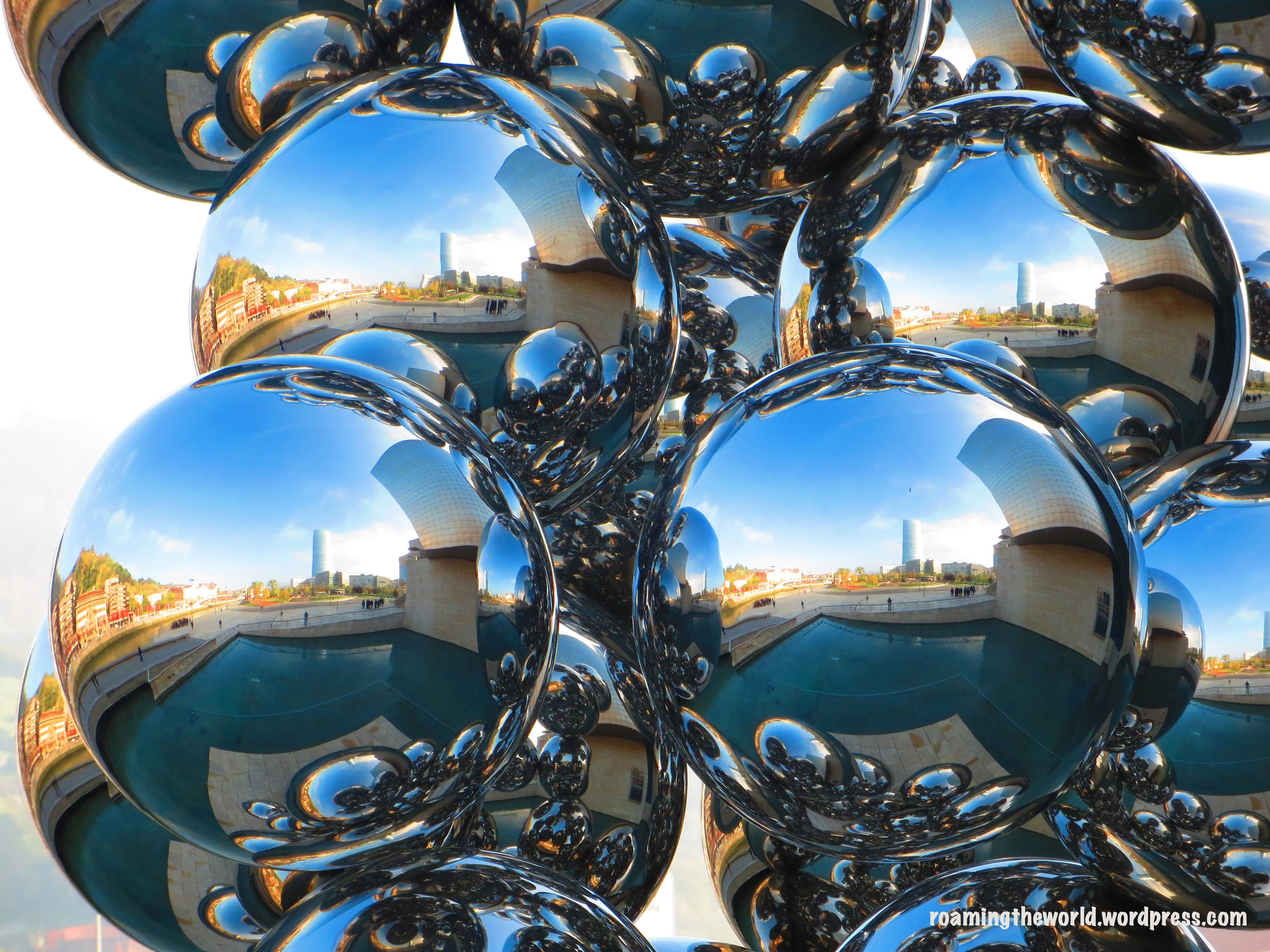
On an unexpected school field trip to the Guggenheim museum in Bilbao, I quietly captured photos of the art that surrounds the museum while students posed for photos with friends. Admiring a silver bubble-esque statue that arises from a rectangular pond outside the museum, I pondered the artist’s creation.

Unable to get closer to the art due to a railing to prevent you from falling in, I peered through my camera lens and zoomed in and realized this art piece is more than just what meets the eye on first inspection.  The surrounding sights- river, wave-like metallic museum and visitors all become part of the piece. A piece that stops you and reminds us to take a moment to enjoy, appreciate and reflect about what is going on around you. 

The Guggenheim is open Tuesday- Sunday from 10 am to 8 pm and is open everyday July and August.

General admission is 13€ with discounts for students under 26 and retirees. An Audio guide included for museum patrons to enjoy a self-guided tour about the history of the museum, architecture and some of the exhibits.

You can enjoy the sculptures outside the museum anytime!

For more info, visit http://www.guggenheim-bilbao.es/en/useful-information/tips/

Lauren David writes at Roamingtheworld, which began in 2007 when she set off with a one-way ticket to travel from Eastern to Southern Africa solo. Nine months later, she accomplished a dream and stayed put in the San Francisco area until she got itchy feet 3 years later and moved to Andalucía, Spain in 2011. She’s traded sunny skies, free tapas for picturesque landscapes and occasional snowstorms in Basque country. Her blog is about life as an expat, travels, food, and the unexpected. Visit her atRoamingtheworld and follow her on Facebook.

Related Posts Plugin for WordPress, Blogger...