Six Years in Spain – Six Posts You Can’t Miss

Six years ago, my 90-day student visa was cancelled as I stepped off the plane in Madrid’s Barajas airport. Happy Spaniversary to me!

Somehow, in the span of six years, my blog has gone from a little pet project to being a story of sticking it to El Hombre, of carving out a space in my little Spanish burbuja and learning to embrace my new home. People know my Spain story…or so they think.

Want to know something? My first year was hard.

And so was the second and third.

And then I couldn’t figure out how to stay in Spain legally and make enough to support my tapas and traveling habits.
Just recently, my group of guiritas and I were talking about how we all finally, finally – after four, six or even eight years – feel settled in Spain. I’ve written before about how I feel like I have a life in two places, like I can’t be 100% present in either, and that choosing one over another would be extremely painful.

I’ve made Seville my home, but it’s been like the prodigal rollercoaster – highs bring elation, lows bring the dark storm clouds of depression. During six years in Spain, I’ve weathered homesickness, disappointment, rejection, a break up. I’ve cried with friends over Skype when their loved ones have died, gotten teary when getting the news when amigas have married or had kids, and I’ve missed it.

Today, as I celebrate six years living in the land of sunshine and siestas, I’m actually reminded of the times where I’ve had to grit my teeth or scream or curse the Spanish government for their inefficiency.

Think you know the girl behind this blog? If you haven’t read from the beginning, you may not know the whole story.

Year One

I arrived to Spain on September 13th, 2007 and promptly toppled over, the weight of my bags way too much to handle (and before I got weighed down by solomillo al whiskey and torrijas). This was, in many ways, a taste of what was to come: stumbling, falling, laughing about it, and getting up again.
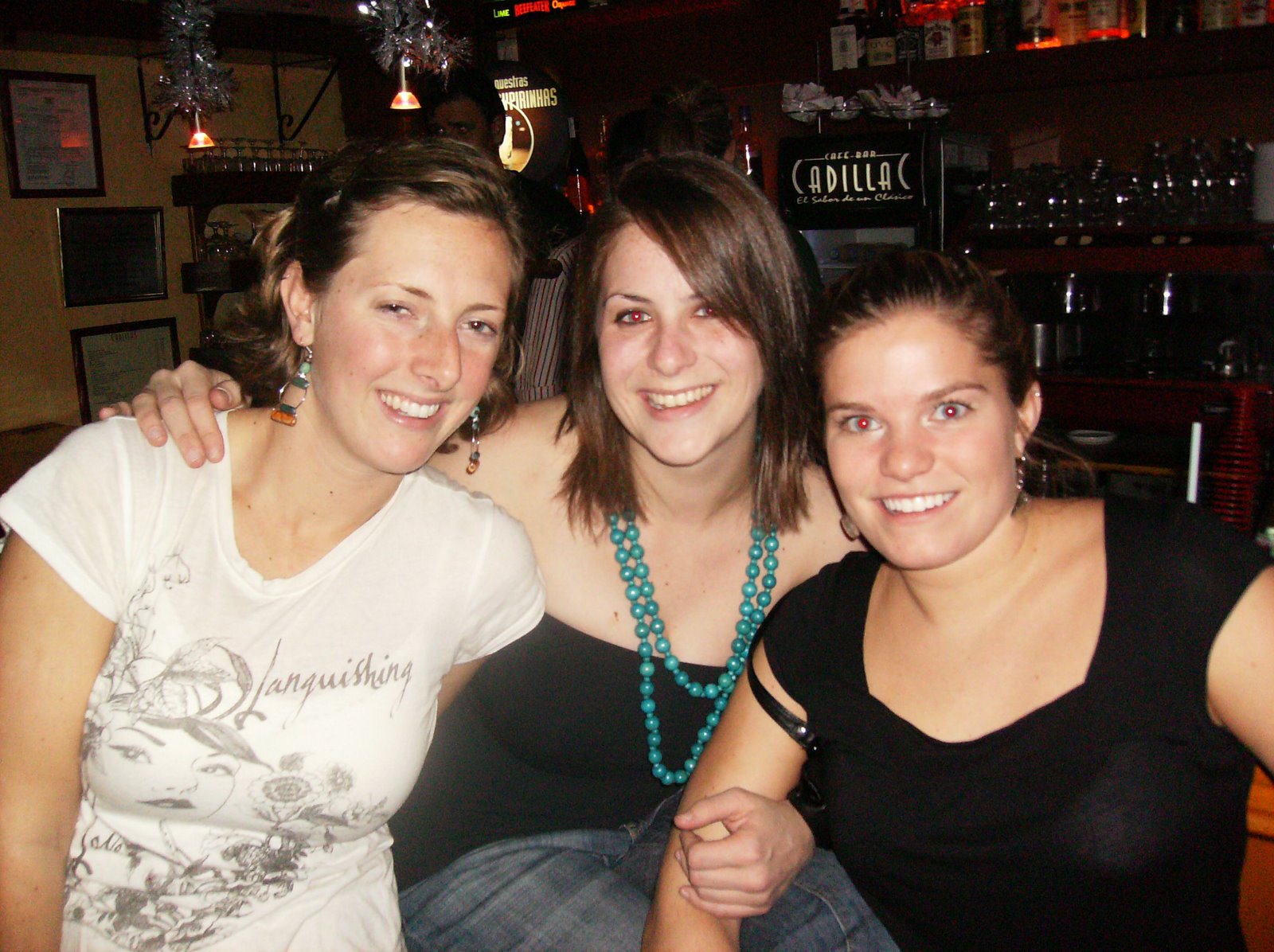
While it was the direction I wanted to take after college, I felt utterly alone in Spain. I came without knowing anyone, with little Spanish and no idea what to expect in my job. The first few weeks were trying, and I was ready to up and go home. Meeting Kate and Christine, two guiris with whom I’m very close, changed everything (thankfully). When I read the following post, of how lonely and depressed I was, I cringe. What a difference a year (or five) makes. read: Sin Título.

Year Two

Believe it or not, my second year in Spain was tougher than the first. Yes, I spoke more Spanish and, yes, I had the abroad thing more or less figured out. But it was the year that the Novio started going to Somalia for long months with no phone contact, the year that I had serious doubts about a life in Spain and the year I almost went home forever…that was the intention, anyhow. Oh, and I got hit by a car, too.
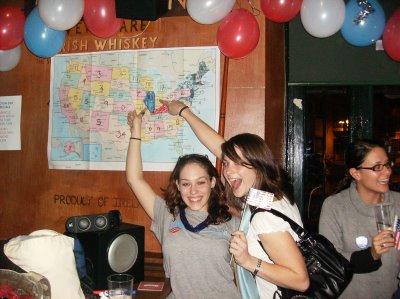
But by far the worst was the fact that my ugly American was creeping in. I was discriminated against for jobs, told my Spanish was absolute kaka and got taken for tonta. Apart from my personal doubts, I was so sick of the sevillanía that had me feeling like an outcast. read: Hoy Me Quejo De.

Year Three

My third year in Spanilandia was by far the most fun – loads of great fun with close friends, traveling to Morocco and Prague and Budapest, finally coming to terms with my two years in Spain. I was determined it would be my last, but it was just the beginning. The Novio and I rekindled our romance not even 12 hours off the plane, and I decided he was worth staying in Spain for. As I tearfully said goodbye to my students at IES Heliche, I was faced with the problem of how to keep living in Spain legally.
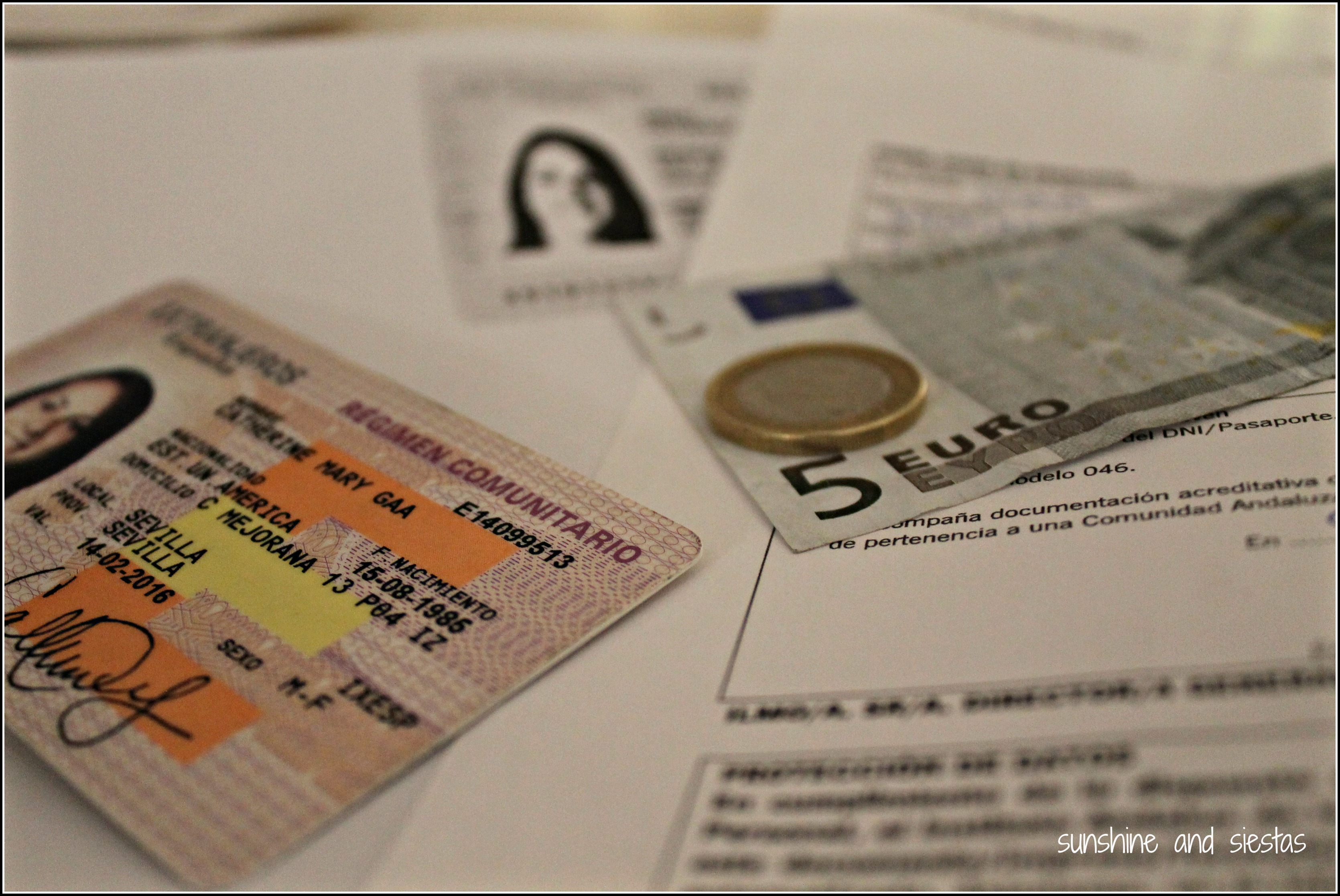
I figured out a way to skirt around stupid government regulations in what has been my proudest moment to date. Getting a last-minute appointment o renew my NIE number and lying through my teeth, I could breathe easier knowing that the Spanish government would come knocking on my brother-in-law’s door if I ever got in trouble. Suckers! read: Breaking Rules and Breaking Down.

Year Four

My fourth year of Spain seemed to have everything turn around: I got a steady job, I moved in with the Novio and I had a great group of friends. I was no longer an auxiliar, traveling on the weekends and botelloning around the city. Just when I began to feel comfortable, I was faced with making loads of grownup decisions about a stable future in Spain (with a pleasant surprise!). read: What a Week.

Year Five

For six years, I’ve made a living teaching people my native tongue. After three school courses as a language and culture assistant with the government, I scrambled to find a job, register for a social security number, and then learn the politics of working at a private school. While the gig provided me with the financial support I needed and a steady job, I soon realized it wasn’t for me. After two years, I had to say goodbye to a job that I enjoyed, forcing me to realize that I was an adult and I would have to make tough decisions every once in a while.
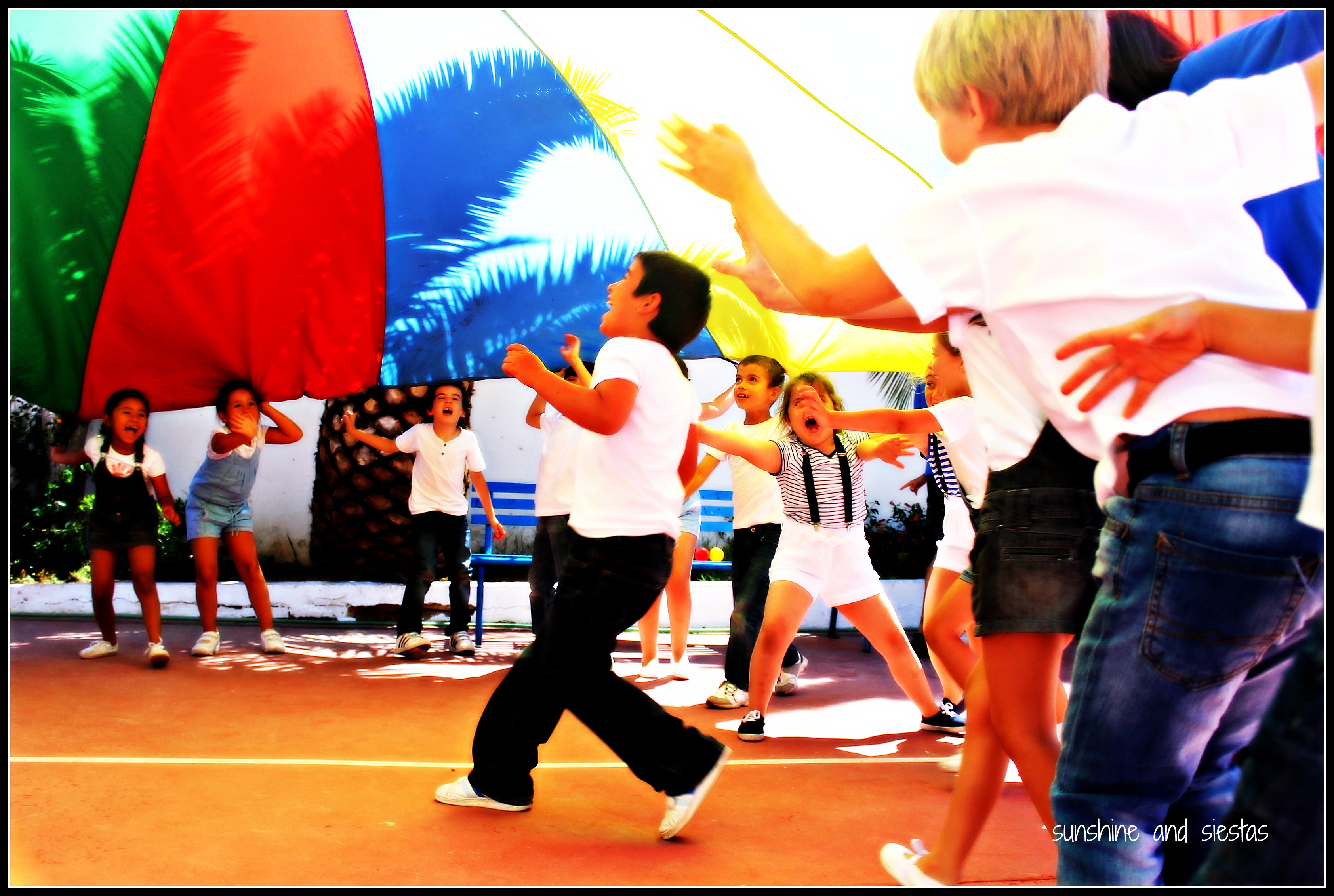
I miss my kiddos all the time, but still get some contact hours at my academy while playing the admin role as the Director of Studies (no, I do not blog full-time). read: Saying Goodbye.

Year Six

Alright, I’m a hag and I admit it. Cautiously optimistic after a few years of disappointments and setbacks in Spain, sure, but my ornery abuelita card has come out recently as I start to get annoyed with Seville. Don’t get my wrong, it is the ciudad de mi alma, but as with any city, there are things that drive me absolutely insane.
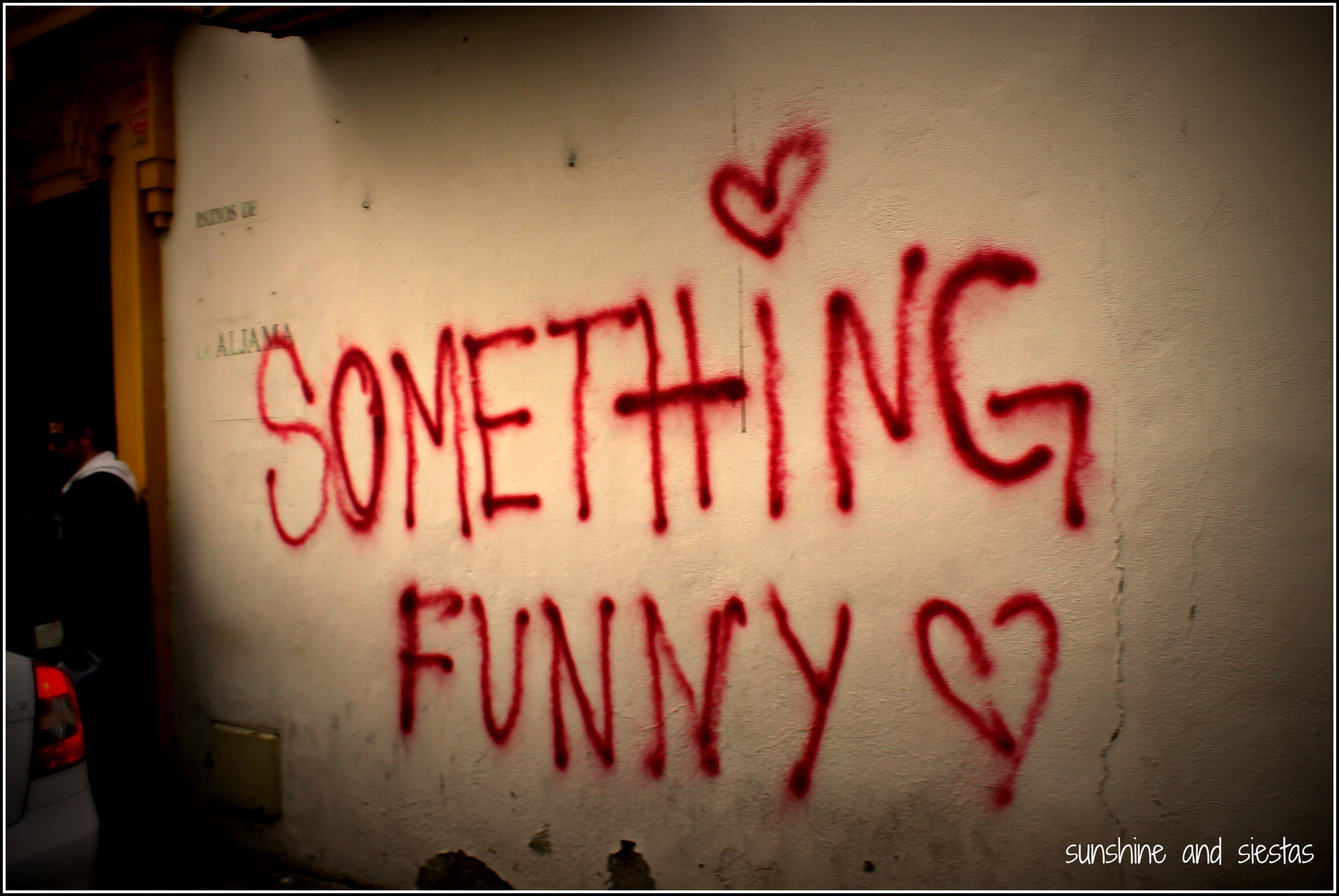
If it weren’t for wearing a tight flamenco dress once a year and the cheap beer, I’d be out. As my dear sevilliamericana la Dolan says, ‘La sevillanía me mata y me da vida.’ read: Jaded Expat: Four Things I Dislike About Living in Seville.

My Spanish life is just that: life. I pay taxes and get unemployment benefits, I have car payments, I have a house to clean (dios do I miss my señora). I’m a young professional living for the weekend, traveling when I can, and taking the good with the bad. Since the beginning, I fought to have raíces here not because I’m afraid of failing, but because I feel like it’s where I am meant to be right now.

What’s been the biggest challenge you’ve faced while living abroad?  

Preguntas Ardientes: Should I open a bank account in my home country?

Six years ago, I was facing the uncertainty of up and leaving for Spain and starting a new life in Seville. Even with the visa and job sorted out for me, I spent hours scouring the Internet for information about renting a flat, getting a mobile phone and setting up a bank account, perhaps the most important factor to take care of before leaving Chicago. Tripping between local banking institutions, I spoke with countless tellers to see whether it was worth my while to keep an account open at home.

In short: it was, and it continues to be.

While I did open a resident bank account in Spain to receive my paychecks and be able to take out money while around Iberia, having a separate savings and checking account at home has allowed me to keep my money matters at bay and makes my mom to have her own card for any transactions she needs to complete for me! I cannot stress enough how at ease I feel knowing that I have an emergency stash of cash in the United States.

What’s more, it’s far easier for me to save for other trips or big expenses when my money is not staring at me in my Spanish bank account!

What should you look for in a bank account back home? To be able to compare bank accounts effectively, there are several criteria to keep in mind:

Online Banking: This is perhaps the deal-breaker for many expats and digital nomads today. I was adamant on having free online banking to be able to make transfers, pay my credit card, and have a handle on how much money I had. And online banks don’t bow down to time zones, anyway. This should be at the top of your list if you’re planning on living abroad.

Card and Account Fees: If you’re trying to maximize your savings, the last thing you want to do is pay exorbitant fees for just maintaining an account. Check with your branch to see if there are discounts for young adults or recent grads, and you could have a few years’ fees in your pocket, rather than in a banker’s.

Interest Charges and Money Back: You should also take into account if your bank gives you anything back if you’re using it for bill pay. This is, after all, more dinerito for you!

ATM availability: Spain is a country that is not without bars, bulls or banks – it’s rare to go even three blocks without seeing one! When choosing a bank, be sure that there are cash points available throughout the world, especially if you want to travel.

Partnerships with other banks: Thankfully, my bank had a few branches in my home base of Seville, and this made taking out small quantities of money for everyday expenses not only easy, but also far less dangerous. They also have partnerships with other internationally banks, thus cutting down on pesky ATM fees, so ask about this possibility.

I don’t go home more than once a year, but when I do, I can roll up to the branch knowing that I’ve got money already, and that the same tellers who helped me open a account six years ago will greet me with an, ‘Hola!’ and know just how to help me. And the lines are far shorter!

Got any other burning questions about banking or moving to Spain? Get in touch with COMO Consulting Spain, a relocation company dedicated to helping you move to Spain.


A Por Ellos: What to Know Before Attending a Spanish Soccer Game

My first true sports love was the Green Bay Packers. Growing up along the border of Wisconsin-Illinois, my classmates were divided between Cheesehead lovers and the Monsters of Midway, making the Bears-Packers games something of legend. Nevermind the fact that I was born the year Ditka took Da Bears to Da Superbowl – Brett Favre and Vince Lombardi were my childhood heroes, along with Nadia Comaneci.

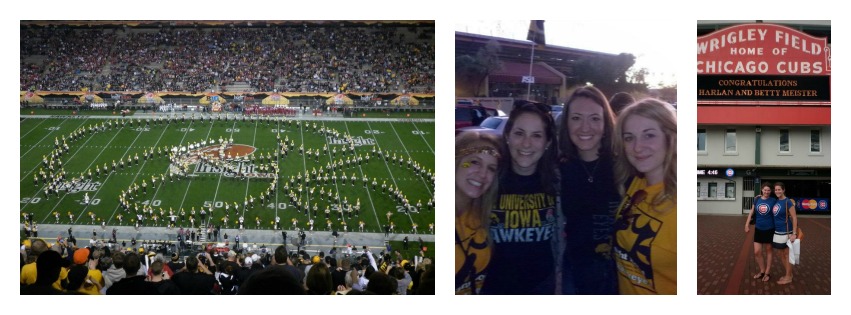
I soon took up a profound love for my university team, the Iowa Hawkeyes, as well as the Chicago Cubs, both perennial underdogs in their leagues. Then I up and moved to Spain, where no pigskins or baseballs are readily sold. I’d have to choose between tennis, synchronized swimming or fútbol to satisfy my sports cravings.

Thankfully, fútbol is sacred in Spain, and I was soon watching games every week with friends around the city. I learned the names of all the players on the Spanish national team and followed them earnestly (I even jumped into the Cantábrico when they won the World Cup in 2010, one of my fondest memories of my time in Spain). But I never answered the question so many students posed: ¿Sevilla ó Betis?

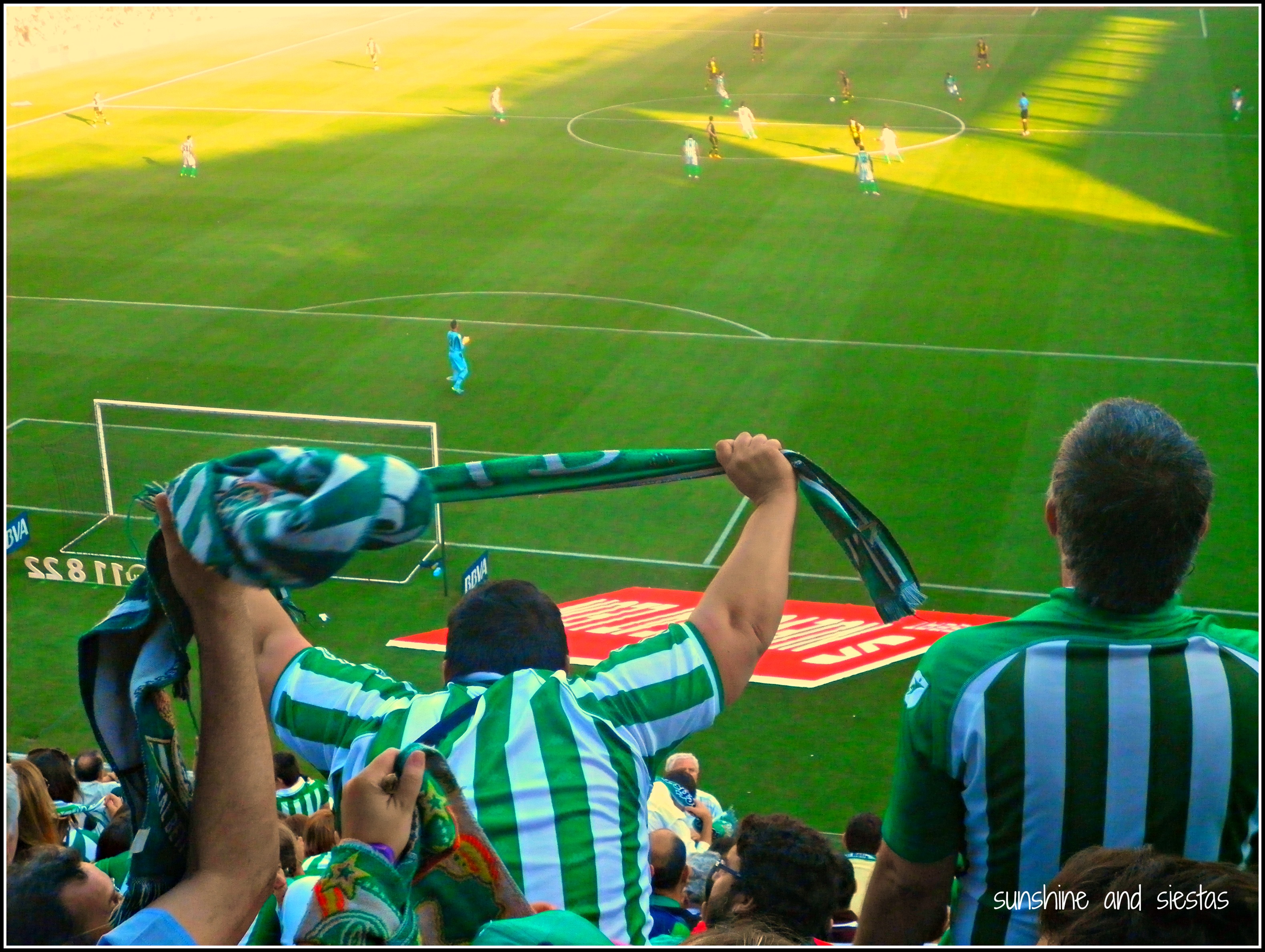
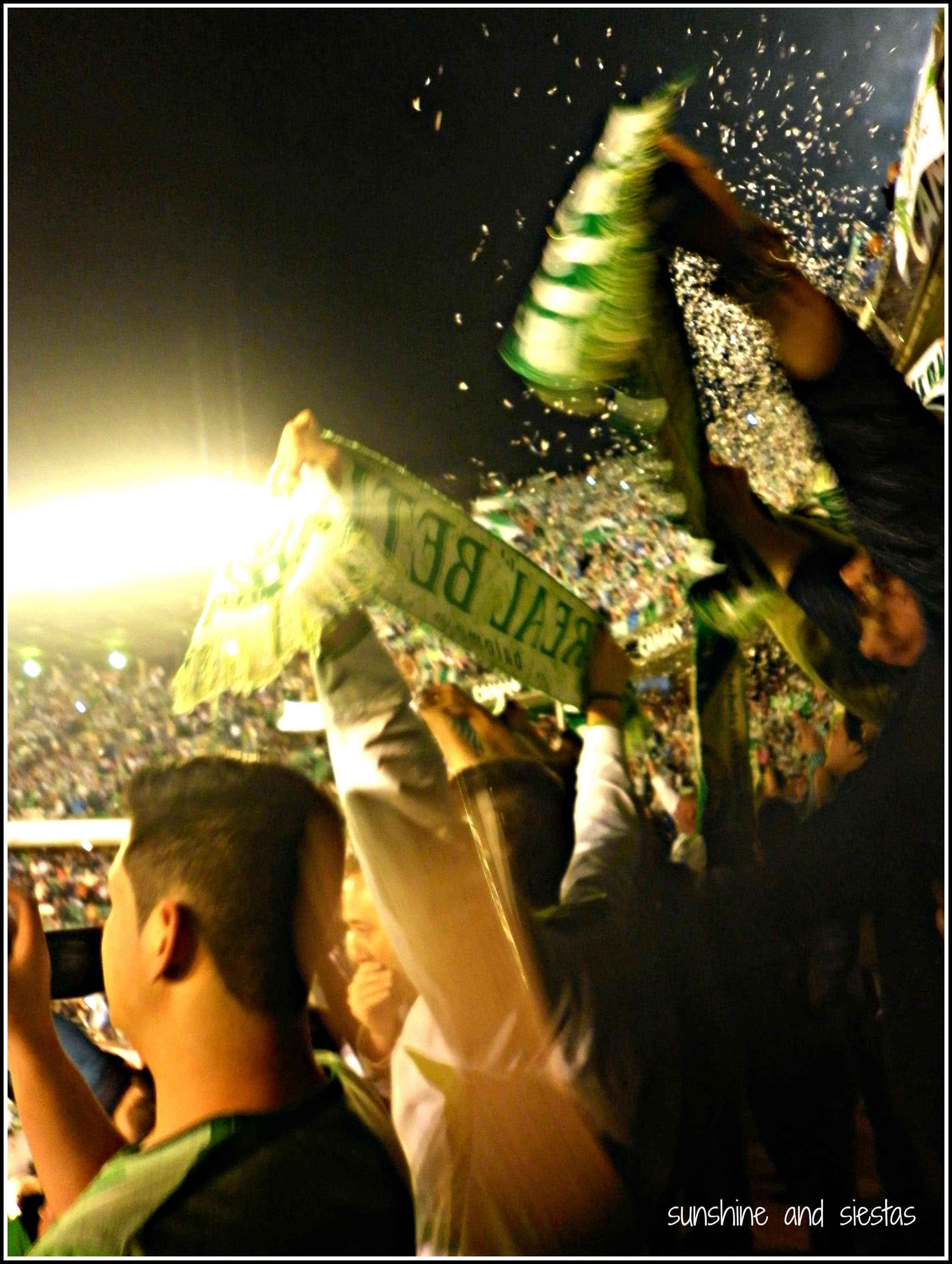
Thanks to some earnest friends and invitations to Estadio Benito Villamarin, I have become bética, which is Seville’s lesser-known team and home to one of Spain’s biggest fan bases (true story: there’s a Peña Bética club in NYC). Friends like JM, the Novio, Manuel, Pedro and even my former boss sold me on the idea of the underdog, the verdiblancos whose reputation took a beating in 2009 when they descended from the top Division Primera of La Liga into Segunda, where they spent two seasons. I attended the match late in the 2011 season los de la Palmera secured enough points to ascend back to Primera, and my heart swelled. That was all it took – living on the borde of a victory or a terrible defeat, the colorful ways the fans would insult the refs, the other team, even their own players and coach. If Barcelona Futbol Club is “Mes que un Club,” Betis is more than a feeling.

Note to self: it’s a fútbol team, no need to wax poetic. Besides, this post is about the matches and not my team.

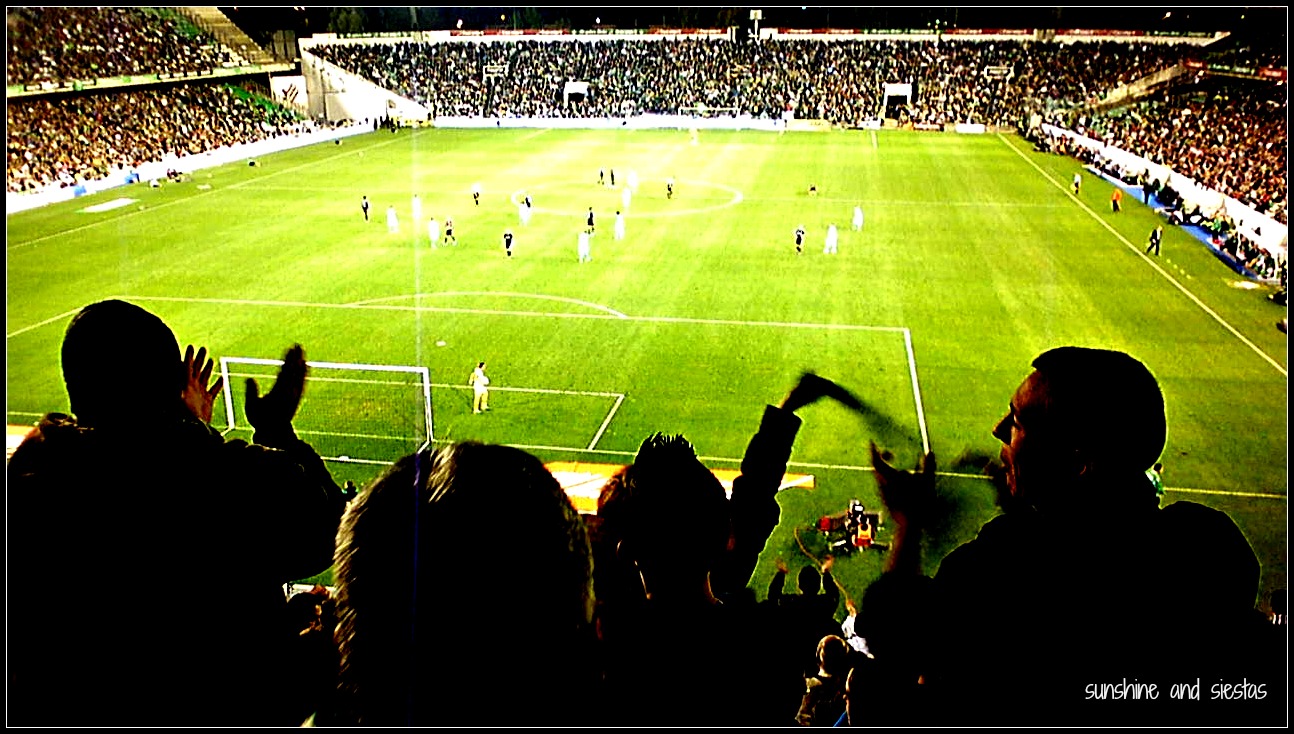
Towards the end of the 2012-13 season, I went to the Derbi Sevillano, a pre-Feria tradition where Seville’s two teams square off. Season records are broken in attendance, and police forces swell to accommodate the botellones before kickoff. Tickets are a hot commodity, but the Novio’s business trip meant Emilio and I would be squished together in Gol Norte, cheering on our afición.

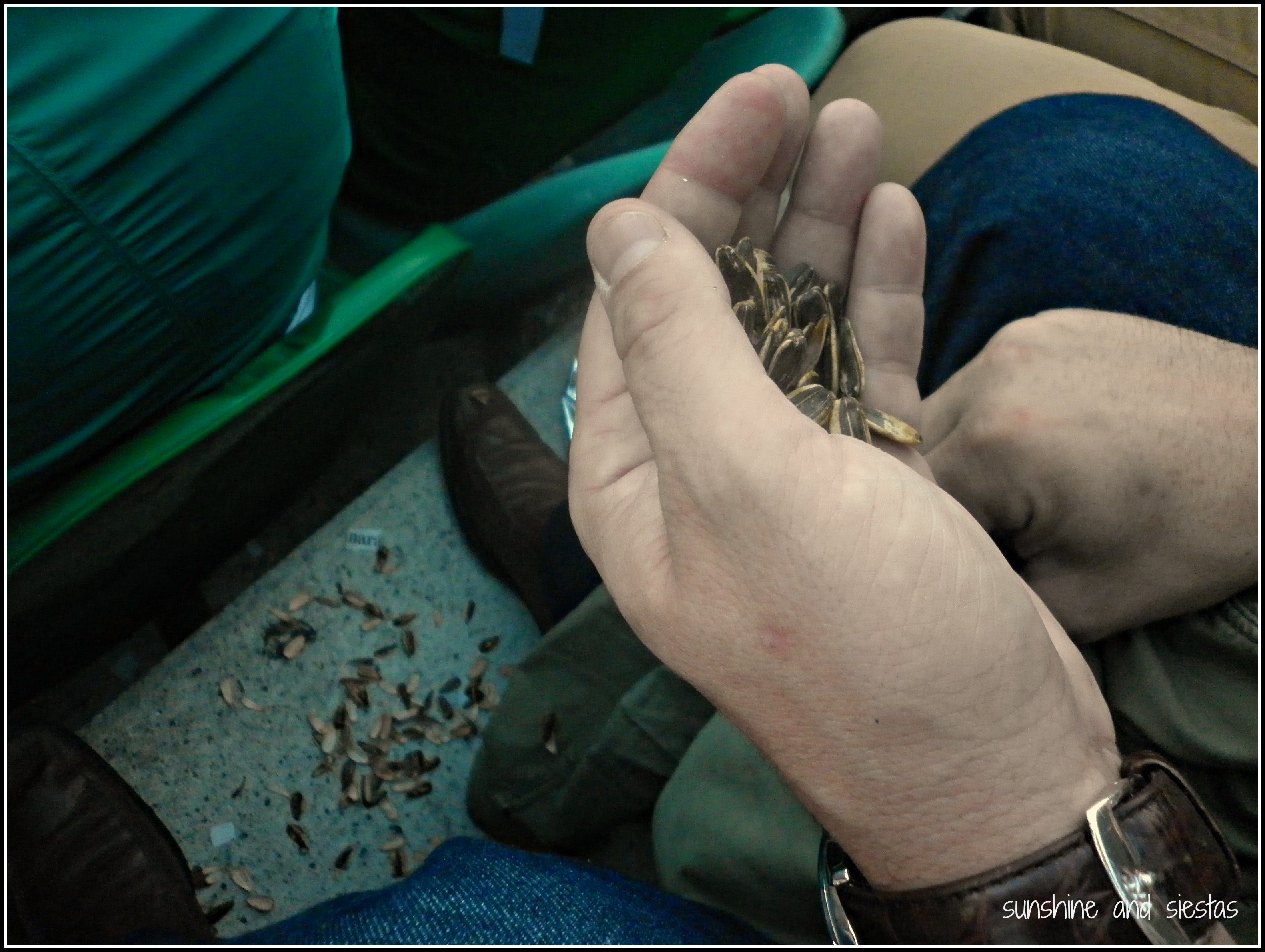
Attending a match with socios is a lot like attending a reunion – everyone knows one another, passing around packs of sunflower seeds and glasses of wine. Everything is debated and criticized, from calls to inability to stop goals. People go hoarse slinging insults at the other team (or even their own), hugging and giving slaps on the back when the team scores or has a good rebote. The two halves pass by quickly when you’re up, or excruciatingly slow when you’re down.

For my birthday last week, the Novio bought Emilio’s season passes off him, so we’re in for another season of debilitating defeats! The season started last week and will last until June, then it’s World Cup time again! Move over, Cubbies, attending a Spanish fútbol match is a whoooole new ballgame:

Understand the Organigrama of the Liga BBVA

The BBVA Spanish soccer league is composed of 20 teams in the top tier, called La Liga in Spanish and is one of the most-watched leagues in the World (duh, Spain has won the 2008 and 2012 Euro Cups and the 2010 World Cup). Each team plays a schedule of two rounds against the other teams, once home and once away, for 38 weeks, each called a jornada. Depending on match outcome, the teams earn up to three points, and they accumulate points throughout the season.

The team with the highest amount of points is crowned Campeón de Liga, and often clinches the playoff title, too, and the three lowest scoring teams are automatically moved down to Segunda División. Teams at the top of the second tier are welcomed back into the Primera División, and there is a playoff to determine the last spot. You’ll often see people at games who are also following other matched with their mobile phones or radios, jotting down points scored during the week and configuring where their team stands at the end of the jornada.

Not that you’re interested, but there’s also Segunda B and a Tercera División (an American friend of mine played for Albacete, who is in Primera B, thus making himself way cooler than anyone else I know).

But what about Fernando Torres and Jesús Navas, who play for the Selección Española national team? Many Spanish soccer stars opt to go to the Premiere League in the UK for their salaries and prestige. The same goes for Lionel Messi, who plays in La Liga for Barcelona, but also for the Argentinian National Team.

The bocata is sacred

After you’ve suffered through 45 minutes of tiki-taka, or the juggling between players that is characteristic of fútbol in Spain, the field suddenly empties and fans grab their bocata and can of pop. This, of course, after they’ve had an aperativo of pipas, or sunflower seeds.

Make sure you bring yourself a sandwich for halftime, and make sure it’s big enough to share. It may be a good idea to bring wet wipes for when you’re done, too (or maybe that’s just me).

Know your curse words

On my second day in Seville, my grandmother and I attended a Sevilla Fútbol Club match against Recreativo de Huelva. My grandmother is a demure woman, but fun-loving and open to new adventures. We climb up to the far reaches of the Sánchez Pizjuan stadium, and I settled in between a concrete wall and a man whose stomach stuck out as if to catch all of the pipas falling out of his mouth. Not knowing enough Spanish, my abuelita sat in the empty seat in front of me. I’m pretty sure she got pipas in her hair, too.

Whenever Sevilla lost posession of the ball, the man next to me would shout, JOOOOOOOOOder. joDER. JODER.

Naturally, my grandma thought it was a victory cry, even though the club was up 3-0. She began chanting it, too, and I couldn’t find the heart to tell her that it was a strong explicative because she looked so happy feeling integrated into a very Spanish part of life. Now that I’ve been to several more fútbol matches, I sling insults at players (often from my own team) and the refs with a well-crafted swear word or two. Try it, you’ll love it.

It’s expected to use strong adjectives

It has to be said: Andaluces are exceptionally good at exaggerating, and football is no exception. A well-deserved goal becomes a golazo, a blocked goal, a paradón. When discussing plays with your neighbor, be sure to add -azo, -ón, -ote to the end of nouns, and súper- and híper- to both nouns and adjectives.

And don’t be alarmed when you see grown men cry, either.

People throw things. Often.

As the Himno del Betis rings throughout Estadio Benito Villamarín, los béticos tend to release millions of paper stars, toilet paper rolls and even paper airplanes fashioned out of the lineup towards the field. Since the Novio and I sit in the first amphitheater, we get everything from the second and third, plus splashes of wine from the guy who sits directly behind us. Rare is the day where I shake my head and only a few sunflower seed shells don’t fall out.

But don’t worry, it’s all in good fun, and it sure beats the time where some Florida Gator fans poured a beer on my head at the Outback Bowl.

Who’s your afición? Have you ever been to a Spanish soccer match?


Seville Snapshots: Waymarkers on the Camino de Santiago

My flashlight bounces off the ground, searching fanatically for a spray painted yellow arrow on anything – a rock, a tree trunk, an abadoned church. It isn’t even 6am yet, and the rain drives down steadily as we pad silently down the N-634 towards Miraz, where we’d spend the night.

Hayley spots the road marker up ahead, just off the highway. The stone obelisk is worn, and the plaque the kilometers to Santiago, long stolen. The mythic 100-kilometers-to-Santiago mark (the minimum distance to get the Compostela) is barely visible between the rain drops and the darkness, but it takes us off the highway and into a dense ecualyptus forrest.

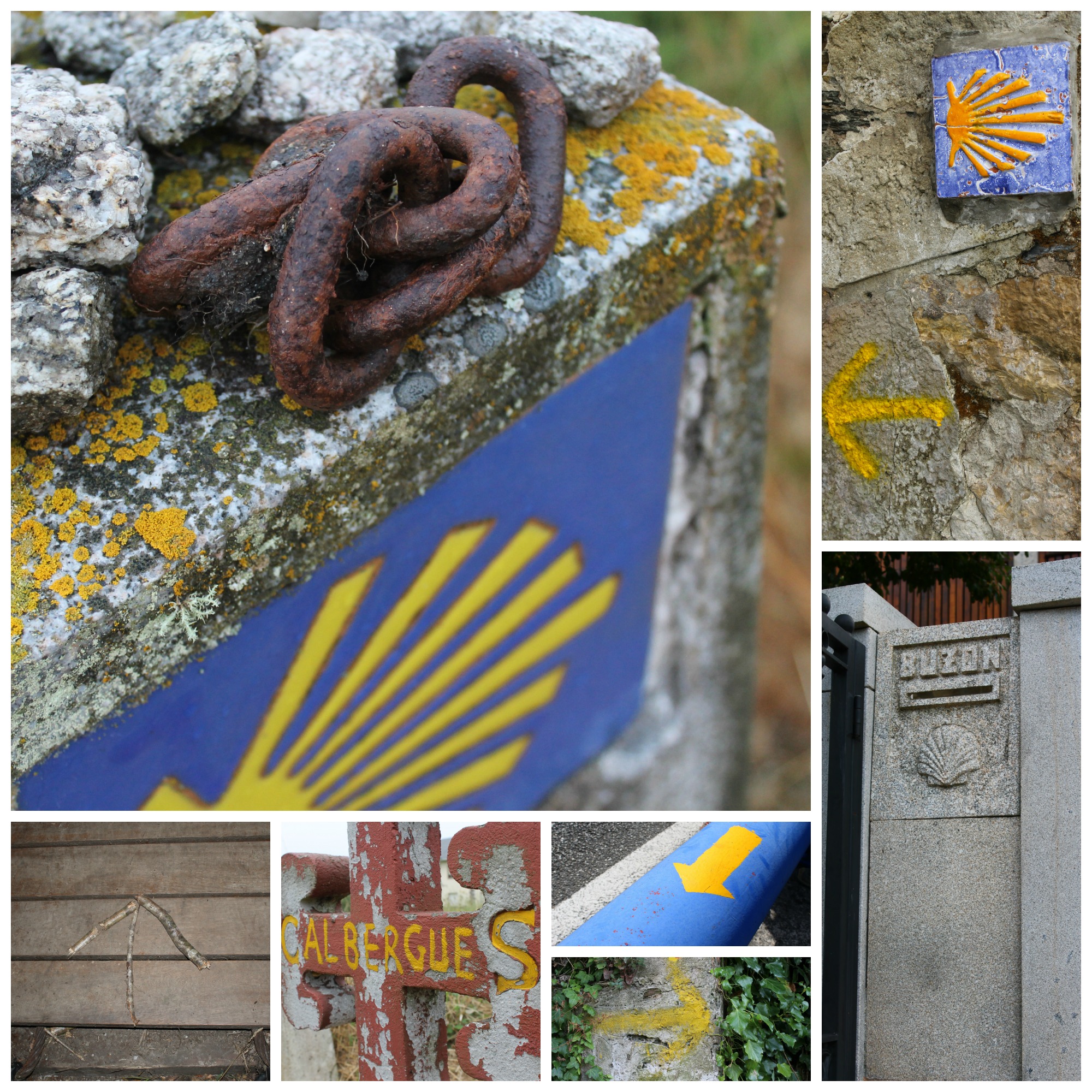
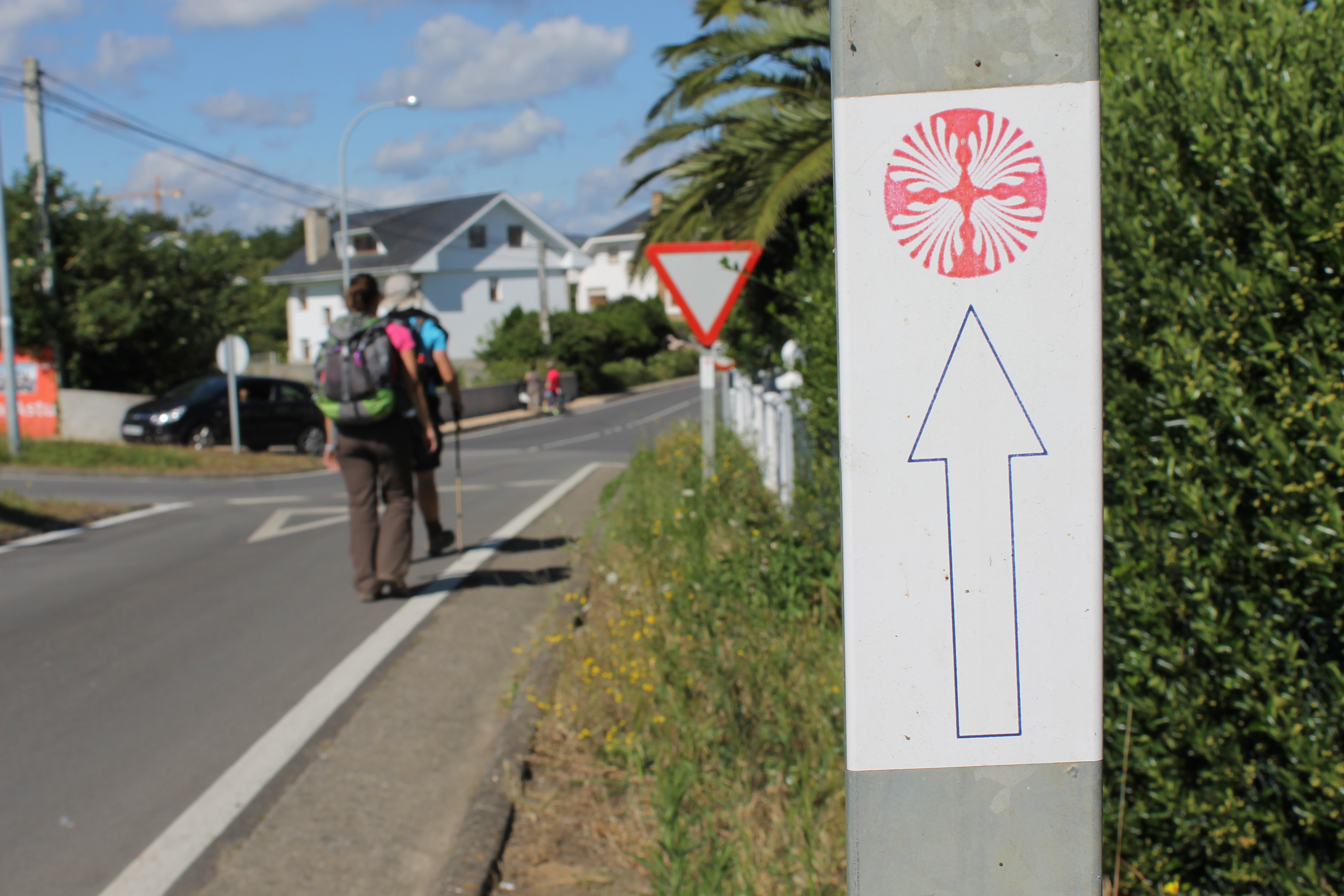
These road markers – but way of yellow arrow, blue and yellow tiles adorned with a scallop shell or even sticks stuck together whenever the former lacked – lead us all the way from Avilés to Santiago de Compostela, 326 kilometers along the Northern coast of Spain. Sometimes we’d had to use our gut, keeping the ocean always on our right, and the relief of coming upon the next one flooded our consciousness more than once a day. The ancient pilgrims used stars, but we got to use the fabled way markers to make our way to the Obradoiro.

Between Asturias and Galicia, the two autonomous communities we passed through, the road markers changed. In Asturias, where we found the markers to be further and further apart, the ridges of the seashells converged at a point, and this was the way to turn. In Galicia, the opposite was true, and the kilometers were marked near the bottom of the base. This was both motivating and discouraging.

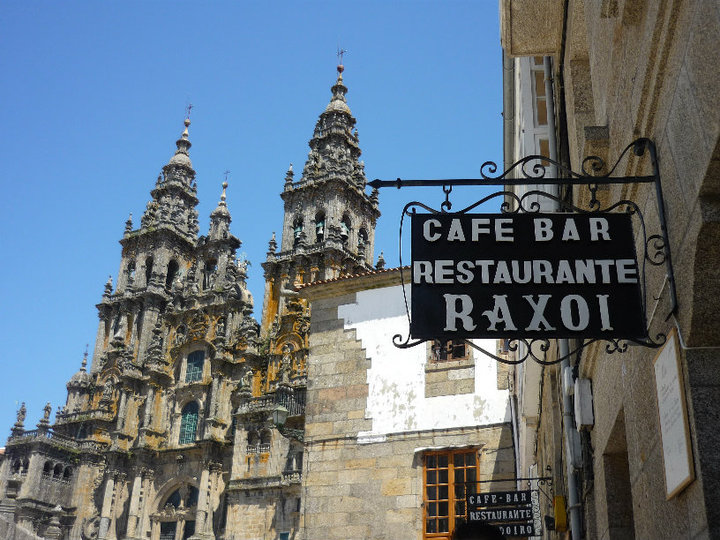
Within cities, the waymarkers sometimes became gold-plated shells on buildings and the sidewalk, or even stickers, such as in the town of Figueras. Still, we only got lost twice, arriving to Santiago on August 11th with enough time to pose in front of the monstrous cathedral, bask in the late morning sunlight and get to pilgrims mass to really rid ourselves of sin (it lasted about five minutes, after which we needed a glass of wine).

Does the Camino de Santiago pass thru your city or town? What are the waymarkers like? To see more pictures, direct yourself to my flickr page.

Camino de Santiago Round-Up: Best Advice and Resources

If you’re reading this on August 11th, chances are that I’m basking in the sun that’s peeking in and out of the clouds in Santiago. I’m likely hot, caked with dirt and nursing blisters on my sore feet. I’ve handed out t-shirts and ribbons, broken down in tears more than a few times and met pilgrims from all around the world.

And, knowing me, I’m probably kicking back a saucer of Albariño en O Gato Negro, a hidden gem in the Santiago dining scene.

As I write from my camp bedroom in La Coruña, less than 100km from Plaza de Obradoiro and the end of my journey, I already feel a bit different from this whole undertaking. The Camino isn’t just about me and my pack, Santi – it’s about my other caminante and dear friend, Hayley. It’s about the other peregrinos I will meet and share stories and snacks with. It’s about the blisters and the sore knees and the aches and pains and beating my body will no doubt take. It’s, of course, about Kelsey and her family, too. I know I’ll be thinking of her with every step, over every mountain. The Camino is my physical tribute to her fight against leukemia and sarcoma, and a sort of spiritual cleansing that I hope to have to get me through the grieving process that still hits me at times.

It’s about the people who have shared in all of this with me, and I feel as though I’ll carry so many of you, too. Your well wishes, donation dollars to Dance Marathon and your advice have taken me far enough. I’ve always been someone to see through any challenge I undertake, and I go after what I want. The Camino has been something in the back of my head for ages, and I’m happy I’ve waited for nearly 28 years to be emotionally fit and at a point in my life where I’m ready to step ahead and see what’s waiting for me.

The Camino seems to be all about people coming together and sharing, and this is part of what attracted me to it in the first place. During the few months we’ve spent dreaming and planning, Hayley and I have used a number of different websites and resources to make this journey happen. I’ve rounded them all up for you here (this list is definitely not exhaustive, but I used them and found them useful):

General Information and History.

The Camino de Santiago has existed for generation, for centuries, and its as steeped in history as it is tradition. For a general overview to the trail, check out the following sites.

Tom Bartel shares his advice for packing, first aid and enjoying on The Way: http://travelpast50.com/category/camino/

Santiago de Compostela’s Town Hall provides background information and history: http://www.santiagoturismo.com/camino-de-santiago

Trish Clark’s Camino guide is a great companion while on the Francés: http://guidetothecamino.com

While this site, Girls on the Way, is not just about the Camino, it’s got loads of great information on long-term hikes: http://www.girlsontheway.com

Packing Tips.

Before even hitting the road, Hayley and I made multiple trips to Decathlon, we broke in boots and bags while consuming ebooks on packing. They say the pack should weigh about 10% of your body weight, so we were working on packing a lot into just a little. These sites helped me pack my own bag.

Eroski’s guide: http://caminodesantiago.consumer.es/llevatela-al-camino/

Candace Rardon’s guide on Matador Travel: http://matadornetwork.com/goods/how-to-pack-for-the-camino-de-santiago-pilgrimage-trail/

Erin Ridley’s guide on La Tortuga Viajera (fun fact, she met Candace on the hike!): http://www.latortugaviajera.com/2012/05/camino-packing-list/

I also used an e-book called ‘To Walk Far, Carry Less

You can check out my own list here. How did I do, you ask? I ended up not using the sleeping pad, tossing out the walking sticks (I should have had two, especially for the steep climbs on the first few stages) and didn’t need to bring so many T-shirts. I also found that doing the washing with a stick of laundry soap, rather than gel or powder, was more effective in rubbing out the grime, dirt and stink from my walking clothes.

Planning.

The Camino fits my Type A personality with the planning, and Hayley’s borderline Type B with its ‘go with the flow’ sort of obstacles. But still, getting to and from the Camino, choosing the right route for your physical capabilities and preferences and even where to stay needs to be taken into consideration. Forums were particularly helpful, especially those related to the Camino del Norte, which is not as popular as the Francés.

Official Camino forum: http://www.caminodesantiago.me/board/?sid=9a633b9c5cb0f40609a9e2e2520b091e

Another great forum: http://www.caminoforums.com

A great breakdown to miles traveled and costs incurred (including blister count!) http://traveledearth.com/category/journeys/camino-de-santiago-journeys/

I also used the corresponding pages of the Ciccerone guide to the Camino del Norte, updated in summer 2012, courtesy of Books4Spain. Apart from this book, which I found to be mostly correct, save a few changes for construction in Asturias, I also used the Eroski guide to the stages in Spanish, which also had great information about the allergies along the stages and reviews from other pilgrims.

Pilgrim Credentials.

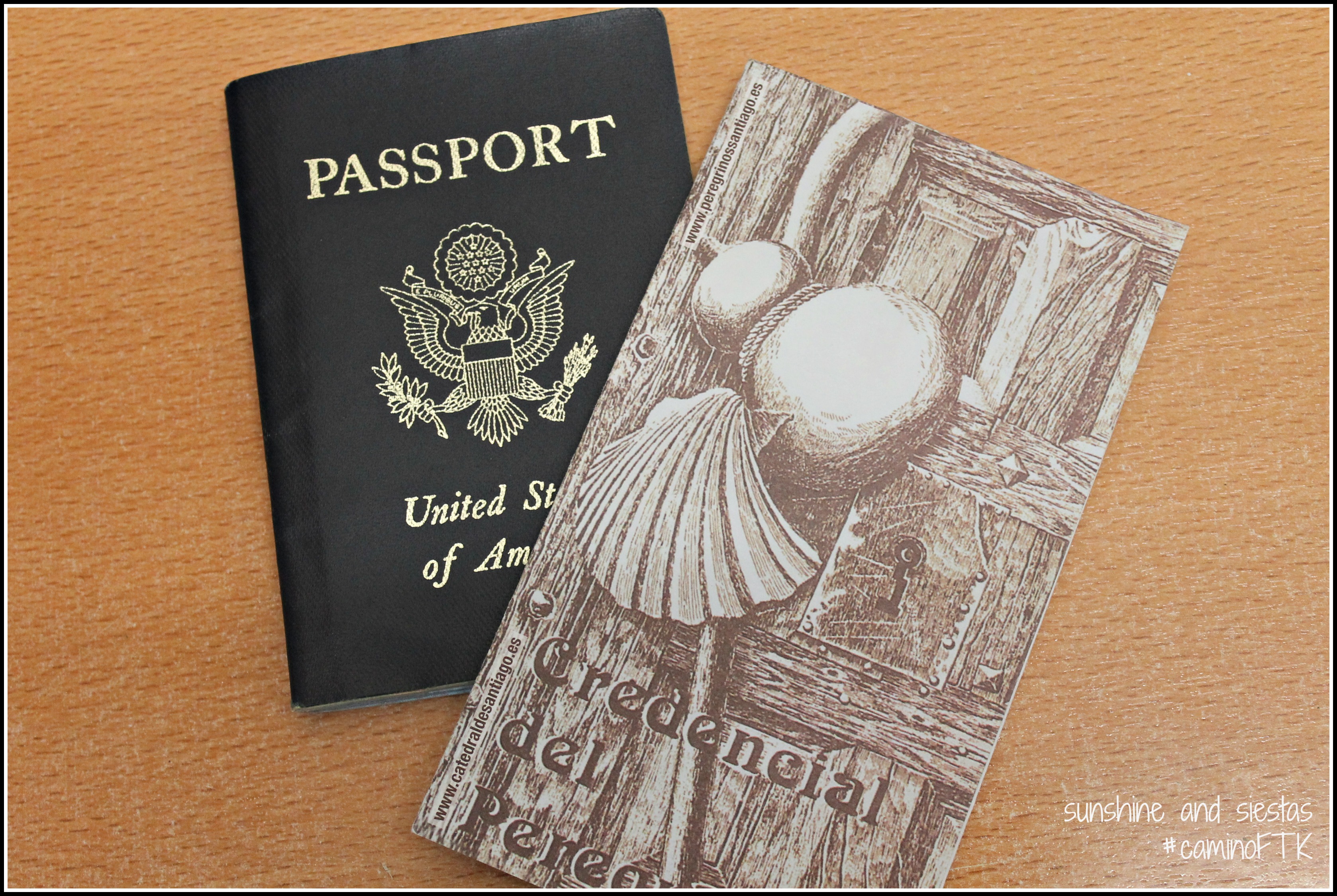
While traveling on the Camino, pilgrims carry a sort of passport that is a collection of stamps from monasteries, albergues and other historic sites (we have loads from bars and restaurants, too!). Once in Santiago, they can go to the pilgrim’s office to receive the Compostela, the official document stating that the pilgrim has walked at least 100km or biked at least 200. You can email Peterborough Pilgrims, a Christian Order located in the UK, at pilgrimpeterbros@gmail.com. They sent both Hayley and I our (street) creds by mail, free of charge, within a few months, so plan ahead. You can also get the along the Camino at parish churches, but not at albergues.

When actually getting the compostela at the Pilgrim’s Office (Rúa do Vilar, 1, adjacent the cathedral), you’ll be asked to present your credentials and write some basic information about nationality, age and starting point on a log. If you’ve done the walk for spiritual or religious purposes, you’ll be given a fancy certificate, written in Latin, stating you’ve received plenary indlugence and are absolved of your sins. If not, you’ll still recieve a certificate of completion.

Since I did the walk in memory of a friend who had passed, I was able to also add her name to my certificate, known as ‘Viccario por.’ There are volunteers in the office from all over the world, so you shouldn’t have a problem communicating your correct information. To keep your compostela from wear and tear, the post office or tourist shops sell cardboard tubes for cheap. (Many thanks to another pilgrim I met along the way, Fernando Puga, for this information. You can visit his Camino blog here).

Story Telling on the Walk.

The Camino is littered with stories, with reasons for walking, with pilgrims looking for something, whether spiritual or emotional. Part of my fascination with the big walk has been because of the incredible tales I’ve heard that have come from a few days or weeks of just walking. No doubt, we will have shared meals and swapped anecdotes with people from around the world.

The Camino is extremely spiritual, and Aviva Elyn and Gary White explore the spiritual temples along The Way: http://powerfulplaces.wordpress.com

One of the best (and there are few) resources on the Camino del Norte: http://www.caminowalkaboutnorte.blogspot.co.uk

Cole Burmeister walked just four days of the Camino from St. Jean Pied-de-Port, but he captured lovely images: http://www.fourjandals.com/europe/walking-the-camino-de-santiago-photos/

Randall St. Germain’s intimate details of his trip, including information on getting to Fisterra: http://www.caminomyway.com

I’ve always loved Sherry Ott’s perspective when writing, and her notes on the Camino are fantastic: http://www.ottsworld.com/blogs/best-time-to-walk-camino-de-santiago/

Books to read before, during or after.

I’ve long read pilgrim stories, touched by the way that the road can profoundly change a person. Here’s a selection of what I’ve read, and what’s on my Kindle for the trek (Waah, I can’t travel without it!):

Kevin Codd, ‘Field of Stars

Guy Thatcher, ‘A Journey of Days

Paulo Coehlo, ‘The Pilgrimage

Robert C. Sibley, ‘The Way of the Stars: Journeys on the Camino de Santiago

Shirley McClaine, ‘The Camino: A Journey of the Spirit‘ – finished this while on the Camino and, dios, it’s out there!

Joan Fallon, ‘Santiago Tales

Have any other great resources to share? Planning on doing the Camino de Santiago some time during your life? I’m writing this ahead of time, but I already think I’ll be back for more. You can view all of my photos on my Camino Flickr Set, get inspiration from pinterest or check out my twitter log while I’m away.

Camino de Santiago Packing List for Women on the Camino del Norte

As I kid, I used to marvel at how my father could pack a bag, pack the trunk of the minivan or pack enough goodies into the fridge to keep us happy.

I may have inherited his travel hacking skills and his love of beer, but girl did NOT get his gift of packing.

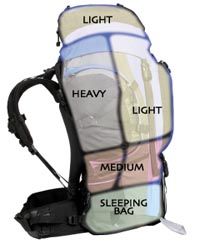
Hiking the Camino de Santiago posed a problem: I needed to find a way to pack equipment for a 200mile hike across Spain through both rain and shine. As a rule of thumb, your pack should weigh around 10% of your body weight, which meant I had around six kilos to work with for two weeks and 12 stages to Santiago. The packing should go more or less like this:

Like always, it’s been a battle of packing, unpacking, moving piles, reducing wares, rationing pills. Here’s what’s in my pack and now on my back:

The Footwear

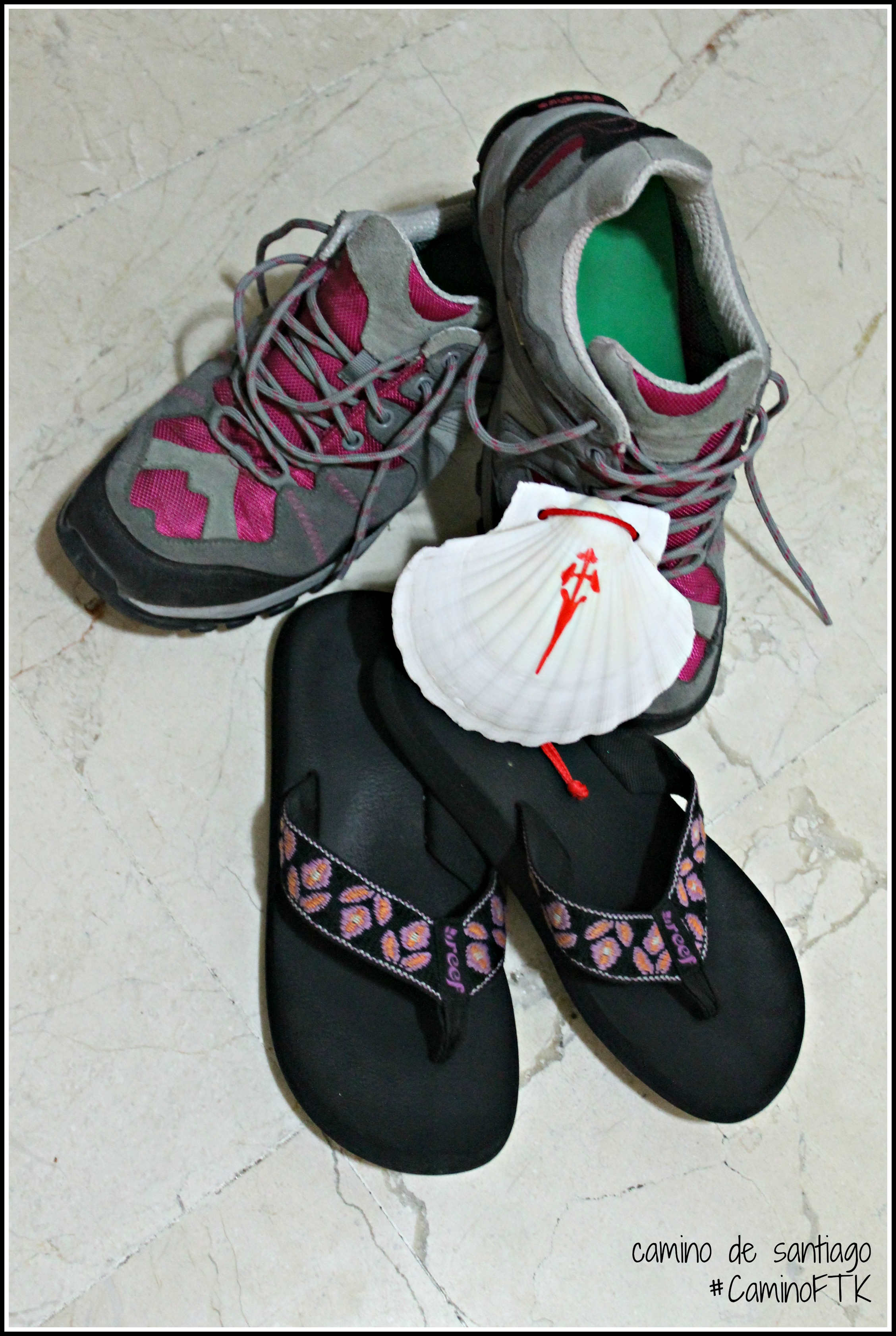
If there was one place where I wouldn’t skimp in preparation for 200 miles on The Way, it was with my footwear. I had just two requirements: as these boots would be strapped to my feet for 3 – 8 hours a day, they needed to be comfortable, and due to the tendency of rainy weather in Northern Spain during the summer months, they also had to be waterproof.

Be aware that there are also two types of boots – those that are high and protect the ankle, and those that don’t. Had I known that I had weak ankles because of my years of gymnastics, I likely would have bought the higher boots to prevent twisting an ankle  – the Camino del Norte is also a bit more strenuous and full of hills, unlike the majority of the popular Camino Francés.

In the end, I settled on Quechua brand Arpenaz ankle boots with Novadry that weight 750g and have shock absorbers. I’ve been wearing them, along with my custom-made insoles from Podoactiva, as much as possible before the trek. I’ve also packed a pair of supportive Reef brand flip flops for showers, any stops at the beach and for exploring the stops in the evening.

Summary – hiking boots and flip flops.

The Clothes

The Camino is certianly not a fashion statement – I have left home my jewelry, my makeup and my hair products in favor of two-in-one shampoo/conditioner and a plastic comb, my cute rebajas steals for garments with built-in wicking

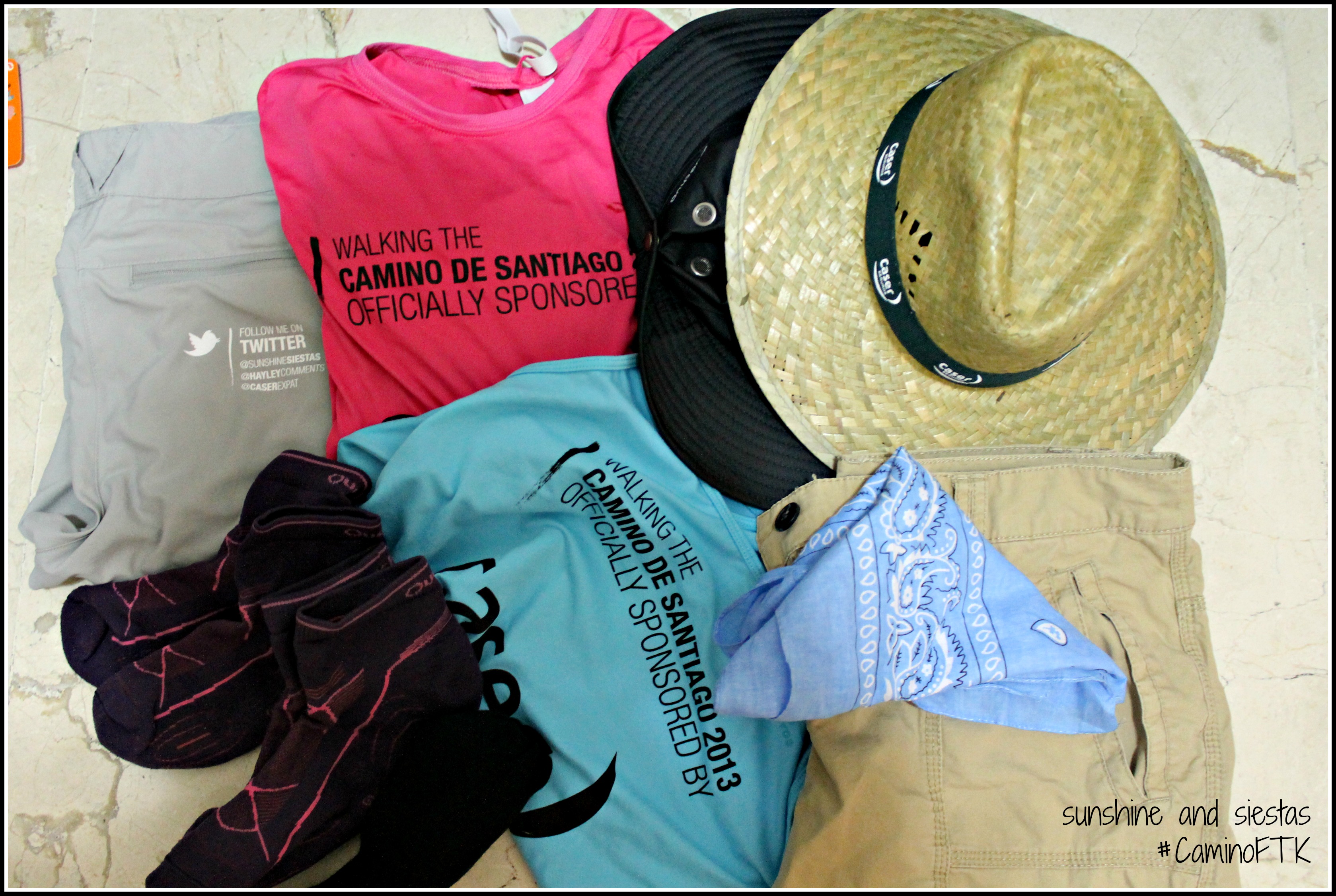
Decathlon, the French sporting goods company, is chock-full of outdoors clothing, but I was clueless – I’d rather spend my weekends in gastro bars and wandering around with my camera than climbing over fallen tree limbs. I went with the basics – t-shirts and tanks with built-in wicking for perspiration, anti-blister socks, pants that convert into shorts with just a zip, and a waterproof hat and a straw hat in case there’s sun.

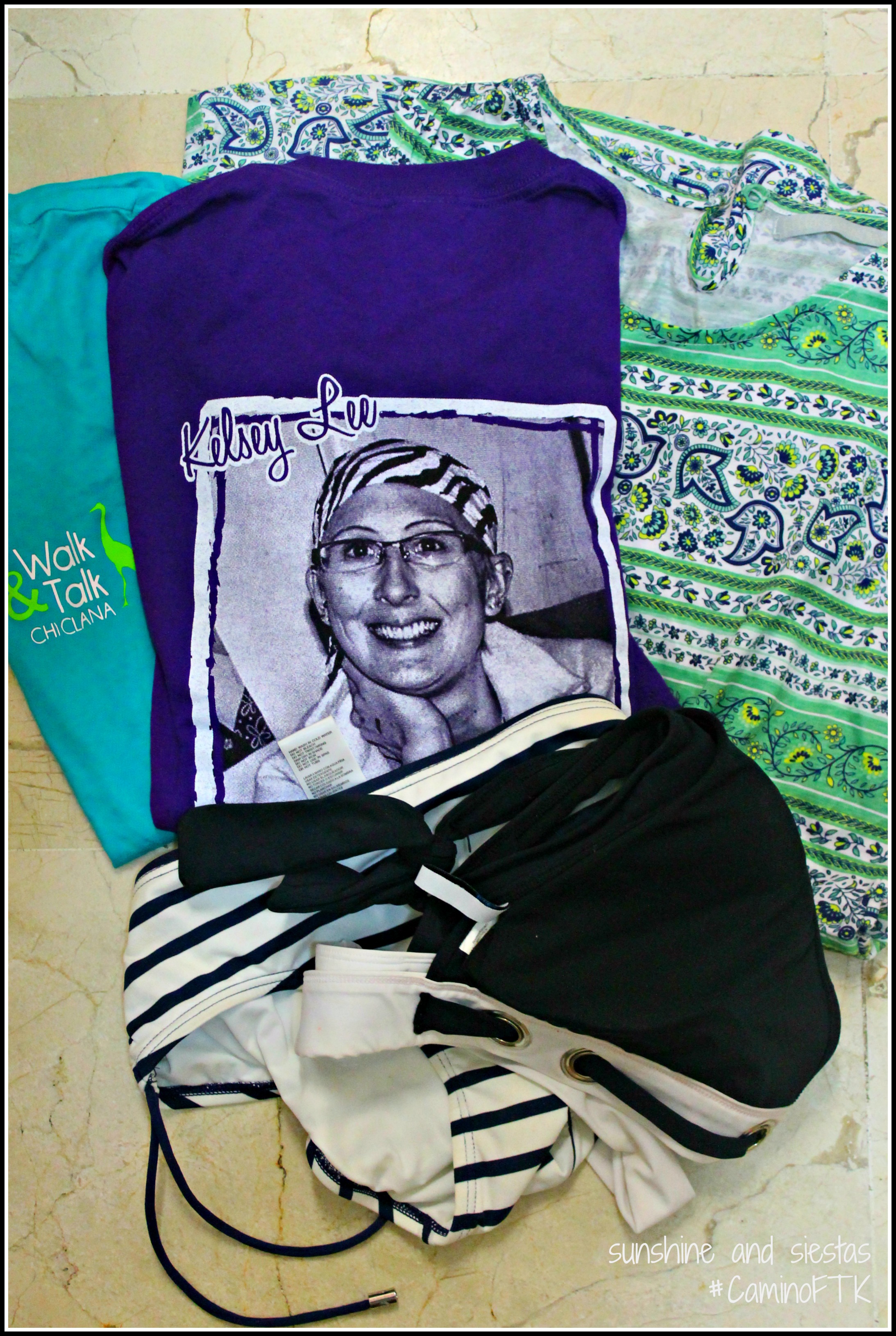
Of course, I’ll need non-Camino clothes for when I’m not out walking, so I’ve thrown in a swimsuit (our first five days are along the beach), comfy pajamas, a lightweight cotton dress and a t-shirt from sponsor Walk and Talk Chiclana. Wicking be damned when I sleep!

Summary: Two Ts made of wicking, one tank, one pair of pants, one pair of shorts, five pairs of socks, undergarments, a cotton handkerchief, a fisherman’s hat and a straw hat. I’ve also got sunglasses, since I’m hoping for some sun!

The Equipment

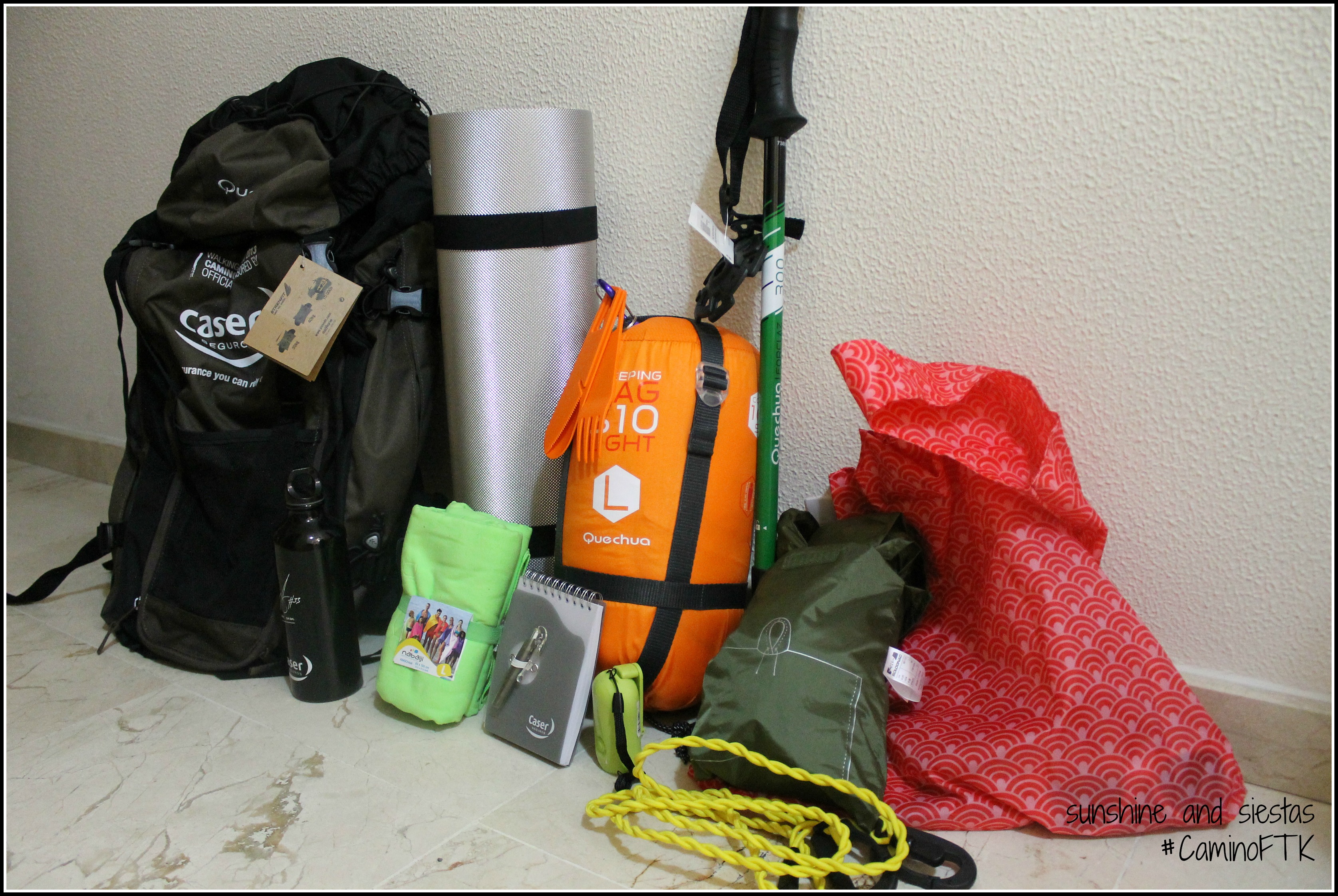
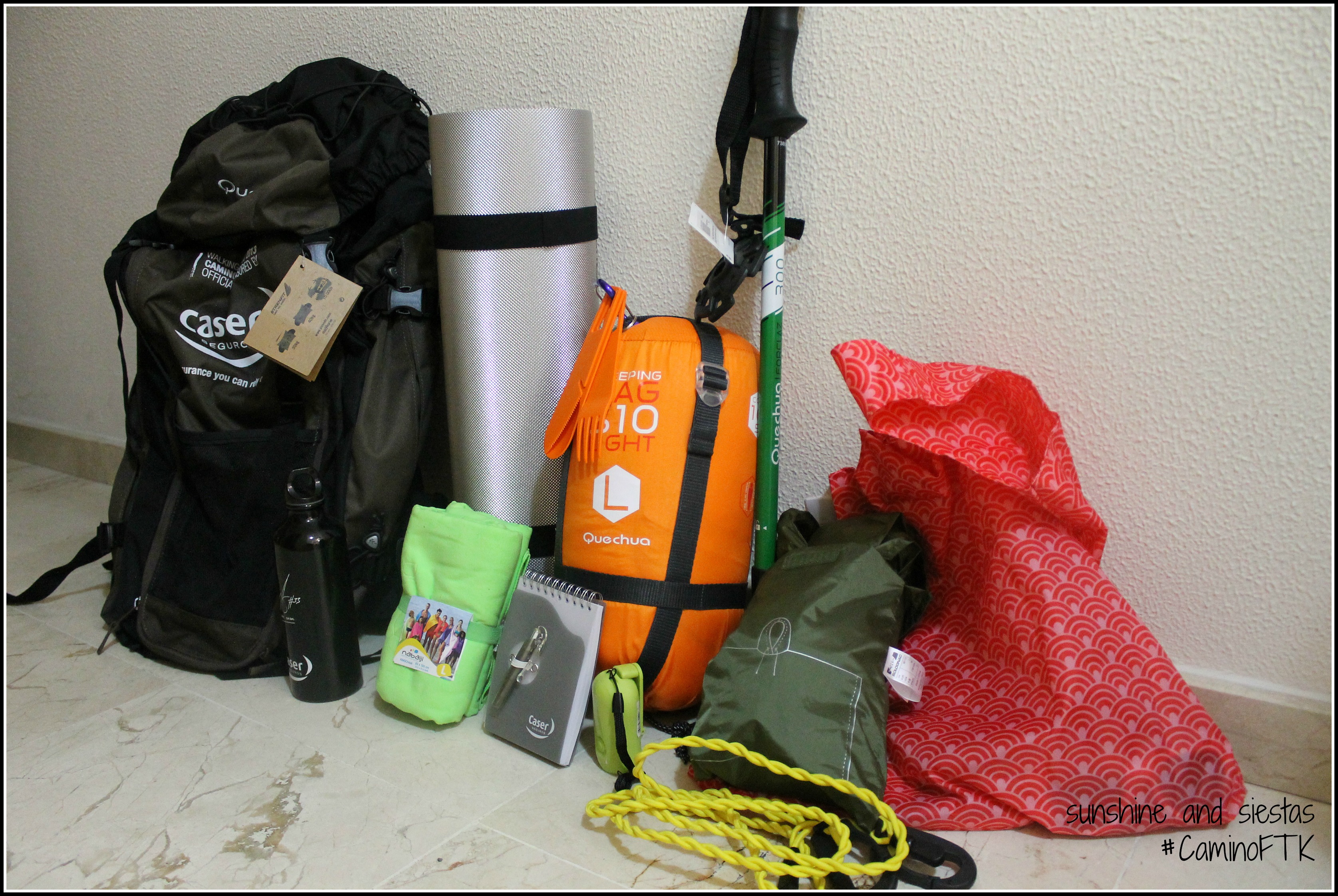
Not only will I need clothing (and likely a change of clothing due to rain), but there’s a lot of other things that will make up my pack weight. I have a lightweight sleeping bag and sleeping bag, an aluminum walking stick, a rain poncho and a flashlight.

I’ve also been told to bring a collapsable bag for evening time to carry my camera and wallet, or to shop or carry groceries, so I grabbed a cheap one at Tiger.

Summary – sleeping pad, sleeping bag, shammy, rain poncho that both Hayley and I can fit into, a water bottle and a walking stick.

The Traveling Pharmacy

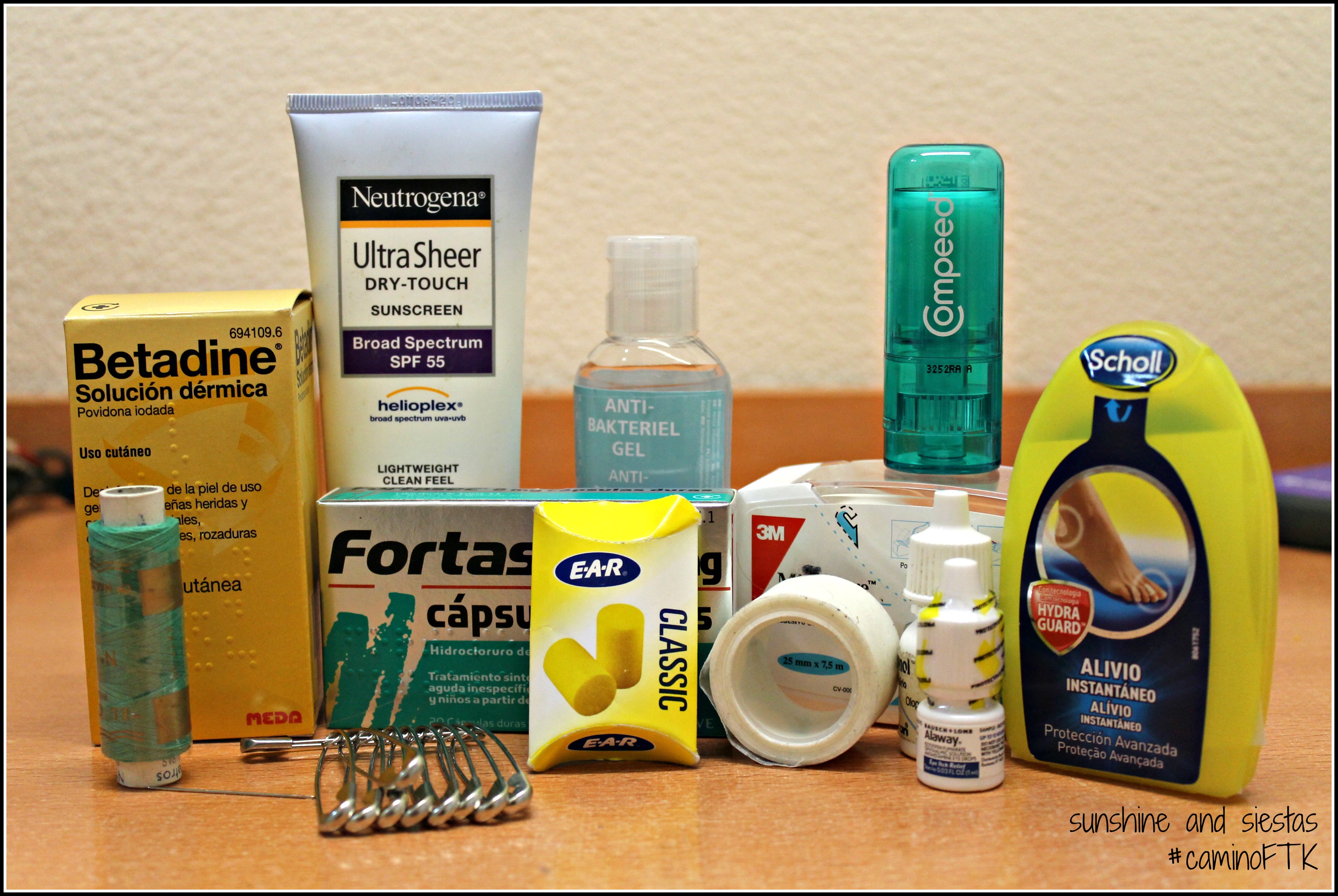
Veteran pilgrims warn of road hazards – blisters are rampant, food doesn’t always sit well with stomachs (though I think mine is pretty well adjusted to Spanish cuisines) and there is always, ALWAYS someone snoring in the albergue. I spent a pretty penny on items at the pharmacy, and it seems that the pharmacists in Coruña seem to understand what a pilgrim needs much better than those in Sevilla. Behold, my traveling pharmacy:

Included here is Betadine (antiseptic spray), suncream, a needle and thread to sterilize any blisters, earplugs, 10 big safety pins, anti-bacterial hand gel, a Compeed anti-rub stick, anti-allergy eyedrops, micropore (tape), and various anti-blister pads and bandaids. Not pictured are the ibuprofen and allergy pills. From all accounts, pharmacies along the way are well-versed in pilgrim care, so anything else we need can be bought on the road. The contents are light with all of the casing taken away, and will get lighter as the days wear on. I’ve got my medicine cabinet packed at the very top of my bag.

The Extras

There were other things I just couldn’t travel without on a normal trip – a small, paper notebook and a few pens, my Kindle, Camarón. These three things will be coming along with me on the Camino, worth their weight in gold (or albariño wine) as far as I’m concerned. I’ve also got a clothesline, a waterproof watch, a jackknife, and my electronics, which included an iPod and my two cameras. I may regret the electronics…

Other pilgrims choose to bring little trinkets from home, like packages of instant coffee or a small dictionary to help with the Spanish. Two things you cannot forget is some kind of ID card and your pilgrim’s passport. I was forced to bring my American passport for my RyanAir flight back to Seville, and the pilgrim passport works like one that allows you to travel between countries – at stops along the way in churches, albergues or Pilgrim offices, your passport will be stamped as proof that you’ve done the Camino. I got mine sent right to me by Petersborough Pilgrims.

The seashell I bought on my first trip to Santiago five years ago will also be affixed to my bag. Let the buen camino piropos roll!

The Pack

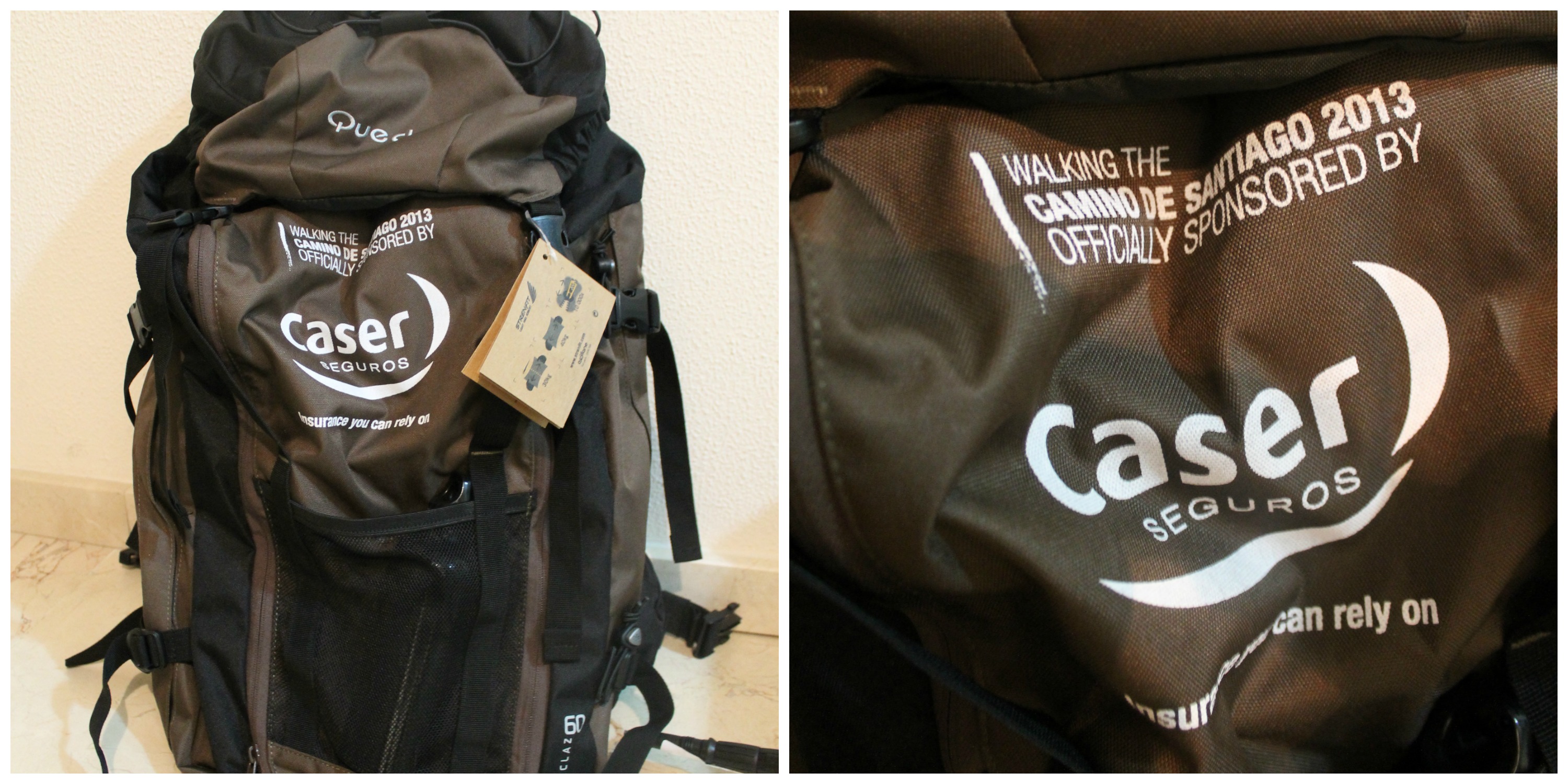
Apart from the importance of footwear, the backpack you choose will likely be one of the most important purchases you make before taking on the Camino. Meet my mochilita, who I will name Santi in order of St. James and his inspiration for this walk:

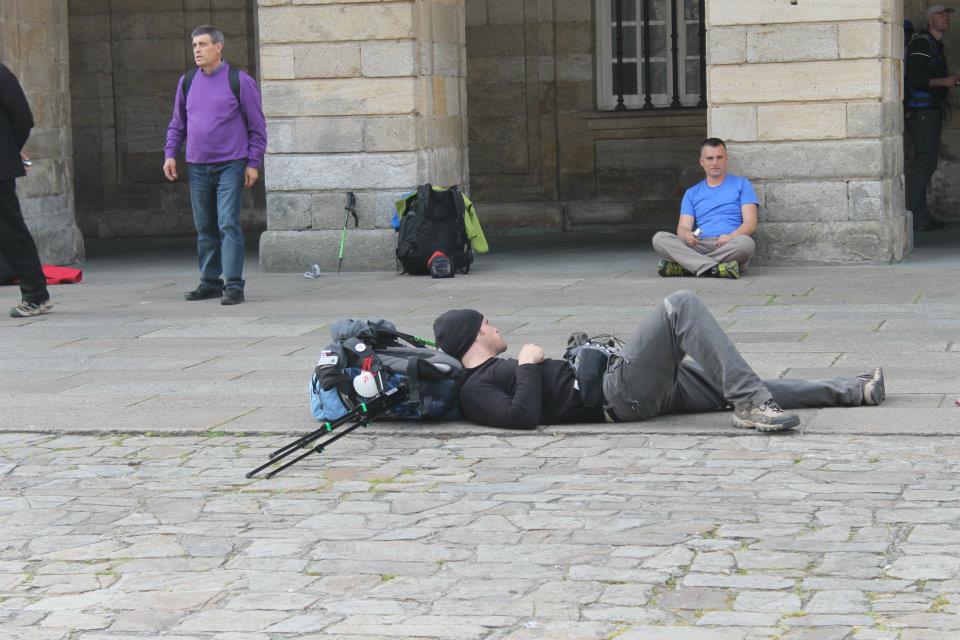
If you’re not a trekker, look for a bag that has a weight distribution that will put everything on your hips. This Forclaz 60L bag has meshing to help my back breathe, loads of extra pockets to put important things and a divider that separates the heavy things from the lighter ones further up my back. Santi will be, for better or worse, my closest friend on the hike, and like many pilgrims I’ve seen in the Plaza del Obradoiro at the end of the Camino, I’ll be resting against him, staring up at the spire of the cathedral.

Then it’s onto the spa to scrub all of the Camino grime off of me and massage out all of the knots!

The Giveaway:

Our official sponsors, Caser Expat Insurance, are treating Hayley and I to a few experiences once we arrive to Santiago on August 11th. We’ll be able to relax in the beautiful ancient city, enjoy the local cuisines and even get a massage, and Caser Expat wants to extend that to one lucky reader of Sunshine and Siestas, too. You’ll have the opportunity to choose a ‘La Visa es Bella’ experience, valued between 50-100€, to be used in Spain. You can choose accommodation or a spa/relaxation experience of your liking. This giveaway is only open to residents (or future residents!) of Spain, and the winner will be announced when I arrive to Santiago on the 12th and notified through email.

a Rafflecopter giveaway

Don’t forget I’ll be tweeting and instagramming here and there over the next 14 days and 200 miles, so follow along at @sunshinesiestas and @caserexpat with the hashtag #CaminoFTK. Thanks again for all of your support, and buena suerte!!

Related Posts Plugin for WordPress, Blogger...