Tapa Thursdays: El Gallinero de Sandra

El Gallinero de Sandra – Sandra’s Chicken Coop – was what I expected to be an over-priced, chicken-heavy restaurant.

Always one to try a new place and follow my group of American chicks around, I went anyway. My girlfriends always know how to find the good places.

Housed on a pedestrian alleyway between Trajano and Amor de Dios streets, the joint is part of a recent surge in gastrobars, boutiques and trendy watering holes that has the Alameda neighborhood, once associated with junkies and the homeless, ranking as one of Seville’s top nightlife barrios.

Sandra herself greeted us and showed us to a table on a breezy terrace fashioned with fresh white linens, hanging lamps and red accents. We took advantage of one of the last balmy nights to dine al fresco, though the open concept bar and dining area reminded me of an upscale farm restaurant.

As Sandra rattled through what was available off the menu, I went into a temporary coma because everything sounded beyond delicious. L took care of the wine – Garum, a favorite of our group of friends – and we toasted to hatching new plans and a new friend.

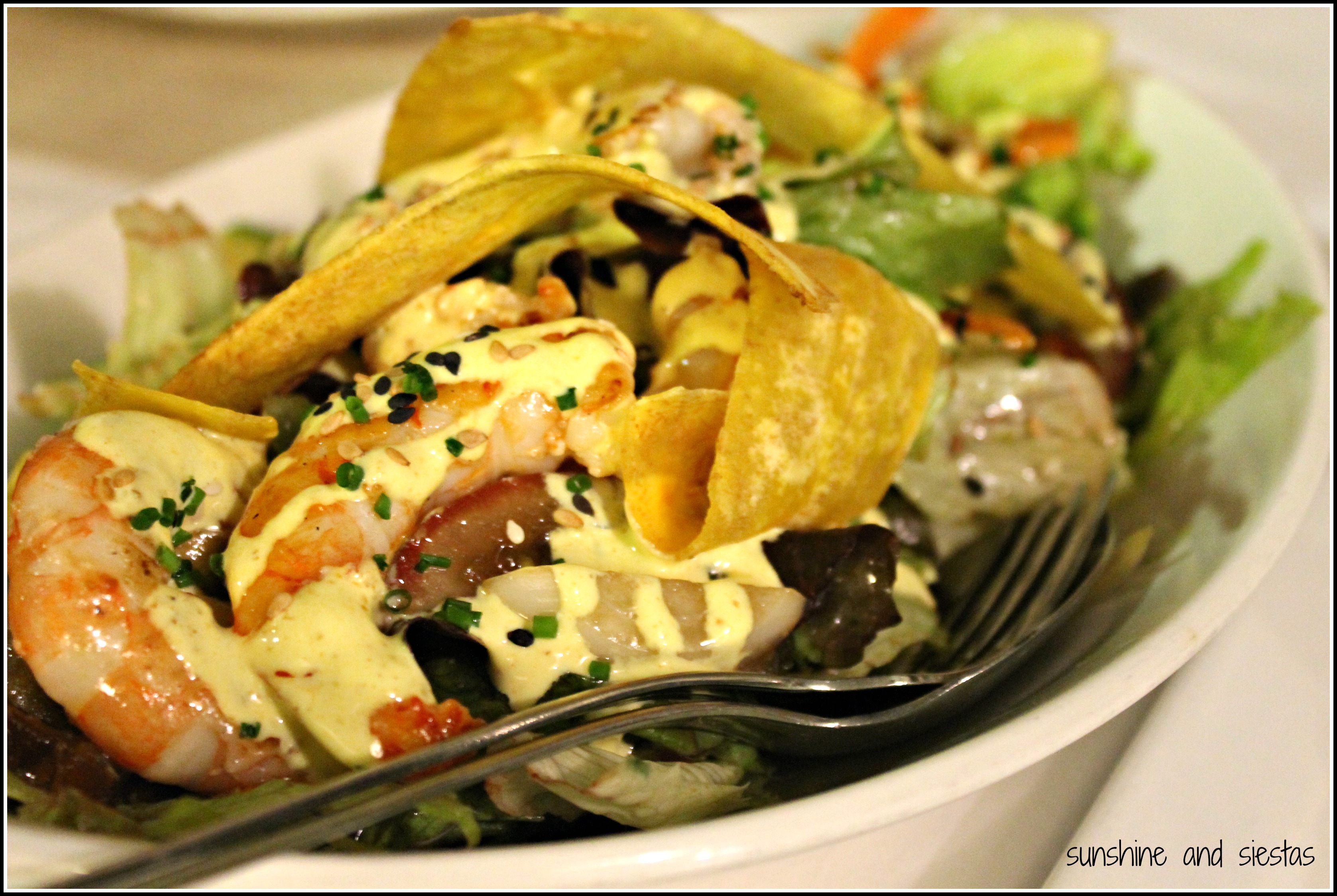
The menu at El Gallinero changes constantly, and it had more than just chicken – baked fish dishes, revueltos with everything imaginable, a tempting presa ibérica, though few thoroughly vegetarian dishes. We settled on tuna tartar with vegetables, salad with shrimp and curry sauce, pork loin with creamy rice pilaf and the most decadent foie on top of a flatbread and a garden of caramelized onions. So good, in fact, that I stopped taking pictures and just ate. Dishes were reasonably priced, as well, between 8€ and 16€ for a ración.
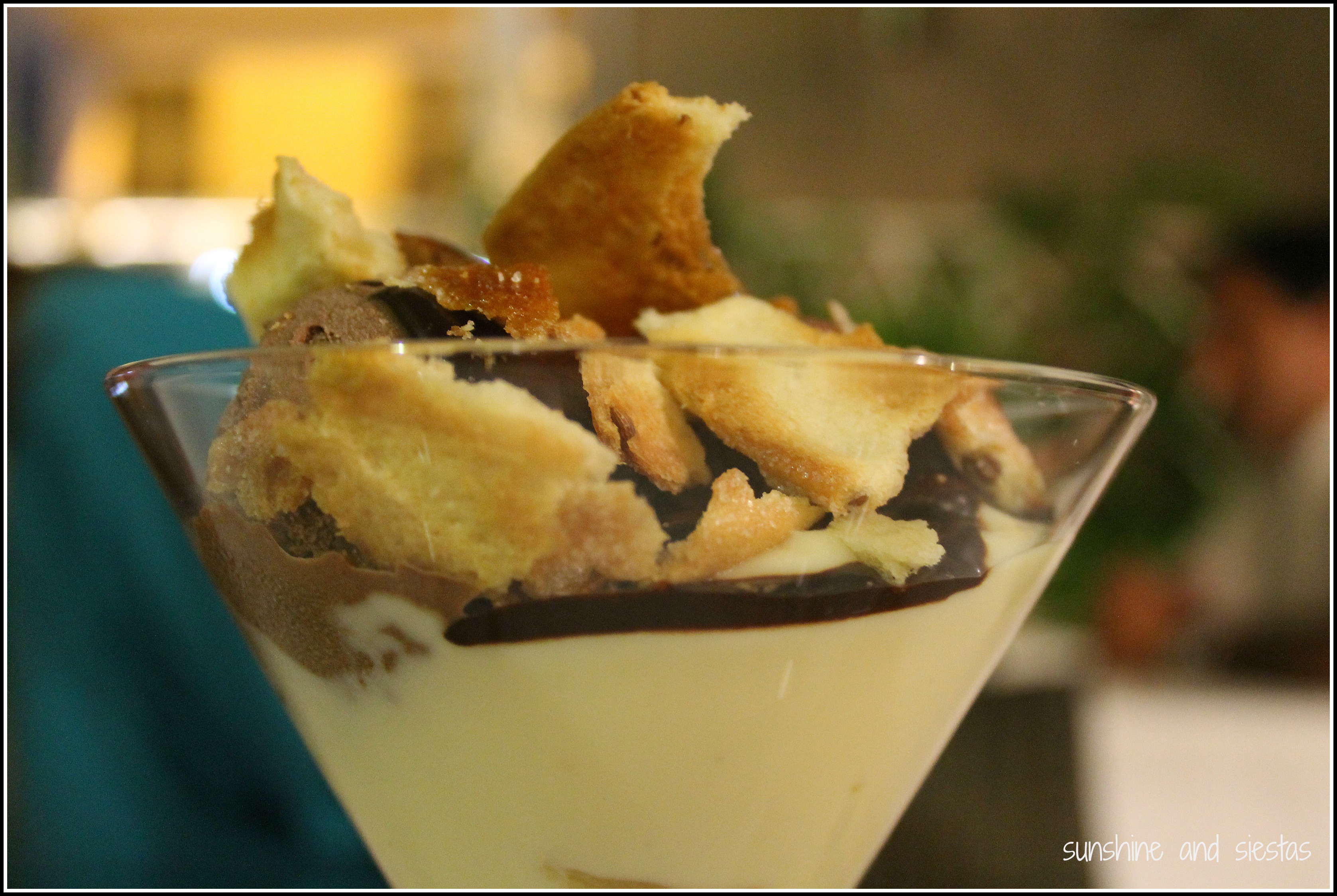
Washed down with another French wine – El Gallinero has wines from around the world, as well as a few bottled microbrews and regional liquors – we bellied up for dessert. The lemon meringue was reminiscent of key lime pie, and the coulant and creme brûlée heavenly. Our bill came to roughly 28€ per person with a small tip included.
We agreed the place would be perfect for date night – cozy and intimate – though we were a group of four guiri hens clucking about our summers at lightning speed at a place named Chicken Coop.

What’s your favorite place to have a meal in the Alameda? I’ve got an exciting new food project coming up with the backing of Caser Expat Insurance, so stay tuned!

If you go: El Gallinero de Sandra is located on the pedestrian street Pasaje Esperanza Elena Caro near the Plaza del Duque. Expect to pay 8€ for an omelette or fritata, 9€ for a salad and 11€ for a meat or fish dish. Desserts are 5€ and worth every calorie. The restaurant is open from 13:45 a 16:45 y de 20:30 until close, though closed Sunday night and all day on Monday. Reservations are welcome at reservas@elgallinerodesandra.es.


Tapa Thursdays: Heladería Llinares and its Wacky Ice Cream Flavors

Outside of Italy, I’d never seen a group of camera-clad tourists so fascinated by a street side ice cream display. In a city known for its rice dishes, avant-garde architecture and brash fireworks display (oh, and being the region from which those crazies the Borgias came from), I never expected to see such fuss over an heladería.

As we got closer on a walk around Plaza de la Reina of Valencia, crowned by the cathedral, I realized why.

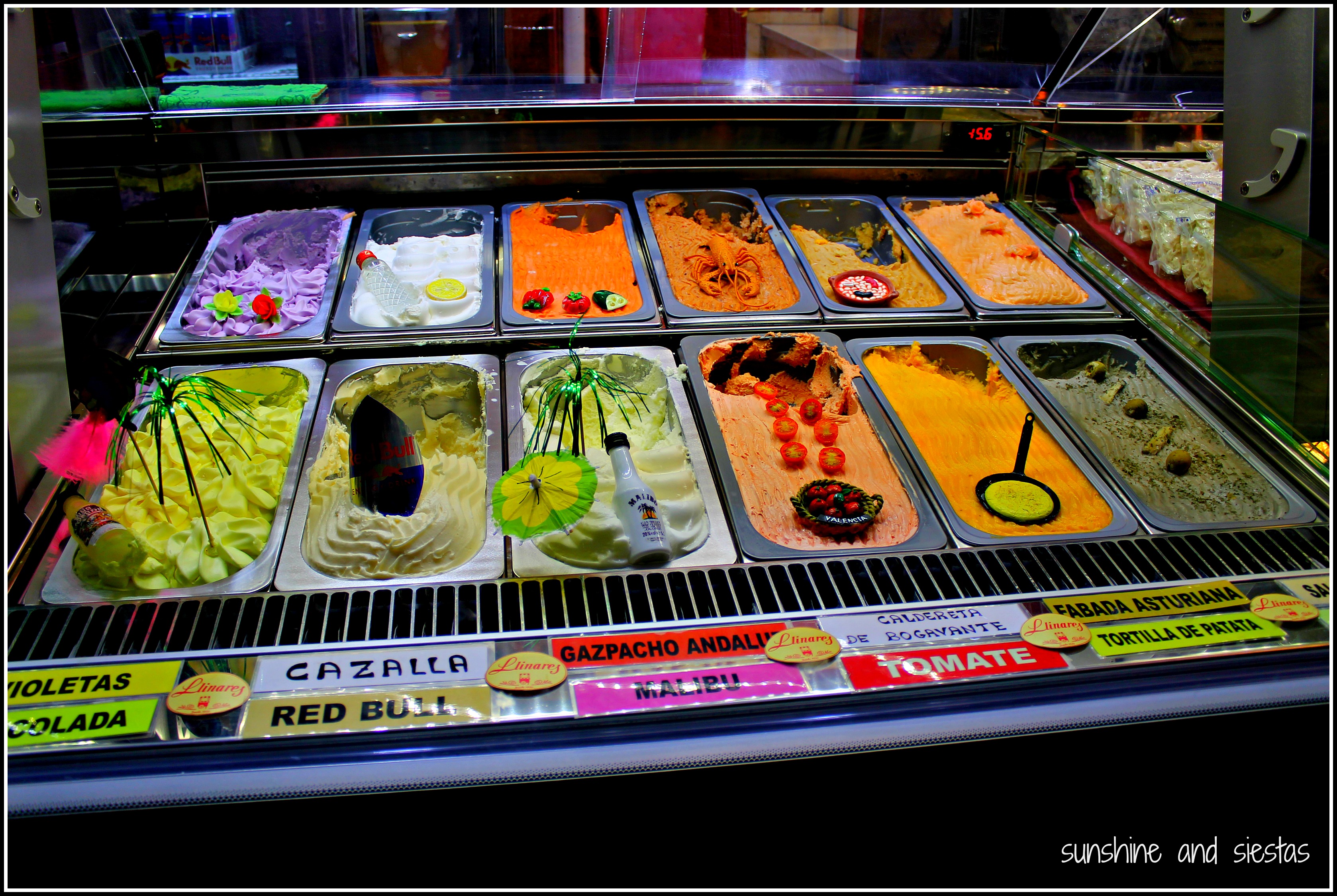
Behold:

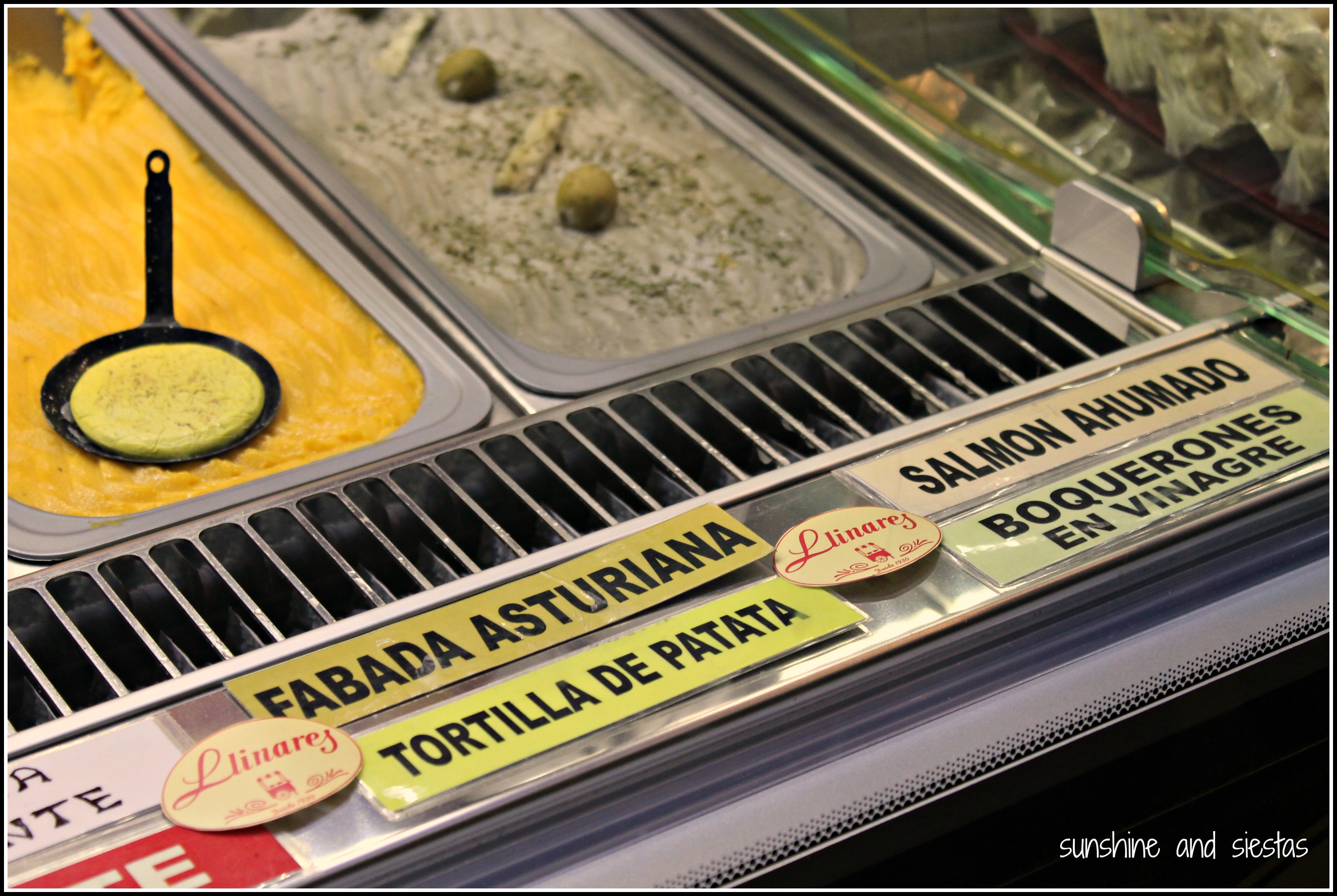
Yes, those flavors are cream of shellfish, Asturian bean stew, anchovies in vinegar and gazpacho. The girl in line in front of us tried a bit of the fabada stew and spit it out immediately. I dared to try the anchovies (which I normally only eat with picadillo), and it tasted like just that: fishy vinegar.

The girl scooping ice cream behind a high counter turned up her nose at the girl, telling us that all of the flavors were artisan and made in the company’s obrador, just like Dispensa de Palacio in Estepa. Just for good measure, we tried gazpacho and tortilla. They tasted just like the flavors they claimed to be.

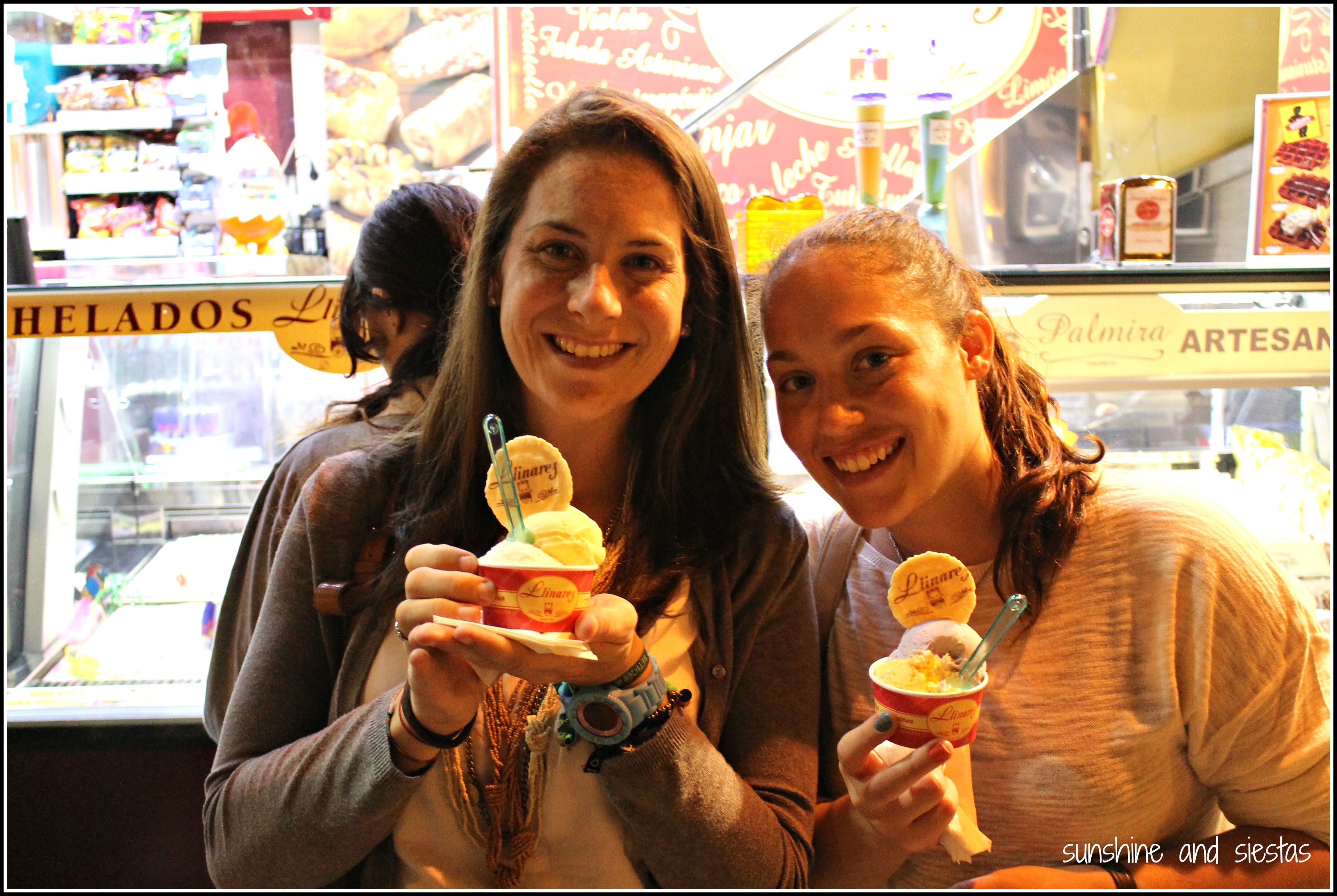
But don’t worry, if you’re not adventurous, Heladerías Llinares has all of the normal flavors and a few twists, too. I chose piña colada and mojito, preferring something fresh to something chocolatey. The company operates several ice cream shops, but the most central is located in Plaza de la Reina, 6, and open daily until midnight. A cup or cone with two flavors will cost you just 2,20€ – not much more than you’d pay for an ice cream bar on the beach.

What’s the strangest ice cream flavor you’ve ever eaten?

Eating Coruña: The City’s Midrange Best Restaurants

Updated November 2025 for mid-range eateries

Galician food makes my heart flutter – the piping hot pimientos del padrón, raxo smothered in roquefort sauce, fresh-caught shellfish displayed  in every window of every bar on every street.

There are two reasons I used to spend my summers in Coruña, crossing my fingers that there will be little rain: one is because it’s way cooler, and the other because the food is incredible.

Even though I spend the majority of time eating in the camp cafeteria, the other teachers and I get the chance to actually go out and get some good food in our bellies. Before I tell you where, you need a primer in typical coruñés fare:

What is typical comida gallega?

Galician fare is rustic, somewhat basic but hearty and fresh. Think seafood, grass-fed meats and sweet pastries.

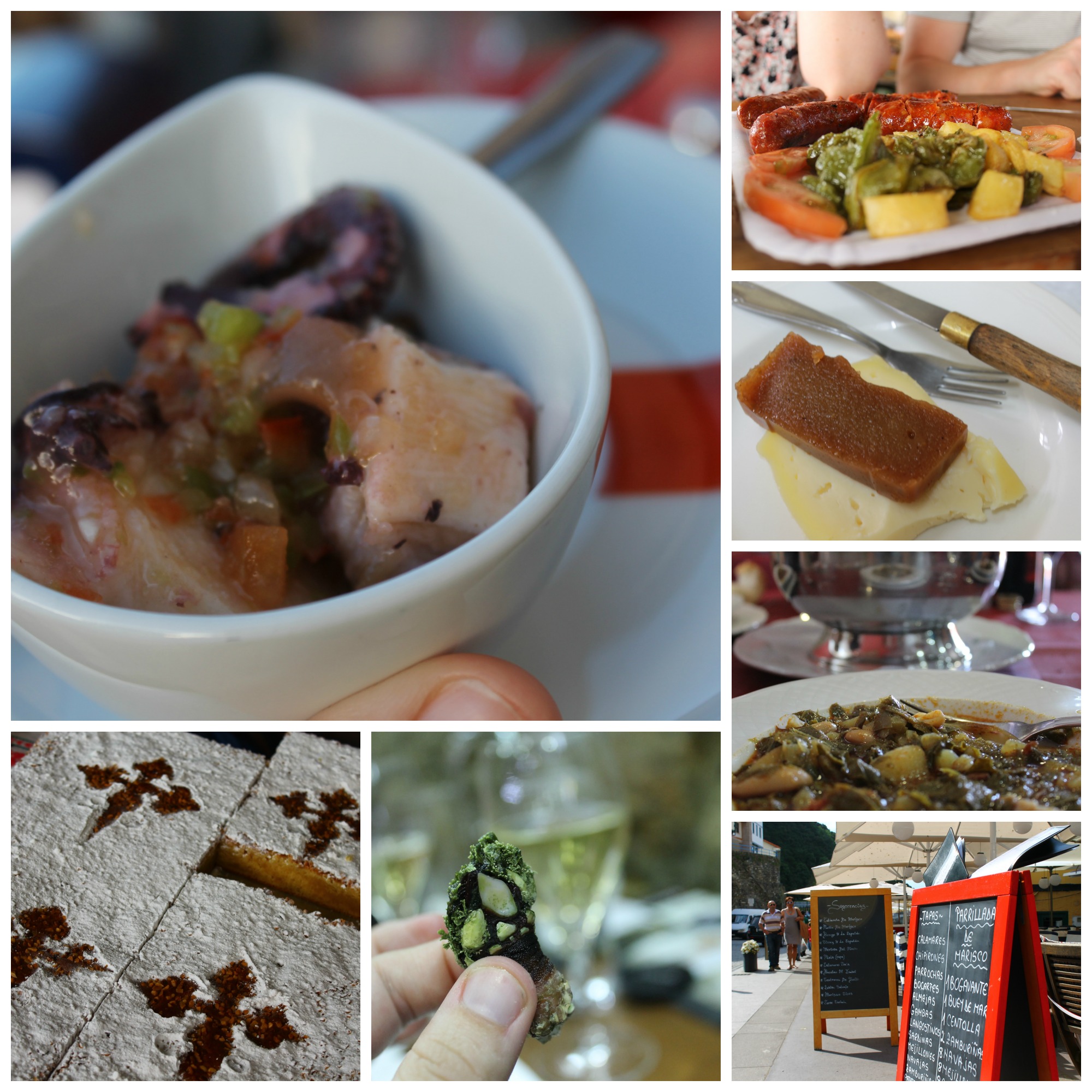
  • polbo a la feira – boiled octopus served over boiled potatoes with olive oil and paprika
  • navajas – razor clams that are pan seared and often served with lemon
  • pimientos del padrón – flash-fried green peppers. As the saying goes, some are spicy, others are not
  • empanada gallega – a pasty, most often stuffed with tuna or ground beef with peppers and onions
  • percebes – goose barnacles. I didn’t like them on my first run and now love them!
  • raxo – marinated pork loin, typically served with potatoes
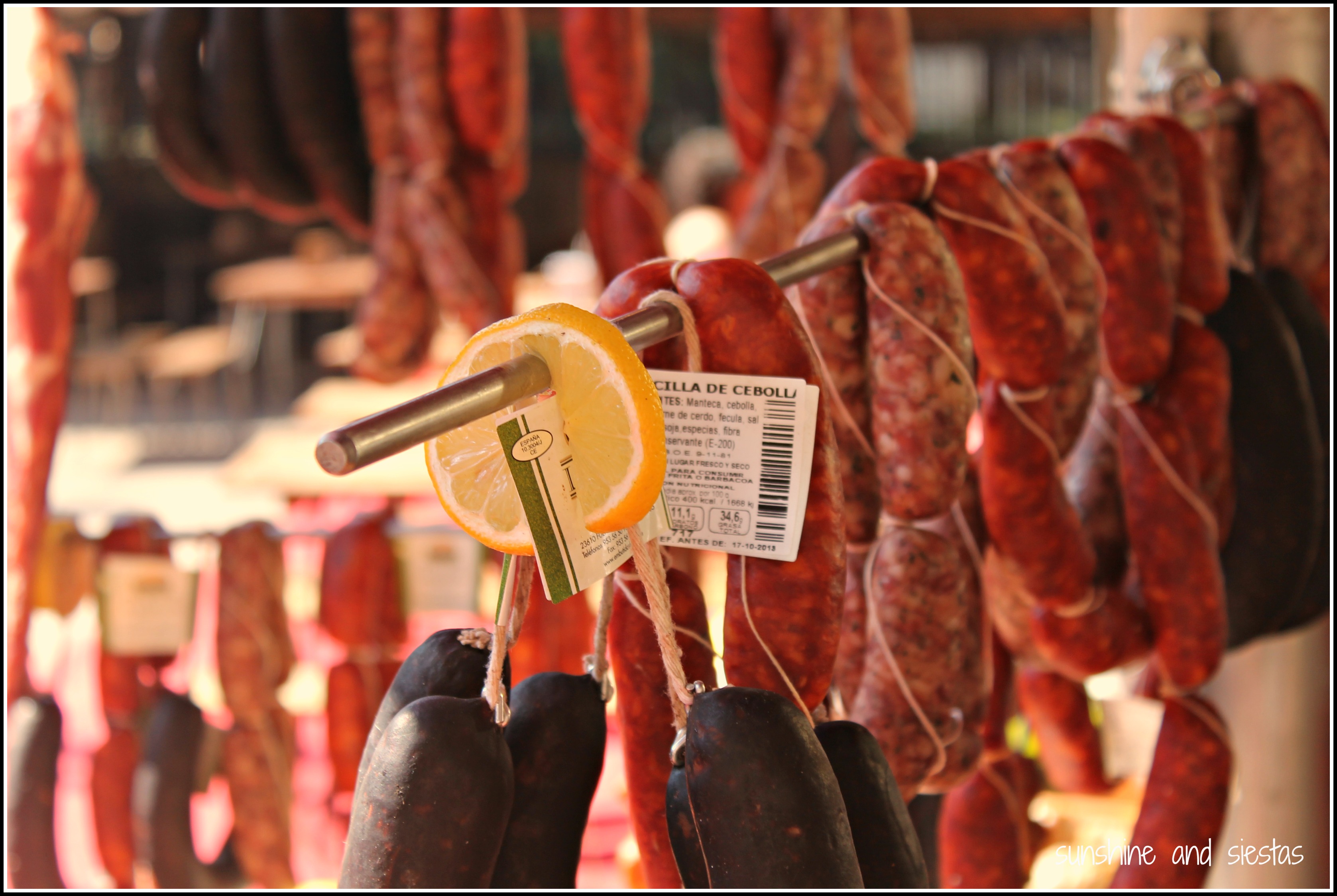
  • zorza – spicy ground pork, treated with paprika and marinated in other spices
  • queso tetilla con membrillo – creamy ‘tit cheese’ served with a quince paste for dessert.

While I worked at the summer camp for five summers running, I made a list of my favorite places that were the 3Bs: bueno, bonito y barato. Essentially, where can I get a decent meal on a summer camp salary? Below are my faves that will cost you 10-30€ per person, updated for 2025:

Best for cheap eats (but plenty of ambience): La Bombilla (Calle de la Galera, 7)

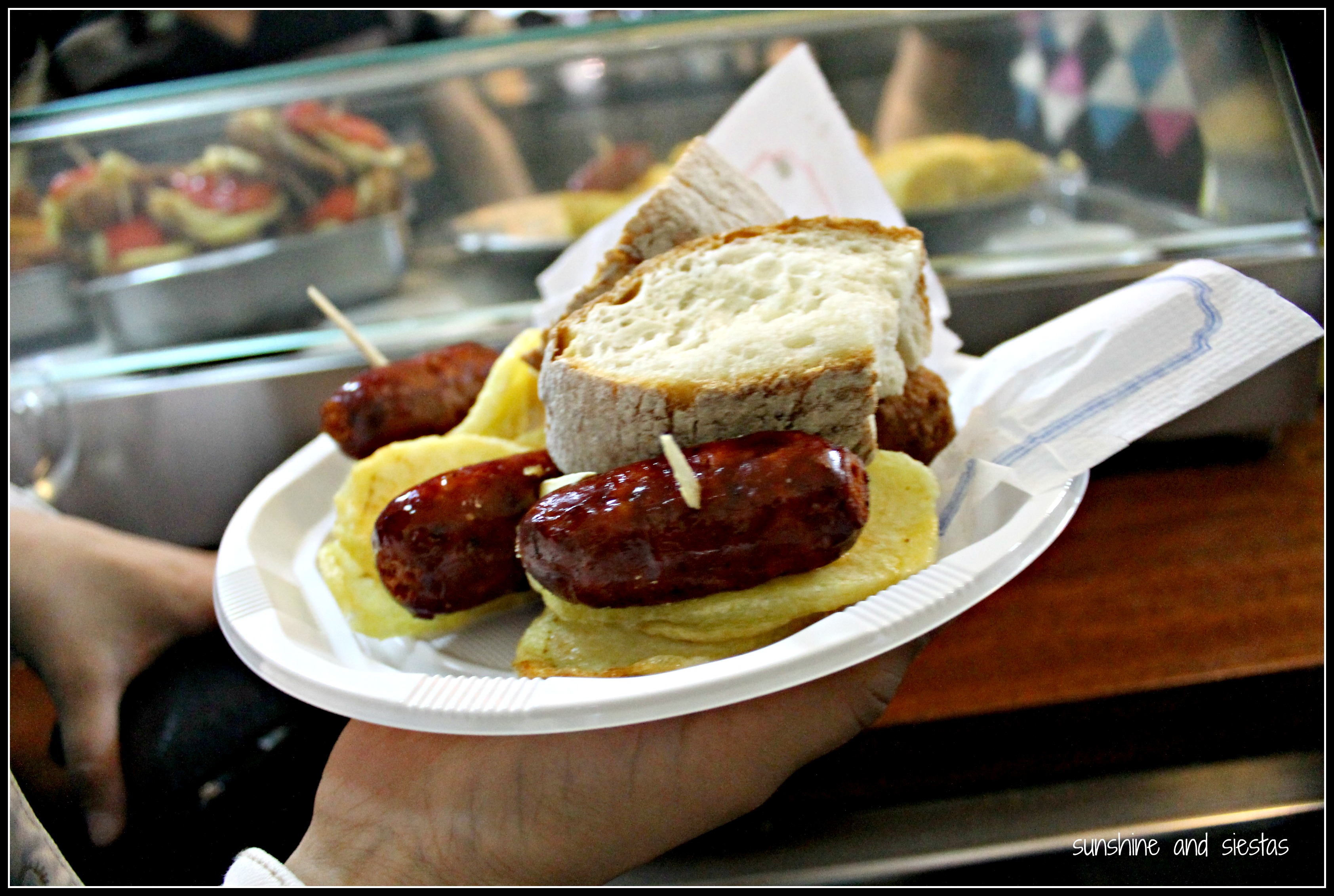
Javi picked us up from the airport high above Coruña’s city center and promised us a surprise. We elbowed our way up to the counter, toasted to new friendships and chose tapas of off the short menu – tortilla, milanesa and croquetas the size of a baseball. La Bombilla, with its turn-of-the-century-esque bar and cheap thrills (aka tapas for just a 1,60€ apiece), is a staple in Coruña and one of my favorites. Locals sidle up to the bar at seemingly all hours of the day, so be sure to arrive early for lunch or dinner, or you’ll be forced to grab a plastic plate and find a place to sit on the ground outside.

I took my kids here for a quick bite a few summers ago, and they loved the huge ball of croqueta! 

Best menú del día: Casa Rincón de Alejandro (P.º Marítimo Alcalde Francisco Vázquez, 6, located inside the Club Naútico)

Oftentimes, a menú del día, the Spanish equivalent of a three-course meal, is too much for me to eat. But everytime I’m in Coruña, I’ll skip breakfast in favor of the views of the port and across the bay to Santa Cristina beach from the yacht club. While the food is often billed as generic (think caldo gallego or a mixed salad for firsts), it’s served fresh and in heaping portions. What really makes the meal is the atmosphere, with the sea breeze ruffling your napkin and the sun peeking around the enormous glass building.

A weekday menú will run you about 16,50€.

Best Galician meats: Parillada Alcume (Calle Galera, 44)

After all those rounds of pulpo and empanada, I need meat. When it comes down to it, I am a corn- and beef-fed Midwesterner, so I can’t pass up on a parrillada, or a restaurant where meats are grilled over open coals. I’d passed Alcume loads of times, as it’s just off the shopping district, but it wasn’t until a camp vegetarian suggested its mixed plate of meaty good that we decided to try it.

You know it’s good when even the veggie-lover wants to go. We often have to wait to sit down, particularly at the wooden tables outside, but filling ourselves to the brim with sausages and flank steaks makes it worth it. And it’s a lot easier to identify the parts than it is in the camp cafeteria.

Best breakfast: Pan0delino Rúa Rosalía de Castro, 7

Pan de Lino’s inviting bakery counter, beautifully mismatched furniture and organic menu is a nice change from the old man bars I usually frequent. The service is iffy, but as long as you’re accompanied with friends and something delicious, you can let it go. They also prepare gourmet gift baskets and can deliver to you on a lazy weekend.

Open daily from 8:30 a.m., 9:00 a.m. on weekends.

Best seafood: A Mudiña (Rúa Real 77)

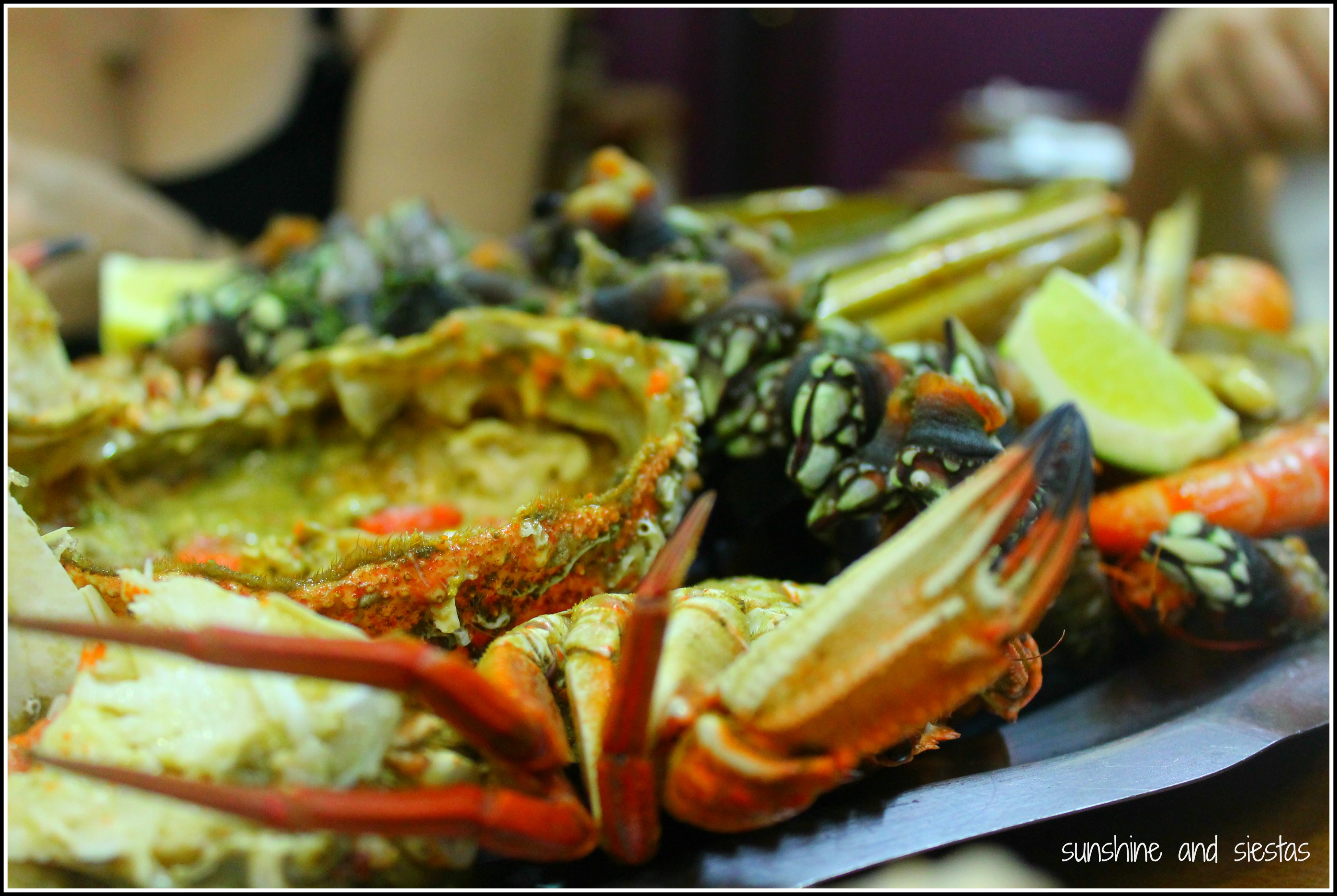
The cream of Galicia’s crop is, without a doubt, its shellfish. As has become tradition, we take our camp cash to the nearest marisquería for a mariscada, or a seafood smorgasboard. I’m sure there are places that are much better (and thus more expensive!), but we group into three and split a 60€ heap of shellfish with a bottle of crisp albariño wine. The kitchen is open, and you can watch the robust cook hack away at crab legs. If you’re on a budget, state your price and ask what you can get for that price.

Open Monday-Saturday for lunch and dinner. Closed Sundays.

There are loads of other places I’ve tried – a hidden Mexican joint with great margaritas, an Indian place with an affordable menú, nondescript holes-in-the-wall whose names I’ve long forgotten. Then there are the places I’d love to try, like Spoom’s creative cuisine. But, somehow, the appeal of one euro tapas, a sushi conveyer belt and the tried and true always win out. But really, I’ll go anywhere I see an upturned octopus in the window.

Have you ever been to La Coruña and have any places to recommend? If you liked this post, you can download an offline version of the article with the GPSMyCity app!

Tapa Thursdays: A Gastronomic Experience at Restaurant Puerto Blanco in Calpe

The Novio does’t understand my “world.” He doesn’t understand why I’m a smartphone addict, why I take pictures of details, and why I spent my hard-earned cash (hard-earned on a slot machine in Vegas, that is!) on a DSLR, my trusty Camarón.

Then I dragged him along as my plus-one on a blog trip. During our weekend in Calpe as VIPs for #calpemocion, we ate, drank and made merry with 50 other digital media strategists, and the Novio finally understood why I love blogging and sharing my stories and photos with my readers.

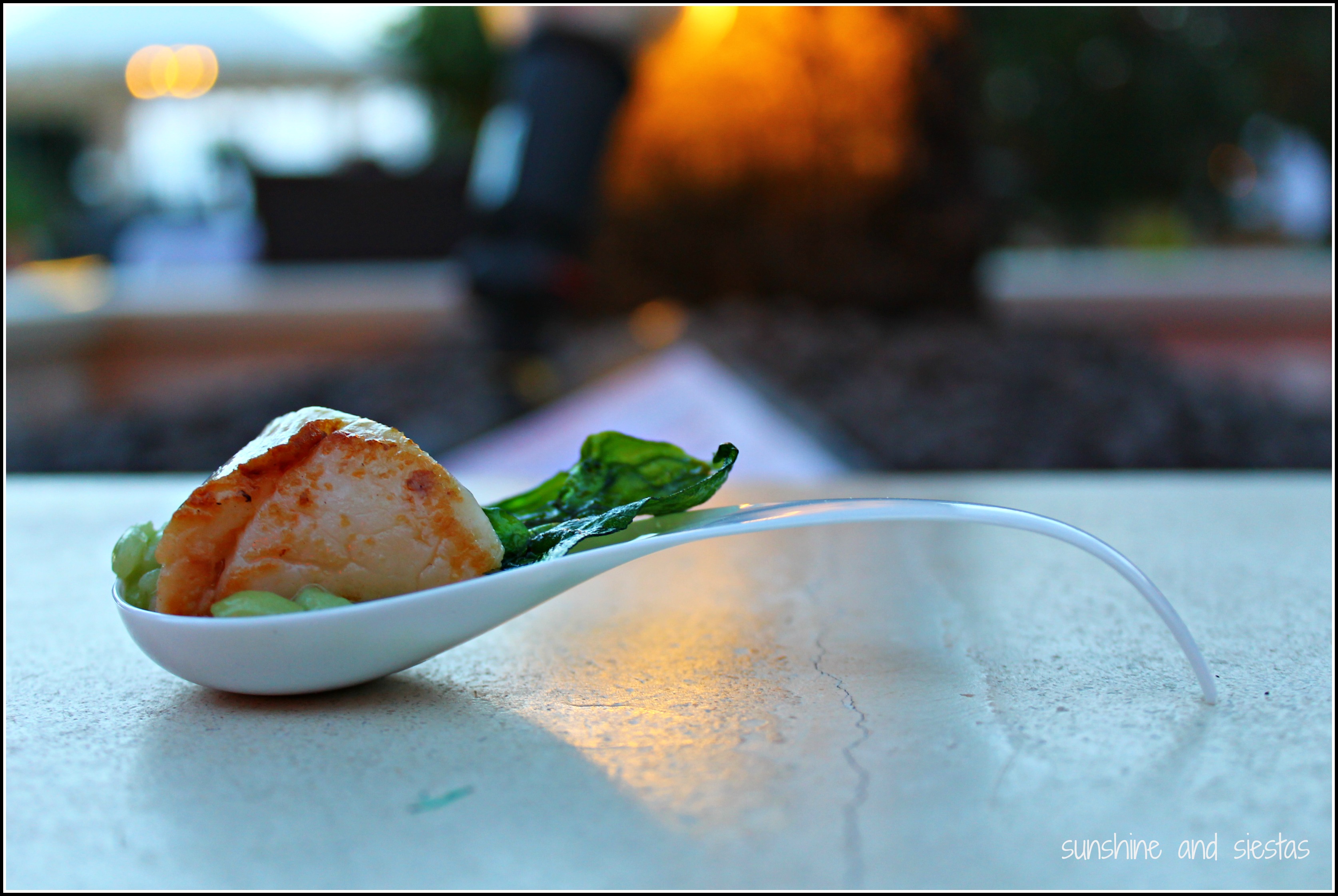
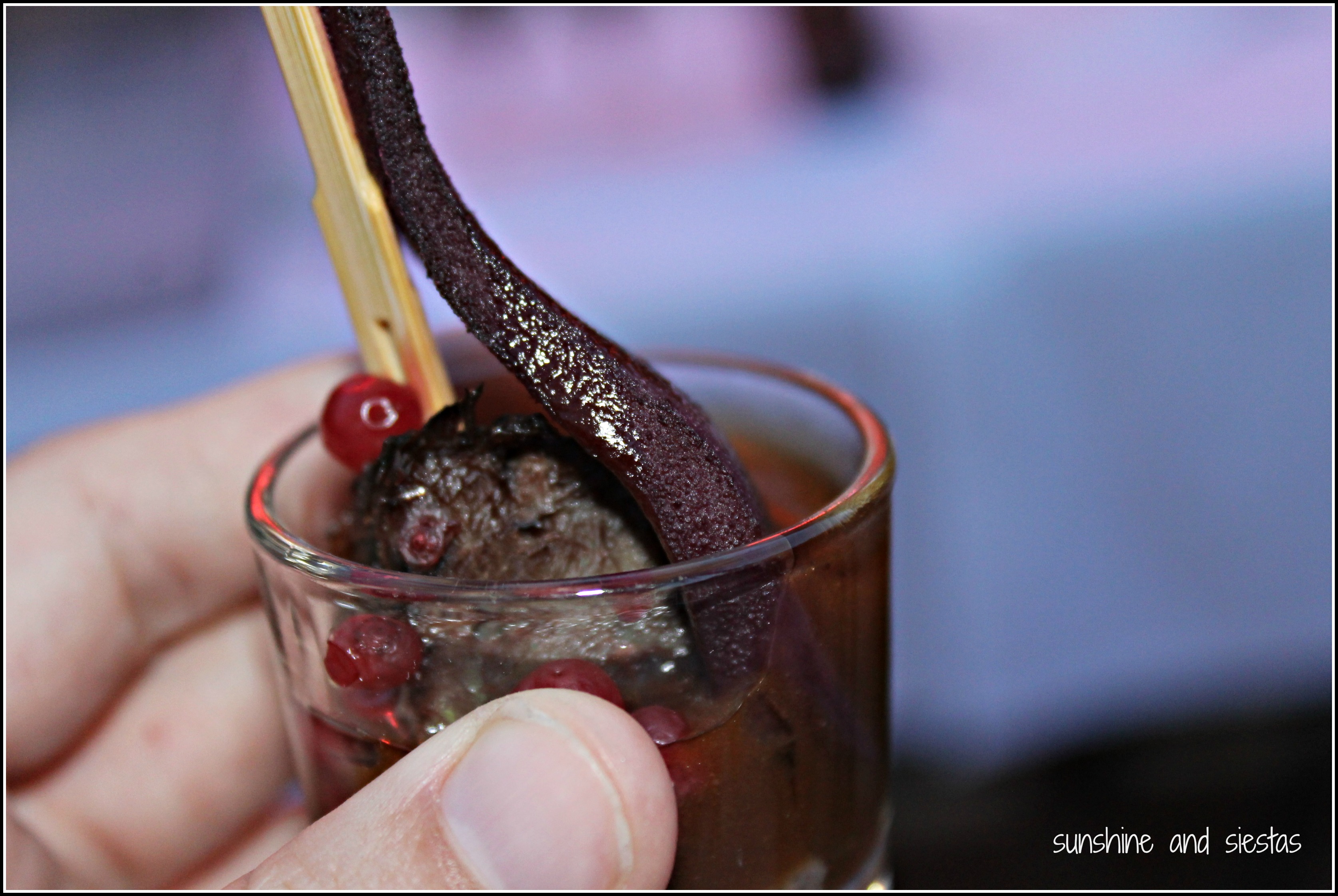
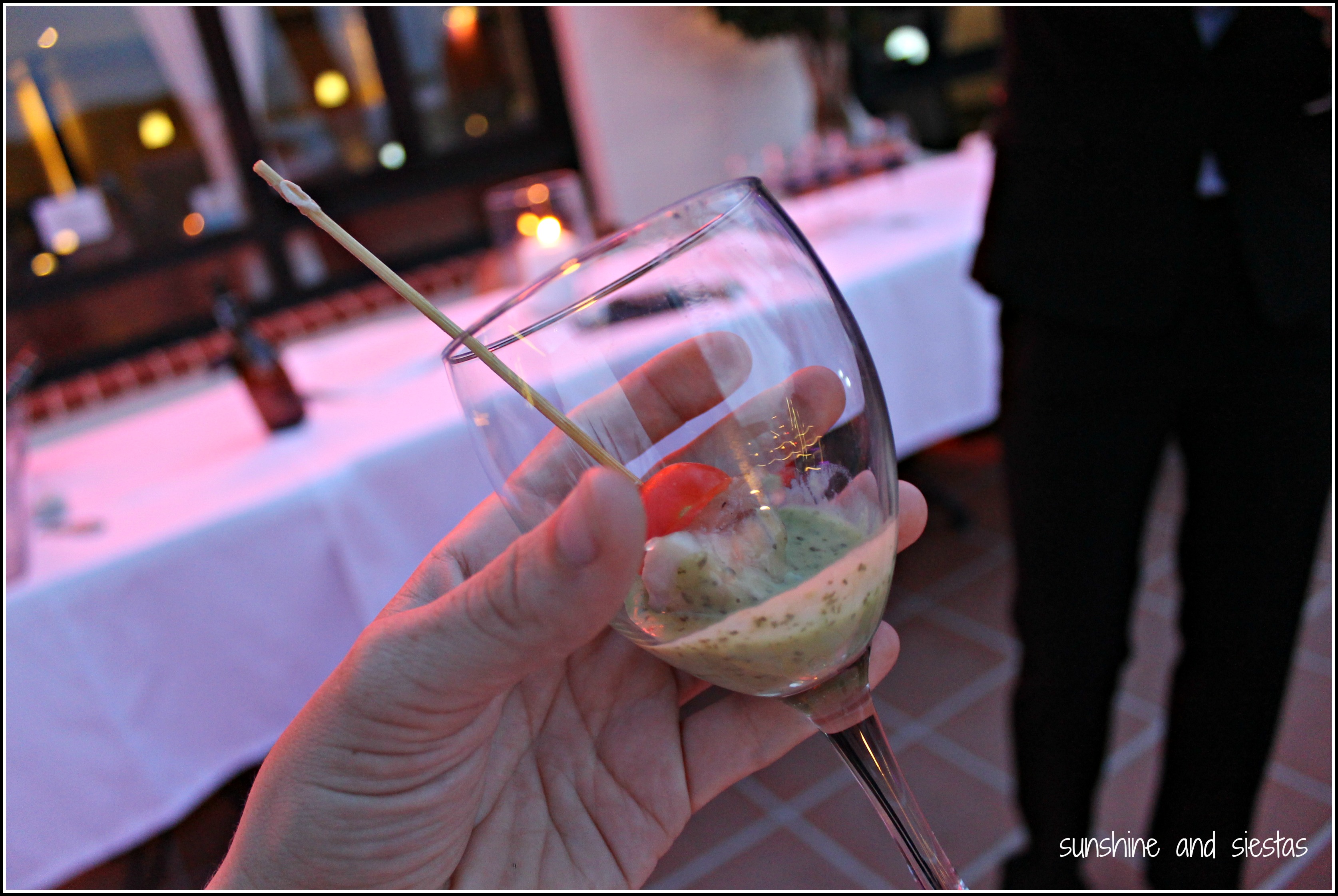
During our welcome dinner at Restaurant El Puerto Blanco, one of Calpe’s most famous eateries, he even graciously held the bite-sized tapas we munched on while I shot them. Score.

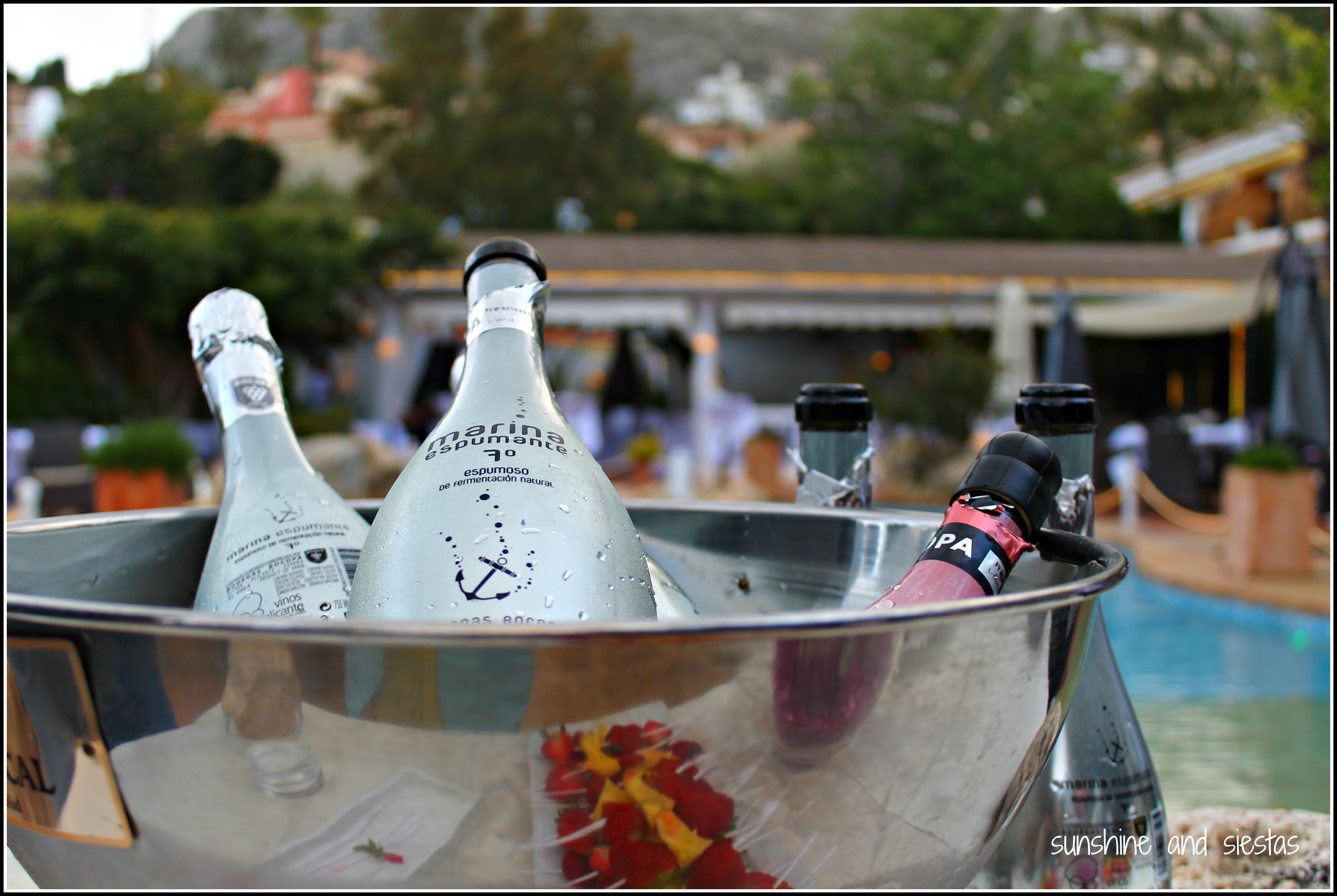
Welcomed to Puerto Blanco by the team of Calpemoción, we had a champagne cocktail with fruit  skewers while Mario Schumacher, the event organizer and master in experiences, greeted us. The mayor and tourism board of the fishing village-cum-tourist destination was on hand, too, and we had a few beers while they spoke.

The setting was idyllic: at the foot of a squat, albero-colored hotel (private bungalows can be reserved – but the waiting list is nearly a year!), a pristine dining room welcomes guests just right along Calpe’s lesser port, Puerto Blanco. Even though the night was cool for May, we spent out time on the terrace, complete with a pool and lounge chairs.

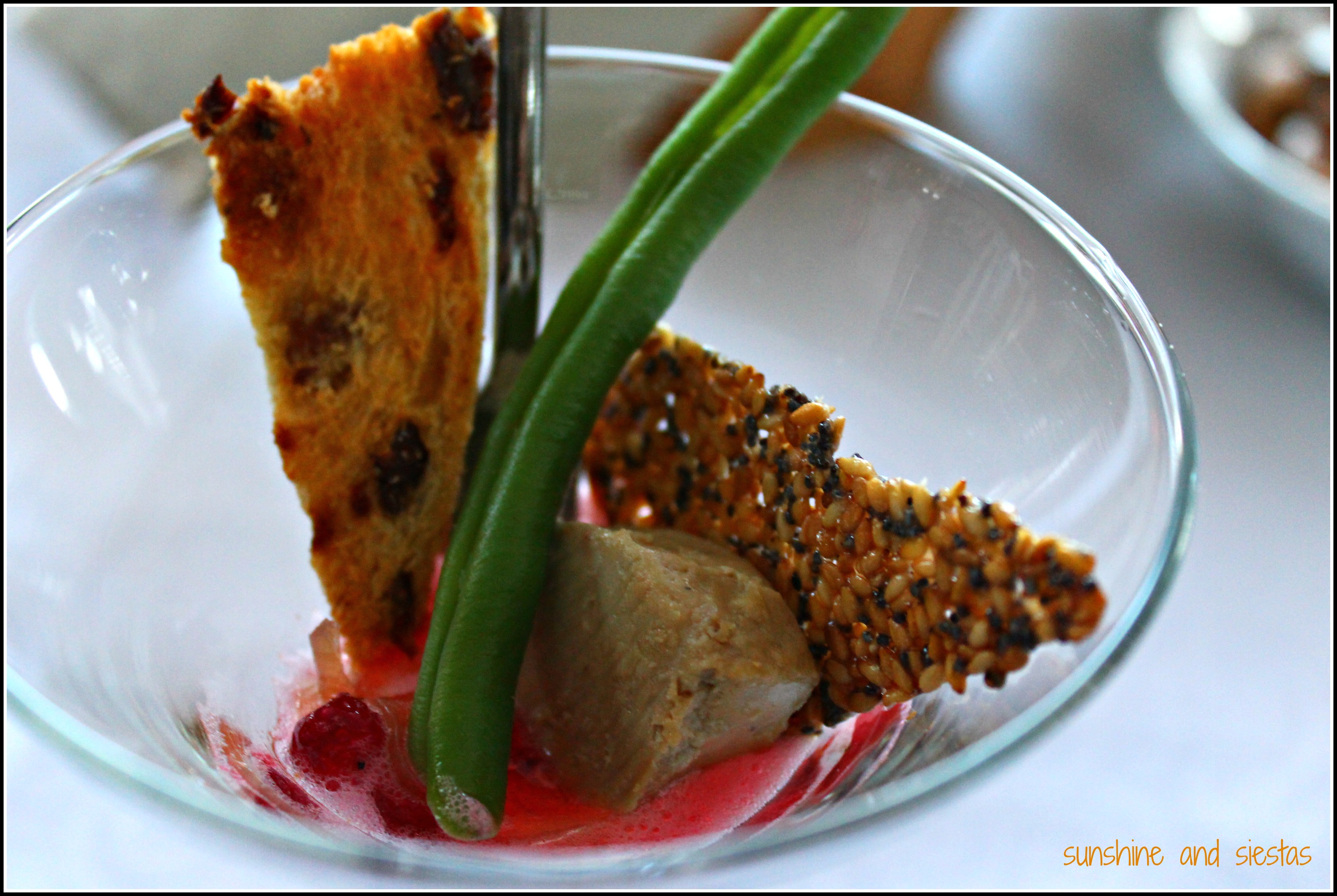
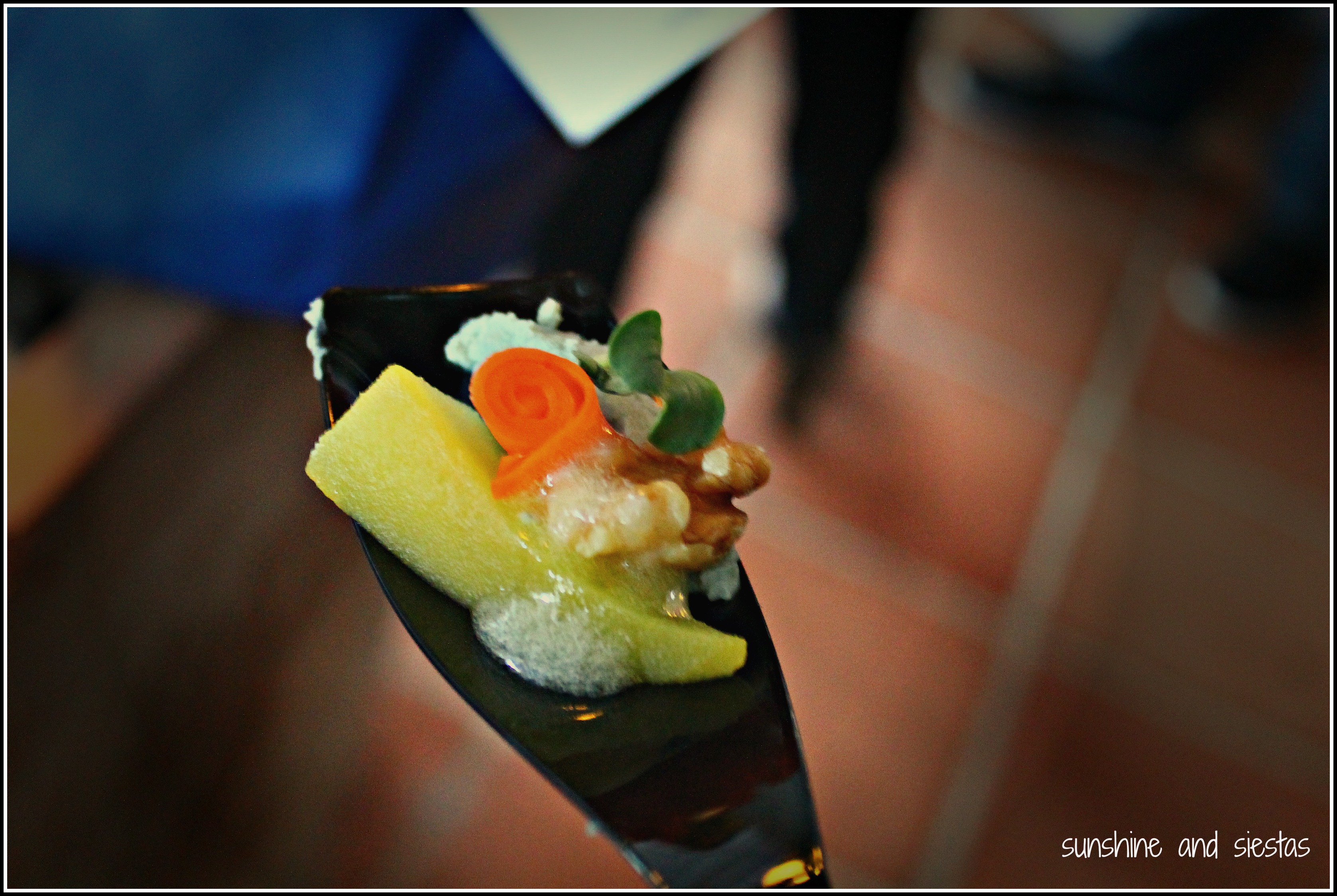
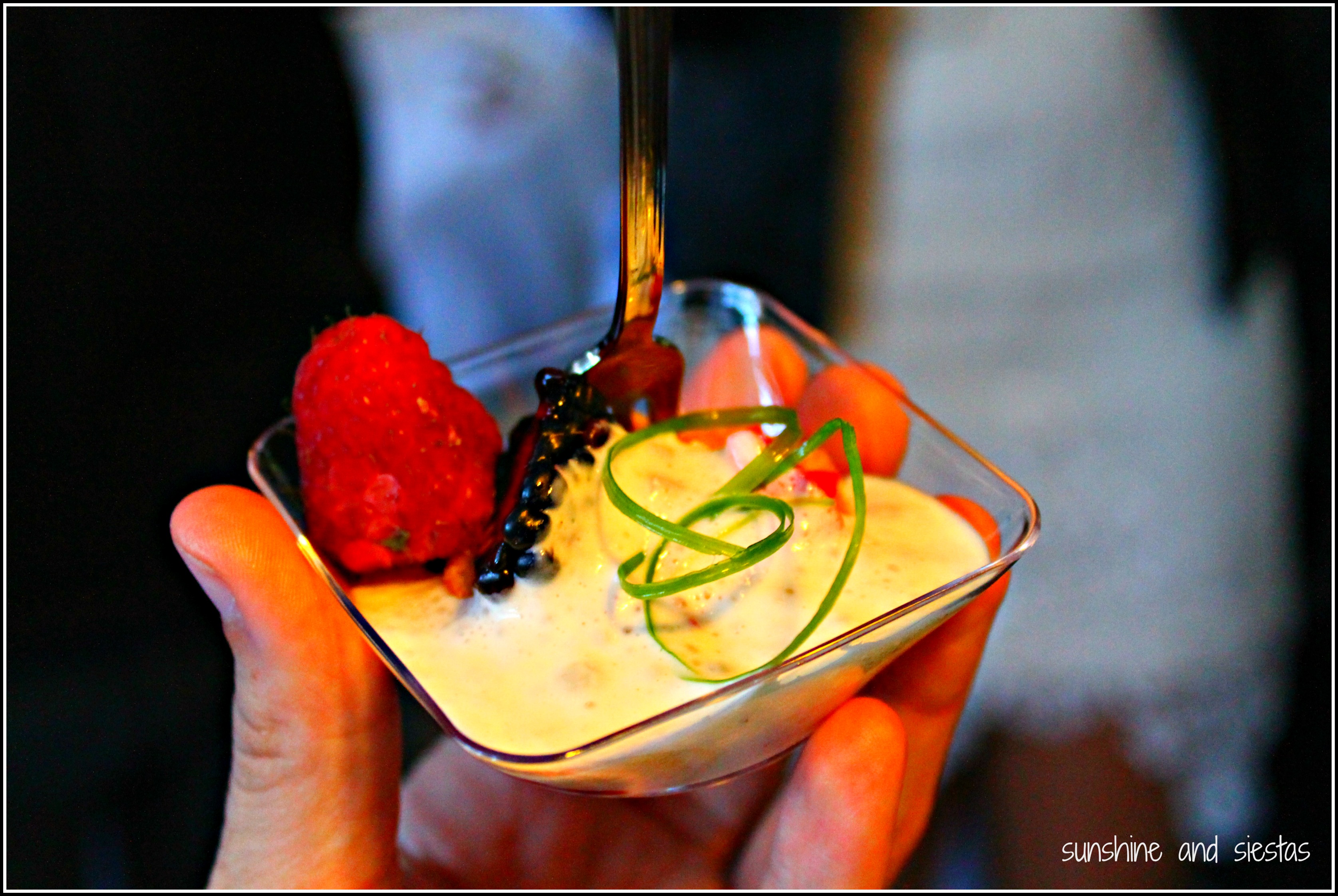
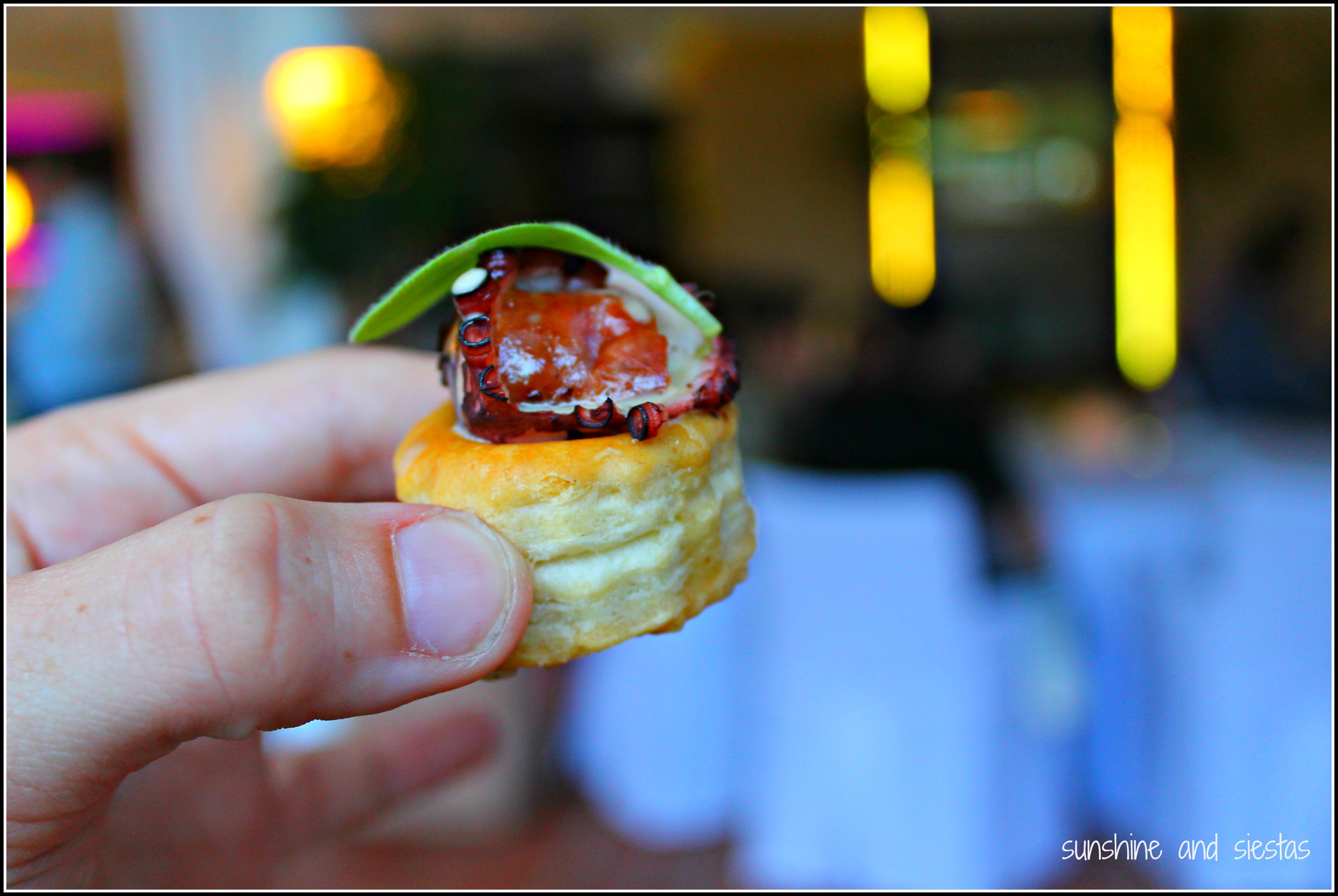
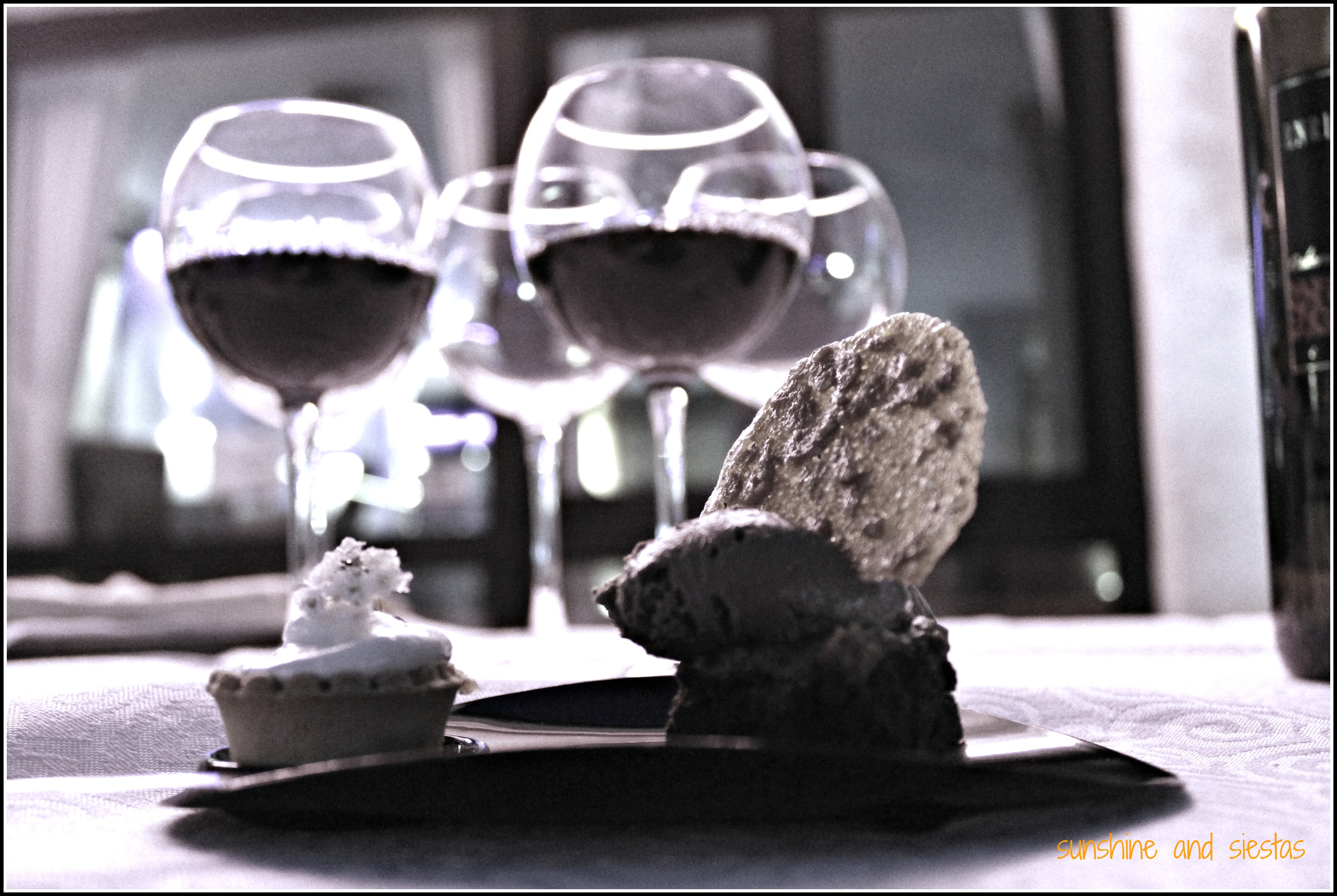
Mario presented executive chefs and husband and wife, Maria Grazia and Patrick Marguette, who would be serving us a menu full of Calpe’s flavors. We got to mingle and grab the tapas off trays to our heart’s content – I ate until I was completely stuffed, trying to find room for one more braised pork rib or another pinch of brownie.

Warning: this post contains little more than photos of scrumptious food. You have been warned.

If you go: The Puerto Blanco restaurant is located adjacent to the port of the same name in Calpe, a 20-minute drive north of Benidorm. Most tasting menus are 28 – 38€, which include two dishes and a desert. Be sure to call ahead, as the place is usually booked during the busy summer months. Puerto Blanco is closed during the winter months, and closed Monday in the summer. Check their website for more information on opening times and restaurants.

Are you ready to devour your computer? I didn’t even include everything that we ate! Five desserts and I was in my happy place. As for my tapas Thursday absence…I’ve been eating camp food for nearly three weeks. Nothing else needs to be said about that.

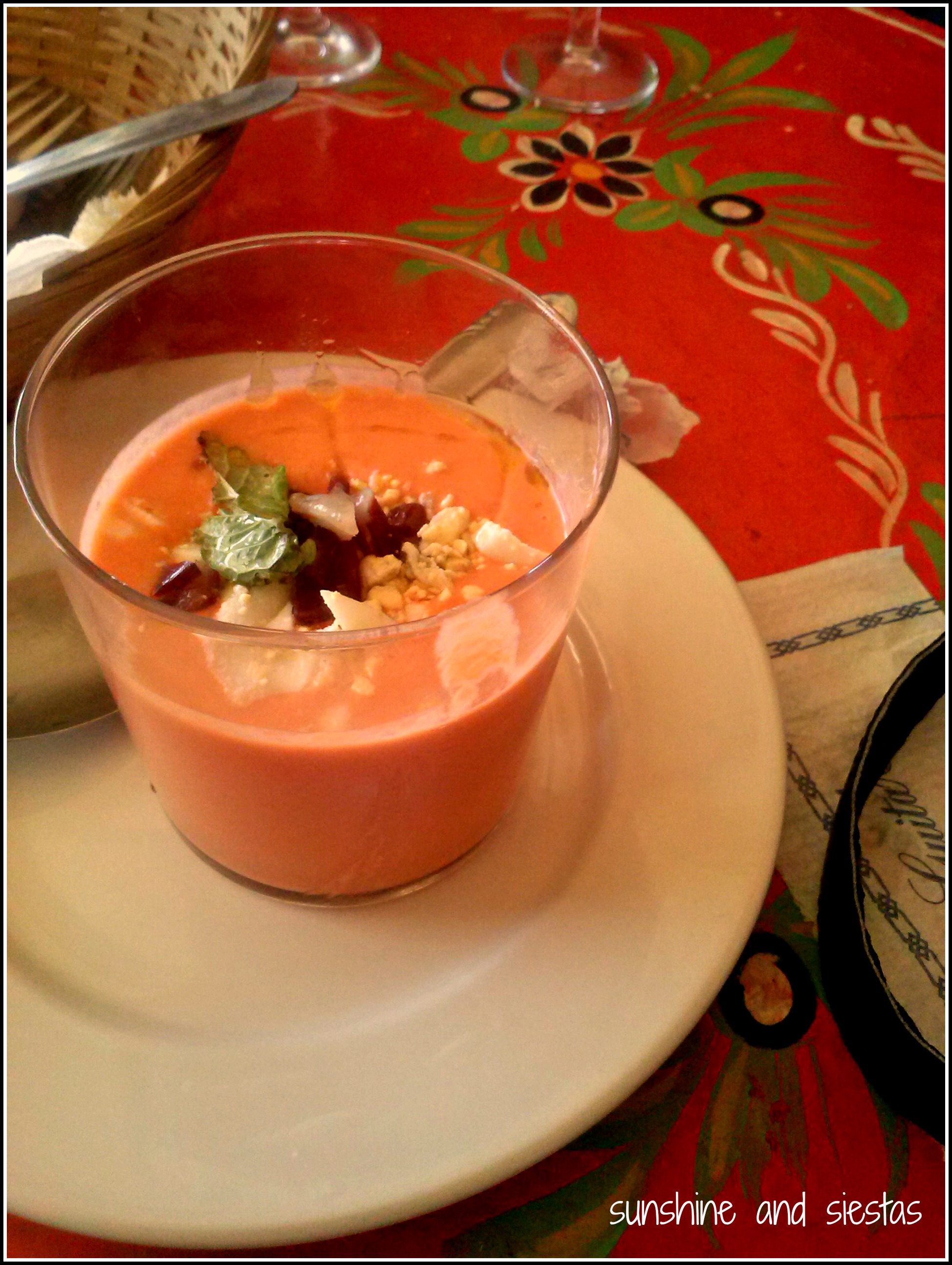
Tapa Thursdays: Gazpacho

I have never been one to stand up to the hot summer sun in Seville. I made the poor decision one year to cycle home from my friend Stacy’s house at 3pm. In August. Trying to beat the Sevici’s 30-minute limit.

I was shaking by the time I got home, and the Novio had to stick me in the shower, clothes on, so that I’d cool down. After that, it was a cold glass of gazpacho and I felt immediately better.

When the temperatures start to rise in Seville, I find that my only defense are cold showers, the AC in our living room and an always full glass of gazpacho.

What it is: A cold, tomato-based soup made of little more than tomatoes, green peppers, cucumber, salt, garlic, olive oil and vinegar. It’s not only a simple dish, but it’s simple to make! Often, a garnish or onions and cucumbers is sprinkled on top, and some choose to eat the dish (well, drink it, really) with croutons on top, too.

Where it comes from: Gazpacho is said to have been invented by the Arabs, but it’s now a staple in Andalusian gastronomy, thanks to the hot summer days. Variations are numerous, including gazpacho manchego, which I tried in Calpe, or by substituting tomatoes for anything else. My favorite? Watermelon gazpacho!

Goes great with: The Novio and I usually use gazpacho as a primer to just about anything we’ll eat. It’s also perfect for practicing the Spanish habit of hacer el barquito, or mopping up the remains with a piece of bread.

Where to get it in Seville: I prefer to make my own gazpacho, though I have fond memories of my first few days in sweltering Seville, drinking it by the glass full in the original Bodeguita Romero on Antonia Díaz.

Are you a gazpacho fiend? Have  certain go-to tapa, or want to see something featured on Sunshine and Siestas? Leave me a message in the comments!

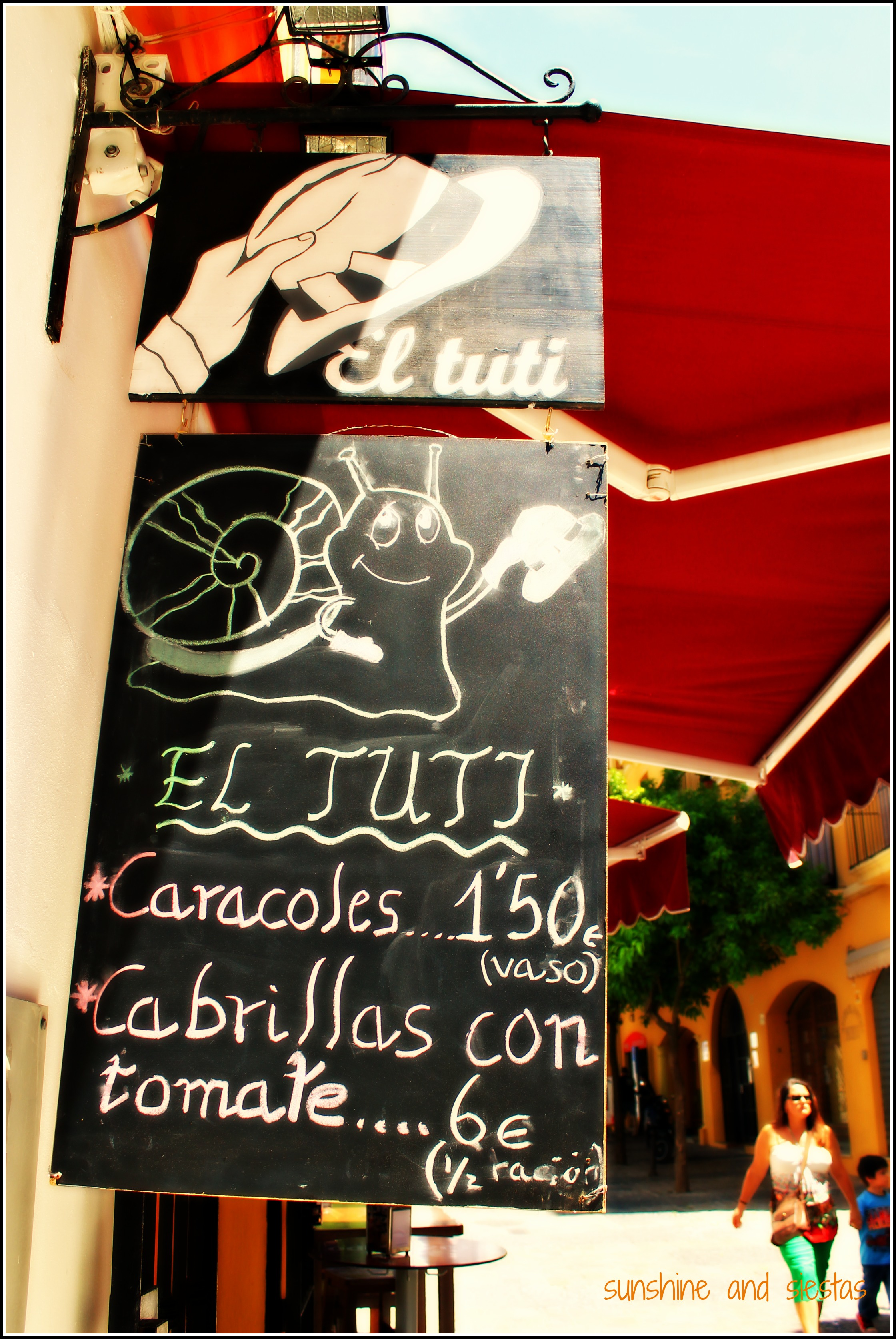
Tapa Thursdays: Caracoles

Spain is a country in which some foods are seasonal: pumpkins are ripest around Autumn, chestnuts are peddled on the street at Christmastime and strawberries show up on the market in February or March.

Then the signs start showing up: HAY CARACOLES. Snails here.

For someone who’s a texture freak when it comes to food, I slurped down my first little tentacled creature during my first Spring in Seville. And I wanted more. Like shrimp, I’ve learned to love them and giddily wait for la temporada de caracoles.

What it is: This little bugger, a common snail in English, has been eaten since the Bronze Age, and in Spain they’re prepared by cleaning the mollusk while it’s still alive, and boiling them over low heat with garlic, spices, salt and cayenne pepper for nearly two hours. You can get a tapa for around 1,80€, a plate for 5€ or even buy bags of live snails on the street near market and make them at home.

Where it comes from: Snails are eaten all over the place, but the caracoles that you’ll commonly find in Seville are found near the Atlantic coast and in Morocco.

Goes great with: Alright, it’s getting trite now…everything just tastes better with beer. The Novio and I often meet after work for a beer or two and a tapa of caracoles.

Where to find them: Bars all over Seville (as well as Córdoba) will serve up tapas of caracoles during the springtime. My picks are Casa Diego in Triana (Calle Esperanza de Triana, 19. Closed Sundays) and Cervecería La Tiza in Los Bermejales (Avda. de Alemania, s/n. Open daily).

Like caracoles? Have a Spanish food you’d like to see featured on my bi-weekly tapas feature? If you’re interested in learning more about mollusks, read more on my guest post on Spanish Sabores.

Related Posts Plugin for WordPress, Blogger...