Tapa Thursdays: Champiñones

If I were to list the three foods I most despised, it would be easy: canned tuna, eggs and mushrooms.

Yes, I picked three of the most commonly used ingredients in Spanish cuisine, and the only big additions to ensaladilla rusa.

You might say the Novio is on a mission to change my tastes, but I’ve been slowly trying. Afterall, I once didn’t eat fish, and it’s practically a staple in all Spanish diets. Champis are slowly working their way into my palette, disguised in tasty tapas without my knowledge more often than not.
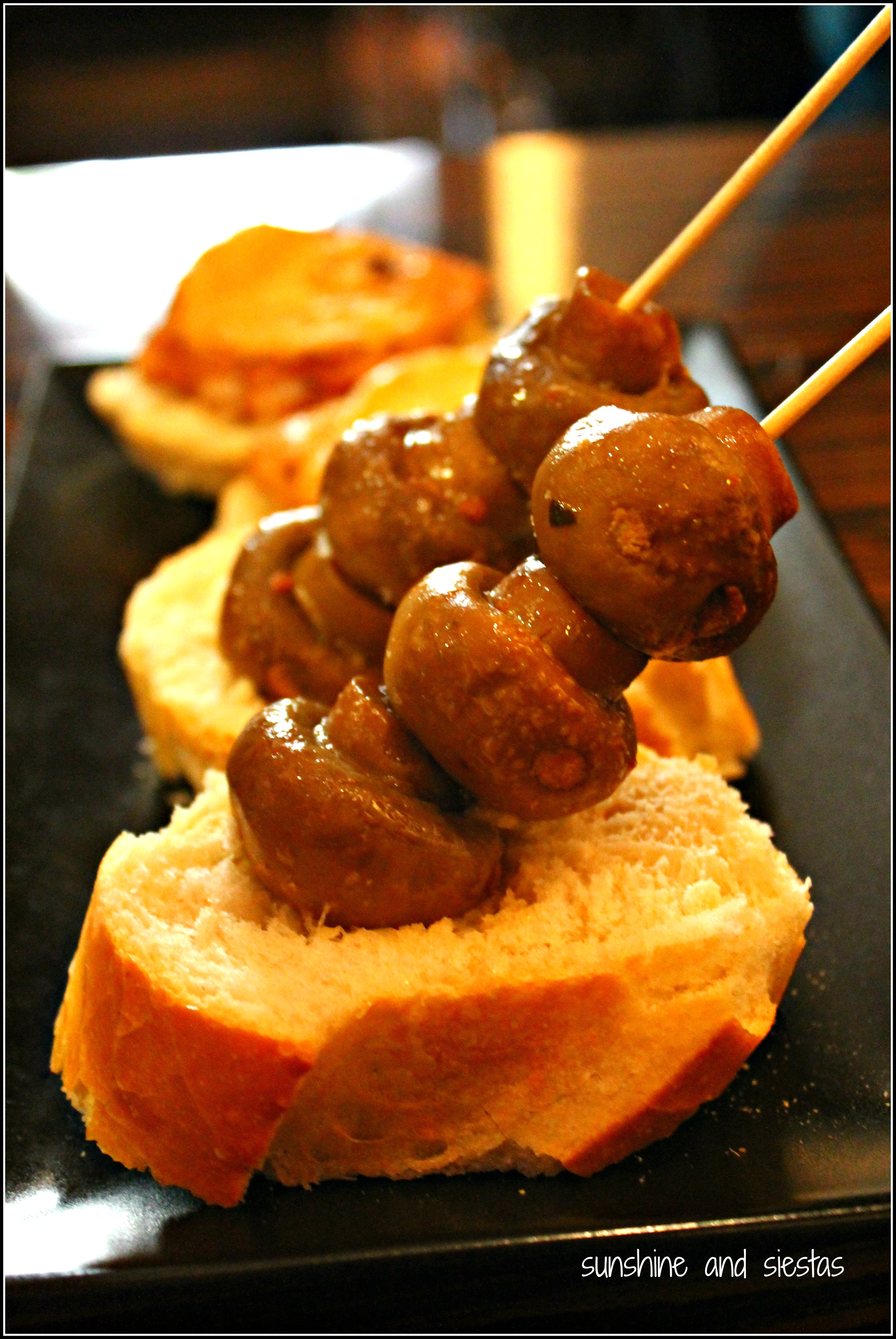
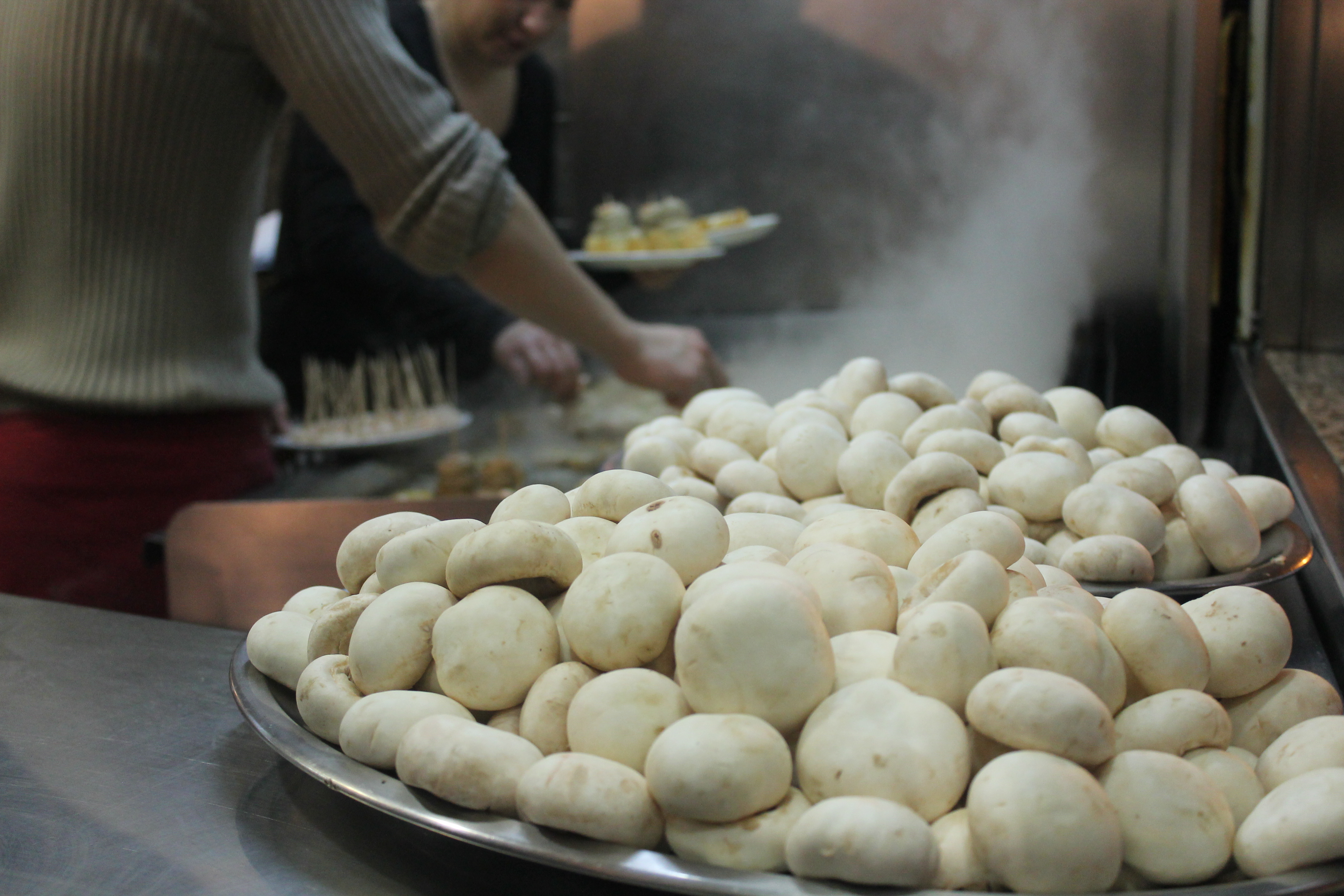
What it is: A plain old mushroom. Wild mushrooms are often called setas or boletus.

Where it’s from: Mushrooms are cultivated all over Europe, but nearby Aracena is known for their wild mushrooms, which bloom in the fall.

Where to find it in Seville: Believe it or not, there are a few ways that I eat mushrooms. Most often, they get consumed in risotto (try the creamy dish at Zelai, C/Albareda 22), but I love the mushroom heads with a minty green sauce as Las Golondrinas (C/Antillano Campos, 26). Even I am daring enough to add chopped up pieces to hamburger patties!

Love tapas? Want to see a specific one featured Thursday? Leave me a comment, or post a picture of you eating your favorite tapas to my Facebook page!

Visiting Estepa: More Than Just Mantecados

I sometimes confused Estepona, a beach destination on the Costa del Sol, with Estepa, a town nuzzled up to a hill at the far reaches of the Seville province. During the multiple car trips crisscrossing Spain’s southernmost autonomous region, I’d often watch the small village with its church spires punctuating the horizon pass by quickly. Being known for its holiday goodies, particularly mantecados, it’s always been a place in the back of my mind to visit.

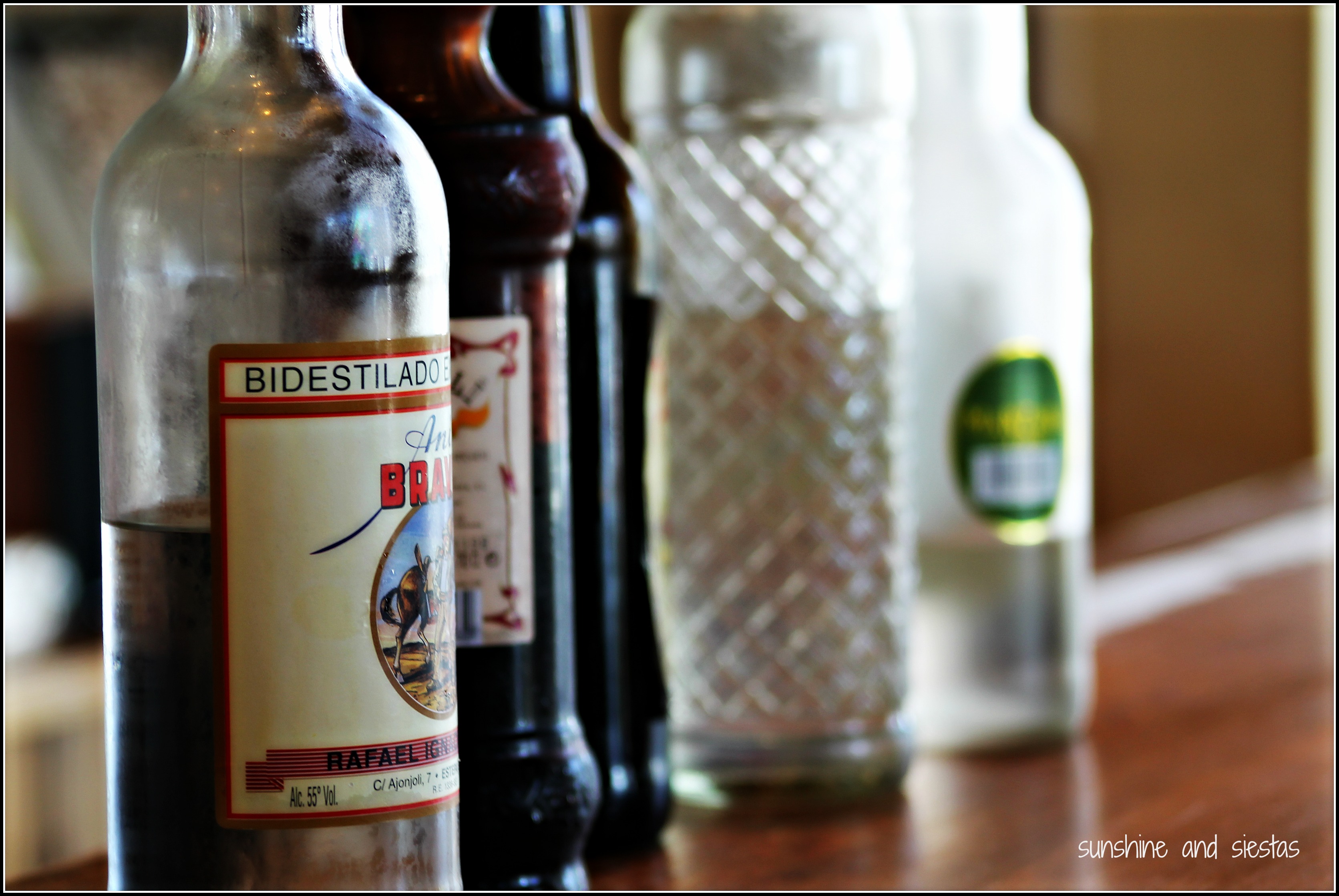
Javi met us at the aptly name Hotel Don Polverón – a homage to one of the city’s baked moneymakers – and we steered our car along the roads of the industrial park near the highway, its streets named for the basic ingredients of the mantecados: Almendra, Azúcar, Canela. It’s common in Spanish households to have an anís bottle set out next to mantecados when the Reyes Magos come, so we feasted like the Three Kings for the better part of the morning.

The visit first brought us to La Estepeña, one of the most universally known brands.

La Estepeña features a visit to the factory, where a workforce made up almost entirely of women use traditional methods of preparing and wrapping the goodies, though the actually baking is no longer done in an oven. We visited the belén made entirely of chocolate and the small museum before marveling at the gorgeous Christmas tree in the foyer of the museum.

Most of the famous mantecado brands have been making the pig’s lard Christmas treats for generations, so Javi pointed us in the direction of La Despensa del Palacio, where the cakes are still baked in a wood-burning oven after being hand-kneaded. The mantecados are crumbly and leave your mouth dry, so we were then whisked away to the small anisette factory – the Spanish abuelo’s favorite – for a sampling of anís seco in Anís Bravío.

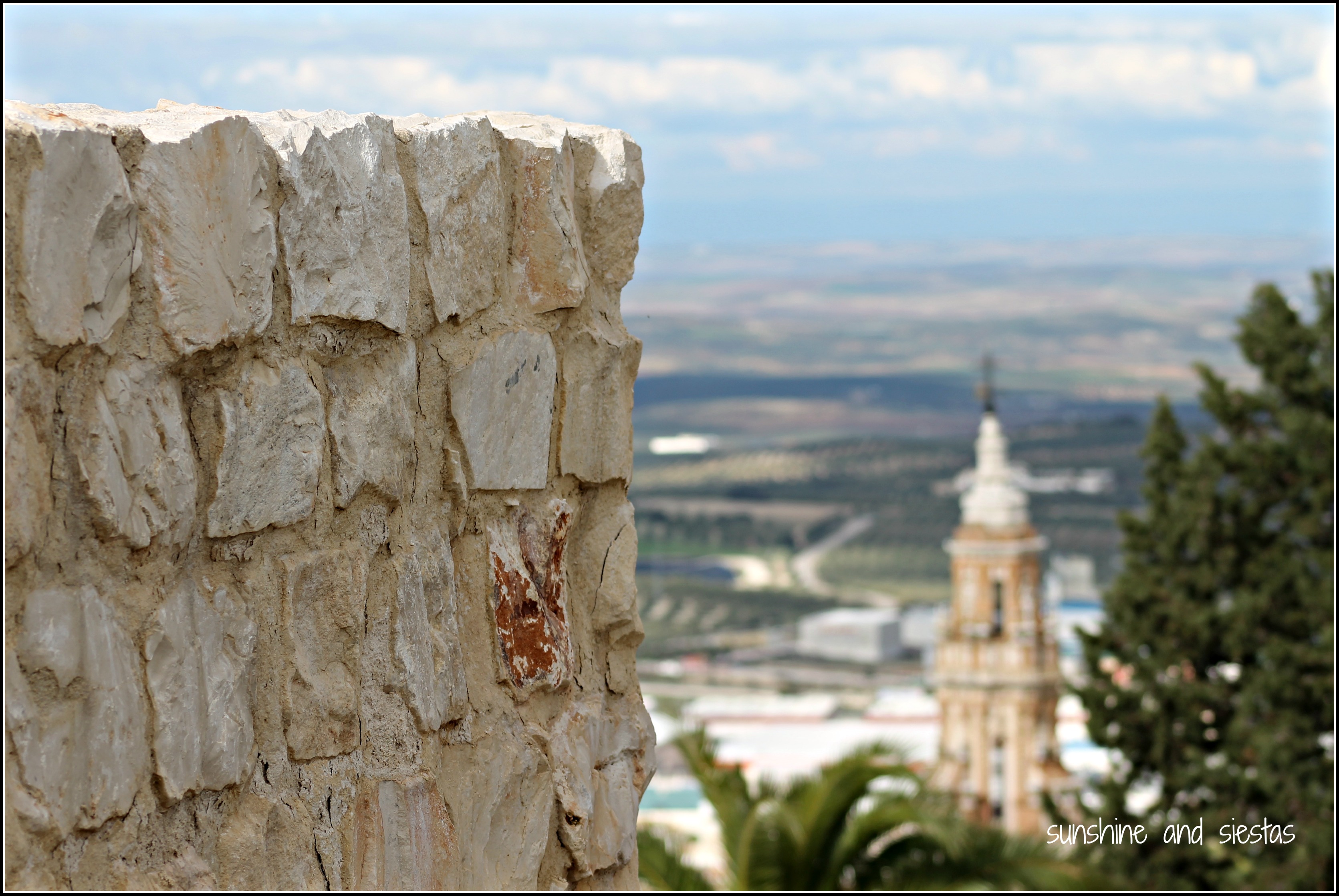
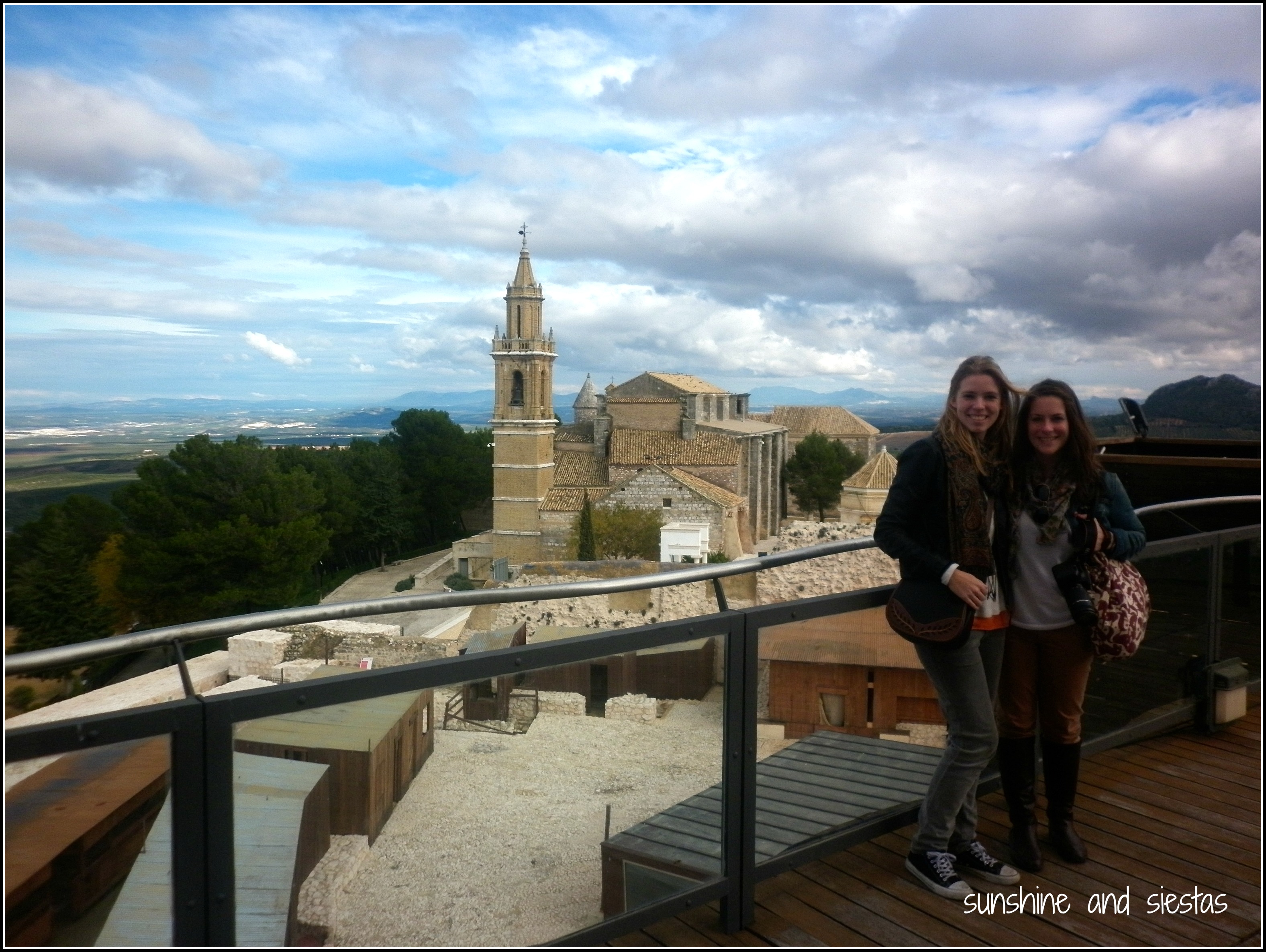
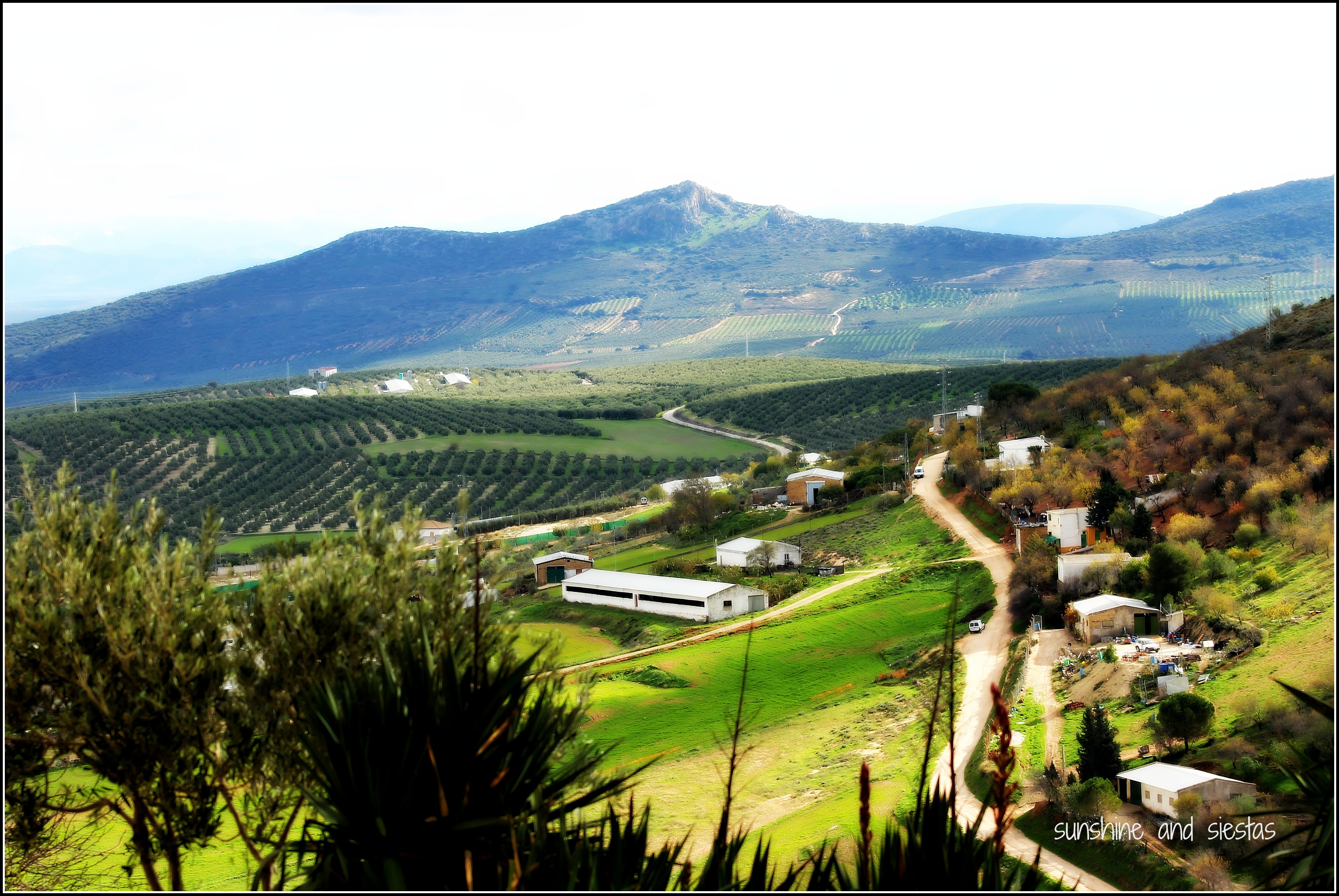
Cravings satisfied, we climbed Cerro San Cristóbal, the city’s highest hill. The rainy morning haze seems to have stayed in la capital – the day was bright and welcoming. Smack dab in the autonomía of Andalusia, one can see the provinces of Seville, Málaga and Córdoba, much like the Hancock building in Chicago.

Estepeños not interested in mantecados trek up the hill to the convent, where a turnstile still offers cloistered nuns peddling homemade treats, and the lavish baroque chapel not open to the public. Violeta was waiting for us here, key to the capilla in hand.

“They know me here, ” she smiled. “One of the perks of the job.” She and Javi accompanied us around the rest of the sites on the Cerro, including a small museum dedicated to the city’s culinary treasure that was once the kitchen the nuns used to make the sweets.

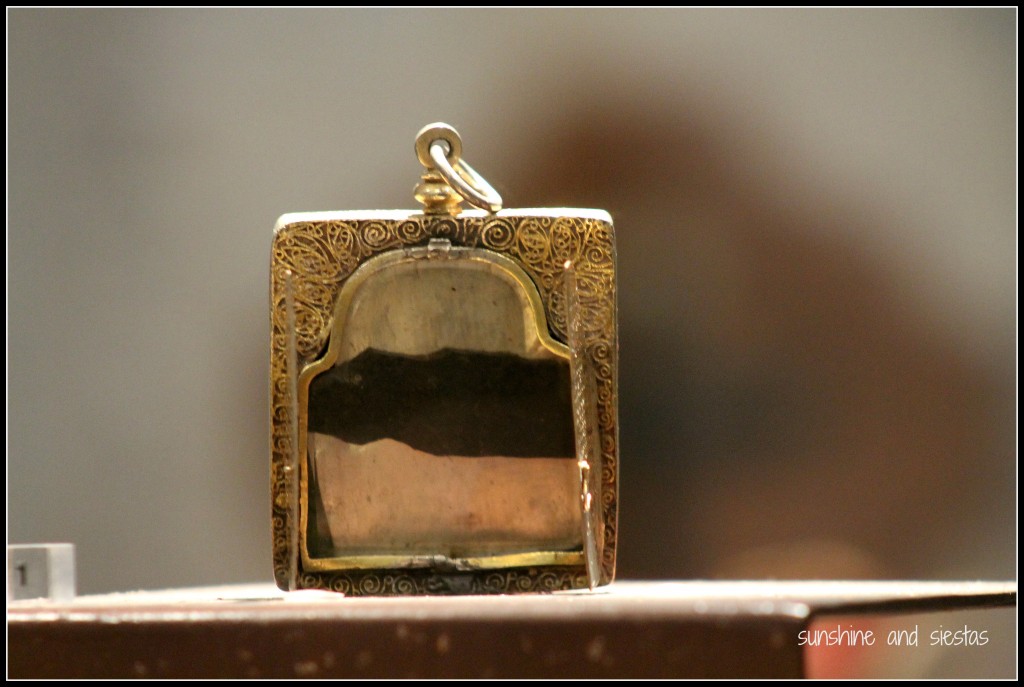
The adjacent Santa María church was originally intended for the Orden de Santiago, the church has been reconstructed and now contains a small religious art museum, complete with relics of petrified fingers and locks of hair.

A rickety octagonal tower sits just west of Santa María. This was the defensive tower used for the Orden de Santiago, and the views facing the Balcón de Andalucía, the pueblo’s mirador that looks down on the whitewashed houses that seem to crawl down the hill, were stunning after a few days of rain and a lucky break in the weather pattern.

Back down the hill, we found parking just in front of As de Tapas on Estepa’s main street. This is what I love most about the pueblos in Seville: good, hearty food, the steady hum of chattering in castellano and a cold beer.

Sending thanks to Javi and Violeta of Heart of Andalusia for their generous offer to show Caitlin and me around the Ciudad del Mantecado and the other lovely sites of Estepa. As always, all opinions expressed are my own.

Tapa Thursdays: The Mercado de San Miguel, Madrid

When I came to Spain to study, my first meal was far from memorable – a slop of mayonnaise, potatoes and nothing else discernable. I was convinced that I didn’t like Spanish food, nervous to move back and not whiddle away to nada.

Turns out, I like Spanish food, and a little too much.

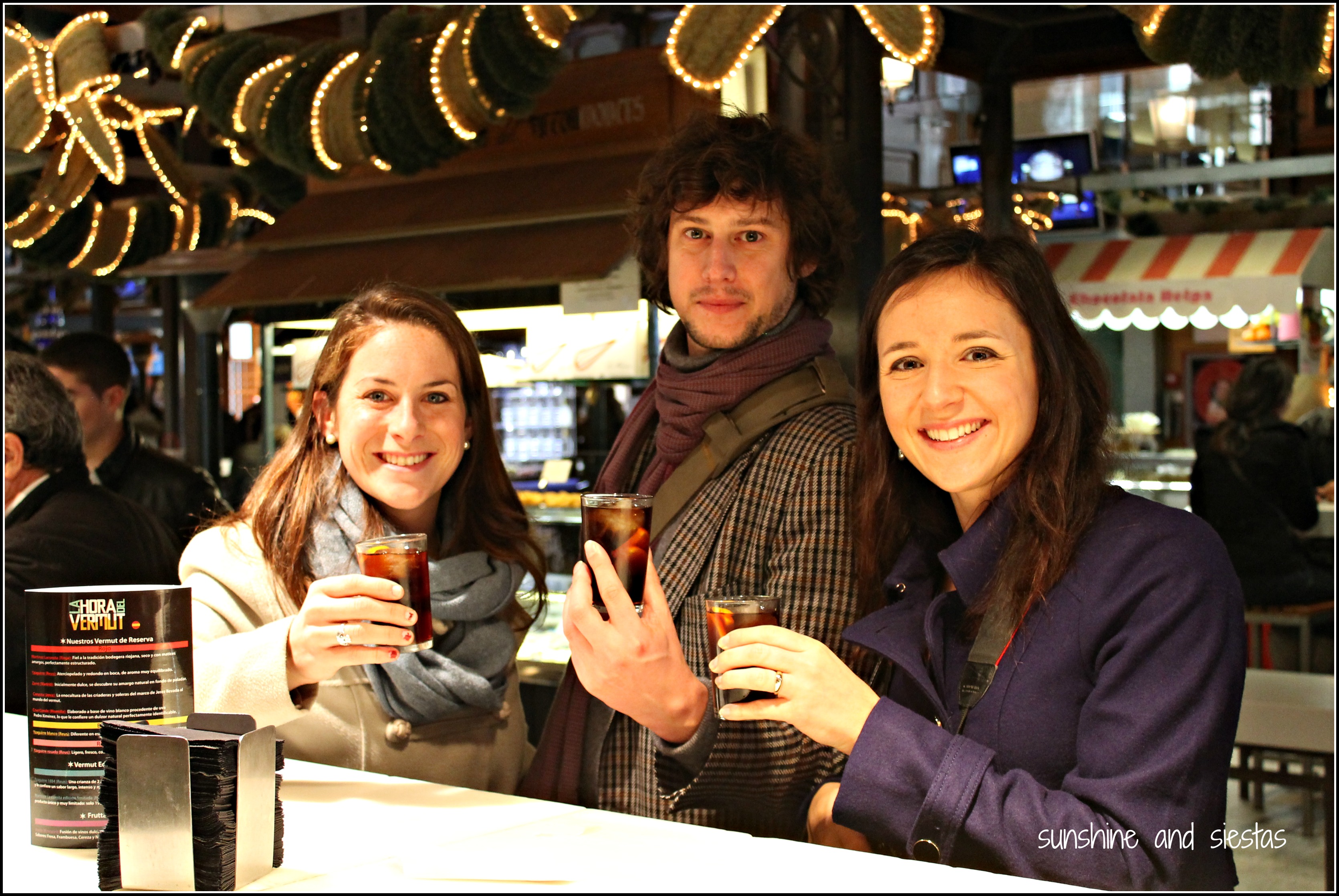
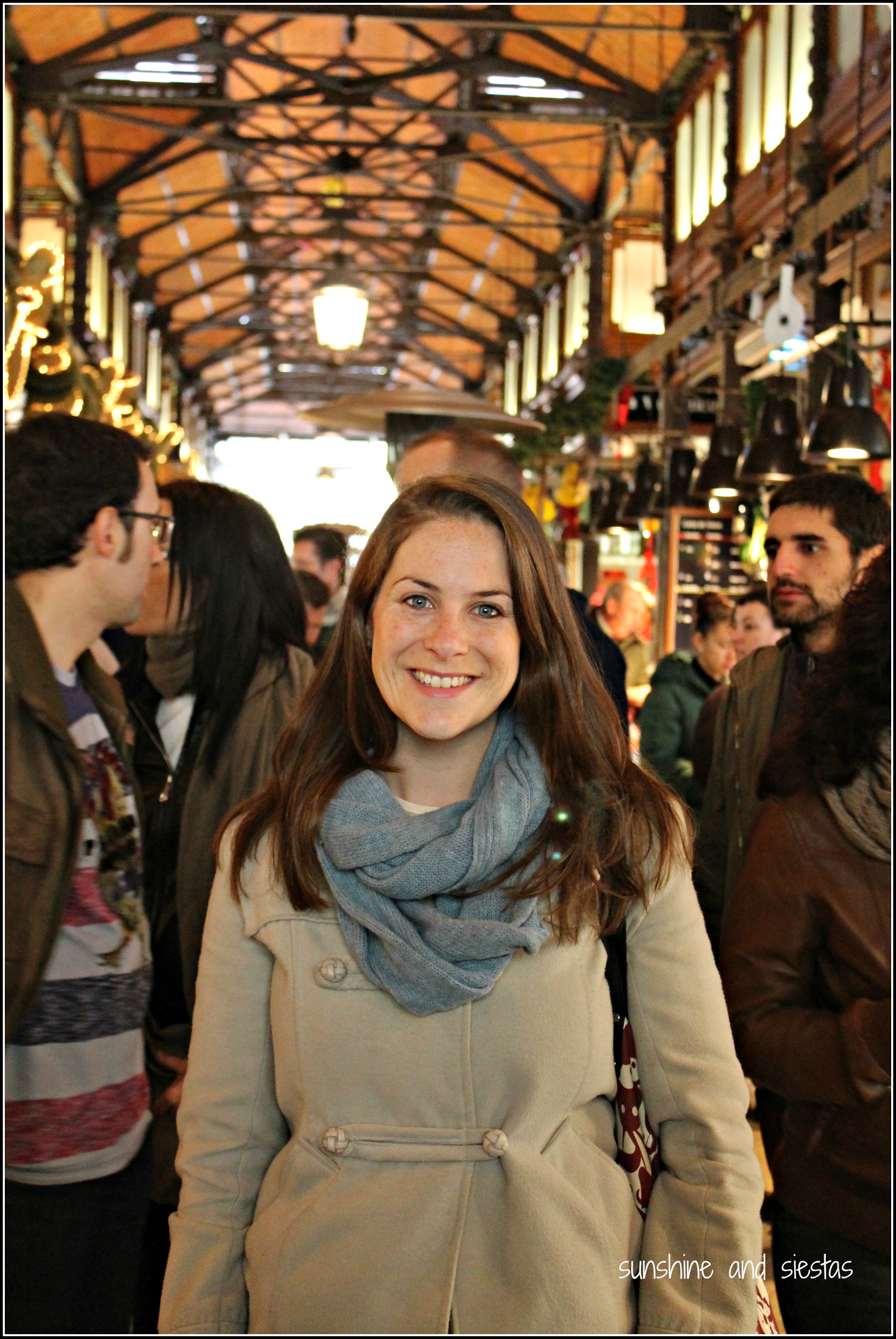
I was invited on the Signature Tour of Madrid Food Tours, a relatively young business venture designed to showcase the Spanish capital’s culinary treats. Mercado de San Miguel was one of our locations along a route that included several stops and twice as many tapas.

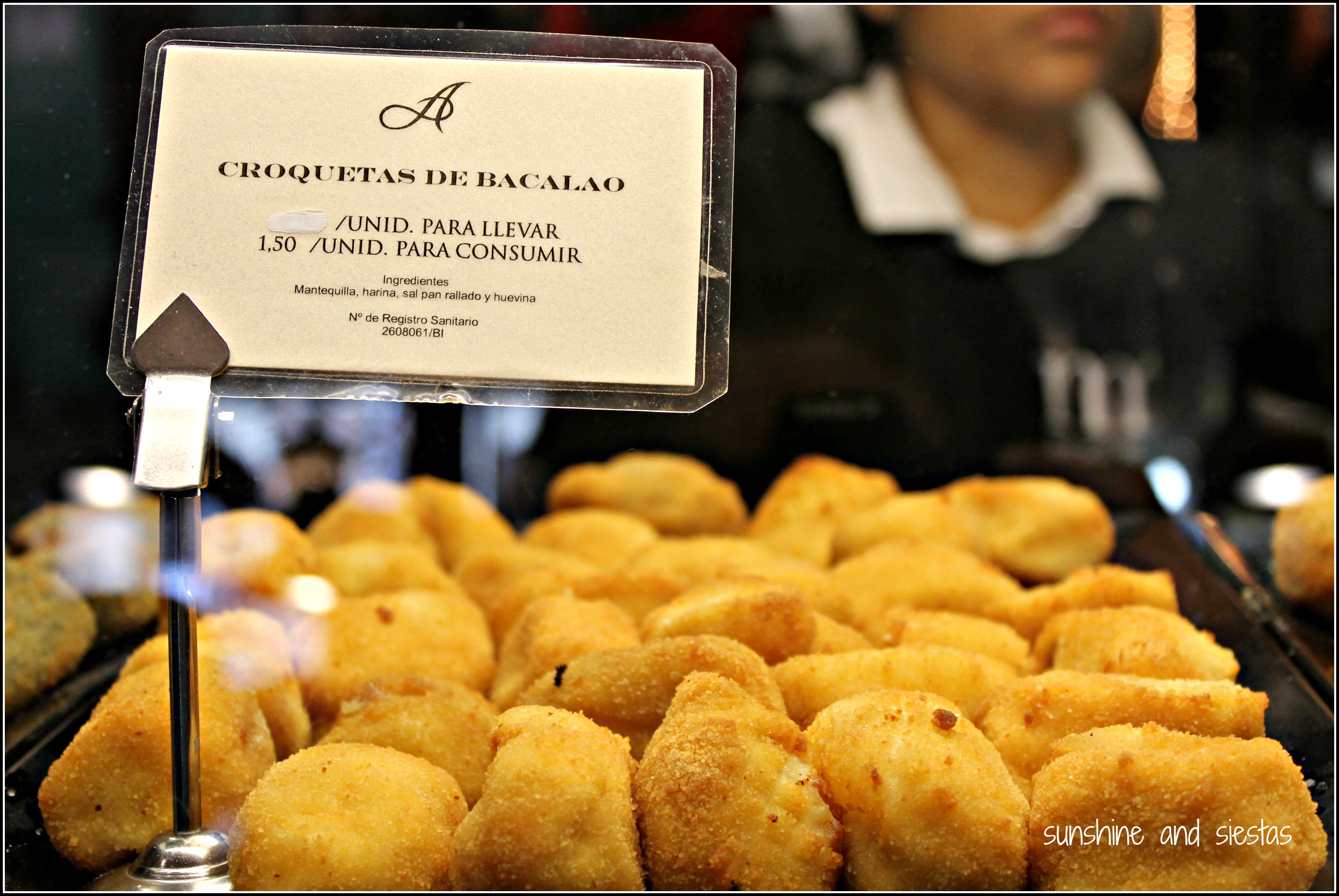
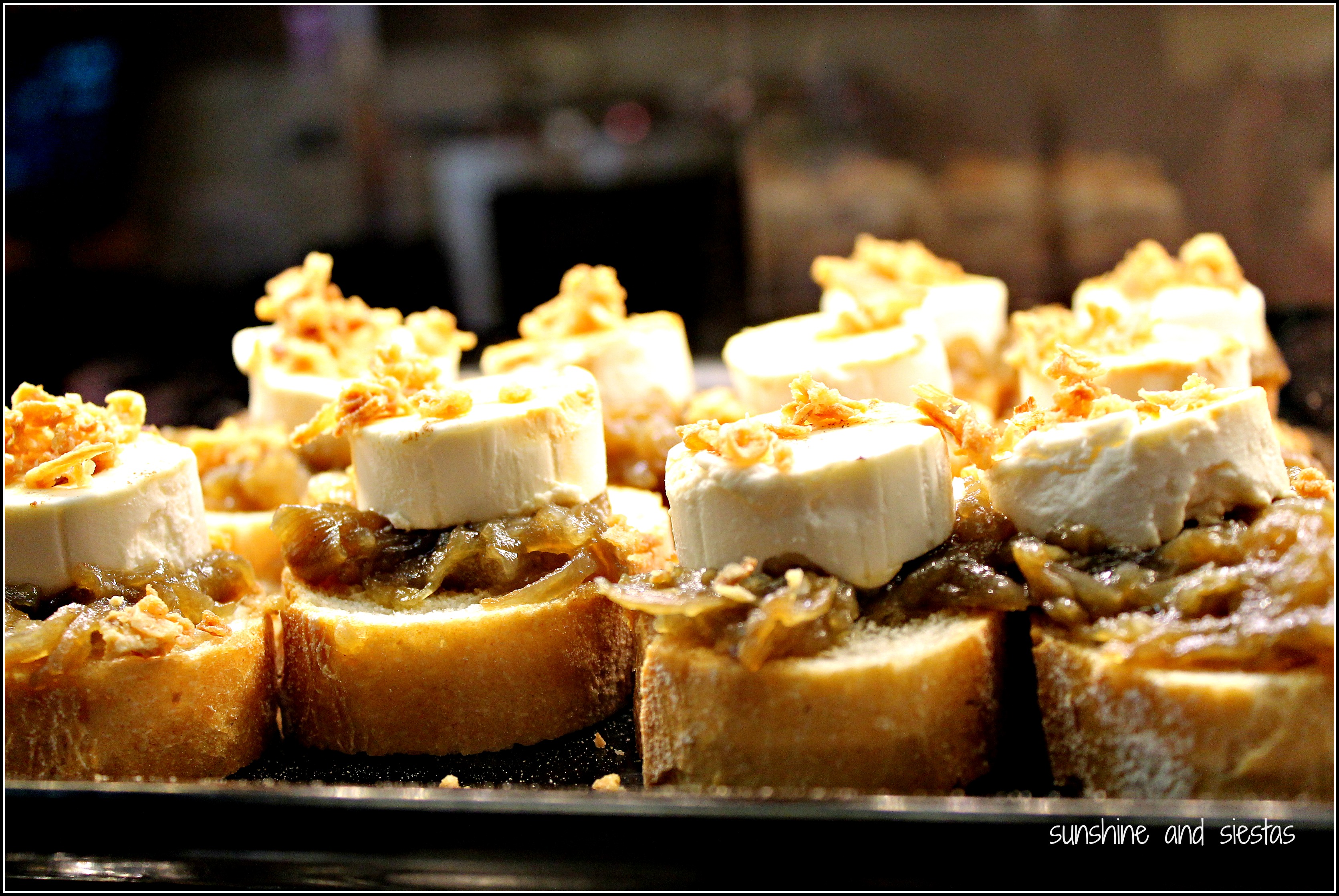
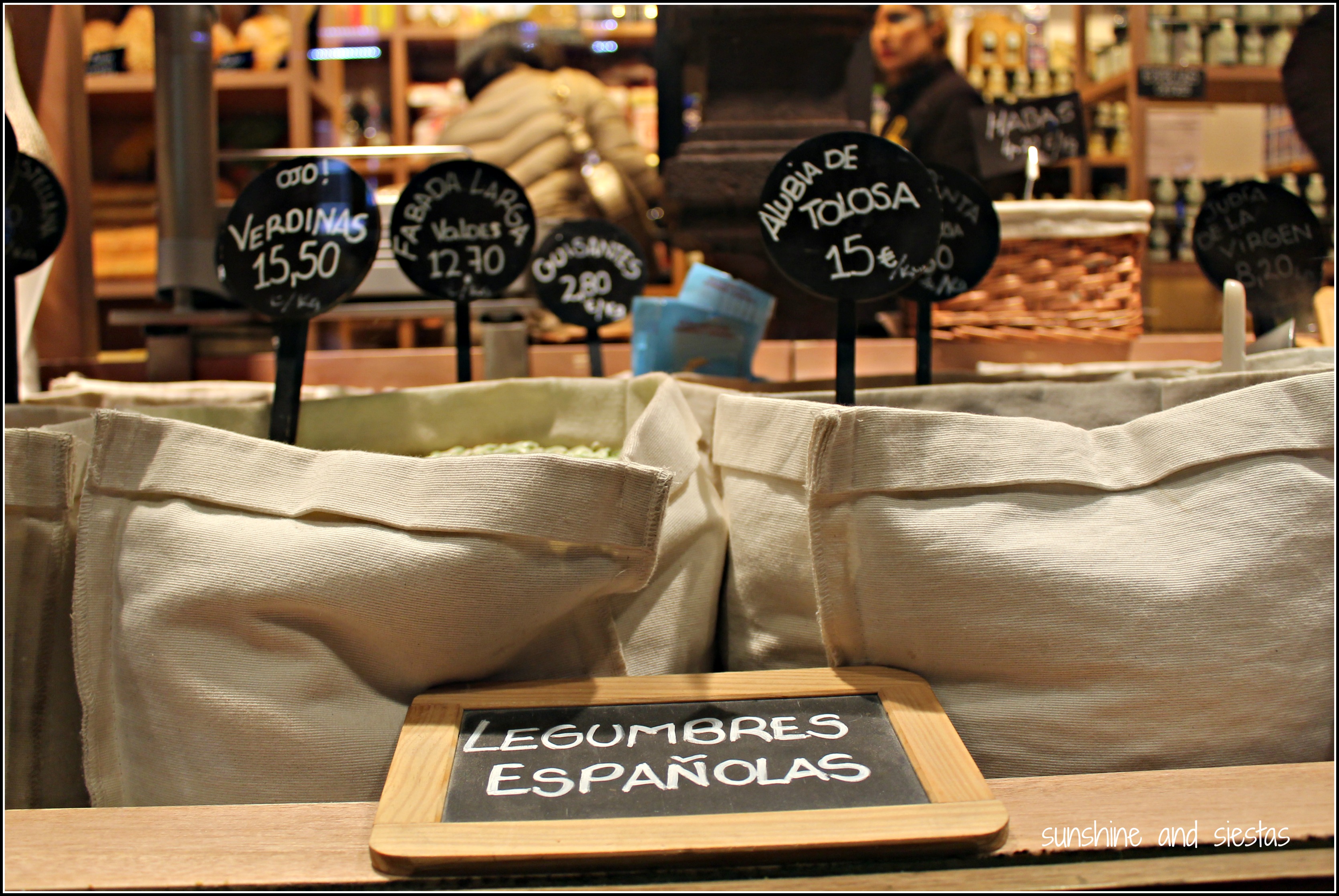
The market was bustling, even at 11:30 in the morning. Stands ring the outside of the glass-plated hall, with high tables in the middle, making the market an idea place to mingle. Vendors sold everything from vermouth and Spanish wines, to pintxos and paellas that were ready to eat, to dried legumes and fresh seafood. A treat for both my eyes and my stomach, as we stopped to sample several foods along the way.

The market has a long history – from the times of Napoleon when it was an open-air market! The market then moved indoors, as an iron and glass structure was made to house it. In 2009, it reopened as a gastronomic capital, becoming popular with tourists who visit Madrid for its proximity to the historic center.

If you go: the Mercado de San Miguel is mere steps away from the Plaza Mayor and Calle Mayor in a square of the same name. From Sunday – Wednesday, vendors are open from 10am until midnight, with hours extended until 2am on Thursday, Friday and Saturday. Go with an empty stomach for nibbling!

I was invited as the gracious guest of Madrid Food Tour, but all opinions expressed are my own.

Tapa Thursdays: Eating (and drinking) La Rioja

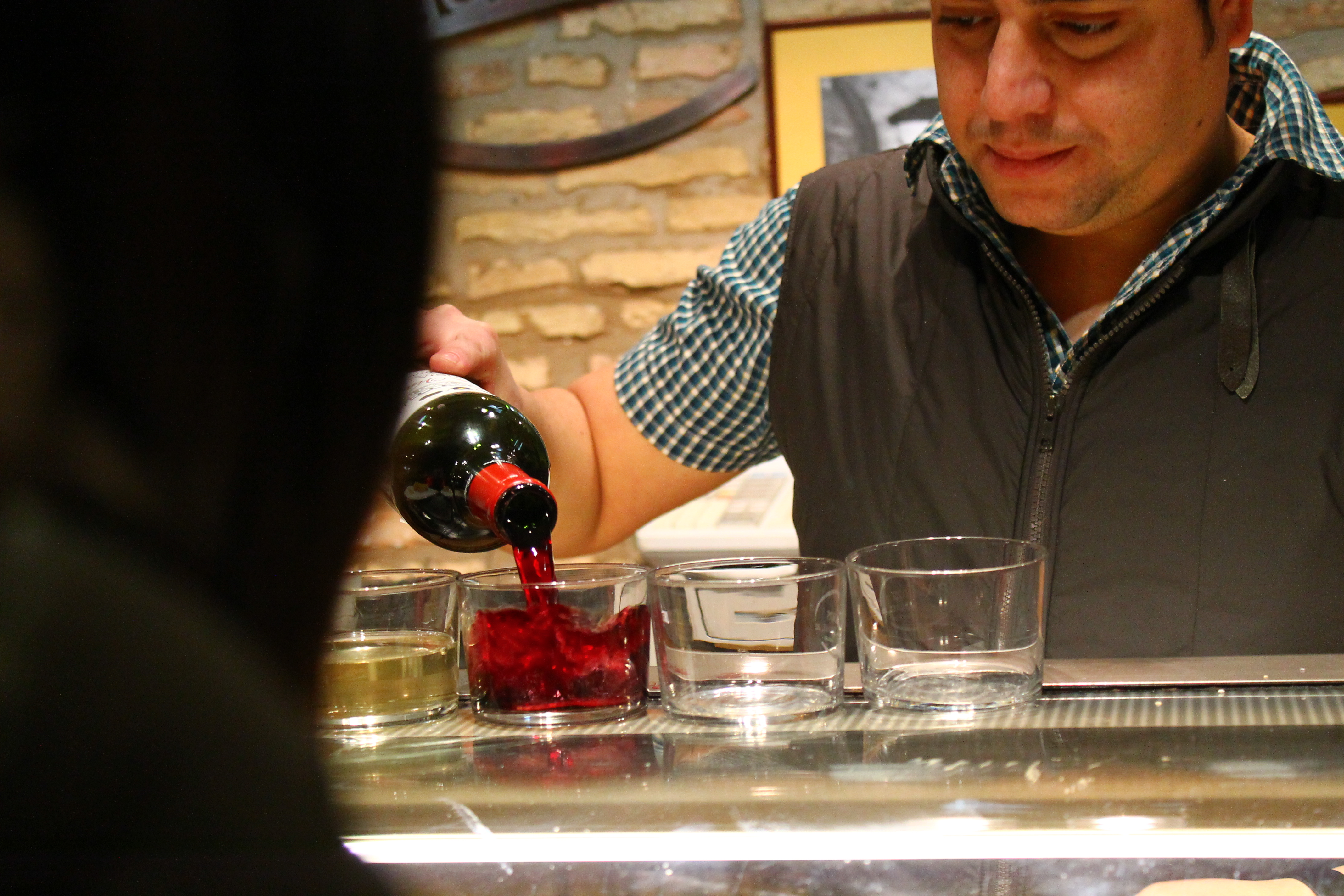
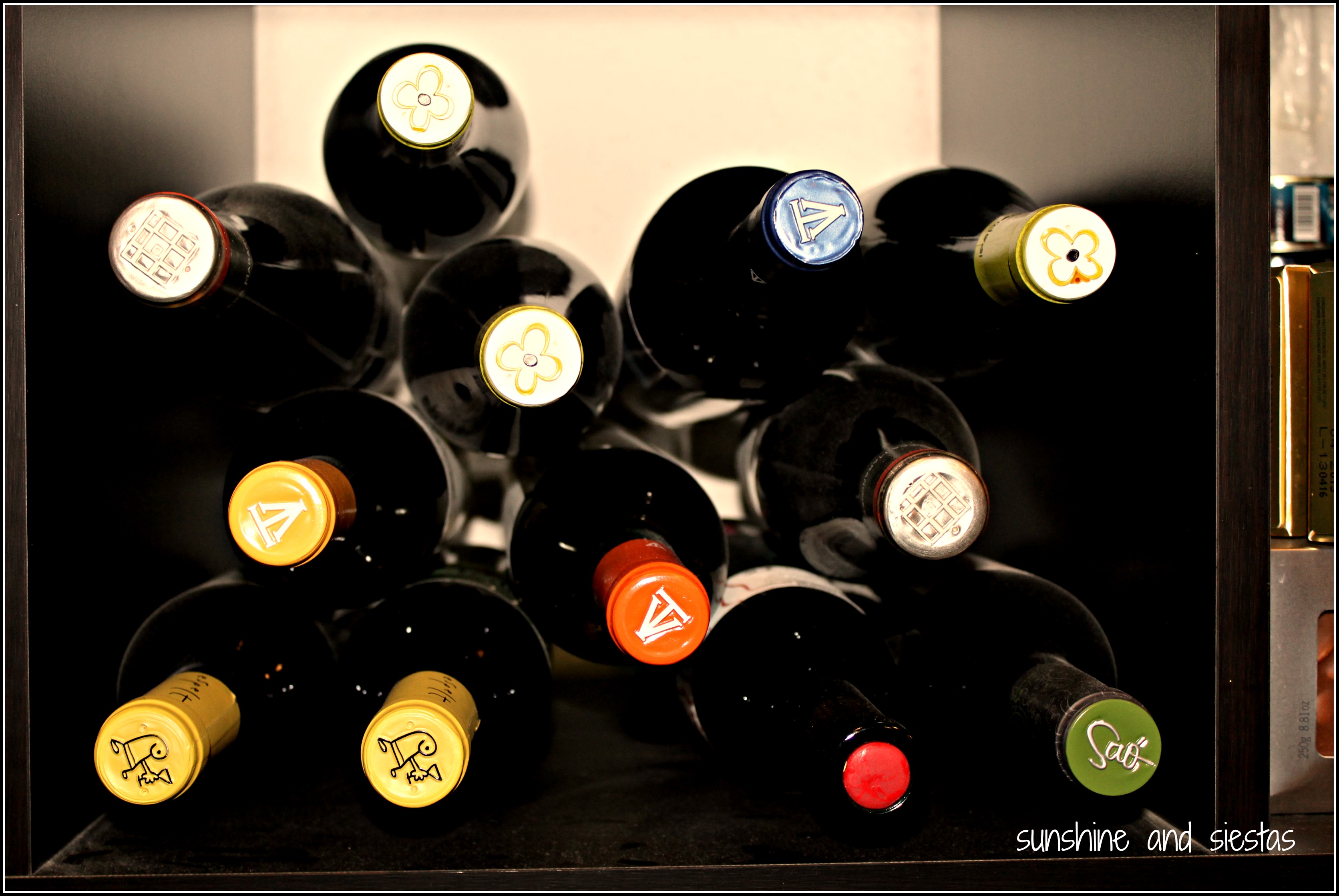
When it came to the last region of Spain left to visit, I didn’t have to do much planning: I was in La Rioja, Spain’s wine country, and I was going to drink as much vinate as possible.

But, as any adult knows, moderation is key, as well as stuffing your face to minimize the effects of the garnacha grape that’s been fermented.

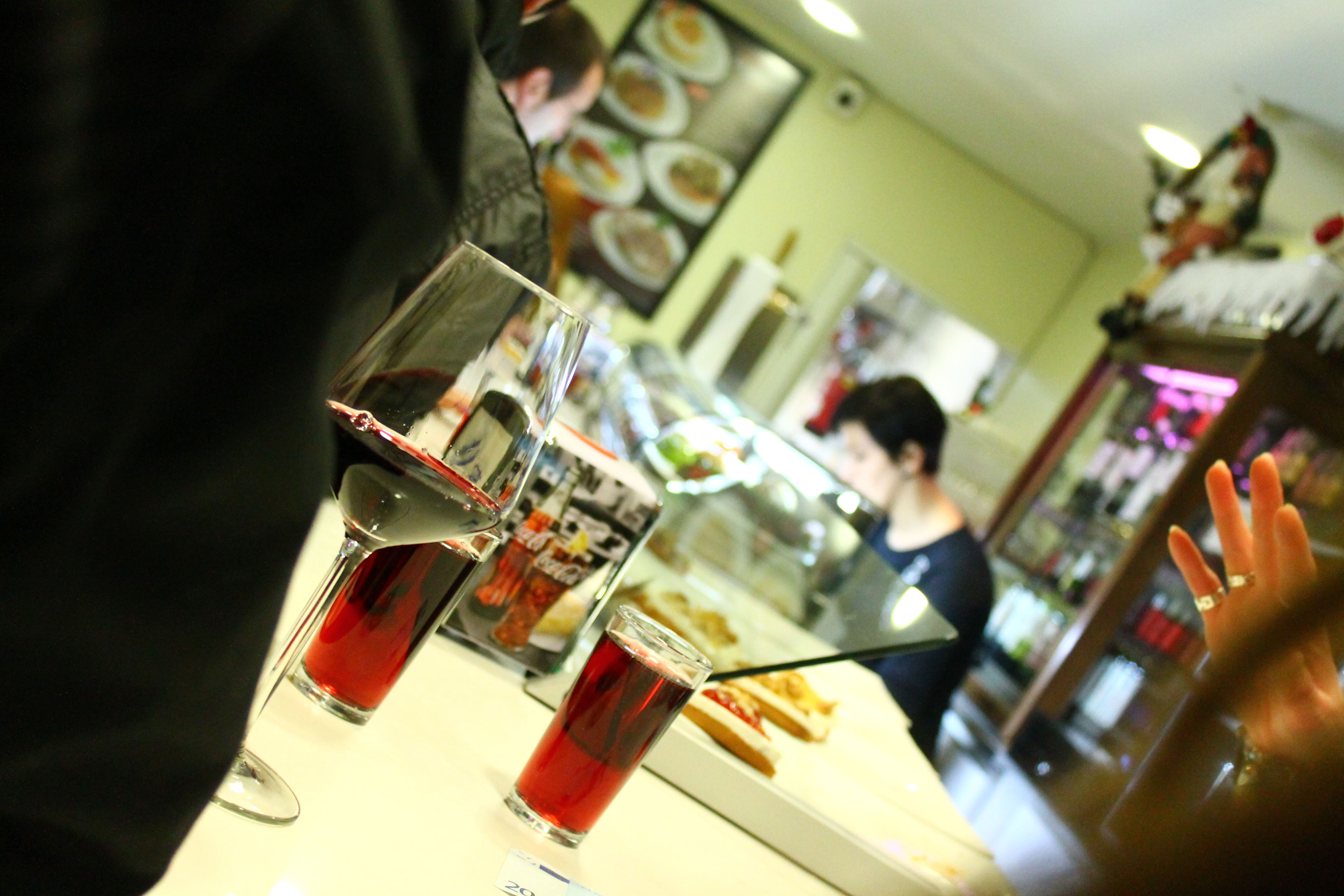
One of Logroño’s most famous sites is Calle Laurel. This pedestrian stretch of street in the historic quarter is home to the city’s pintxos – the northern version of a tapa – bars. Being in Logroño on the weekend meant we had plenty to see, do and stuff our faces with, as the average pintxo and glass of house wine ran under 2,50€. As a lover of eating and drinking on the cheap, I felt almost too much at home in Logroño!

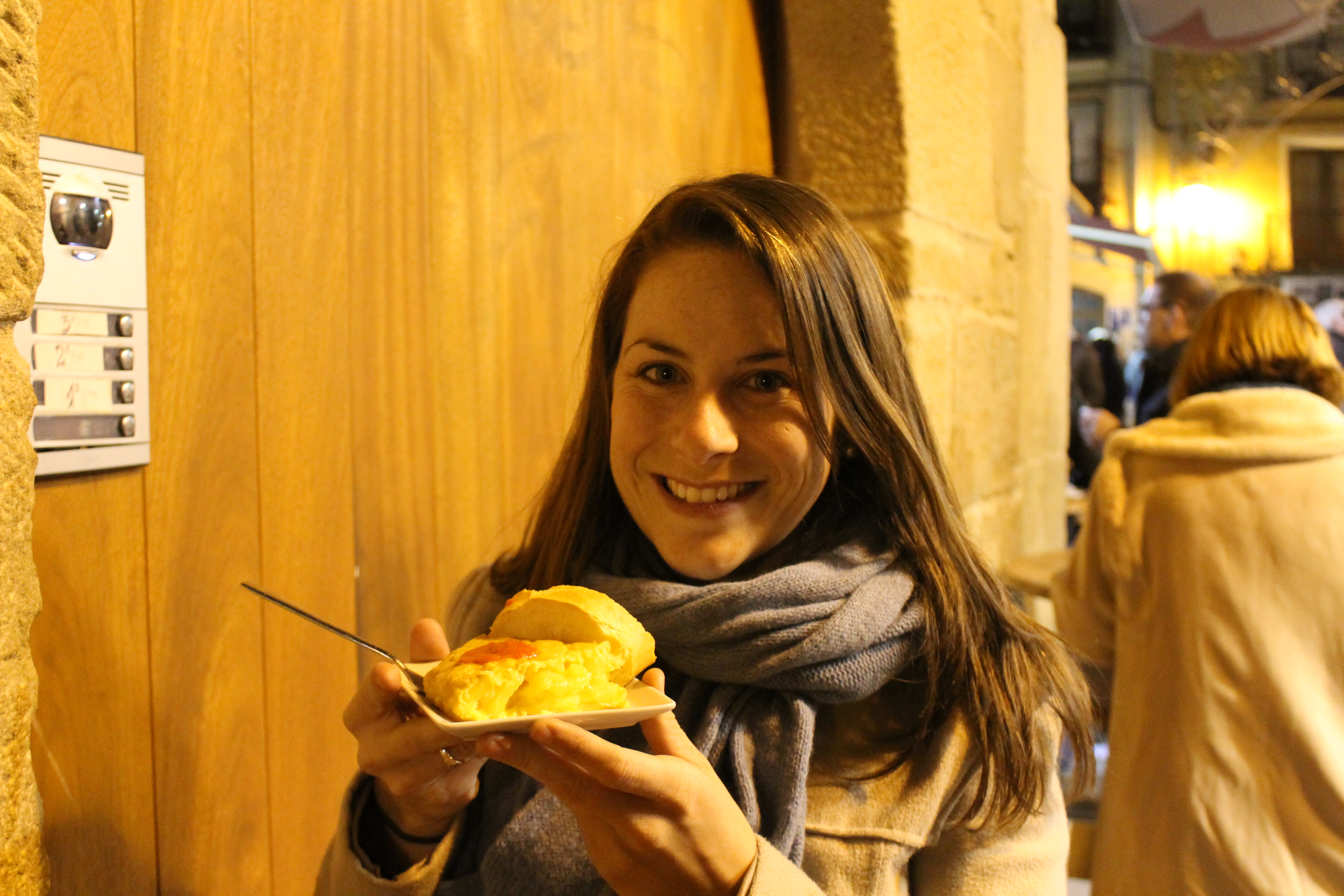
Stop One: Pintxo of Tortilla with a Spicy Sauce and glass of tinto: 2,20€

Parada 1: Pintxo de tortilla y tinto at Bar Sebas: 2,20€

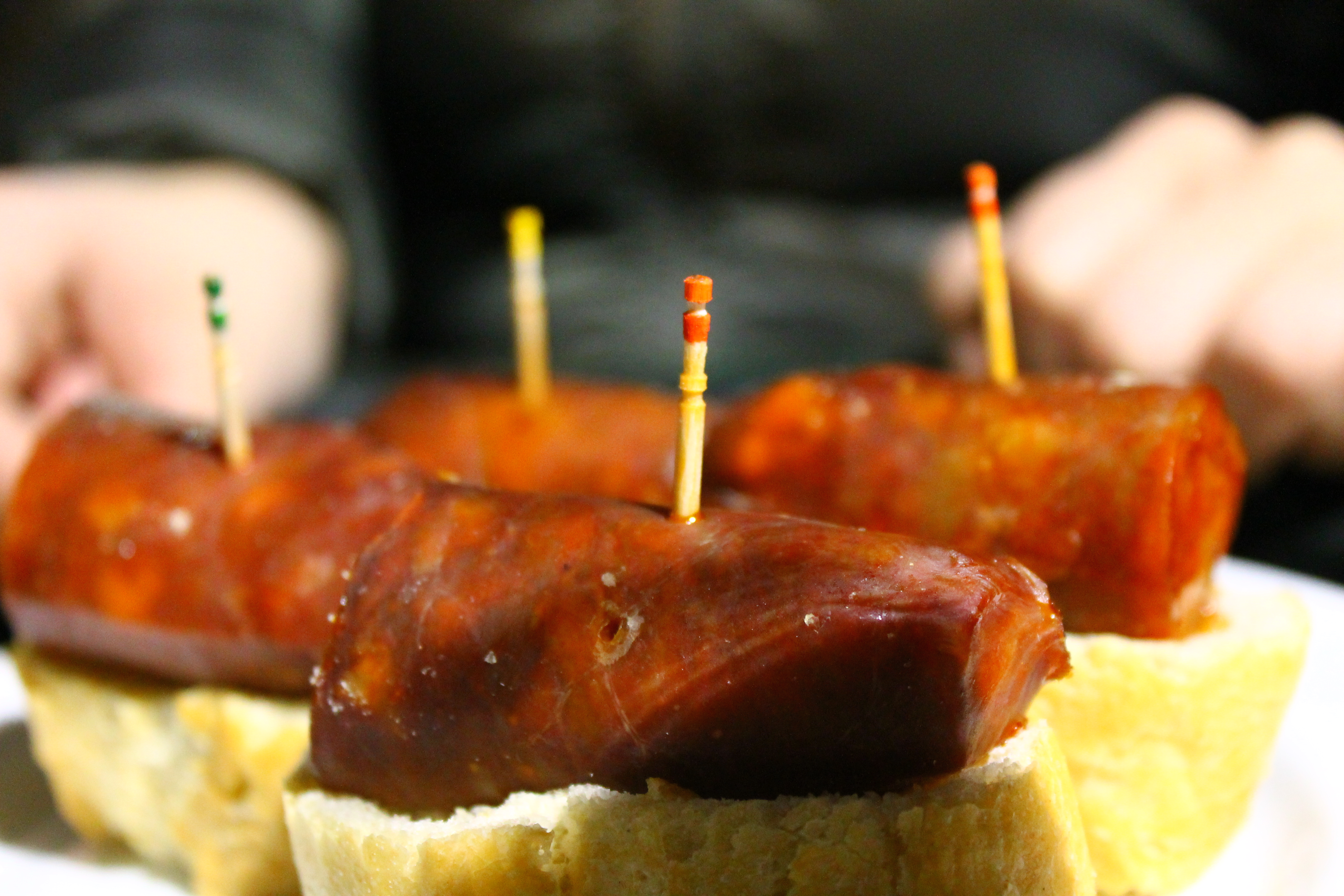
Stop Two: Pintxo de Chorizo and a glass of tinto at Bar Villa Rita, 2,10€

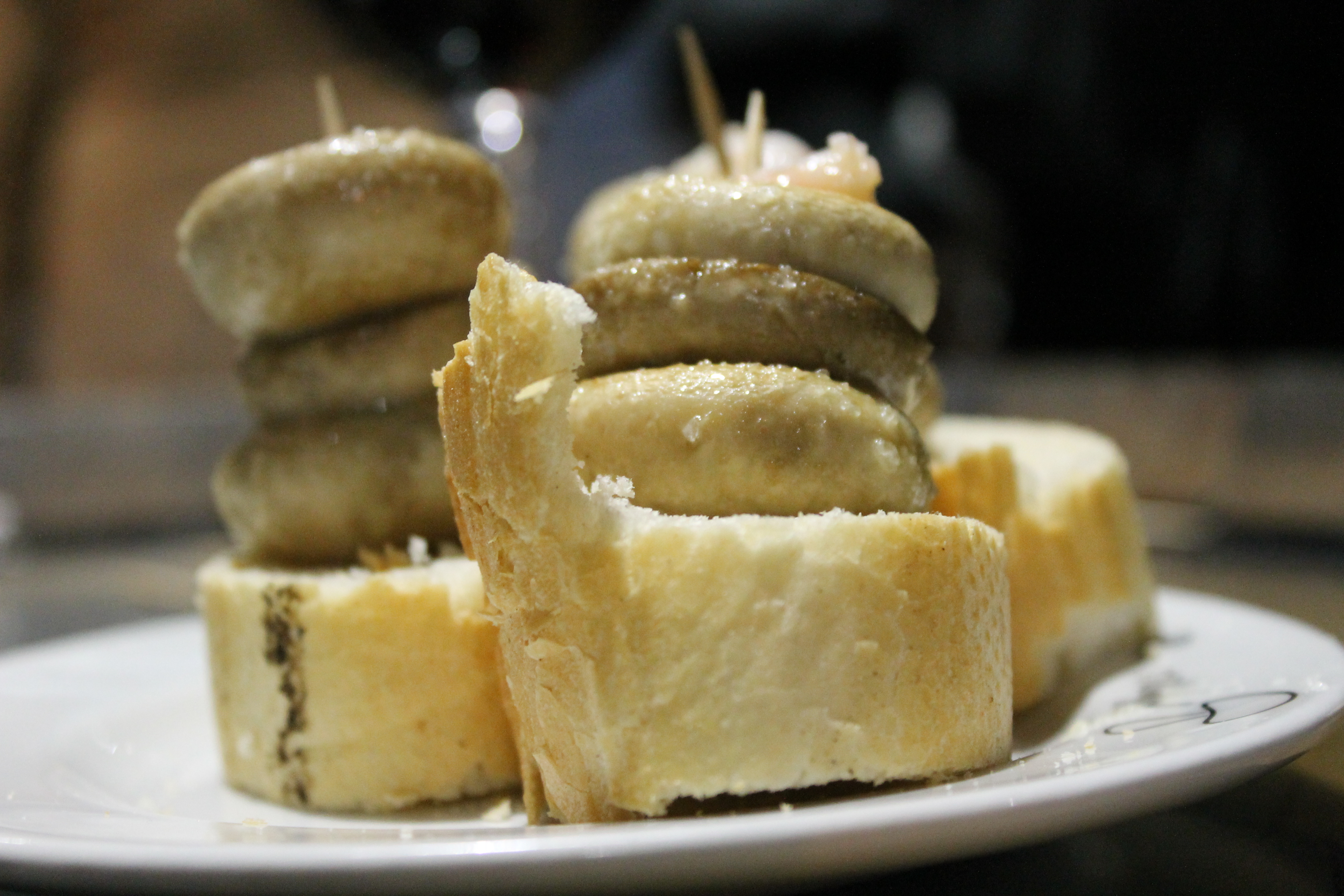
Stop Three: Pintxo of Champi with shrimp and a glass of tinto at Bar Antonio: 2,80€

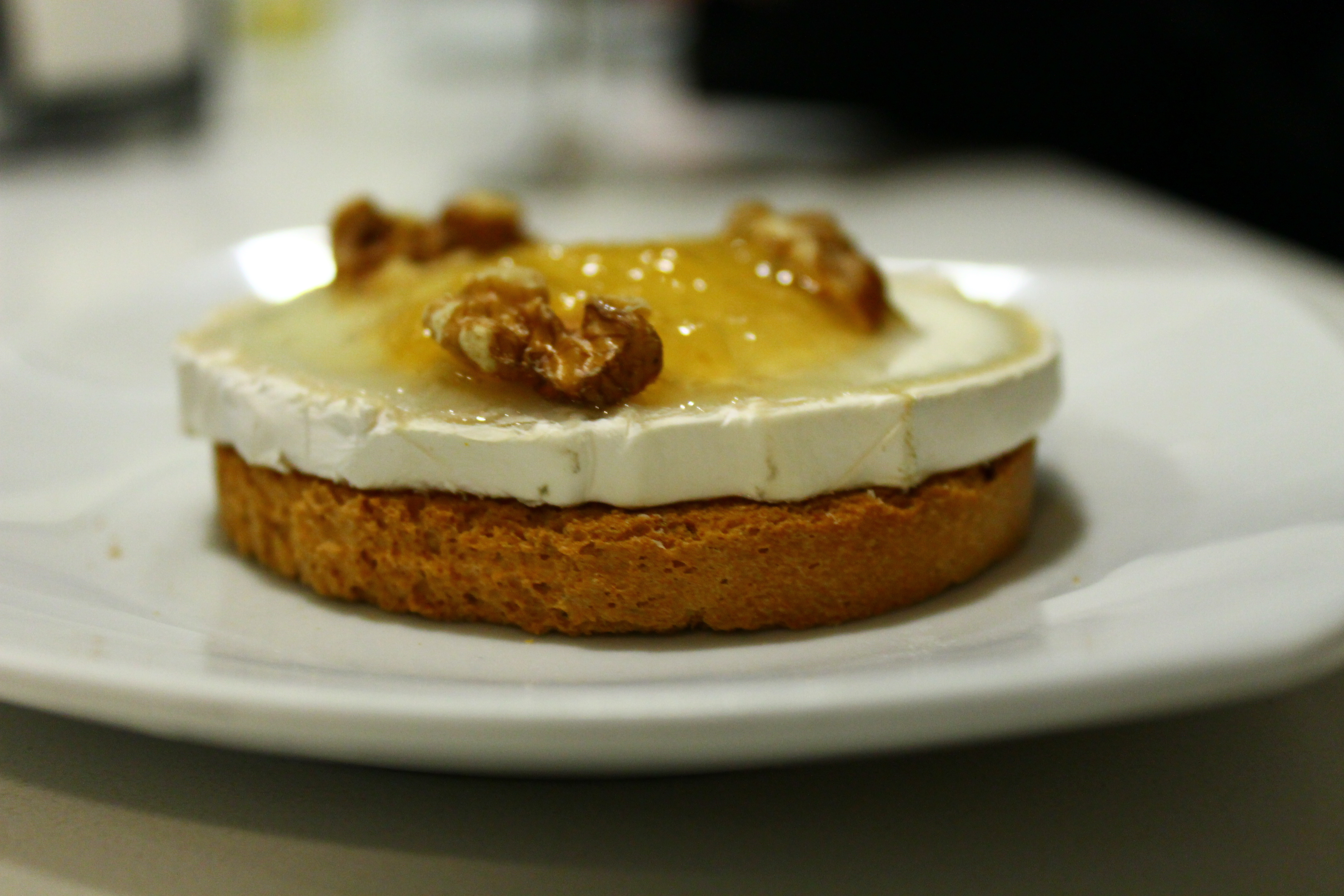
Stop Four: A Pintxo of Queso de Cabra con confitura de Mermelada, a pintxo of Pimiento Relleno de Setas y Gambas and a glass of tinto: 4,30€

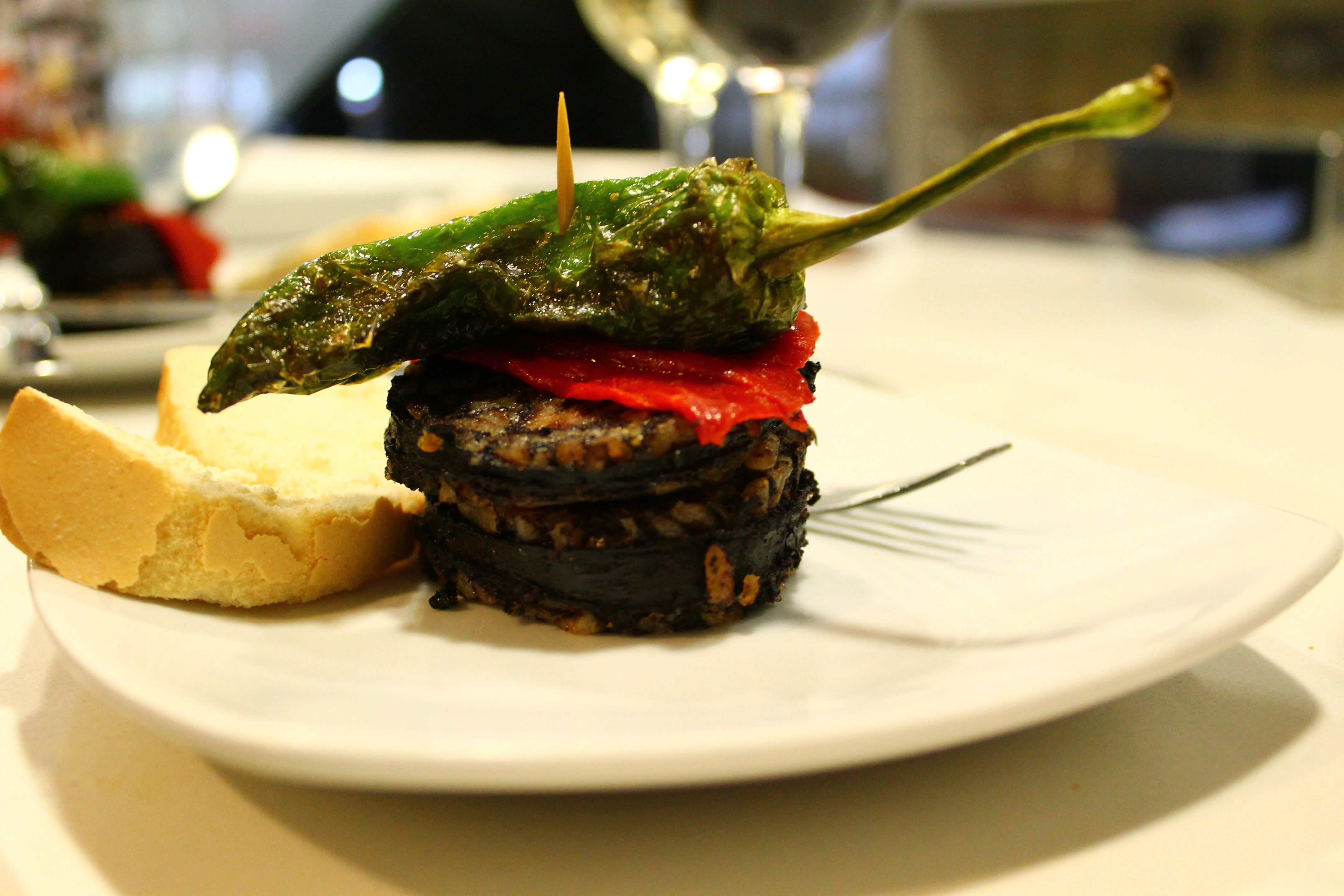
I really just wanted Tana’s morcilla, though…

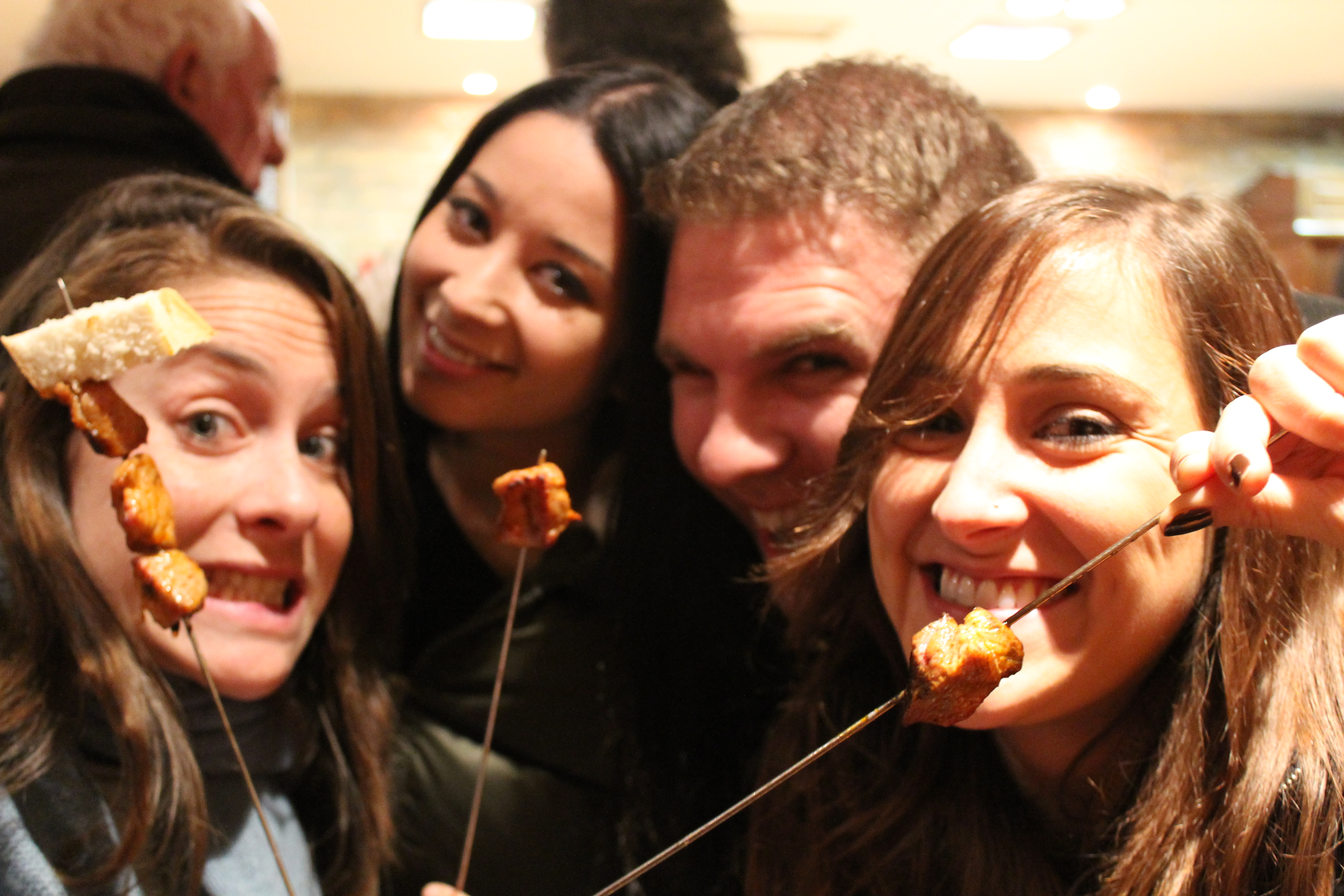
Stop Five: Meat on a Stick! Pintxo Moruno and glass of red at Páganos: 2,10€

self-timer portrait, yikes!

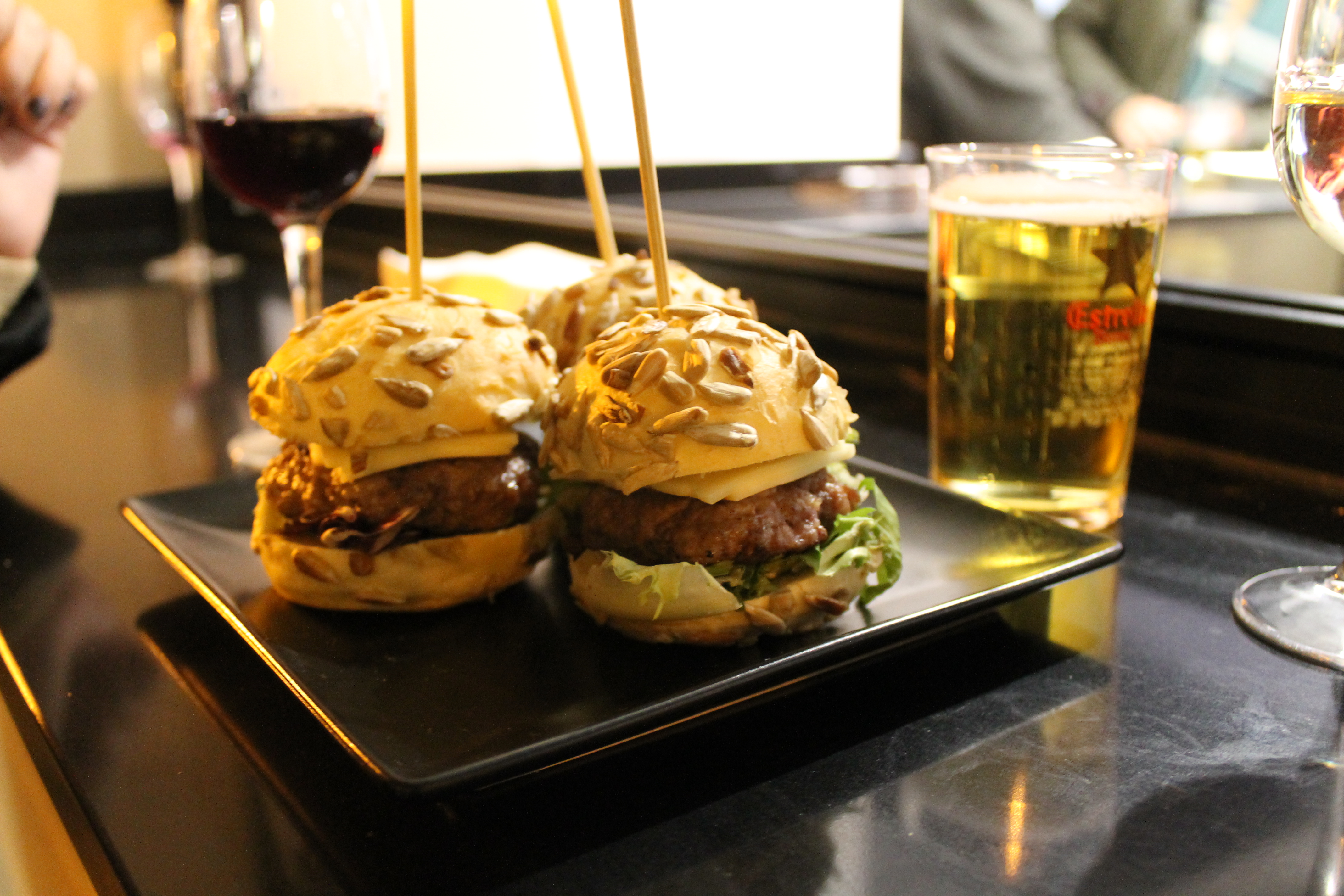
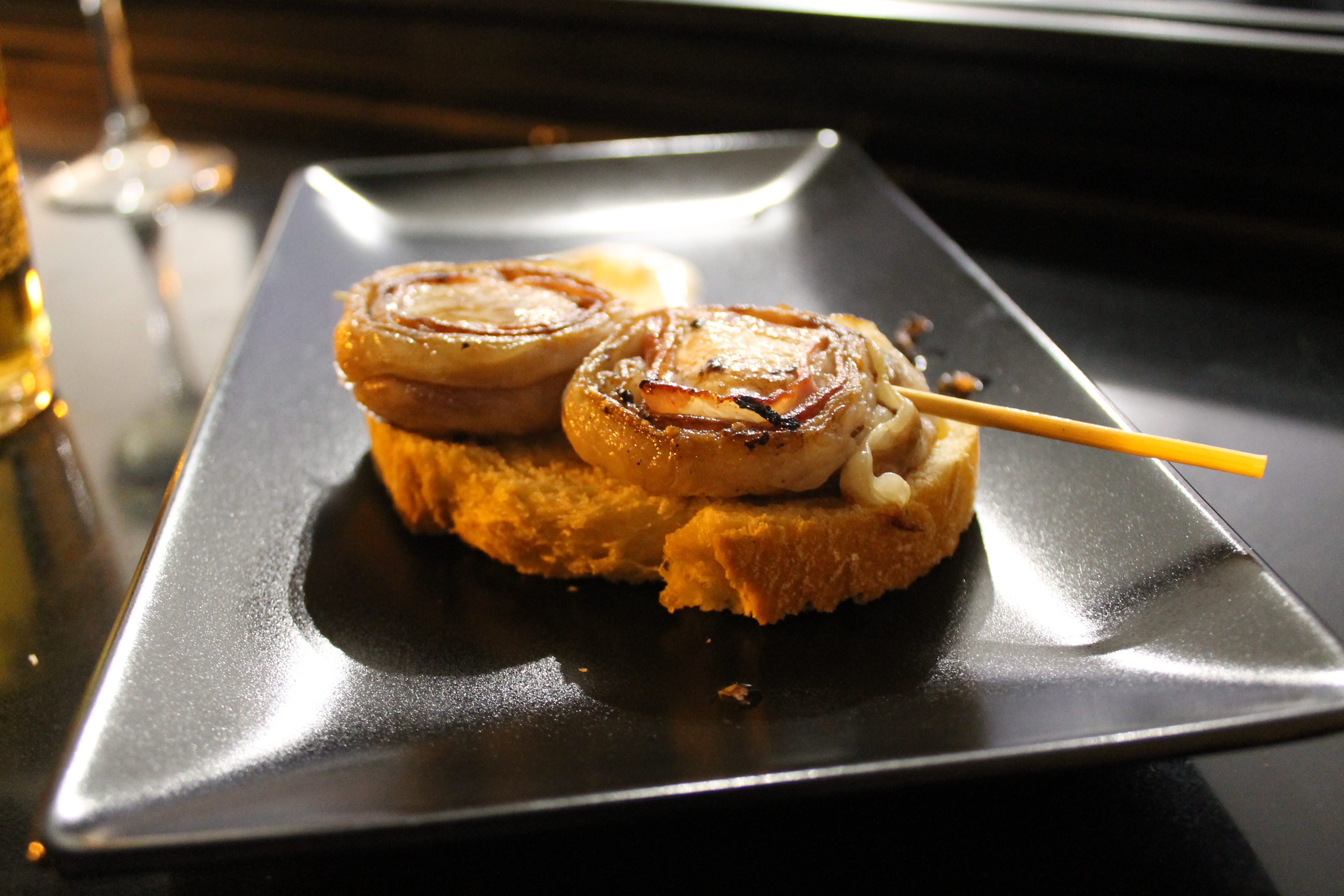
Stop Six: Pintxo of Piruletas de Solomillo con beicon and a beer (noooo more wine!), while my friends snagged the last three mini hamburgers: 3,50€

I’d say we made out like bandits, but we really made out like fatties. We would return to Calle Laurel just once more, instead choosing to try Calle San Juan, where the pintxos were even cheaper and the bars less crowded.

How do you eat while on a trip? Have you ever been to La Rioja?

Tapa Thursdays: Where’s Cat?

Studying abroad in Valladolid changed many things about me, from the way I spoke Spanish to the direction my life way to take. It also made me appreciated wine. Sitting just south of the Ribera del Duero region, Pucela, as it’s called locally, had vineyards producing some of Spain’s most famous brands. Dinner was often paired with a robust vino tinto, turning me into a wine aficionado at the tender age of 19. Hey, when in Rome…

Today is not about tapas, it’s about wine because I’m visiting Spain’s foremost wine region today for the first time. Tucked into the smallest autonomous community is acre upon acre of vineyards producing tempranillo and garnacha grape, home to Marques de Riscal and Campo Viejo brands, crumbling castle and monasteries, and a pintxos culture second to none.

Last weekend, my girlfriends and I did a cata de vino at a small wine shop in the center of Seville, Flor de Sal. With each of us busy with our lives, partners and jobs, our monthly dates are often full of chatter and wine, so having Andre explain his handpicked choices from lesser-known bodegas brought out the best in us wine-loving guiris. If it was any indication as to what lies ahead this weekend for me and my friends, we’re in trouble!

Have you been to La Rioja? Have any recommendations for me, particularly food and wine? What’s your favorite DO in Spain?

Tapas Thursdays: Ensaladilla Rusa

My first meal in Spain was less than memorable: Aurora muttered something as she schlepped a large bowl of something in front of us.

“Cat, quick! tell her I’m allergic to seafood! I think that’s tuna and I don’t know how to say it in Spanish!” Emily hissed from across the table.

My jet lagged brain, tired after eight hours and lugging a suitcase halfway across Valladolid, barely got out the word fish while still searching for seafood. My señora stopped right then and there, threw her arms up in exasperation and chided us for not being as open-minded as the Japanese girls who had lived with her before we had arrived.

I tried to simply was what it was called, hoping that would lead to a run-down of the ingredients. It did, alright, and it seemed that my host mother had folded in every. single. thing. she had in her kitchen into the cubed potato and mayonnaise mix.

We used a “break for air and exploring” as an excuse to pick up sandwiches from a bar around the corner as I explained to Emily exactly what we had eaten:

The Spanish version of a kitchen sink, ensaladilla rusa. Literally, Little Russian Salad.

source

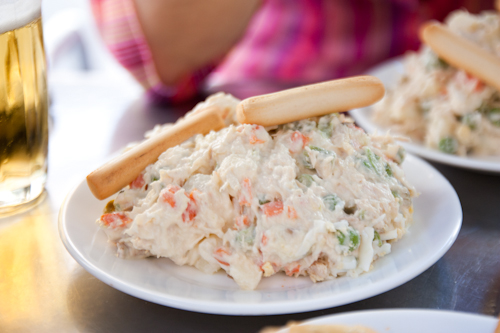
What it is: A cold, cubed potato salad made with mayonnaise, peas, carrots, red peppers and often hardboiled eggs and canned tuna, accompanied with freshly chopped parsley. The dish often comes with picos.

Where it’s from: As far as I can tell, this popular tapa fría is served in just about every region of Spain, though it varies in its ingredients slightly, or even in its presentation – I’ve seen it atop bread in the Basque Country!

Where to find it in Seville: I’m not a big ensaladilla person because it combines the two foods that make me turn green: mayonnaise and canned tuna. Still, if the mayo isn’t too heavily dolloped into the recipe, I can stomach a bit. I recommend both La Alicantina in Plaza de Salvador (Pza. del Salvador, 2, on the northeast corner), who makes their mayo from scratch and was willing to give it to me on the side, just in case. Their tapa has also garnered quite a bit of fame in city polls. Also, La Cigala de Oro near Santa Justa train station had a fresh tapa that’s light on mayonnaise (Jose Laguillo, 23).

Goes great with: Ensaladilla is typically eaten as bar grub or the starter to a meal because it’s cold and scooped directly onto a plate when you order it. I myself need a few big gulps of Cruzcampo to really like it!

Love tapas? Want to see a specific one featured Thursday? Leave me a comment, or post a picture of you eating your favorite tapas to my Facebook page!

Related Posts Plugin for WordPress, Blogger...