Traveling to Madrid during the COVID-19 Pandemic: Practical advice for visiting the Spanish capital

The azahar is blooming ever so faintly, carrying its intoxicating scent right to my home office. It’s been exactly a year since the government in Spain locked us in our homes for seven weeks at the beginning of the COVID-19 pandemic. It’s the scent of spring – hope, new beginnings and the promise of brighter days.

As the world begins to open back up, we are all traveling dreaming. Moving to Lyon for half a year was a salve for me, balm to cure my travel bug temporarily. But for someone who always has half a dozen places in mind for my next trip, there is really only one destination I am yearning to go to: Madrid. Both on a professional level and a personal one, I am looking forward to jumping on the high-speed train, booking into a COVID-certified hotel in Madrid and walking the streets of Chamberí – mask on and with caution.
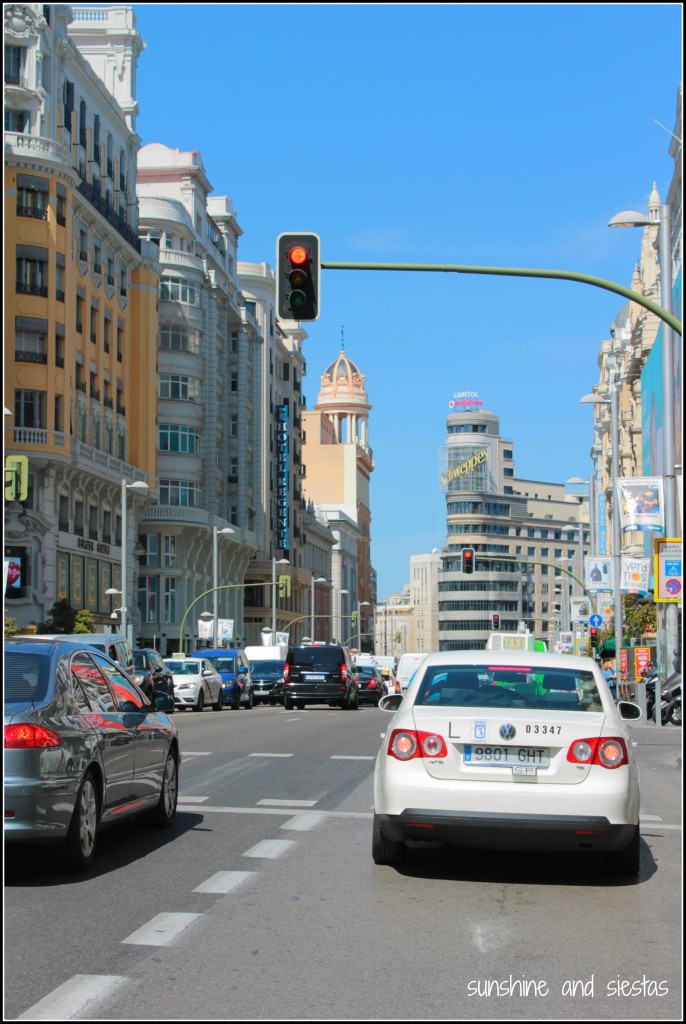
If you’re traveling to Madrid during the COVID-19 pandemic, there are a few things to keep in mind so that you stay safe and healthy while respecting both national and local laws.

While the federal government is anchored in Madrid, many of the granular level decisions about activities, tourism and commerce during the pandemic are delegated to the 17 regional governments. For this reason, Madrid’s curfew is at 11pm whereas Andalucía’s is at 10pm. The city of Madrid is found within a region of the same name (la Comunidad de Madrid).

The most current information can be found on the Comunidad de Madrid’s COVID-19 information page (Spanish). Here are the highlights at the time of publication:

Vaccination and Vaccination Passports

Vaccination groups are determined by regional governments, though the Spanish government pays for and distributes the doses to them according to population. The federal government recently halted inoculations of AstraZeneca for an undetermined amount of time. April will be a month that determines the rhythm of vaccinations, and the Spanish government has announced that its goal is 70% or more of the population immune by September.

Currently, there is no need to present a vaccination passport.

Mobility Restrictions

At the moment, borders to the Comunidad de Madrid remain open, and the Comunidad will not close them despite encouraging citizens to limit movement unless necessary.
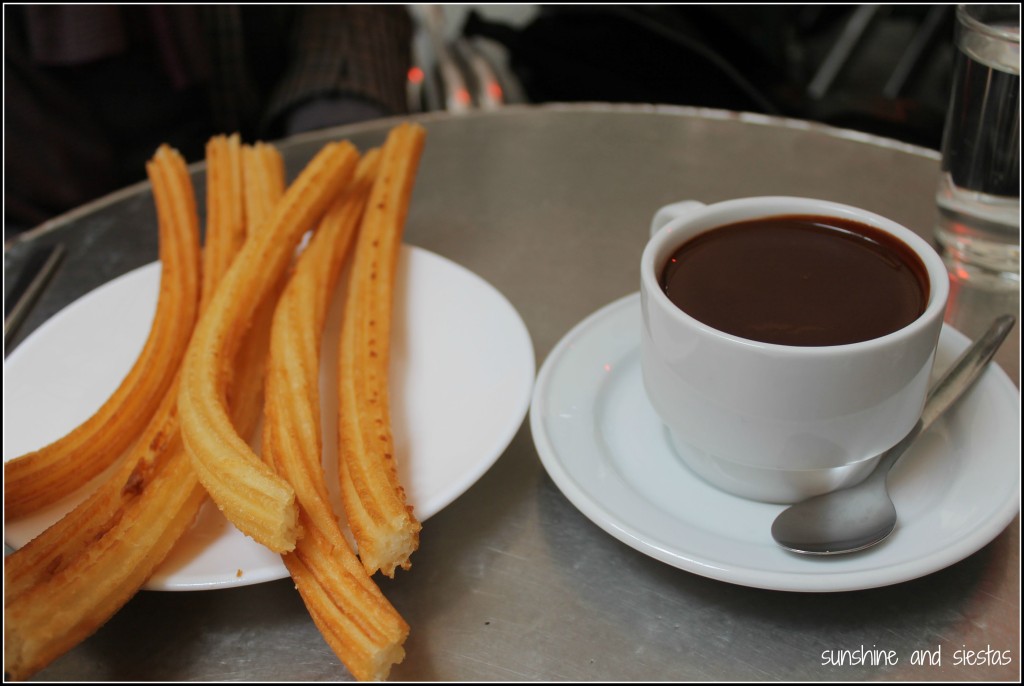
best churros in Seville

If you need to move in or out of a restricted ZBS, you will need a permission slip. Justified reasons include to attend a doctor’s appointment, for work or for educational purposes, or to care for another person who cannot take care of themselves.

Note: Madrid will be closed during the weekend of the Feast of Saint Joseph (Wednesday, March 17 through Sunday, March 21) and Holy Week (Friday, March 26 through Thursday, April 9).

Transportation
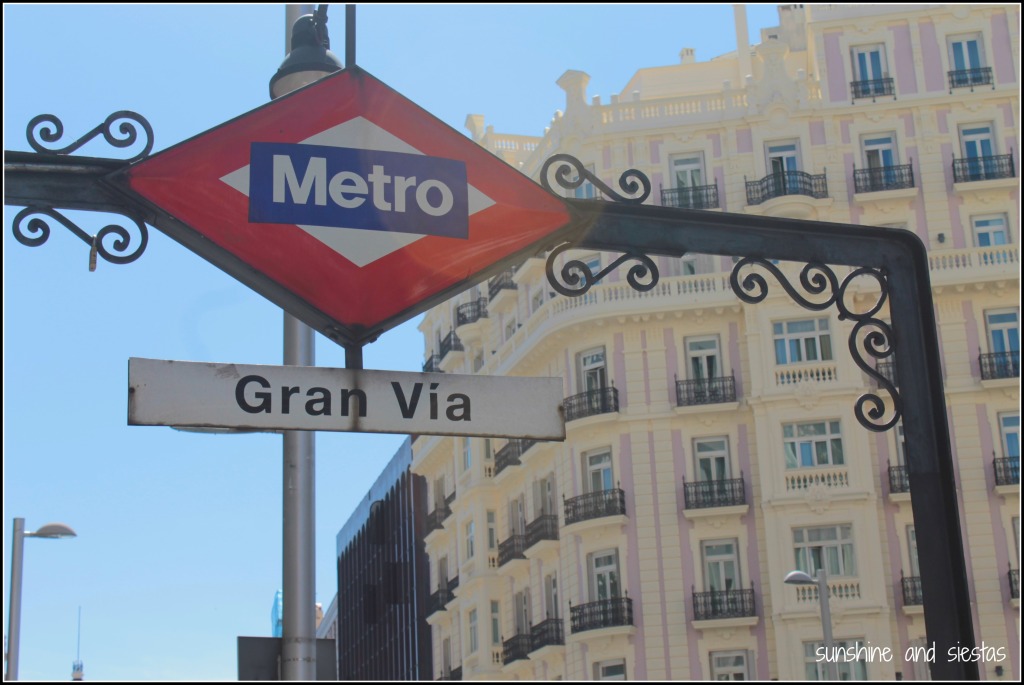
metro of Madrid

Madrid is a wonderful city for walking, and this is arguably the safest form of transportation. You can also rent a bike through BiciMadrid or a private outfitter, grab an Uber or local taxi on Cabify or use the Renfe commuter trains, Metro de Madrid or red city buses to get around. Contactless payment is preferred, masks are required and each mode of transport operates at a lower maximum occupancy with additional reinforcements at peak hours.

Dining and meeting with others
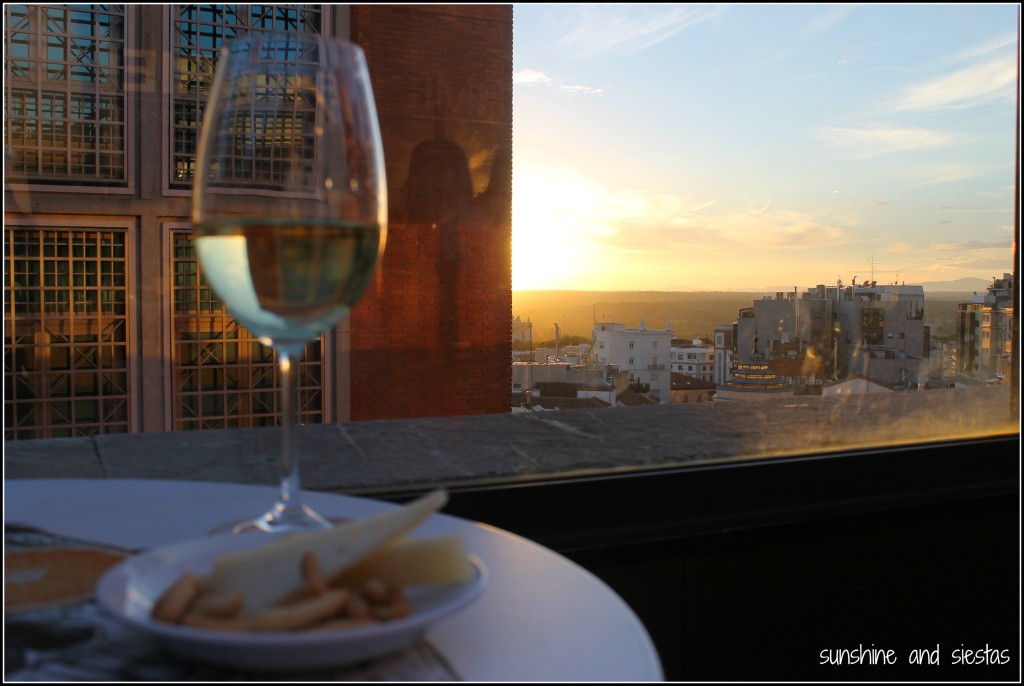
madrid-sunset-from-the-roof

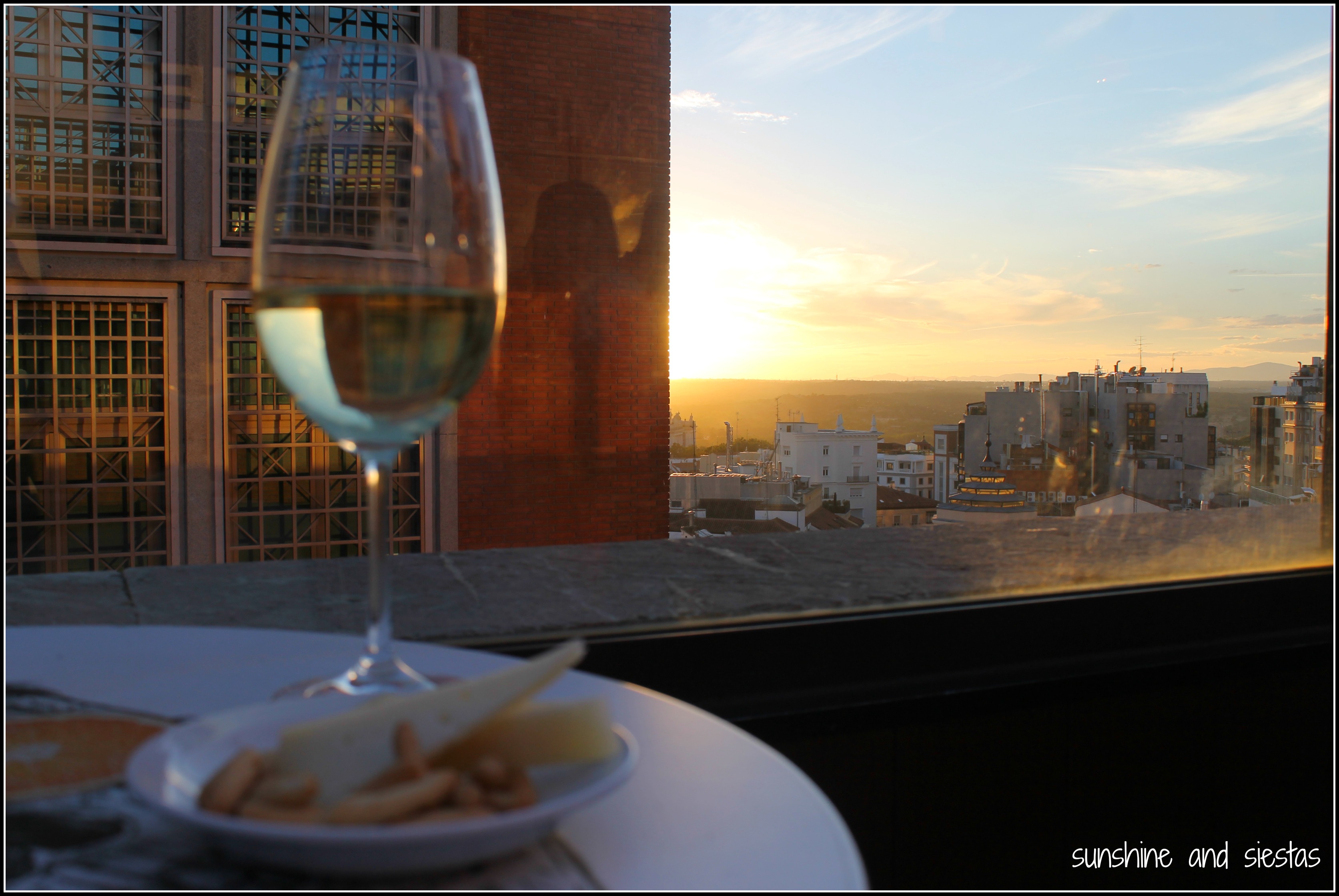
Having visitors over to your home is still expressly forbidden, but social groups are allowed in small numbers: outdoors, you can be up to six people, whereas indoors are limited to four. Restaurant occupancy in Madrid is set to 50% indoors and 75% on terraces, restaurants are open for business until 11pm but cannot accept new diners after 10pm; takeaway options can continue to serve until midnight.

Shops

Shops and large shopping centers can be open during the day at up to 50% occupancy, so long as they are closed by 10 p.m. Exceptions to this would be any sort of business that is considered essential, such as pharmacies, vets or gas stations.

What to do in Madrid during the pandemic

Madrileños are having a field day enjoying their city in a springtime with fewer crowds. Theatres, movie theatres and cultural attractions can have up to 75% of their maximum occupancy filled, and large venues, 40%. Typical holiday celebrations have been postponed this year but Madrid boasts expansive parks, world-class museums and plenty of street life. Visit the official Madrid Tourism page to check what’s open and happening.
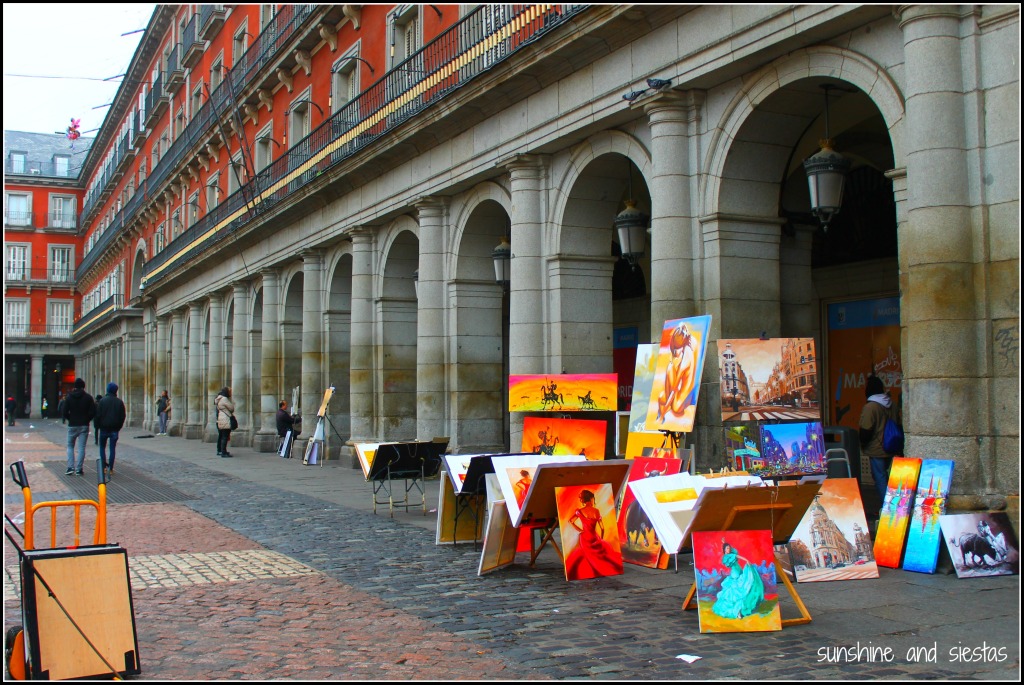
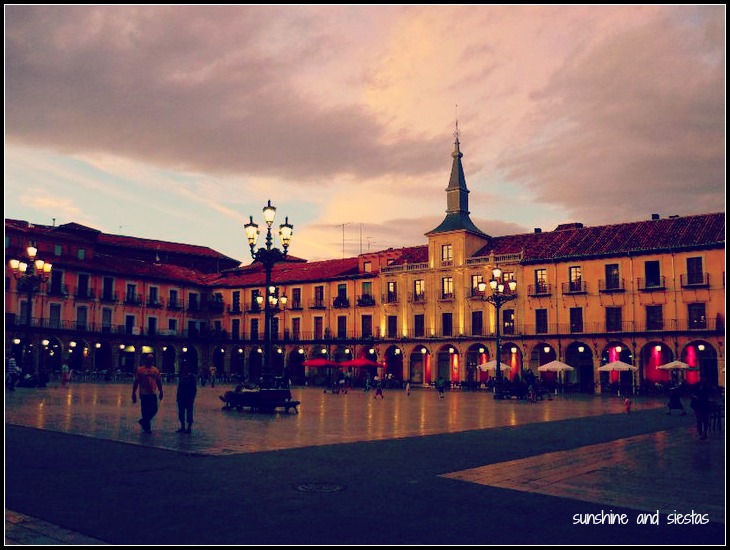
Madrid Plaza Mayor

You can also enjoy the province, so long as the ZBS is open.

As always, take normal precautions: wear a mask (it’s the law), socially distance, wash your hands frequently and don’t travel or go out of your home if you’re experiencing any symptoms compatible with COVID-19.

Traveling may be far from your mind, even with the long Holy Week celebrations around the corner. It’s really a double-edged sword: Spain’s tourism sector is reeling after an entire year (and more!) lost, yet it’s not wise to be free-wheeling . When it’s safe, I will be back in La Capi, gladly revisiting all of the places that made our years in Madrid special.

This post was written and published on March 17, 2021. At the time of publication, all information was current.

This post is in collaboration with Hotels.com, but all opinions are my own.

Lost and Found in Spain: Susan Solomont talks her book about being an ambassador’s wife abroad

Serendipity. A random occurrence of events that happens casually or unexpectedly.

Not that my run-ins with Spanish bureaucrats have been serendipitous, but as I looked back on 12 years of Spain through rosy colored glasses (or just a Cruzcampo haze), I realize that so many of the relationships and milestones of my Spain life have been a series of coincidences. From my hearing casually about the auxiliar de conversación job to meeting the woman who would introduce me to the Novio (who happened to live around the corner from family back in Chicago) to how we named Millán.

I recently met with Susan Solomont, a former diplomat to the American mission in Spain, for coffee and a chat on a rainy morning in Seville. Her literary agent had put us in contact months before, but between our schedules and the time difference, a well-timed email meant that we could meet the following week during the Solomont’s annual trip to Spain instead of connecting over Skype. Serendipitous, indeed.

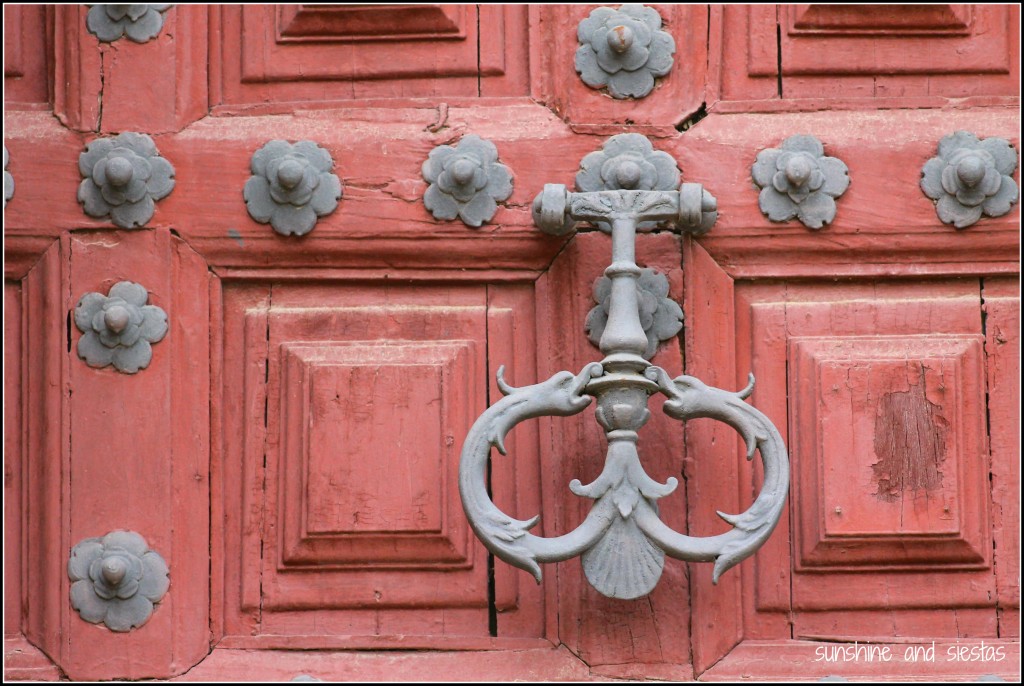
beautiful old door in Europe

In many ways, her husband’s appointment as ambassador to Spain under Obama was just that – a happy coincidence and the chance to serve her country’s diplomatic mission abroad. Spain and the US have long enjoyed a positive relationship, so despite the frantic preparations to arrive at Calle Serrano, 75 and all of the minutiae of being a diplomat’s wife, Susan’s journey was, like mine, full of small but bountiful coincidences.

My reporter’s notebook – a relic of the days when I planned to be a journalist and had a heavy interest in Washington – stayed shut as we filled an hour with conversation that carelessly flitted between topics – touching on politics (got that right out of the way), sharing our favorite places in Spain and musing about raising children to be kind and forward-thinking.

In her book, Lost and Found in Spain – Adventures of an Ambassador’s Wife (you can nab it on AmazonBarnes and Noble or Indie Bound), Susan starts off with an anecdote before delving into an aspect of Spanish identity, from cultural to religious to historical. In many ways, Susan’s inception of the news she’d be headed to Spain, her apprehensions over the move and settling into her new life mirror my own, just revved up on Cola Cao Turbo. I felt moved by the shared experience and wanting to learn more about life in Barrio Salamanca – just a few blocks from my house but somehow worlds away.

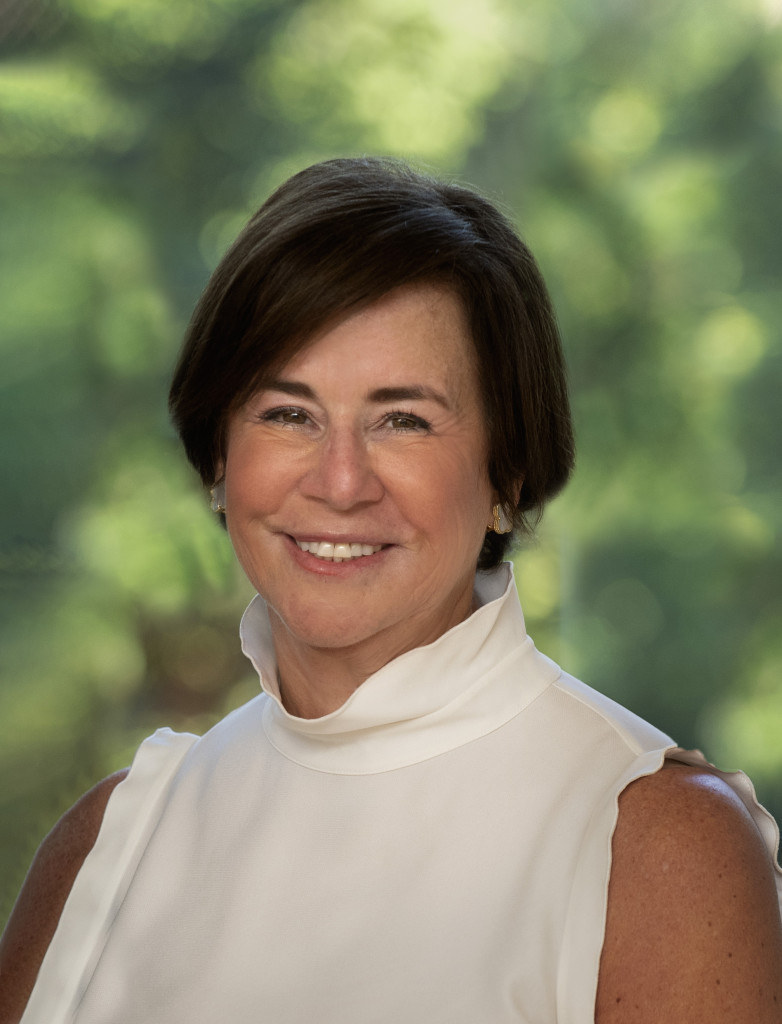
Susan Solomont headshot

Susan graciously answered my questions via email so that she could enjoy snuggling Millán and tell me about her own children while I sipped my fourth coffee of the morning over our chat.

Can you speak about how your letters to loved ones back home evolved into a book?

When I lived in Spain I wrote a series of letters I called Holas. They started as personal letters to keep in touch with my 13 closest friends. They started to go viral, and I started writing more about our life as diplomats. They were more informative than personal and they ended up reaching over 3000 people.

Leon Square Spain

A literary agent friend who received them encouraged me to put them into a book. She said to me, “A book of letters is not a book. You need a beginning, a middle, an end. Tell a story”.

It took me two years to write the book and two years to find a publisher. These things take time and finally, in 2018, the book came out.

Your transition to Spain was not a smooth one, despite training and assistance from the Department of State. Looking back, what could you have done to prepare yourself for the post?

The transition to Spain had its highs and lows. I was not able to bring my professional work to Spain and instead had to work hard to forge my own identity – hence the “Lost” part of the title. Plus I was away from family and friends and my community. The “Found” part – I found my role, my voice, my place in the Embassy community and Spanish community.

Our Department of State (DOS) is changing [sic and] can find roles for spouses and partners. Perhaps now I could have brought my professional work with me, but in retrospect, I’m glad I didn’t.

No doubt, an ambassador’s job takes you to many interesting places across Spain for various functions, several of which you detail in your book – I particularly liked the story of Jerez del Marquesados. What was your favorite? And is there somewhere you didn’t get to that you wish you could have visited?

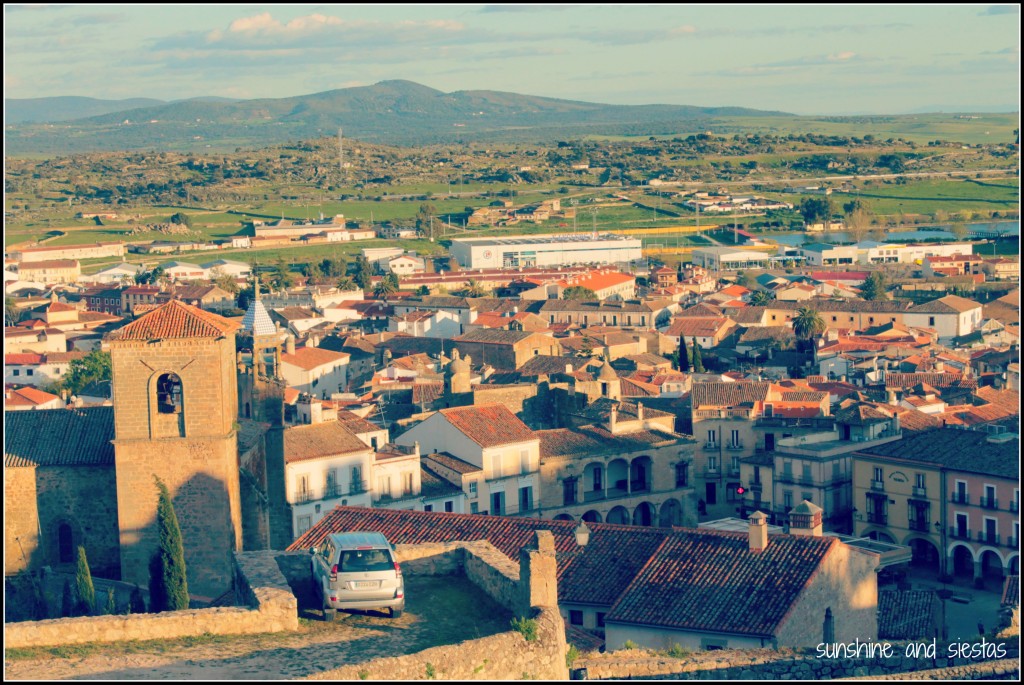
view of Trujillo, Extremadura

I’m often asked what is my favorite place in Spain. Impossible to answer, I love so many places. We traveled everywhere in the country. It is so special that I know each region and have visited. I do have a particular fondness for Extremadura and its countryside. I also love Mallorca. The color of the water, the beauty of the Tramuntana countryside.

One day I will return to walk part of the Camino.

An ambassador’s life or his wife’s seems glamorous. What were your days actually like?

Our days were very busy. People assume this is a job where you are socializing all the time. Yes, we were constantly meeting people, but it’s not fancy teas and dinner parties. The work was political, economic and cultural. We also were there for Americans living abroad and traveling. We worked long and hard days advancing the agenda of the US [in Spain], sharing cultural values and strengthening the bilateral relationship.

Holidays can be both memorable and difficult times for those of us in Spain. I celebrate July 4th, Halloween, Thanksgiving and Christmas in my house, which my husband and his family willingly take part in. How has your view on American culture changed since your assignment?

When we lived in Spain we celebrated all American holidays and also celebrated Jewish holidays both with our Jewish friends in Spain as well as non-Jewish friends. Our July 4th celebration was very special. We served hot dogs and hamburgers, had an American rock n’ roll band, danced the night away and celebrated the US’s birthday.

american products thanksgiving

Halloween- I used to host a doggy Halloween party where embassy staff would dress their dogs up and come play on the lawn. Our Marine Unit had a Halloween party as well.

And Christmas- we had the most fantastic tree, decorated in Spanish and American flags.

There are many Spanish stereotypes flirting around Spain and the Spanish lifestyle – I’m guilty, having lived in the land of toros and tapas! Are there any that you found utterly false, or even alarmingly true?

bullfighting in Seville Spain

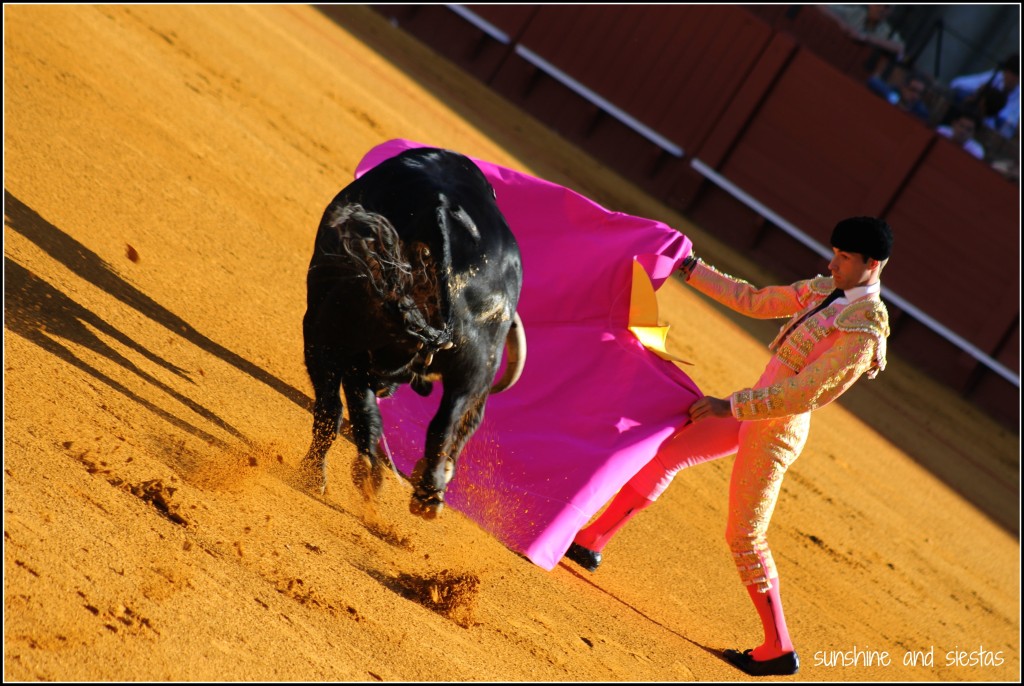
YES— we wanted people to know that siestas, bullfights and flamenco are not the norms. Spain is a modern democracy that works hard. Perhaps on a weekend someone might take a siesta. Or perhaps there are people who go to the bullfights but not everyone likes them. And the same for flamenco.

Spain and the US enjoy a strong relationship, and each sees the power and mutual benefit in these relations. Were you met with any hostility as part of yours and Alan’s mission while in Madrid?

Not at all. We were embraced by Madrid and all of Spain. People would stop me on the street and say, “I love your country, I love President Obama”.

Have you been back to Spain since 2013? What is your first stop in Madrid?

metro of Madrid

We come back at least once a year. We always spend time in Madrid. We get very busy seeing old friends and eating and drinking too much. We always need a vacation after our time here.

I had to glance at my watch to keep a well child check up, but Susan’s second coffee date of the morning arrived shortly before I had to duck out. Juan and I have always had a case of six degrees of separation – we have about a dozen people in common – but on that rainy, midweek morning, finally gave one another dos besos. Another serendipitous moment (appease me, please).

Chance led both Susan and I to Spain, and despite our moments of both feeling lost, we found ourselves – and, funnily enough, one another – through its people, culture and food and wine.

Susan Solomont titles

Susan and her agent graciously provided me with a PDF copy of Lost and Found in Spain, but all opinions expressed here are my own and were not contingent upon meeting Susan. I enjoyed its lighthearted tone – it does read like a long form letter in many sections – and its reflections on Spanish life and culture through an American lens. You can find more about the book and her companion’s children’s book, Stella the Ambassadog (adorable!), on her author webpage.

This post does not contain affiliate links.

Museums in Madrid: what to see when you’ve done the Prado, the Reina Sofia and the Thyssen

Updated November 2025

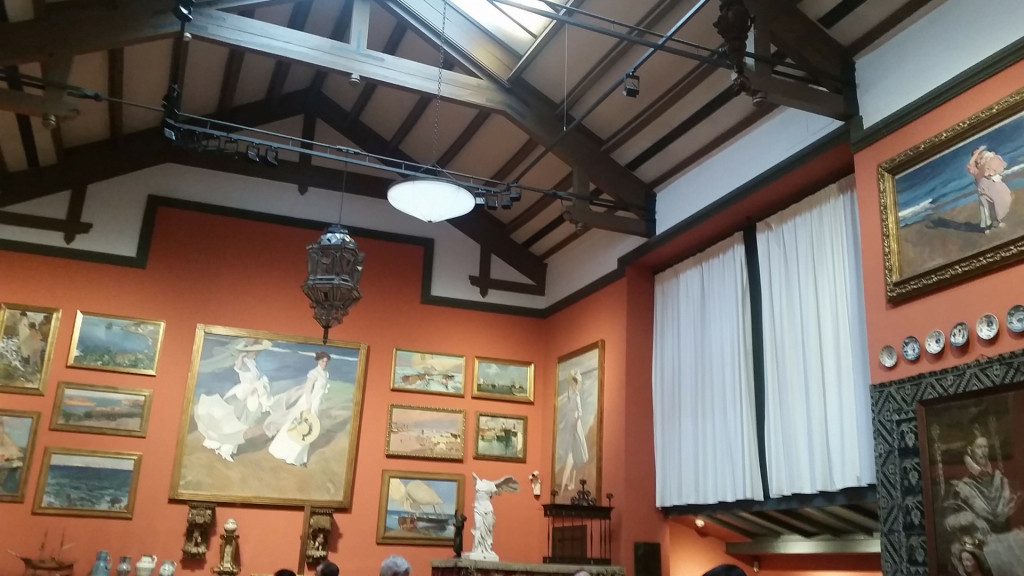
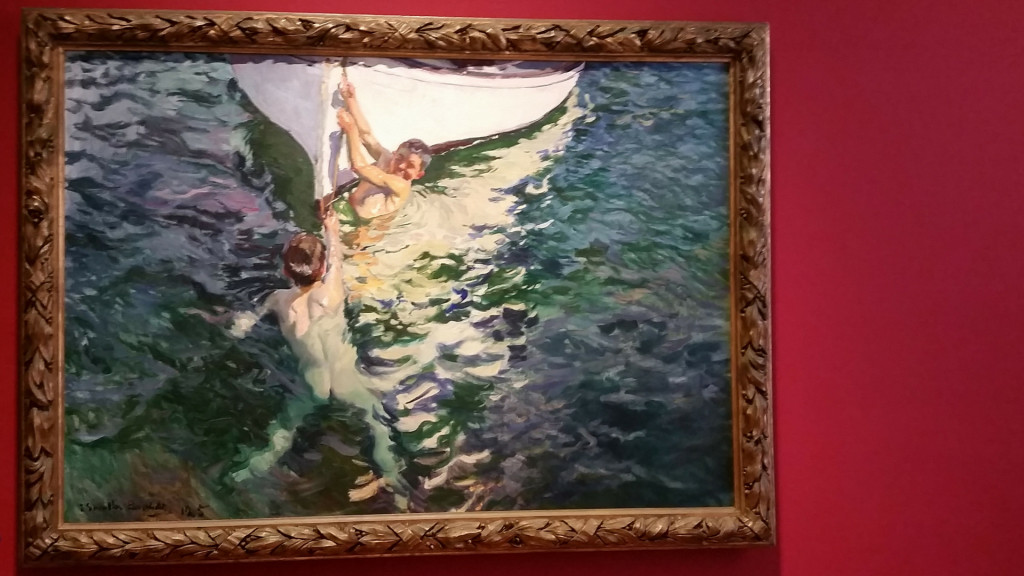
Madrid is a city of museums – there are nearly 50 of them, ranging from historical to whimsical. Once you’ve hit the big three – the unreal classic art collection at the Prado, the Reina Sofia, the modernist dream and home to Picasso’s masterpiece Guernica, and the extensive private collection at the Borneo-Thyssen – there are loads of lesser-known museums that are well worth the time. If you’re looking for things to do on a rainy day in Madrid, these museums are open to the general public on most days and offer free afternoons or days throughout the year. Madrid’s cultural, historical and empirical legacy is one display at museums great and small, but here are the five best small museums in the Spanish capital: Casa / Estudio Joaquín Sorolla  A museum so well hidden in the stately buildings of the Almagro district that you’d never know it was there. Joaquín Sorolla, a celebrated Valencian impressionist, worked and lived in this mansion and its tranquil gardens, designed by the artist himself. At the request of his widow, the home was turned over to the state in 1925 and houses the largest collection of his works. Joaquin Sorolla museum and studio Madrid Known for his dreamy, light-filled images of the Spanish coasts, his salmon-colored studio also showcases dozens of his paintings and sketches – as well as his paint brushes, sculptures and period furniture. If you can’t make it to the Louvre or the Art Institute of Chicago, the Sorolla is a perfect alternative.  Plan to spend about 90 minutes wandering the gardens and contemplating the artist’s work, the living quarters and the patio andaluz. There are seven separate galleries and nearly 1300 pieces on display. Note: Casa Museo Sorolla will be closed for renovations until early 2026. When it reopens, make sure you go in an evening in the early summer – the gardens are a treat! Practical Information

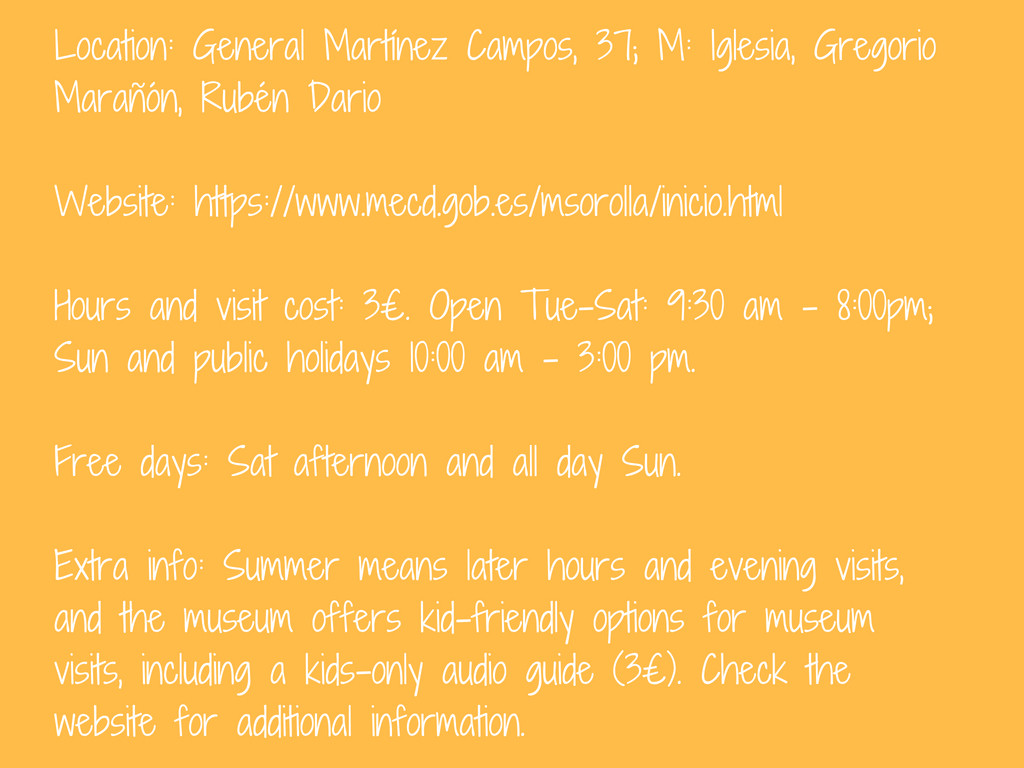
  • Location and transportation: General Martínez Campos, 37 (Chamberí). Metro: Iglesia (L1), Gregorio Marañón (L7, L10), Rubén Darío (L4)
  • Hours of operation: Tuesday to Saturday from 9:30 a.m. to 8:00 p.m. Sundays and Public holidays 10:00 a.m. – 3:00 p.m.
  • Ticketing: 3€ in situ or online once the museum reopens

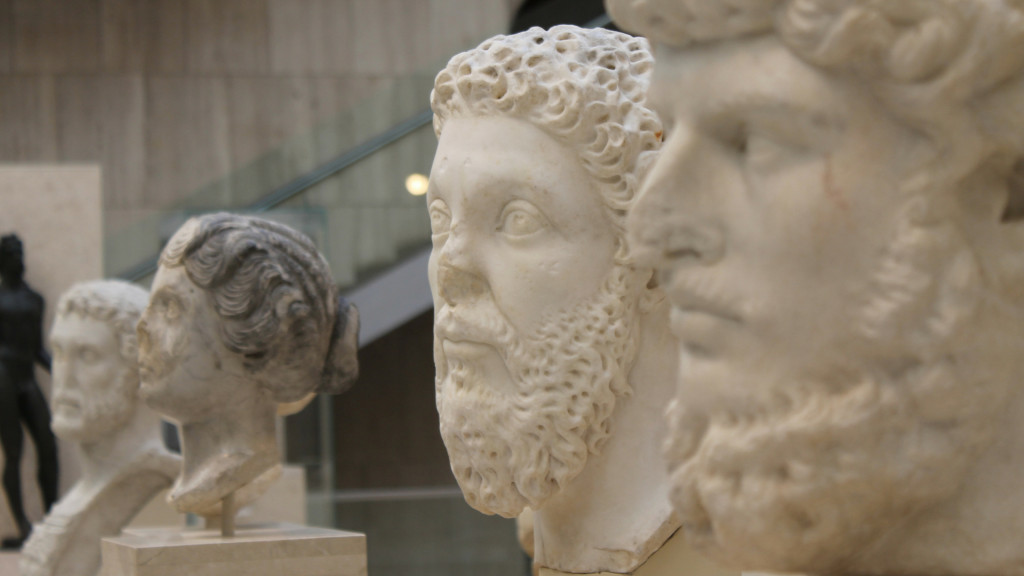
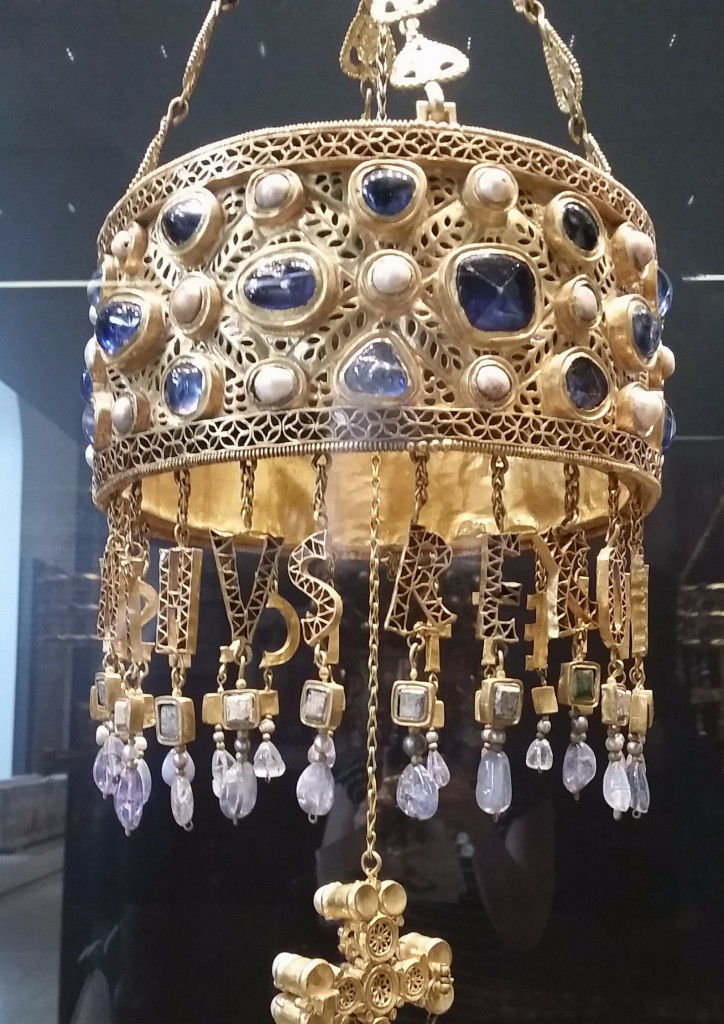
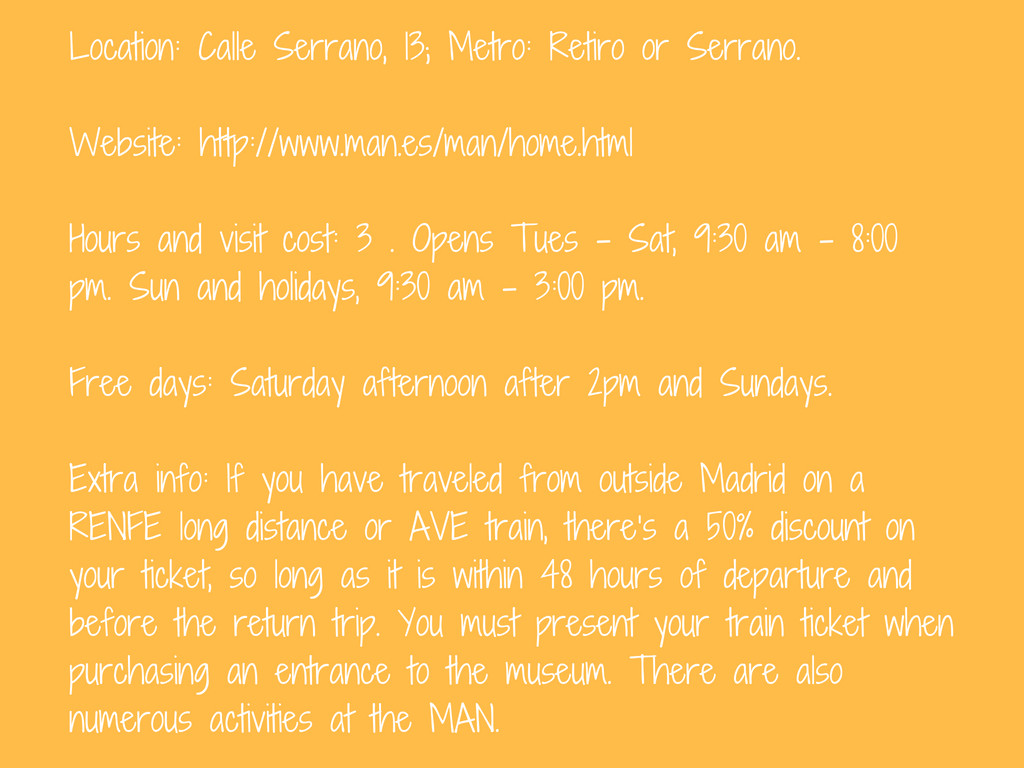
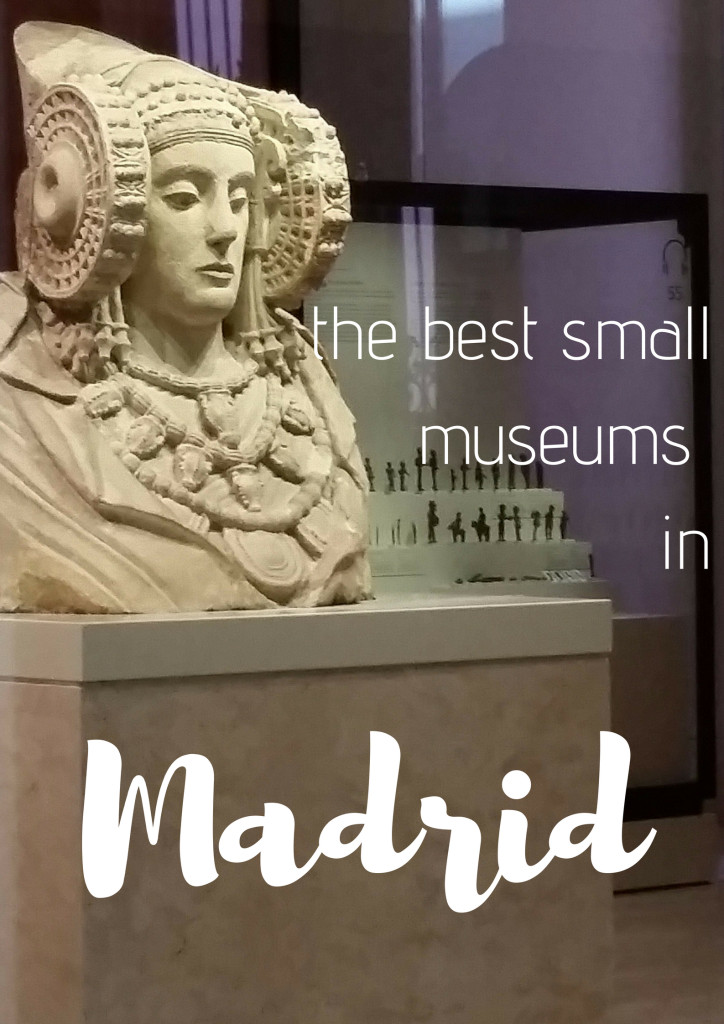
Museo de Arqueología Nacional (MAN) After a massive renovation, the National Archaeology Museum re-opened in 2014. Situated right off the Plaza de Colón in Barrio Salamanca, the museum chronicles human origins and the study of archeology, anthropology and sociology with a special focus on Spain. Ever since my first semester of college I’ve been fascinated by early hominids, housed on the first floor. As you snake up through the museum, you pass through millennia of human history and, indeed, Spain’s most important historical periods. Visiting the MAN Museo Nacional de Arquelogia Madrid The building itself is a treat: in 1867, Queen Isabel II (yes, she of Madrid’s Canal) subscribed to the European trend of creating a museum heralding Spain’s legacy to humankind. Drawing from innumerable private collections, more than 13,000 items are on display today.  In 2008, the museum was shuttered for a six-year overhaul. Seen Night at the Museum? Those dusty display cases disappeared from the museum and exhibits became interactive, modernized and more fluid. The outer courtyards became enclosed to be used for sculpture and even a reconstructed tomb. Of special note is the Dama de Elche, a sculpture believed to have had a funerary purpose and depicting a wealthy woman form the 4th Century BC. Found near the town of Elche, she has become a symbol of Spain (even Iberia’s Chicago-Madrid aircraft is named for her!). Guarrazar Treasure MAN Other highlights are the Guarrazar Treasure and a crown worn by Visigoth king Recesvinto and the Bote de Zamora, a marble case expertly crafted by artisans in Medina al Zahara.  This museum needs 3-4 hours, depending on how much you want to read and watch. I was crunched for time and had to hurry through the Egyptian and Islamic collections. As everything was well-explained, I don’t feel an audio guide would be necessary. There’s a free outdoor recreation of the 35,000-year-old charcoal paintings in the Atlamira caves with an inverted mirror. Located in Cantabria near Santillana del Mar, this UNESCO-lauded archaeological site is home to some of Europe’s oldest rock paintings, which depict animals like bison and horses. Also of note is the museum bookstore, packed with didactic materials for kids and coffee table books for scholars. Practical Information

  • Location and transportation: (Retiro). Metro: Retiro (L2) or Serrano (L4)
  • Hours of operation: Tuesday to Saturday from 9:30 a.m. to 8:00 p.m. Sundays and Public holidays 10:00 a.m. – 3:00 p.m.
  • Ticketing: 3€ in situ or

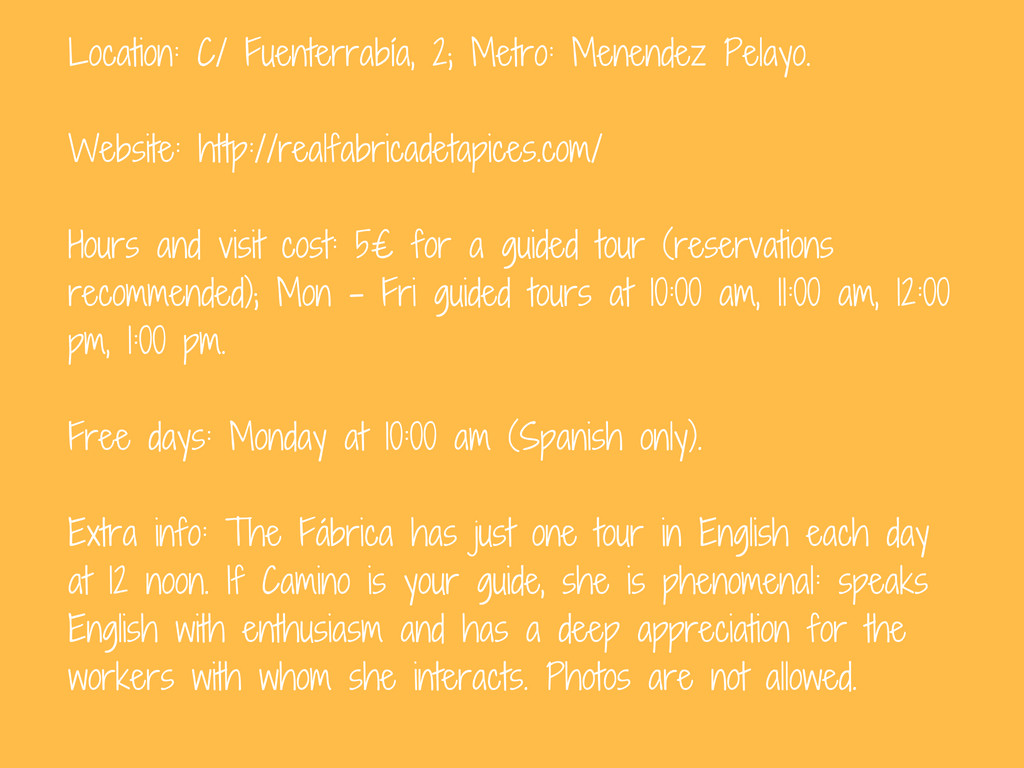
  Real Fábrica de Tápices I had a chance meeting with a woman who worked in patrimonial conservation at the Royal Palace of Madrid. Like me, she had neglected to check in for a flight to Brussels and we were nearly bumped. As I helped her navigate the Brussels Airport and how to claim lost luggage, she told me about one of her favorite spots in Madrid: the Real Fábrica de Tápices. One of only two functioning tapestry factories in the world and in operation since the beginning of the 18th Century, the artisans – who train for 14 years! – generally make rugs and a few tapestries for royal families around the world nowadays. Moved in the late 19th Century to a building on the then-outskirts of Atocha, tapestries, primitive instruments still used today and gigantic looms fill a brick building. What my mom and I loved best was that you actually see the artisans at work. An exposed attic is filled with threads and wool of every color stands over a room dedicated to restoration and tapestries. The (mostly) women and apprentices work simultaneously on an enormous loom, a roadmap of markings and colors to which they tie tiny knots for 8 hours a day. Their hands and knuckles reveal tick marks and rope burn from the threads. Another long nave sees about a dozen younger workers who learn the trade on commissioned rugs.  If you’re looking for a museum dedicated solely to tapestries, head out of the city to La Granja de San Ildefonso and pay for the museum entrance. The majority of the Spanish crown’s tapestries are located here. Practical Information

  • Location and transportation: C/ Fuenterrabia, 2. Metro: Menéndez Pelayo (L1, L6).
  • Hours of operation: Tours are by appointment only, Monday through Friday in the morning or Tuesday, Wednesday and Thursday in the afternoon. Email visitasmuseo@realfabricadetapices.com with the number in your party and your language preference.
  • Ticketing: 6€ via payment link when tour is confirmed.

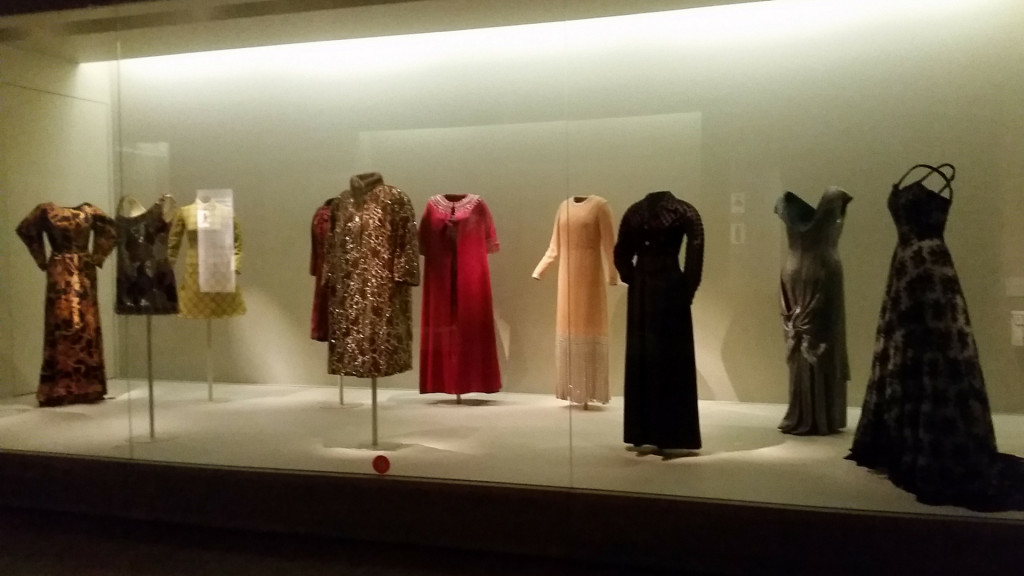
Museo del Traje While names like Balenciaga or Blahnik are household names, Spanish fashion extends though centuries. Located off of the A-6 highway, the Museo del Traje chronicles popular fashion from the medieval ages through today’s top Spanish designers, leading fashion icons – and even a new exhibit on fast fashion and Inditex (don’t miss it if you’re a slave to Zara!). Stemming from an exhibition nearly a century ago that exhibited regional dress, the museum moved from an exhibit in the Folk Art Museum to its own site bajo los focos. Museo del Traje exhibit Madrid With low lights and attention to detail, the permanent exhibit tells a story through fabric and textiles in a avant-garde building and a modern touch. The most extensive exhibit is of fashion from the 20th Century, with a special nod to Fortuny. Ever the nostalgic, I loved seeing iconic dresses from big names in entertainment like the La, La, La and the post-Guerra Civil fashions.  Your visit should last 90 minutes or so, with a visit to the interesting offers that the temporary exhibits – with many loans from large fashion houses – bring. I especially loved the regional costumes exhibit. I love a museum café, and the bistro was a pleasant surprise for a cheap menú del día. There are also a number of workshops and chats – trove the website for more ideas of how to visit the museum if you’re a lover of fashion or handicrafts. Practical Information

  • Location and transportation: Avenida Juan de Herrera, 2. Metro: Ciudad Universitaria (L6), Moncloa (L6, L3).
  • Hours of operation: Tuesday to Saturday from 9:30 a.m. to 7:00 p.m. Sundays and Public holidays 10:00 a.m. – 3:00 p.m.
  • Ticketing: Until the end of 2025, the museum is free to visit; from January 1, general admission is 3€ in situ or via online booking. If you’re a student 18-25 or a pensioner, 1,50€.

  Andén 0 The Metro de Madrid, considered one of the best in the world, celebrates a century of operation in 2019.  If you’re ever traveled on Line 1, the system’s metro oldest line that slices right through Sol and connects the Atocha and Chamartín rail stations, you’ll notice there’s a slow down between the Bilbao and Iglesia stops. Channeling the creepy tunnel from Charlie and Chocolate Factory, this “ghost station” has been turned into a museum called Anden 0, or Platform 0. When work was done to make the metro cars wider, the city decided it couldn’t widen the station at Chamberí because it was on a curve. So, they shuttered the entrances in 1966 and removed Chamberí from the metro map. The station, still operated under the Metro de Madrid as a centro de interpretación, offers a glimpse into Madrid’s radical growth in the 20th Century and was opened a decade ago.  There’s a short film (in Spanish with English subtitles) about the construction and boom of urban transportation in Madrid. What I loved is that it addresses how day-to-day operations underground went, which you can also view as you pass through old ticket lines and past old Línea 1 maps. While it’s not a long visit (45 minutes or so), it’s cool to see preserved advertisements on the tiled walls and watch subway cars thunder past every few minutes. I recently took my kids, both of whom are public transportation pros. I was shocked to see that reservations were now required, so we opted to wait in the stand-by line. Note: while there is an elevator, it is not always operative, and you do have to climb up and down stairs to the platform. Practical Information

  • Location and transportation: Plaza de Chamberí, s/n – look for the steel elevator. Alonso Martínez (L4, L5, L10), Bilbao (L1, L4), Iglesia (L1), Quevedo (L2), Rubén Darío (L5)
  • Hours of operation: Weekend only. Tours are held on Friday from 4:00 p.m. to 8:00 p.m.; Saturdays from 10:00 a.m. to 2:00 p.m. and 4:00 p.m. to 8:00 p.m.; Sundays from 10:00 a.m. to 2:00 p.m.
  • Ticketing: Free of charge with an advanced booking. Use the link to reserve.

  When do museums close in Madrid and Spain?  Many – though not all – museums in Spain close on Mondays. Be sure to check a museum’s website or a local tourism office for precise opening days and times. Are there free museums in Madrid?  Yes! Apart from free days (be prepared for lines at the popular museums) and the Metro de Madrid exhibition spaces, there are several museums to visit in Madid without paying. If you’re into history, the Museo de la Historia de Madrid in centrally located Malasaña, or the Museo de San Isidro are must-sees. Check out the Casa de la Moneda to see how money and currency has influenced trade and commerce in the New World and Europe – it’s also the location of the wildly popular Netflix show Money Heist. facade of university of alcala de henares Literature lovers can visit the national library, the La Biblioteca Nacional, free of charge, in addition to the Casa Museo Lope de Vega (previous reservation required). Both the Museo del Ejército del Aire and the Museo de la Armada are free of charge, though a 3€ voluntary donation is suggested. Although the Museo del Ferrocarril, a nod to the railway system, isn’t free, you can visit the trains and the old Delicias station free during the Mercado de Motores. Other interesting offers are the Museo ABC, which houses collections of comics, drawings and news items; the Museo Africano, a space dedicated to the African continent in Arturo Soria; the fossils and minerals in a gorgeous neoclassical building at the Museo Ginominero and the Museo Tiflológico for the vision impaired. Sorolla painting on display in Madrid Don’t forget about cultural centers that host temporary exhibits: Centro Cultural Conde Duque near Plaza de España, the Canal Isabel II Centro de Arte in Chamartín, the Palacio de Cristal in Retiro Park, Fundación Telefónica on Gran Vía and the Caixa Forum on Paseo del Prado often open their doors to free exhibits, mainly of art and photography. You can also overdose on museums on free days throughout the year. These are typically on April 18, International Day for Monuments and Sites; International Museum Day in mid-May; October 12 for the National Holiday and December 6, Spanish Constitution Day. Is there a city saver pass for Madrid museums?  Yes. If you plan to go museum hopping in Madrid, you could consider the state museums pass, which allows for unlimited visits to state-run museums in Madrid during consecutive days (including 10 options in the capital). Choose four, five or eight museums and purchase your pass, called the Abono de Museos Estatales, at participating museums.  You can also opt for an annual pass for 25€, giving you access to museums in Toledo, Valladolid, Cartagena, Valencia, Mérida and Santillana del Mar as well. Remember that general admission to Madrid museums is 3€. the best small museums in madrid Where can I find a list of museums in Madrid?  The Oficina de Tourismo, located in Plaza Mayor, has a list of museums with updated hours, free days and entrance costs. You can also consult the Museos de Madrid web. Do you have any favorite museums in Madrid? Please comment below! If you liked this post, you can consider downloading the GPSMyCity app and purchasing the post, enabled with GPS coordinates and available offline, for your trip. A small portion of you purchase will go right back in to running this site! 

A Tale of Two Sunday Markets: Madrid’s Rastro and Mercado de los Motores

Madrileños take Sunday Funday to a whole new level.

madrid-sunset-from-the-roof

It seems like no one stays home on a Sunday afternoon, particularly when the weather behaves; one of the most beloved eventos domingueros is market browsing.

I’ve long been a fan of how Madrid’s most castizo markets provide the freshest, cheapest produce, and the modern food halls are an easy way to introduce guests – who often eat with their eyes first – to madrileño cuisine.

On any given Sunday the city pulses: morning flea markets are the start to a day plan that will end in a long lunch, countless cañas and some indie rock band in some rincón of the center of town.
madrid-markets

Madrid, me matas. But mostly because I’m not cool enough for you.

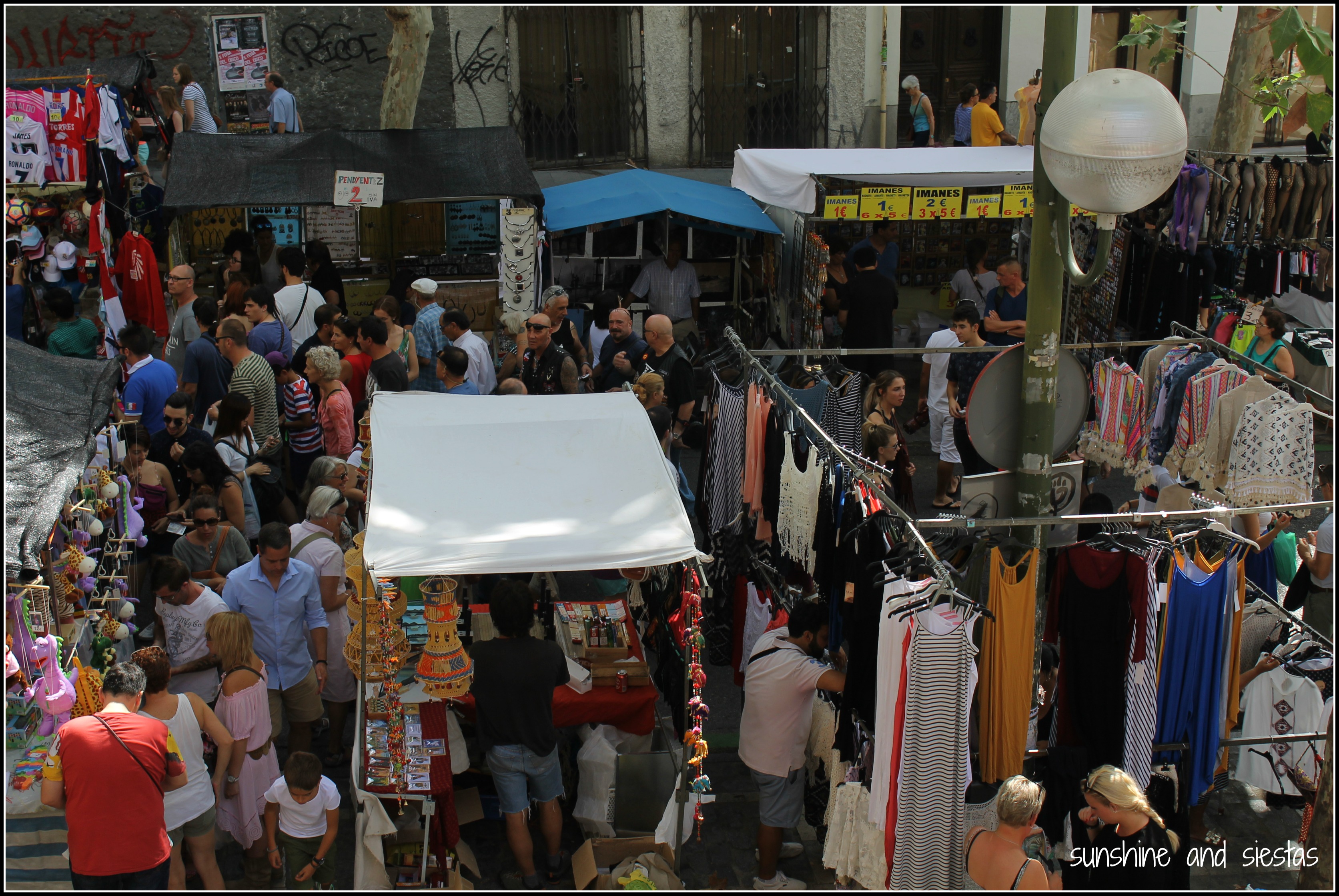
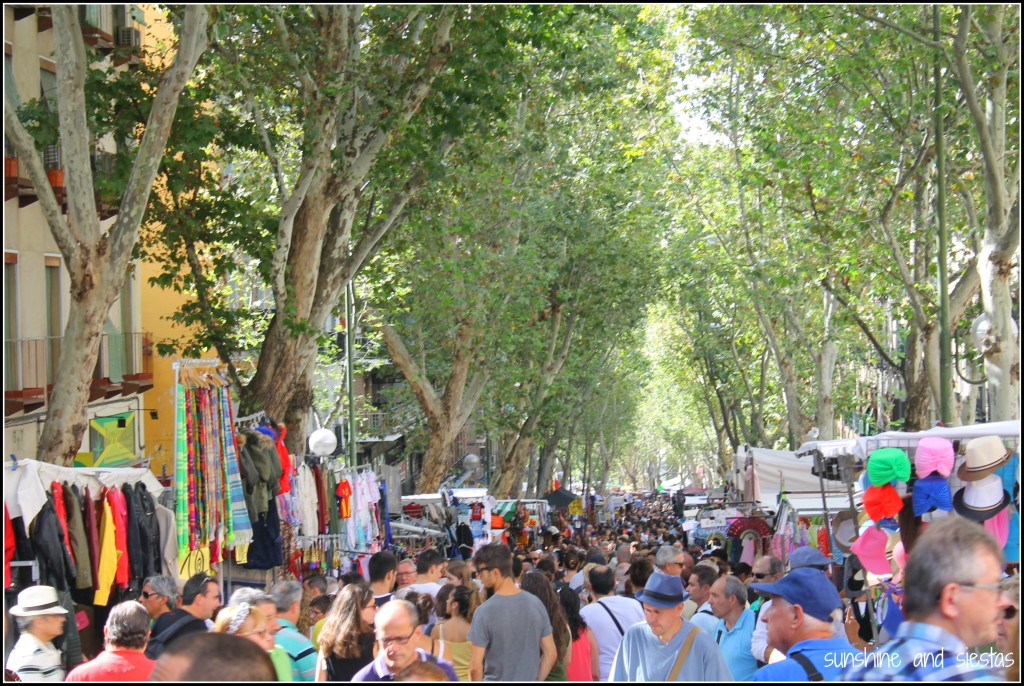
In trying to get to know the city before the baby comes, I’ve drug myself out of bed the last few Sundays for some browsing, starting with the granddaddy of them all, El Rastro. Starting in Plaza del Cascorro and permeating the side streets in La Latina, the flea market operates every Sunday and local holidays from about 9am to 3pm. Believed to have begun 500 years ago when Calle Ribera de Curtidores was home to the city’s tanneries, the mercadillo bustles with everything from antiques to birds, clothing to flamenco dresses. It’s a bigger, more curious version of Seville’s El Jueves market.

view-of-the-rastro-market-madrid

I took my best friend recently, meeting up with a friend who lived in Plaza del Cascorro before the Sunday morning ruckus forced him to move. We weaved in between stalls, looking for souvenirs for her to bring back to her family in Chicago – an apron for her mom, a t-shirt for her dad.

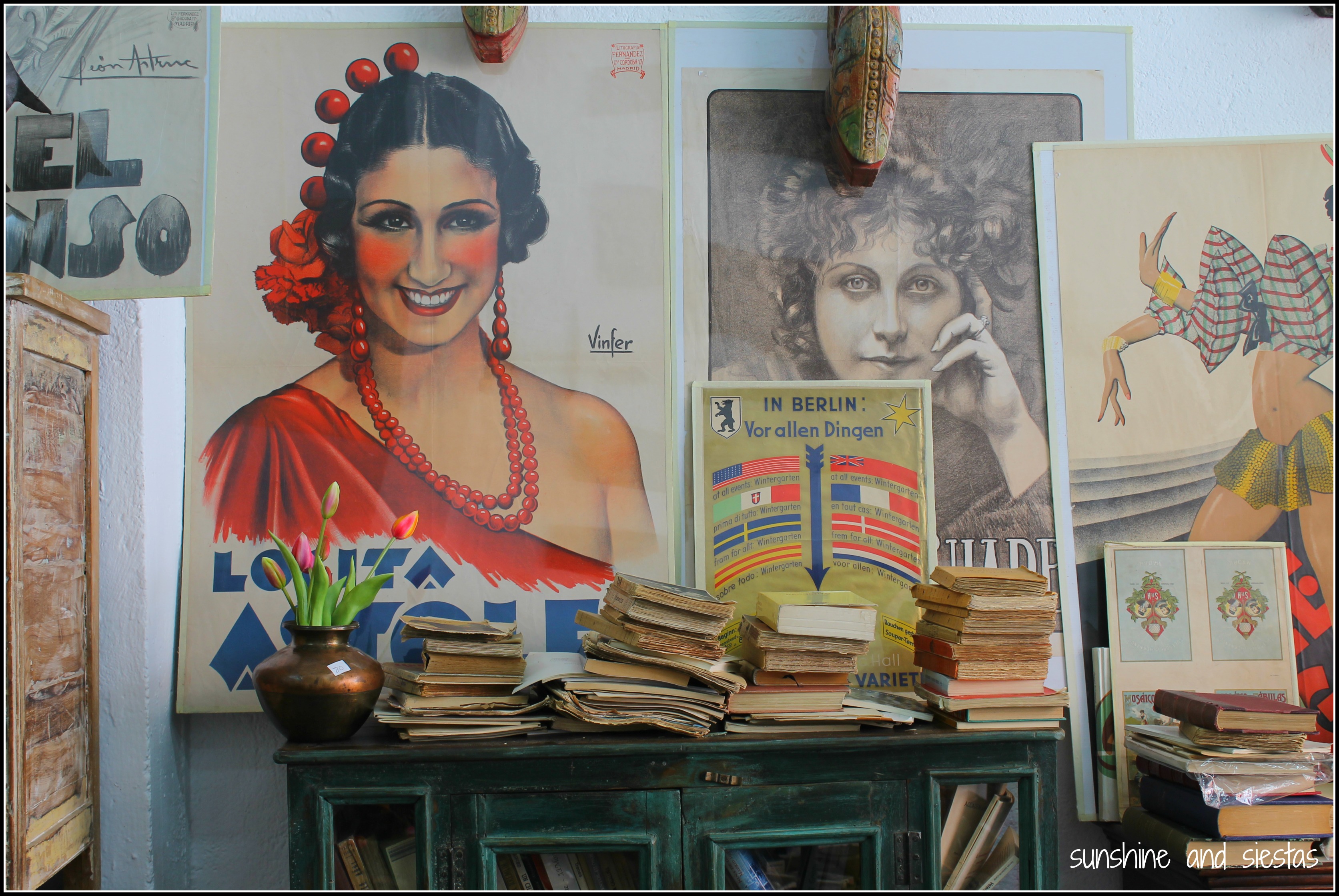
I was far more interested in the treasures to be found on the side streets, from antique glass bottles to old books to vintage Spanish products, like Cola Cao tins or siphones with the plastic crumbling off. We stopped into the pet stores on Calle de San Cayetano and the antique shops tucked into old corrales de vecinos before snaking through the hilly alleyways of La Latina, stopping in the shade of the stalls to browse literally everything and anything. El Rastro has a life of its own come Sunday mornings.

rastro-market-madrid-finds

madrids-rastro-market

vintage-posters-in-the-rastro

A trip to the Rastro means that every bar is spilling with people. We bounded from bar to bar, eventually taking turns eating a slice of tortilla and balancing our purchases in one hand with a drink in the other. Try Bar Santurce on Calle Amazonas for a cheap bite – they’re popular for their fried sardines and Padrón peppers – or the immensely popular Txirimuri for pintxos at the bar.

mercado-de-motores-exhibitors

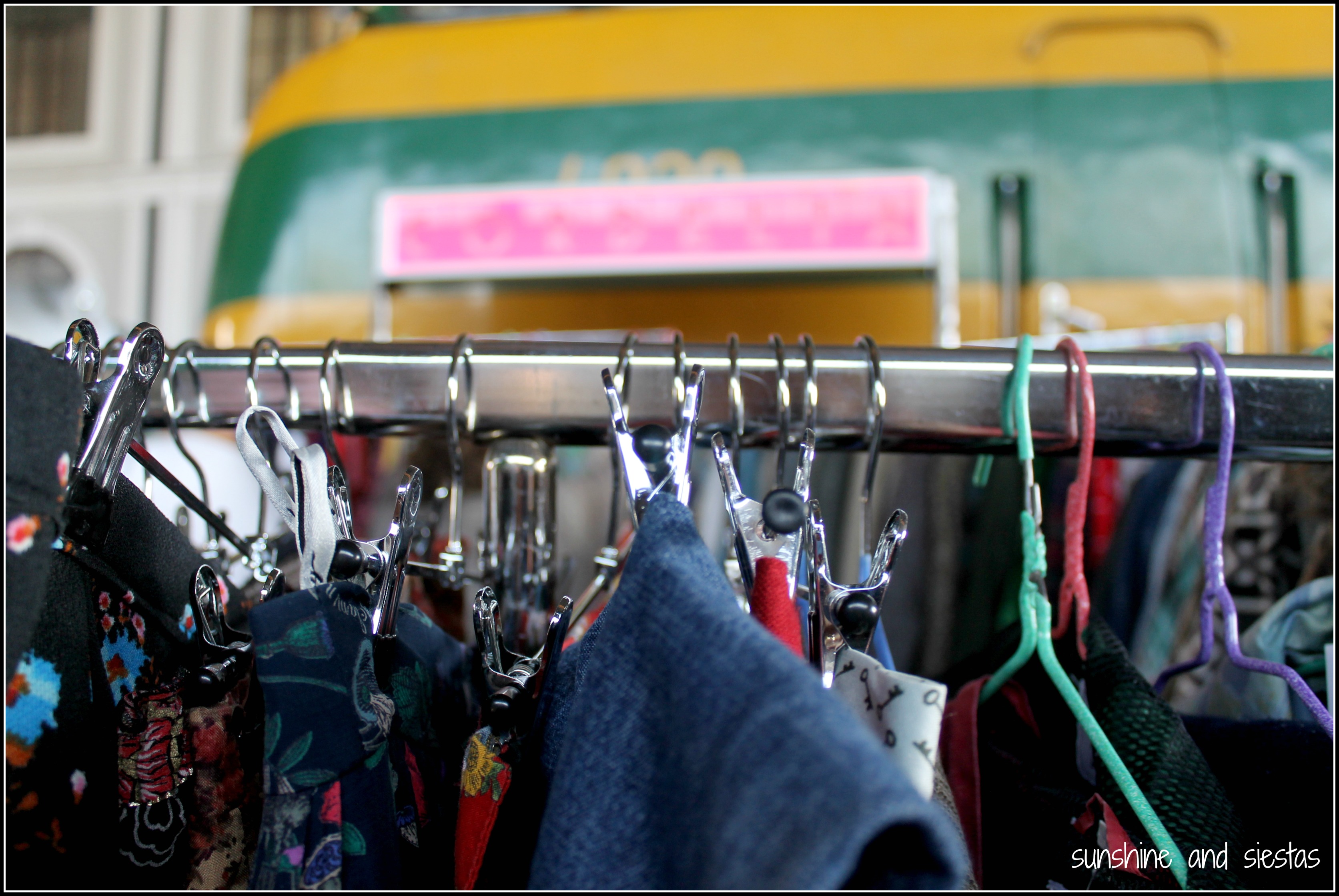
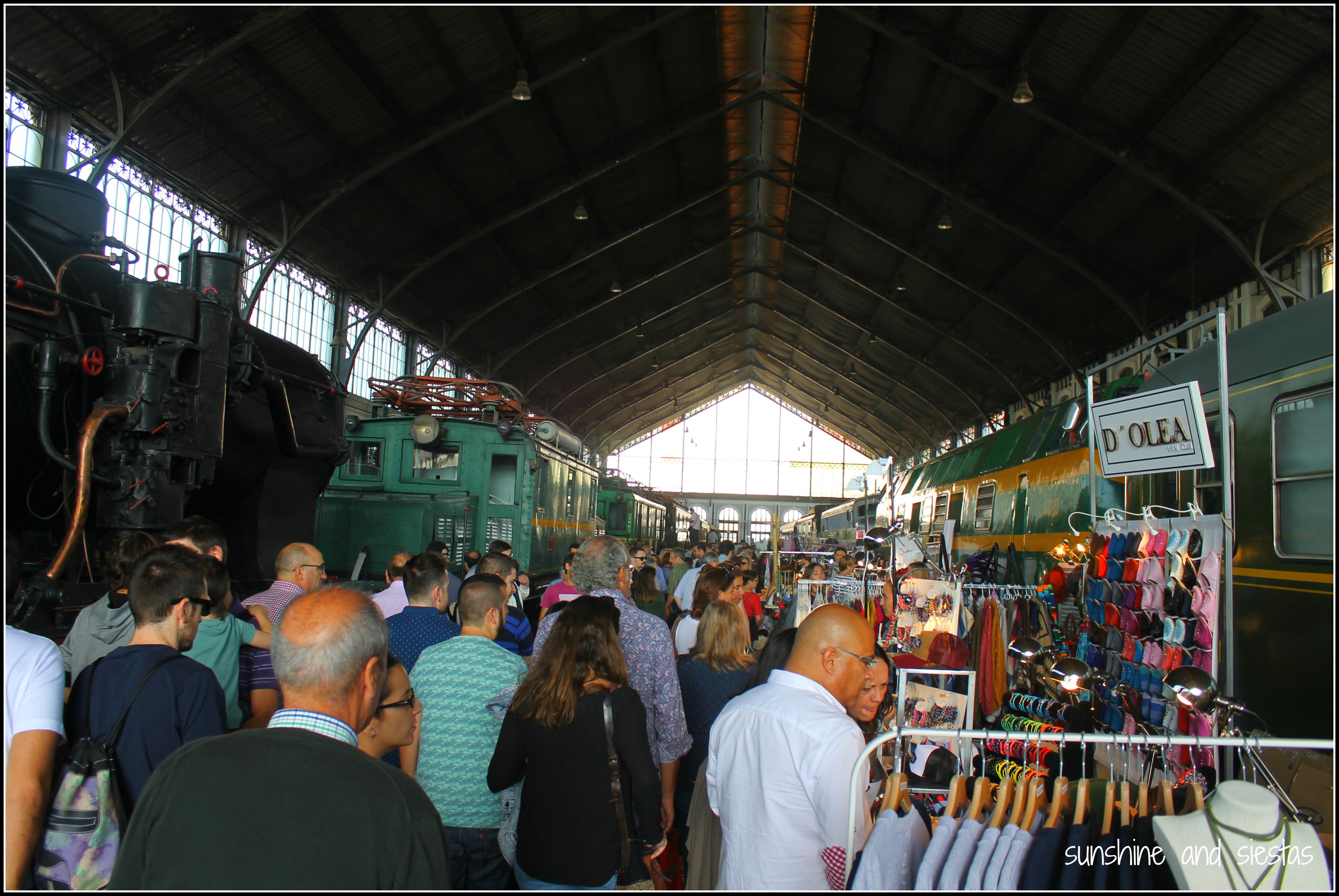
The following Sunday, I again pulled myself out of bed for the modern Mercado de Motores, housed in the railway museum a stone’s throw from El Rastro. Having grown through word of mouth, Motores is mucho más vintage – jazz bands plays catchy versions of Rihanna songs, a pop-up bakery pedals out treats to market-goers and second hand clothes vendors sidle up to artisans making jewelry from precious gems or bookshelves from salvaged wood.

vintage-clothes-market-mercado-de-los-motores-madrid

mercado-de-motores-vintage-finds

ferrocarril-museum-in-madrid

I arrived at 11:25am and was shocked to find the place packed with more than just hipster looking to pick up a silk bowtie or new pair of kicks. There were German tourists pushing past groups of teenagers snapping photos next to trains and families sharing a warm cookie.

By far the most interesting part of the market is the building itself, a romantic, wrought-iron and glass nod to train travel in the late 19th Century, which houses eight vintage trains and a number of rotating exhibits. There’s even a coquettish steam train outfitted with a small cafeteria.

mercado-de-motores-cafe-on-a-train

I couldn’t leave empty-handed – whether it was some cool piece for my house or at least a wedge of artisan cheese or a jug of artisan vermouth for the Novio – so I picked up a Blues Brothers movie poster for our room makeover and salvaged letters from an advertisement in Cubby blue that spell ‘Chicago’ from the bonafide flea market outside of the museum installations. Chill out music and the scent of burgers and papas arrugás from a circle of food trucks wafted from the back of the museum.

Thirty minutes later, I met the Novio for a Sunday afternoon aperitivo where he reminded me how careless I can be with money, even at a seemingly free event. But Sundays are for cañas and second hand stuff and meals outdoors! Maybe next weekend we’ll stay in?

El Rastro is held each Sunday and on public holidays from 9am until 3pm,  weather permitting. The closest Metro stops are Embajadores, Lavapiés, La Latina and Puerta de Toledo. Free. Mercado de Motores is held the second weekend of each month from April to October, from 11am until 10pm at the Museo Ferrocarril, Paseo de las Delicias, 61. Closest Metro stop is Delicias. Free, though there’s often a line to get in.

Interested in other Sunday markets in Madrid? The Matadero Cultural Space sometimes runs their Mercado de Diseño, featuring young designers, food trucks and a 2€ entrance fee with drink.

I’m on the lookout for cool things to do before Baby Micro arrives! Any cool ideas? Share, por favor!


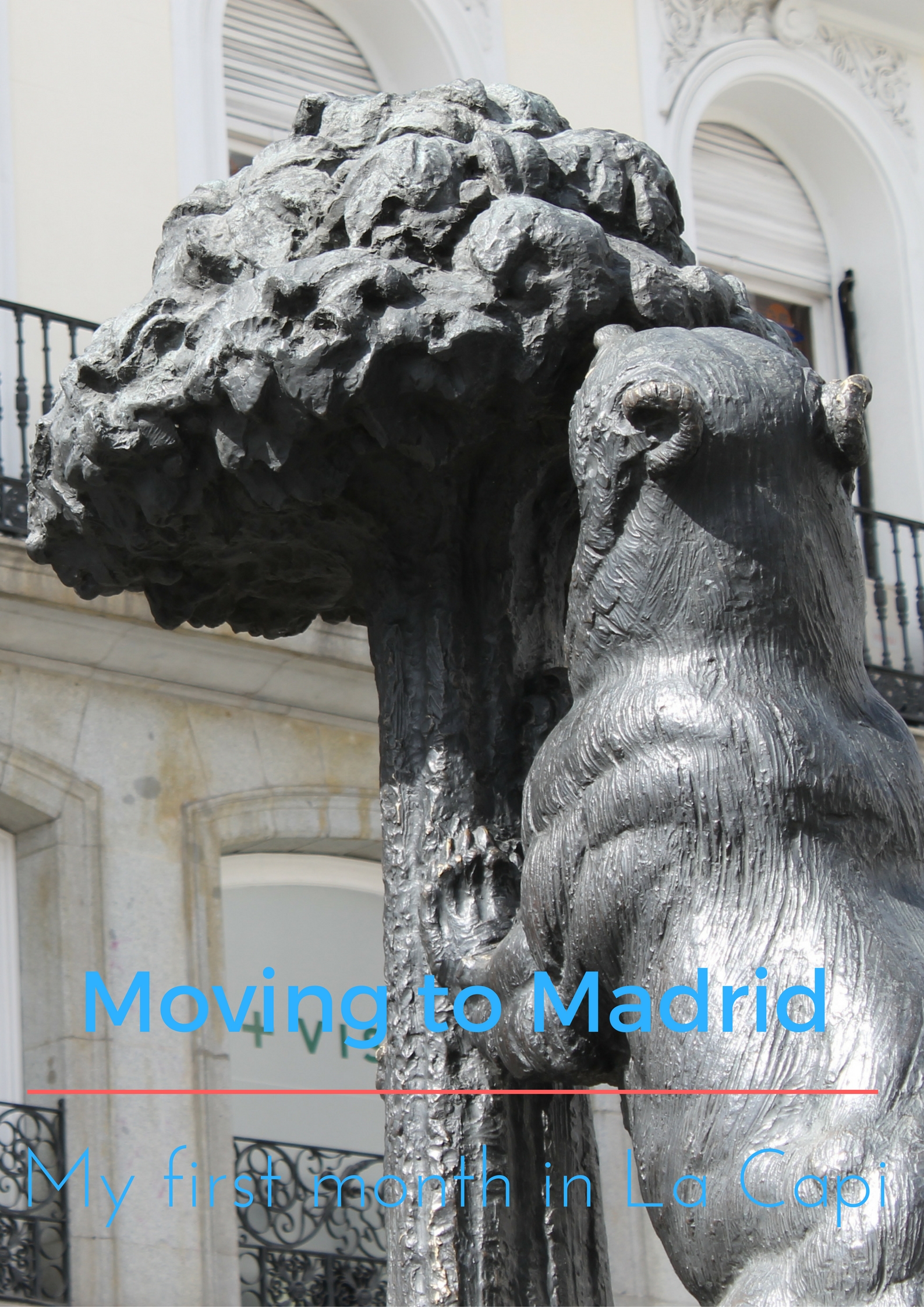
Moving to Madrid: My first month in La Capi

As soon as I’d said the word, I clasped my hand over my mouth.

“Gracias.” 

Not an aspirated graciaaaaaaahhhhh, the final syllable lingering like an afterthought. A full pronounced grah-cee-us. With an S at the end.

The man handed my to-go cup of coffee and wished me a nice day, and I walked away, wide-eyed and concerned about how quickly I’d dropped my andalú. What was next, calling people maja or – worse – asking for a caña?

metro of Madrid

It’s already been a month since my abrupt adiós to Sevilla and moved to Madrid. I dropped into life in La Capital like I’d walked its streets forever, like I knew where all of the old man bars were to be found, like I could close my eyes when stepping off the Metro and still make a transfer correctly.

Our aterrizaje in Madrid can only be described as a soft one, one in which there was just a quick bounce, and we had landed.

It had been so long since I’d left a place that I call home and jumped into the unknown – I’ve lived in Sevilla longer simultaneously than any other place (and I moved four times before age 12, so I’m used to being the new kid in class). But, Madrid wasn’t really the unknown. The Novio has tons of family in Madrid, and a week after we arrived, all 10 of the primos were crowded around a table, sharing a meal of pasta and endless embutidos. And I already knew the transportation system, had battled extranjería and didn’t trip over every other word in Spanish.
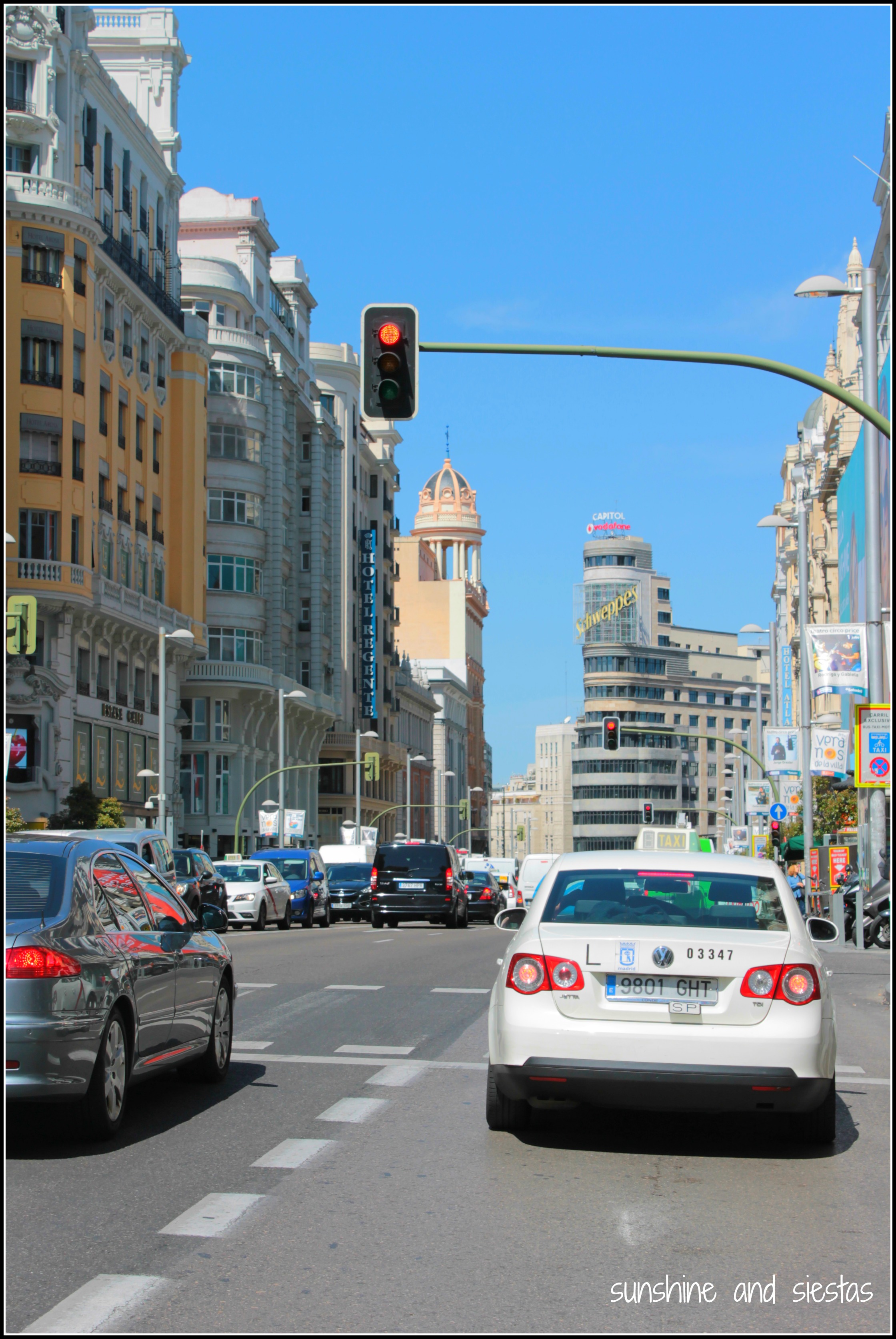
Gran Via Madrid

My biggest battles, so far, have been adjusting to some language differences (who calls a loaf of bread a pistola?! The madrileños do!) and training my body to get up early and work in the mornings. Between getting settled and starting a new job, I’ve become a creature of the barrio, barely leaving my little bubble in Chamberí.

Hogar Dulce Hogar: Looking for a flat in Madrid

Our first order of business was finding a place to live. Madrid, in case you didn’t know, is large. Like, huge. And every district has smaller pockets of neighborhood, or locals will refer to them as by their nearest metro line. “Qué tal en Metro Cuzco?” I don’t know, how is it?

pamplona houses

So, we began narrowing down the neighborhoods and set a firm price since we’ve decided to not rent our place in Seville just yet. Chamberí was the top pick for areas, and our budget would stretch just far enough for two bedrooms and around 50 square meter of living quarters. After living for six years in a house with the Novio, I was used to space and modern appliances. Plus, nearly every place we saw on Idealista was for students only (with mommy and daddy’s aval bancario) or meant going through an agency and paying extra fees and tax. But I was optimistic, even in the dead of summer.

I became an Idealista junkie, browsing on my phone every time I picked up free wi-fi or waited to cross the street at a stoplight. I called up agents and people offering up places meeting our criteria from 9am until well after siesta time, using the time between tours to take note of the nearest market or churrería.

Every hole-in-the-wall student apartment we saw had something off about it. Too small, too dark, wall-to-wall with Cuéntame-Cómo-Pasó kitchen tiles and heavy wooden furniture. It had been nine years since I’d looked for a place to live in Spain, and nothing seemed “just right.” And this, from someone who wrote an ebook about moving to Spain.
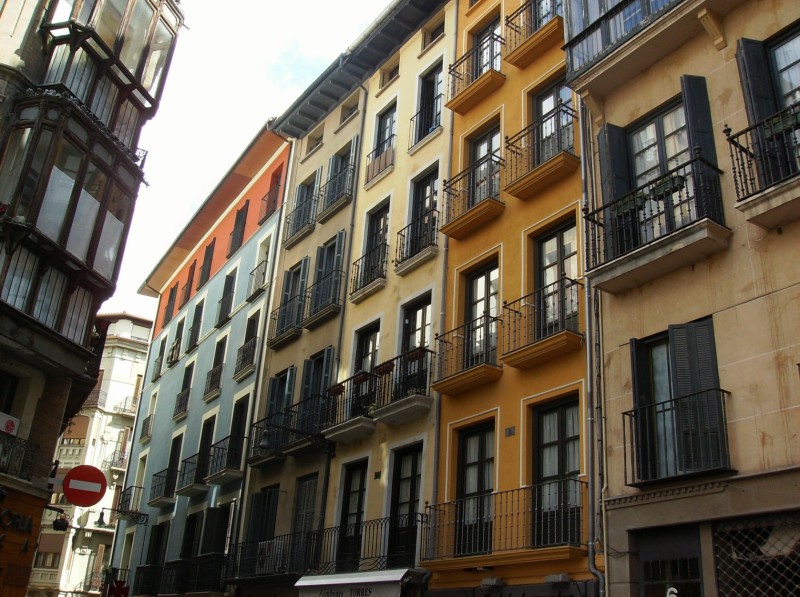
The fifth place we saw is owned by a man named Jesús, sevillano by birth but very much madrileño from many years in the capital city. The place didn’t tick off all of the boxes, but it would work nicely (and no Cuéntame-era tiles to scrub!), particularly for walking to work and saving more than 50€ in a monthly transportation pass.

Best Old Man Bars in Madrid

The area of Chamberí we live in – Rios Rosas – is within 30 minutes walking of Tribunal, right up the street from Nuevos Ministerios and seven stops from Sol while being well-connected on three metro lines. Better yet? It’s quiet yet lively, and the proximity to Old Man Bars is killer.

The Novio has even toyed around the idea of writing a blog about the quality of the Old Man Bars around here.

Baby Steps and an Introduction to the Comunidad de Madrid’s Health System

Jesús handed us the keys and we killed a few cockroaches as we moved in. We settled in, walking around the neighborhood and stopping to eat our way through free munchies at all of the Old Man Bars we discovered. The Novio got us empadronados the following day, and then it was up to me to get us registered at our nearest ambulatorio.

I have seen the error of my ways, people: I can never, ever complain about the Sistema Andaluz de Salud. It was extremely easy to change my records from Andalucía to the Comunidad de Madrid and ask for a new health card, which arrived to my mailbox in three weeks. Everyone was pleasant and signed me up for a doctor and nurse they assured me were great resources for foreigners, and they weren’t wrong. Plus, you don’t have to go through your GP to get an appointment with specialists.

hospital care in Spain

I left smugly, thinking that my move to Madrid would be even easier and called to make an appointment with the lady doctor.

No, no le podemos atender en este centro.” I winced over the phone and asked why not. The woman on the other end curtly told me that they would call me whenever an appointment was available. I explained my situation and the urgency, but she wouldn’t budge. It seemed I was caught in some bureaucratic no-man’s-land, privy to a funcionario who may have been sensitive to my case, or maybe not.

When I did get an appointment, the doctor sent me for a routine blood test at a hospital near my new job. I agreed, thinking I could head in a little early so as not to miss my third day on the job. I waited for over TWO hours and, having not eaten, dug into my granola bar before even having the nurse applied pressure on the stab mark. The sugar put a spring in my step as I showed up for work an hour late, and I secretly missed all of the old ladies in my clinic back in Seville who would say, “Oh, I’m not sick, I’m just wasting time by waiting in line to see the doctor. Haven’t got anywhere to be.”

And when I asked my centro de salud for a follow-up for the results? I was told there are no specialists during the entire month of August, so I’ve been sent to the other side of the city three weeks later.

En fin, I’m learning as I go and being that person on Facebook groups.

A new job in a new sector

The biggest reason we moved to Madrid in the first place was for professional reasons. As much as I loved teaching English in Spain, I couldn’t see myself doing it forever because of the lack of mobility. I was director of studies, and I couldn’t aspire to much more.

As a child who ran before she walked, slowing down to a trot is never something I’ve been good at.

cat gaa sunshine and siestas

I’m nearly a month into a new position as an admissions counselor at an American university with a free-standing campus in Madrid. Myself a product of the system and an experienced teacher in Spain, I can easily point out the benefits of a liberal arts education, a student life office and a multicultural campus – just in my office, it’s normal to hear French and Arabic in addition to English and Spanish. And it’s making me nostalgic for my own co-ed years at the University of Iowa.

More than anything, I’m happy to feel the mental and pshyical exhaustion at the end of the day. The learning curve at my job has been the steepest, between acronyms and academic policies and learning the names of everyone on campus. But I’m feeling fulfilled and that the job is a great blend of skills for me – I’ve got one foot in the education field while the other in the PR and communications camp.

La Vida Madrileña

Pero cómo es que tienes planes? my cousin Irene asked when I turned down her invitation to go to the pool one afternoon when the A/C and reruns of Big Bang Theory were no longer appealing. Part of landing in Madrid was being able to reconnect with friends I haven’t seen in some time, have them show me their city instead of the other way around, and meet so many people who I’ve only ever been connected to through social media.

When I’m asked how Madrid is, I can only reply that, it’s muy bien with a raised eyebrow.

More than anything, it’s been the small adjustments. I was reminded by two neighbors that it’s a fineable offense to take out your garbage in the morning, and that the bins for plastic only come on Tuesday, Thursday and Saturday. That drinks and breakfast are more expensive, despite my salary staying the same as it was in Seville. That you can get coffee to go or head to the market at 8pm for groceries. I’ve eaten Belgian, Korean and killer Mexican food – and my excuse has always been that I don’t have an over.

I often feel like I’m in Chicago, just conducting my business in Spanish.

Madrid vs. Sevilla: the Ultimate Smackdown

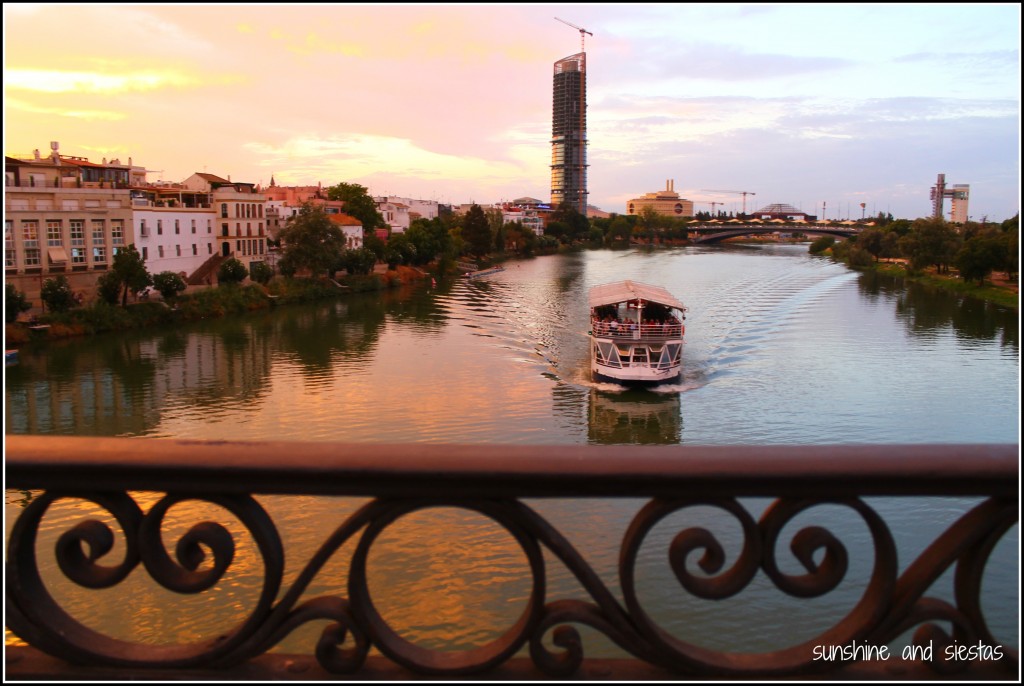
Do I miss Seville? Te-la. Like, me duele en el alma. Walking over the Triana bridge to meet friends last weekend, the Novio and I took stock on the past month. Are we happy in Madrid? I’d say so. We’re together, like our neighborhood and are enjoying our jobs. Madrid has everything that Seville didn’t have for us.

But it’s not Seville, nor could it ever aspire to be Seville.

I have been wondering if people who live in Madrid could ever make as easy of a transition from the capital to Seville. It’s a city where you can’t sit down to most restaurants unless you’re in the hora franja, or 1-5 or 8-midnight. Where there’s only one pharmacy open on Sunday per neighborhood and not a single supermarket. It’s smaller, public transportation is almost mystifying and the whole pace of life is… different. And don’t expect free tapas with your caña.

seville guadalquivir river

But Seville is easy to fall in love with on first glance and romantic in a way that the Metro de Madrid and the long avenues could never be. We’re not so stuck in our neighborhoods and often crisscross the city for tapas or concert venues. We stop for a beer with friends because time moves at a different speed, and that beer is far cheaper, anyway.

On my last trip, I was exhausted by the time my train rolled into Santa Justa just past 11pm. The contrast of sweltering air after two hours on a refrigerated train car was strangely welcoming, and I perked up as I told the taxi driver to take me to a bar where friends were waiting. Esto, sí. This is home to me.

Ana asked me how things were going, grazing my knee every chance she got, just in case I wasn’t really there. When I told her that things were flowing and jiving, she just replied, “Tía, you could make a home anywhere.” It’s the truth.

We don’t know how long we’ll be here, but three years is the minimum. We could stay a lot longer – or maybe try going abroad for a few years. Pase lo que pase, I wanted to live in a big city once in my life, and Madrid feels manageable and willing to let me get to know it.

And we’ll always have Sevilla, thankfully.

Moving to Madrid

Have you ever moved to a new, bigger city? What were your steps to coping and coming out alive? I’d love to hear your take in the comments!

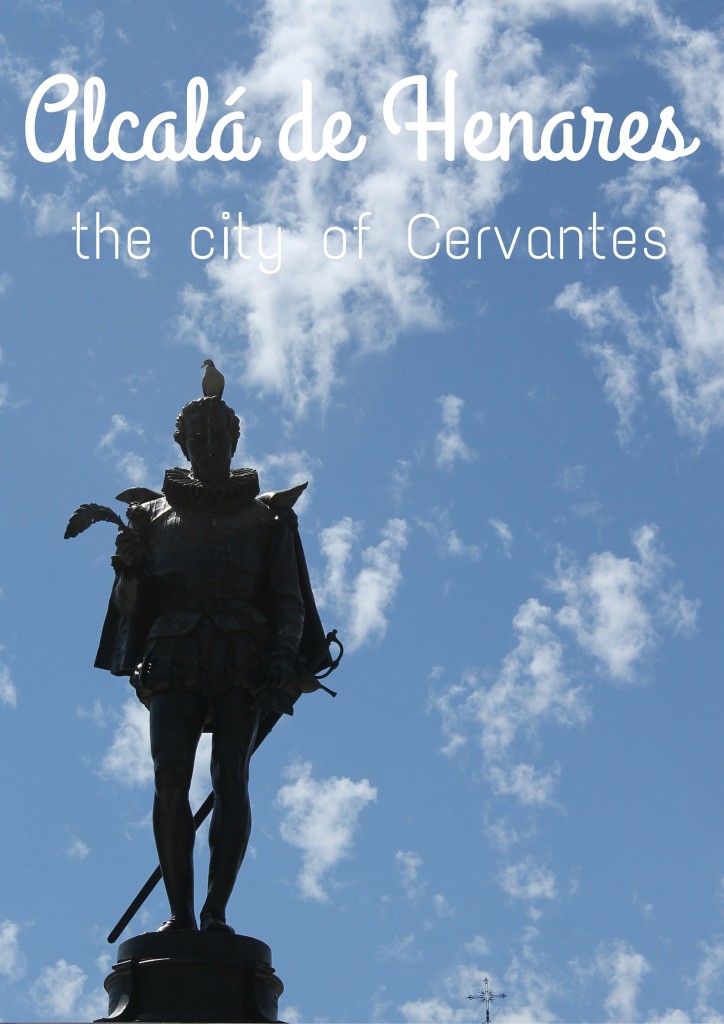
What to Do in Alcalá de Henares: the City of Cervantes

updated November 2025

The Spain of my pre-Sevilla had one leading protagonist: Miguel de Cervantes Saavedra. Spain’s most famous author is best known for his chronicle of Spanish knighthood, Don Quijote, Man of La Mancha, and he penned the book while living in Valladolid over 400 years ago.

If you’ve ever studied Spanish, you’ve likely been force-fed the adventures of a wayward knight whose fantasies took over his perceptions of daily life. These days, my fantasies have been about getting out and exploring my new city and its surrondings.

So it seemed only fitting to make our first day trip from Madrid to Alcalá de Henares, the city in which Cervantes was born and to which his name is commonly associated to pay an early homage to his and contributions to the Spanish language and its literature. In fact, it’s a UNESCO World Literature city, anchored by the Spanish bard and the Universidad de Alcalá, a leading institution in Spain. And ut’s an easy daytrip from Madrid without a car or the need for an overnight stay.Alcalá de Henares is a town of 200,000, making it a city by Spain standards, and it’s got a large, lovely student population. But on a long weekend in the middle of summer, the city itself was about as dead as Cervantes – plazas and bars were empty and shops closed. The historic center itself is small and easily walkable, a pleasant cross between the squat, wood-laden buildings conserved from the 16th Century and a modern city with a cutting-edge educational institution.


Take a self-guided walk through Alcalá de Henares, an easy jaunt from the train station:

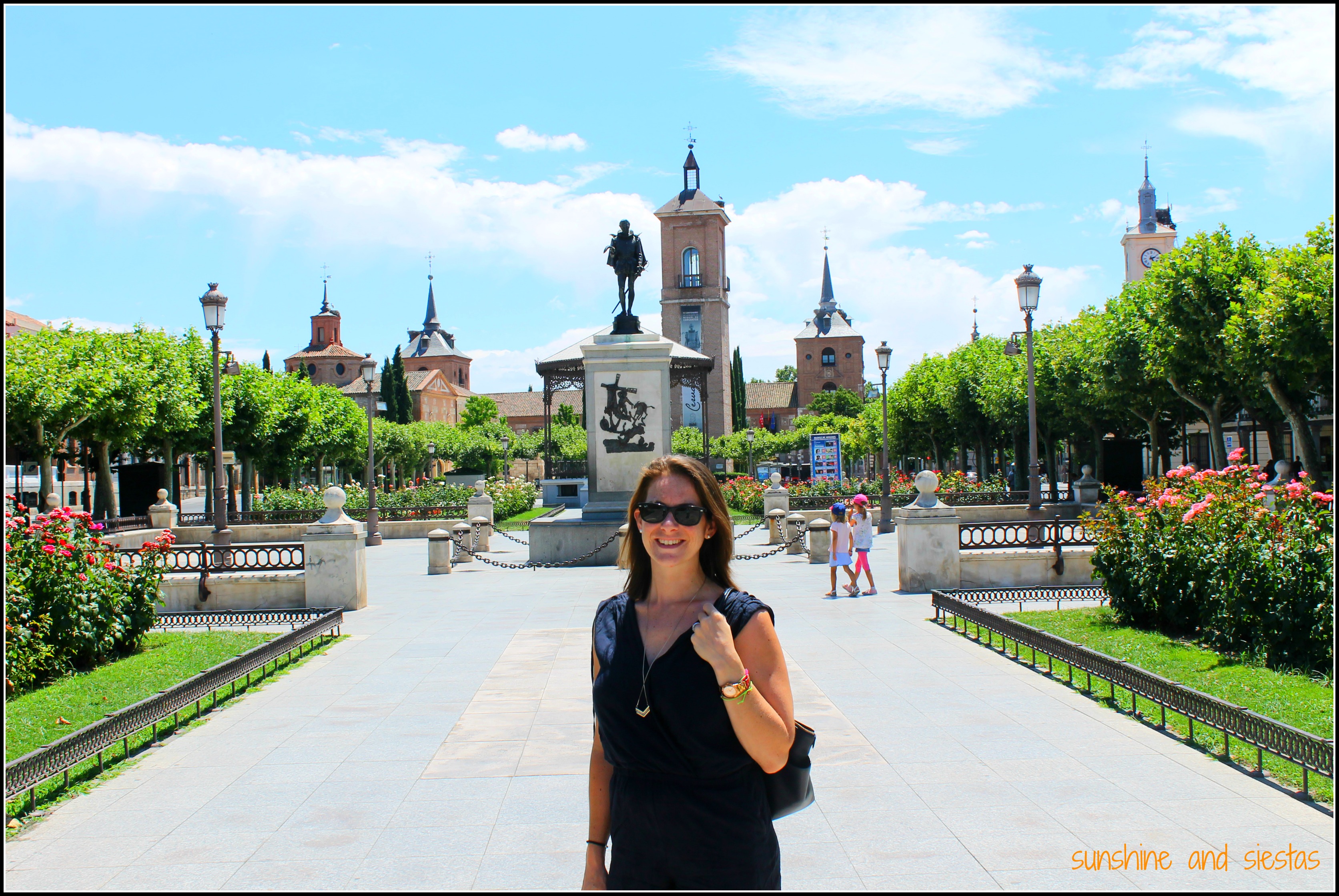
Plaza de Cervantes

Sunshine and Siestas in Plaza Cervantes

Start at the central plaza in town. Ringed with benches and Spanish abuelos, it sidles up to the university, old town and Calle Mayor, and is crowned by the former Santa María la Mayor church. It’s also home to city hall and the Corral de Comedias, one of the oldest theatres in Europe that is still in use!

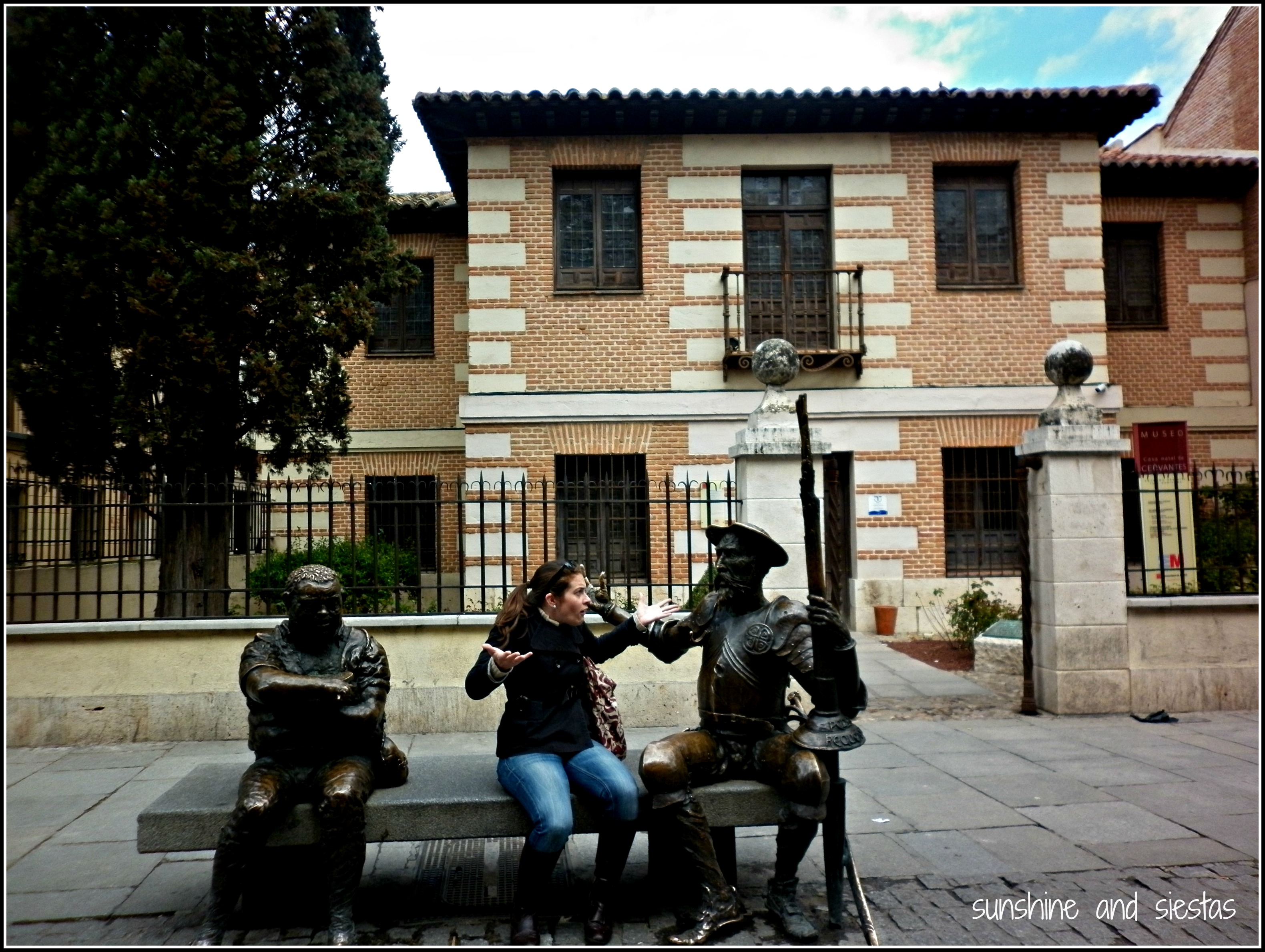
Casa Natal de Cervantes (Calle Mayor 48)

Stroll down Calle Mayor about five minutes away from the University. No trip to Alcalá de Henares would be complete without stopping by Miguel de Cervantes’ birthplace – it’s hard to miss, as you’ll see tourists lining up to sit on a bench between the Man of La Mancha himself and his sidekick, Sancho Panza.Don Quijote in Alcalá

The museum is small and will take you 30-45 minutes. See the room where he was born, rare conditions of Don Quijote and a glimpse of life in the 16th and 17th centuries.

Open Tuesday thru Sunday; hours vary. Entrance to the museum is free.

Calle Mayor

At nearly 400 meters, Spain’s longest arcaded street has seen famous inhabitants, whose houses are marker by small plaques, and was built along the old Roman road. The arcades are entirely in stone, transporting you back centuries – even as you pass modern shops.

As the prinicipal road in the former Jewish quarter, many of the smaller sidestreets have names to signal what they once sold or the sorts of businesses that could have been found there. Also of note is Pasaje de las Irlandesas. Connecting Calle Mayor and Calle Escritorios, the street was once called Calle Peligro (danger) for the sinister and immoral behavior that happened there.

Catedral Magistral de los Santos Niños Justo y Pastor (Plaza de los Santos Niños, s/n)

At the end of Calle Mayor sits Alcalá’s striking magistral cathedral. Consecrated in 1514, making it the oldest cathedral in the Comunidad de Madrid and only one of two worldwide to be considered a magistral (the other is St. Peter’s in Leuven, Belgium).

You can visit the cathedral as well as the monastery (combination ticket required) starting at 6€. Open every day but Sunday for touristic visits. 

Museo Arqueológico y Paleontológico de la Comunidad de Madrid

Learn about Alcalá’s Roman origins with a self-guided or guided tour. From the first century through modern times, the museum traces the Community of Madrid’s tumultuous history.

Open Monday to Saturday from 11:00 a.m. to 7:00 p.m., Sunday and holidays from 11:00 a.m. to 3:00 p.m. Free.

Universidad de Alcalá (Plaza de San Diego, s/n)

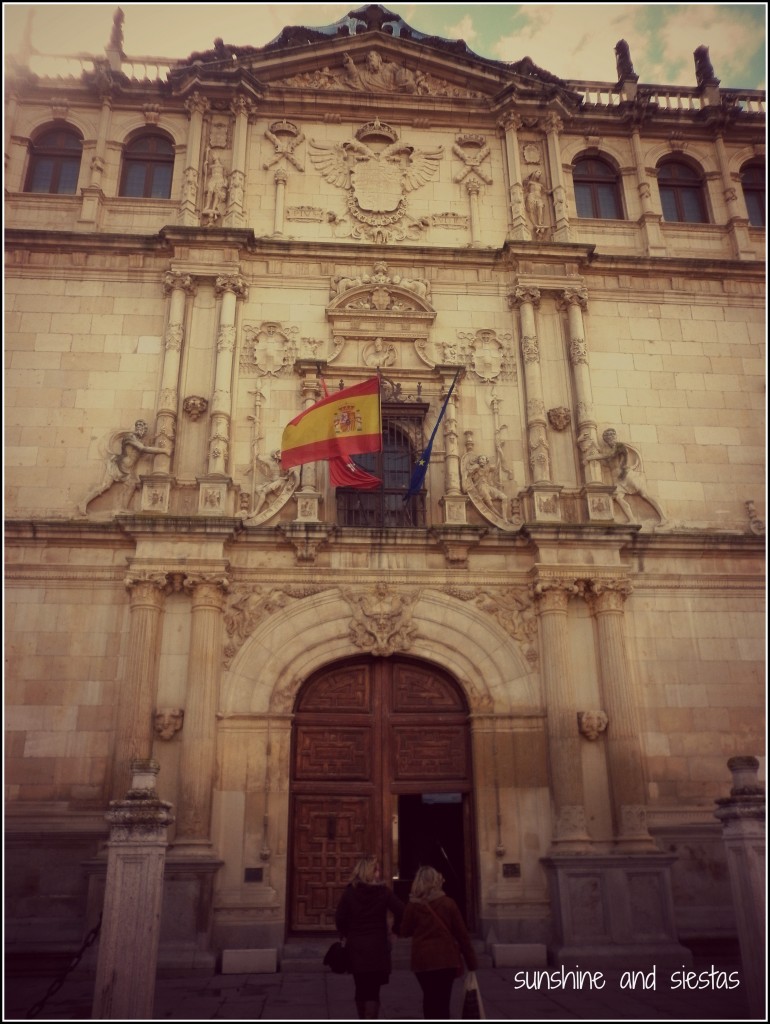
After lunch, doubleback to the Plaza (or stop for a bite around the cathedral) and visit the Universidad de Alcalá. The alma mater of some of Spain’s most renowned scholars and minds, it is THE reference for the Spanish speaking workld and the place where the coveted Premio Cervantes is awarded each year. Apart from its prestige and historical value, it’s breathtaking. Don’t miss the Renaissance façade, the Colegio Mayor de San Ildefonso and the Paraninfo, where illustious names have received their degrees.

I’d suggest taking a guided tour, which starts at the Plaza de San Diego – it’s the best way to learn about the long and fascinating history of the campus (and it’s under 5€ if you have a carnet joven or are under 26!) and the role it still has in Spain’s educational system and in becoming the first city planned around an institute of higher learning in Spain.

For more information about tours, check out the UAH Cultura page or book a tour (Spanish only) here. Tours last 45-60 minutes, cost 6€ and are available at various times of day and every day of the week. Closed Sunday afternoons.

If you’ve got time: Complutum Roman Site and Casa de Hippolytus.

Located about 20 minutes walking to the west of the city center lie the ruins of the Roman city that preceeded Alcalá. You can visit several outdoor ruins sites, plus a small museum housing artifacts recovered at the site.

This is a great activity for families, as it combines indoor and outdoors exhibitions, plus opportunities for workshops and activities.

Guided tours in Spanish are free, but you must reserve your spot. Antiquarium y Ciudad de Complutum is located at Calle Antonio Suárez, rotonda, and the Casa de Hippolytus atAvenida de Madrid, s/, next to the municipal sports pavillion. Closed Mondays.


Where to eat in Alcalá de Henares

With its student population, many bars will include a heaping tapa in the price of your vermouth or beer, but there are also great places at a fraction of the cost of a Madrid restaurant. Many bars and restaurants are clustered around Calle Mayor and the Plaza de los Niños Santos.

  • Low budget: Índalo tapas is an institution. Sidle up to the bar and play tapas roulette, or simply order off-menu. Kitchen doesn’t close, so I’d suggest going early or late (C/ Libreros, 9; closed Mondays).
  • Mid-range: If you’re looking for a menú del día to fill up, try La Seda. Three courses and a drink will run you about 15€ on the weekends (C/ Diego de Torres, 2; open daily).
  • Luxe: Try the traditional dishes at the Parador de Alcalá de Henares (C/ Colegios, 8). Housed in a former monastery, the architecture is old meets new – much like the city itself. Lunch should set you back about 30€ a head. If that’s out of your price range, stop in for a cafelito later.

A little history of Alcalá de Henares

The Novio and I walked arm-in-arm through the winding streets of the city, stumbling upon sun-dappled plazas and retracing the footsteps of Cervantes, Caredenal Cisneros and other prominent Spanish figures. Founded during the Roman times on the confluence of the Henares River before being handed over to the Muslim conquest and finally to the Christian reconquest, joining the Kingdom of Castille. Alcalá was also the city in which the Catholic Kings conceded a meeting to Christopher Columbus and agreed to study his claim that the world was, indeed, not flat.

Evidence of the city’s artisan heritage is evident everywhere: woodwork, pottery, crafts and even Islamic influence brought to the university, founded in 1500.

Where to see Quixotic windmills

Visiting the city following a springtime trip to see the Manchego windmills that Don Quijote thought to be giants, the hallmarks of El Príncipe de los Genios were evident, from statues of the Man of La Mancha to bars hailing Sancho Panza, the voice of reason in Cervantes’s most famous title. It certainly gave me context to the man who wrote the Spanish novel I’ve yet to tackle (I’ve had a 400th Anniversary edition for two decades).

And the bonus fact you never asked for: Saint Didacus was born in my husband’s pueblo of San Nicolás del Puerto and died in Alcalá de Henares.

If you go: Alcalá de Henares is a quick cercanías trip from Madrid – it will take you 40 minutes on the C2 or C7 line from Atocha – roundtrip is 11€. Large city festivals include the Día Cervantino on September 9th and Día del Libro on April 23rd, the day marking both Cervantes and Shakespeare’s deaths.

You can also take this article with you via GPS guided post! Download GPSMyCity and purchase the guide, which helps maintain Sunshine and Siestas operating costs. The best part is that you can use it offline!

Have you ever been to Alcalá de Henares or another UNESCO World Hertiage site in Spain?

Related Posts Plugin for WordPress, Blogger...