Seville Snapshots: The Cabalgata de los Reyes Magos in Triana

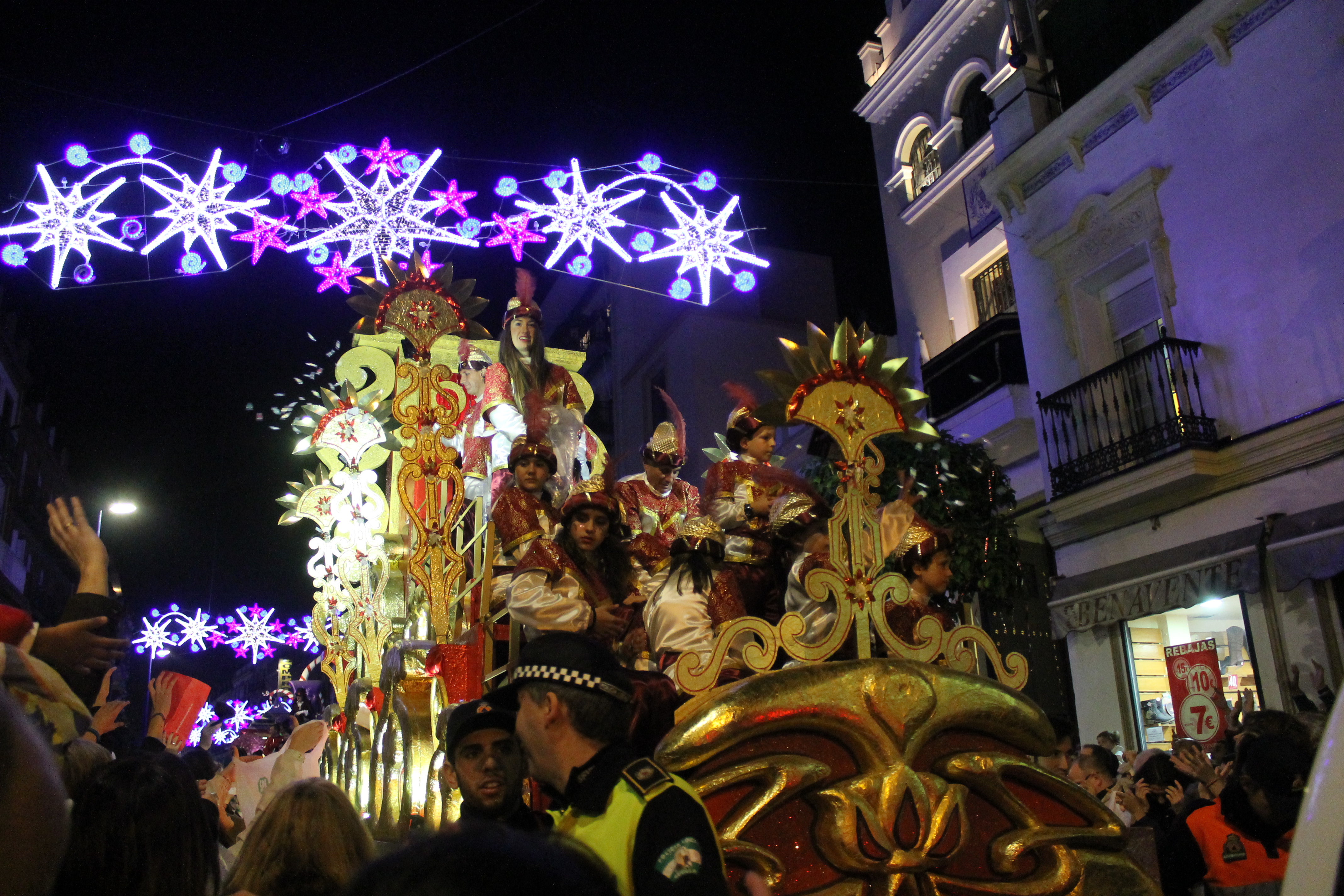
If you’ve ever dreamed of candy rain (circa the Candy Coated Raindrops song from the 90s), you have a date with destiny on January 6th: The Cabalgata de los Reyes Magos. The Three Kings Epiphany parade has got to be one of the goofiest but most beloved traditions for the expat community in Spain, where enormous floats laden with kids pelt candy and small, plastic toys at bystanders (and if you’re lucky, 100 grams of the good jamón).

There is hardly a trace of Santa Claus in Spain, as children believe that they receive their toys from the Three Kings who brought the Baby Jesus his gold, frankincense and mirth. Coming from the Orient by camel, Gaspar, Melchor and Balthasar parade through the city on the eve of the Epiphany. After binging on Christmas sweets, families then gather to eat Roscón de Reyes, a flaky fruitcake laced with whipped cream.


I usually stick with a gin and tonic and ride out the candy storm, venturing out with an overturned umbrella to catch a few sweets for me and the Novio.

If you’re interested, the Cabalgata through Triana begins at 5p.m. this evening, a day later than normal. You can find the schedule here.

Want more? I wrote about Triana’s cabalgata last year, when my friends convinced me, on a candy binge, that it was a good idea to stay out until 6am. Jerks.

The Guiri Complex (Or, Why I Can’t Have It All)

The other day, Seville was held hostage by light rain. I did a bit of puddle jumping, nearly taking out morning shoppers and walkers with my umbrella as I ran to catch the bus. The bus, in its normal fashion, stopped down the street and stayed there for five months.

As I tried to catch my breath, a man in his 70s covered me from the light sprinkle. He reeked of cigarettes and anise, just the way I like my Spanish abuelos. “Ofu, what a day,” he hacked, a small chuckle caught in his throat. We smiled at each other for a few moments before he offered a bit more, “Look at that bus, getting caught in traffic. People here don’t know what to do in the rain.”

It was my turn to chuckle. Being from Chicago, we’re used to two seasons in the year (winter and construction on the Dan Ryan) and four in one day. I can withstand heat and bitter cold, have survived three tornadoes and even learned to drive in the snow when I first got my driver’s permit. Upon mentioning this, the old man’s eyes lit up. “But your Spanish is impeccable! You may, in fact, be more sevillano than me!”

Aha, there it is. Whenever I seem to be out doing my normal guiri thing (in this case, picking up some forms for the academy), people stop to talk to me. Most are keen on touting my Spanish or are shocked that I moved away from home so young. Y tus padres? They ask, unable to fathom how a child would leave the comfort of their parents’ home, where laundry is done for them and tupperwares full of food dished out.

When my parents were visiting last year, my habits puzzled them. How could I be hungry at 3pm? What do you mean stores aren’t open on Sundays? You really do take a siesta? I didn’t come to Spain to simply hang out and learn some Spanish. I never set out to be Spanish or change my habits, either. What’s funny is that, the longer I live in Spain, the more American I seem to feel.

Just recently, an American food store opened up right in the center (and, ironically, in the same locale where I bought my flamenco dress). The chatter amongst my guiri friends was electric, with everyone sharing pictures of their goodies from the cell phones. When I announced, “I’m kind of against the store,” I got puzzled and even annoyed responses. How could I not love paying 2,50€ for two Reese’s Peanut Butter Cups (I kid, and I almost did, except for that I already had some at home!).

Here’s the thing: the trips the Novio takes to the US always bring American gifts and the special treats my friends bring me on their visits are treated like contraband. I’ve left an entire box of Do-si-do Girl Scout cookies nearly untouched – I love opening my cupboard for some sugar to see them there. The Novio dutifully recites back what he needs to bring for Thanksgiving on his upcoming trip (and, bless his heart, he bought me new skivvies this summer at VS – it must be love), and my mother knows intuitively that I will always need greeting cards when she sends me a package. Just like in the Hunger Games, American Parcel Day means I won’t go empty-stomached.

Reese’s Peanut Butter Cups, vanilla extract, economy-sixed boxes of Cheeze-its. The Novio would take me, wide-eyed and fistful of dollar bills, to the American part of his base for the contraband, usually in the form of cans of Dr. Pepper and ranch dressing. The anticipation of these trips would build and build until I’d consume the overly sweet soda, usually after hitting the gym (I don’t feel guilty, in case you were just wondering).

What’s more, I’ve finally gotten cooking and baking with limited resources more or less figured out, and having all of those things so readily available would take the fun out of it.

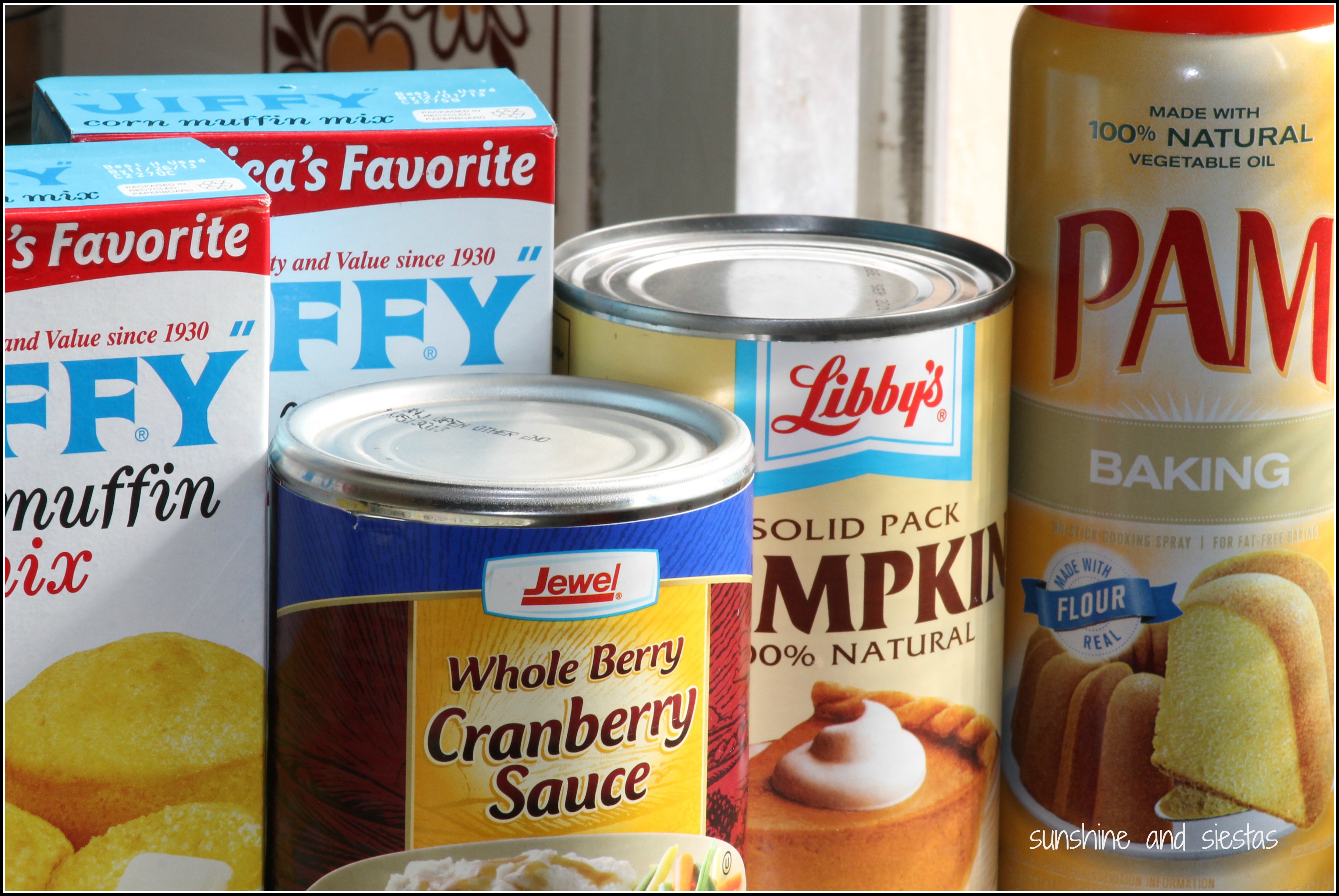
Another case in point: When I visited my cousin for Oktoberfest, I nearly had a heart attack when we went into the grocery store on her Army base. For the first time in a year, I was technically on American soil, but my carry-on restrictions meant I had to pick and choose the most important goodies. Reese’s, Funfetti cake mix and cranberry sauce made the cut, and I almost sighed from relief that I didn’t have much room between Camarón and the dirndl. When I enquired about German beer, Christyn said it was only sold in the nearby gas station. Apparently Bud Light > Paulaner (wtf).

I think there’s a big difference between me and them: They came for work and because the Army required time abroad at one of the overseas bases. I came because moving to Spain sounded like a fun way to skip out of America for a year. I didn’t come for anyone but myself; I came for the adventure and the chance to learn Spanish, and I stayed for the culture, the challenge and the Novio (duh, and the food).

Perhaps it’s the fact that Seville continues to modernize, taking with it some of the old world charm that had me so smitten in the first place. As my friend Mickey pointed out, there were no Starbucks when she came to Seville eight years ago, and now there are three on the same stretch of street (and this was once my homesickness remedy). Souvenir stores have elbowed out century-old hardware stores in the Santa Cruz neighborhood, and there’s English everywhere I turn. My ciudad de alma is starting to seem a lot like any mid-sized American city, and it’s stinging a little bit.

But don’t get me wrong: I relish in the fact that the TDT finally works and I can watch TV in English. Hamburgers, guacamole and roast chicken get made just as often in our home as fabada and tortilla francesa do. I speak just as much English each day as I do Spanish. America is where I lived the first 22 years of my life, and I consider it my home.

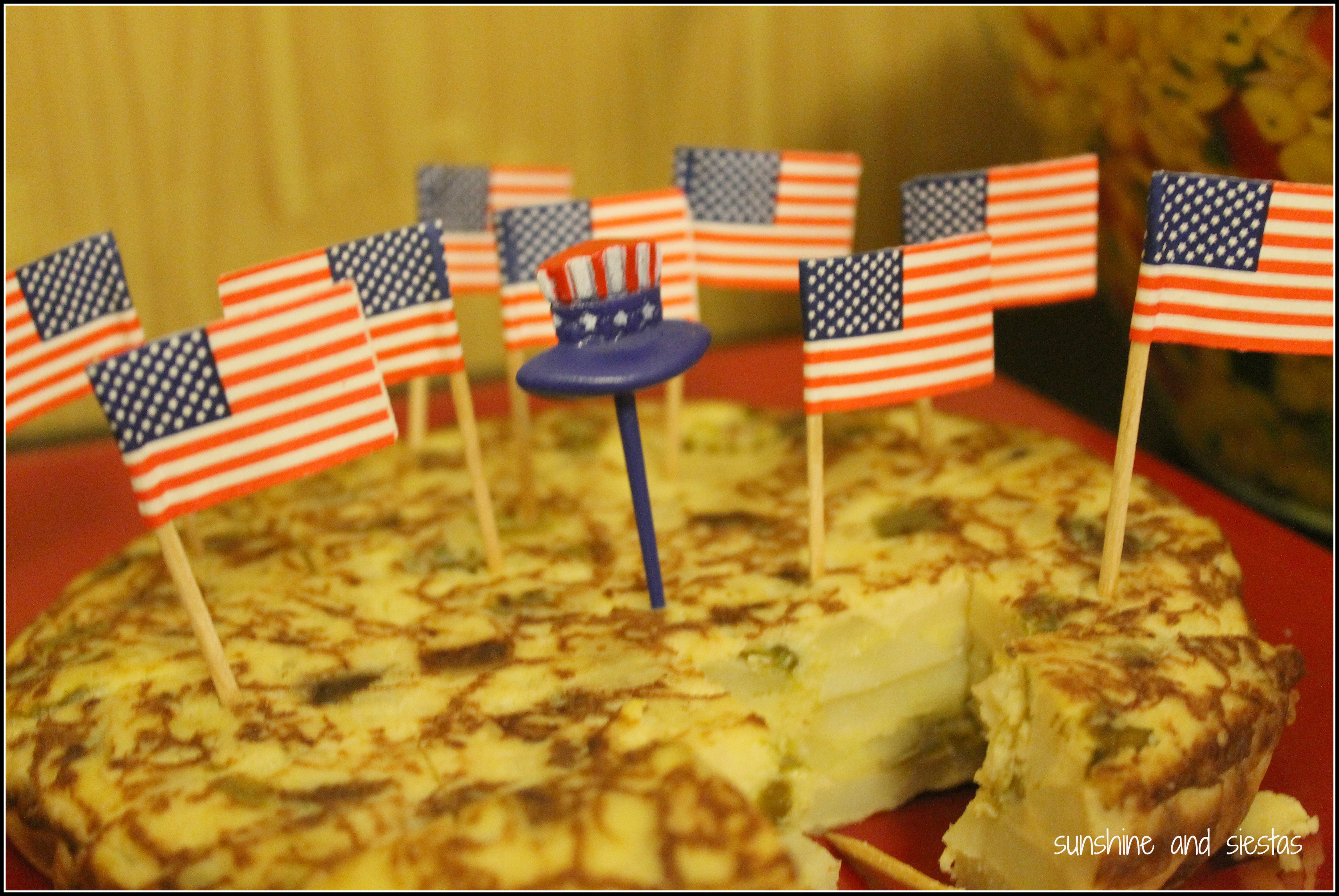
There’s much more to it than looking the part with my freckles, blue eyes and reddish hair against the dark Andalusian beauties. The first time the Novio saw me in a flamenco dress, his eyes lit up a bit, and then he just laughed at a beef-loving American stuffed into a traje de gitana. Try as I might, I look the part and even act it. Nevermind that I am a card-carrying resident of the EU, that I belong to a country club and that my partner serves in the Spanish military. I still believe that arriving on time is late, that one can only stay up so long on weeknights (even when she works at 3pm) and that the 4th of July is the best damn date on the calendar because, let’s face it, I love hot dogs and fireworks more than jamón and bullfights.

The Guiri Complex is just that: the inability to really feel like both of your feet are in the same place. My heritage and my native tongue make me a hot commodity in Spain, meaning I’ll always have a means to stay here and work. I’m the lovable friend who makes language blunders and bakes brownies for birthdays, the affable guiri, or foreigner,  in the group.

My friends back home think that living in Spain must be romantic and full of sunshine and trips. It is and it isn’t. If I lived in America, I’d be working, paying bills and contemplating what to make for dinner. I do that in Spain, too. The currency I use for the ingredients for that dinner are bought in euros and sometimes have funny names, but it’s really no different. In fact, I’m often jealous that my friends are all so close to one another, can be at one another’s weddings and make a salary that allows them some luxuries.

I sometimes feel like I live in a strange cross between everything I knew as a kid and the excitement of experiencing a new culture and language from the ground. I still cling to my American traditions and comfort food, but have adopted new holidays and a more adventurous palate. I’m constantly torn between two places where it feels like my heart belongs: Seville and Chicago.

Do you experience the guiri complex? Are your feet in just one bucket, or in both? And how do you cope?

Seville Snapshots: Halloween in Seville

When I left work on Halloween night, belly full of candy corn and about ready to crash from the sugar, I was shocked to see zombies walking the streets in Nervión. Now, I love Halloween and cemeteries and ghost stories, but Halloween has never been a thing in Spain.

Six years ago, I suggested a Halloween party at the high school I worked at as an auxiliar de conversación. Everyone came dressed as something scary but me. I must have repeated how to carve a pumpkin 31 times during my classes.

Afterwards, I was exhsuated and had to calm down by drinking in Ireland for the weekend.

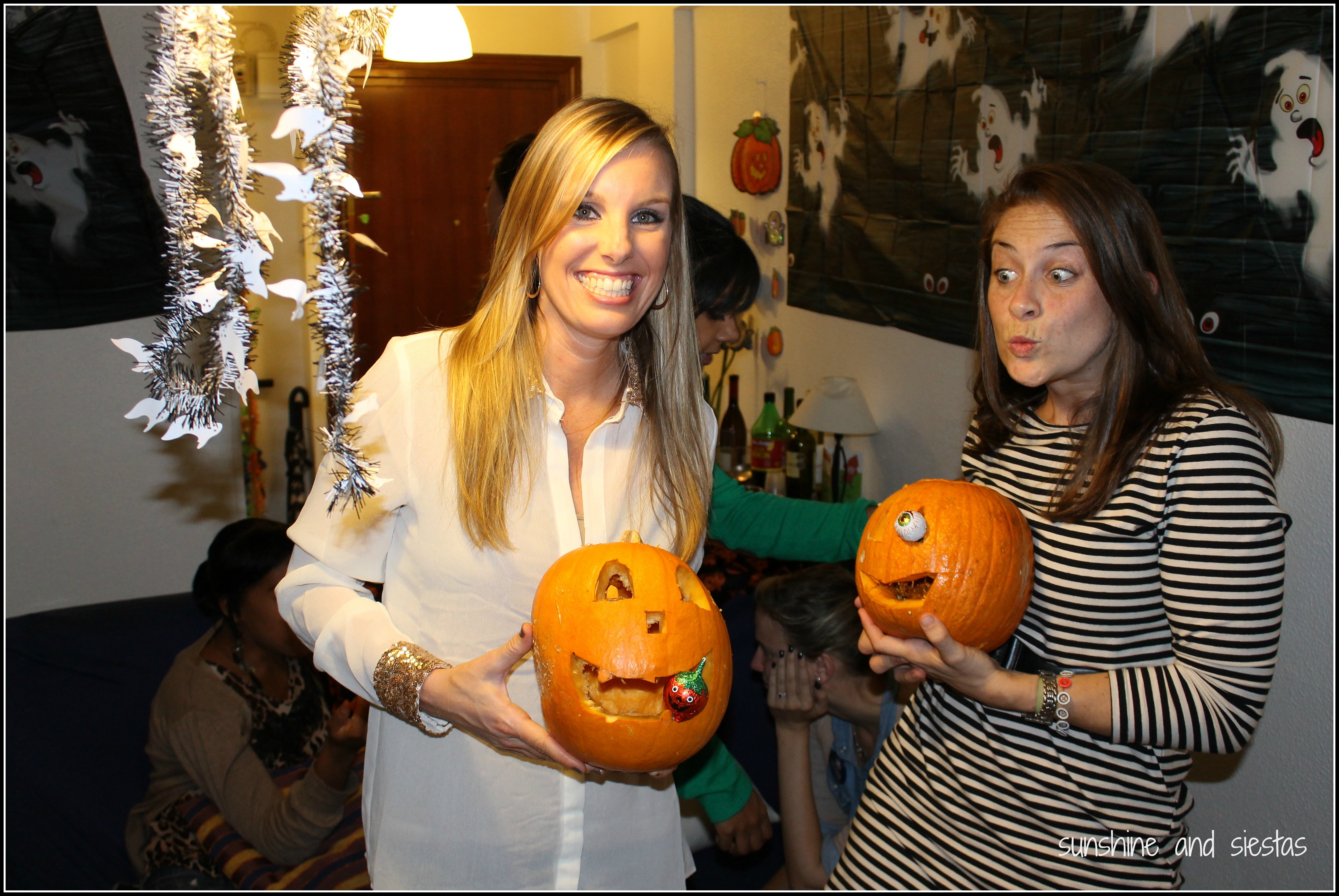
In these six years, Halloween has taken over costume shops and restaurants, schools and bars. In fact, the only people who carved pumpkins at our annual Halloween bash were two little Spanish kids, one dressed as a tiger, and the other ones as a dinosaur.

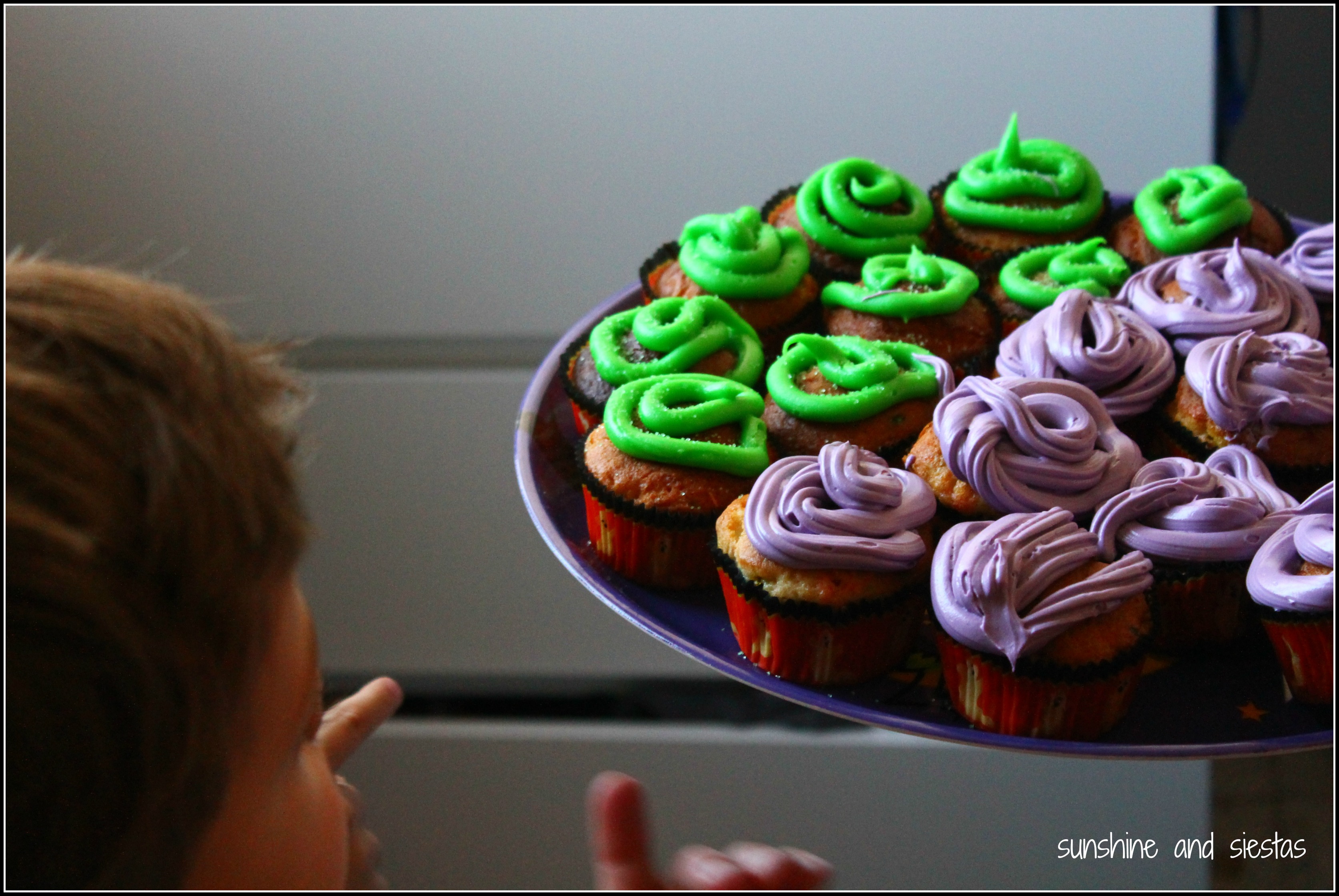
The new Taste of America store meant we had actual American goodies this year – candy corn, funfetti cupcakes wrapped in Halloween wax paper, napkins with Frankenstein on them. I was once again reminded of how odd it feels to be so American in Seville, and so sevillana in America. It’s always at this time of year that my homesickness creeps in.

On Halloween, I had to put my game face on for work (meaning a plastic cup covered in pink paper). Many of the little kids dressed up, and we made ghosts out of lollipops and spiders out of construction paper. Afterwards, a quiet drink with a friend – a far cry from my first Saiman in Spain.

How did you celebrate Halloween?

Preguntas Ardientes: Is an International Bank Account Right for Me?

I get loads of questions from you guys about moving to Spain and settling in, how to handle money and how to learn Spanish (and what to eat, duh). Up and moving to any country has its own set of headaches – both before and after – and I try and answer as best I can when readers ask questions on everything to how to work in Spain to how to deal with homesickness. That’s where Preguntas Ardientes comes in – a series dedicated to the ins and outs of expat life in Iberia. If you’re curious or have a burning question, email me at sunshineandsiestas [at] gmail [dot] com – I’d love to hear from you!

Recently, the Novio and I were at a gala for his squadron’s anniversary. Most of his coworkers are aware that his partner is foreign with a flair for sevillanía, so I often become the center of attention during cocktail hour when they shoot a million questions at me (and I’m really more interested in the canapés, jerks).

The most common? What was the hardest part about moving abroad? After adapting to the language and finding friends, the most challenging part of daily life was money (and it’s something you guys ask me about often, too!).

I had and still maintain an income in Spain, whereas as all of my bills were linked to accounts back in the US. I had no idea how to pay taxes in either country (or if I even needed to), and transferring money between euros and dollars soon began to eat into my savings account. Having one foot in two places can be difficult – but then again, I expected to be in Spain for just one year.

While I have kept three bank accounts in two different countries, I never considered offshore banking or international accounts. No, this isn’t the stuff of international spies or crime rings, but a convenient way to handle your money while abroad thanks to flexible options and lower costs of account maintenance.

Let’s face it – Spain is a country that has a high international population, and these people often have ties to their home country – both mentally and financially. For expats who still receive payments of benefits from their home country (such as retirement or payouts, or even freelance work), considering this type of service is one of the biggest benefits of an offshore savings account. You don’t need to worry about converting dollars to euros to pounds and back in your head, nor deal with spending more money to make transfers between bank accounts, as an international account will allow you to do this all for a small monthly fee.
Is an international bank account right for you? If you’ve still got one foot in each bucket, then it’s worth considering. If you’re looking for extra perks, such as travel insurance to cover you wherever you go, then you should more than consider it. Sometimes, you can get more financial benefits from having your assets in just one account, rather than splitting them up between different institutions. Doing your research really does pay off (I love puns and you should, too).
Do you have an international bank account? How does it work for you?

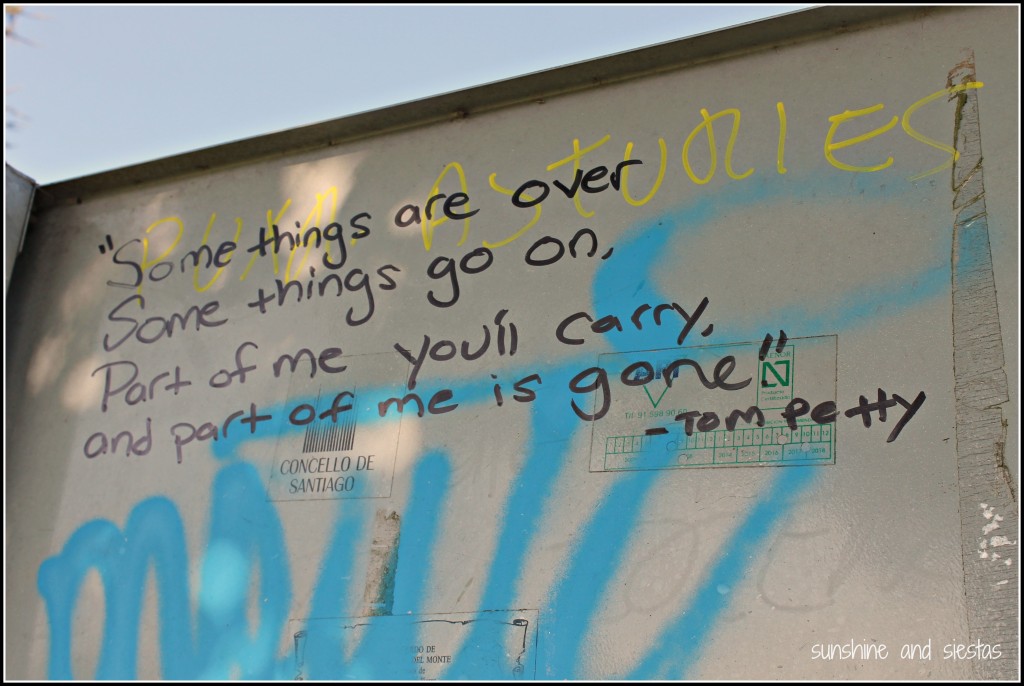
What Walking the Camino de Santiago Taught Me About Life

‘El Camino no regala nada.’

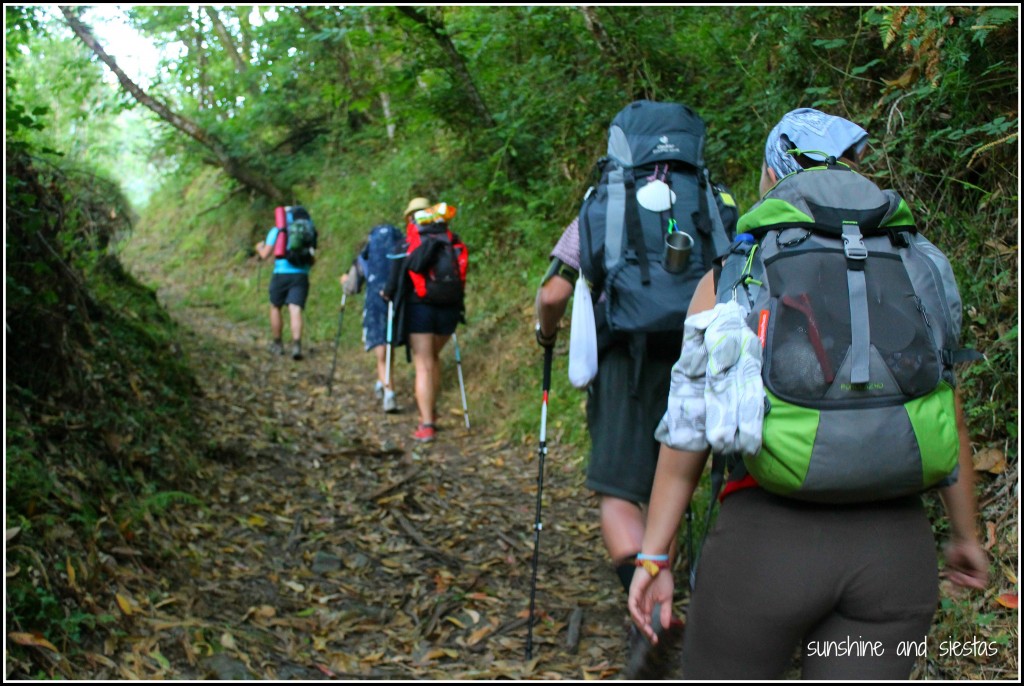
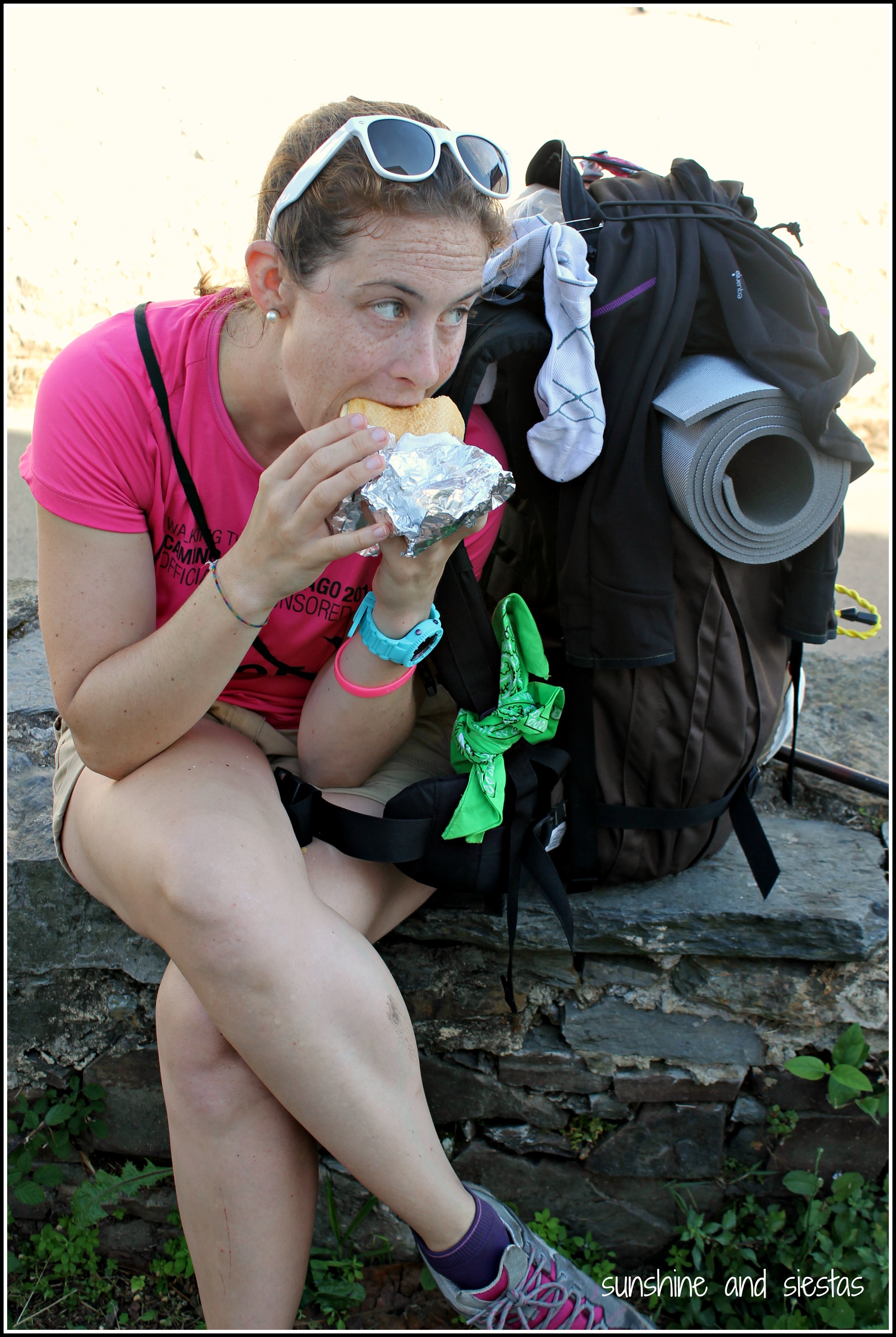
I was trailing Iván, using his walking stick as a third leg as we trudged up a muddy incline somewhere between Santa Marina and Ballotas. I had joked around that my first and second breakfasts had not prepared me for the day’s long haul up and down ravines through western Asturias. But he was right – nothing on the trail came for free (except for the blisters – those were definitely free).

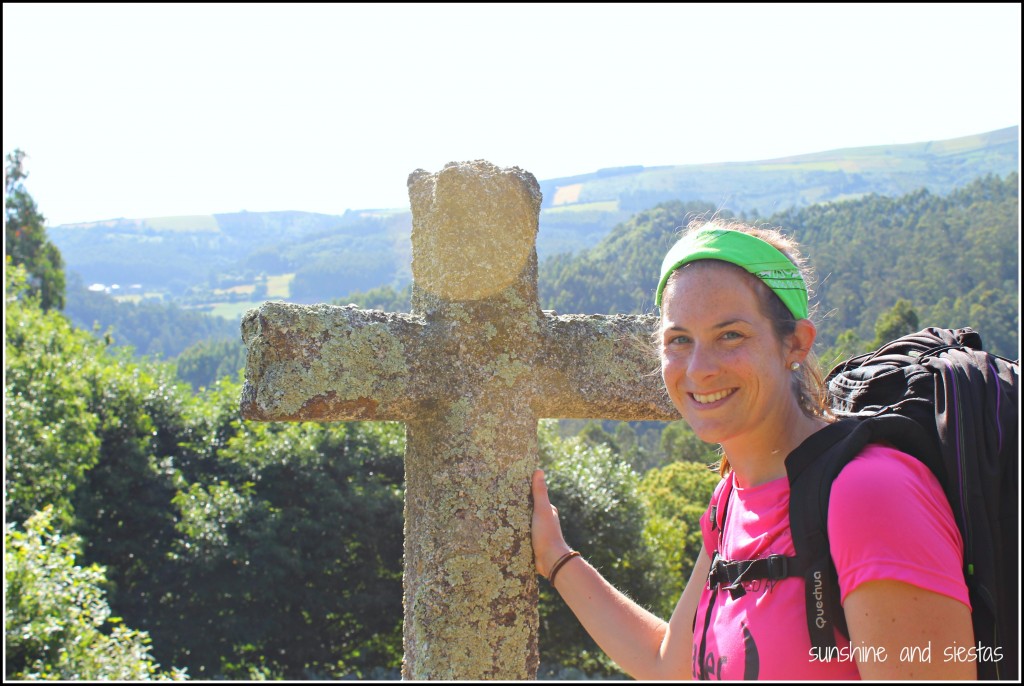
When Hayley and I decided to walk the Camino de Santiago two years ago, my mental preparation had begun and, even though my body never got the prep, I looked forward to two weeks where I had nothing to do but wake up, pull on my hiking boots and walk.

The Camino was, in many ways, a fourteen-day break from myself, from the pressures of daily life, from makeup and straightening irons. I cleared my head. I focused on eating and on sleeping and little more. Books and films paint a rosy picture of how the Camino has healing powers, about how one reaches the top of Maslow’s pyramid (totally made that up, but it’s not that far off), about how people’s lives change simple by trekking. Maybe they do, but mine certainly hasn’t changed in any profound way.

Don’t get me wrong – the Camino is still in the front of my recollection and I loved the experience I had (even the blisters – chicks dig scars, right?). Walking 326 kilometers along the coastline of Northern Spain may not have given my life a huge kick in the pants, but I wasn’t looking for it to, either. I didn’t go with a big question to wait and see if the road or God or another pilgrim answered it for me, nor did I set off hoping to find myself.

What I did take from the experience, though, was a better understanding about myself and my capabilities, a new dedication to seeking more from within myself, and the discovery that I have been me for far longer than I knew.

The Camino, as it turns out, it a great teacher.

What the Camino taught me about inspiration

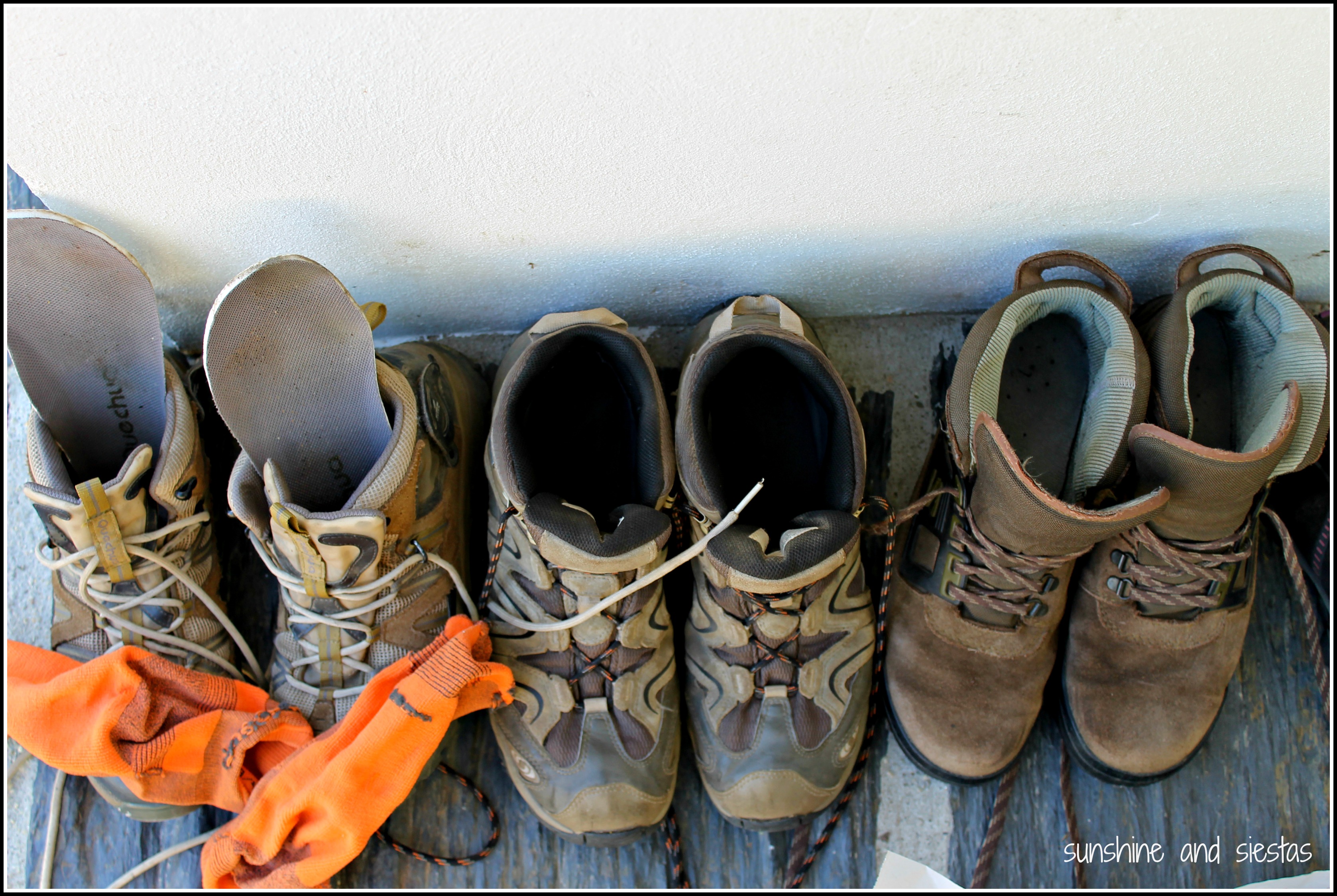
“I don’t know,” said Antonio as he slid his insoles back into his boots. “For some reason, 3.000km just seemed like a good goal.” As we sat in the twilight of the municipal albergue in Vilalba, my jaw dropped. Hayley and I had done 200km or so, nothing compared to the number of footsteps Antonio had taken from Lourdes, France on his second Camino.

I was constantly inspired by the people with whom I shared the trail. Each person has their own story, their own reasons for walking to Santiago. The cook at the parador in Vilalba had walked to Santiago in 19 hours and was planning on walking the medieval city walls in Lugo 79 times for the victim of the Santiago train crash. Or the mother and her teenage daughter from Germany who were trying to learn how to get along. Or Pilgrim Peter, who was looking to find himself again after several jobs and not a clue what to do when he got back home (he never made it to Santiago due to a blood clot in his leg, and my heart broke for him).

I was inspired to come by a Spanish teacher, and just needed the impulse to actually go and do it. I needed to feel inspired. Once we set out, I was fascinated by the untouched landscapes, by the people we met, by the simplicity of pilgrim life. So inspired, in fact, that I can’t wait to do a second Camino.

What the Camino taught me about positivity

“I could complain, but it’s really no use.”

My friend Hayley says she’s a born complainer, but we realized its futility once we were walking on the second day near Soto de Luiña. This would be the day I’d get two blisters on my left foot and we’d arrive to Santa Marina with cramped muscles, but it was only the beginning.

Injuries, getting lost and arriving to find that there was no more room at the inn temporarily dampened our spirits. The thing is, there were always other pilgrims who had more ailments, or personal demons, or didn’t get along with their companions. Guido got shin splints from pulling a cart along the looooong stretch of the N-634, the Coastal highway that hugs the Bay of Biscay and the Cantabrian Sea. Iván’s back was so sore, he couldn’t carry his bag, let alone walk the 26 kilometers from Ribadeo to Lourenzá uphill. Hayley had sun rash on her right arm.

Everyone suffers on the Camino.

But everyone also pushes on within their abilities. My biggest ailments were my bad knees and shins after years of gymnastics wreaked havoc on an otherwise healthy body. I could have complained that there were snorers in the albergues, that some pilgrim meals were not worth the 10€ they charged, or that townspeople seemed to think everything was only a little further one (three kilometers after 25 of them is NOT ‘only a little further along’). But it didn’t make sense to sweat the trivial parts of the experience.

What the Camino taught me about vanity

I didn’t even bring a pair of tweezers with me on the Camino (thank goodness there was a pair of them in my Swiss army knife – saved!). Makeup, moisturizer and other beauty products, minus my sunscreen and a comb, never made the cut when packing my backpack. Every day we’d wake up, slather on some sun protection, put our hair in pony tails and arrive a few hours later, sweaty and dirty, to the next pilgrim inn.

I can’t speak for everyone, but I forgot all about how I looked, if I had any zits or I had forgotten to suck my gut in. I wouldn’t consider myself high maintenance by any stretch of imagination, but I’ve noticed that I’ve become even less so in the six weeks since the Camino. I did treat myself to a pedicure because my feet actually hurt with the blisters, and I think the girl who had to buff off the old, dead cells was disgusted by the state of my tootsies.

I came to love my fresh faced look, and found my skin even seemed to improve. I felt more, well, me.

What the Camino taught me about my body

Speaking of vanity, I think I came to know more about my body while walking. When you’re in the middle of a forest or skirting around some hidden beach, there’s nothing between the ground and the sky but you and your body. By not worrying about makeup or clothes, I could concentrate on getting to know my body and its grievances. I listened when it needed water or a snack, and I allowed it to have a nap for as long as it needed. As a matter of fact, my body felt more rested at the end of the Camino!

Every morning, my body took priority over anything else – I would wrap my blisters, spread vaseline on my feet, gingerly put on my socks and hiking boots. I’d then spend 10 minutes stretching every single muscle, just as I did when I was a gymnast. I could soon feel every rock under my feet, I knew just where my back would be sore according to how I’d re-packed my bag that morning. While on the trail, I could calculate just how much fuel it would need during the day, and I rewarded its hard work with half a litre of vino nearly every afternoon at lunch (que Dios bendiga pilgrim meals!!).

When I didn’t cooperate, my body made sure I knew it – I had knee problems thanks to an old injury and tendonitis that had me ready to flag down us a bus when we were in Mondoñedo. Knowing that the rest of the day would be an uphill climb to Gondán, I freaked myself out, thinking it would be impossible to push on. But Hayley and I had promised that we’d be purist pilgrims and walk every last kilometer into Santiago. That night, we had to decide between sleeping on the floor of the sports center, or shelling out 19€ per person for a hotel room. Duh.

I also realized just how strong I got during the two week trip. After four days, we could log five kilometers in an hour and we could walk longer and farther after a week. My calves and glutes were working on overdrive. When we got to Santiago, I had half a heart to cancel my plane ticket and arrive to Fisterra. Even after returning to Seville, I began walking more often to the center (about four kilometers) or even Triana.

What the Camino taught me about grieving

I wasn’t only carrying a 15 pound bag on my back during the Camino – I was carrying my friend Kelsey in my heart. Kelsey fought cancer for seven years before she passed away in late 2011 at 21. The Oficina de Acogida de Peregrinos allows pilgrims to walking in memory of someone who has died or is physically unable to make the trip, something called ‘Vicario Por.’

Whenever by body hurt, I thought of Kelsey. As I curled up in bed one drizzly night in Miraz, I buried my head under the thick wool blanket and cried soft tears until I fell asleep. And when we arrived to Monte do Gozo, the final climb before entering the Santiago city limits, I cried for her and for her memory, big sloppy (and most likely, very, very ugly) tears while Hayley told me to cool it before she lost it, too.

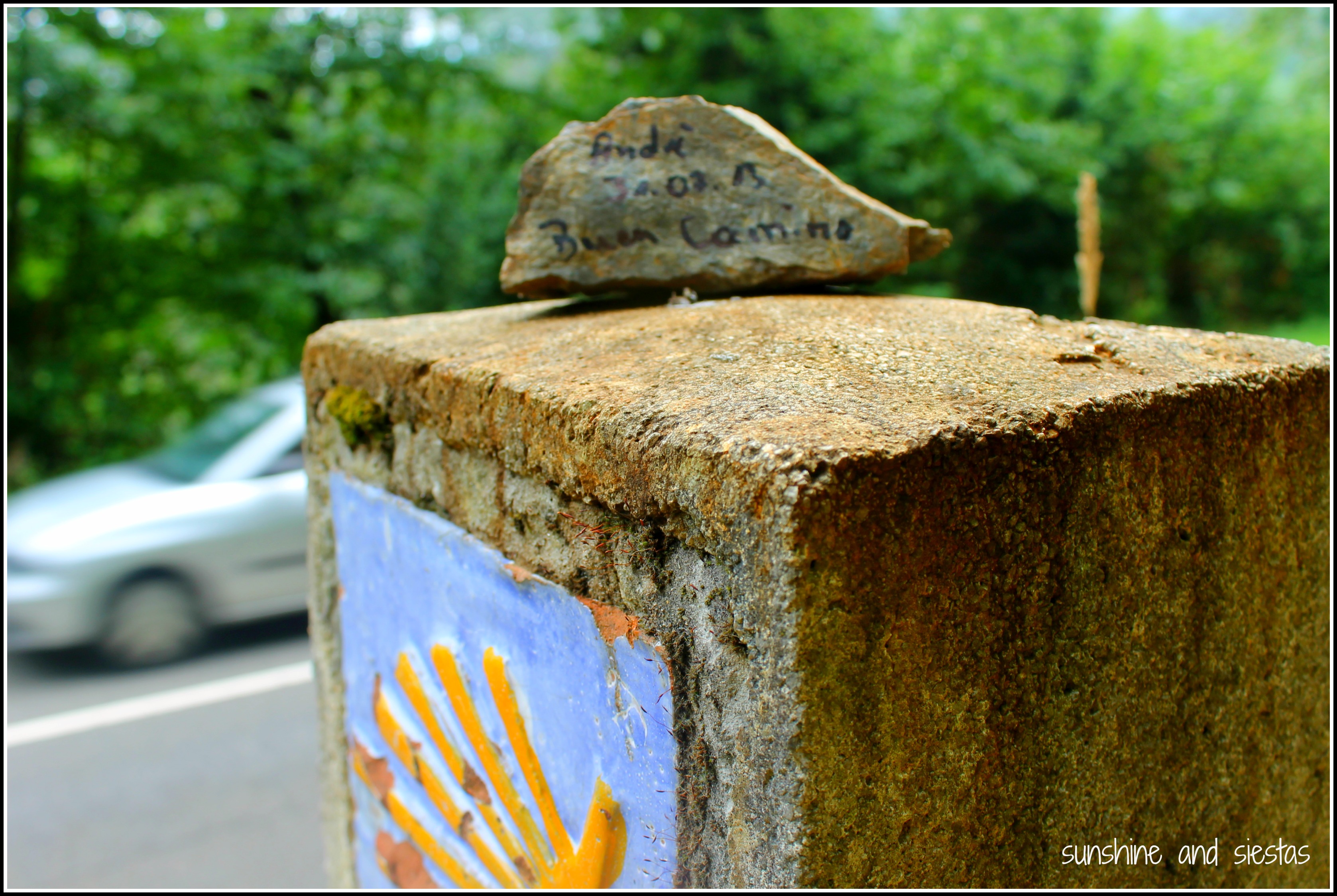
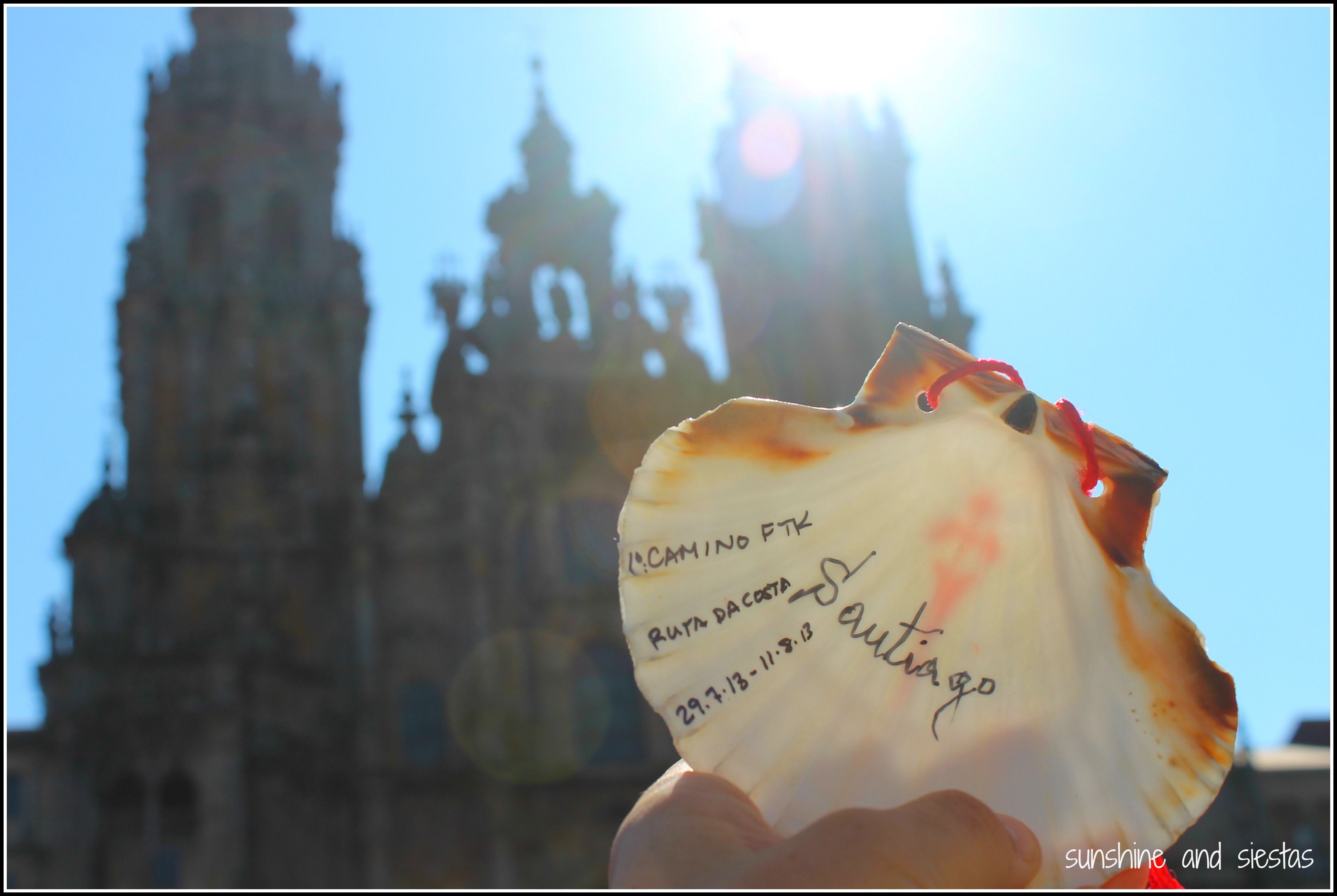
I expected to grieve for Kelsey on the trip, and it felt right to remember her in this way. In some strange way, everyone on the Camino is grieving or remembering or getting over something or someone, evident by the piles of rocks left atop way markers and the need to go to Fisterra and burn one’s clothing. I left small orange and purple ribbons – the color of sarcoma and leukemia awareness, and also her favorite colors – in important places during the last few days, as well as a photo of Kelsey and a small scallop shell in St. James’s tomb when we went to pay our respects.

I left behind a part of me that will always remember, but I did the grieving I needed to in order to move on. Kelsey said she always wanted to go to Spain. She didn’t get there physically, but she’s been all over the North by now.

What the Camino taught me about myself

I didn’t expect a grand epiphany when we ascended Monto do Gozo and finally saw the end in site – in fact, I was quite sad to know that the journey was all but over, and a day later I’d be sleeping in my own bed in Seville. There was no moment of clarity or understanding or forgiveness or whatever it is that pilgrims are supposed to feel when they complete the Camino.

In fact, I was the victim of a surprise attack from a pilgrim we’d run into two or three times who hugged me before I could hug the one who’d stuck with me through the whole thing. Maldito Tomás.

I knew I would enjoy the Camino, despite the warning of ampollas, of cancerous peregrinos, of the threat of getting bedbugs for the third time. I just had no idea how much I would love the experience of sharing the road with strangers and of hearing the ground move under my feet. In fact, my feet became the center of my universe for 14 days.

I learned a lot from doing the Camino de Santiago, but mostly about me and my capabilities. I’m strong physically and mentally. I’m headstrong and can push myself.

As my friend Alvaro from Bilbao put it, “Every step you took towards Santiago was a step towards your own destiny, to a story that you have for yourself that no one else will ever have. It’s all yours.

If you’re interested in learning more about the Camino de Santiago, check out my articles on what to pack, how to read the waymarkers across Asturias and Galicia and about the beaches and quaint towns we saw along the way. 

Practical Advice for Attending Spain’s Messiest Festival, la Tomatina

If I could live on one food for the rest of my days, I would choose the tomato (or maybe ice cream…just not tomato ice cream). Like Bubba Gump can eat shrimp in every which way, I’m a huge lover of the perfect fruit/vegetable/I don’t even care and easily eat them daily.

Then, say you, what happens when my friend convinces me to hop a flight to Valencia to attend the Tomatina, a tomato chucking festival and one of Spain’s most well-known fêtes?

You say tomato, I say HELL YEAH!

A Brief History of La Tomatina

Buñol, a small village just a half hour’s drive from Valencia, has been practically half-asleep for its history. In the mid 1940s, however, a group of youngsters wanting to demonstrate during the town’s festivals grabbed a bunch of tomatoes from a local frutería and began throwing them. The following year, they did the same. Since the early 1950s, the town hall has allowed revelers to chuck tomatoes (grown in Extremadura and unsuitable for eating) on the last Wednesday of August.

The Tomatina is now considered a Festival of Touristic Interest – so much so that the town decided to limit the entrances this year, allowing just 20,000 tickets to be sold to help pay for operating costs, including clean-up and security. About 5,000 of these were reserved for the residents of Buñol.

Getting to Buñol

The town of Buñol is located about 40km inland from the region’s capital of Valencia, cozied up to a mountain. Served by the regional RENFE commuter trains on the C-3 line, you can arrive to Buñol’s train station (if you can call it that) in 45 minutes. The station is located at what locals call ‘Buñol de Arriba,’ or the part of the pueblo on the hill, and there are plenty of places to buy souvenirs, leave your bag at a local’s house in exchange for a few bucks, and grab a beer or sandwich.

In the end, we decided to take a tour bus, which promised round-trip transportation and safe-keeping of our belongings. Though Kelly and I made an effort to speak the bus driver to get an idea of just how safe the bus would be in the middle of a festival of drunk guiris, we watched the bus pull out 20 minutes before the assigned return time, and we were forced to wait 90 minutes while it went to Valencia and came back for us. We had decided to take our bags with a change of clothes and snacks with us and store them at a local’s house, thankfully, or we would have been cold and stinky for hours. The organization was terrible and not worth the 35€ we paid for the entrance, transportation and luggage storage. If we did it again, we’d take the cercanías train.

Keep in mind that you can’t just show up to the Tomatina after this year – revelers are required to pay a 10€ entrance fee, and only 15,000 tickets are allocated for visitors. While there was outcry that the town hall of Buñol has privatized the festival without debate, I personally thought this was the best way to make the party accessible and enjoyable.

The Clothing and Gear

Rule of Thumb: everything you wear to the Tomatina will be covered in tomato gunk and stink, so be prepared to part with it once the tomato slinging is done. I threw everything away but my swimsuit!

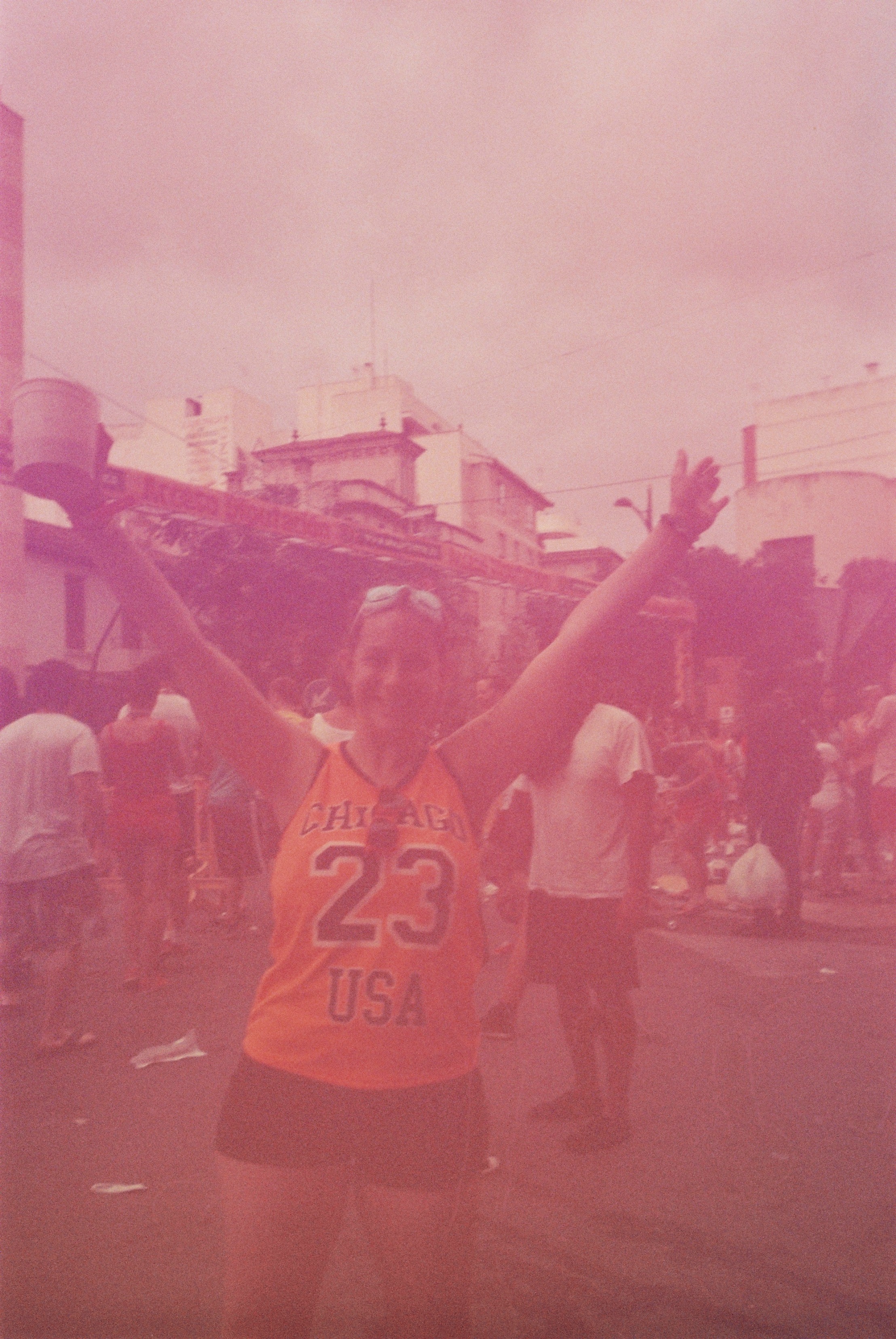
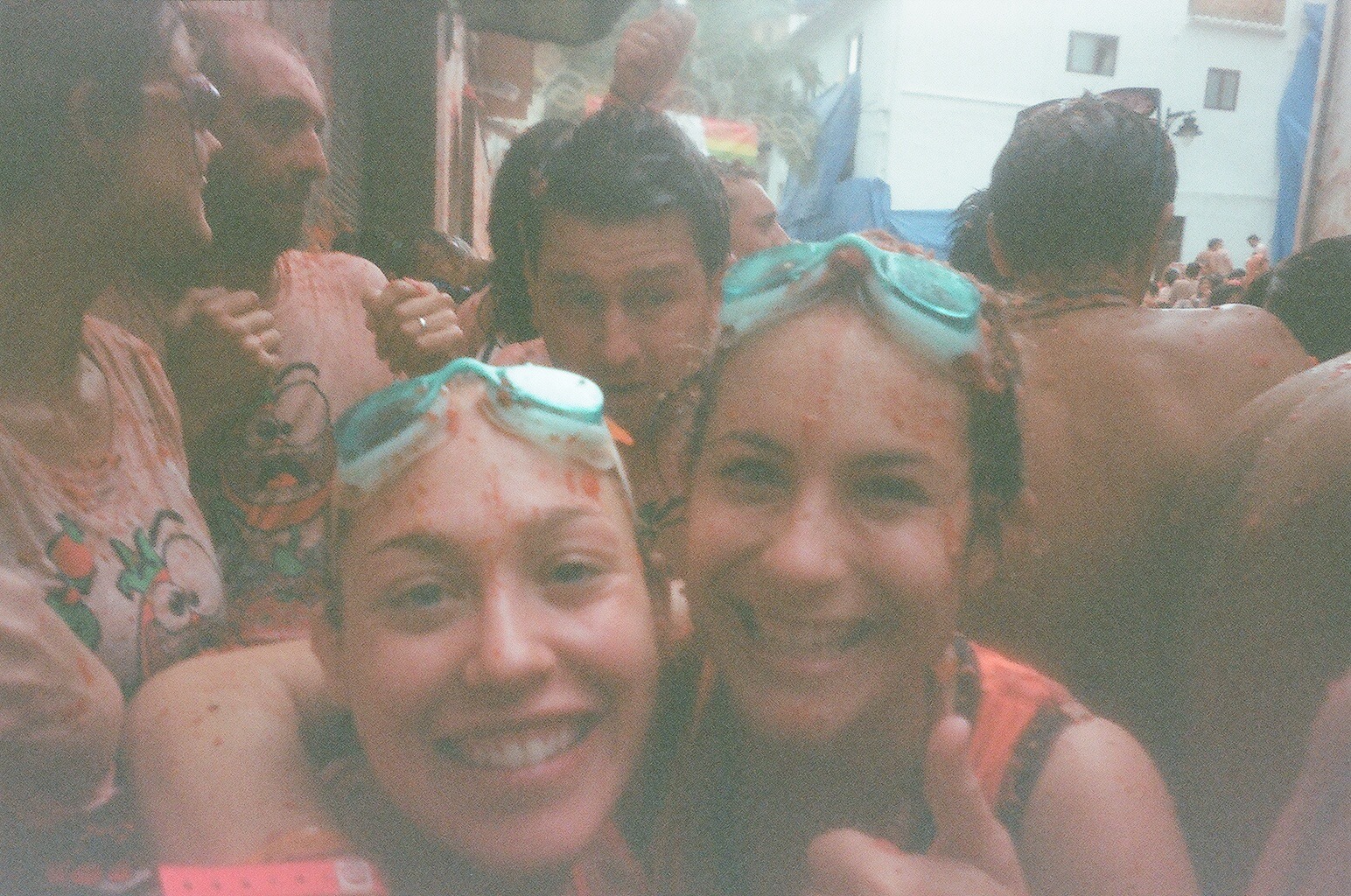
Kelly and I made a run to Decathlon for a plain white cotton T, elastic biking shorts, a swim cap and goggles. You’ll see people in costumes, in plastic rain coats, in swimsuits and the like. We also bought disposable waterproof cameras, a small wallet for our IDs and health insurance cards and paper money, which we put into plastic bags.

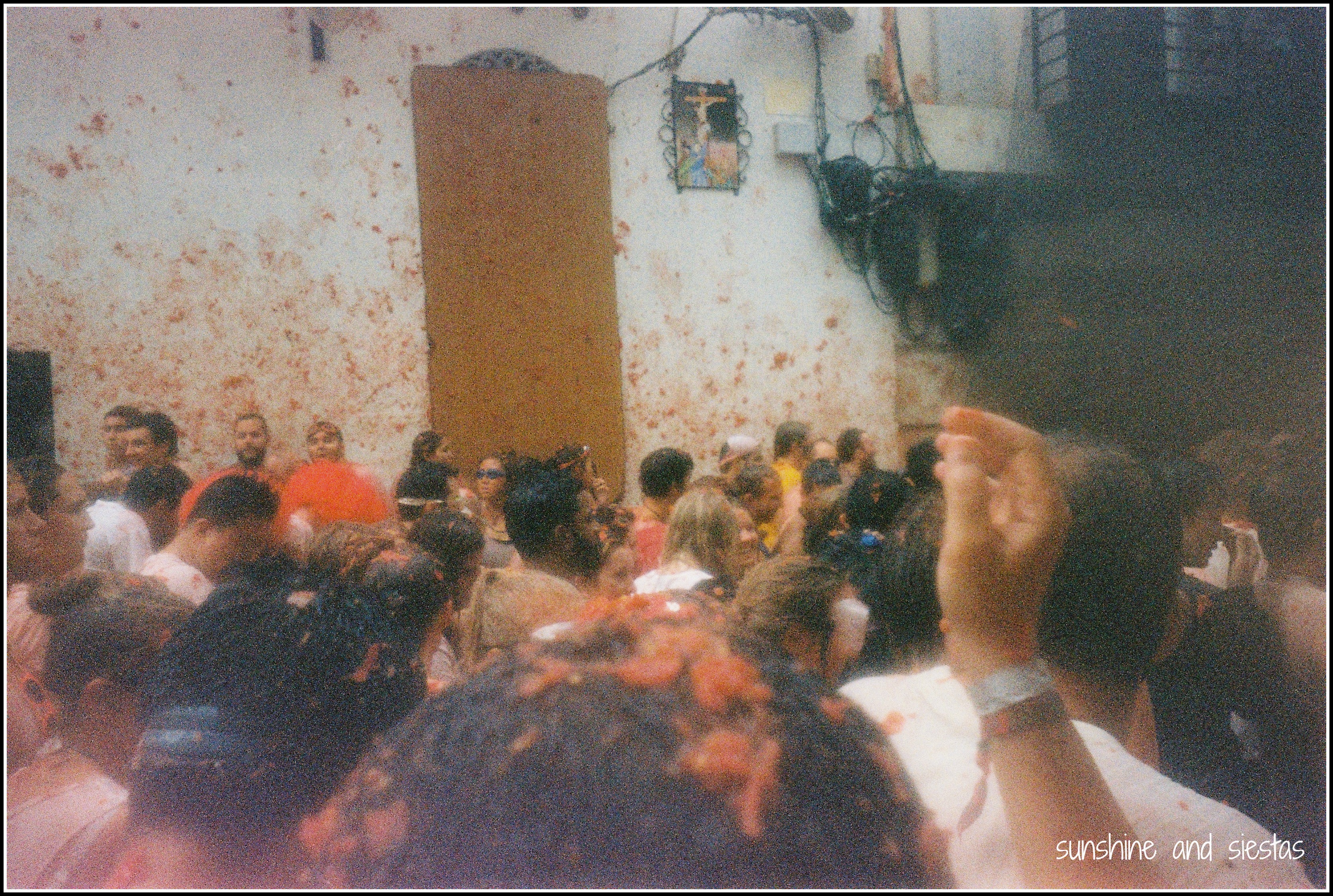
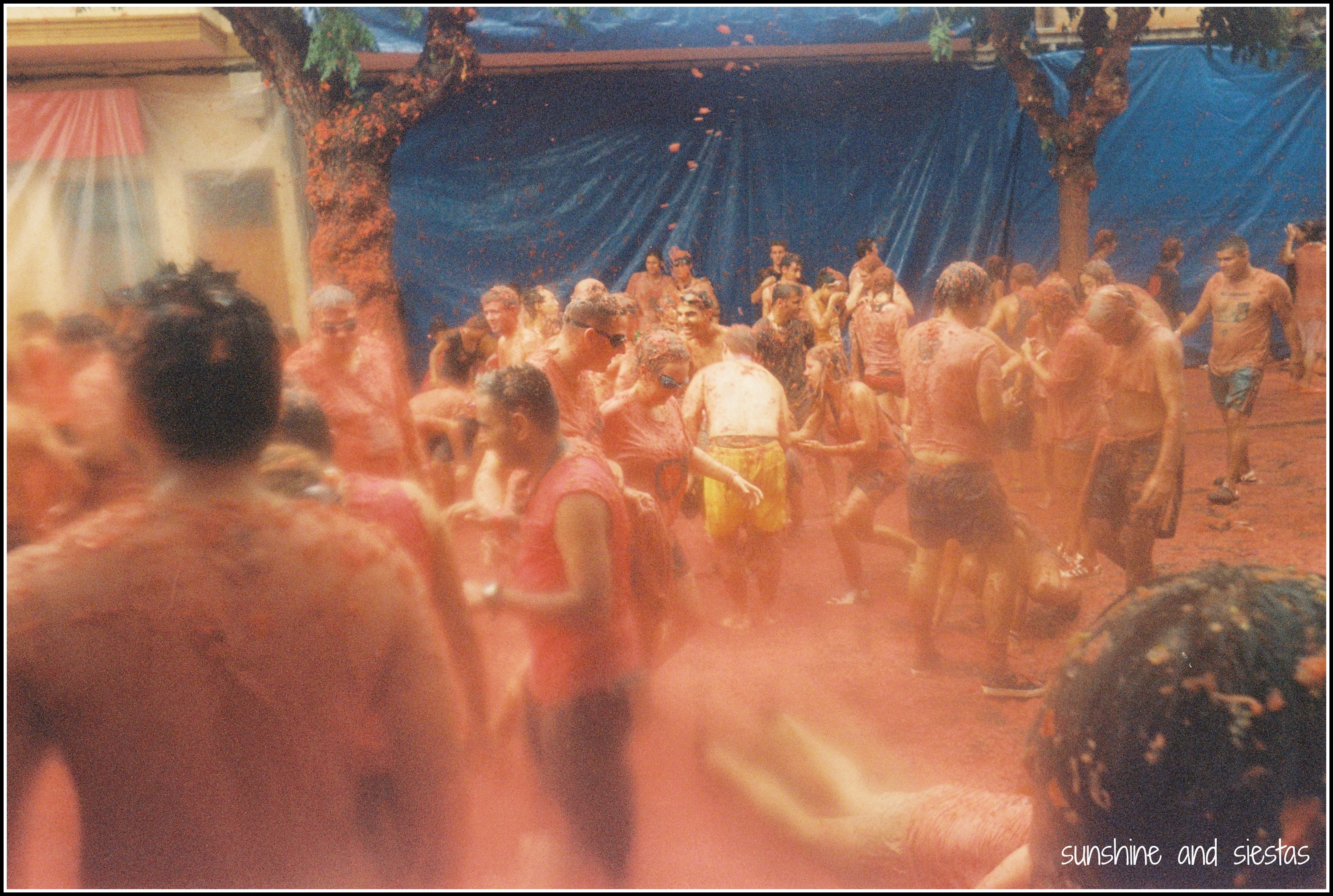
I was surprised to see the number of people with GoPros. Having gotten mine for the Camino and then unpacking it for sake of weight, I wish I would have had it on me. Word on the street is that you can get relatively cheap cases for your DSLR or point-and-shoot, so consider it if you want better pictures than this:

Without fail, you should bring a change of clothes. Most townspeople near the center of the village will let you use their hoses for a minimal fee, but wearing wet clothes in damp weather won’t do you any favors. I brought a simple dress and a pair of flip-flops for the after party that rages on all afternoon, as well as a bottle of water and a sandwich. Food and drink is available in Buñol, and for cheaper than the Feria de Sevilla!

The logistics of La Tomatina

There are two parts to the city of Buñol: la de arriba (upper Buñol) and la de abajo (lower Buñol). Kelly and I got a call from our friend Gatis just as we pulled into the parking lot. Scoping out the party, we assumed we were near the entrance, so we told him we’d meet him at the gates in 10minutes, after we dropped off our bags.

Turns out, the village is a lot longer than we thought, and it took us far longer to get there!

When you sign up for the Tomatina, you’ll be given a wristband that you must show to access Plaza del Pueblo, where the action takes place. You then have to walk about 500m downhill towards the castle, passing food stands and bars, before arriving to two of four access gates. Show your wristband, but not before going to the bathroom – there is NOWHERE to pee once you’re in Buñol de Abajo.

Shortly before 11am, one of the townspeople participates in the palo de jabón. Climbing up a wooden pole slicked with soap, the trucks can officially pass through once the pueblerino has reached the top and hoisted the ham leg, which sits at the very top, over his head. Five trucks carrying tons and tons of tomatoes will pass through once a siren has been sounded. Participants understand that they cannot throw anything but tomatoes (which you should squeeze first to avoid injury), and only between the sirens signifying the beginning and end of the event, which only lasts one hour.

Those who live in the city center board up their houses and drape plastic sheets over their facades, though they’re quick to douse you with water after you’re finished. Call them campeones – they’ll hit you with water first.

The majority of the after party from what we could see is held in the part of the town uphill. There was music, beer and sausages. Had I not been so cold and smelly, it would have been my happy place.

The Experience

I can’t say that experiencing La Tomatina was ever on my Spain bucketlist (and neither is San Fermines, so don’t ask if I’ll ever go to the Running of the Bulls). But when a week with nothing to do, a cheap place ticket and an eager friend suggested going, I figured this would be my one and only chance to do so. Am I glad I did it? Most definitely, but I’m not planning on signing up for it again.

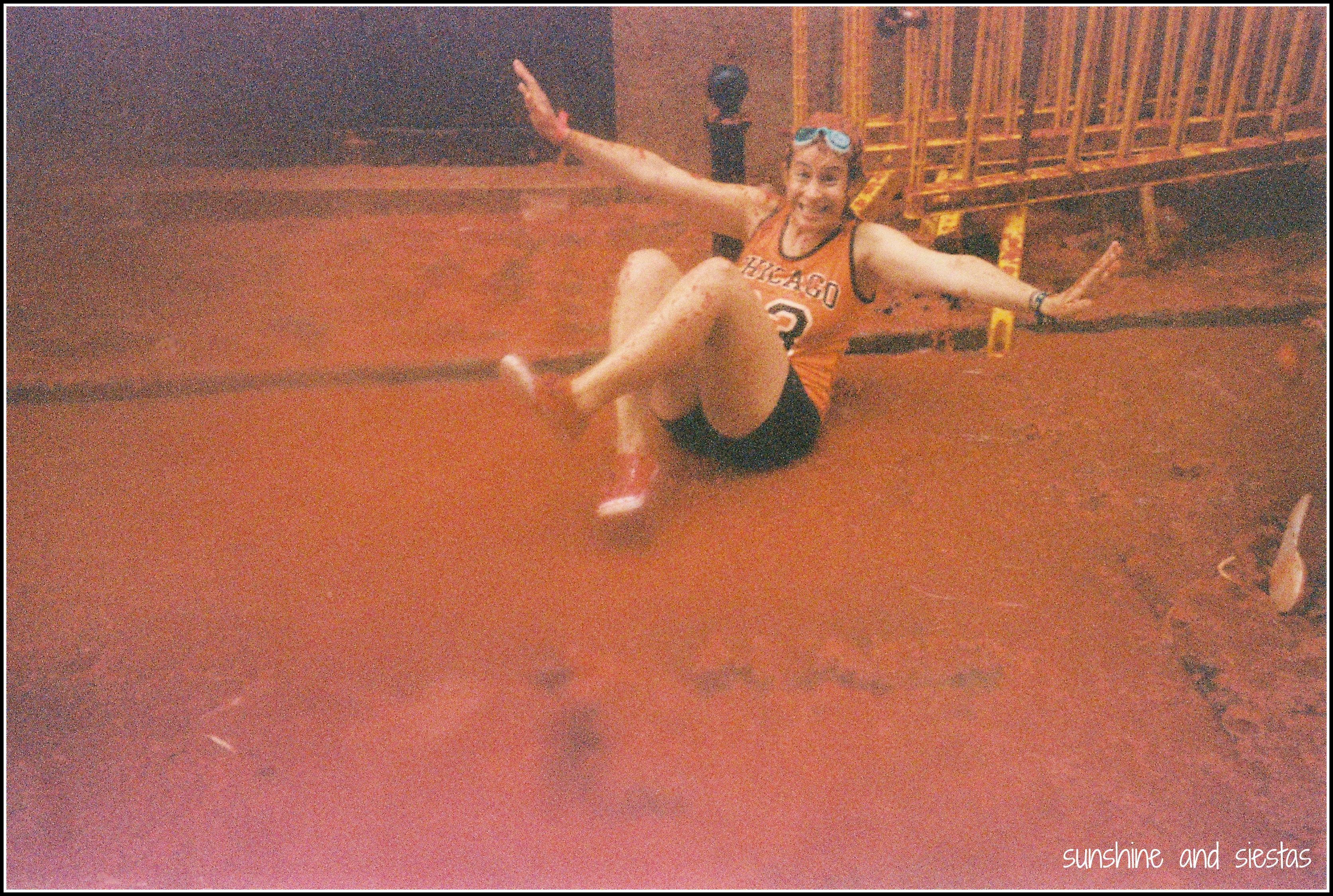
That said, it was a lot of fun. Being crunched up between total strangers, mashing tomatoes in their hair and putting it down the backs of their shirts, swimming afterwards in what was essentially an enormous pool of salmorejo, was serious fun. Belting out Spanish fight songs, squashing the fruit so as not to hurt anyone when I pelted him with it. The water fights, the after party, the townspeople who so graciously gave us their gardens and their hoses to use (Luisa, I’m looking at you, and we owe you a bottle of your beloved fino). I even found the downpour just before 11am to be hilariously good fun.

Have you ever been to the Tomatina, or are you interested in going? What’s your favorite festival in Spain – have car, will rock out – y’all know me!

Related Posts Plugin for WordPress, Blogger...