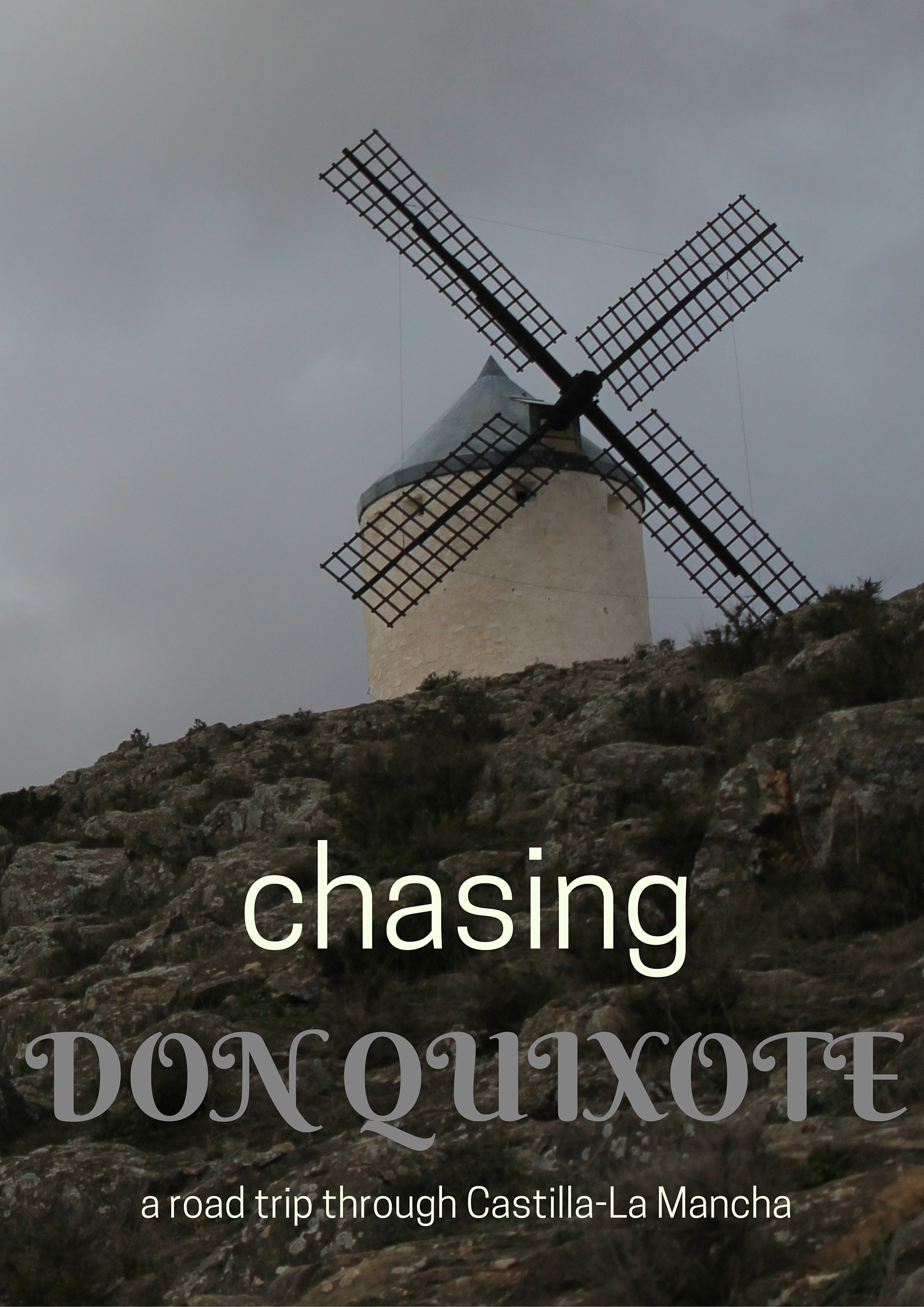
Chasing Don Quixote: a Detour through Castilla-La Mancha

Bueno, Castilla-La Mancha isn’t exactly known for its long, winding highways,” Inmaculada said, dragging her fingertip across the screen of her mobile phone six consecutive times as the car pointed towards Valencia. It had been nearly 100 kilometers since I’d had to even move the steering wheel for anything other than overtaking.

Literally called the scorch or the stain in Spanish, La Mancha may not be famous for its roads, but it is renowned for two things: Don Quixote and Manchego cheese. Resting comfortably on top of Andalucía and cradled between Madrid and Valencia, its size and its small towns have intimidated me. Everything seemed a bit archaic, a bit sleepy and, mostly, a bit unreachable without a car and an extra-long weekend.

windmills and Don Quijote

Stretching out on either side of the highway as I drove Inmaculada and Jaime to Valencia was land. Sand. Barely a glimpse of a small town. Like any other Spanish student, we were made to read Quixote in high school and made a point of paying homage to a fictional knight bound by the ideals of chivalry and true love. But the landscapes I’d read about in Cervantes’s greatest novel were nothing but  flat and brown. A literal scorch of earth, true to the region’s name.

Three days later, I left the coast, shoes and jacket blackened from Las Fallas, and tilted back towards the heart of Castilla-La Mancha. The great hidalgo‘s “giants” were only a few hours away. I took my old, tired car, an allusion to the old, tired steer, Rocinante, with me.

The drive should have been easy enough: the Autovía de Este until it met the Autovía del Sur and a few minutes’ drive west to Consuegra, where eight or ten windmills stand guard on a jagged crest of mountain, crowned by a medieval castle.

“Destiny guides our fortunes more favorably than we could have expected. Look there, Sancho Panza, my friend, and see those thirty or so wild giants, with whom I intend to do battle and kill each and all of them, so with their stolen booty we can begin to enrich ourselves. This is nobel, righteous warfare, for it is wonderfully useful to God to have such an evil race wiped from the face of the earth.”
“What giants?” Asked Sancho Panza.
“The ones you can see over there,” answered his master, “with the huge arms, some of which are very nearly two leagues long.”
“Now look, your grace,” said Sancho, “what you see over there aren’t giants, but windmills, and what seems to be arms are just their sails, that go around in the wind and turn the millstone.”
“Obviously,” replied Don Quijote, “you don’t know much about adventures.

Per Trevor’s suggestion, I wanted to stop first in Alcázar de San Juan, home to a number of beautifully restored windmills that wouldn’t be run over with tourists. Spit out from the Contreras Reservoir that naturally separates La Mancha from the Comunitat Valenciana, the radio frequency suddenly switched to a CD, and soon the Eagles (could there be a more perfect band for a road trip?) were running through my stereo.

I calculated I had enough gas and my bladder could make it the 200 kilometers to San Juan. It was an easy jaunt on the A-3 until Tomelloso, where I’d hop onto the CM-42.

Maybe it was the Eagles or the long, flat, endless journey down the motorway, but I turned onto the wrong highway at Atalaya del Cañavate. As someone who uses landmarks to mark the way, the names of towns, echoing old battlegrounds and ruined castles, began to seem foreign. Stopping in Alamarcha, my phone confirmed what I’d suspected for several dozen kilometers: I’d gotten myself lost.

But the giants were calling, and I wasn’t too far off the path. Monty-nante roared back to life, I turned up the music and rolled down the windows. We set off, a girl and her horsepower, to slay giants. Or, take some pictures of windmills before lunch. The allusions end there for a bit, lo prometo.
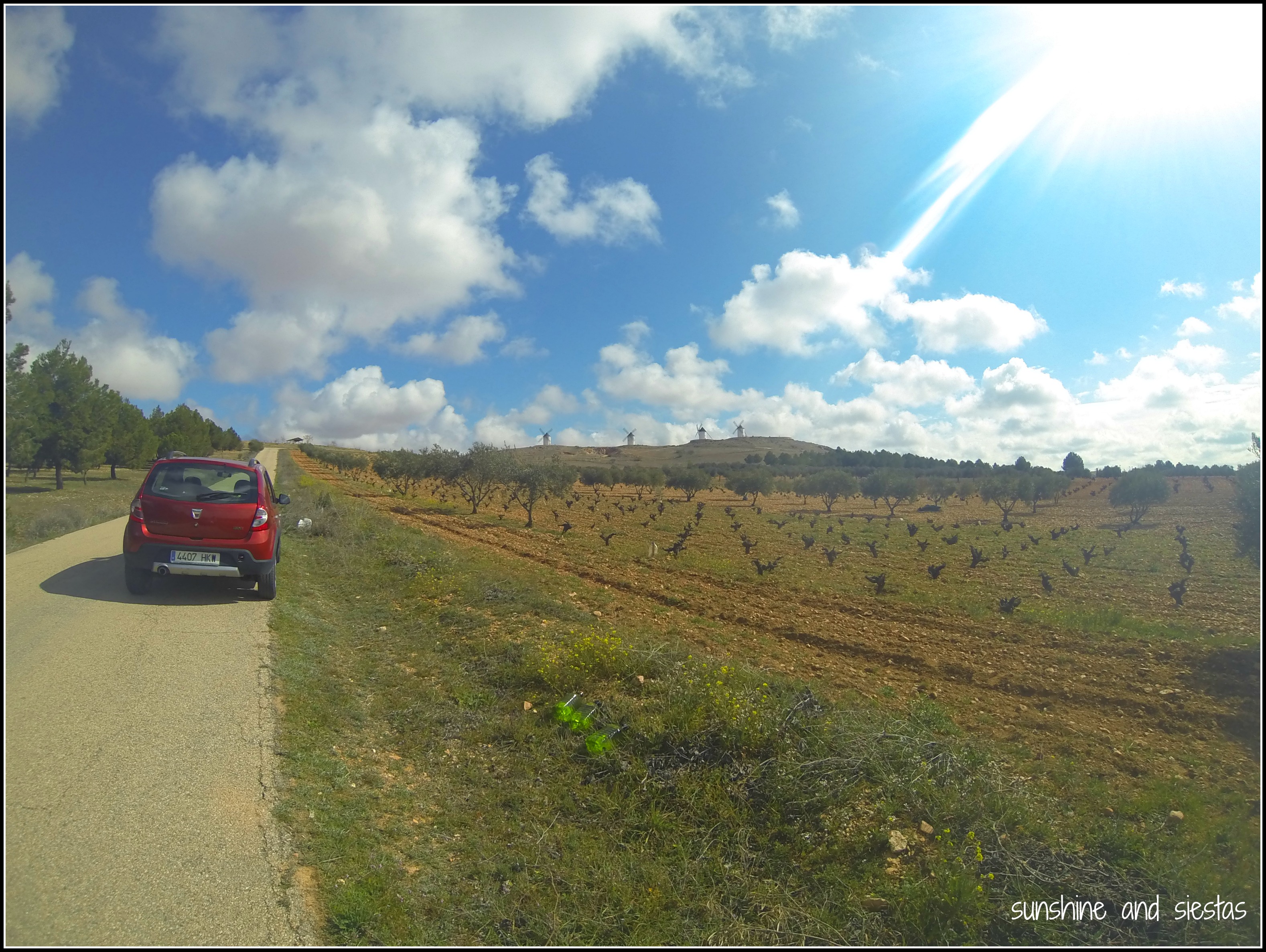
Like our Quixotic hero, I blinked hard to make sure I was seeing what lay ahead. As soon as I’d gotten on the CM-420, the long, straight highways became curls around hills, between cherry and almond groves and without a soul or engine in sight. The brown patches of earth were immediately lush and covered in alfalfa, dewey from the previous day’s rain, and full of low, stout grapevines. I pulled over and turned off my GPS, happy to sit in near silence as Monty’s tires shifted effortlessly around curves. After all, this was as adventurous as my Holy Week travels would be.

“When life itself seems lunatic, who knows where madness lies? Perhaps to be too practical is madness. To surrender dreams — this may be madness. Too much sanity may be madness — and maddest of all: to see life as it is, and not as it should be!”

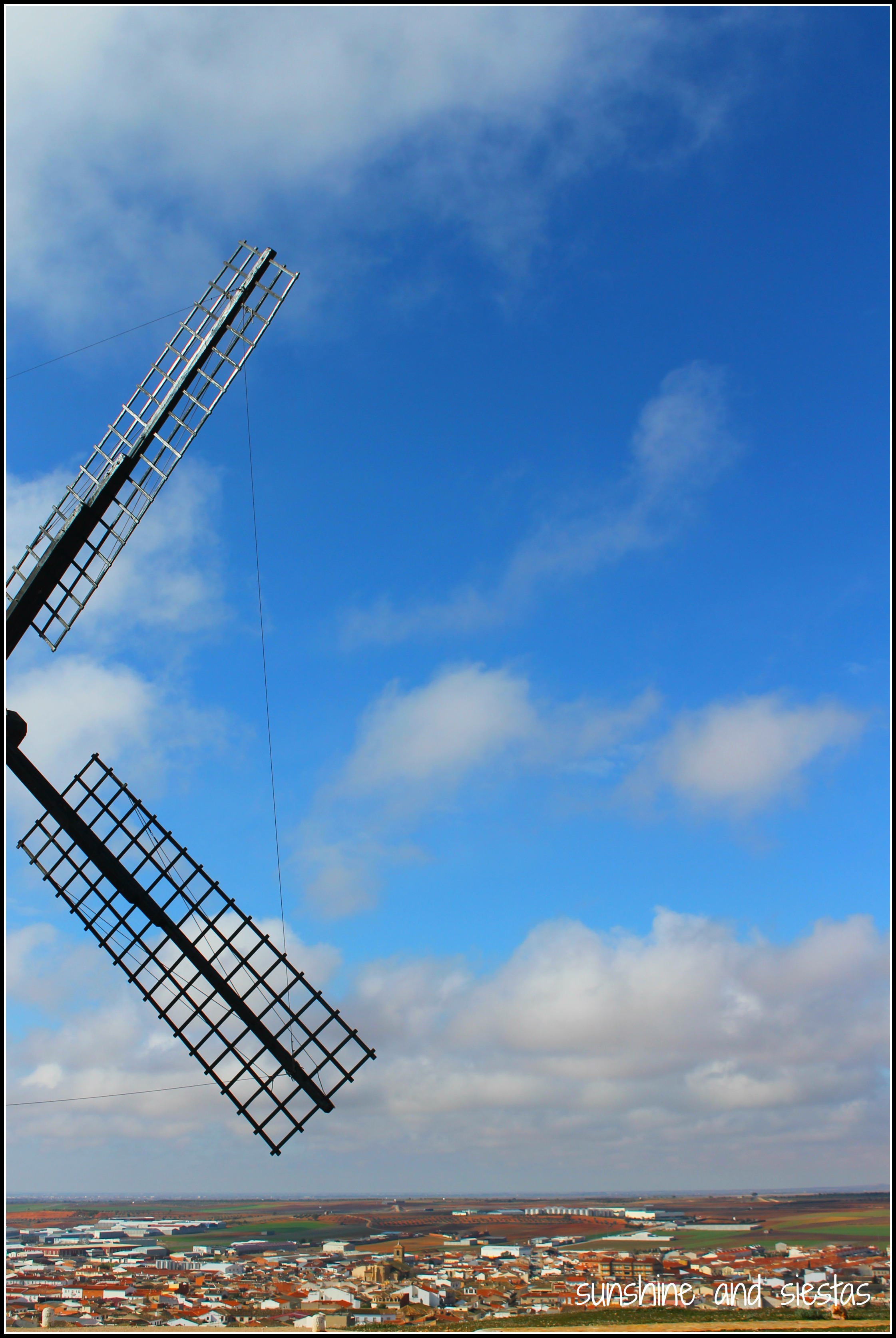
I began climbing a hill at what I believed to be halfway to San Juan. Just below the cusp, I saw the stationary arm of a giant – a set of windmills protect the town of Mota del Cuervo. We nudged our way towards them, standing in a solitary row of six or eight.

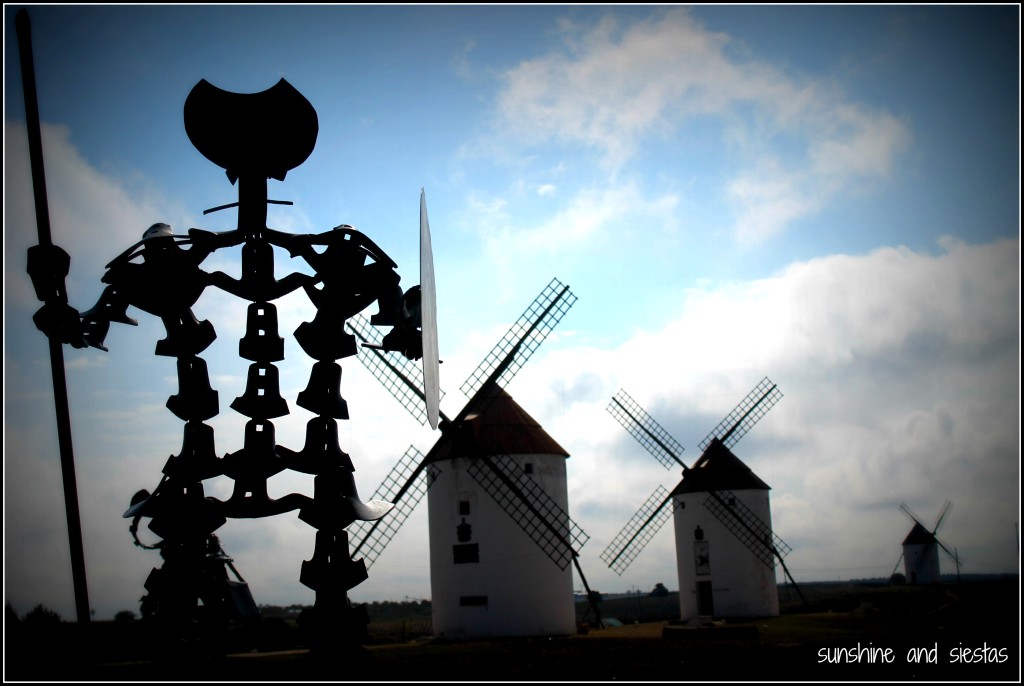
Windmills in Castilla

molinos at mota del cuervo, la mancha

Windmill landscape

The tourism office was closed and my car was the only one parked in the ample gravel lot. I had the giants to myself, and I practically squealed. Lately I’ve been feeling jaded as I travel in Spain, as if nothing else can ever impress me the way that laying eyes on the Alhambra or the Taj Mahal did; but feeling the wind whip by my ears as I looked across the scorched Manchego plain reminded me that, yes, there is still plenty of Spain to discover.

But I had to press on, to not let perception or kilometers or a low phone battery squash my dream of seeing Consuegra when I was this close. I drove right past San Juan and its beautiful windmills atop an olive tree grove crawling up the hillside. As soon as I’d crossed the A-4 highway some 40 kilometers later, the giants at Consuegra began to come into view, huddled around a castle.
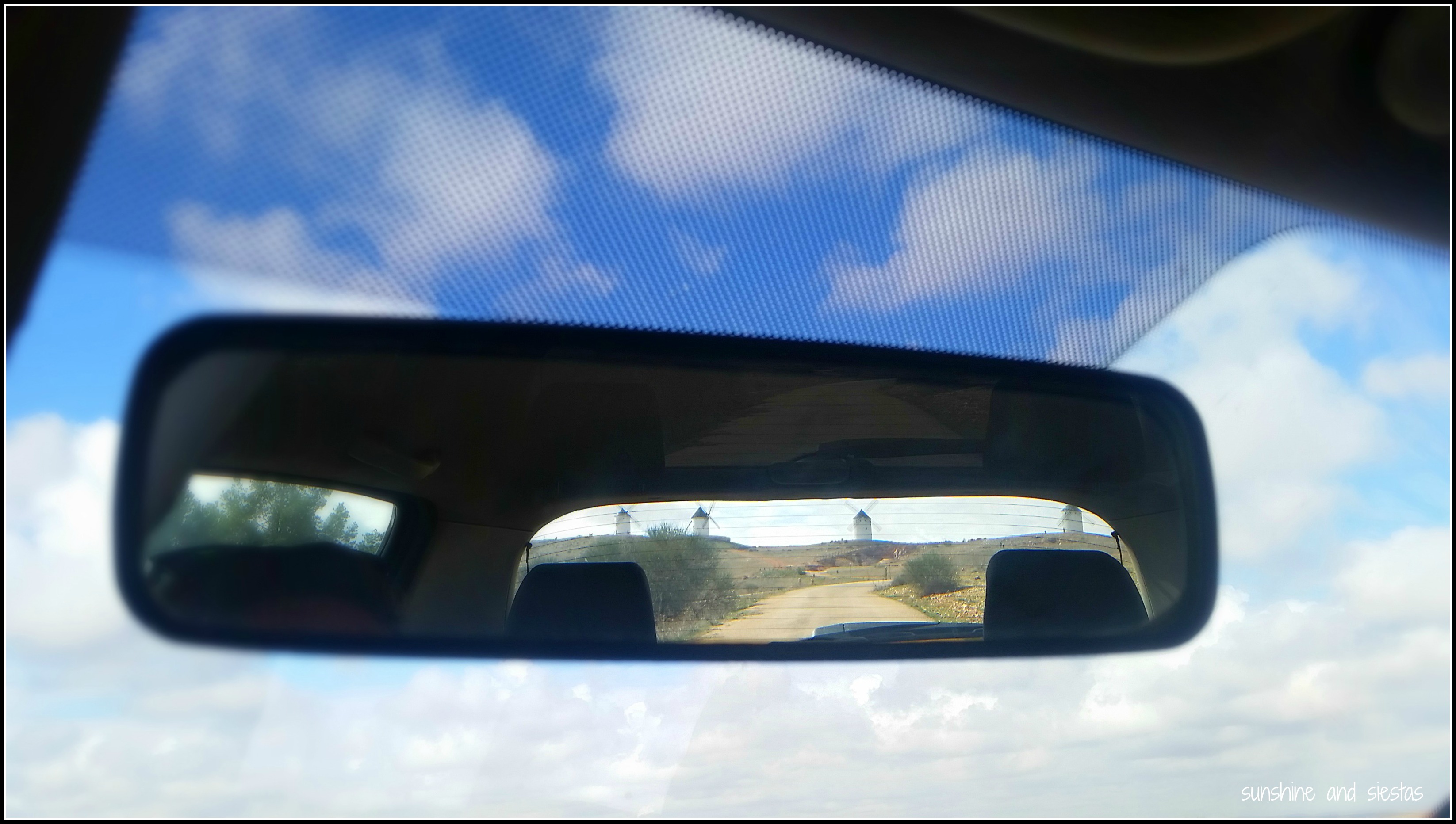
windmills in my rearview mirror

The town itself was dusty and sleepy, as I’d expected. Streets had no names, rendering my GPS useless. Monty chugged slowly up the steep, barely-meter wide streets as old women swept street porches and clung to their door frames. Images of the old hidalgo became commonplace – bars named Chispa and La Panza de Sancho, souvenir shops touting wooden swords and images of windmills and an old warrior atop a barebones steed.

Rounding the final curve, a man waved his arms up and down, pleading me to stop and flagging me into a full parking lot. “It’s International Poetry Day,” he said, “and the molinos are closed to car traffic.” Closing my eyes and throwing the car into reverse, I consulted the day’s plan. After getting lost twice and being pulled over by a Guardia Civil, I had to make a decision: resign myself to hiking 500 meters up to the windmills as the clouds closed in ahead, or drive back down towards Andalucía for a winery tour in Valdepeñas.

I chose to buy a bottle of wine in the DO and call it a day. I had dreams and bucket list items to chase.

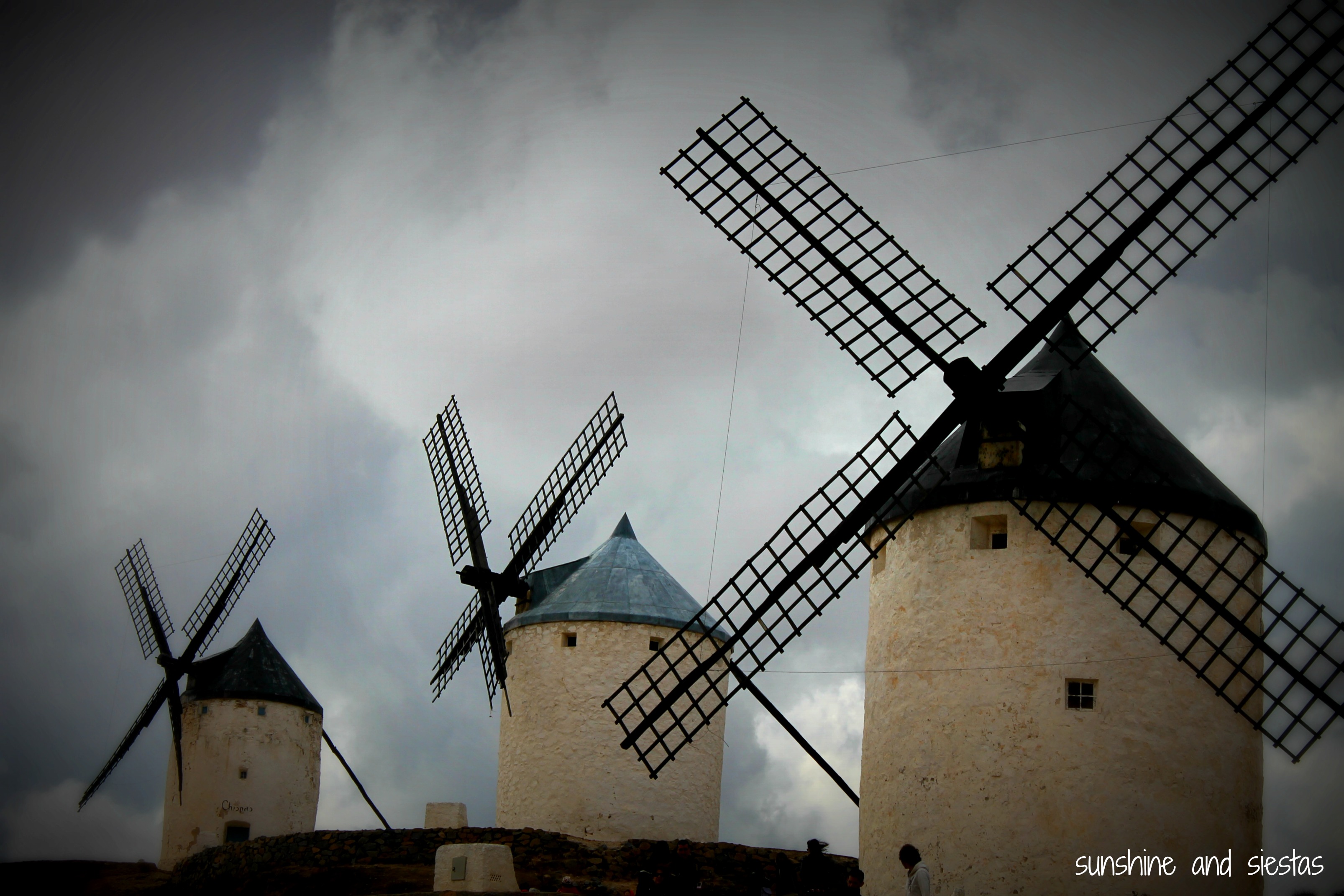
The windmills were barely visible, save a few solitary blades reaching over the rock face. After an entire morning searching for them, it was like they had stopped spinning, as if the proverbial wind had been blown out of my sails. And coupled with a bus full of tourists, they just didn’t have the wonder that the molinos and my moment of silence at Mota del Cuervo had.

Even the clouds overhead looked menacing and about to burst.

Panoramica molinos de Consuegra

Windmills at Consuegra

I hiked to the farthest point from the castle, to windmills bearing less common names and without selfie-stick toting tourists resting on the stoops. These windmills were decidedly less picturesque but somehow more authentic.

A View of Don Quixote's Giants

panorama of Don Quixote's windmills

Maybe it was a pipe dream to think I’d have the windmills all to myself for an hour of reflection. Maybe I thought they’d be bigger, like the giants I’d read about in high school. But like all things in the chronicle of the hidalgo, not everything is always as it seems. Feeling a bit dejected and pressed for time, I climbed back into Monty-nante, a true warrior after 1000 kilometers over four days, and took the autovía south.

“Take my advice and live for a long, long time. Because the maddest thing a man can do in this life is to let himself die.”

It’s been over a decade since I’ve studied abroad, and half a lifetime since we read an abridged version of Don Quixote junior year of high school. And it’s been just over four centuries since Miguel de Cervantes penned the closing chapter to a masterpiece that endures time and place.
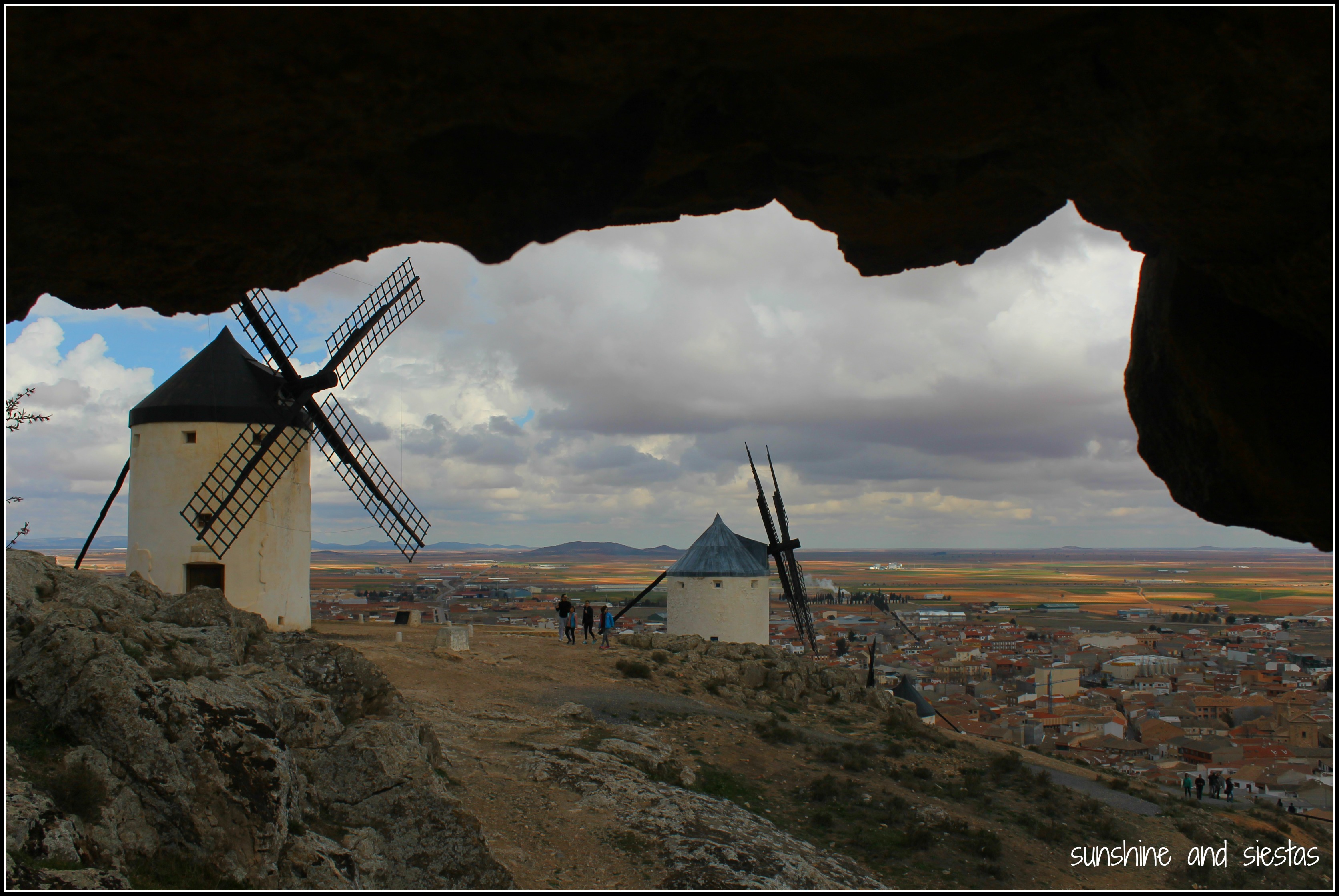
Molinos de Consuegra

In high school, I remember thinking Don Quixote was a fool, a haggard old man with pájaros en la cabeza who should have listened to his trusted Sancho Panza. Feeling very much like a pícara myself at this moment, I had a car ride to reflect on things and my somewhat failed mission to fulfill a teenage dream.

After a few weeks that could very well change the Spain game, I couldn’t help thinking that the old man had a few things to remind me: about perspective, about the clarity in insanity and that failure is also a means to a happier ending.
EXHIBITION

Have you ever seen the windmills at Consuegra?

Things to Do in Madrid with Kids: the best activites for all ages

Updated November 2025 – with kids in tow.

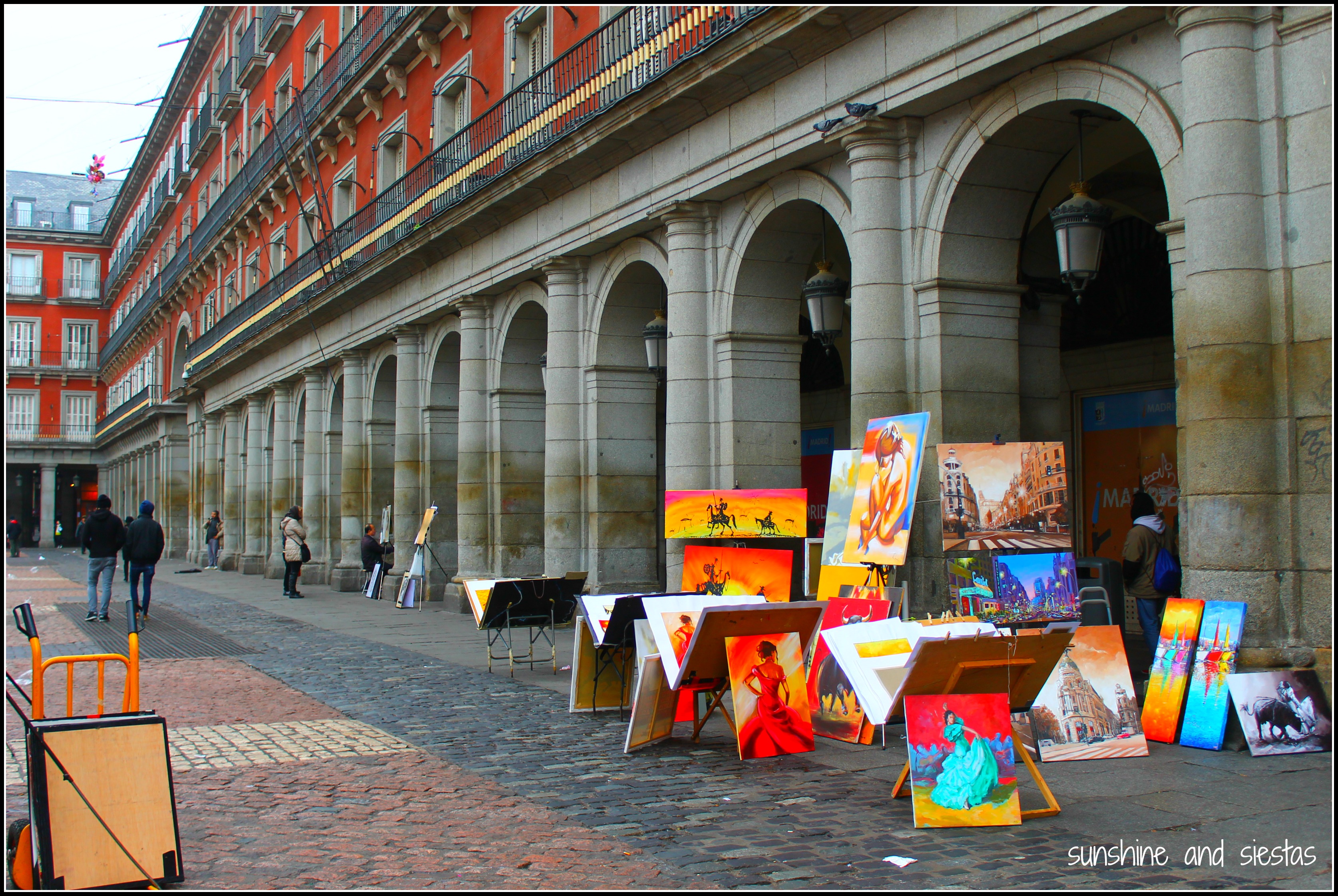
It’s no secret that Madrid is one of my favorite cities to visit – I love the energy, the options and the closest a Spanish city can come to my native Chicago. But it can get overwhelming as a capital city (and one of the largest in Europe!), and even more so for children. We chose to leave Madrid to head back to Seville in 2019, coinciding with the birth of our second son, but I truly love bringing my elementary school aged children to the Spanish capital often.Madrid Plaza Mayor

We love to check out what’s on during our frequent trips to Madrid, from new parks to temporary museum exhibits. And thanks to Spain’s attention to families, there is literally no shortage of things to do with kids in Madrid.

Where can I find ideas of what to do in Madrid with kids?

Start with Madrid’s official tourism page. You’ll find curated lists for family-friendly activities, ideas of what’s on and links to buy tickets. You can also drop by the tourism office in Plaza Mayor, a great place to visit in its own right.


Top things to do in Madrid for children up to 5 years old

Admire animals at the Madrid Zoo Aquarium (Casa del Campo. M: Casa del Campo, L5, L10)

This is not your ordinary zoo or aquarium, and your children will love to see animals roaming about without any chains or wiring. Conentiently located in Casa de Campo – a wonderful green lung not too far from the Royal Palace – the Zoo Aquarium is located within the city limits and on public transportation lines. The animals are mostly kept separate from the public by moats filled with water (and some that are not). There are more than 500 different species of animals who call the zoo home, including many animals native to the Iberian peninsula. The Zoo is making efforts at conservation to build populations of animals like the Iberian Lynx and Iberian Hawk.

  • Hours of operation: Weekdays 11:00 a.m. to 5:00 p.m., weeeknds until 7:00 p.m. Longer hours may apply seasonally and on local holidays.
  • Ticketing: At the ticket office, but far cheaper online and prices vary by day; Adults and children 8+ are 19,90€, kids 3-7 are 16,95€ children under 3 are free. Check online for promotions and discount days.

If you’re willing to go a bit further afield, you can also check out Faunia (Avenida de las Comunidades, 28, M: Valdebernardo, L9) in the Vicálvaro neighborhood to the south. This could be an option if your kids are various ages, and kids will pay by height but are comparable to the Zoo Aquarium.

Eat chocolate con churros at Chocolatería San Ginés (Pasadizo de San Ginés, 5. M: Sol (L!, L2, L3) or Ópera (L2)

best churros in Seville

What kid can say no to fried dough? San Ginés is a Madrid institution that is open around the clock and serves up golden,crispy churros to be dunked in warm, liquid chocolate. This is one of the few places to get both porras or churros, and the former is typical breakfast fare for a madrileño.

If you’re staying outside of the Gran Vía area, simply follow the smell to your nearest churrería to take away. You typically order by the number of units that you want, so it’s a good way to practice your números. You can also get San Ginés on food delivery apps, but where’s the fun in that?

  • Hours of operation: Open 24 hours
  • Cost: A ración (6 churros or 2 porras) will run you 5,20€.

Visit Ratoncito Perez’s house (Calle del Arenal, 8. M: Sol (L1, L2, L3 and Cercanías trains)

Book online and book early! The spots fill up fast – even on weekdays.

  • Hours of operation: Weekdays from 10:30 a.m. to 2:30 p.m. and 4:30 p.m. to 8:30 p.m. Weekends and holidays 10:30 a.m. to 8:30 p.m.
  • Cost: 7€ per person. Book via whatsapp.
  • Note: ages 3+

Explore Madrid’s sozens of parks and gardens


You’ll surely know El Retiro, Madrid’s mythical green lung in the neighborhood of the same name. Check out the hidden playgrounds and shaded spots for picnics, or grab a bench near the arifical lake for people-watching. But don’t stop there – small pockets of green can be found everywhere, and you’re sure to find a spot to sit and have a coffee or glass of wine while your kids run themselves ragged. (M:

My kids always make a stop a the recently renovated Plaza de España (M: Plaza de España, L3). Think rope swings, towers to climb and places to hide for an epic game of Hide and Seek. Another great space for families is Madrid Río, home to biking trails, a splash pad for summer visits and 17 playgrounds scattered along the 7km park and a weekend puppet show near the obelisque (M: Marqués de Vadillo, L5, or Puerta del Ángel, L6).


Top things to do in Madrid for kids ages 5-10

My kids (6 and 8 year old boys) are at the perfect age to enjoy Madrid: still small enough to enjoy parks and playgrounds but now mature enough for cultural exhibits and workshops at museums and cultural centers. We make it a point to visit something new every time we go to Madrid – and we still have endless ideas!

Visit the Natural Science Museum (Calle José Abascal, 2. M: Gregorio Marañón, L7 and L10)

Natural History Museum

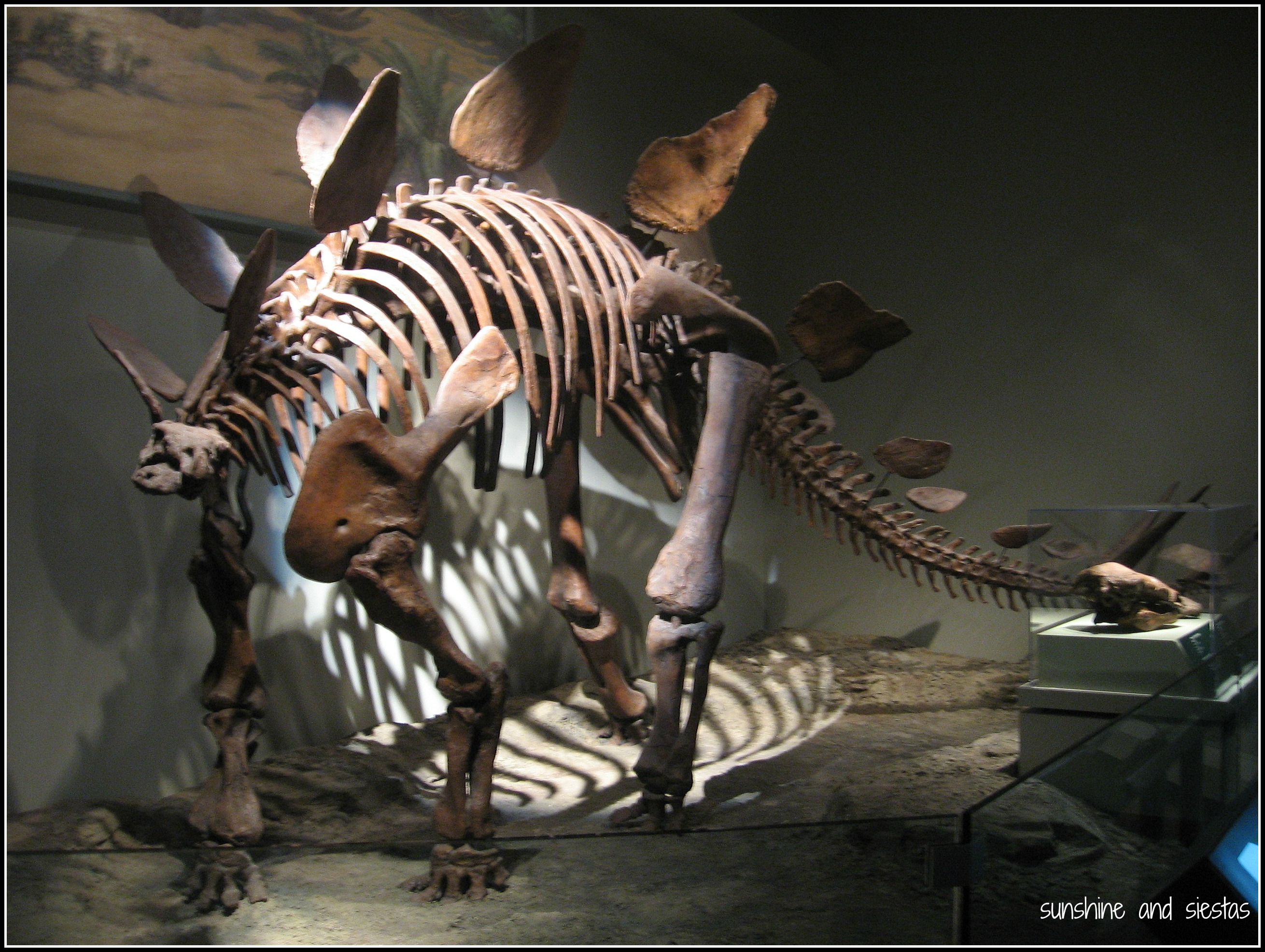
A great destination for children and adults alike, given Spain’s long history. Kids are bound to enjoy all of the dinosaur fossils, while parents tend to take in the extinct animal specimens – there are 6,000! There are three separate zones to choose from and a plethora of activities that are geared specifically toward children. Parents can bring their little ones to educational workshops and have some free time to enjoy the remainder of the museum – we lived nearby when my eldest child was a toddler, and the museum was one of our favorite rainy day activities.

  • Hours of operation: Monday to Friday 10:00 a.m. to 5:00 p.m. Weekends and holidays, 10:00 a.m. to 8:00 p.m.
  • Cost: General admission is 7€, kids 4-16 are half price.
  • Note: Museum is closed Mondays. If you need another rainy day activity, the Museo Geominero is a 10-minute walk up Calle Rios Rosas.

Museo del Ferrocaril and Metro de Madrid museums

Anyone else’s kids obsessed with anything that moves? Exactly.

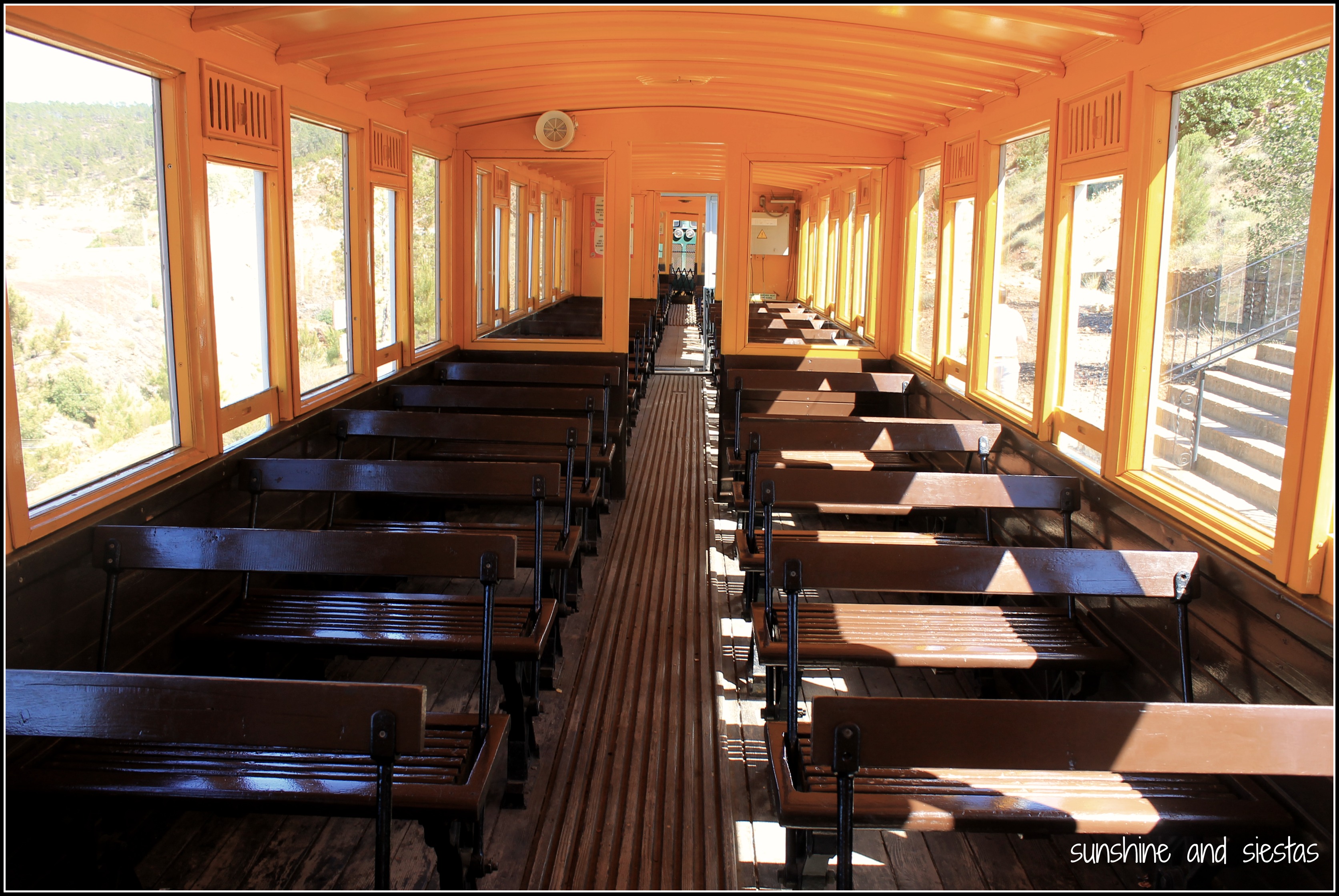
Touristic Train of Riotinto Huelva

Kids from 3+ will love the various museums sprinkled around the city that speak of Madrid’s railway prowess and its incredible subway system. Start at the Museo del Ferrocaril (Paseo de las Delicias, 61. M: Delicias, L3,  or Palos de la Frontera, L3). There’s a small museum, but the true highlight is the covered Delicias station, home to half a dozen locomotives that speak to Spain’s rail history. Kids can climb aboard a few of them!

  • Hours of operation: Times vary by season. From October to May, the museum is open weekdays from 9:30 a.m. to 3:00 p.m., Saturdays from 10:00 a.m. to 7:00 p.m, and Sundays from 10:00 a.m. to 3:00 p.m. In the summer, daily from 10:00 a.m. to 3:00 p.m.
  • Cost: In situ or online. 7€ adults, 4€ for kids; under 3 are free.
  • Pro tip: If you visit the Mercado de Motores artisan market on the second Sunday of the month, you can enter the train pavillion at the Ferrocarril Museum for free!

The Metro de Madrid also hosts a few small museums, and they’re a treat – and free! Check out the Pácifico (L1) engine shed to see old trains or marvel at its modernist lobby, take a guided tour of the “ghost” station of Chamberí (must reserve in advance; My: Iglessia, L1) or check out the Metro’s history museum in the Chamartín station (L1, L10). Kids can grab a Metro passport in any of the aforementioned stations and mark off the sites as they go before getting a reward, redeemable at the Ópera, Sol or Plaza de Castilla Metro Stores.

Museo Nacional de Arqueología (Calle de Serrano, 13. M: Colón, L4, Retiro, L2 or Serrano, L4)

Trace the history of humanity and civilization over three floors at Spain’s recently renovated National Archaeology Museum. My 3rd grade spent three hours exploring the expansive museum, home to some of Spain’s most treasured artifacts. My six year old enjoyed the hominids, mummies and a bag of potato chips at the museum café.

  • Hours of operation: Open Monday-Wednesday from 9:00 a.m. to 2:00 p.m. and 5:30 p.m. to 8:30 p.m. Thursday, Friday and Saturday from 9:00 a.m. to 8:00 p.m.
  • Cost: 3€ adults, free for children. You can buy right on site upon arrival or online.
  • Pro tip: check out the museum bookstore for historically-focused books and games for kids!

Mercado de la Cebada (Plaza de la Cebada, s/n. Metro: La Latina, L5).

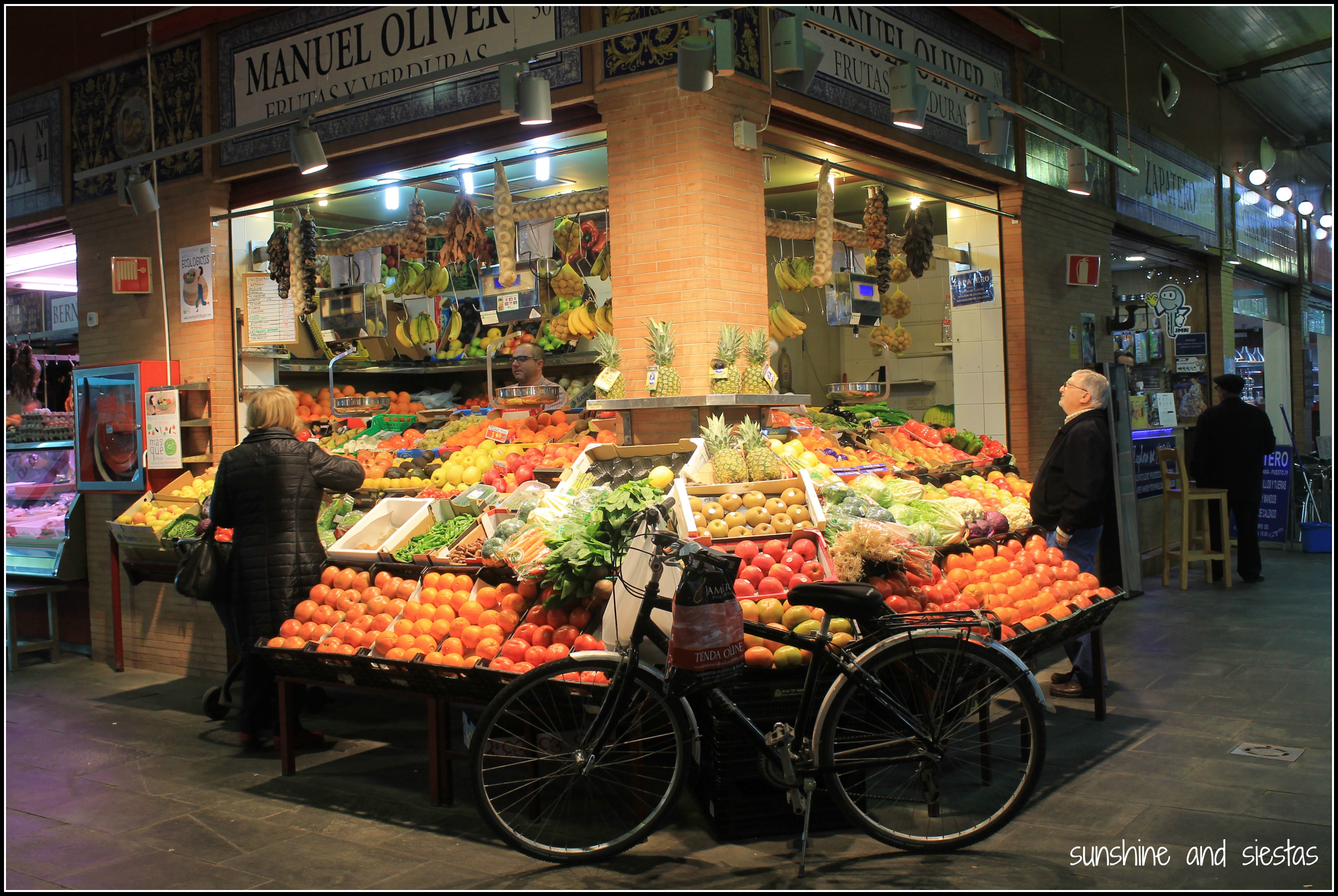
Fruit stands at the Mercado de Triana food market

A staple of the La Latina area, this market is a delight for kids. Stalls hocking products from mundane to wacky as well as indoor eating areas make it a great stop for nibbles. There are always local kids running around the market or the playground right in front, and it’s one of my preferred alternatives to the touristy Mercado de San Miguel.

  • Hours of operation: Open Monday-Wednesday from 9:00 a.m. to 2:00 p.m. and 5:30 p.m. to 8:30 p.m. Thursday, Friday and Saturday from 9:00 a.m. to 8:00 p.m.
  • Cost: only what you consume.

Circo Price (Ronda de Atocha, 35. M: Embajadores, L3, or Atocha, L1 and all Cercanías lines)

Forget the animal circuses: Circo Price is the long-runnign favorite of madrileños, bringing acrobatics to a small, intimate theatre experience. You can also catch classes and workshops here – perfect for literally everyone in your family.

For shows, prices and more, check their website.

Check out the programming at Cuarta Pared, Teatro Sanpol and other children’s theaters

Madrid’s multitude of children’s theaters provide a wonderful entertainment for the child who enjoys plays and musicals – and the city is famous for theatre. The shows are typically put on during weekend mornings and tickets cost far less than most adult activities. Teatro del Arte and La Escalera de Jacob also stage their own shows for children and you’ll have a wide range of magic shows, funny stories and puppet based performances to select from! You can find shows and workshops on Teatro a Teatro‘s interactive guide.

Bonus ideas: the observation deck at the Corte Inglés Gourmet Experience or the Torre de Moncloa, rotating exhibits at CaixaForum, visiting the endless cominc book and vintage stores in Malasaña.


Top things to do in Madrid for kids ages 10 and up (including the kid at heart!)

Parque Warner (Cercanías C-3 to Pinto and bus 413 to the park)

What’s a vacation without an amusement park? Parque Warner is a wonderful destination for the child who loves cartoons, as all of their favorite Looney Tunes characters will be roaming around and signing autographs. If your kid is more of daredevil type, they will have six different roller coasters to choose from. Water rides are available too, and of course, there are a multitude of gift shops. Theaters and workshops provide visitors with a number of different shows to choose from as well. The park is located 25 kilometers south of Madrid and package deals are the best way to save money.

  • Hours of operation: vary by season.
  • Cost: Always book online, when possible, as you can save up to 50%. General admission (140cm and up) is 61.90€, Junior (100-140cm) is 32,90€ and kids under 100cm tall are free.
  • Tip: check local discount sites as well as PW’s web for deals and discounts. If you’re coming from out of town, there are stellar deals on accommodations and food if you book.

Check out the entertainment options at Xanadu Mall (Autovía A-5, salida 22, Arroyomolinos)

If you’ve got a car or are willing to go a bit out of your way, the Xanadu mall boasts tons of things to keep older kids busy. Think a small skill hill, endless Spanish fashion brands, food court, a bowling alley and even a small aquarium. Xanadu is about 25 minutes south of Madrid on the A5 highway.

  • Hours of operation:
  • Cost: varies depending on your activities.

OXO Videogame Museum (Plaza del Callao, Postigo de San Martín, 8. M: Callao, L3 and L5)

My kids moved from moving things (and their bodies) to being video game crazed really quickly. I’m excited to take them to OXO, a video game museum/arcade right off Gran Vía. From old school machines that we played in pizza parlors back in the 90s to endless Legos and temporary exhibits and workshops, I’m sure I won’t be able to get them out.

  • Hours of operation: Open daily from  11:00 a.m. to 10:00 p.m.
  • Cost: General admission is 21€, kids 5-13 are 16€, and family packs (2 adults + 2 kids) are 17.50€ a person. Prior reservation recommended.

Alternately, you could consider board game cafés like La Manuela in Malasaña (C/ San Vicente Ferrer, 29) or Replay Boardgame Café (C/ de la Ribera de Curtidores, 26, Local 3).

Walk in the footsteps of Real Madrid giants at the Santiago Bernabeu Tour (entrance is at Calle Concha Espina, s/n, M: Santiago Bernabeu, L10)

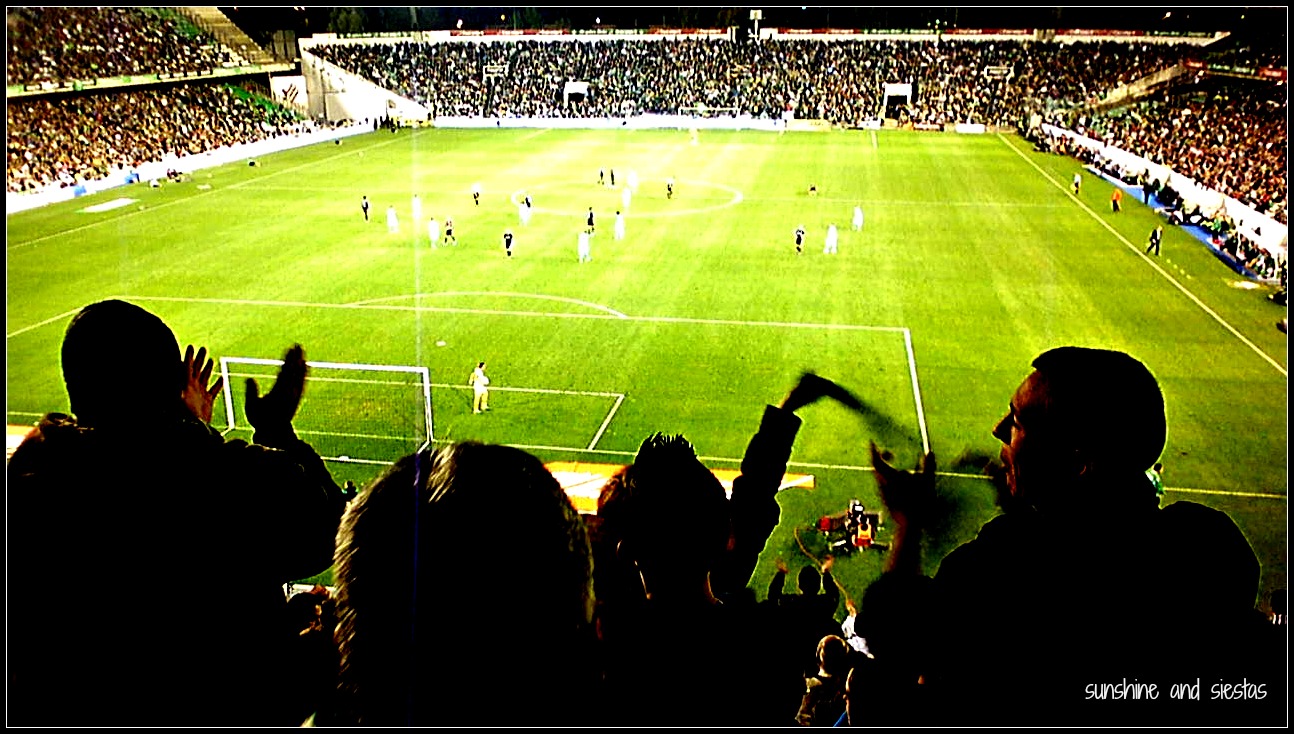
attending a spanish soccer match real betis

Football fans – madrista or not – will enjoy the recently renovated Santiago Bernabeu stadium tour, home to Madrid Fútbol Club. You’ll see spaces where Spanish soccer legends have trained, learn about the history of one of Spain’s most successful clubs and view the endless accolades. It can’t be missed for fans!

  • Hours of operation:
  • Cost: From 35€ online. You can also bundle experiences, like a guided tour or a game.
  • Tip: Do check online for game days, as some areas of the tour may be off-limits to visitors.

I, personally, enjoyed seeing Taylor Swift at Bernabeu but will stick to my hometown arena in Seville!

Take selfies at IKONO space (Calle de Sánchez Bustillo, 7. M: Estación del Arte, L1) or Sweet Space (Calle de Serrano, 61. M: Núñez de Balboa, L5, L9 or Rubén Darío, L5)

Your selfie-loving teen will have a blast at these spaces, designed for photos and goofing off.

IKONO:

  • Hours of Operation: Daily from 10:00 a.m. to 10:00 p.m.
  • Cost: from 15€ and more expensive on the weekend. Get your tickets online.

Sweet Space

  • Hours of Operation: Daily from 11:00 a.m. to 1:30 p.m. and 3:30 p.m. to 8:00 p.m.
  • Cost: from 15€ and up for adults, 12€ for kids 4-12. Free for children up to 3. Get tickets here.
 

Where to eat with kids in Madrid: some of our favorite places

food offerings at mercado lonja del barranco sevilla

My kids know that going to Madrid to visit family means plenty of eating out, and they often get to choose where. Madrid has every cuisine you can imagine, plus plenty fo fast food options. If your kids are adventurous, you can really go nuts here: grilled pig ear, squid sandwiches or sheep brain. Or, stick to tortilla, croquetas and montaditos de lomo, because hangry kids are grumpy travelers.

  • VIPS is always a big hit because their menu is extensive and rotates – it almost feels like a sleeker American diner. Apart from standard fare like burgers and sandwiches, you can usually get a half slab of ribs before a stack of pancakes or milkshake. Some VIPS also have a small kid’s corner with some games, and they pass out crayons and some coloring papers with the kids menu. Service can be slow and I find most VIPS to be dead zones for cell signal, so don’t expect to park the kids in front of a screen here. Closet to the center is at Puerta del Sol 3, or Calle Alcalá, 23, but you can find them around the city.
  • Bar Loreto (Calle Hartzenbush, M: San Bernardo, L2, or Quevedo, L1, L4) is a frequent stop, too, as it’s within walking distance of our home base in Malasaña. While it’s not extremely kid friendly, it’s on a quiet street off of Fuencarral, and each drink comes with a montruous plate of food. They serve a lot of kid-friendly bites, and their menú del día is heaping and cheap.
  • My kids are big croquetas fans, and Bodegas Rosell (Atocha / Estación del Arte, L1, or Palos de La Frontera, L3) is right around the corner from Uncle Alvarito’s house and the Puerta de Atocha train station. They’re famous for their croquetas, so don’t skip it if you’ve got a train right around lunch or dinner time!

Don’t skip plaza life, either! One of Spain’s national treasures is the park-bar combo. Local families snag a table at an outdoor eatery near a playground so that kids are entertained and parents can actually eat their food warm. We pop down to Plaza Dos de Mayo (M: Fuencarral, L1 and L10) and camp out at Madriz for some apertivos, but there are two pizza places anchoring the expansive square, as well as a few other places to nip in for a bite. Come early – these are prime real estate! Other ideas are Plaza de Olavide (M: Iglesia, L1), where restaurants ring a spacious plaza with fountains and playgrounds, or Plaza de Santa Ana (M: Sol, L1, L2, L3 and Cercanías trains) near Puerta del Sol.

Five Things to do in

What do you do with kids in Madrid?

If you liked this post, you can consider purchasing it on GPSMyCity, a GPS-enabled tour guide that’s available offline. Your euros go right back to helping this site stay up and running! I’ve also got a post on what to do with kids in Seville.

On Pessoa, Portuguese Cuisine and Hidden Tastes: a Food Tour with Taste of Lisboa

The prolific Portuguese philosopher and writer Fernando Pessoa had no less than 80 heteronyms, facets of his personality re-imagined as thinkers and poets in his most notable works. And from his home in Campo de Ourique, where he lived on the last decade-and-a-half of his life, he explored the many sides of human life.

lisbon poets

And for someone who knew very little of Portuguese food outside of pasteis de Belem and mil manheras of serving cod, a historical food tour with Taste of Lisboa introduced me not only to Pessoa and his neighborhood, but of the multi-faceted nature of Portuguese cuisine from the very district where food trends are born.

Warning: no bachalau or custard tarts were consumed on this tour.

Climbing the historic Tram 28’s route that snakes through Graça, Alfama, Chaido and Estrela, we left Tourist Lisbon on six of the city’s seven hills and climbed higher on Colina Saõ Roque towards Campo de Ourique and the Prazeres Cemetery. Aptly named the Cemetery of Pleasures, our three-hour tour would begin here and wind us around to taste some of Lisbon’s most pleasurable treats.

Historic Tram 28 Lisbon

Lisbon and I have had a complicated relationship since 2007, when I struggled to understand the city’s vibe, its colorful history and why everyone seemed to love it so much. My country list then could be counted on two hands, and I had yet to learn how to be a savvy traveler. This meant far too many pastries and far too much money spent at mediocre touristic restaurants near Baixa. A second trip in 2011 was plagued by rain and that too-long-to-look-up-its-name volcanic eruption. Tiled homes, an empty hillside castle and Sagres imperiales were my biggest takeaways from Spain’s westernly neighbor.

Campo de Ourique was sleepy on a Tuesday morning as shops opened a few minutes past the hour and locals crowded into cafes for an espresso to accompany their flaky pastries. We got off a stop too early, giving us time to wander the parish’s main thoroughfares before meeting Filipa, a Lisboner and lifelong foodie who began Taste of Lisboa two years ago.

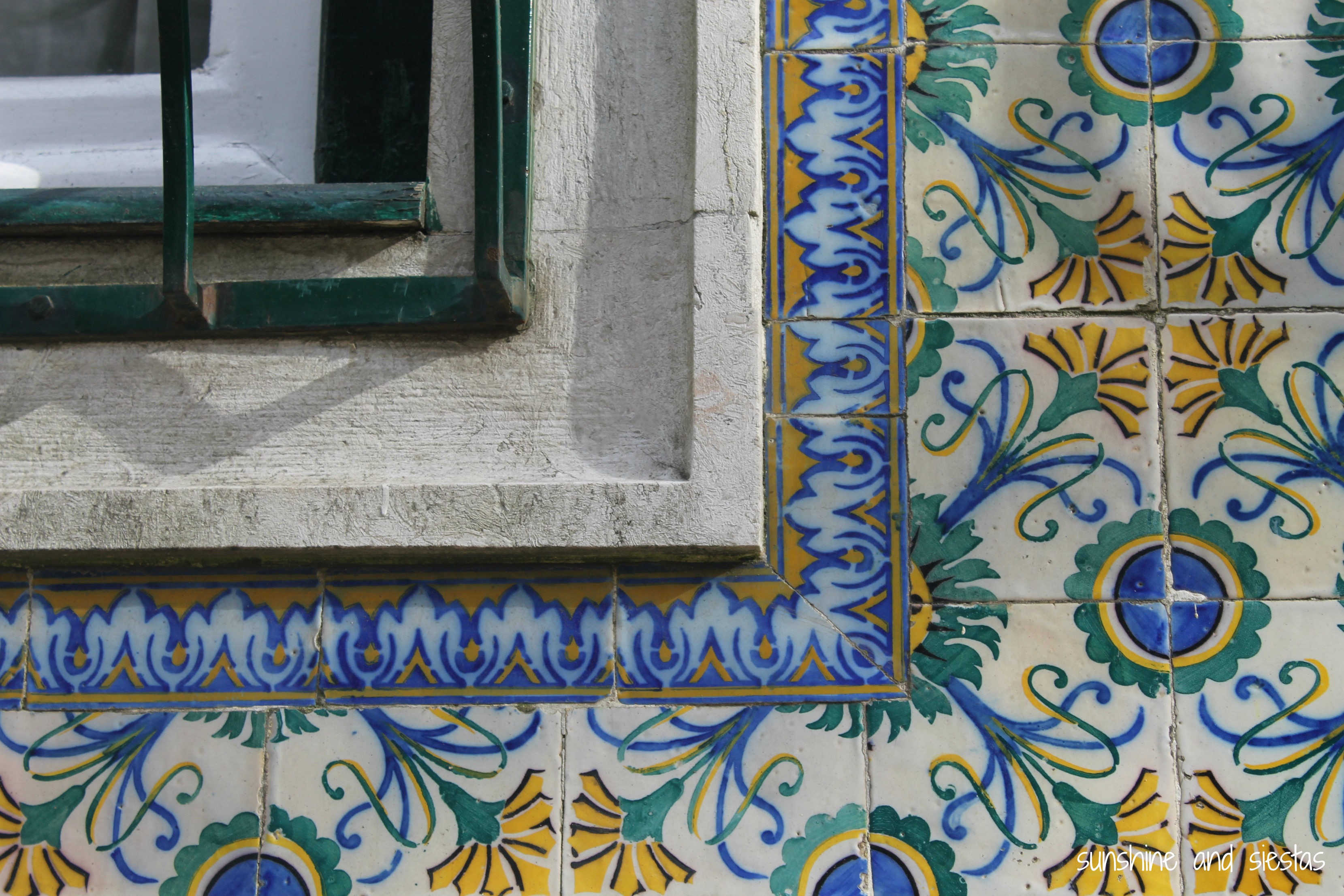
portuguese tiles

Like all food tours, there is an exchange of pleasantries. Where are you from? How did you hear about the tour? Oh, you blog and we have friends in common? I’d been told of the friendliness of the Portuguese, and with a wink and a few jabs at Spanish cuisine and culture, Filipa became a foodie friend.

The location for a food tour was no accident, though we’d picked it for its minimal walking – Campo de Ourique, a historically upper-middle class district considered a city within a city, bustles with concept restaurants, budding chefs and a part-market, part-international food haven sat squarely in the middle. From the start, I was surprised to find that cod had been left (mostly) off of the menu, anda sweet treat was up first.

“Unlike the Spaniards, we are quite humble when it comes to our cuisine,” Filipa stated, looking squarely at me. “But this is not something we claim for our sweets. Our chocolate cake is the best in the world.”

Where to find the best chocolate cake in Lisbon

The small pastry shop, imaginatively named O Melhor Bolo de Chocolate do Mundo, had just two round tables and eight chairs for our group of 11. I am one of those foodie anomalies – gasp! I don’t like chocolate! – but as the creator of the world’s best chocolate cake, Carlos Braz Lopes, turned up in the shop, I eagerly shoveled it into my mouth.

With a espresso cup of port wine on the house, we toasted what could be the best slice of cake I’ve ever had, layered with bitter chocolate and meringue. Portuguese custard and egg sweets may be known worldwide, but I was astonished at the complexity of a simple cake made from six ingredients that had been created by a former businessman with a killer sweet tooth (psst! There’s a shop in Madrid!).

Enjoying a food tour in Lisbon

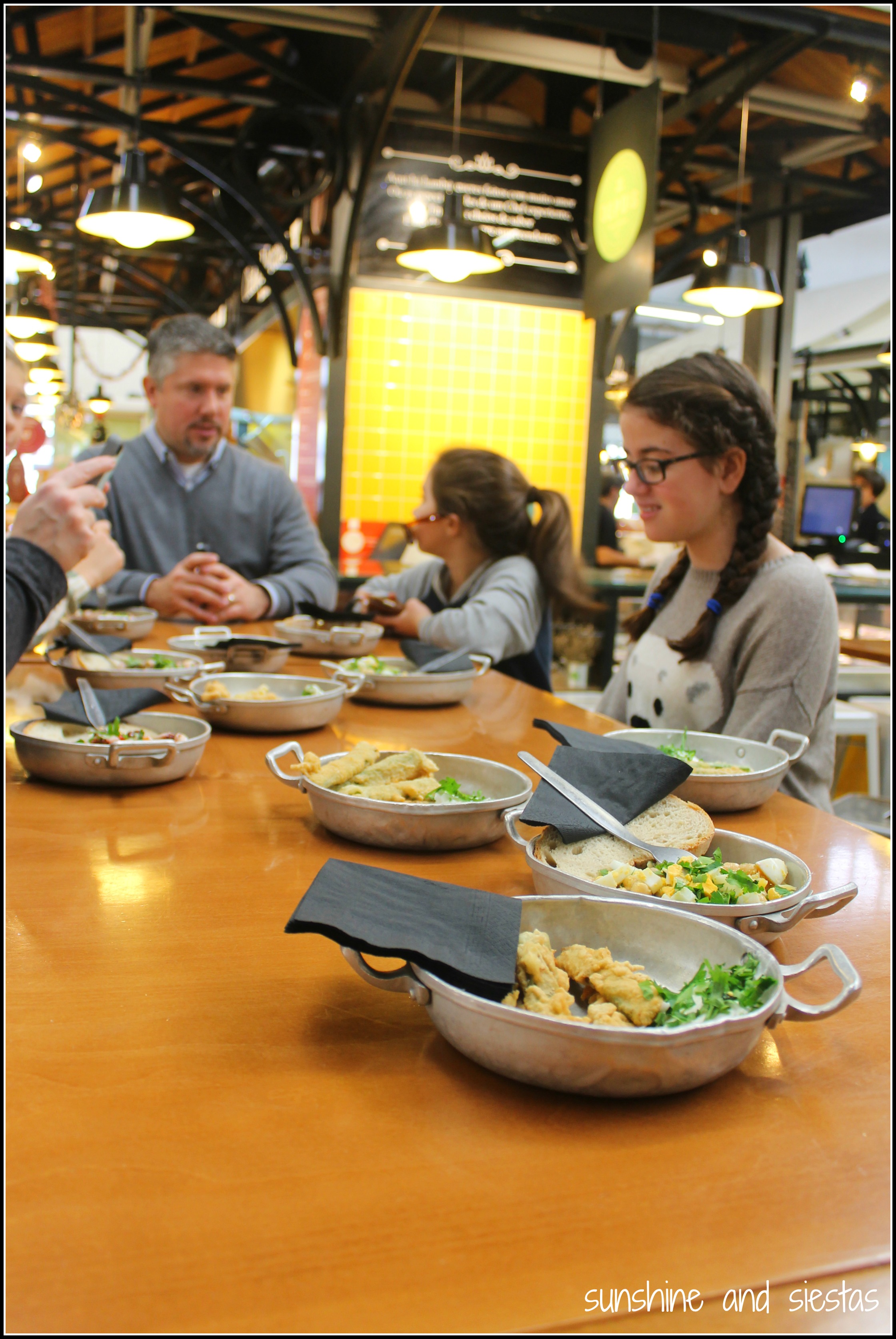
Just across the street is the newly remodeled Mercado de Campo de Ourique, a fusion of traditional Portuguese cookery and fare with a fish and vegetable market. Tile-lined food stalls ring the perimeter, with high tables and stools occupying the center, much like Madrid’s Mercado de San Miguel. For someone who shops in a market regularly, I was drawn to the food more than the googly-eyed fish near the entrance.

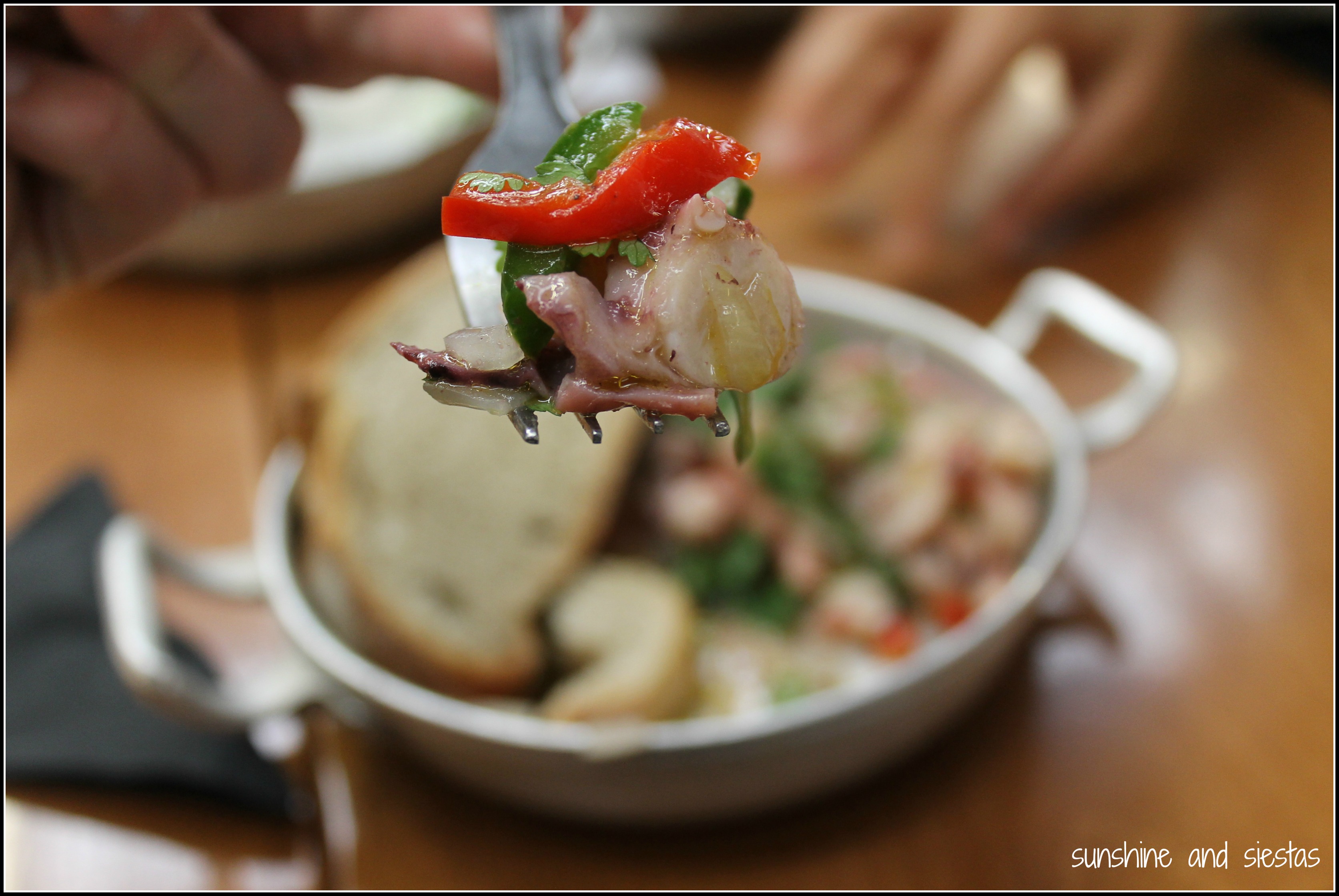
Filipa brought us right to the salads stand. As Catholics and a people whose history is rich with seafaring explorers and far-flung colonies, Portuguese food combines ingredients from all over the world, making Spanish stews and legumes seem rudimentary and almost convoluted. Even the octopus salad I ordered brought out new flavors from one of my go-to summer dishes, flavored with a touch of cilantro and sweet red pepper instead of tomatoes.

marinated octopus salad

We ordered several dishes, all with a legume and fish base, like black eyed peas with flaky cod and tuna. As the food cooked, we sampled fried pork skin laced with black pepper, leitão à bairrada, and learned the origin of convent sweets – an abundance of eggs and flour plus sugar-hungry, bored nuns.

Perhaps the biggest surprise were the peixinhos da horta, or the small fish of the garden, green beans fried in tempura, another Portuguese invention born out of the Lenten tradition to abstain from meat. Tempura itself was created here, though perfected in Asia.

Portuguese craft beer

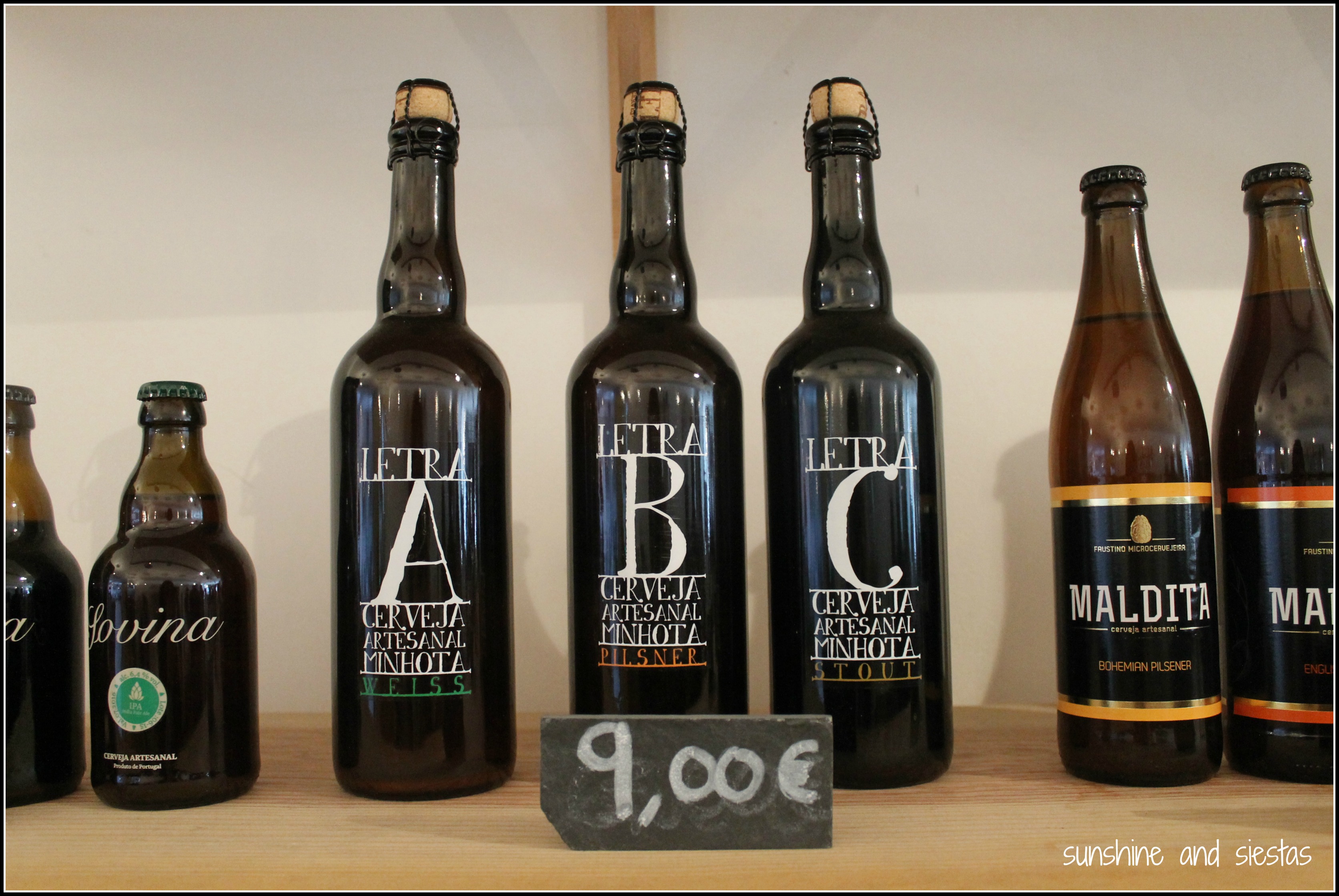
Mussels were next on the list, and Filipa led us to a concept bar where there’s little else on the menu but the clams and craft beer. Like Spain’s recent craft beer explosion, small batch breweries are elbowing into Sagres’s cornered market while producing not only great flavors but sexy marketing and names that poke fun at gluttony and excess.

Mussels (Moules) in Lisbon

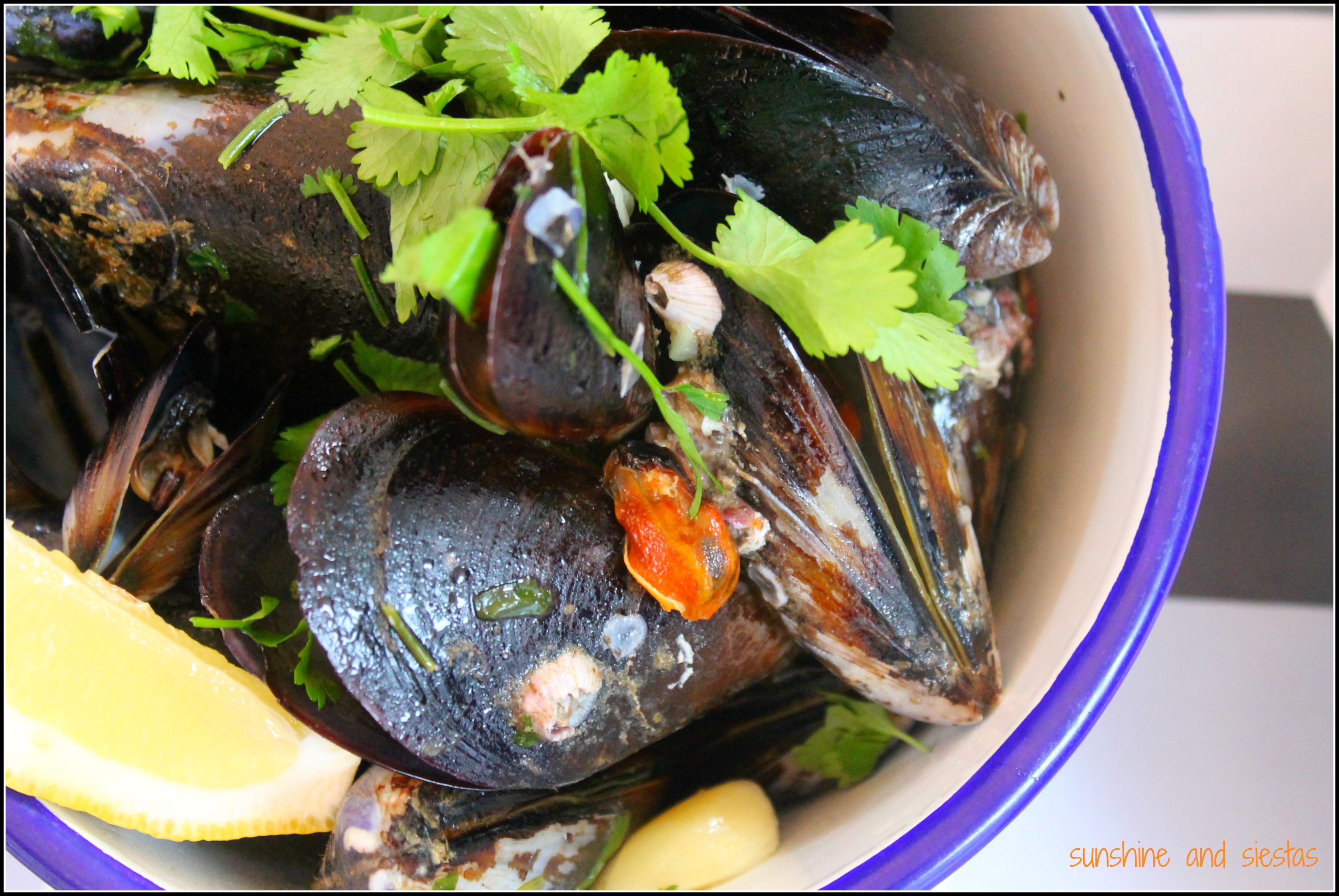
And then there were the mussels themselves, cooked in butter and full cloves of garlic and seasoned with cilantro and a bit of lemon. Normally one to pass up the mollusks in favor of altramuces or boiled shrimp at a cervecería, I bravely took the first two bites to remind my family that half the fun of traveling is trying new foods.

The buttery flavor against the salty squish of the orange flesh added a different dimension to the mejillones I’d tried and quickly dismissed in my early days in Spain. I dug in to the brimming buckets, happy as a clam (pun intended) to have some time to visit with the other two American families who had joined us. The three young girls between them – no older than 12 – were pulling apart the had, shiny shells and slurping the mollusks down between sips of water.

Pessoa was a man of fine wine and ginjha, a cherry liquor served in nondescript, closet-sized bars. A Brasileira, the Cafe Irún to Pessoa’s Hemingway, is one of Lisbon’s oldest and most beloved cafes, and Pessoa is rumored to have sipped bica, espresso with sugar, and absinthe here with the occasional wine.

“Life is good, but wine is better,” he said of his love of the drink.

Foodie Experiences in Lisbon

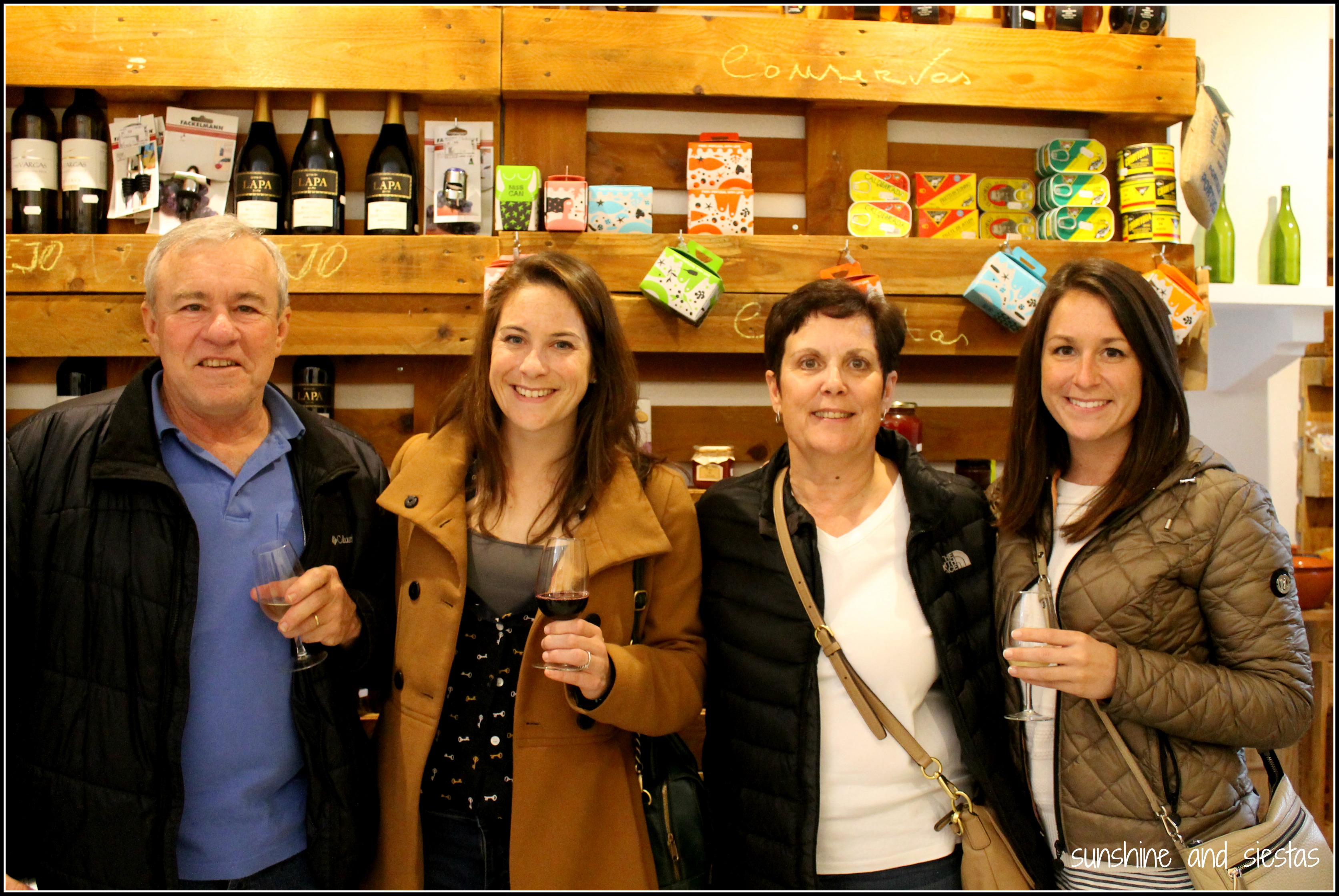
I’ve long enjoyed port wine and the vinhos verdes, or young wines, cultivated in the Minho province. Filipa took us next to taste different wines from the country’s 2700 hectares of vineyards. In true neighborhood shop fashion, locals can bring their own bottles or wine glasses, try a few varieties, and then bottle up and take home their favorites.

Paired with a strong cheese and quince paste, even my mother enjoyed them.

cod fritter and naughty rice in Lisbon

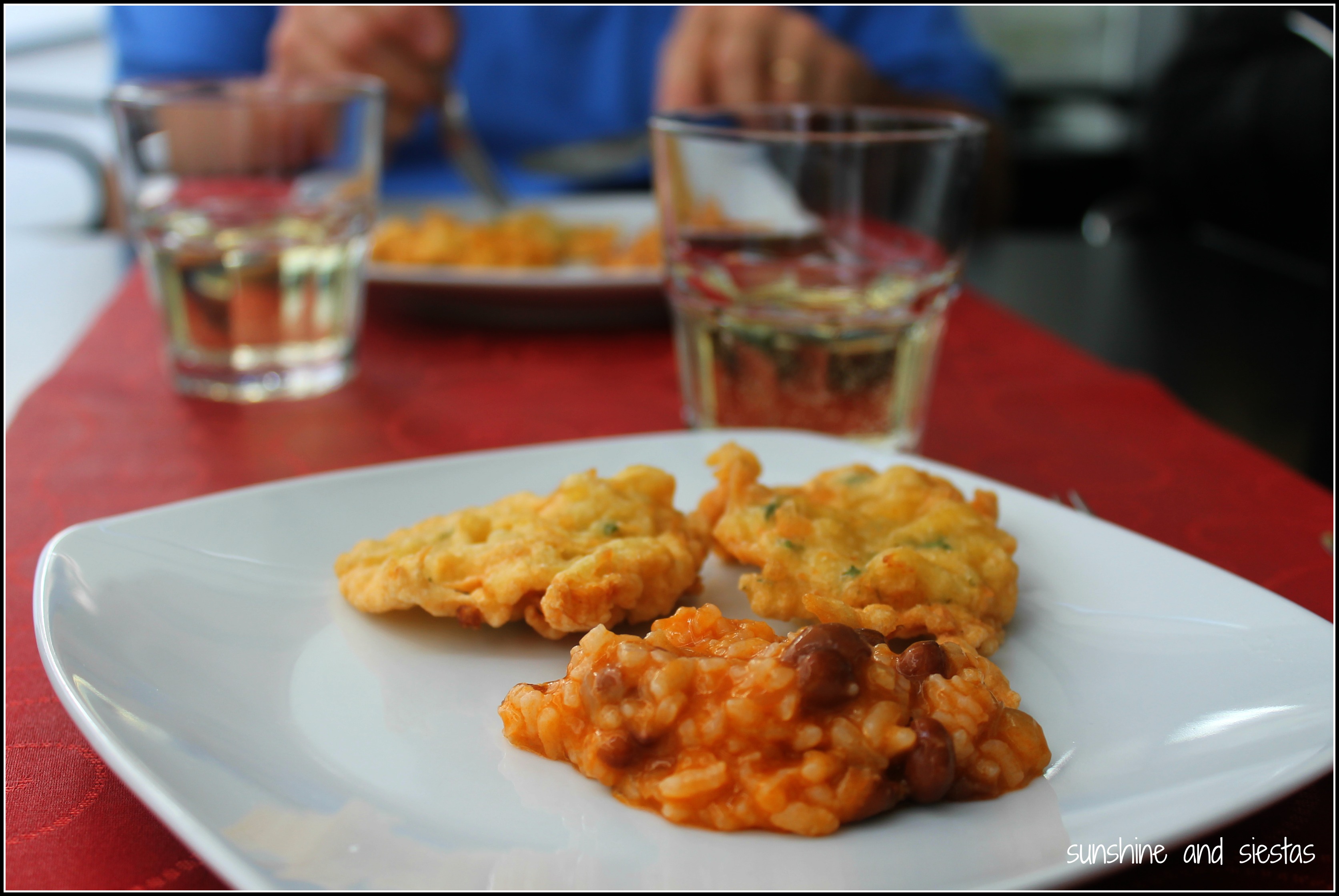
The next stop had us in front of Pessoa’s last residence, right in the heart of Campo de Ourique. Crumbling buildings covered in tiles sandwiched the small museum, housed in an apartment complex, and its award-winning restaurant, which served us cod fritters (they were, sadly, forgettable, so excuse the claim that I ate no cod on the tour) and a creamy rice with another glass of wine.

Having consumed several dishes by this point and being in the very place where Pessoa’s landmark book, Disquiet, was found after his death, I had a completely different perception of Portuguese food and its intricacies. Like a human being, its relationships as much as its evolution and environment make it what it is, and different situations call for a multitude of adaptations.

Portugal’s tangled history is perhaps the cuisine’s biggest element, but there is much more than meets the eye – and stomach, for that matter.

spongecake Lisboa style

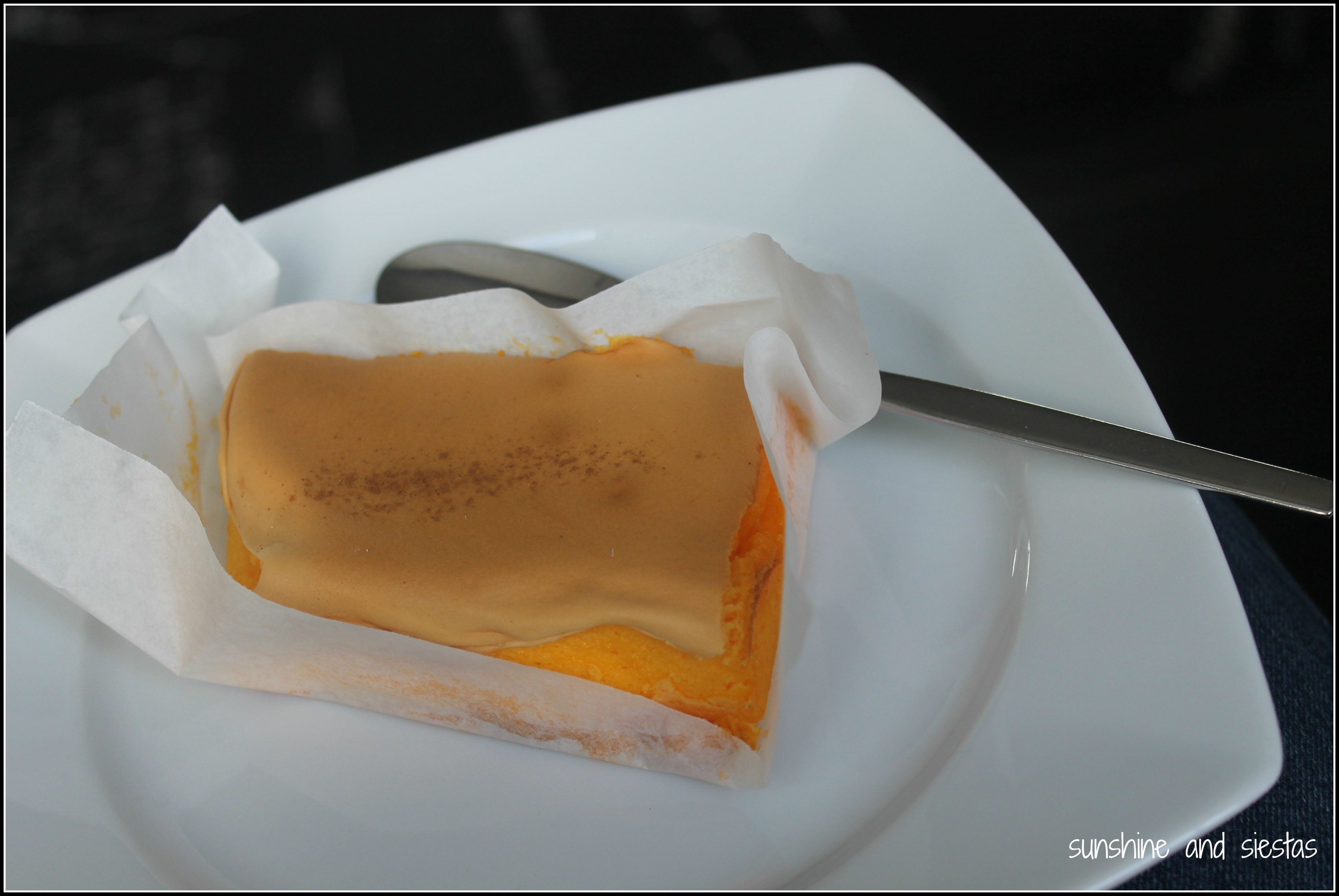
Campo de Ourique had one more dish for us to try, this time in the city’s hospitality school and concept restaurant. Just as we’d started the day with sweets, we’d end with a spongecake, pão de lo, made with nothing more than yolks, flour and sugar.

Proving once more that I knew absolutely nothing about Portuguese food, my spoon sliced into the toasty top of the cake, cutting into a creamy, spongy substance that in no way resembled the sponge cake I’d made as a kid for summer picnics. I scraped the waxy paper holding it all together, eager for the last few sticky crumbs.

Fernando Pessoa once said, “I have no philosophy: I have senses.” And I think I just found mine when it comes to tastes and food prejudices. The tour was more than just a way to spend a few hours with my family and share my travel style with them (and making Christmas shopping a one-gift production).

Lisbon and I had finally found a common ground: good food.

Taste of Lisboa Food Tours

I paid my own way on the Taste of Lisboa Food Tour; all opinions are my own and do not reflect a collaboration between SandS and Taste of Lisboa or any of its affiliates. You can find out more about Filipa’s food tours and courses on Taste of Lisboa’s website.

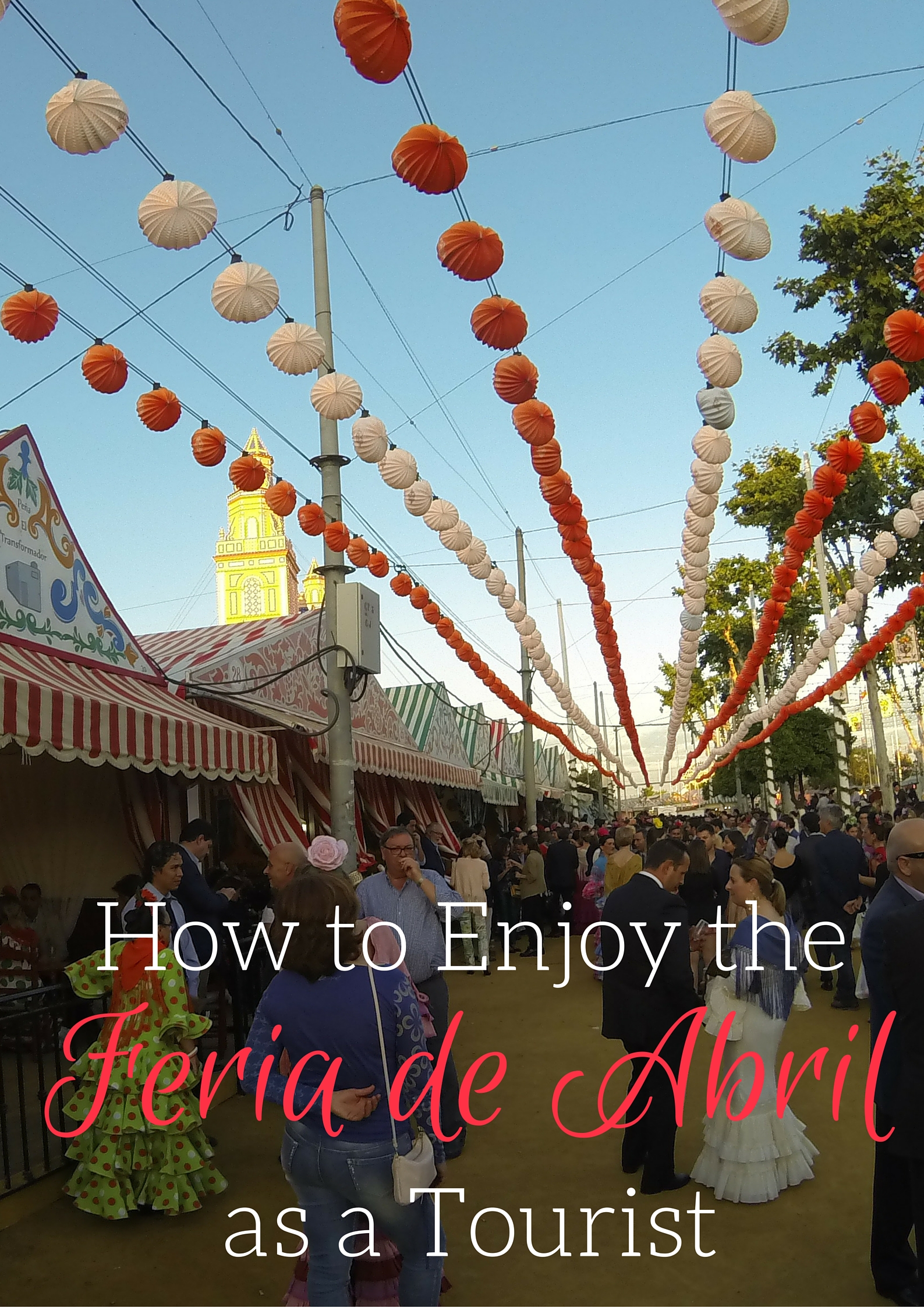
Preguntas Ardientes: Can I Enjoy the Feria de Abril as a Tourist?

The azahar bloomed while I was away. Even in Valencia, home to the famous oranges of the same name, the smell was cinged off by firecrackers and smoke during Las Fallas. And as I watched a gigantic Merlin burn from a towering statue to a small pyre, marking the end of my first Fallas, my next thought was immediately on the next big event: the Feria de Sevilla.

Sunshine and Siestas at the Feria de Abril

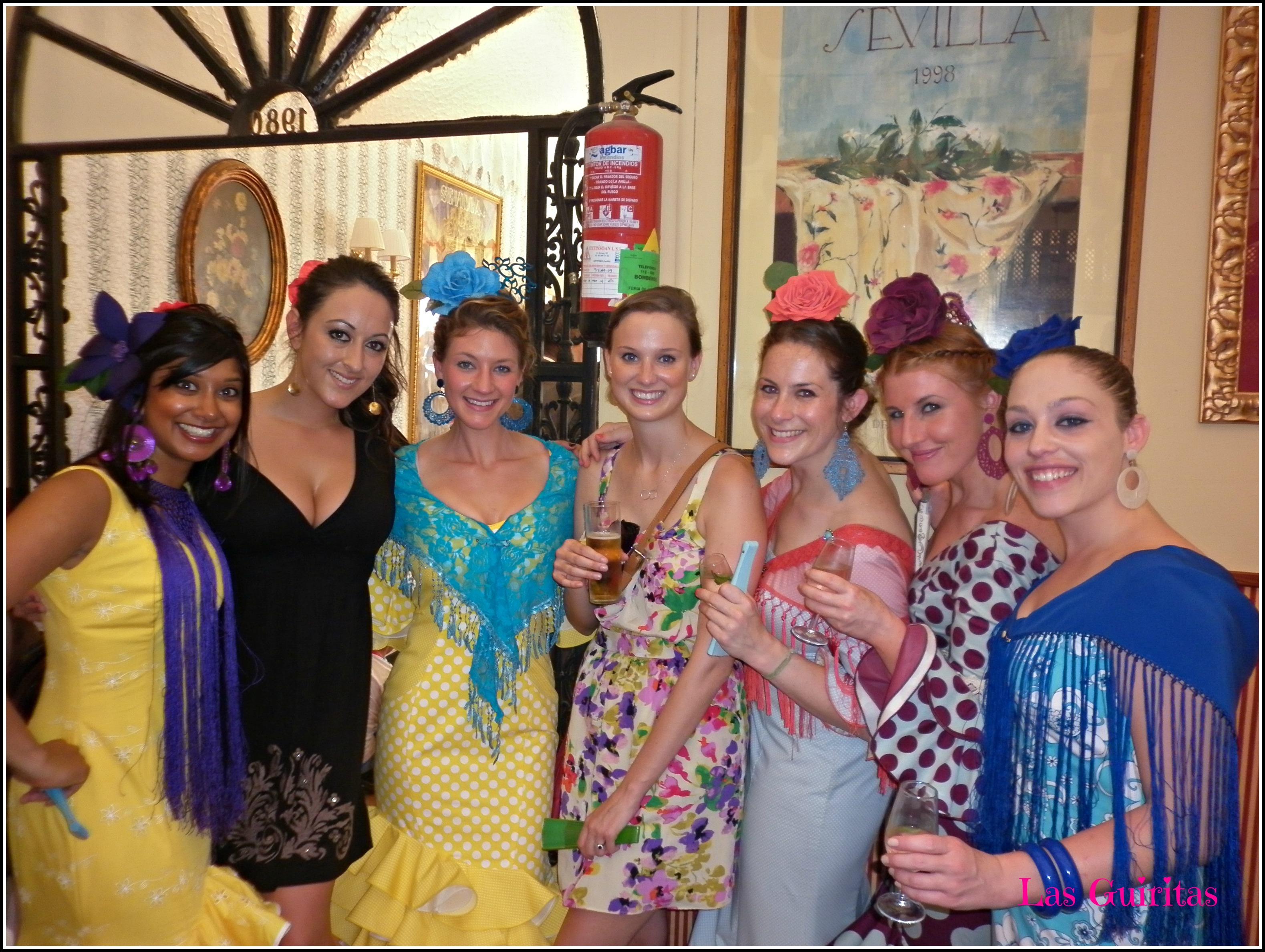
I am a dedicated feriante – I try on my traje de gitana weeks before to ensure its fit, attend flamenco fashion shows and a sevillana was the third song played at my wedding. I wait for the alumbrado with as much nervous energy as I pine for the last day of school. Feria is my jam, and everyone knows it.

But what if you’re a tourist, or passing though Seville during the Most Wonderful Time of the Year? I get this question often, and not just from tourists, but from those living elsewhere in Spain. I may live the sevillana version of high life when it comes to horse carriages and caseta invitations on occasion, but I also freak out in the days leading up to the fair, thinking that I may not have a place to go, or I may be stuck wandering the Real while I wait for a friend to answer their GD phone. In no other moment do I feel as foreign as I do local.

Know Before You Go

Spain is definitely a country that, on the surface, seems welcoming. The sunshine! The fiestas! The people! But in Seville, lo señorío and el postureo run deep, meaning that anyone outside of posh social clubs, religious brotherhoods or the Duquesa de Alba’s inner circle can get left in the albero.

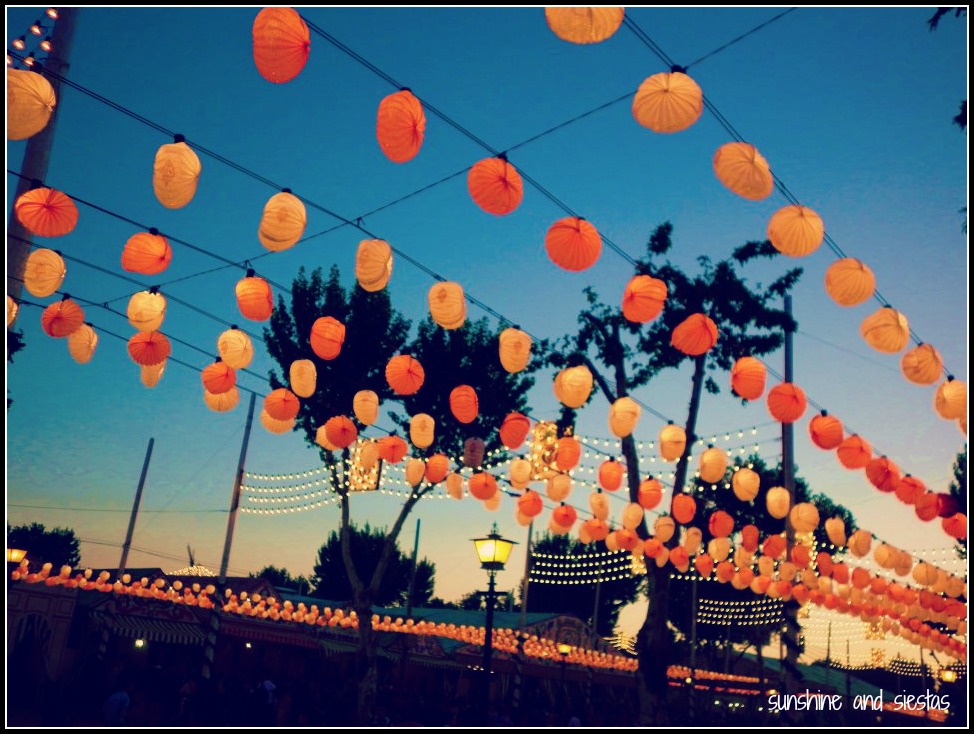
farolillos

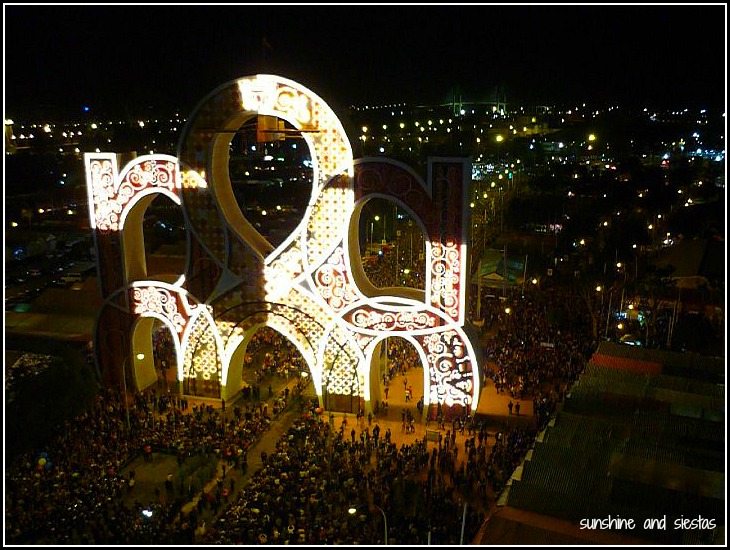
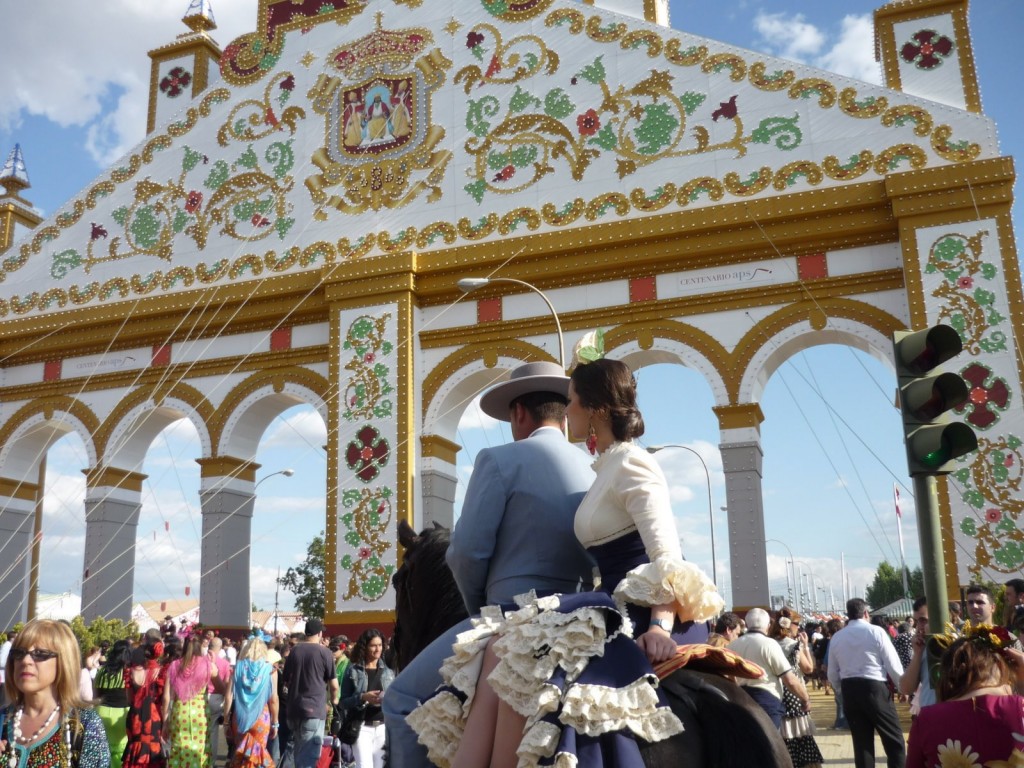
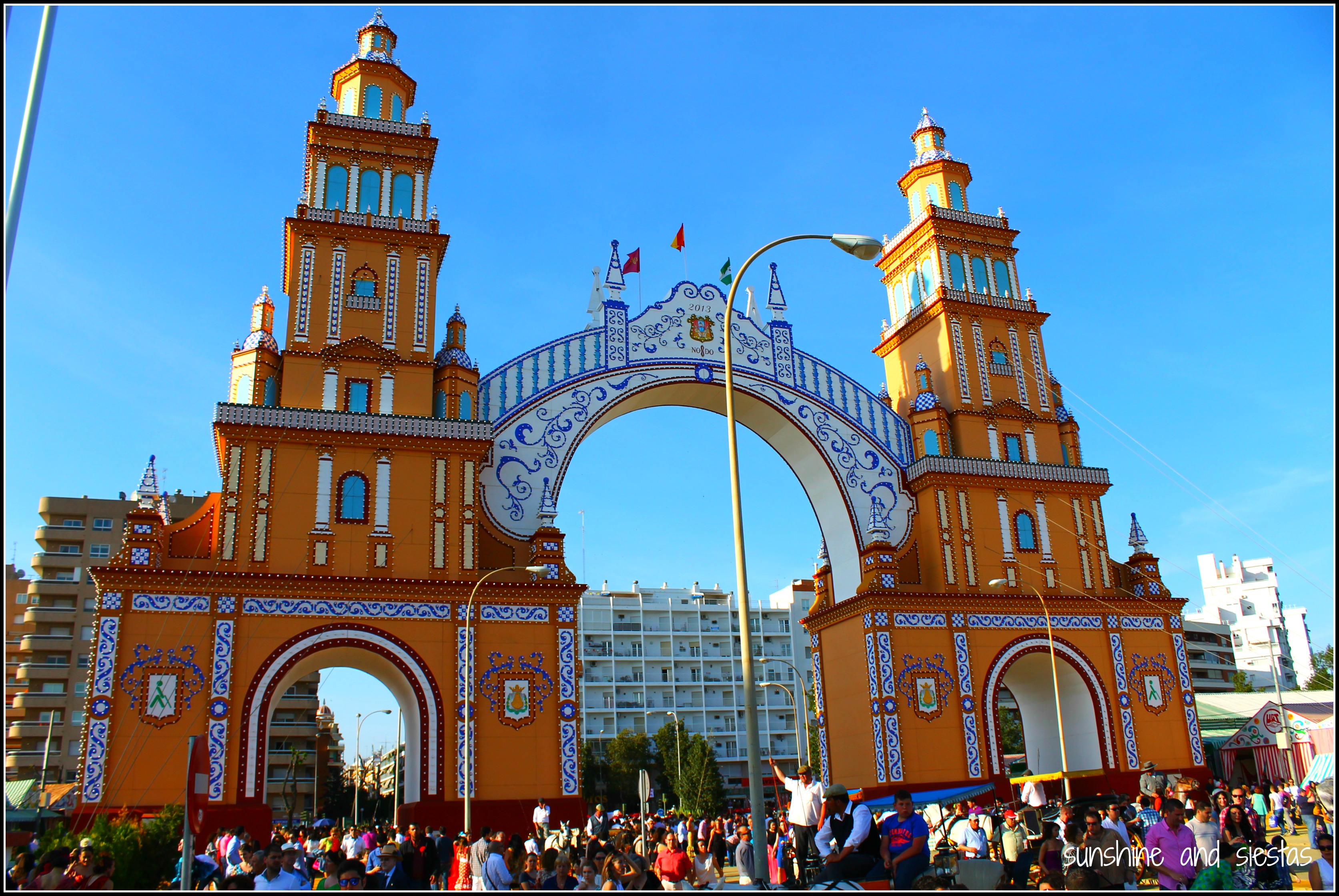
Begun as a cattle fair several centuries ago, the Feria de Abril marks the first of Andalusia’s springtime fairs. It’s the largest, most popular, and the place to see and be seen. During one glorious week of the springtime, makeshift tents, called casetas, are erected on a patch of land that is unused for 51 weeks of the year. This is called the Real de la Feria, and in the weeks leading up to the event, workers log in hours setting up the casetas, stringing up lights and building an enormous main gate, called the portada.

The party starts on the third Monday following Resurrection Sunday with a socios-only fried fish dinner, known at the pescaíto. At midnight, the mayor turns on the lights of the entire fairgrounds, ending with the portada, and sevillanas immediately tumble out of the tents. The Feria continues every day from about 1pm until the wee hours of the morning, officially shuttered on Sunday night with a fireworks display at dusk.

alumbrado feria de sevilla 2010

The casetas are owned by religious groups, social clubs, political parties and groups of wealthy friends. A whopping 90% of them are privately owned and run, so you’ll usually see someone guarding the entrance and asking for proof that you’re in association with the tent’s dwellers that week. And the list for securing your own caseta is over a decade long, so it’s best to make friends before the fair starts.

Making the most of Seville’s most exclusive party

Feria is an expensive party – from the horse carriage rentals to the tent memberships to the clothing – but it’s free to attend, and gawking doesn’t cost a cent. But to truly enjoy it, you may have to lower your expectations.

La Feria en Crisis

First, know that there are two sides to the fair: Feria de Día, and Feria de Noche. Daytime fair is far more demure, as this is when most socios spend their time at the fairgrounds; the fair at night becomes borderline hedonistic, where tent flaps are drawn and sevillanas disappear.

Should you choose to go in the daytime, you’ll be treated to carriage parades and striking Andalusian horses until dusk – not to mention the daily bullfights happening in La Maestranza, bringing in some of the biggest names in bullfighting. This is the fair at its purest, with flamenco music playing and castanets clapping. Be aware that this is also when it’s the most difficult to gain access to the private tents. I have a less-than-stellar reputation of inviting my friends to Los Sanotes, which means side eyes and a stiff greeting from a few of the more traditional socios. But once night falls, most of the older crowd has gone home, making it easier to pop in and out of the casetas.

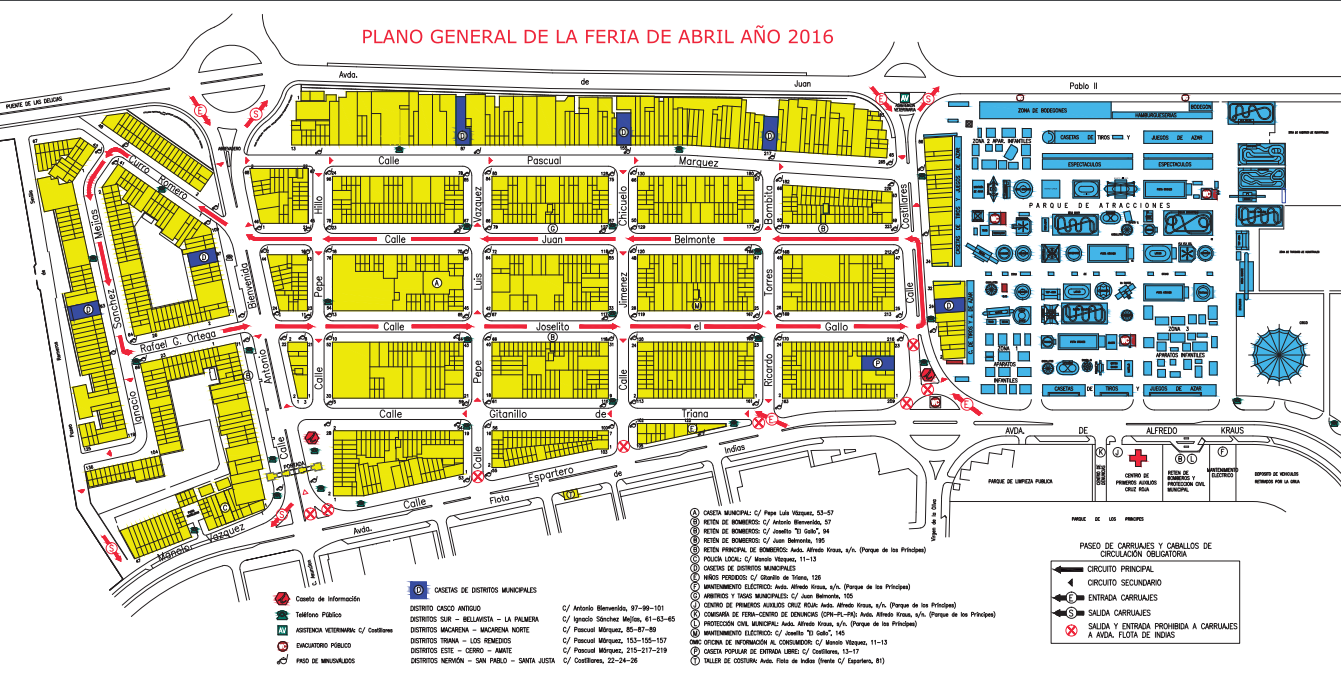
Free Casetas  – the city operates a number of public access Distrito tents, which are larger and a bit more raucous than a traditional tent. Those also open to the general public are casetas belonging to political parties, labor unions and, in some cases, religious brotherhoods.

A Map of the Seville Fair fairground and free public casetas

If you know someone who is in the local police force or works for a large, locally-based company like Abengoa or ABC, ask them if you can buy entrances from them. These sorts of places don’t operate using cash, but rather tickets in various denominations for food and beverage.

Or, you can always use the, “My friend is back at the bar and not answering my phone calls” trick to sneak into a crowded tent! Not that I ever have.

Dressing Up – On my first Feria, the Novio invited me to his best friend’s family’s tent (a rather estrecha relationship for Feria) for the Alumbrado. Knowing that the fairgrounds were full of albero, a chalky dirt than lends well to both bullfights and horse poop, I dressed as if I were doing housework – ratty jeans and tennis shoes.

I may never live that or the baby-sized complementos down (ugh, not to mention both a mantoncillo and a gargantilla wrapped into one outfit):

Vamanos a la Feria Carino Mio!

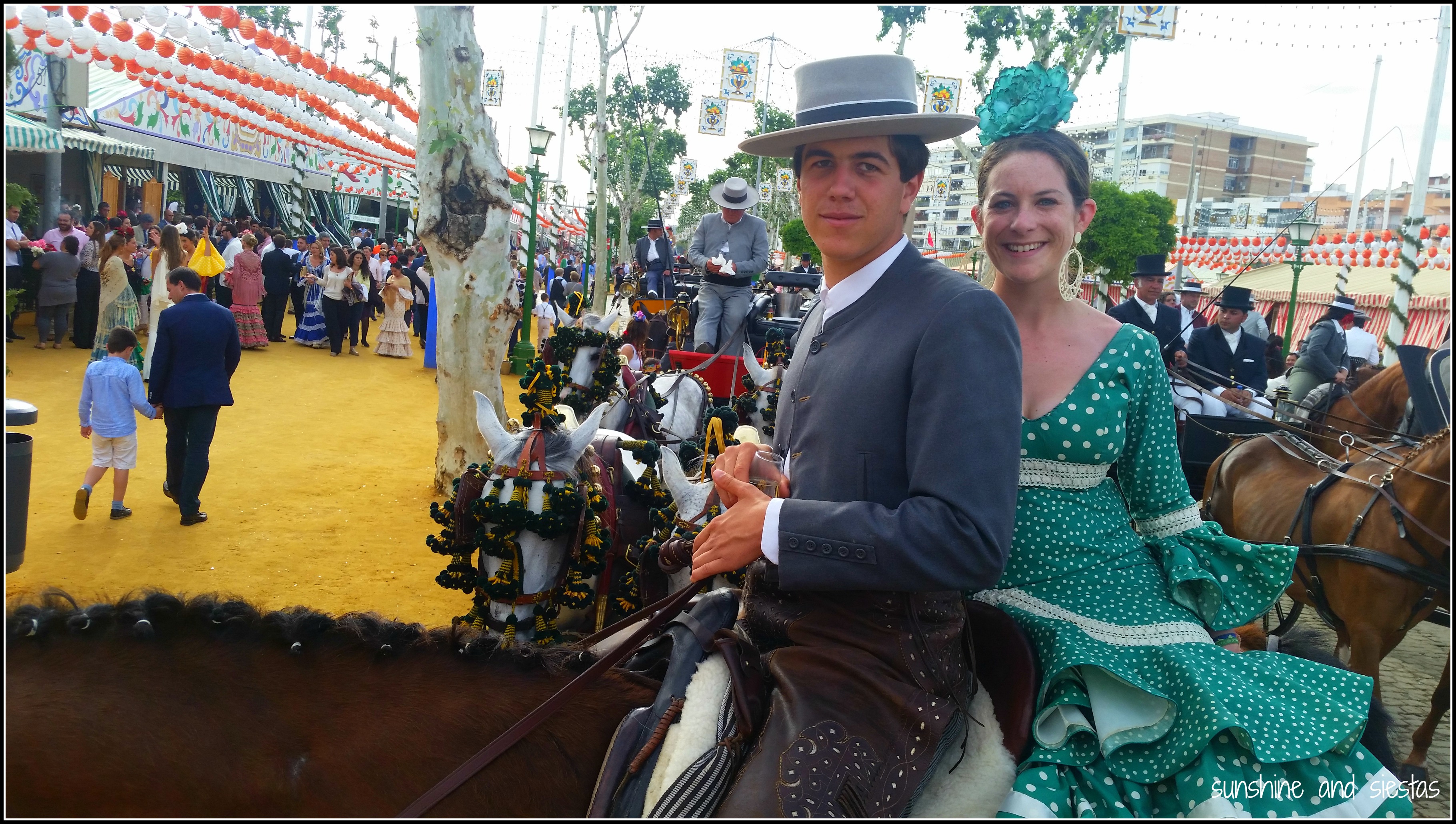
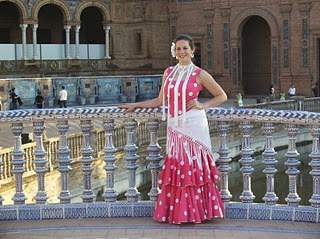
Remember that this is an event where you’re to see and be seen. Even if you’re not planning on donning a pricey traje de gitana, women should wear a dress or dress trousers. I don’t know how, but heels are a must. Men, in many private casetas, are required to wear a suit and tie after 9pm, regardless of the heat.

And please none of those souvenir-shop dresses or hair clips – that screams guiri more than getting too drunk off of rebujito!

Etiquette – That brings me to my next point, or fairground etiquette. On Seville’s biggest stage, you’ll notice that despite the abundance of alcohol and atmosphere, no one is outwardly drunk until nighttime. I was once kicked out of a caseta for being with a friend who’d imbibed a little too much!

spanish american girls at the feria de sevilla

If you receive an invitation to a private caseta, don’t bring 10 more of your friends without asking. It’s customary to buy the first round of drinks, though you’ll more than likely be turned down. If the tent is crowded, don’t immediately take a seat, as it’s an unwritten rule that those tables are reserved for paying members. Instead, make friends with the bartender – just don’t forget to pay your tab or overstay your welcome!

Some casetas will simply ask you who you’re with, as it is up to that socio or family to split the bill at the end of the week.

Spanish and Flamenco dancing – I’m often asked how necessary it is to dance sevillanas to enjoy the fair. While it’s definitely my favorite part of the whole experience, you do not have to know this four-part dance. Sitting and watching is fun, and people will often break into the dance on the streets, as well.

Should you be in Seville for a few weeks and want to learn, dance studios and gyms have intensive courses for 10-15€/hr. Check out Cuesta Sport, Látidos or Helena Pachón to learn how to coger la manzana, la comes, la tiras.

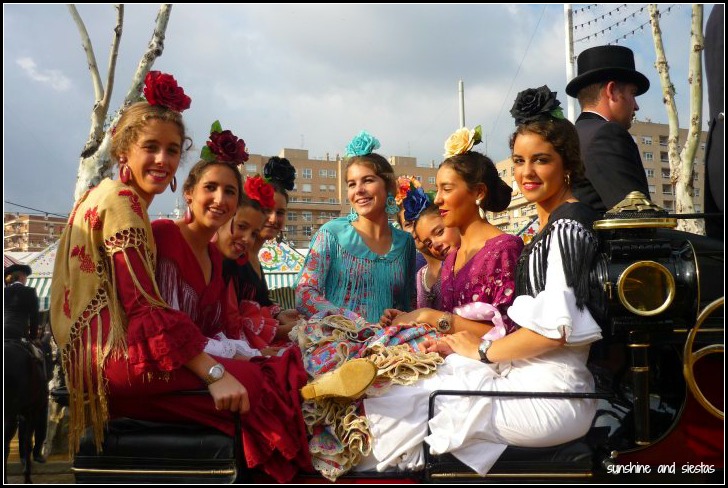
Flamencas on a horse carriage

As for knowing Spanish – it’s helpful. How else will you insist upon buying a whole round of montaditos de lomo for your generous hosts?

Fairground Tours – if you’re a little freaked out for a first-timer, find the information booth just under the main gate on Antonio Bienvenida. The city’s tourism board offers tours around the fairgrounds, culminating in a drink in a public caseta. Let the rebujito flow!

My advice for a Feria first-timer

I was completely unprepared for my first Feria, from my lack of proper clothing to not saving enough money to truly enjoy it. If you’re visiting Seville for the first time, don’t let the Feria be your only plans – since the fairgrounds aren’t in the city center, you’ll find that it’s less intrusive than Semana Santa.

Portada de la Feria 2013

Take one day out to go to the Real after lunchtime and a siesta. Dress up nicely – long, dangly earrings and a shawl are fine, but don’t overdo it if you don’t have a traje de gitana, ladies. Walk across the Puente de San Telmo and the entire length of Calle Asuncion, which leads right to the main gate. Take a stroll around the Real to marvel at the horses and the elegant costumes before popping into a public caseta – the Fiestas Mayores (Costillares, 10) and Partido Popular (Pascual Márquez, 66) tents are a bit pricier for food and drink, but often have live music from 8pm or 10pm on. If you can’t score a private tent invitation and sweet talking gets you nowhere, skip dinner and have hot chocolate and fried donuts on Calle Manolo Vázquez.

How To (3)

Read more of my posts on the Feria de Abril, Seville’s most flamboyant celebration, from how to dress and dress up your dress, a list of vocabulary you’ll encounter and the Dos and Dont’s.

Have you been to the Feria de Sevilla as a tourist? What were you thoughts – I would love to hear the negative!

Vía Crucis de Santiponce: Semana Santa Lite

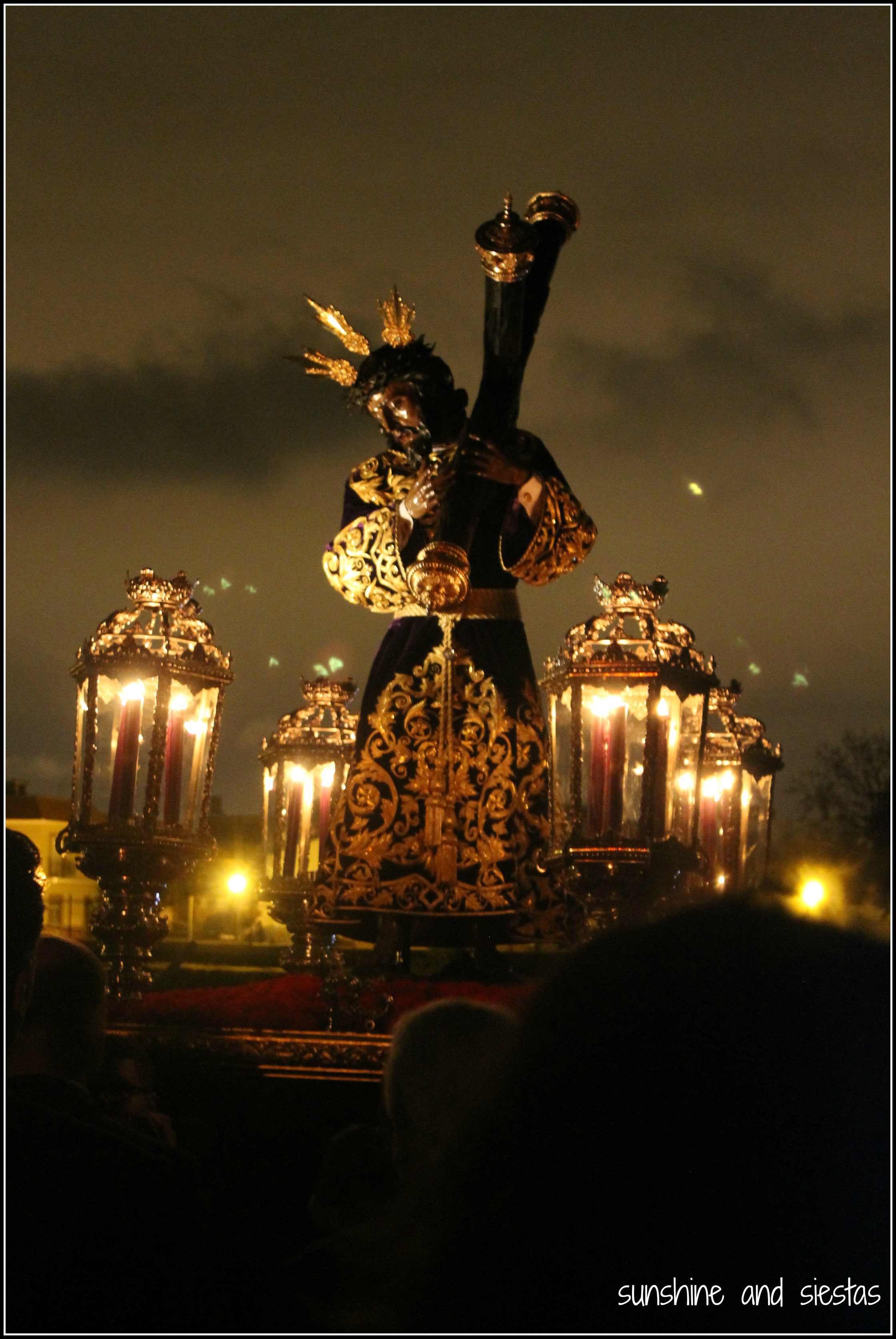
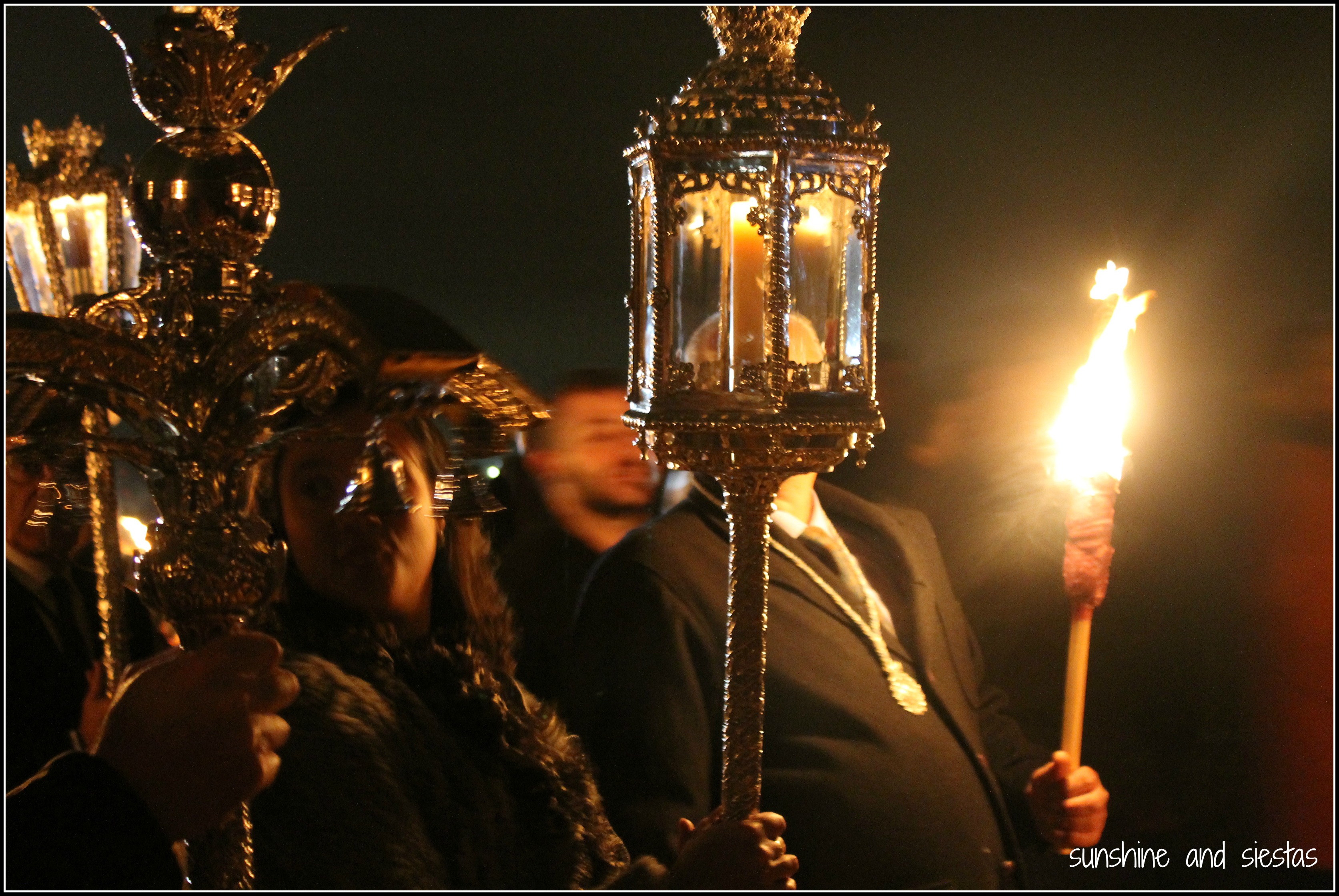
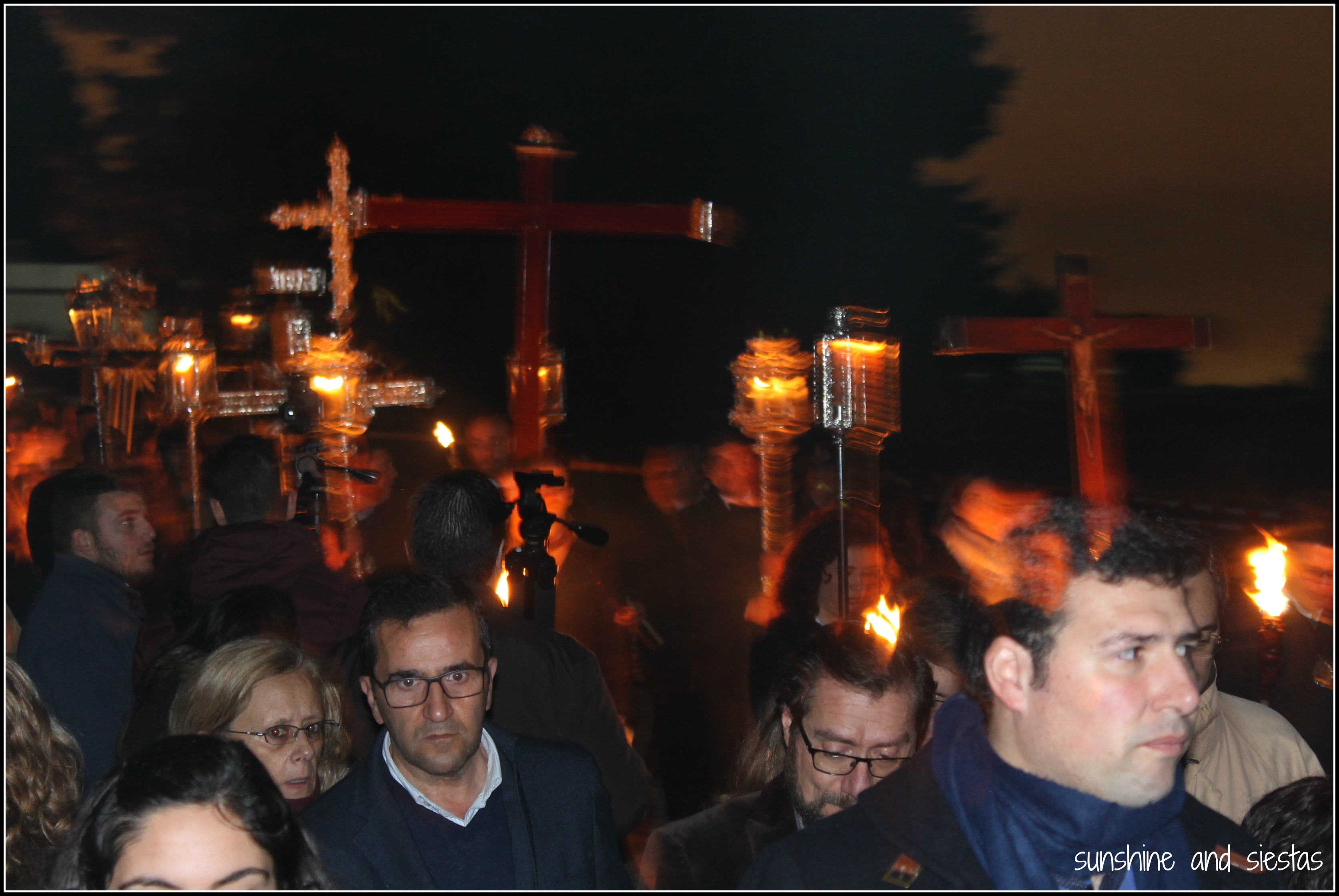
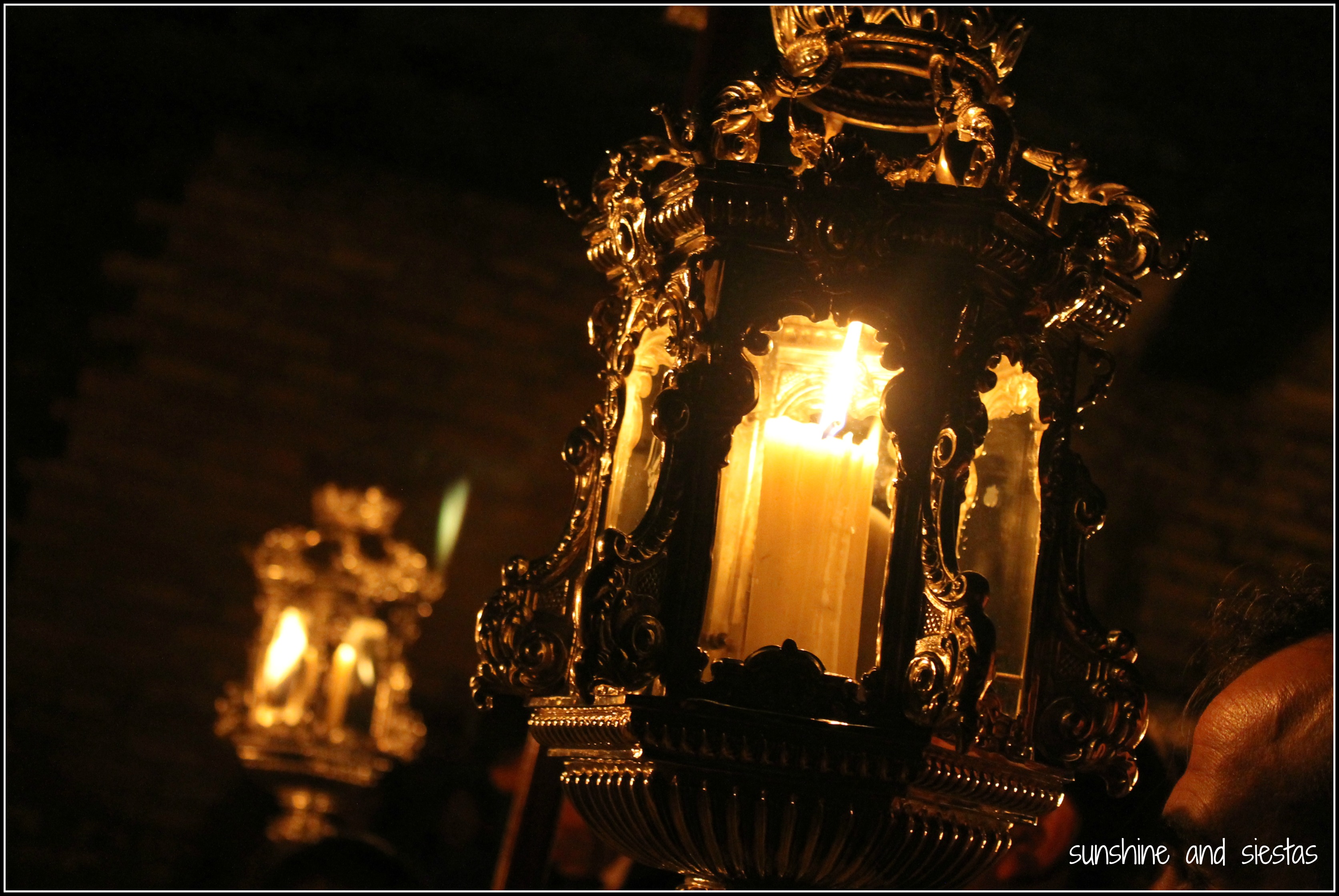
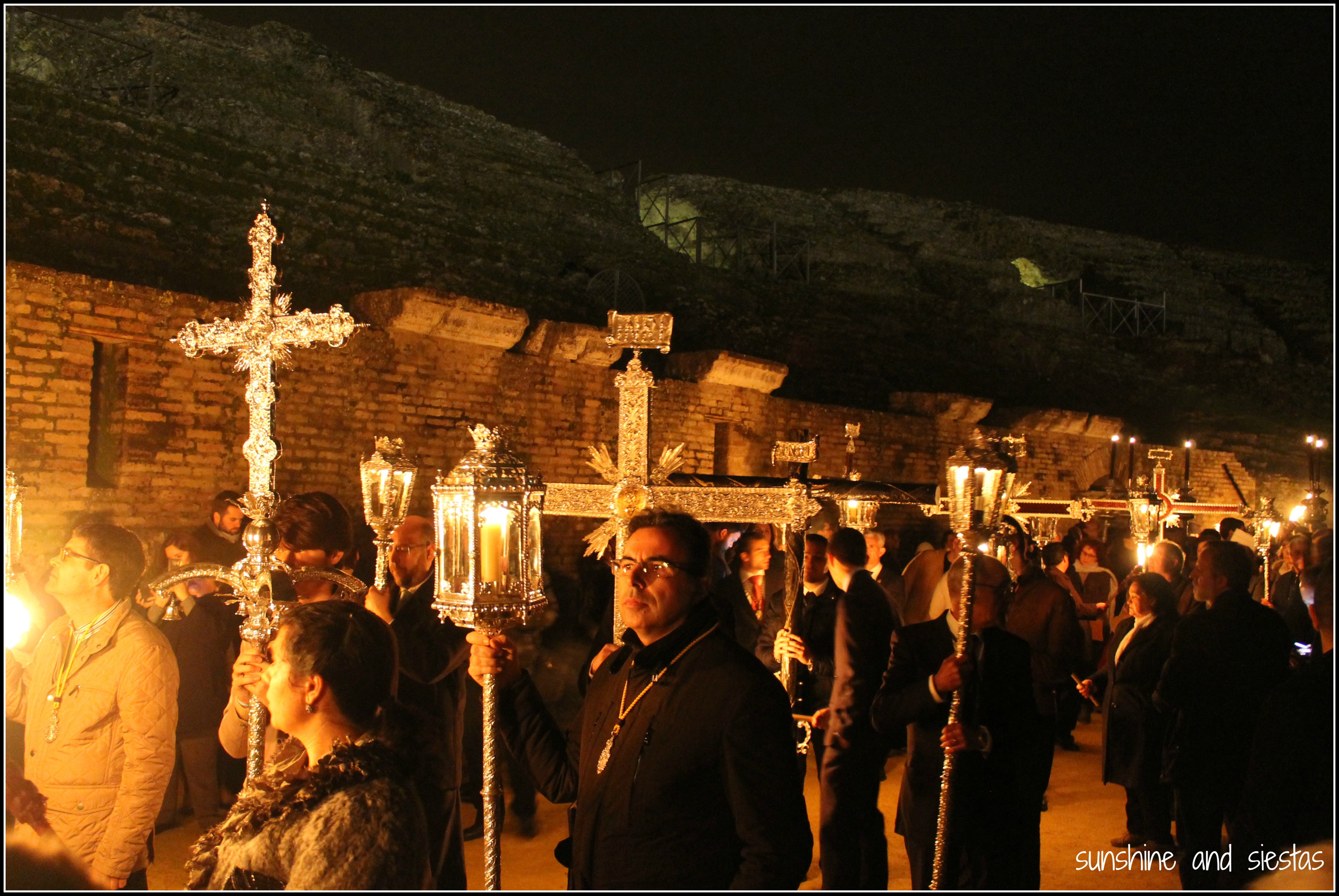
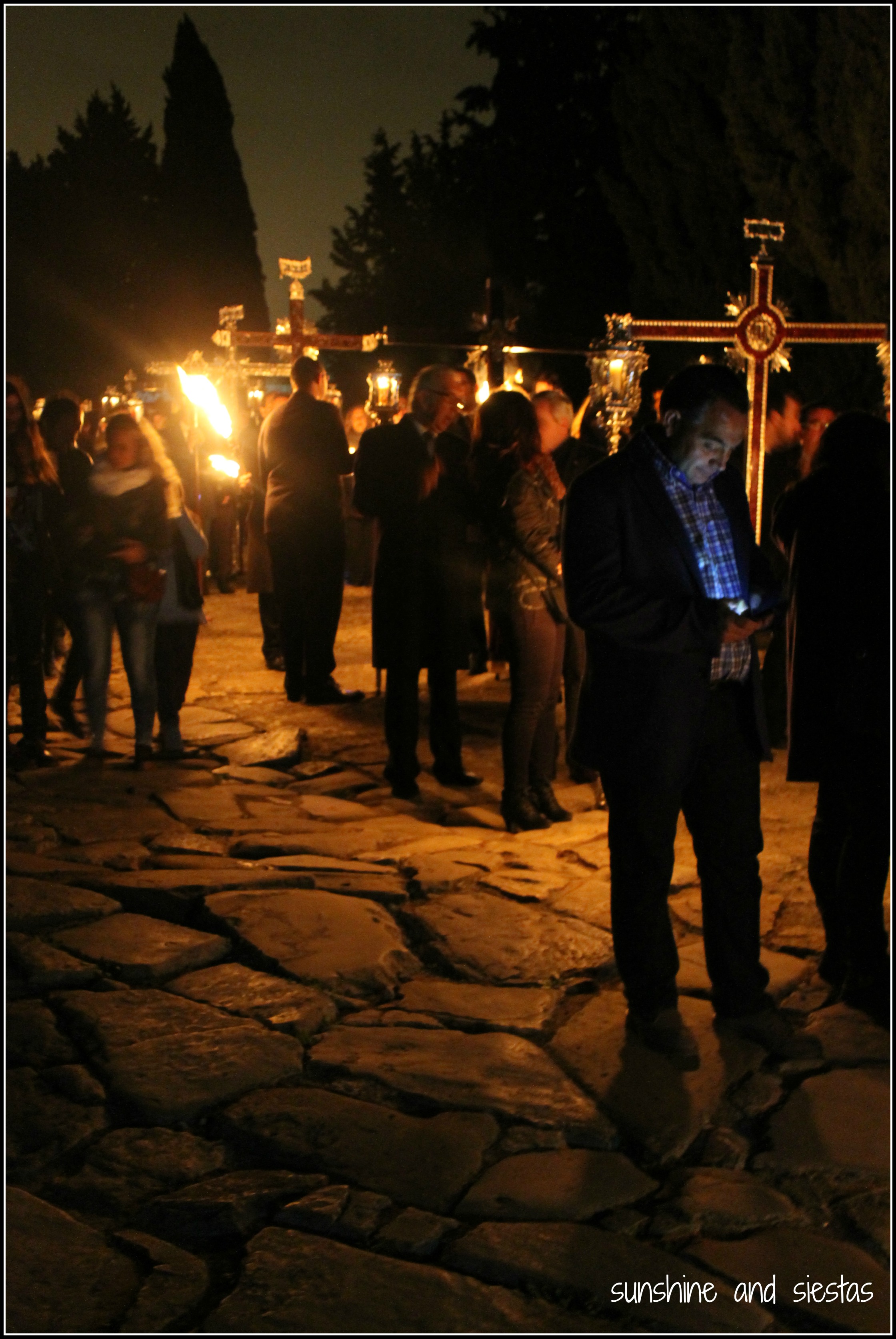
Torches lined the gravel path, which inclined ever-so-slightly upwards. Mari Carmen had taken hold of my arm and was pulling me forward through the crowds as pebbles rolled out of place, causing me to stumble – no joke – three times. Up ahead, a procession showing Christ carrying the cross was reaching the top of the hill.

Via Crucis Santiponce

When my friend invited me to a Saturday night out at a small-scale religious procession, I hadn’t been skeptical or searching for something better to do. After turning 30, some sort of chip clicked on, and I have been determined to switch up my weekend routine ever since. Because, #thisis30 and my stamina is not what it used to be. Attending one of the Aljarafe’s most celebrated fiestas locales with an American friend’s Andalusian mother-in-law was going to be a new experience.

Santiponce traditional festival

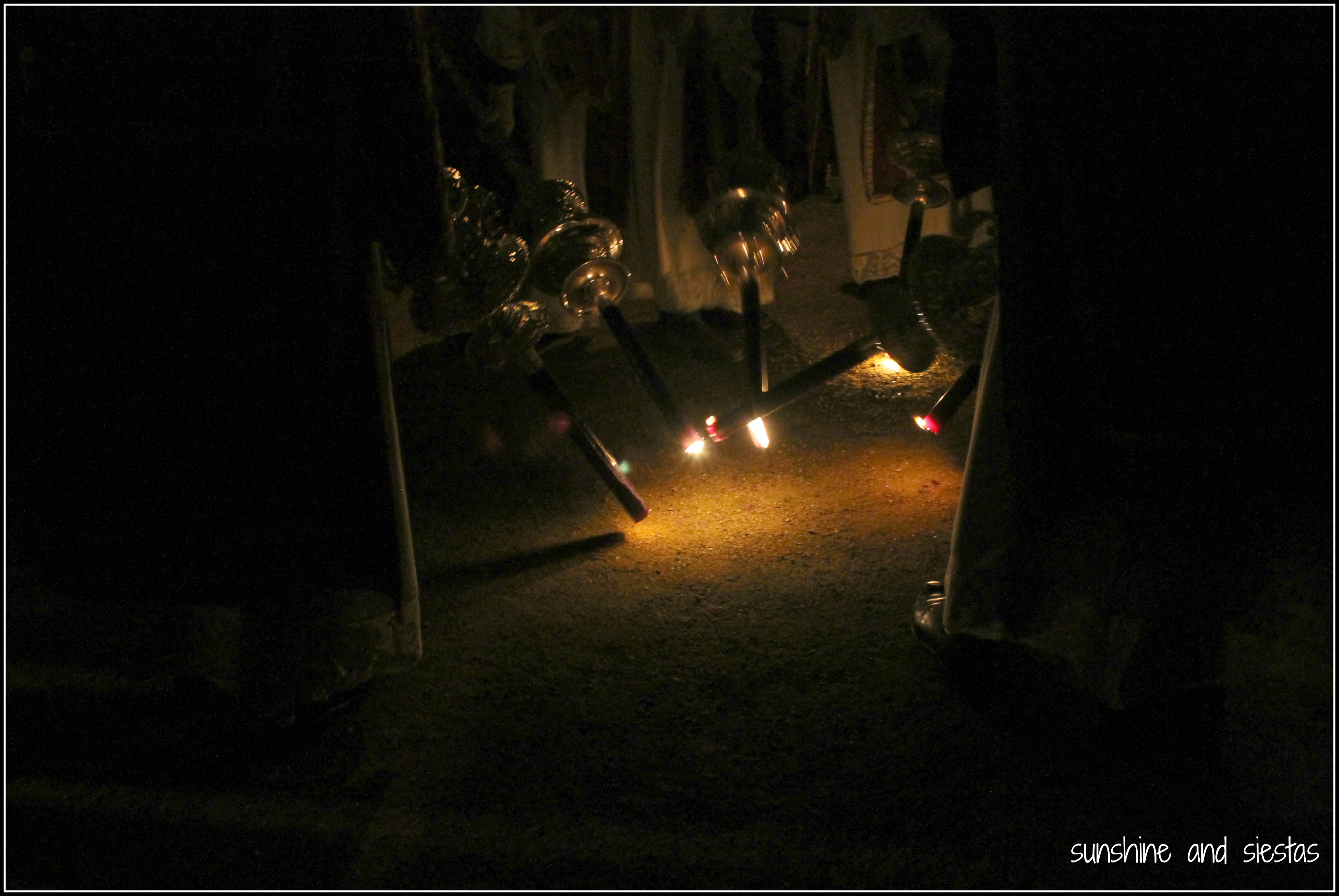
Accompanied by a somber three-piece woodwind band, we were able to sneak around the gold-laden paso and slip into the crowd next to the local cemetery. Close to 50 brothers, torches and cruces de guía in hand, had taken up rank across from the cemetery’s western wall as Nuestro Padre Jesús Nazareno sliced through the masses of people. Even on my toes, I couldn’t see but as he passed through the gate, the speakers crackled to life with the Our Father.

Growing up Catholic, I’d learned many prayers by heart, but even working in a Catholic grade school hadn’t prompted me to learn the words in Spanish. I bowed my head so that Mari Carmen wouldn’t see that I couldn’t say more than Padre Nuestro, que estás en el cielo, santificado sea tu nombre

What is a via crucis

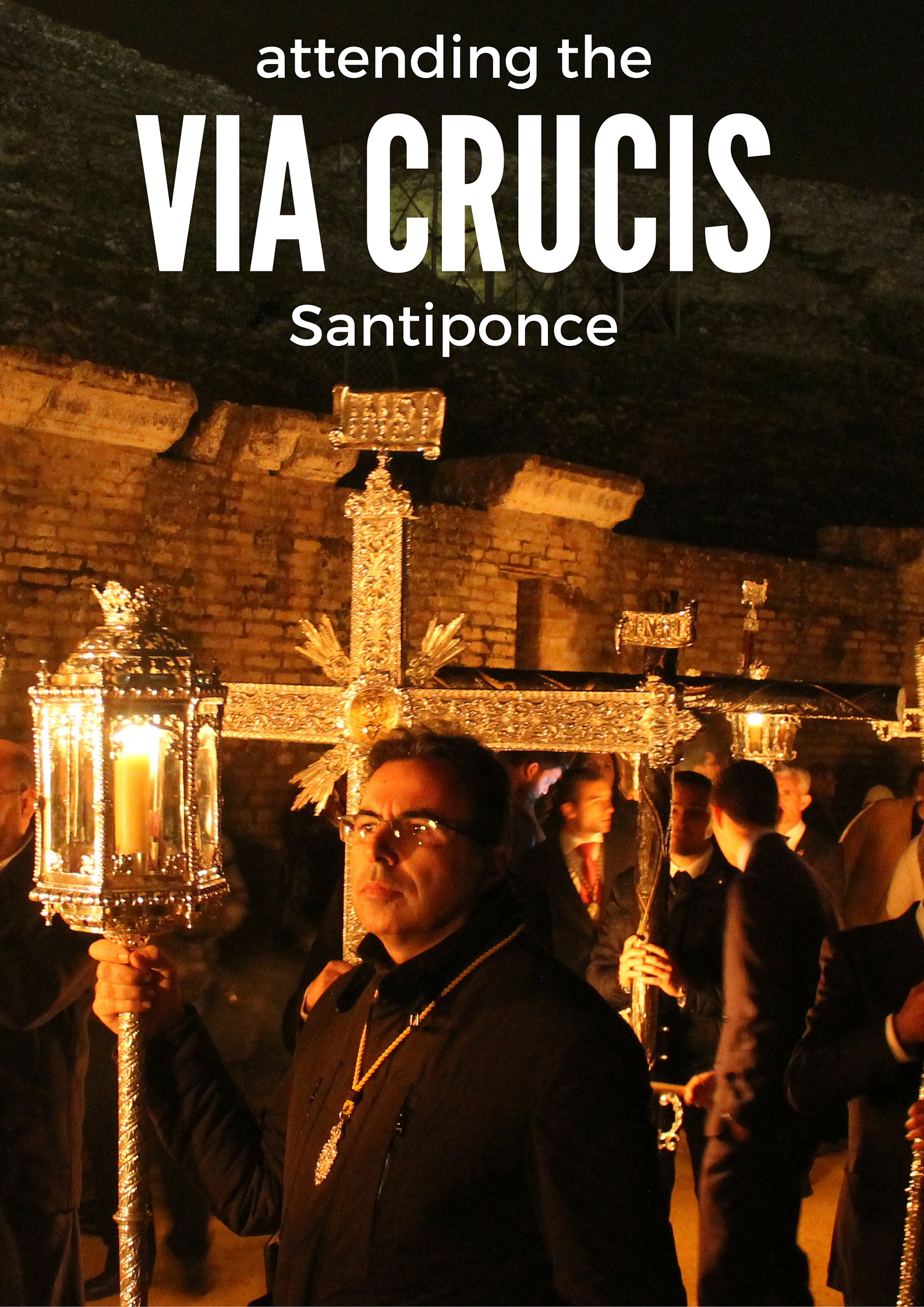
As the procession backed up and headed down the hill towards Itálica, an ancient Roman town that saw prosper and the birth of two emperors, I could finally ask Mari Carmen why she’d invited three guiris out to a procession. The Vía Crucis of Santiponce is one of Spain’s most revered Lenten activities, and draws the participation of brotherhoods, called hermandades, from around Spain.

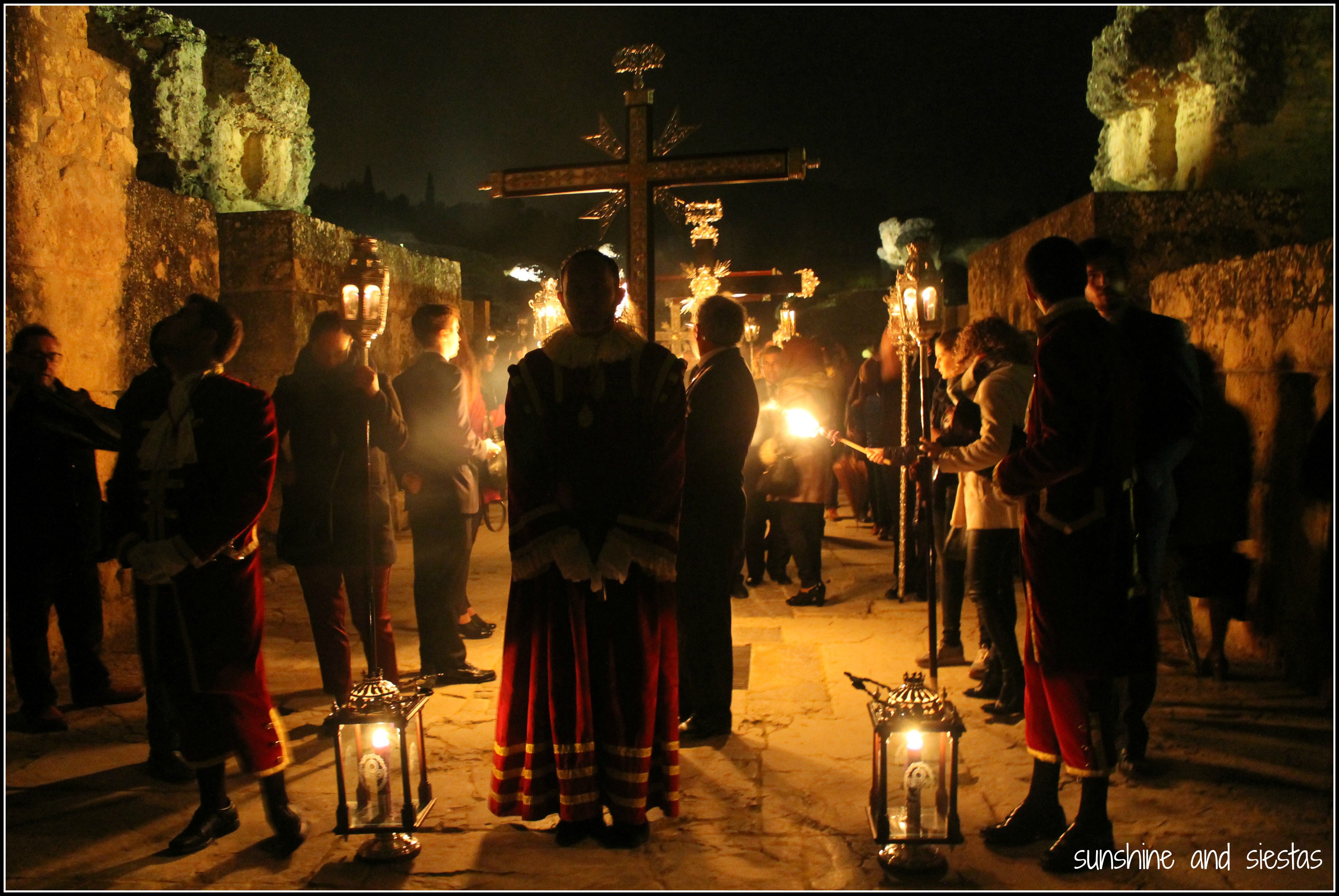
Following the old Roman road through Itálica, we stopped and waited near the entrance to the ampitheatre. Inside, fourteen brotherhoods would line up along the oblong-shaped walls with their cruz de guía, or the crucifix that heads up each procession in its respective hermandad. No pointy hats here. The Cristo would stop at each one as an hermano would read passages from the Bible and pray an Our Father fourteen times.

Via Crucis Spain

Just as the paso passed into the amphitheater, the clouds broke and a drizzle began to fall. Umbrellas went up, blocking my view. Even the threat of rain keeps most Cristos and Vírgenes at home, safe in their temples, but the 25 year-old tradition wouldn’t let the damp weather spoil its journey. Instead, a poncho was placed around the veneration’s shoulders and the first station – Jesus is condemned to death – was completed.

Torches burned and the crowd thinned out at Nuestro Padre Jesús Nazareno made his way through the last moments of his life. We followed him as he passed the stone walls of Itálica’s most famous ruin as he figuratively prepared for his death and resurrection.

hermandades en un via crucis

Via Crucis Spain Italica

Brotherhoods participating in a Via Crucis in Spain

Altarboys Spain

Santiponce Via Crucis

A tí te gusta la Semana Santa, Cat? Mari Carmen asked, again clutching my arm as we heard the grunts and shoe scoffing of the costaleros under the float as they approached 11th station, the crucifixion. Like Semana Santa, a Vía Crucis a moment of reflection and meditation, a plead for forgiveness or piety, but without the crowds and the pushing come Palm Sunday.

I answered her no, that the raucous celebration of the Feria de Sevilla were far more my pace.

If you go: The Vía Crucis of Santiponce is celebrated yearly and of touristic interest. It is held on the first Sunday of Lent, typically in late February or early March. Admission is free and parking is ample, or you can take the M-170A from Plaza de Armas. 

Via Crucis Santiponce2

Have you ever been to a religious celebration? Have any cool events to share in Spain? If you liked these photos, check out last year’s Palm Sunday processions photo diary!

Photo Post: The Smurf Village of Júzcar, Málaga

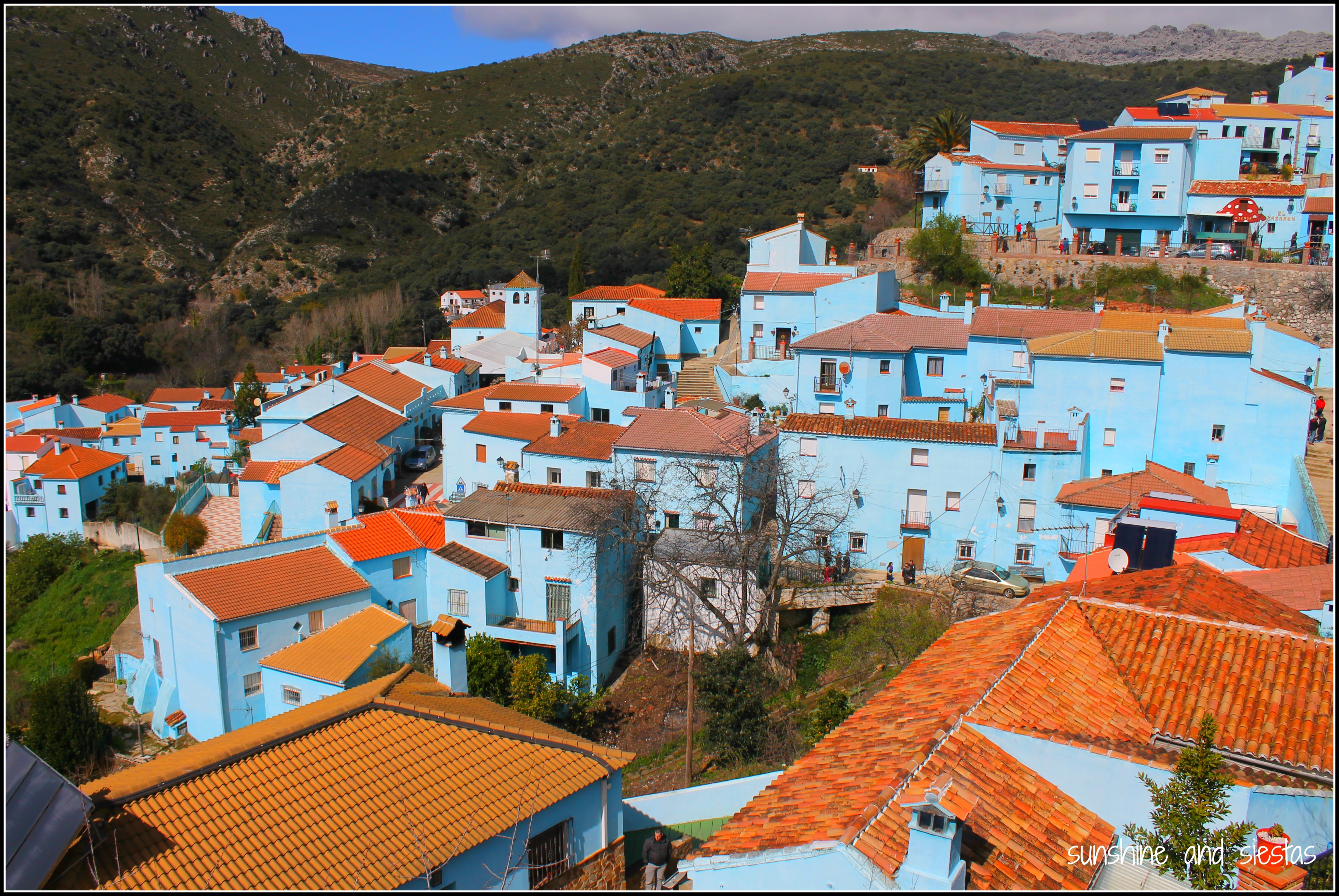
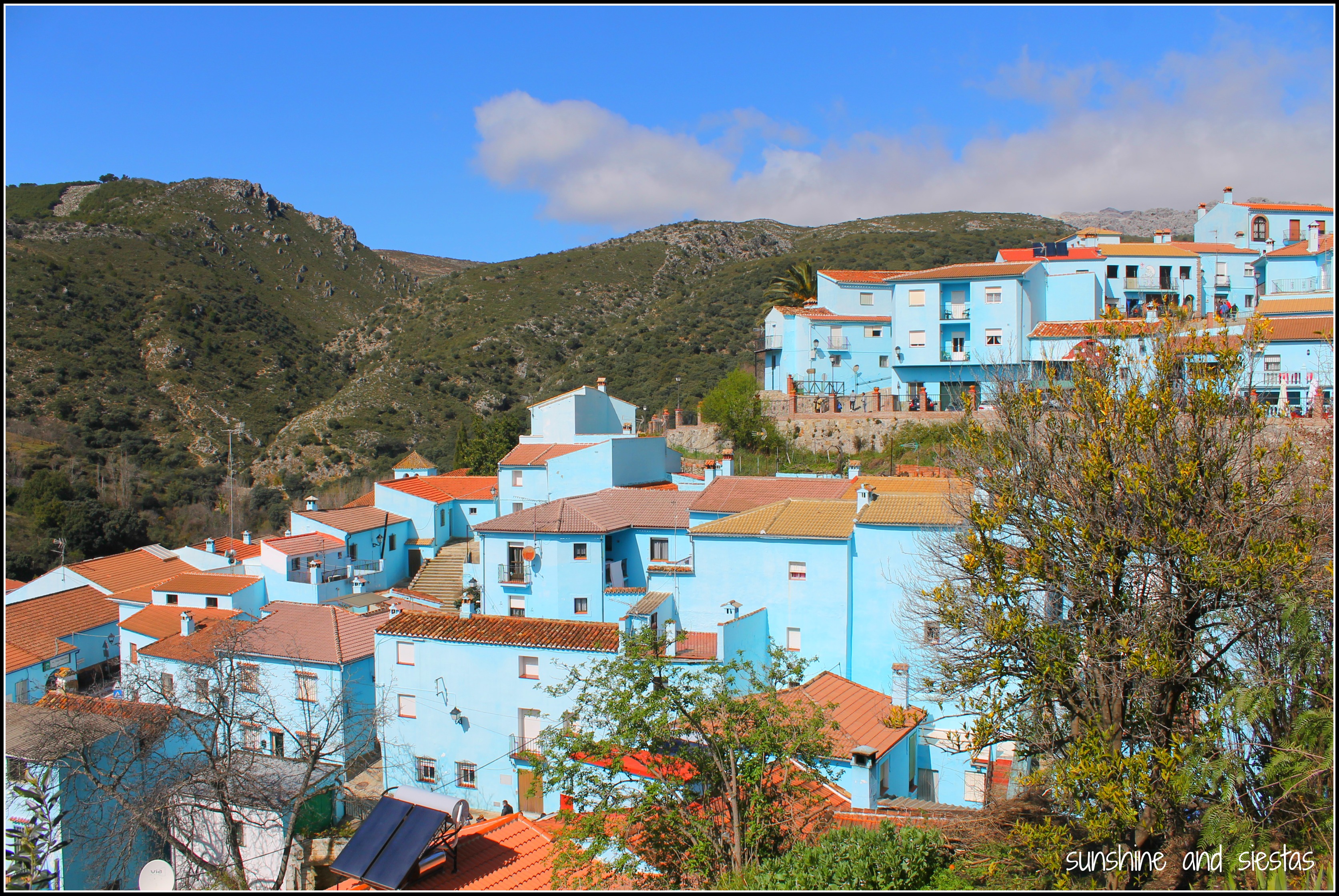
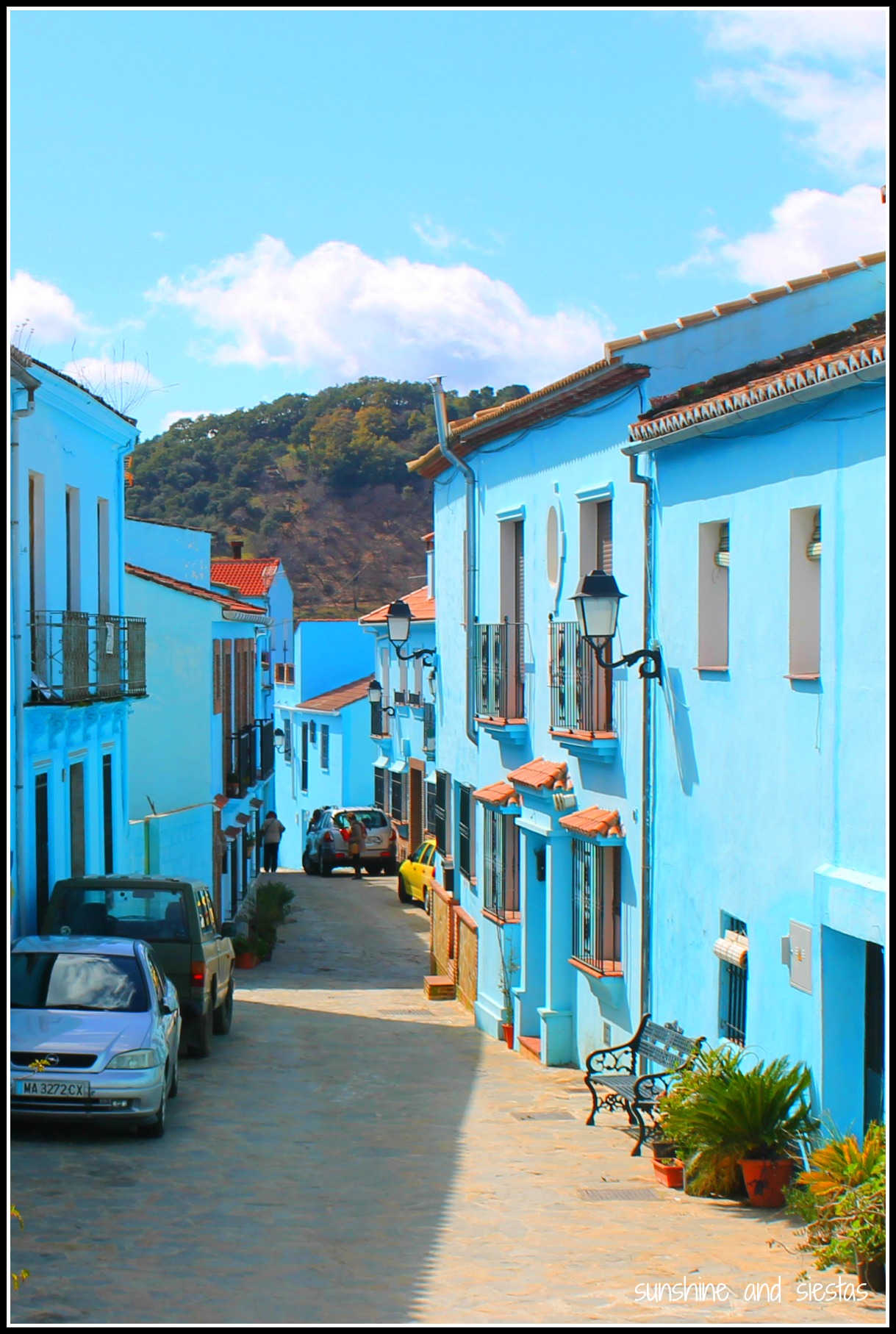
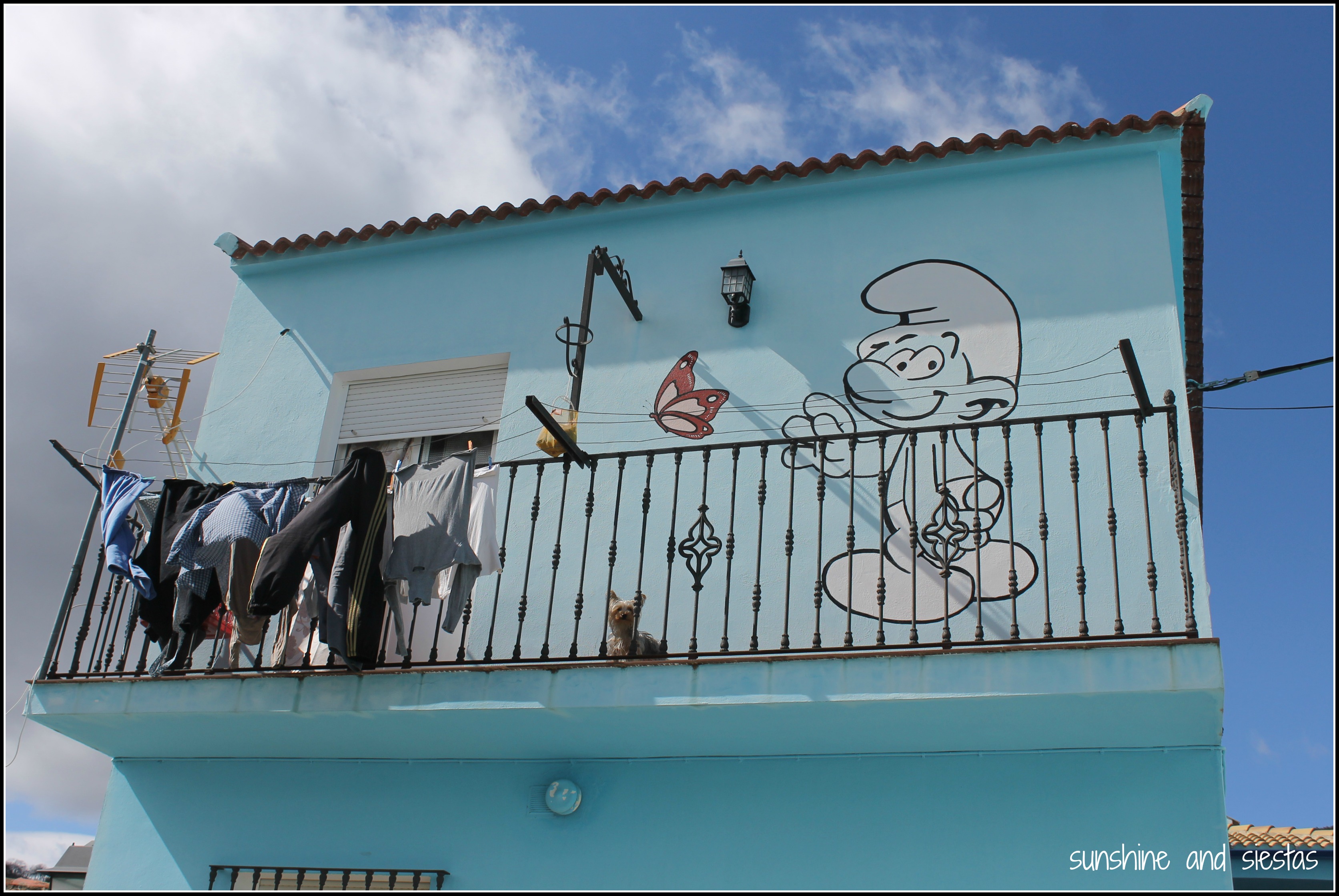
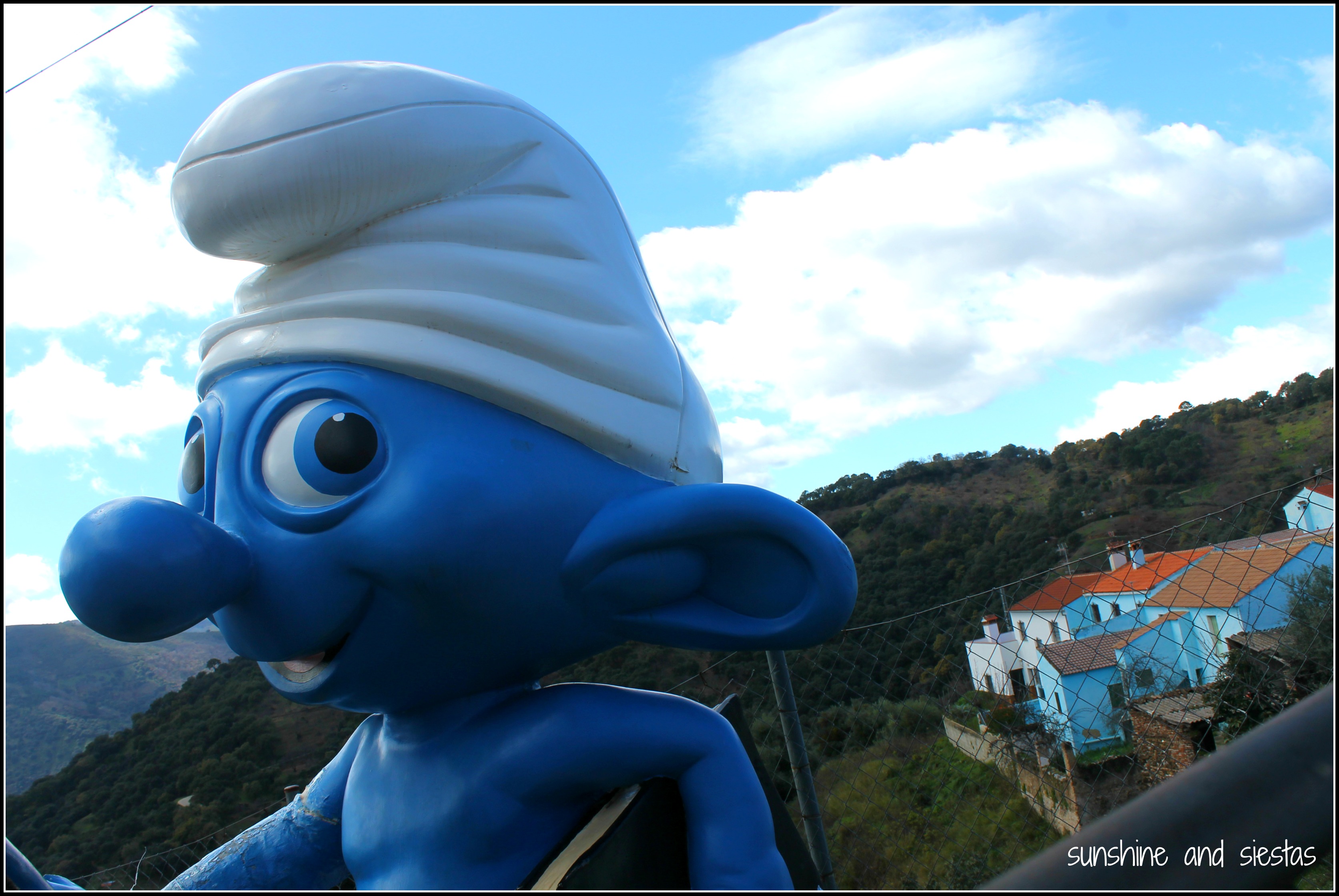
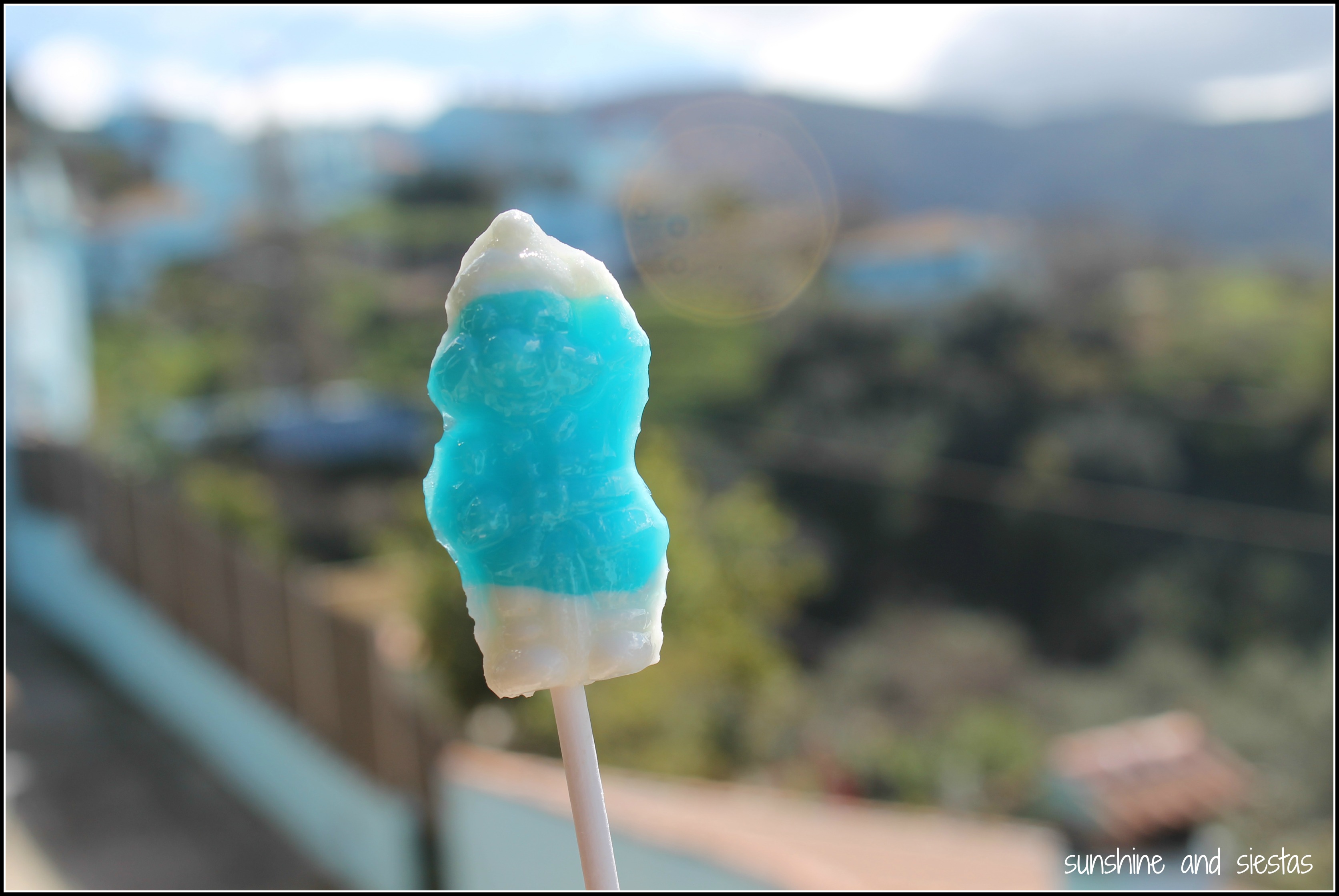
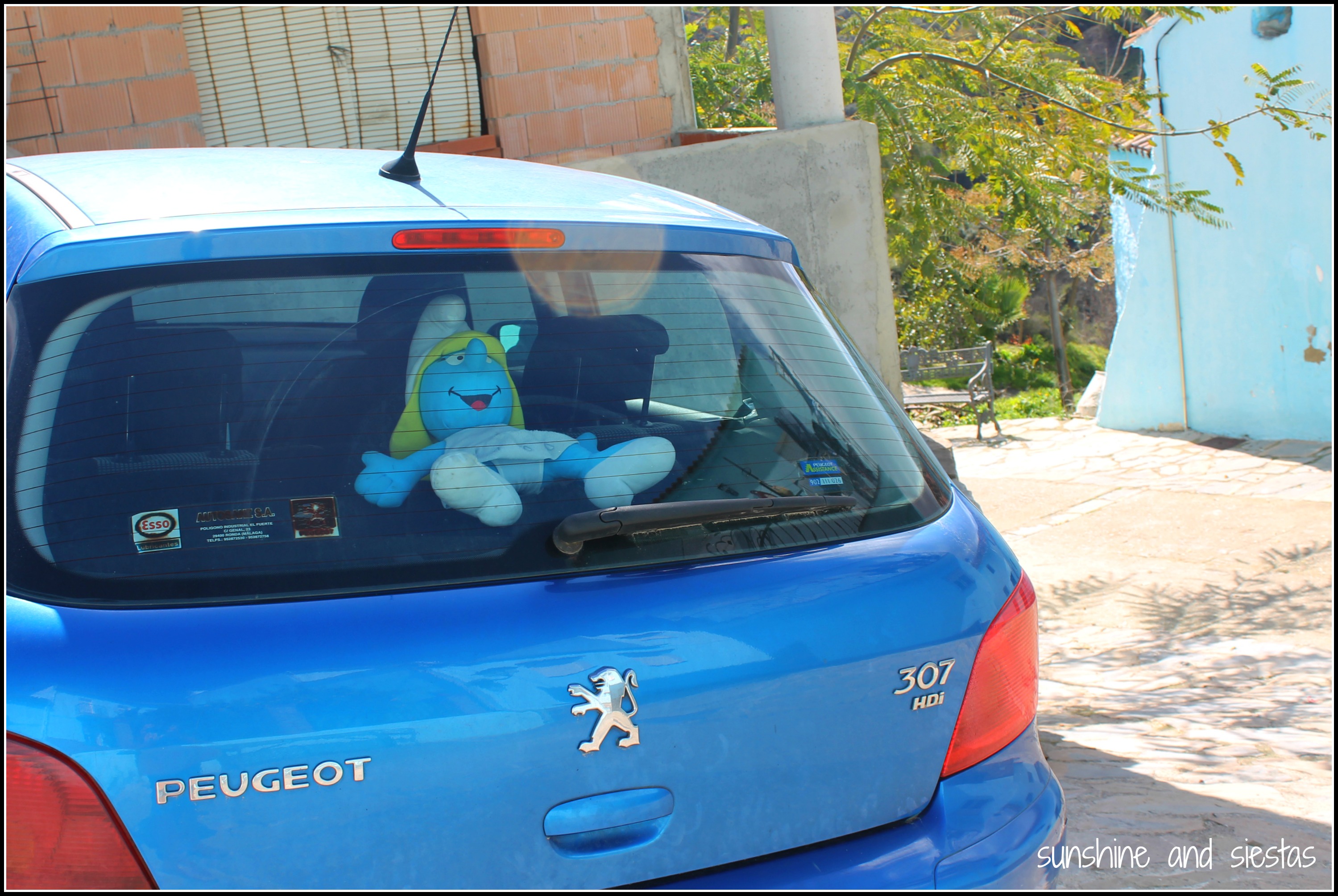
If there is one thing that sleepy Júzcar, a small pueblo blanco at the end of a curving mountain highway near Ronda, can claim, it’s that Smurfs live among them. In this teeny village known for its mytocology and hiking trails, you might notice something that distinguishes it from the other so-called white villages in the region – the whole town is painted bright blue!

Blue village in Spain

This hamlet perched high in the Valle del Genal has gained international fame thanks to Madrid-based publicity agency Bungalow25 (with whom I’m working on the Caser Expat ‘Typical Non-Spanish” project), Sony Pictures and more than 1000 gallons of paint.

Before the premiere of the Smurfs in 2011, Júzcar was a quick pit stop in the Serranía de Ronda, literally drawfed by other, more picturesque towns in the valley. Taking those words to heart, the town was doused in a layer of blue paint to boost tourism to an otherwise blip on a map. Cue allusions to ‘Pitufolandia’ and worldwide media fame.

panorama of Juzcar, Spain

Blue colored village Juzcar

Smurfs in Spain

pueblo pitufo spain

pitufolandia Spain

Smurf related ideas

Tourism in Juzcar Spain

While there’s not much to do in town – we were in, out and fed in an hour – the simple novelty is not lost. In fact, we were there on Día de Andalucía, along with half of the province! Bars were full, kids darting from cerulean shop to shop decked out in their own white smurf hats and parking was a nightmare, proving that a little bit of imagination can do wonders for tourism. That said, the town has yet to capitalize on it to its fullest extent!

Júzcar, Spain-

If you go: Júzcar is best reached by car, but you can take local buses from Ronda, which is 25 kilometers to the northeast. Parking is free.

Typical Non Spanish

I visited Júzcar as part of my Typical Non Spanish project with Caser Expat Insurance and my promise to myself to do 52 new things in 2016! Anything I can’t miss – be it sites, experiences or food – around Andalucía?
Related Posts Plugin for WordPress, Blogger...