Strange Food Spotlight: Ears in Madrid

I’m thrilled that my dear foodie friend and ex-sevillana Lauren Aloise suggested we do a series of blog exchanges. Lauren is a talented writer and brilliant cook, and her blog Spanish Sabores is a great resource on Spanish food, recipes and dining in Madrid. Our first exchange? Writing about strange foods in our respective cities – mine is a reprise of my springtime favorite, snails. Be sure to check out her Madrid Food tour if you’re ever in Spain’s capital for an authentic food tour with someone who knows plenty!

Spain is full of bizarre foods, including insect-looking shellfish, any organ you can imagine, slimy snails and Madrid’s famed specialty, pig ear.
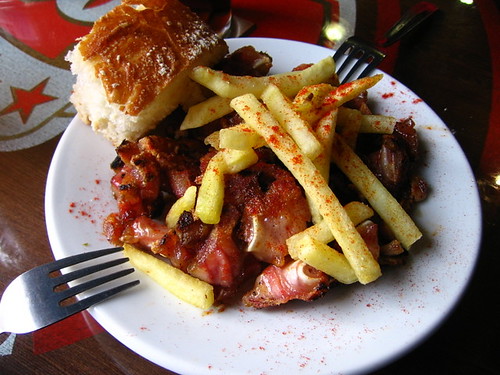
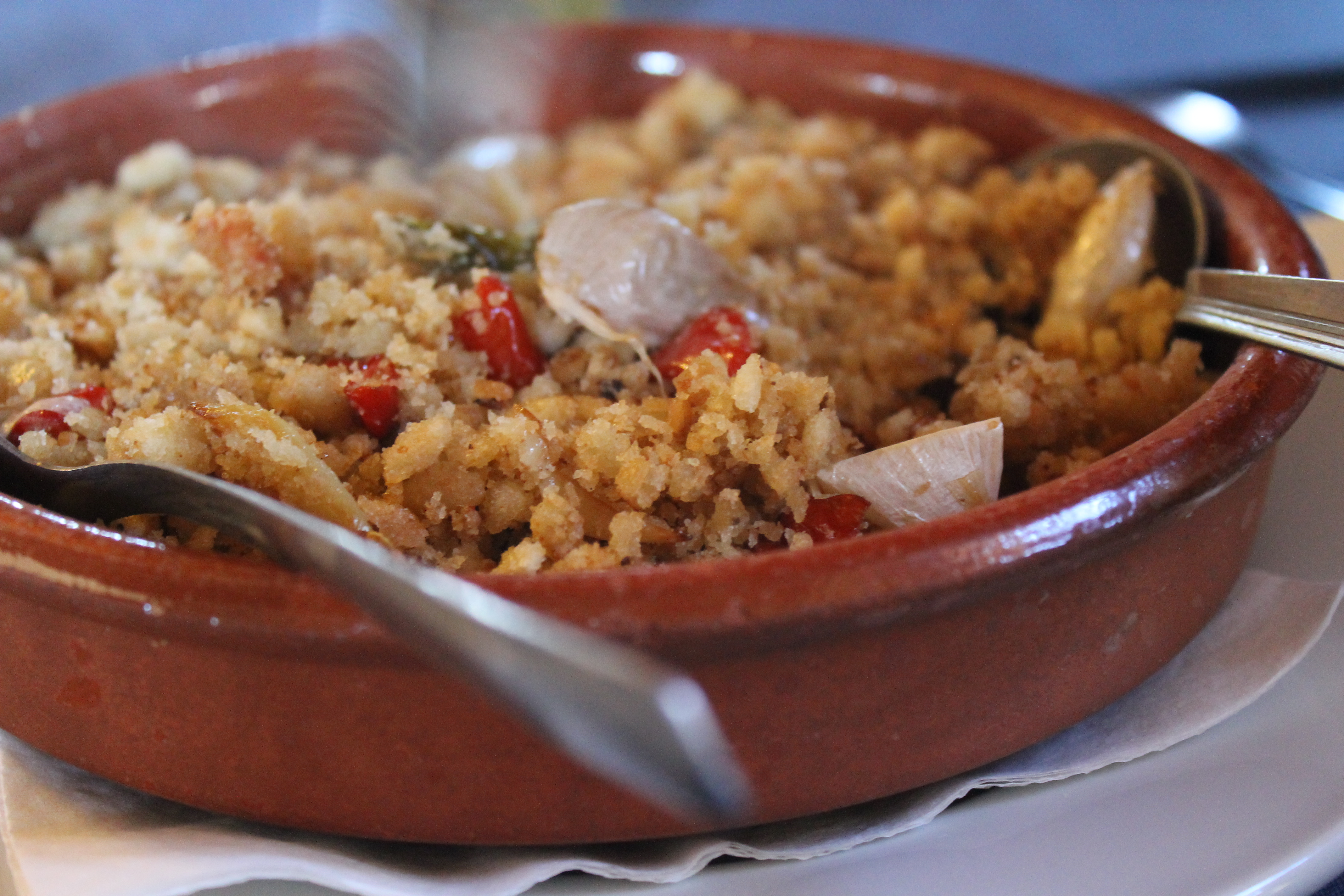
El Tapón: Oreja a la plancha

source

Oreja a la plancha (grilled pigs’ ears) is a Madrileño delicacy and you can find the dish being served in the city’s most authentic tapas bars and neighborhood taverns. Other establishments opt to serve oreja en salsa, a tasty dish of stewed ear served with either a mild tomato sauce or a spicy brava sauce.

So what does pig’s ear taste like? Well, it is actually pretty delicious! They are crunchy on the outside because of the cartilage (but not too chewy either) with a great flavor that is really complemented by the spicy brava sauce (my recommendation). I know they aren’t for everyone, but why not try something different with a group of friends the next time you are in Madrid?

The best place to try oreja a la plancha is definitely La Oreja del Oro, located at Calle de la Victoria, 9 right in the center of Madrid near the Plaza de la Puerta del Sol. It is an authentic Madrid tapas bar, so if you don’t like the oreja you have plenty of other delicious Spanish specialties to choose from.
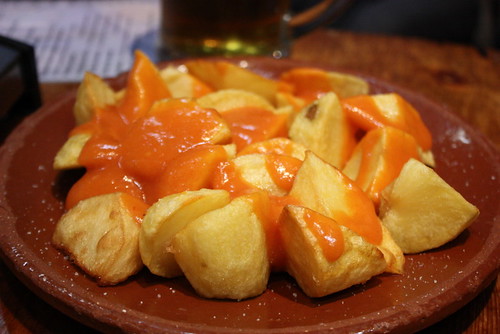
casa toni patatas bravas

Source

A Quick Recipe for Salsa Brava 

1/2 onion

1 garlic clove

1 chopped medium tomato

1 t sugar

1 t cayenne pepper

1 t smoked Spanish paprika (hot or sweet)

A splash of sherry vinegar (you can substitute red wine vinegar if you want)

1 t flour

Extra virgin olive oil

Salt and pepper

 Instructions: 

1. Brown the onion and garlic in the oil at a low heat.

2. Add the cayenne, flour, and paprika and stir constantly for 1 minute so that nothing sticks or burns.

3. Add the diced tomato and season with the sugar. Cook at medium for 15 minutes.

4. Add the vinegar and mix.

5. When it is reduced to the right texture, take off the heat and let cool.

6. Season with salt and pepper then puree in the blender and you have your brava sauce!

Lauren Aloise is the founder of Madrid Food Tour. An optimistic entrepreneur and self-proclaimed professional tapa taster, shewrites,tweets, andcooks out of her tiny Madrileño apartment.

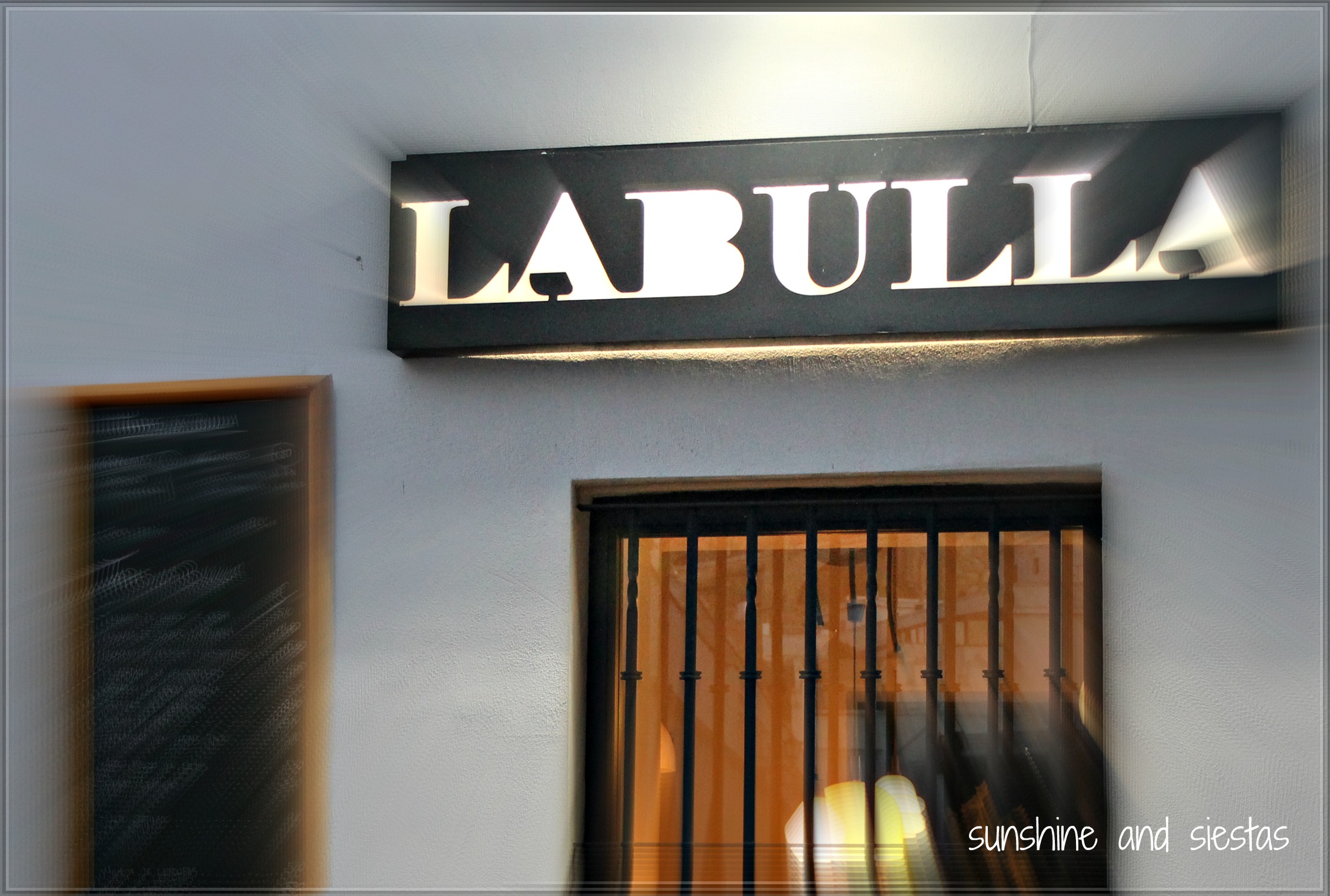
Sampling La Bulla

Here’s a piece of advice: go to places where you know the chef.

Kike’s been prodding me to go to both Oveja Negra and his friend Jesús’s bar, La Bulla, for ages. For someone who staunchly refuses to go to the city center for the crowds and traffic, I was happy to oblige him. La Bulla is the center’s answer to La Pura Tasca, a gastrobar worthy of a mention. At La Pura Tasca, I was the neighbor down the street who was always given a morsel or two as I passed by.

Now it was Kike’s turn to wow me.

When we called to speak with  one of the waiters, he told us to pass by around 10pm. In reading the reviews online, I was a little skeptical about a place with “overpriced tapas at half the size” and poor service. Scrolling for one semi-positive review took a few clicks of the mouse, but Kike had his mind made up.

Good thing he knows the chef.

After our traditional pre-dinner beer, we strolled past swanky tapas places that line C/ Arfe. La Bulla is on Dos de Mayo, wedged between the bullring and the Maestranza theatre, just steps away from the river. The neighborhood, El Arenal, has become preppylandia, thanks to its cocktail bars and upscale dining options, as well as age-old abacerías and ultramarinos, and this dining mentality that given La Bulla it’s much-talked about reputation.

A coworker had told me that the place had a NYC-like vibe due to the exposed pipes, mismatched picnic tables and mod chairs. I marveled at the red-doored ice chest, similar to one we have at home in America. There was a quiet buzz amongst the clientele.

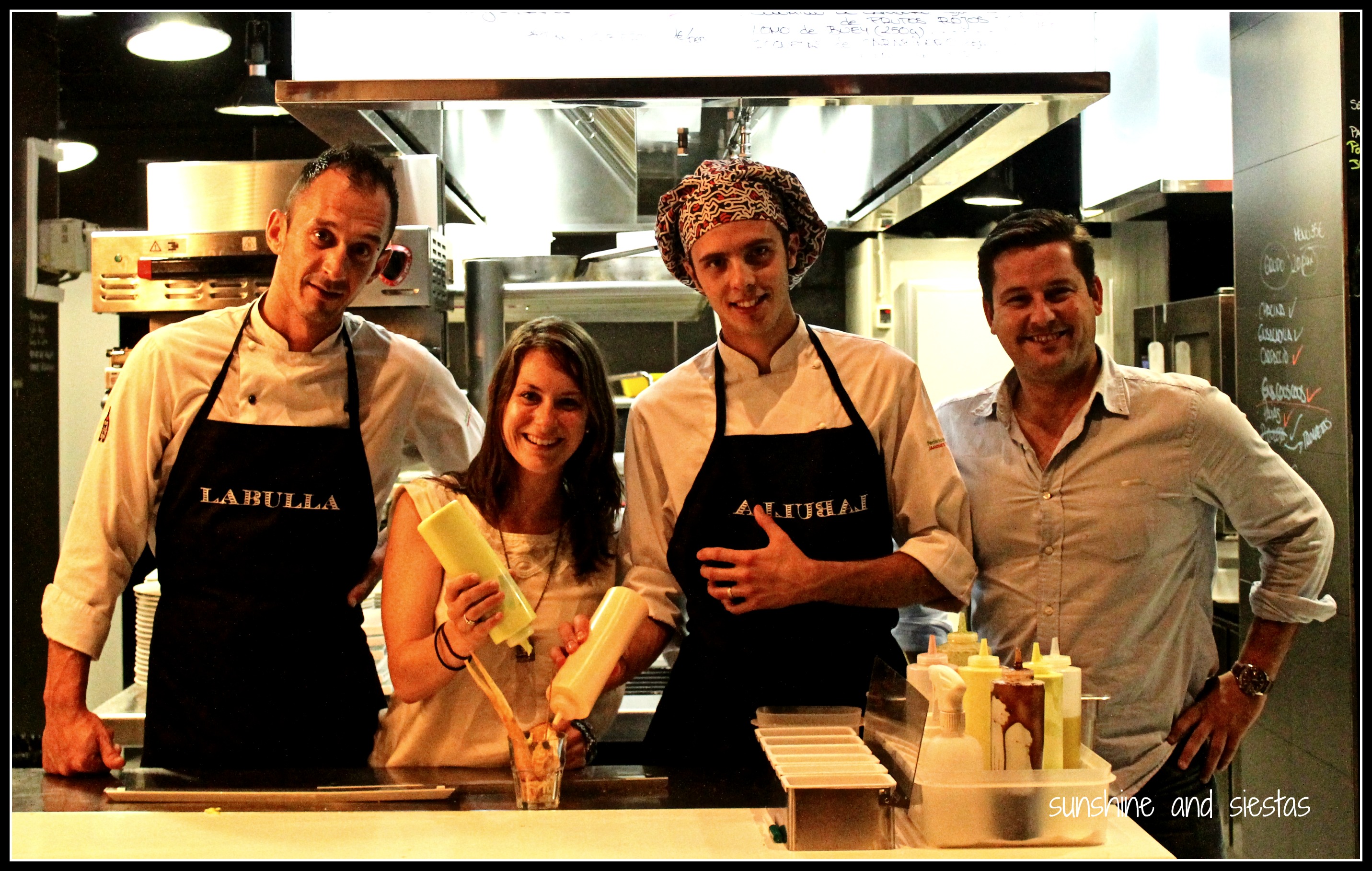
¡Buenas, Cat! I had been admiring four antique mirrors on the wall when I discovered that not only was the chef a dear friend of Kike’s from childhood, but so was the waiter. David had run a successful chiringuito in their village of San Nicolás del Puerto and was now explaining apple compte reductions to eager eaters. Beaming, I sat purposely with my back to the chalkboard menu.

There was no question about it for me: I wanted whatever was good and came recommended by the staff. I sat in a comfortable red chair, a color theme echoed throughout the restaurant’s cavernous interior. metallic greys and silvers meshed seamlessly with fire engine red.

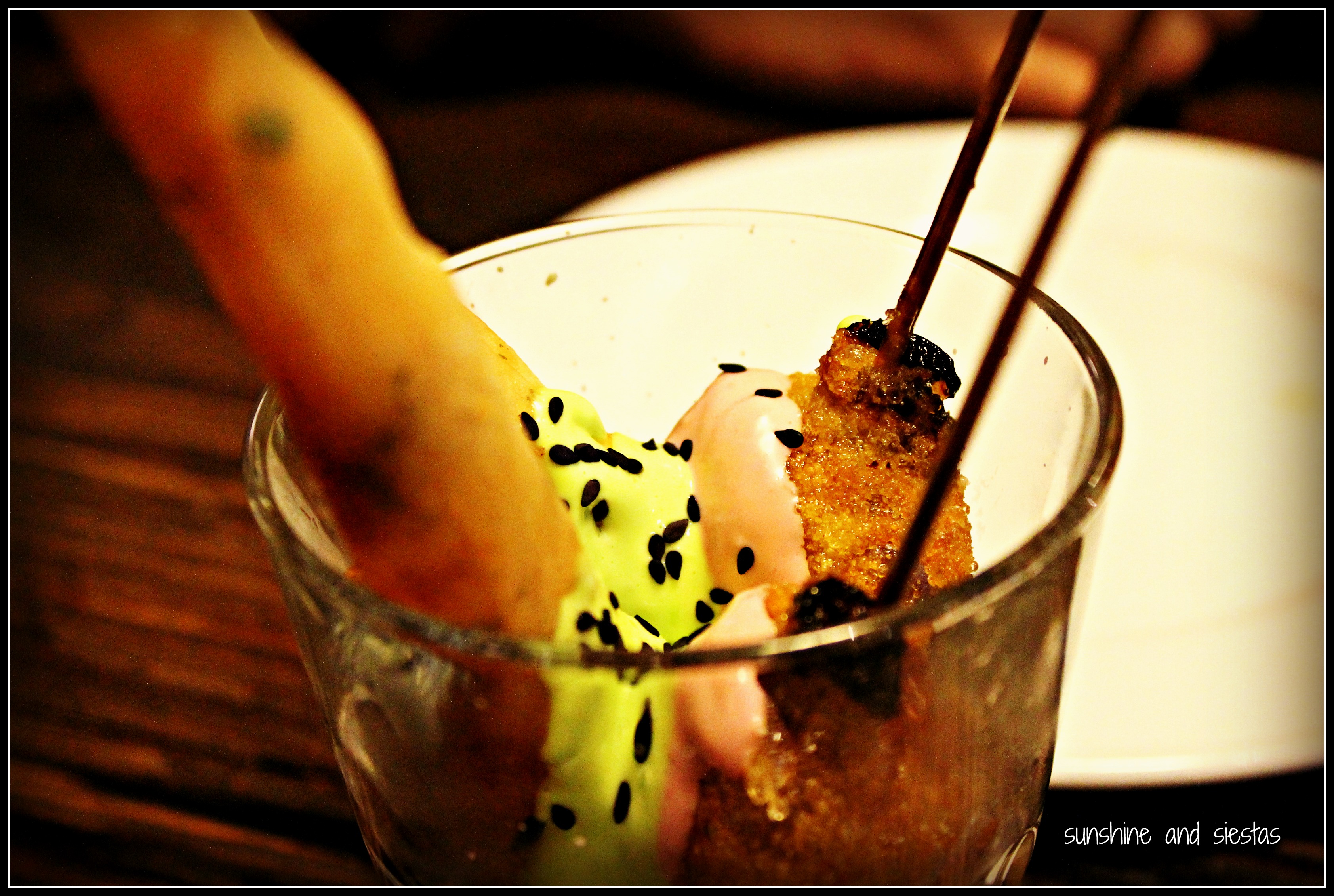
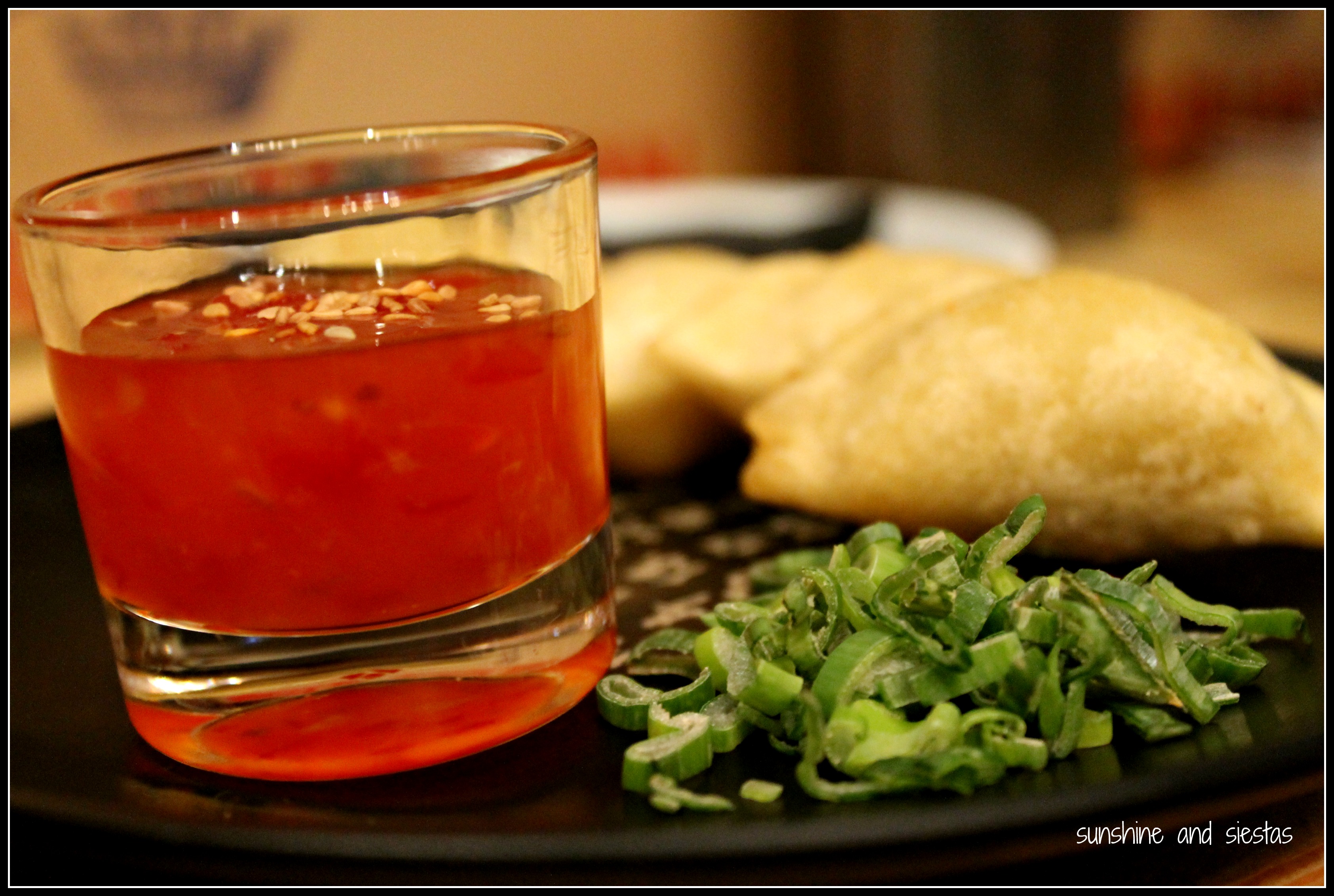
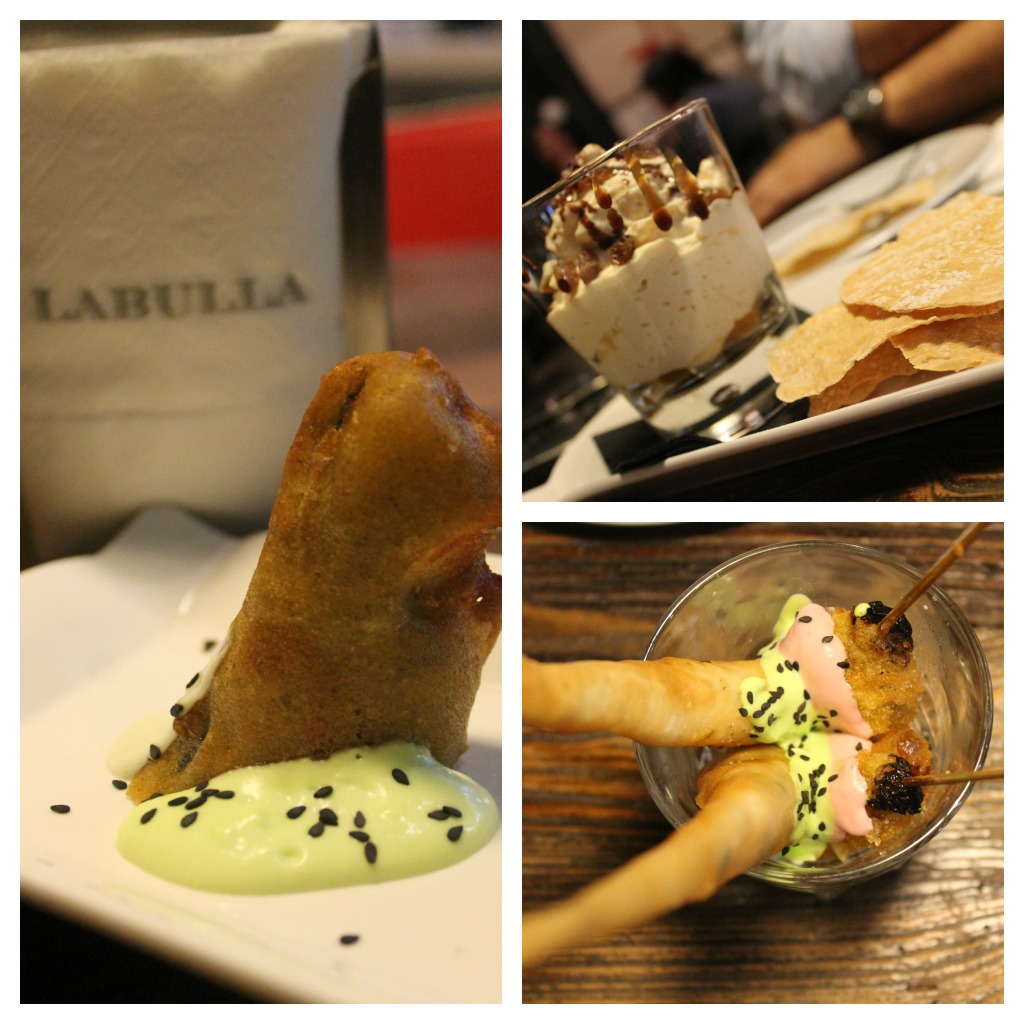
Our first dish came served in a soda fountain glass. “Prawn in tempura with an apple-orange foam, topped with sesame seeds…” David recited the same speech he’d just given at the next table with an amusing voice, even switching to English for me. By this time, I’d already swatted Kike’s hand away to take a photo of it and its partner in crime, a so-named golosina de La Bulla. At the end of a long pincho came a juicy medallion of chorizo fried in tempura with a touch of the salsas. I greedily fished the whole-grain bread (where do that get that stuff in this town, anyway?!) out to sop up the juice.

Flashing a thumbs up at Jesús, I said, My compliments to the chef! The tastes were traditionally Spanish with a twist, just as Jesús is Spanish with an American twist. His father, Diego, runs a campsite and rustic restaurant in San Nicolás. After studying and working at the renowned Taberna de Alabardero in Sevilla, Jesús went to Washington to learn techniques and work alongside some of America’s best chefs, and this is evident in his cooking.

Our chef sent a bruschetta our way next, paired with a fried fish, again in tempura with the creamy apple sauce. David announced that the bruschetta was carpaccio de salmón with steamed bits of octopus and a plum cherry. I tend to not like salmon, but the texture between the thin carpaccio and the coarse sea salta made the morsel tangy and sweet all at once. The merluza next to it was crispy but bland, comparatively, and helped me prepare for the next dish, which was one of the most inventive I’ve seen in Seville.

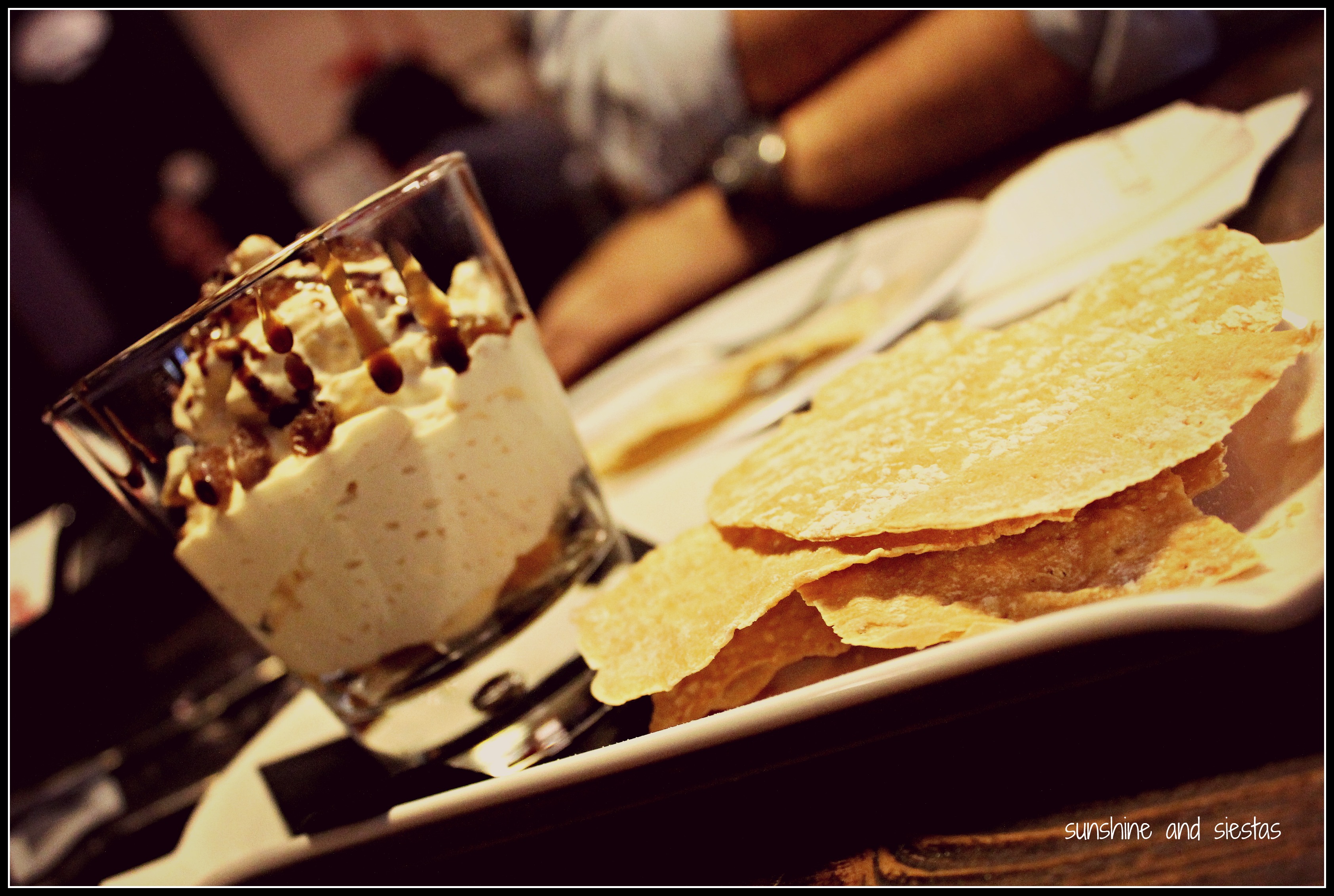
David served us another soda glass with what looked like cinnamon ice cream. ¨Foie gras in a foam cream with raisins and candied fruit,” he announced, setting the pack of regañá, a flat, crispy bread, in front of me. My eyes widened, never having eaten anything like it before. The blend of tangy and sweet was overpowering, balanced by the regañá. While foie is not something I eat on a regular basis, Kike and I fought like kids for the last morsels, scooping what we could onto the bread.

“This is like Seville’s version of El Bulli,” Kike said, mouth full. Spanish cuisine was put on the map by Fernan Adrià, whose creative genius turned earthy, simple Spanish cooking into an inventive palate. Just last year, his restaurant – considered one of the best in the world – closed so that Adrià could open a food studies school. I don’t care whose version of El Bulli it was – La Bulla was exceeding my expectations.

Jesús put his hands on the wide bar next to us. “Fish or meat?” Feeling already full, we agreed on the fish and got the surprise oft he night: David cooked us a creamy parmesan risotto while Jesús set out to prepare our fish. To my delight, it was one of my favorites – octopus, which rested on a bed of au gratin potatoes and was covered with a light saffron sauce. Good enough, in fact, that Kike even talked with his mouth full to give his complements.

Struggling with the last morsels of both dishes, Kike announced he needed a smoke. “Pssssst” I whispered to David, “bring me that desert tablet!” Like La Pura Tasca, the desert came in minis, looking like sliders, and were served on a wooden cutting board. Instead, he brought two dessert wines which were less calorific and even better on my full tummy.

I’ll just settle for next time – after all, I know the guy who runs the joint.
La Bulla     Calle Dos de Mayo, 28     954 219 262

Baa, Baa Black Sheep: Sampling Ovejas Negras Tapas Bar

My friend Lindsay, fellow sevillana in a past life, has my back when it comes to new places in Sevilla. While catching up after Christmas over rebajas shopping, she practically dragged me to Plaza San Francisco to try a new restaurant she’d heard about called Ovejas Negras, Black Sheep.

I fully admit to loving the traditional bodegas and old man bars in Seville, where the tortilla is fluffy and the service always candid. Lately, however, as tourism keeps this country afloat, more and more gastrobars have been popping up in the city.

I thought back to living on Calle Numancia in the bustling Triana neighborhood. To Rafa and the crew, I became la vecinita, the neighbor, and often filled my belly on balmy summer nights with a finger or two of wine and some cheese. La Pura Tasca’s fresh take on mixing ingredients and inventive design left me craving some more modern.

Places like La Azotea, Zelai and the newer Robles Restaurant (reputed to be the best food in Seville) are now rubbing elbows with age-old eating establishments and tucking into the narrow, cobblestone streets of the old quarter. From first taste, I was hooked.

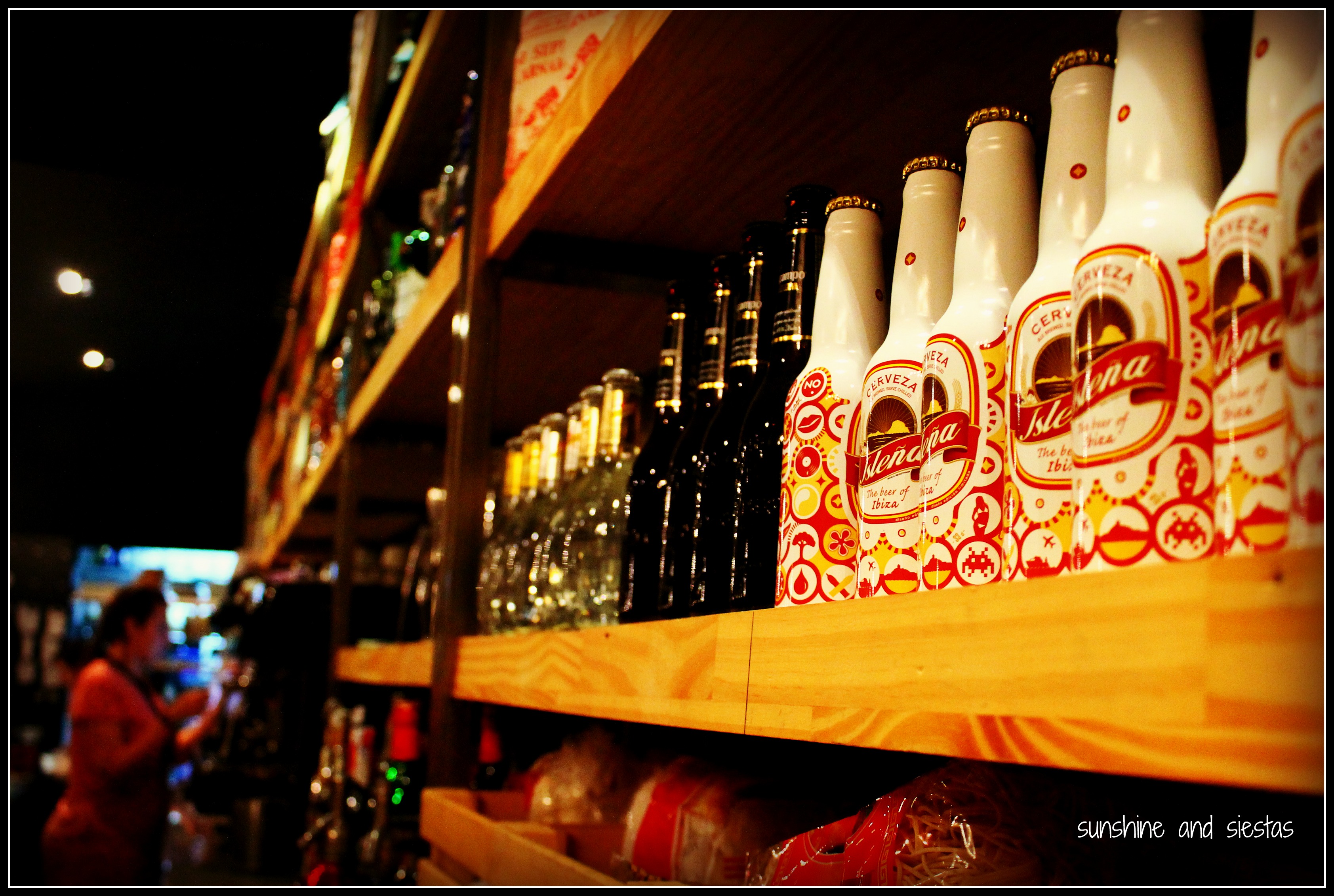
Located in the shadow of the commanding Puerta del Perdón of the Cathedral, Ovejas Negras is anything but the black sheep of the restaurant family. It stands apart from the multitude of tourist shops and rental apartments and pays homage to Seville’s old ultramarinos store, a shop where you could buy everything from powdered milk to meats by simply taking a number and waiting for the man behind the counter to fill your order. Typical Spanish products line the crude wooden shelves behind the bar, where, as tradition dictates, the bartender will ask “Quién es el último?” and take your order.

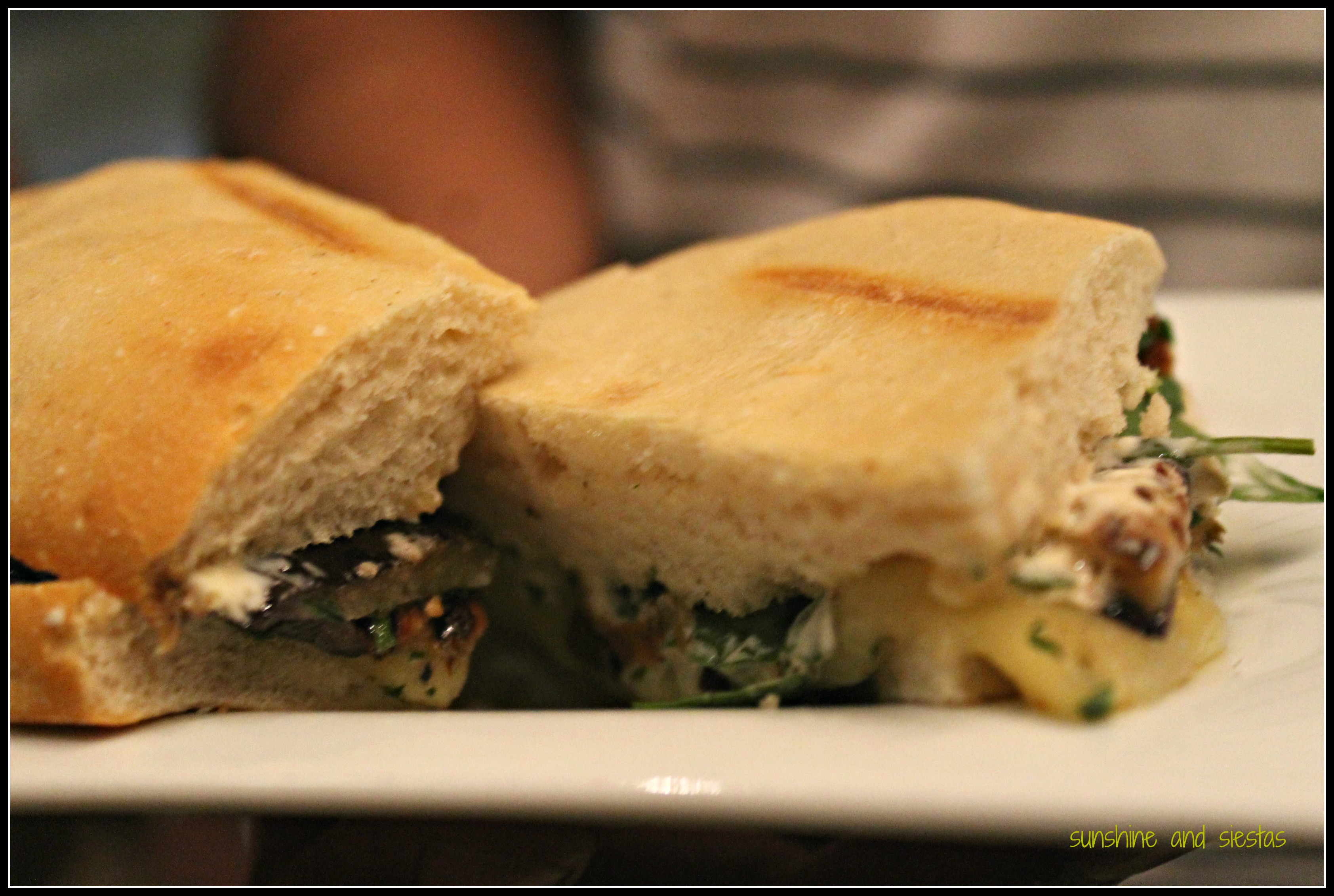
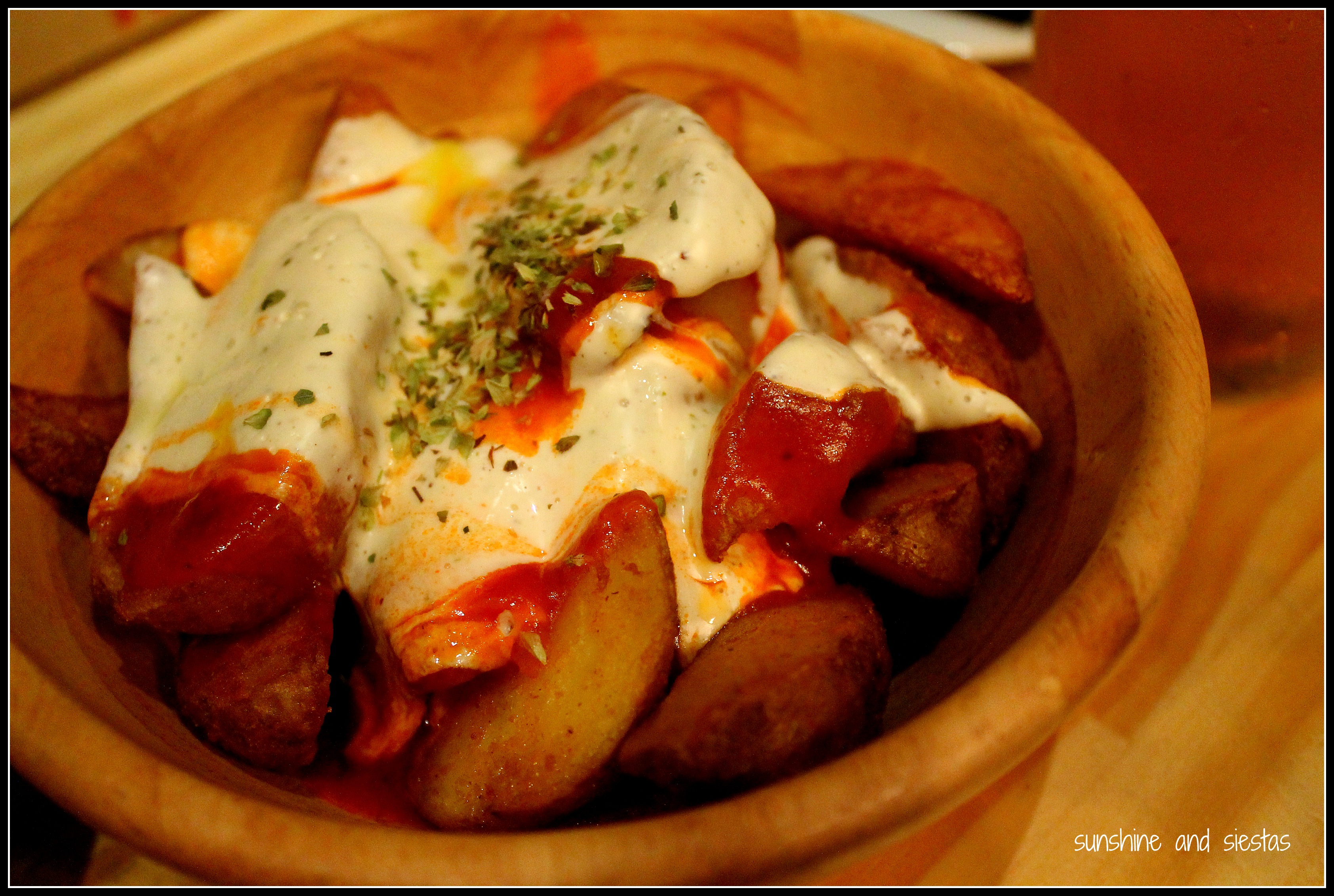
Traditional Spanish tapas show up on the clipboard menus, but the beauty of Ovejas Negras is the mix of new and international cuisine. I, like Lindsay, have taken so many people back to Ovejas Negras that I’ve already got my go-to list of favorites at the bar: creamy risotto with wild mushrooms, a french bread pizza with rucula and parmesan, spicy papas bravas and, per usual, a cold Cruzcampo.

The atmosphere in the place is always lively, and last night we were lucky to grab a spot at the bar, under Bonilla a la Vista potato chip canisters and Mahou bottles. Our plan was to introduce my visitors, Dave and Melissa from my high school days, to the tapas tradition, but the bright lights of the bar and the array of choices meant we’d get our fill just be ordering based on what our eyes and noses drank in.

When I could say that I was the next in line to order, I carefully recited what was on everyone’s list to try: wooden bowls of papas bravas, an eggplant and rucula sandwich, fried fish with an accompanying cream sauce, the risotto and small, sweet and sour empanadillas. The conversation flowed like the beer over the bustle of the street outside for the Corpus Christi celebrations. The portion size of the tapas is big enough that two-three between two people is typically enough, though I could have found room in my tummy for the not-so-mini hamburger or even a slice of cheesecake.

Later that night, we found ourselves at roof where Melissa asked for the kitchen menu. “Just wanted to see if the papas bravas here were any better!” she quipped before ordering them. Could the answer be any more obvious?

Ovejas Negras is located in the Antiguo Bodegón Pez Espada on C/ Hernando Colón, 8, just between the Town Hall and Cathedral. Hours are Tuesday – Sunday 13:00 – 17:00 and 20:00 – 00:00. Closed Monday. Tapas from 2,50€. Menu also available in English.

Been to Overjas Negras? What did you order, and what did you think? Know any worthwhile bars to try in Seville? Want to come with? Let me know in the comments, and I’ll get eating!

Everybody Was Pueblo-Timing

Everyone in Spain is, sorry to tell you, not fútbol– or flamenco-obsessed. Not everyone in Spain loves jamón. Not everyone in Spain speaks Castillian. But, yes, everyone in Spain has a pueblo (and not-so-secretly loves it).

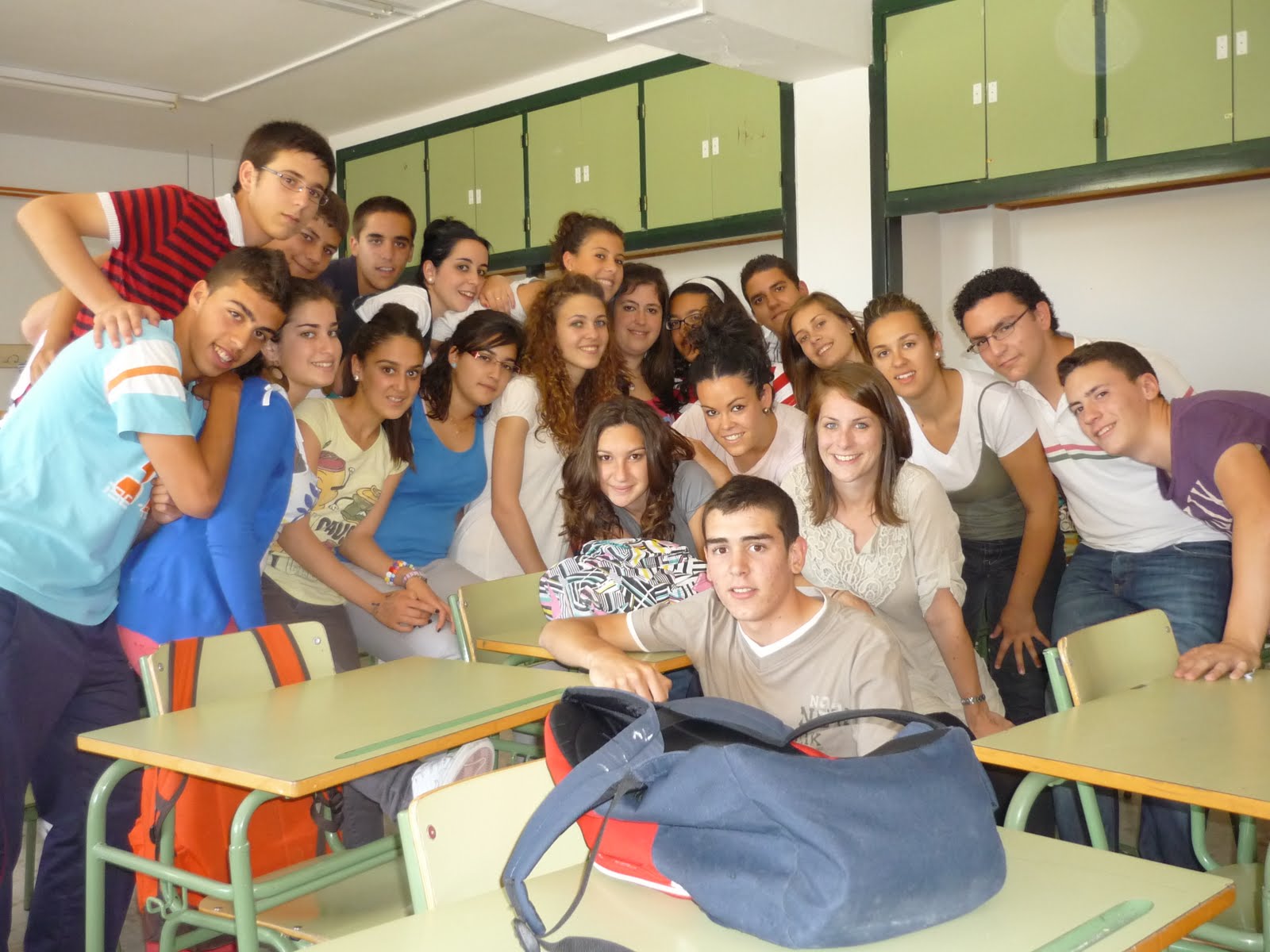
I learned this during my second year at IES Heliche. While discussing holidays (summer vacation for you gringos), I asked if anyone was going to a second home of theirs. Virtually all Andalusian families spend their summer months away from the sweltering cities at the hundreds of kilometers of coastline down here, so I expected to hear names of beaches within an hour’s drive (for the record, the lack of beaches is one of my extreme dislikes about Sevilla, along with the ever-shrinking airport and lack of live music – the good ones, I mean).

Nearly everyone in Olivares listed their summertime destination as Olivares. Like the ones below:

Ok, I assumed, there’s a financial crisis, and it’s likely that people are sticking around their hometowns, trying to stay in the shade. Qué no, the olivareños were simply moving house across town to their parcela – or little shack houses – with pools. Why leave your pueblo when all of your friends are around?

En fin, the pueblo is to Spaniards as our dogs are to Americans.

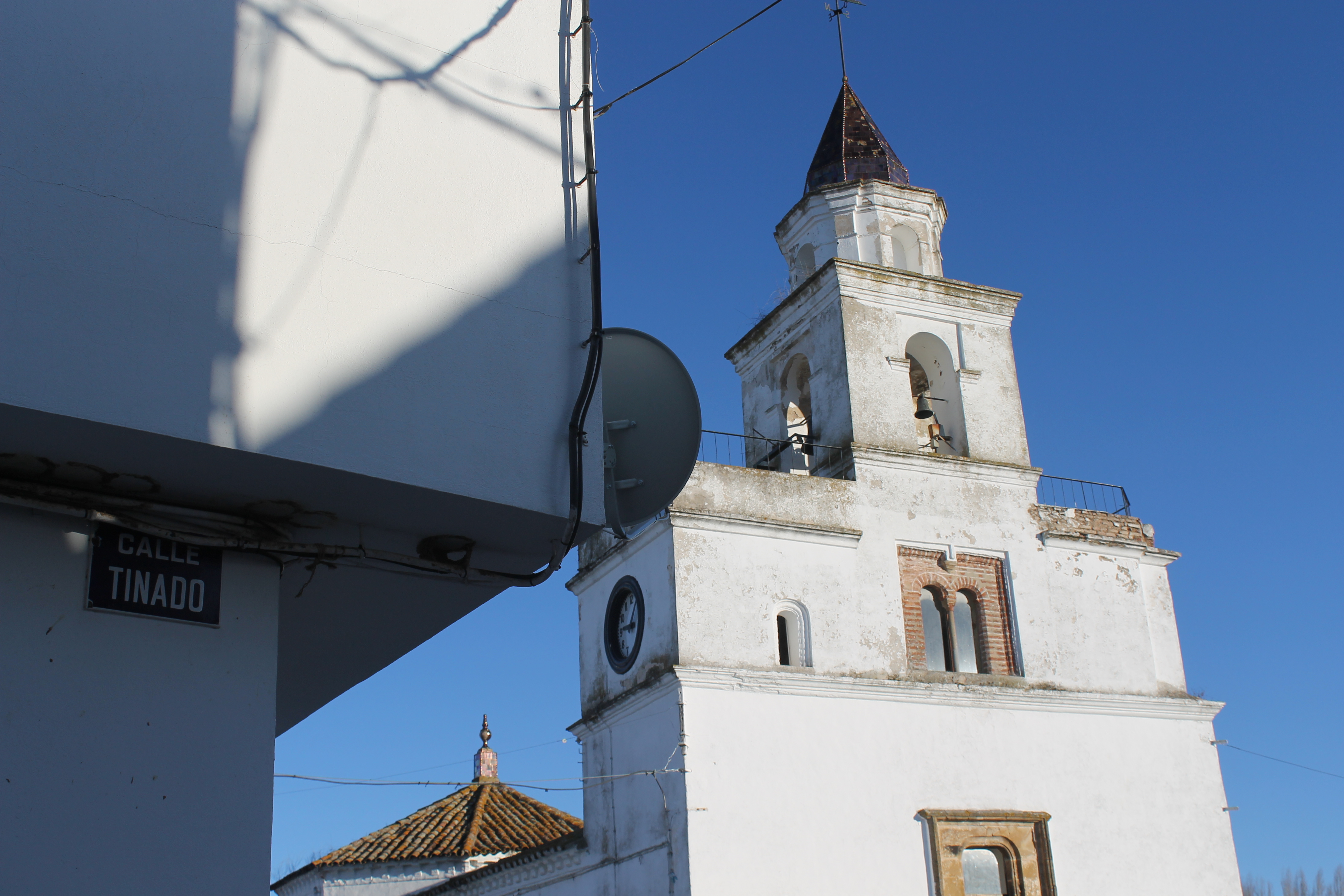
For ages, Ismael and I considered Olivares to be our pueblo, but I don’t feel the same way about Olivares as I do Kike’s town, San Nicolás del Puerto. With 700 inhabitants, this town is totally pueblarino and found high in the Sierra Norte de Sevilla.

While nothing can compare to a city as vibrant, folkloric and beautiful as Sevilla, I do love my pueblo time.

Cheers (with cough syrup)

The Sierra is home to several specialties, including the Miura brand anís flavored with guindas – a small, red cherry. I personally think it tastes like cough syrup and haven’t had so much as a sip for years. Still, bottles of the rojo líquido are consumed most often in the Sierra as an after-meal drink.

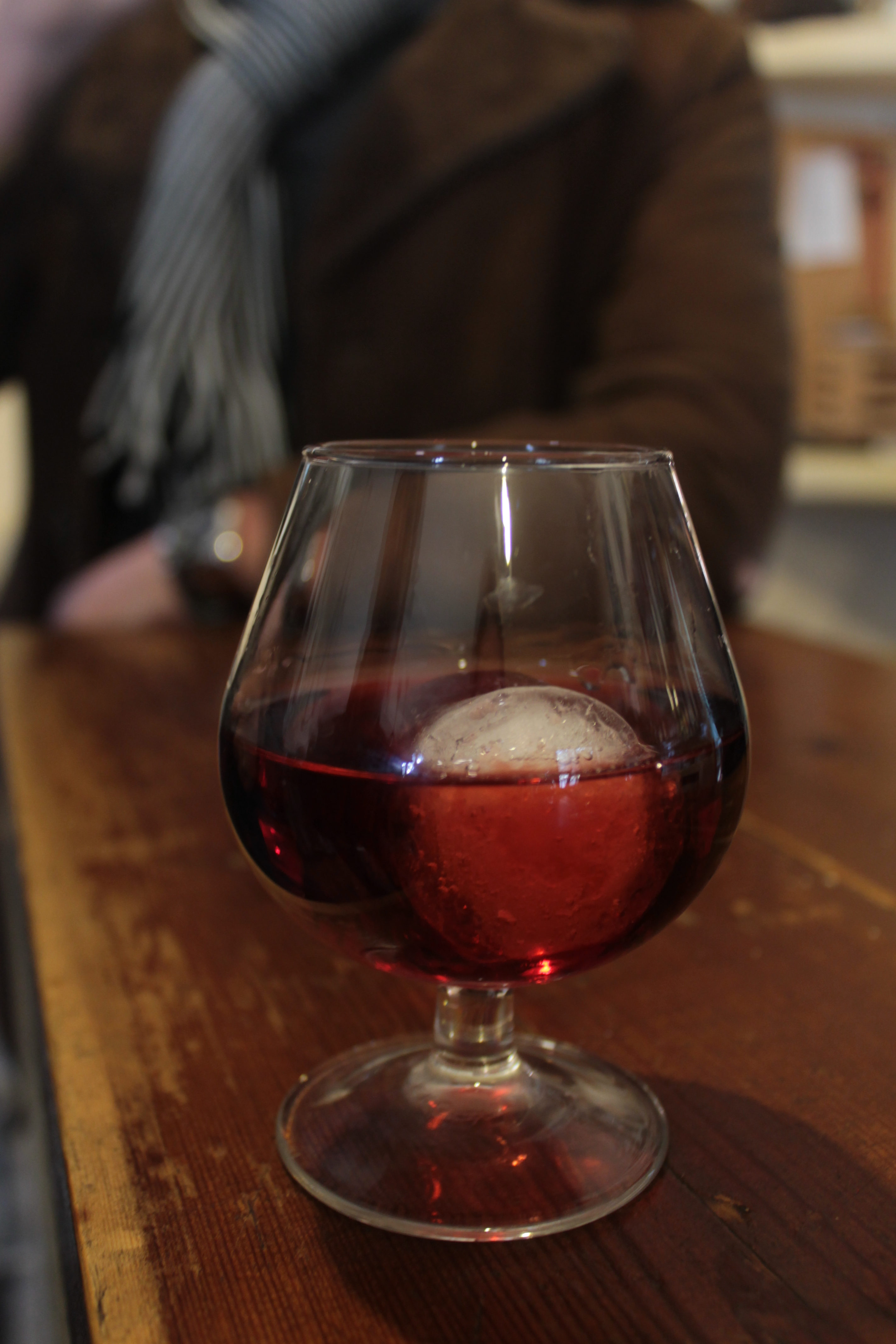
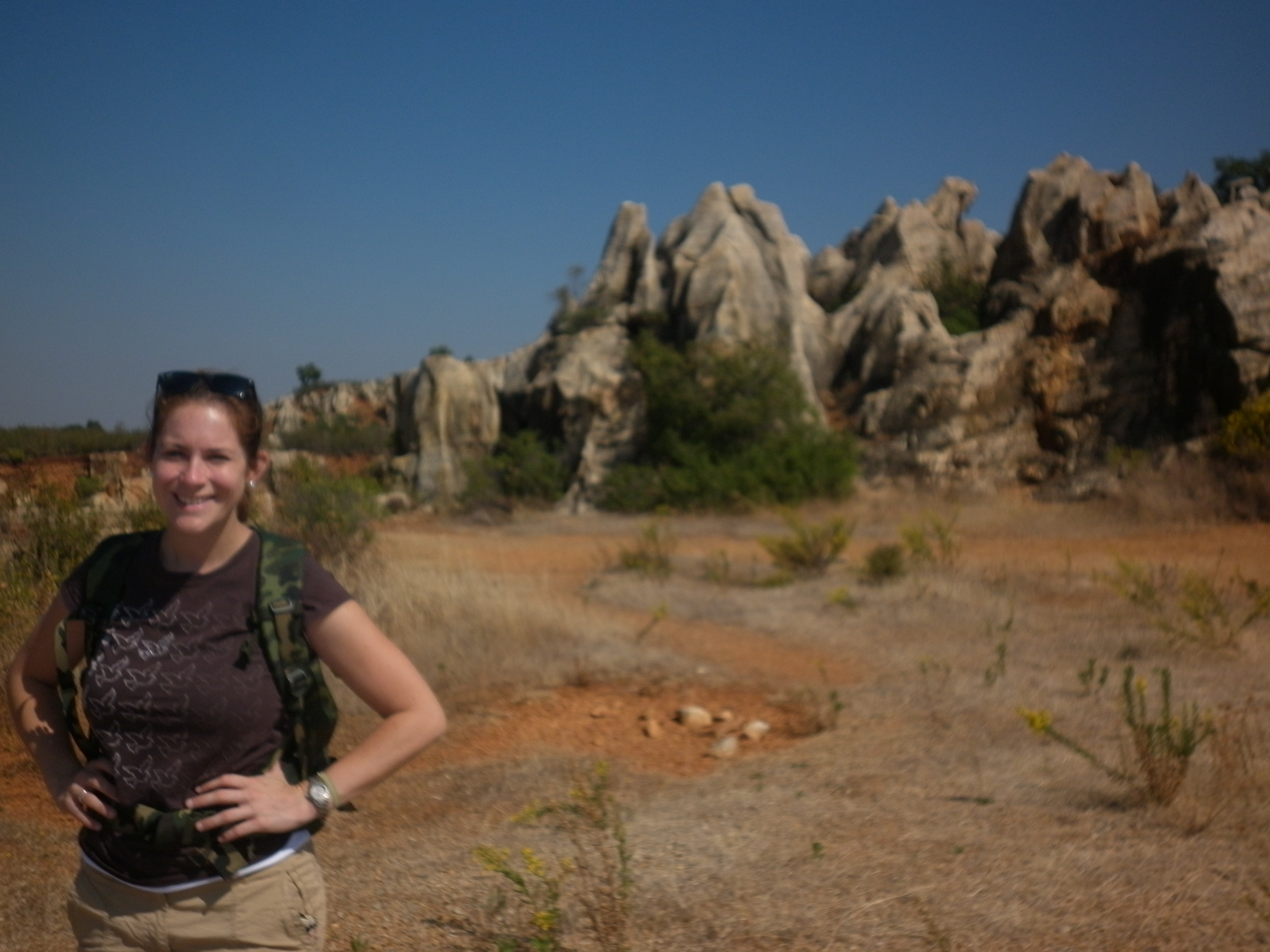
The Sierra’s crowning gem is Cazalla de la Sierra, a breathtaking pueblo blanco full of old men and wine cellars. Monica and I ended up here after hiking the Vía Verde last Spring, and this is where the famous anís is produced, bottled and packaged.  I tend to refer to anís as a grandpa drink (see here and see also: Monica’s love for old men and their attraction for her), but the serranos guzzle it down, served in a stout, bell-shapped glass with just one ice cube. Ask for un miura con un hielito and you’re set.
Sierra-Style Soirees

One of my favorite times to visit the pueblo is during their ferias, fiestas and romerías, all in the name of tourism, saints and, well, fun. San Nicolás is the birthplace of San Diego, and just about every male in the town is named after him (and the Novio wants his third child to be a flesh and bone sacrifice to him, too. Honest.) My pueblo is famous for its Halloween in July, Carnaval celebrations, Romería – a kind of pilgrimage to a hermitage –  and the same día de San Diego.
Here’s an excerpt from a blog I wrote after my first San Diego:

 After my usual siesta in Kike’s childhood bed, I took the main road in to its intersection with the main road out. There, sandwiched between the houses on Calle Diego, next to my favorite bar, was a charranga in full-swing and scores of small Diegos running around. The nearby owner of the camping, Diego (duh), welcomed me with a beer and I sang him the customary saint day song (Many children in Spain also receive gifts on the day the feast of the saint which bears their name is celebrated. San Enrique, for example, is July 13th. To my knowledge, there is no Saint Cat!), taught to me recently by my babies at school. The town was fuller than ever – Inma came from Córdoba to see her mother and ask that her son be baptised in the same church as she and other generations in her family had, and an old friend of Kike’s, María José, brought her small children and husband for the first time. The bailes, typically held on Saturday, were cut short due to the early morning parade to follow the next day.

 Small town festivals are often more raucous, more inviting and even more fun than the Fallas, San Isidro and Feria that Spain has become famous for.

Jamón, Jamón

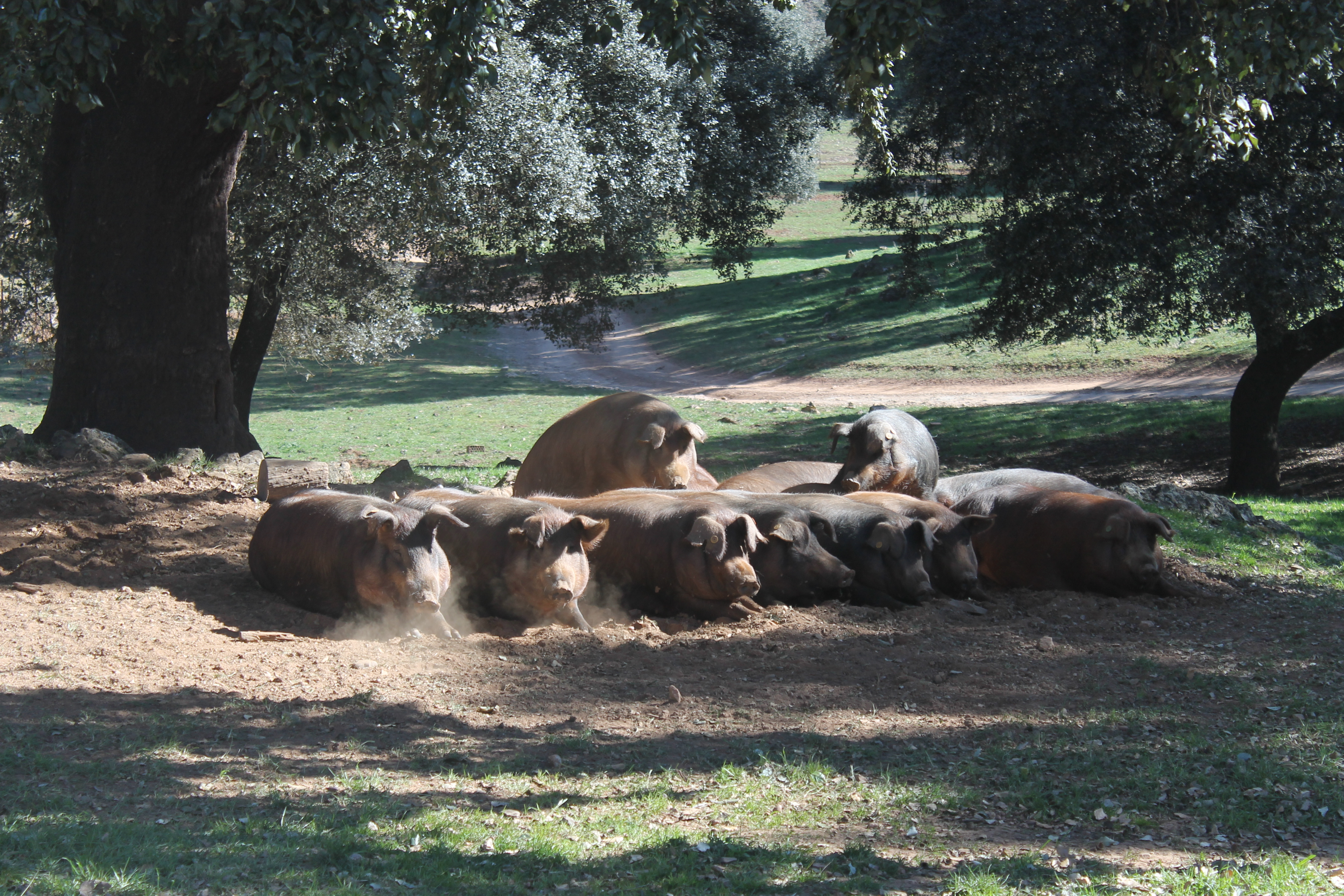
Ask anyone what’s to be found in the Sierra, and the answer is undoubtedly JAMON. Spain’s great meat reigns king, and the famous Iberian ham is raised right in the mountains that run along the border of Andalucía and Extremadura. Kike’s father makes a living off of raising and selling pigs to the local matadero, so we have a leg of ham – hoof and all – in our house nearly every day of the year. While I can’t say I loved jamón when I came to Spain, the taste has certainly grown on me.

There are two types of pigs raised in the Peninsula – serrano and ibérico. The difference lies in both the color and the feed, which give the paletillas and patas their distinctive taste. Regardless, both varieties are trimmed, dipped in salt and hung to dry for up to two years before being sliced in thin rations for consumption. Ibérico’s pata negra is considered a delicacy for many palates, and its taste comes from – lo juro – the acrons the pigs munch on. Exportation has increased with relaxed laws in the US for serrano hams, but the minute I can have a real slice of guarrito in Chicago, I’ll feel like my parents can finally taste a part of the pueblo closest to my corazón.

Gastronomic Gems

Speaking of jamón, the food in the Sierra couldn’t be better: from guisos made by grandma to fresh chorizo and goat cheese, I always eat well in the pueblos. In San Nicolás, where tourism is slow – save the bikers and horseback riders among the Vía Verde – there’s no plethora of restaurants to choose from. In a normal weekend visit, we can hit all of them, and often venture into neighboring villages Alanís de la Sierra and Constantina for a meal, too.

By far the best eatery in the vicinity is Batán de las Monjas, a rustic-style restaurant owned by Diego. Part homestyle restaurant, part new-age dining (Diego’s son studied at a culinary school in NYC and now is one of the lead chefs at Seville’s famous La Bulla), the place oozes pueblo charm is the resting place for the livery that feasts off of bellota in hills surrounding the village. Typical prices for entrées are will run about 7€, so it’s easy to fill up for cheap. The migas in winter and creamy gazpacho in summer have won my heart, and Diego and his family always make me feel at home – even when not with the Novio!

A Cambio de Aires

San Nicolás has a truly privileged location, not only for its livestock, but also for its outdoor offerings. A Via Verde trail slices around the southern end of the village, making it accessible for bikers, hikers and riders. It’s normal to see bikes leaned up against Enrique’s bar on a sunny Sunday morning, giving the town an added tourism boost for the smattering of bars and eateries. There’s hills to climb, waterfalls to admire, a Roman bridge to jump from, wildlife galore and some of the warmest and down-home people you’ll ever meet. I’ve always felt like one more Marucha when I’m in San Nicolás, and for good reason – I’m accepted as one.

Have you got your own pueblo? What’s your favorite, FAVORITE thing about it? Been to the Sierra Norte de Sevilla? Tell me what to do next time!

If January Marks the Start…My 2011 Travel Round-up

Let me tell you a little story about peer pressure.

When I was 11, my parents informed me that the dog had taken the news well. She faintly wagged her tail.

“What news?” I asked, hoping for the trampoline I’d begged my parents to buy us for ages.

Oh no, it was the M-word. We were moving. I’d have no friends. Maybe there wasn’t a Kohl’s there. Was Chicagoland > Rockford, or had my mother just confused after consumering too many kosher hot dogs growing up and was going crazy?

Well, I wanted to fit in. I did so by going to the Von Maur and using my birthday money to buy a pair of Jnco jeans because all of the popular girls had them.

I strutted into Edison middle school the next morning and was immediately dismissed as a poser.

Well, I didn’t learn my lesson. Now that I’m blogging, I give into the peer pressure of comparing stats, doing those dumb surveys and, as the new year has already crept up on us, a year in review. In 2011, I added two new countries to the list, had five visitors from the US, got my work/residence visa paperwork all together and turned 26.  I can’t say 2011 will be the greatest I’ve had (dude, 2010 was pretty, pretty good), but I managed to see some new things, meet some new people and probably consume a new pig part.

January

Amy and I rang in the New Year with oysters, an old boxing legend and a broken camera in Lausanne, Switzerland. I moped through Season Three of Sex and the City the next day while Amy was bed ridden. Colds and booze do not mix, people.

From there, I met several  friends in Berlin, Germany and got my history nerd on as I explored a concentration camp, museums and the off-beat Berlin.

February

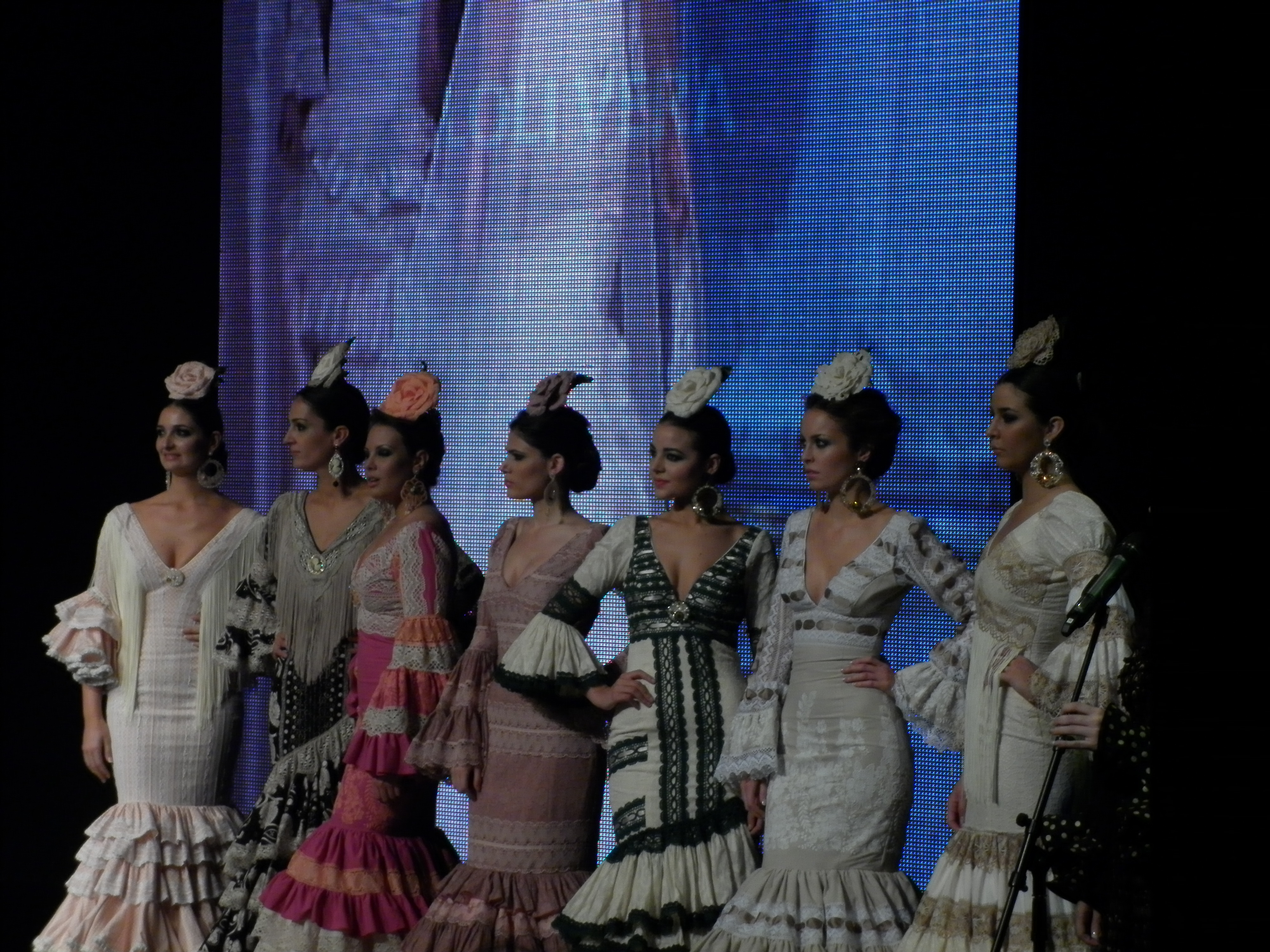
Apart from the usual routine, I got to go to my first flamenco fashion show and a wine festival. Cheap wine, that is.

March

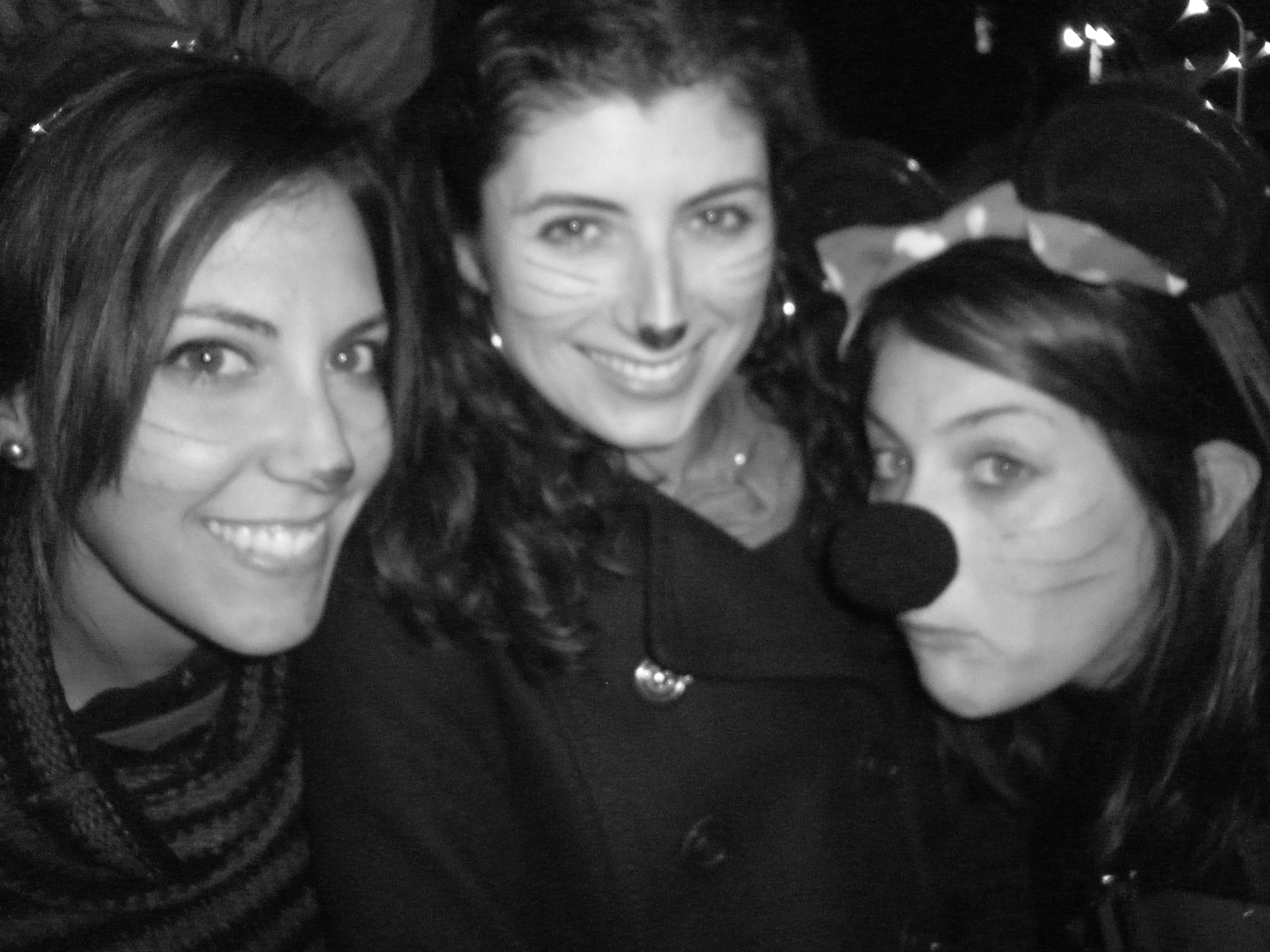
March came in like a león, as I spent a raucous night in Cádiz as a third-of the blind mice group at the annual Carnavales celebrations.

My first visitors of the year, Jason and Christine, spent a rainy sojourn in Sevilla,

but then Beth came during the Azahar and warm weather, and we drank in Granada, Jeréz and Cádiz (and then I got strep).

April

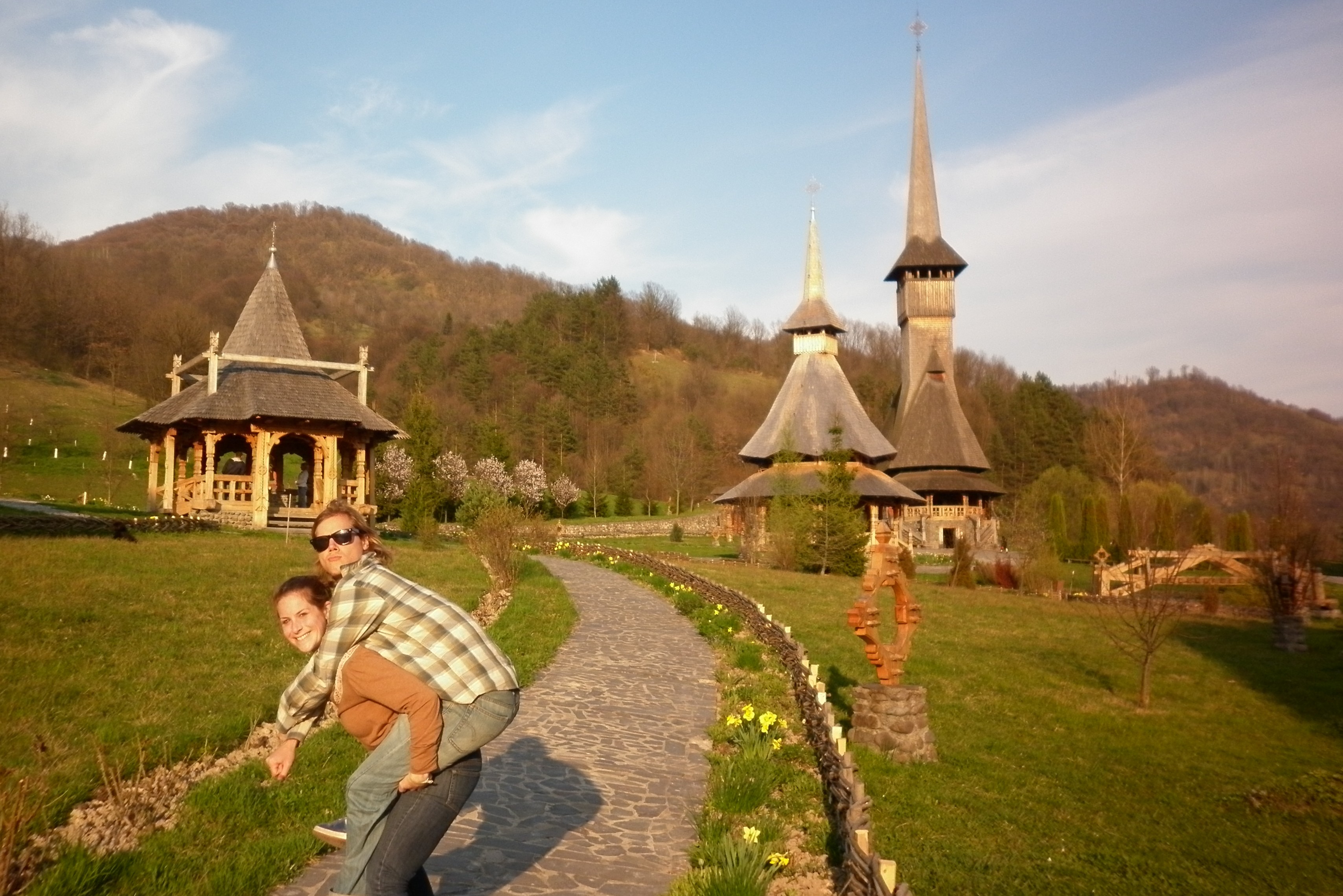
Ahh, a Sevillian primavera. I spent Easter Week in Romania with my camp buddies, driving a beat up Dacia from one forlorn corner of Romania to another. I loved it, and consider it a budget-lovers paradise – I spent in one week less than I did on my airfare! And ate a ton of pickles. I am like the Snooki of Spain when it comes to pickles.

May

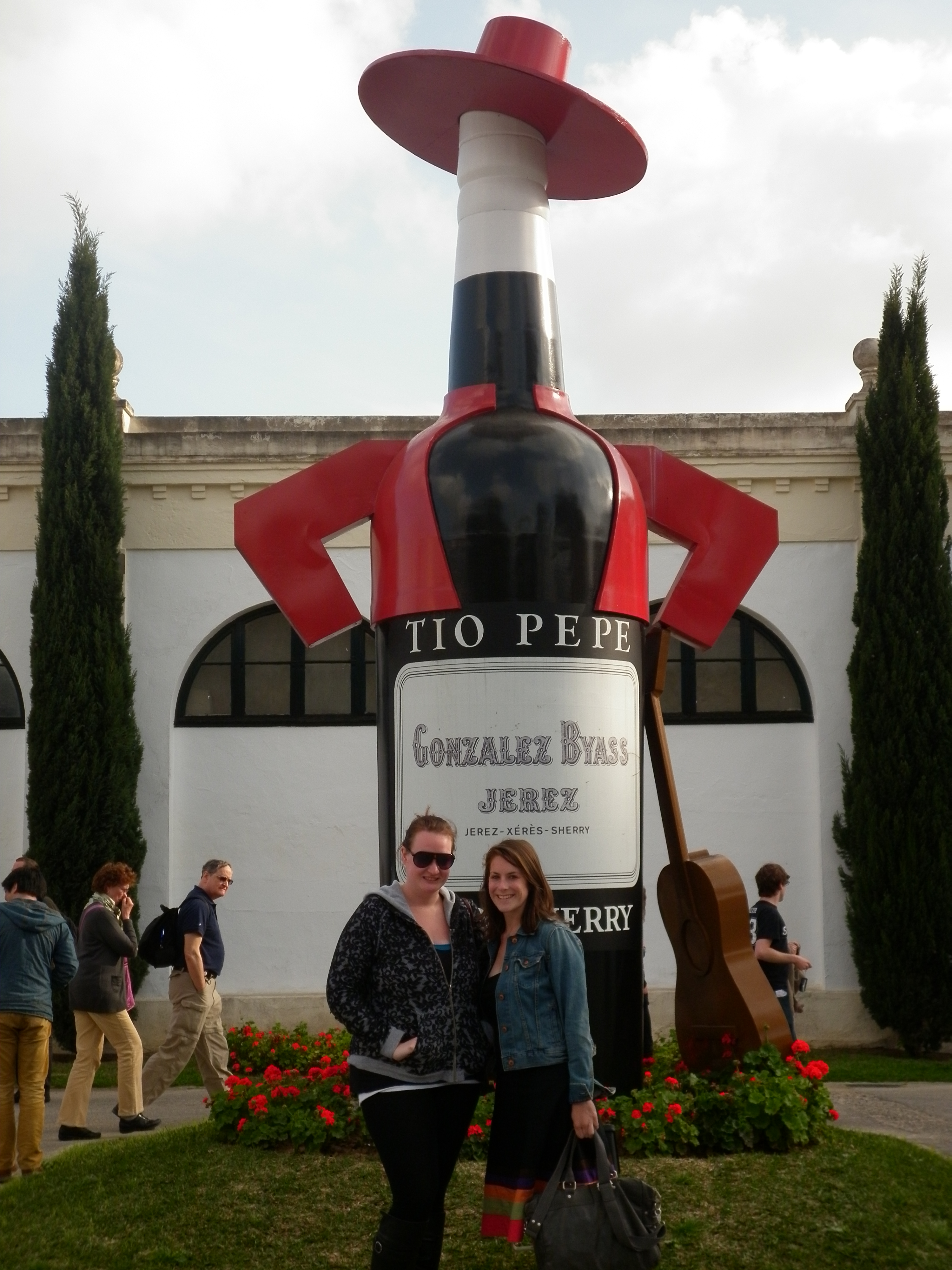
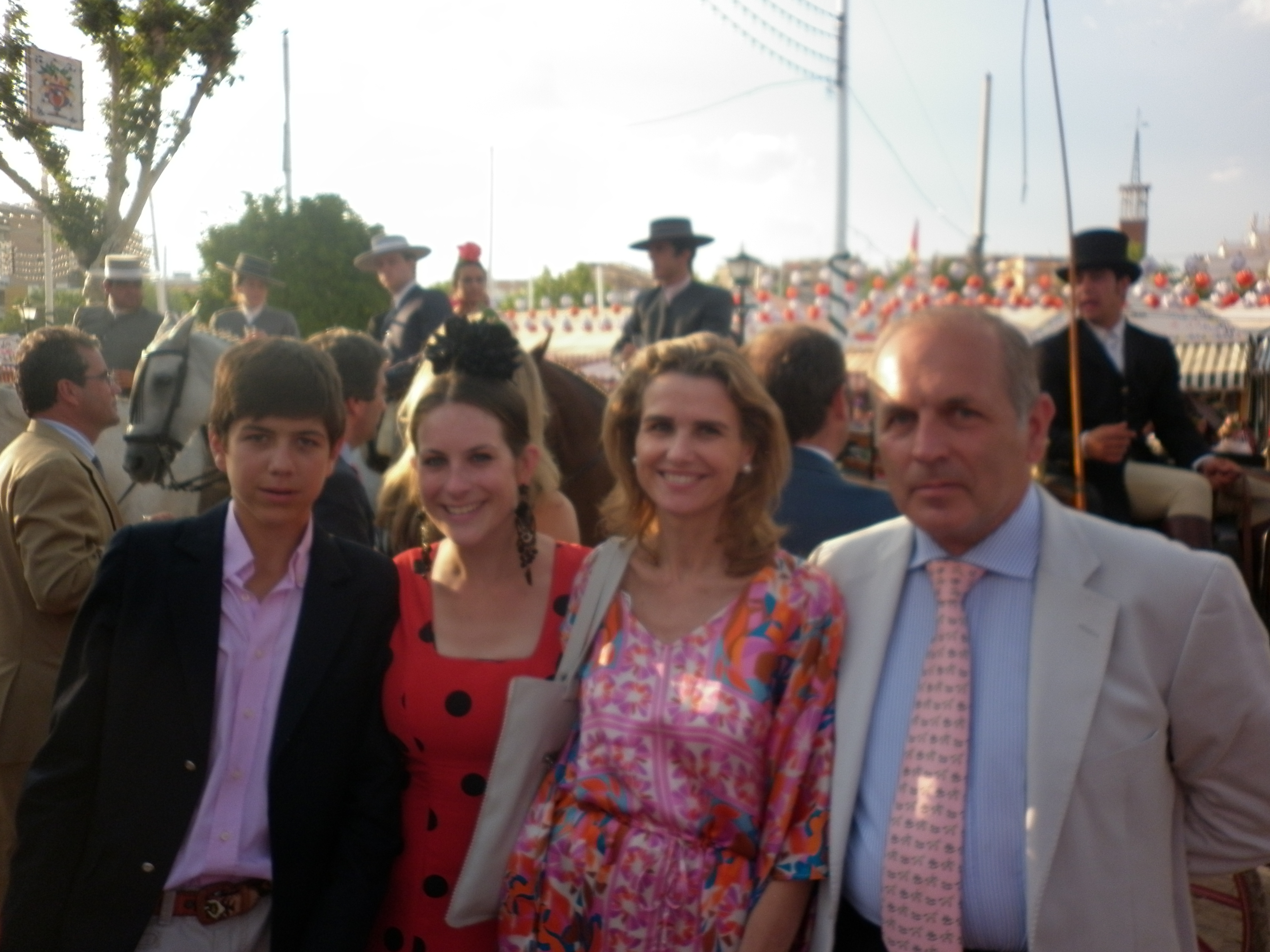
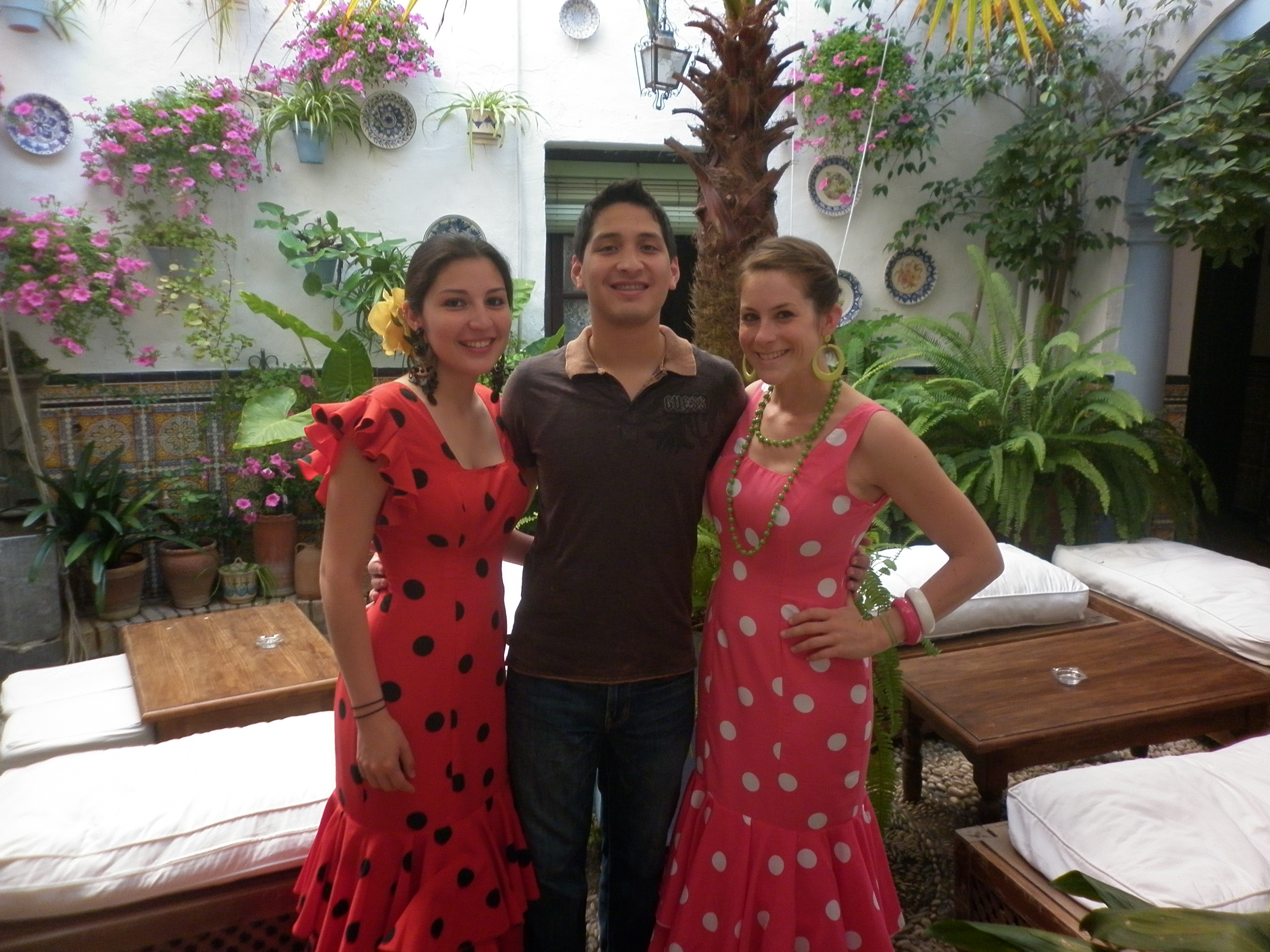
The first week of May brought flamenco dresses, sherry and my five-year win over Spanish bureaucracy during Feria week. I spent nine days riding in horse carriages and proving I have plenty of enchufe.

A few weeks later, Jackie and her brother came to visit, and we took off to Córdoba for another fair.

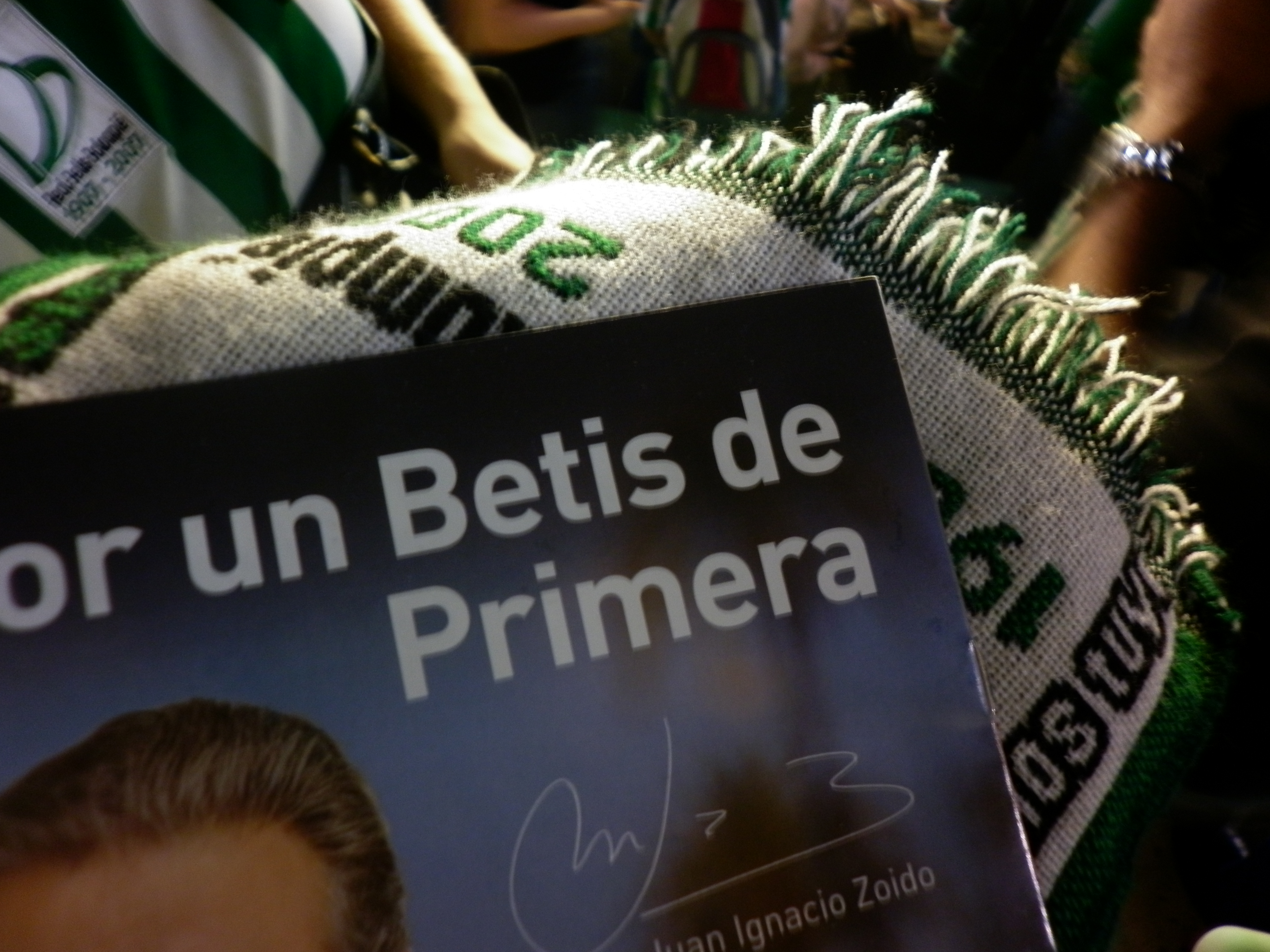
Also, Luna turned one, Betis worked its way back into the premiere league, and summer was just on the horizon.

June

Switched to half days at work just as it was impossible to take the heat. Got to watch Lauren walk down the aisle and party all night (only to fly to Madrid for a conference the next morning. I made it!). And I got my first real year of teaching done, too!

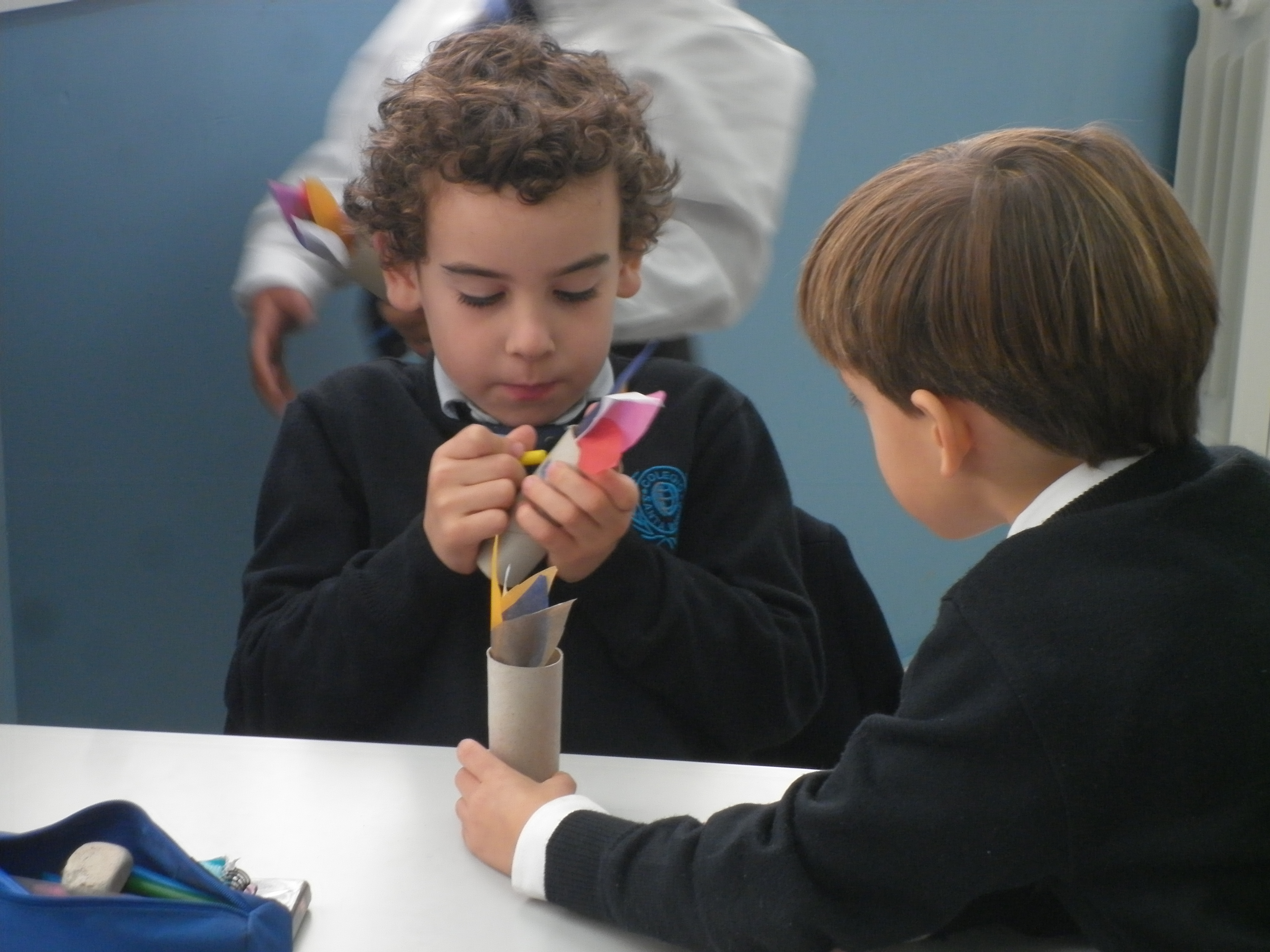
I may have, at time, been a professional baby handler, but having a peek into a kid’s world is something magical. Magical if you like boogers, of course.

July

The first of the month brought a huge triumph: I was finally given my five-year resident card and had won my battle with extranjería. For the third summer in a row, I headed up north to Galicia and to summer camp. Instead of teaching, I was given the role of Director of Studies, so I got a work phone and unlimited photocopies. Perks. Teachers got crap weather, but I a not-crap team (they were awesome.)

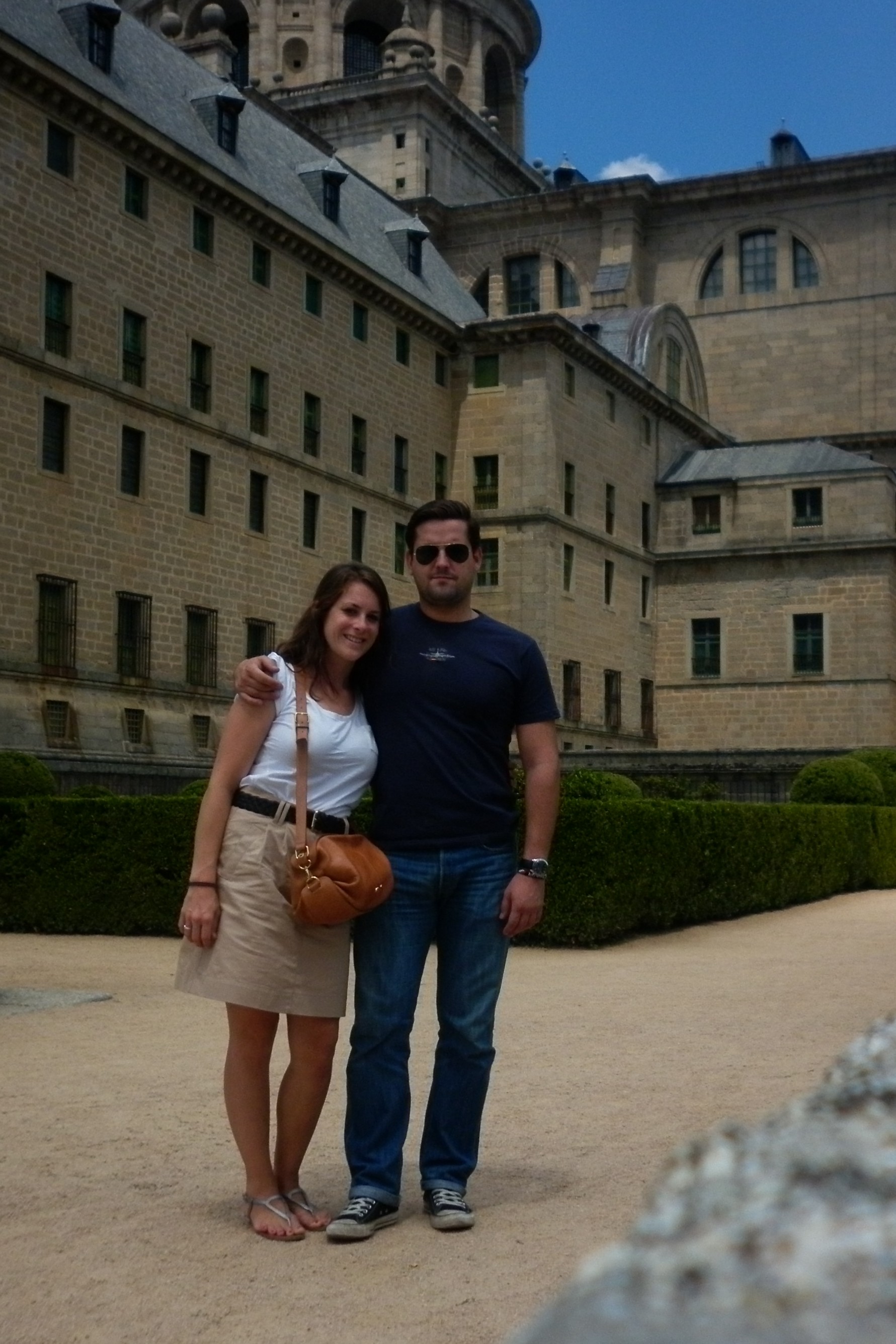
The Novio, finally back from pirate-hunting, met me in Madrid for a few days. We got the chance to, um, do what we do in Seville (eat tapas and drink beer) before making a day-trip to the sprawling El Escorial palace.

August

A is for August and America and fAtty, as I spent 23 days eating up all of my favorite American goodies, like real salads and Cheez-its. I had help celebrating a birthday, as my dear amigas from Spain, Meag and Bri, came to Chicago for a few days. I also got to visit Margaret in her New Kentucky Home.

What I thought would be a good little sojourn was much too short, and I boarded a Dublin-bound plane and stayed overnight on the Emerald Isle.

September

School started again September first, and my change to first grade resulted in more naps, more work and more responsibility. Thankfully, I had my great kiddos back in my (own!!!) classroom. Life resumed as normal.

October

Though I vowed to make my fifth year in Spain new (and I have been doing hiking trips, seeing theatre and exhibitions, etc.), I fell in to normal school routine. In October, this was punctuated by a work trip to Madrid for a conference, studying for the DELE and endless barbeques. When in Spainlandia, I suppose.

November

The new month meant cooler air, a focus on studying and a visit from my final visitor, Lisa. I sprinted out of the DELE to catch a train, meet her and take her to Granada. We laughed at all of our college memories and she broke out of her little mundo to try new foods and explore Seville on her own.

Bri came, so we had a small Thanksgiving dinner, and I shared it with my not-so-anxious-about-pie goodness at school.

December

Amid lots of school work and the looming Christmas play, I enjoyed the Christmas season in the city. Brilliant lights, snacking on chestnuts, window-shopping. The Novio went to the States for work, and I followed him soon after to travel around the Southwest with my parents and sister. The Valley of the Sun, Vegas and the Grand Canyon were on the itinerary, but the extra $640.55 I won on a slot machine win weren’t!

Sadly, the year ended on a sour note when I got news that the child I had repped during my years in Dance Marathon passed away after a long battle with cancer. I don’t want to preach, but you can visit the website to see what the Dance Marathon at the University of Iowa does for kids and their families who are battling cancer.

Goals for the next year? Plenty, both personal and professional. Just be better, I guess. The second part of the year has been a huge slump, so it’s time to find me again. Be a better partner, teacher, friend. Fill up those last two pages of my passport. Figure out where to go next.

I want you to share your biggest accomplishment and goals for 2011-2012! I need some inspiration, readers!

The Smartest Way to See Seville: Part II

It’s an enormous pleasure to welcome back my first guest blogger, Sandra Vallaure. As a Spaniard who’s lived in and traveled to an extensive list of countries, Sandra’s love for Seville started with a simple weekend getaway, and she’s called La Hispalense home for eight years now and is the author of the e-book Seville in Two Days. Read on for the second in a short series of tips for first-time travellers to Seville.

Day 2. Discover a flamboyant city

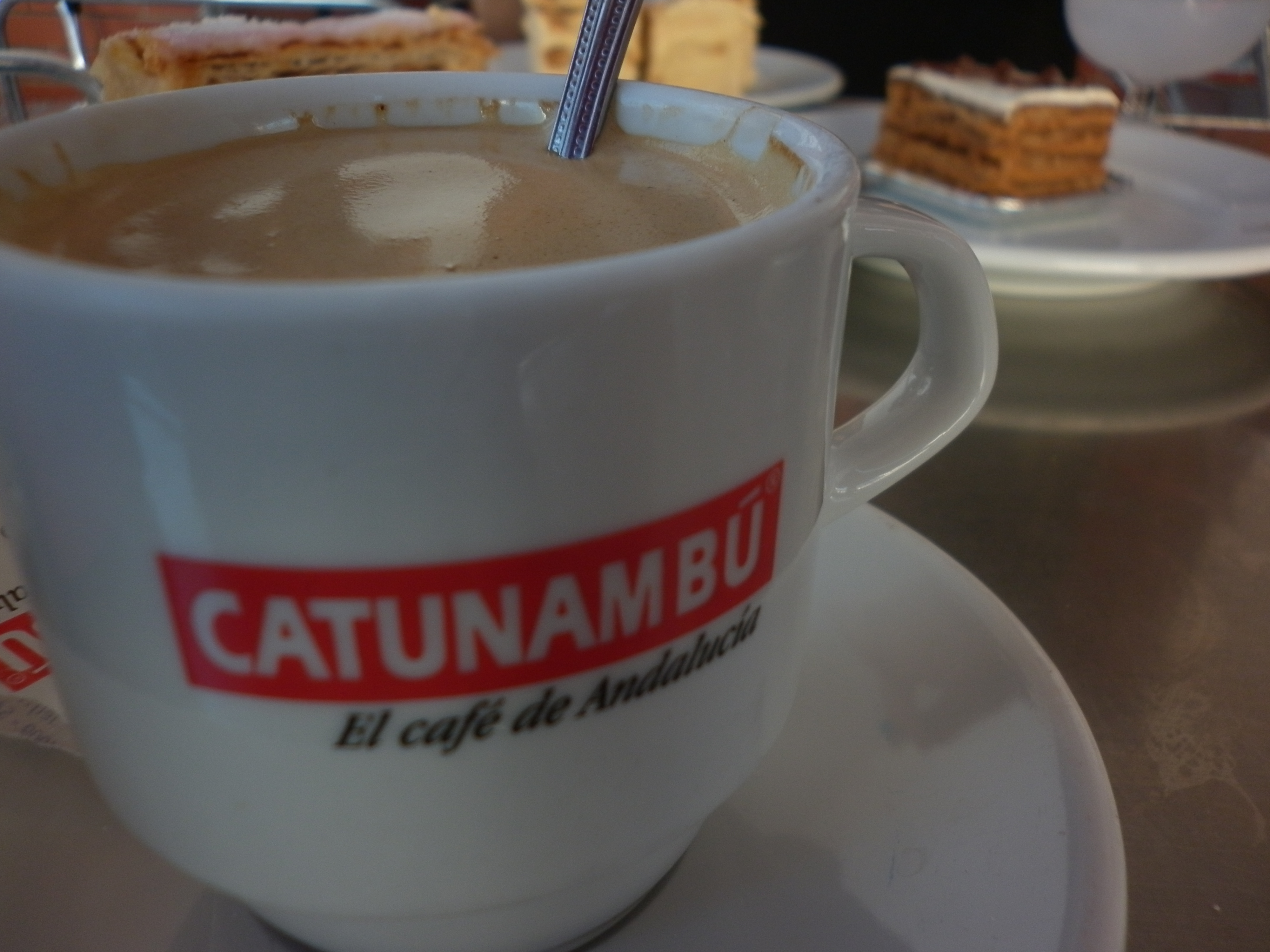
If you liked the experience, have breakfast at Horno San Buenaventura. This time you could go to the one located in the Plaza de la Alfalfa, 9. 

Your day must start at the Casa de Pilatos, the finest palace in Seville, which is just up the road from the square. The mixture of styles (Gothic, Mudéjar and Renaissance) result in a very special place., and the two gardens are peaceful despite the noisy streets surrounding the Casa.

It’s a highlight you shouldn’t miss but here’s a tip: don’t pay to visit the upper floor; the real treasures are at the ground floor.

Just in front of the Museo, a weekly art market can be found on Sundays. Photo by the author.

From there, walk through the center to the Palacio de Lebrija  – a must-see if you liked Casa de Pilatos, as you’ll be touring a beautiful residence nearly on your own – or the Museo de Bellas Artes. The fine arts museum is the second largest in Spain after the Prado in Madrid.

A 10-minute walk gets you to Eslava (c/ Eslava, 5) a hidden gem outside the well-traversed tapas bar areas. It’s next to the Plaza de San Lorenzo, my favorite square in Seville. Another option is the Bodega Dos de Mayo (Plaza de la Gavidia, 6), a traditional bar with excellent food and prices.

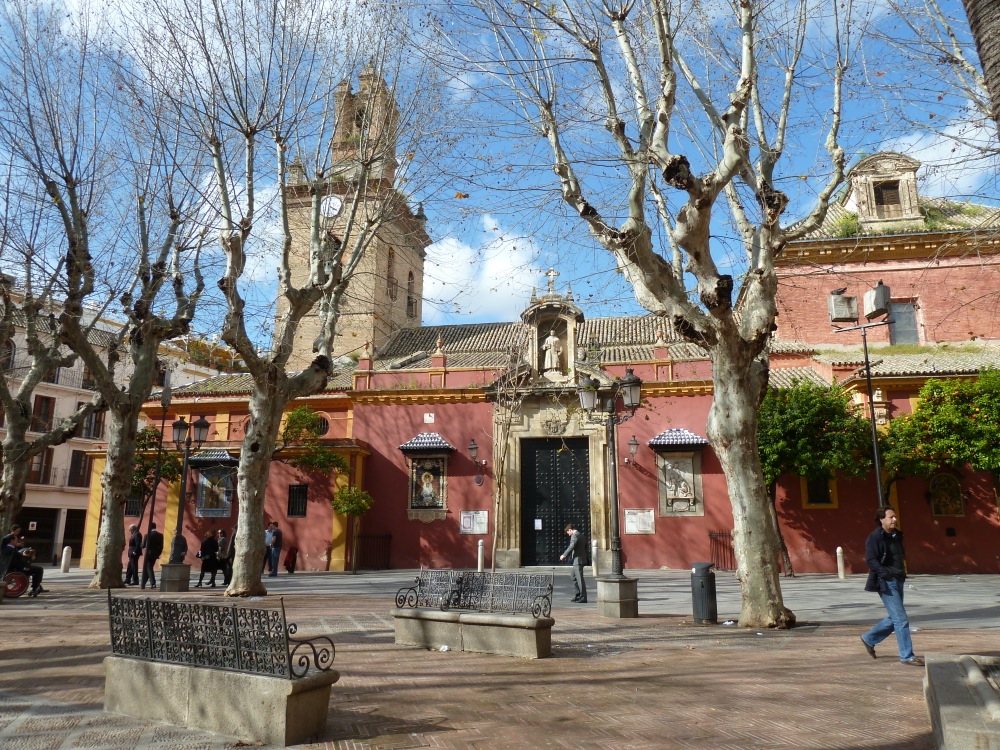
Plaza San Lorenzo, a lively square just off the tourist map. Photo by the author.

After lunch, double-back on your track until you reach the Iglesia de la Magdalena. The exterior is beautifully decorated, especially its dome and roofs. The interior is also very rich and it’s one of the main examples of the Sevillian baroque architecture. Unfortunately, it needs urgent restoration in some parts. 

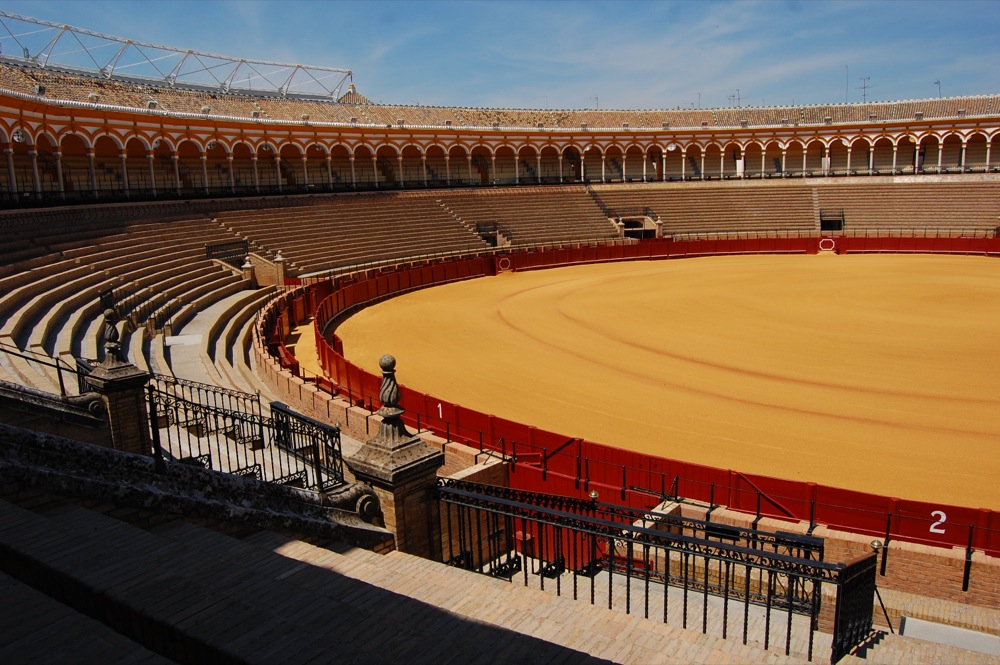
La Maestranza is Seville’s stunning bullring and the oldest in Spain. Though not the oldest or largest , its traditional architecture and Andalusian touches make it a unique place. If you want to know more about bullfighting, the guided tour provides a good summary. 

The gorgeous bullring at the foot of the Guadalquivir. Photo by the author.

Then, cross the Puente de Triana, the oldest bridge above the Guadalquivir. Walk along the Calle Betis and enjoy the views of the Guadalquivir and the Torre del Oro. 

I seriously recommend Las Golondrinas for dinner. You can either go to the classic one in Antillano Campos, 26 ,or the modern one in Pagés del Corro, 76. They are 2 minutes walking one from the other and the food is awesome.

Alternatively, you can try Paco España at c/ Alfarería, 18. It’s a very welcoming bar. 

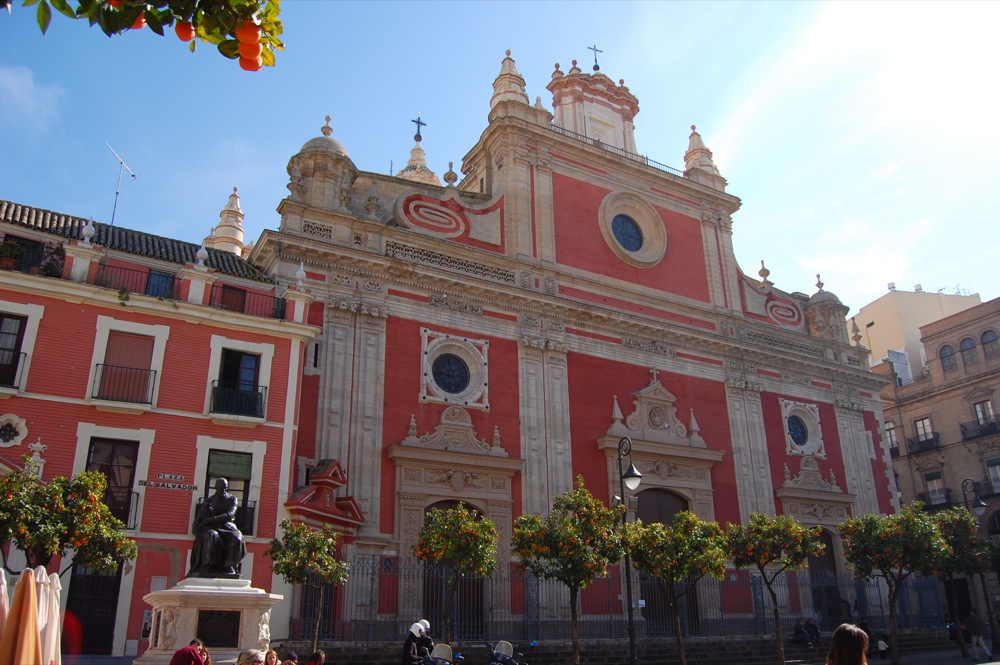
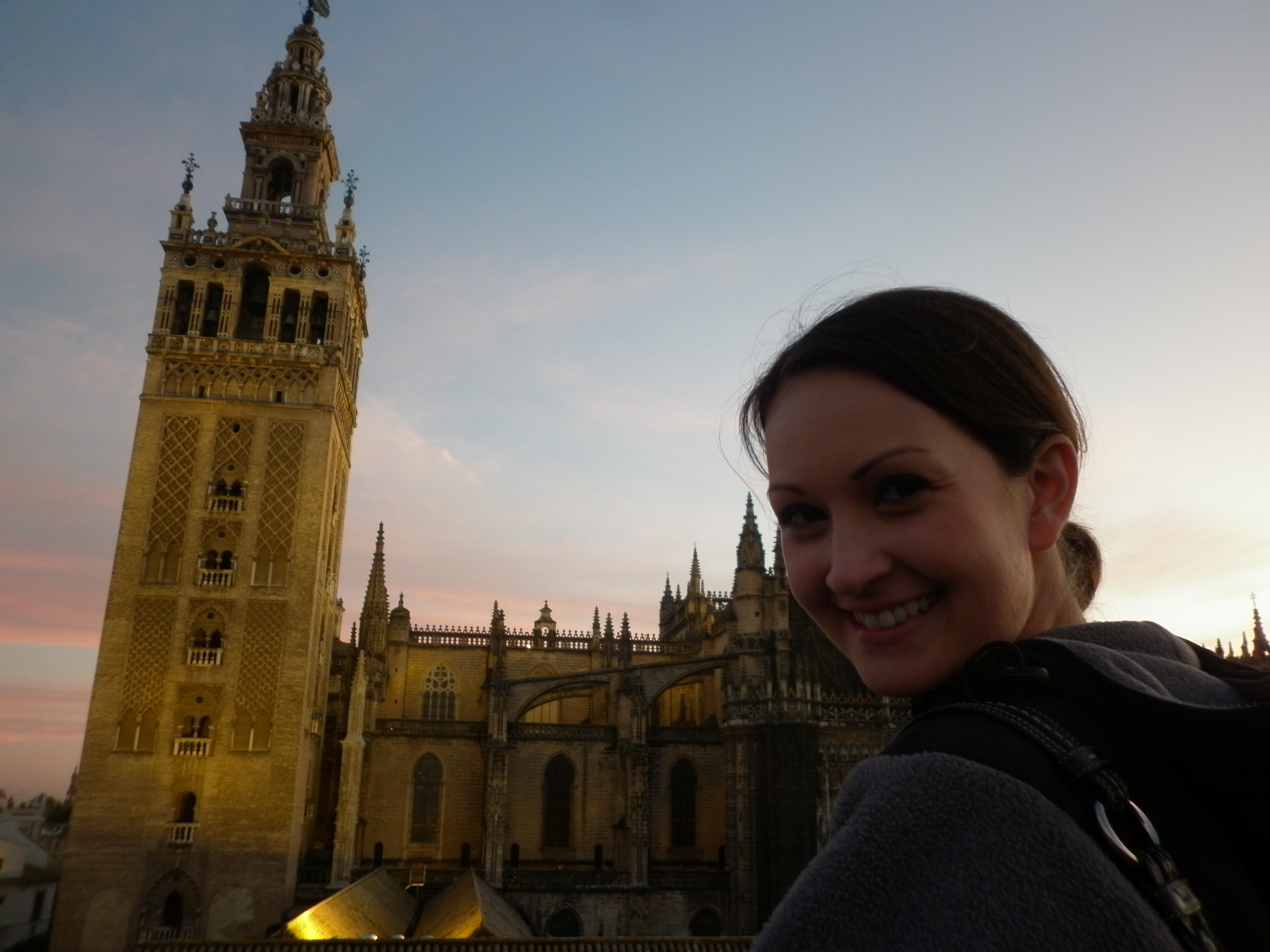
The salmon-pink facade of the Iglesia del Salvador is a popular meeting point for sevillanos. Photo by the author.

As you can see, Seville is one of the most vibrant cities in Spain. In my opinion, it’s also the most beautiful. Actually, if you ask around locals will tell you that “there’s no need to go anywhere else”. And they’re right!

ABOUT THE AUTHOR
Sandra lives in Seville and spends all her free time exploring the world. She is the editor of Seville Traveller, an online resource about the city. She has also published an e-book that will help you plan the trip of a lifetime. You can follow her on Twitter or keep posted through Facebook.
Related Posts Plugin for WordPress, Blogger...